
The cost of a Western Tanzania safari package covering Katavi, Mahale, and Gombe National Parks for 2026-2027 typically ranges from $5,000 to $12,000+ per person for a 10-14 day trip, depending heavily on accommodation style, chosen activities, transport logistics (especially the flight schedules and boat transfers), and the level of exclusivity. These remote parks require specialized travel, often involving multiple internal flights and boat journeys, which significantly influences the overall Western Tanzania safari cost compared to more accessible northern circuit parks.
Understanding the Allure of Western Tanzania
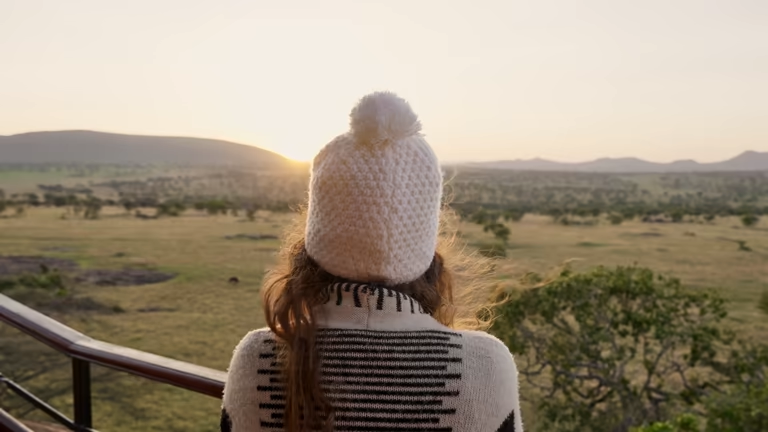
When most travelers envision a Tanzanian safari, their minds often turn to the iconic Serengeti, Ngorongoro Crater, or Tarangire. While these northern circuit destinations offer unparalleled wildlife viewing, a different kind of magic awaits in the western reaches of the country. Katavi, Mahale Mountains, and Gombe Stream National Parks represent Tanzania’s wild heart – remote, untamed, and offering experiences that feel profoundly authentic and exclusive. This region is for the discerning traveler seeking something beyond the usual, a chance to connect with nature in its most pristine state.
The appeal of Western Tanzania lies in its distinct ecosystems and unique wildlife encounters. Katavi National Park is a vast, semi-arid wilderness, a true test of survival for its inhabitants, especially during the dry season when its lakes and rivers become vital hubs for massive herds of buffalo, elephants, and a significant population of hippos and crocodiles. It’s a place of raw, rugged beauty and spectacular predator-prey interactions.
Further west, hugging the shores of the immense Lake Tanganyika, lie Mahale Mountains National Park and Gombe Stream National Park. These parks are world-renowned for their chimpanzee populations. Mahale, with its dramatic mountain backdrop cascading down to the lake, offers an in-depth chimpanzee trekking experience amidst lush forests, often combined with relaxing lakeside activities. Gombe, though smaller and more accessible by boat, is historically significant as the site of Dr. Jane Goodall’s groundbreaking research, providing intimate encounters with habituated chimpanzee families.
Visiting these parks is an investment, not just in terms of Western Tanzania safari cost, but also in time and logistical planning. They are not destinations you can easily combine with a quick northern circuit trip due to their geographical isolation. However, for those who make the journey, the rewards are immense: solitude, exceptional wildlife sightings without the crowds, and a deep sense of discovery. Planning for 2026 or 2027 requires early consideration, as accommodations are limited and flights need careful booking.
Key Factors Influencing Western Tanzania Safari Cost
The primary driver behind the Western Tanzania safari cost is the inherent remoteness and the specialized infrastructure required to access and operate within these parks. Unlike the northern circuit, where roads are generally well-maintained and lodges are numerous, Western Tanzania demands a more intricate approach. Understanding these factors is crucial for accurate budgeting for your 2026-2027 adventure.
1. Transportation Logistics
This is arguably the largest single component of the cost. Getting to Western Tanzania typically involves:
- International Flights: To Kilimanjaro International Airport (JRO) or Julius Nyerere International Airport (DAR).
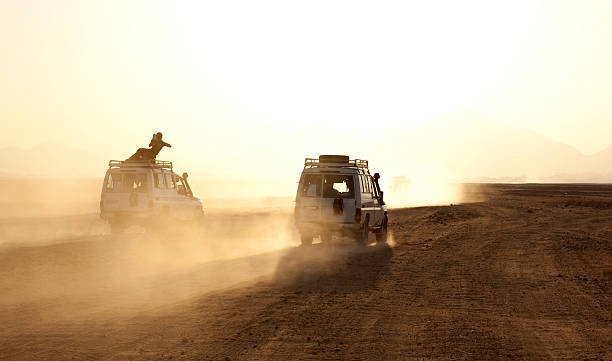
- Internal Flights: From major hubs like Dar es Salaam or Arusha to airstrips near Katavi (e.g., Mpanda), Mahale (e.g., Mahale airstrip), or Gombe (e.g., Kigoma). These scheduled or charter flights are expensive due to the distances and the specialized aircraft needed. Expect internal flights to add $500 – $1,000+ per person, per leg.
- Boat Transfers: Particularly vital for reaching lodges in Mahale and Gombe, which are often situated along Lake Tanganyika. These transfers can be private or shared and add to the daily operational costs.
- Ground Transfers: From airstrips to lodges, which can involve 4×4 vehicles or even walking in some cases.
The complexity of moving between these parks – for instance, combining Katavi with Mahale or Gombe – significantly increases the Western Tanzania safari cost due to the multiple flight sectors and boat transfers involved.
2. Accommodation Style
Lodging options in Western Tanzania are fewer and more exclusive than in the north, contributing to higher prices. You’ll primarily find:
- Luxury Tented Camps: These offer comfortable canvas tents with en-suite bathrooms, fine dining, and exceptional service. They are designed to blend with the environment while providing a high level of comfort. Prices for these can range from $600 to $1,500+ per person per night.
- Boutique Lodges: Often set in stunning locations, these offer a more permanent structure with similar amenities to luxury camps.
- Mid-Range Options: While less common, some simpler lodges or guesthouses might be available, especially in gateway towns like Kigoma or Mpanda, but these are rarely inside the parks themselves.
The limited availability means that booking well in advance for 2026-2027 is essential, especially for peak seasons.
3. Duration of Stay
The longer you stay, the higher the overall Western Tanzania safari cost. However, due to the travel time and expense involved in reaching these parks, most itineraries are designed for a minimum of 3-4 nights per park to make the journey worthwhile. A typical 10-14 day trip might include 3-4 nights in Katavi and 3-4 nights in either Mahale or Gombe, or a combination of all three.
4. Activities and Park Fees
While the core activities are game drives (Katavi) and chimpanzee trekking (Mahale/Gombe), other options can add to the cost:
- Chimpanzee Trekking Permits: These are regulated and have a fixed fee, currently around $100-$150 per person per trek in Mahale and Gombe, subject to change for 2026-2027.
- Guided Bush Walks: Available in some areas, offering a different perspective.
- Boat Safaris: Essential on Lake Tanganyika for Mahale and Gombe, often included in lodge rates.
- Cultural Visits: To nearby villages, if arranged.
Park entrance fees are also a significant daily cost, typically around $50-$70 per person per day for these parks, plus vehicle entry fees. These are usually bundled into package prices.
5. Group Size and Private vs. Shared Safaris
Private Safaris: Offer maximum flexibility, exclusivity, and personalized service. This is the most common way to experience Western Tanzania due to its nature. The Western Tanzania safari cost for a private safari will be higher per person but can offer better value if you have a group that fills the vehicle and accommodation.
Shared Safaris: These are much rarer in Western Tanzania. While group departures exist for northern circuit safaris, organizing shared trips to these remote western parks is logistically challenging and less common. If available for 2026-2027, they would significantly reduce the cost.
6. Seasonality
While Western Tanzania can be visited year-round, the dry season (June to October) is generally considered peak season due to more predictable weather and concentrated wildlife, particularly in Katavi. This period often commands higher prices. The shoulder seasons (May, November) can offer slightly lower rates, and the green season (December to April) brings lush landscapes but can present challenges with muddy roads and potentially dispersed wildlife.
Katavi National Park Safari Costs
Katavi National Park is Tanzania’s third-largest park, a remote and wild frontier renowned for its dramatic dry-season concentrations of wildlife. The Western Tanzania safari cost for Katavi is primarily driven by the internal flights required to reach its remote airstrips and the exclusivity of its lodges.
Typical Katavi Itinerary & Cost Breakdown (Example: 4 Days/3 Nights)
A common itinerary involves flying into Mpanda airstrip, followed by a transfer to a lodge within or on the edge of the park.
- Internal Flights: Round trip from Dar es Salaam or Arusha to Mpanda. Estimated: $700 – $1,200 per person.
- Park Fees: $50-$70 per person per day, plus vehicle fees. For 3 days, approx. $150 – $210 per person.
- Accommodation: Luxury tented camps range from $700 – $1,500+ per person per night, including meals and standard drinks. For 3 nights, approx. $2,100 – $4,500+ per person.
- Activities: Game drives are the primary activity. If a private vehicle is used, expect an additional daily cost ($250-$400 per vehicle). Shared vehicles are less common but reduce this cost.
- Transfers: Airstrip to lodge transfers, often by 4×4.
Estimated Total Cost for a 4-Day Katavi Safari (Luxury): Combining these elements, a 3-night stay in Katavi can range from $3,000 to $6,000+ per person. This figure excludes international flights.
What Influences Katavi’s Cost?
- Lodge Choice: Katavi has very few lodges, and the most sought-after ones are high-end, commanding premium prices.
- Flight Schedules: The limited flight schedules mean you often need to adhere to specific days, which can impact overall trip duration and cost.
- Exclusivity: Katavi offers unparalleled solitude. You will rarely encounter other vehicles, which is a significant part of its appeal and justifies the higher Western Tanzania safari cost.
For a 2026-2027 trip, booking accommodation and internal flights at least 8-12 months in advance is highly recommended due to limited capacity.
Mahale Mountains National Park Safari Costs
Mahale Mountains National Park, bordering the pristine waters of Lake Tanganyika, is a jewel for chimpanzee trekking and offers a unique blend of forest and lake experiences. The Western Tanzania safari cost here is also substantial, driven by its remoteness, the need for boat transport, and the exclusivity of its lodges.
Typical Mahale Itinerary & Cost Breakdown (Example: 4 Days/3 Nights)
Access to Mahale is typically via a flight to a local airstrip (often Mahale or Sumbawanga), followed by a boat transfer to the lakeside lodges.
- Internal Flights: Round trip from Dar es Salaam or Arusha to Mahale airstrip or nearby Sumbawanga, followed by a boat transfer. Estimated: $800 – $1,400 per person.
- Park Fees: Including park entry and chimpanzee trekking permits. Park entry is approx. $50-$70 per person per day. Chimpanzee trekking permits are around $100-$150 per person (subject to change for 2026-2027). For 3 days, approx. $250 – $350 per person.
- Accommodation: Lakeside lodges and luxury tented camps typically range from $800 – $1,800+ per person per night, usually on a full-board basis with standard drinks and boat transfers included. For 3 nights, approx. $2,400 – $5,400+ per person.
- Activities: Chimpanzee trekking, guided forest walks, boat excursions on Lake Tanganyika for birdwatching and relaxation.
- Boat Transfers: From airstrip to lodge and for activities. These are often included in lodge rates but can be a significant cost if booked separately.
Estimated Total Cost for a 4-Day Mahale Safari (Luxury): A 3-night stay in Mahale can cost between $3,500 and $7,500+ per person, excluding international flights. This price reflects the exceptional experience of tracking chimps in a stunning natural setting.
What Influences Mahale’s Cost?
- Chimpanzee Permits: A fixed cost that adds up for groups.
- Lakeside Lodges: Accommodation is limited to a few high-end lodges, which dictate the price point.
- Boat Logistics: Essential for access and exploration, adding operational complexity and cost.
For 2026-2027 bookings, Mahale’s limited lodges require planning at least 9-15 months in advance, especially for popular travel dates.
Gombe Stream National Park Safari Costs
Gombe Stream National Park, made famous by Dr. Jane Goodall, is the smallest Tanzanian national park and is accessible only by boat from Kigoma town. It offers intimate chimpanzee trekking and a chance to witness ongoing research. The Western Tanzania safari cost for Gombe is generally lower than Mahale but still significant due to its remote nature and reliance on boat transport.
Typical Gombe Itinerary & Cost Breakdown (Example: 4 Days/3 Nights)
The journey involves flying to Kigoma, then taking a boat transfer along the lake to the park’s lodges.
- Internal Flights: Round trip from Dar es Salaam or Arusha to Kigoma. Estimated: $600 – $1,000 per person.
- Park Fees: Including park entry and chimpanzee trekking permits. Park entry is approx. $50-$70 per person per day. Chimpanzee trekking permits are around $100-$150 per person (subject to change for 2026-2027). For 3 days, approx. $250 – $350 per person.
- Accommodation: Options range from basic park bandas to more comfortable lodges. Prices can vary significantly, from $300-$700 per person per night for mid-range/comfortable lodges, often on a full-board basis. For 3 nights, approx. $900 – $2,100 per person.
- Boat Transfers: From Kigoma to Gombe and for park activities. These are a significant component of the cost, often charged daily or as part of a package. Estimated: $300 – $600+ per day for a private boat.
- Activities: Chimpanzee trekking, guided walks, visiting Jane Goodall’s research sites.
Estimated Total Cost for a 4-Day Gombe Safari (Mid-Range to Comfortable): A 3-night stay in Gombe can range from $2,000 to $4,000+ per person, excluding international flights. While generally less expensive than Mahale, it still represents a premium experience due to the unique destination and logistical demands.
What Influences Gombe’s Cost?
- Boat Dependency: All movement within Gombe is by boat, making it a daily operational cost.
- Limited Accommodation: While more varied than Mahale, options are still limited and cater to a specific market.
- Kigoma Gateway: Flights to Kigoma are more frequent than to other remote airstrips, which can sometimes offer slightly better pricing compared to other western parks.
For 2026-2027, booking Gombe safaris also requires advance planning, particularly for lodges and internal flights to Kigoma.
Comparing Package Options: Katavi, Mahale & Gombe Combinations
The ultimate Western Tanzania safari cost emerges when you combine these incredible, yet geographically dispersed, parks. Most travelers opt for a combination to experience the diversity of the region. Here’s a look at how combining parks impacts the budget for a 2026-2027 trip.
1. Katavi & Mahale Combination (Approx. 8-10 Days)
This is a popular pairing, offering the vast plains and large herds of Katavi alongside the chimpanzee forests and lakeside beauty of Mahale.
- Logistics: Typically involves flying from Katavi’s airstrip (Mpanda) to Mahale’s airstrip, or vice-versa, often with a stopover in Arusha or Dar es Salaam, adding significant flight costs.
- Cost Impact: Expect to add at least $700 – $1,200 per person for the inter-park flight connections.
- Estimated Total Cost (Luxury, 8-10 Days): This combination could range from $6,000 to $12,000+ per person.
2. Katavi & Gombe Combination (Approx. 8-10 Days)
This offers the raw wilderness of Katavi and the historical chimpanzee research site of Gombe.
- Logistics: Similar to Katavi-Mahale, requiring flights between Mpanda (for Katavi) and Kigoma (for Gombe), often via a major hub.
- Cost Impact: Inter-park flights could add $600 – $1,000 per person.
- Estimated Total Cost (Luxury/Comfortable, 8-10 Days): This combination might range from $5,000 to $10,000+ per person.
3. Mahale & Gombe Combination (Approx. 7-9 Days)
Focusing on chimpanzee encounters in different settings, this combination offers two distinct but related experiences.
- Logistics: Involves flying from Mahale’s airstrip to Kigoma, or vice-versa. This is a shorter inter-park transfer than involving Katavi.
- Cost Impact: Inter-park flights might be around $300 – $600 per person.
- Estimated Total Cost (Luxury, 7-9 Days): This combination could range from $5,500 to $11,000+ per person.
4. The Grand Western Circuit: Katavi, Mahale & Gombe (Approx. 12-14 Days)
This is the ultimate Western Tanzania experience, covering all three parks. It is the most logistically complex and, therefore, the most expensive.
- Logistics: Involves multiple internal flights and potentially boat transfers between parks, making it a significant undertaking.
- Cost Impact: Inter-park flights and transfers can add upwards of $1,500 – $2,500+ per person to the total Western Tanzania safari cost.
- Estimated Total Cost (Luxury, 12-14 Days): This comprehensive safari is likely to be in the range of $8,000 to $15,000+ per person.
Considerations for 2026-2027 Packages:
- Flight Availability: The schedules for flights to these remote airstrips are limited and can change. Booking early for 2026-2027 ensures better flight times and potentially better prices.
- Lodge Availability: The few lodges in these parks book up very quickly, especially for the dry season. Booking 9-15 months ahead is crucial.
- Customization: Packages can be tailored. For example, a traveler might opt for fewer days in one park to extend another, or choose specific lodges based on their budget and preferences.
When comparing Western Tanzania safari packages for 2026-2027, always clarify what is included. Typically, high-end packages include accommodation, meals, standard drinks, park fees, internal flights, boat transfers, and guided activities. Exclusions usually are international flights, visa fees, travel insurance, tips, and premium beverages.
Budgeting for Your 2026-2027 Western Tanzania Safari
Budgeting for a safari to Western Tanzania requires a realistic understanding of the costs involved. Given the specialized nature of these destinations, it’s essential to allocate funds appropriately. Here’s a guide to help you plan your 2026-2027 trip.
Understanding Cost Tiers
While strict budget options are rare in Western Tanzania, you can think in terms of:
- Luxury/Exclusive: This is the dominant category. Expect top-tier lodges, private charter flights (in some cases), and highly personalized service. This tier aligns with the higher end of the Western Tanzania safari cost range ($8,000 – $15,000+ pp for 10-14 days).
- Comfortable/Mid-Range: This might involve slightly less opulent lodges, potentially more scheduled flights, and perhaps a slightly shorter duration. It’s challenging to find true ‘budget’ options here, but this tier could sit around $5,000 – $8,000 pp for a shorter trip.
Key Budgeting Considerations for 2026-2027
- Flight Costs: Internal flights are a major variable. Researching flight schedules and costs early is vital. Sometimes, chartering a small plane for a specific route can be more cost-effective for a group than multiple scheduled flights.
- Accommodation Booking Window: For 2026-2027, booking lodges 9-15 months in advance is crucial. Early booking might sometimes secure slightly better rates or ensure availability at your preferred lodge.
- Seasonality: Traveling in the shoulder seasons (e.g., May, November) for your 2026-2027 trip might offer marginal savings on accommodation, but flight costs remain largely consistent.
- Activity Choices: While core activities are fixed, extra guided walks or boat trips can add up. Discuss these with your tour operator to understand the additional costs.
- Group Size: Traveling with a group of 4-6 people can sometimes lead to better per-person rates for private vehicles and lodges, spreading the fixed costs more efficiently.
What’s Typically Included in Western Tanzania Safari Packages?
A comprehensive package for Western Tanzania typically covers:
- Accommodation: In selected lodges/camps with meals.
- Internal Flights: As per the itinerary (e.g., Dar/Arusha to Mpanda/Mahale/Kigoma, and return).
- Park Fees: Daily park entry fees.
- Chimpanzee Trekking Permits: For Mahale and Gombe.
- Transfers: Airstrip to lodge, and boat transfers where applicable.
- Activities: Game drives, guided walks, boat safaris as specified.
- Services of Guides: Professional safari guides.
What’s Typically Excluded?
- International Flights: To and from Tanzania.
- Visa Fees: For Tanzania.
- Travel Insurance: Essential and mandatory.
- Tips: For guides, lodge staff, etc.
- Premium Drinks & Laundry: Often not included in standard rates.
- Personal Expenses: Souvenirs, etc.
When budgeting for 2026-2027, it’s wise to add a buffer of 10-15% for unforeseen expenses or optional activities. The Western Tanzania safari cost is an investment in a truly unique and unforgettable experience.
Essential Booking Considerations for 2026-2027
Booking a safari to Western Tanzania requires meticulous planning and careful consideration, especially when looking ahead to 2026 and 2027. The remoteness and limited infrastructure mean that early decisions are key to securing your desired experience and managing the Western Tanzania safari cost effectively.
1. Timing is Crucial for 2026-2027
Dry Season (June – October): Ideal for wildlife viewing in Katavi as animals congregate around water sources. It’s also peak season for trekking in Mahale and Gombe, with generally pleasant weather. This period commands the highest prices and requires the earliest booking.
Shoulder Seasons (May, November): Offer a good balance of weather and wildlife, potentially with slightly lower rates. Still requires booking well in advance for 2026-2027.
Green Season (December – April): Lush landscapes, fewer tourists, and potentially lower prices. However, access can be challenging due to rain, especially in Katavi. Chimpanzee trekking is still possible, but conditions might be more demanding.
2. Accommodation and Flight Bookings
Limited Capacity: The lodges and camps in Katavi, Mahale, and Gombe are few and often small. For 2026-2027, booking your accommodation 9-15 months in advance is strongly advised. Some exclusive camps may even require longer lead times.
Internal Flights: These are operated by small airlines with limited seats. Schedules are not as frequent as for the northern circuit. Booking these flights as soon as your itinerary is confirmed is essential to guarantee your travel dates and preferred times.
3. Health and Safety
Vaccinations and Malaria Prevention: Consult your doctor or a travel clinic well in advance of your 2026-2027 trip regarding necessary vaccinations (e.g., Yellow Fever, Hepatitis A, Typhoid) and malaria prophylaxis. The western regions of Tanzania are considered malaria-risk areas.
Travel Insurance: Comprehensive travel insurance is non-negotiable. It must cover medical emergencies, evacuation (including remote areas), trip cancellation, and lost luggage.
4. Visa Requirements
Most nationalities require a visa for Tanzania. This can often be obtained online in advance or upon arrival at the airport. Check the latest requirements for your nationality well before your 2026-2027 travel dates.
5. Packing Smart
Pack light, neutral-colored clothing suitable for warm weather, with layers for cooler evenings. Essential items include sturdy walking shoes, insect repellent, sunscreen, a hat, a reusable water bottle, and a good camera with extra batteries and memory cards. Binoculars are highly recommended for wildlife viewing.
6. Choosing the Right Tour Operator
Given the complexity of Western Tanzania, partnering with an experienced tour operator is paramount. Look for operators with:
- In-depth knowledge of Western Tanzania logistics.
- Strong relationships with local lodges and flight operators.
- The ability to handle complex itineraries and last-minute adjustments.
- Excellent customer service and communication.
A reputable operator will guide you through every step, from itinerary design to booking, ensuring your Western Tanzania safari cost is well-managed and the experience is smooth.
How Climb 4 Africa Can Help Plan Your Trip
Navigating the intricacies of a safari to Western Tanzania, understanding the nuances of the Western Tanzania safari cost, and piecing together an itinerary that perfectly matches your desires requires local expertise. At Climb 4 Africa, we specialize in crafting unforgettable Tanzanian adventures, including the unique destinations of Katavi, Mahale, and Gombe.
Why Choose Climb 4 Africa for Your Western Tanzania Safari?
- Local Expertise: We live and breathe Tanzania. Our team has firsthand knowledge of the parks, lodges, and logistical challenges involved in reaching these remote areas. This allows us to provide the most accurate and up-to-date advice on costs and planning for 2026-2027.
- Tailor-Made Itineraries: We don’t offer one-size-fits-all packages. We work closely with you to understand your interests, budget, and travel style, designing a bespoke safari that maximizes your experience in Katavi, Mahale, and Gombe.
- Logistical Mastery: Coordinating internal flights, boat transfers, and lodge bookings in Western Tanzania is complex. We handle all these details, ensuring a smooth and efficient journey.
- Value and Transparency: We strive to offer competitive pricing for the unparalleled experiences these parks provide. We are transparent about what is included in your Western Tanzania safari cost, ensuring there are no hidden surprises.
- Support: From your initial inquiry through to your return home, our dedicated team is available to assist you.
Ready to Plan Your 2026-2027 Adventure?
The magic of Western Tanzania awaits. Whether you dream of the vast elephant herds of Katavi, the intimate chimpanzee encounters in Mahale, or the legendary research sites of Gombe, we can help bring your vision to life. To start planning your personalized safari and get a detailed quote for 2026-2027, please reach out to us.
Contact Climb 4 Africa today:
- WhatsApp: +255 747 477 898
- Email: climb4africa@gmail.com
- Website: Climb 4 Africa
Let us craft your extraordinary journey into the wild heart of Tanzania. We look forward to helping you explore Katavi, Mahale, and Gombe!
Check Availability for Western Tanzania Safari Cost: Katavi, Mahale & Gombe Package Pricing Guide
Ready to compare dates, prices, and the best option for your group? Send the package name and travel month so the team can reply with a clear quote, availability, and what is included.
Kilimanjaro And Great Migration Safari July : Your Ultimate Tanzanian
Combining a Kilimanjaro climb with a Great Migration safari in July 2027 offers a spectacular Tanzanian adventure. This guide helps you plan your ideal itinerary, considering the best...
View package details
Kilimanjaro And Grumeti Migration Safari June : The Ultimate Tanzanian
Plan your unforgettable Kilimanjaro and Grumeti Migration safari for June 2027. This comprehensive guide details how to combine the challenge of summiting Africa's highest peak with the...
View package details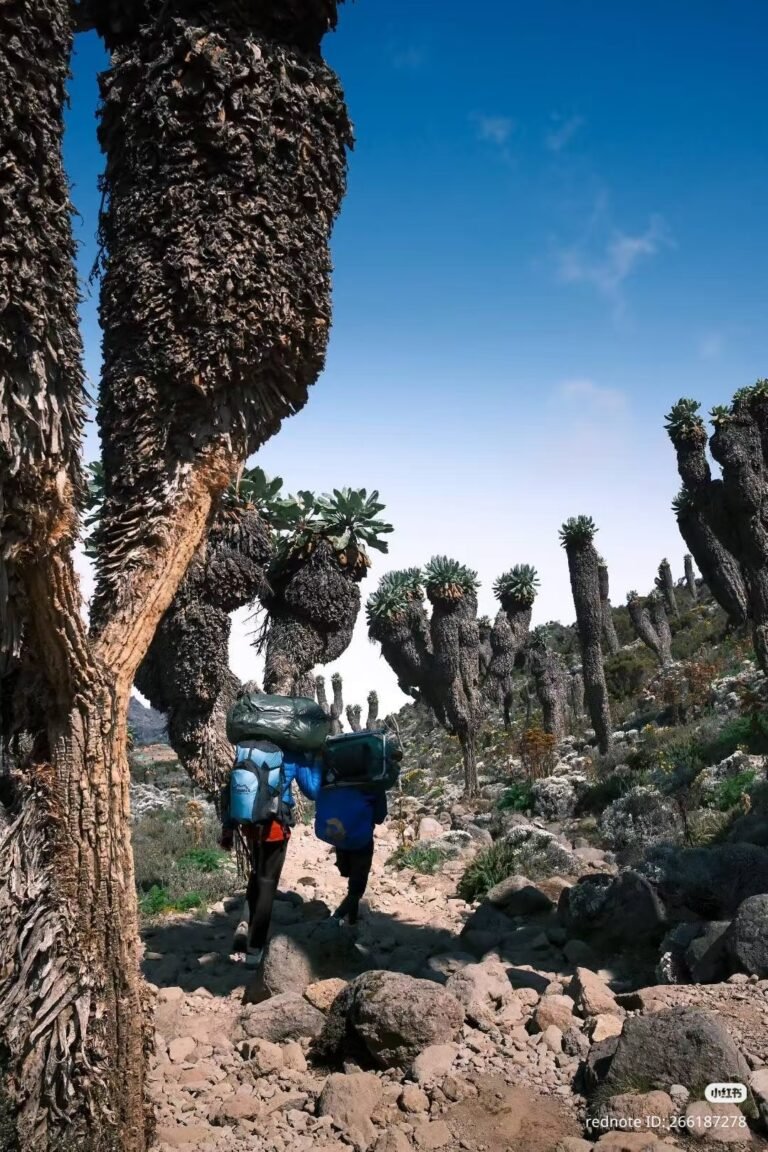
Kilimanjaro Christmas Climb And Tanzania Safari : Your Festive Adventure
Combine the magic of a Christmas ascent of Kilimanjaro with a thrilling Tanzania safari in 2026. Discover how to plan this dual adventure for a truly unique festive season.
View package detailsKilimanjaro And Mara River Crossing Safari August : Peak Season Adventure 2027
Combining the ultimate challenge of climbing Mount Kilimanjaro with the awe-inspiring spectacle of the Great Migration river crossing in the Maasai Mara offers an unparalleled African...
View package details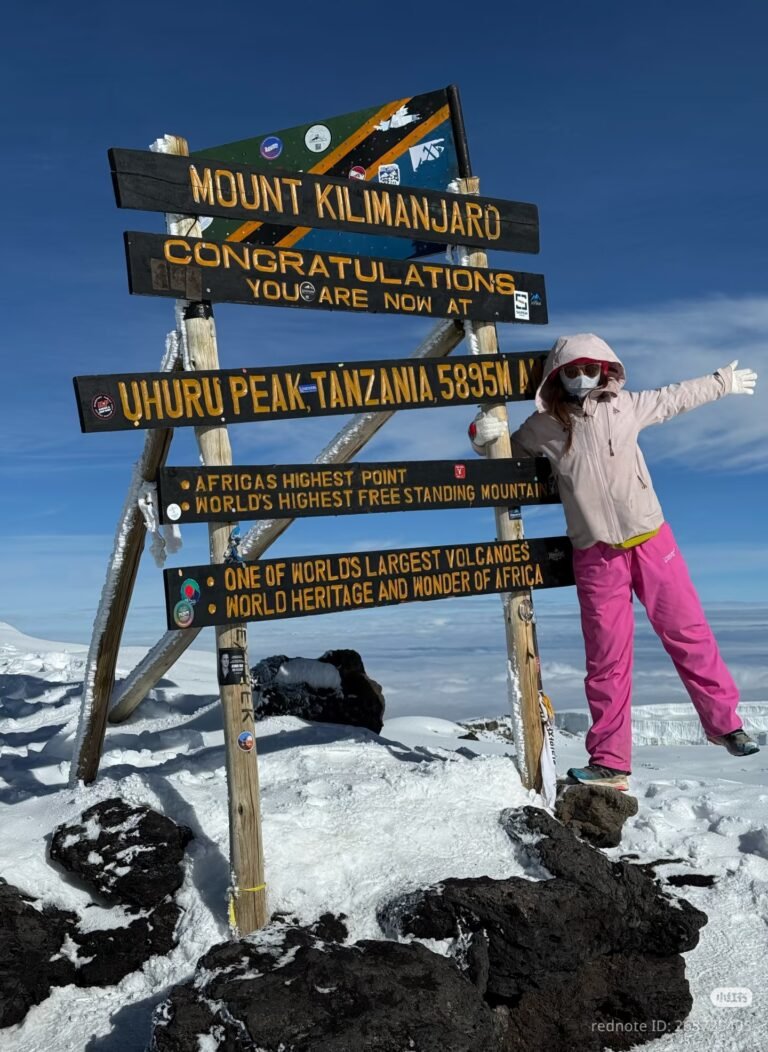
Kilimanjaro And Great Migration Safari August : Your Peak Season Adventure
Plan your ultimate Tanzanian adventure in August 2027, combining a Kilimanjaro climb with the spectacle of the Great Migration. This guide details the best timings, routes, and safari...
View package detailsKilimanjaro And Mara River Crossing Safari July 2027
Kilimanjaro and Mara River Crossing Safari July 2027 is explained with current 2027 planning, price, itinerary and booking information.
View package details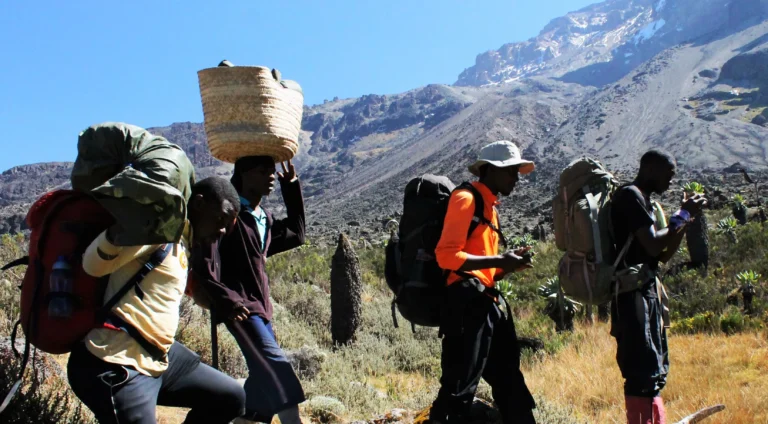
Best Kilimanjaro And Serengeti Calving Season Safari March 2027
Discover the magic of a March 2027 Kilimanjaro and Serengeti calving season safari. This guide explores the unique advantages and considerations for experiencing Tanzania's wildlife...
View package details
Kilimanjaro And Serengeti Calving Safari February : The Ultimate Planning
Combine the majesty of Mount Kilimanjaro with the impressive spectacle of the Serengeti's calving season in February 2027. This guide details how to plan this dual adventure, focusing on...
View package details
Kilimanjaro And Serengeti Calving Safari January 2026-2027
Kilimanjaro and Serengeti Calving Safari January 2027 is explained with current 2026-2027 planning, price, itinerary and booking information.
View package detailsNo related package matches those filters. Clear one or more filters to see the other topic-matched options.



