
Animals gather in the Serengeti primarily because it offers an unparalleled abundance of essential resources, most critically water and fresh grazing land, which are dictated by predictable seasonal patterns. This concentration of life fuels the world-renowned Great Migration, a perpetual movement of over 1.5 million wildebeest, zebras, and gazelles following the rains, while also creating a rich hunting ground for predators. The vast, protected landscape provides safety from human interference and a stable environment for breeding and survival, making it a critical hub for East African wildlife year-round, with specific areas peaking in importance during different months, especially for witnessing these gatherings in 2026-2027.
Understanding the Serengeti’s Wildlife Magnets
The Serengeti, a name that evokes images of endless plains teeming with life, is not just a random collection of animals. It’s a dynamic, intricate ecosystem where life ebbs and flows, driven by fundamental biological needs and the unique geography of this iconic Tanzanian landscape. When travelers ask why do animals gather in the Serengeti, they’re often looking for the underlying causes that create the dramatic spectacles they’ve seen in documentaries or hope to witness on a safari. The answer is multifaceted, involving a sophisticated interplay of climate, vegetation, water availability, predator-prey dynamics, and sheer scale.
At its heart, the Serengeti functions as a giant, natural magnet for wildlife because it provides the most reliable and abundant supply of what animals need to survive and reproduce. This isn’t a static phenomenon; it’s a continuous cycle, a grand ballet of survival choreographed by nature. For anyone planning a safari to Tanzania in 2026 or 2027, understanding these gathering points is key to maximizing your chances of seeing incredible wildlife events.
We’ll break down the core drivers, from the most basic needs like water and food to the more complex ecological relationships that make the Serengeti a global epicenter for wildlife viewing. This detailed exploration aims to provide a comprehensive understanding, allowing you to appreciate the ‘why’ behind the ‘what’ you’ll see on the ground.
The Prime Drivers: Water and Grazing
The most fundamental reason animals gather in the Serengeti is the pursuit of sustenance. Water and fresh grass are the twin pillars supporting the immense biomass that inhabits these plains. Without them, survival is impossible, and their cyclical availability dictates the movement and congregation of millions of herbivores.
Following the Rains: The Water Cycle’s Pull
Tanzania, and the Serengeti in particular, experiences distinct wet and dry seasons. The rains are not uniform across the vast ecosystem; they move, bringing life to different areas at different times. Animals, especially the massive herds of wildebeest and zebras, are exquisitely attuned to these patterns. They follow the moisture, moving towards areas where the grass has recently been revived by rainfall.
The short rains typically occur between November and December, often in the northeastern parts of the Serengeti and the Ngorongoro Conservation Area. These rains bring a flush of new grass, attracting herbivores to these regions. The longer, more substantial rains arrive between March and May, transforming the southern plains and the short-grass plains into lush pastures. This is when the largest congregations of herbivores are often found in the south.
For a safari-goer, knowing when and where the rains are expected to fall is crucial for planning a trip in 2026 or 2027 to witness these gatherings. For instance, seeing the wildebeest calving season in the southern Serengeti in February requires timing your visit around the end of the short rains and the beginning of the build-up to the long rains.
The Allure of Fresh Pastures
Grass is the primary food source for the dominant herbivores: wildebeest, zebras, and various gazelles. However, they don’t just eat any grass. They prefer young, nutrient-rich shoots that emerge after rainfall. As the dry season progresses, the grass in any given area becomes dry, less nutritious, and eventually depleted. This forces the herds to move on, seeking out areas where new growth is abundant.
The Serengeti’s diverse landscape includes short-grass plains, acacia woodlands, and riverine areas, each supporting different types of vegetation. The plains themselves are vast, allowing for extensive grazing without immediate depletion, but even these vastness are subject to seasonal changes. The continuous cycle of growth and consumption is what drives the need for movement and, consequently, the gathering of large numbers of animals in specific locations at specific times.
The concentration of herbivores in these ‘green zones’ naturally attracts predators, creating a dynamic and often dramatic wildlife viewing experience. The presence of abundant food resources is the foundational reason why do animals gather in the Serengeti, setting the stage for all other ecological interactions.
The Great Migration: A Phenomenon of Gathering
Perhaps the most famous reason animals gather in the Serengeti is the Great Migration. This is not just a casual movement; it’s one of the planet’s most spectacular natural events, involving an estimated 1.5 million wildebeest, hundreds of thousands of zebras, and hundreds of thousands of gazelles. Their nomadic existence is a direct response to the search for water and fresh grazing, creating immense gatherings at various points throughout the year.
The Annual Circuit: Following the Green
The migration is a year-round phenomenon, with the herds constantly moving in a roughly circular pattern across the Serengeti ecosystem and into Kenya’s Masai Mara. The exact location of the herds can vary year by year based on rainfall patterns, but the general circuit is well-established.
- December to March: Southern Plains and Calving Season. Following the short rains, the herds congregate in the southern Serengeti and the Ngorongoro Conservation Area. This is the calving season, a period of intense activity as hundreds of thousands of new calves are born, providing a critical window for predators. The short-grass plains offer nutrient-rich grazing ideal for supporting pregnant females and newborns.
- April to May: The Move North and Crossing Rivers. As the long rains begin to dry up in the south, the grass becomes depleted. The herds start their journey north and west, heading towards the Grumeti and Mara Rivers. This is often when the most dramatic river crossings occur, a highlight for many safari-goers hoping to witness this in 2026-2027.
- June to October: Western and Northern Serengeti, Mara River. The herds spread out across the western and northern Serengeti, often congregating near the Mara River. They graze here until the rains begin again, prompting their southward movement. The Mara River crossings are particularly famous for their high drama, with crocodiles lying in wait and wildebeest and zebras facing perilous journeys.
- November: Return South. The herds begin to move back towards the southern plains as the short rains start to fall, completing the cycle.
Why This Specific Gathering?
The sheer numbers involved in the Great Migration create an unparalleled spectacle. The gathering of so many individuals in one place is a direct consequence of the vastness of the Serengeti and its ability to support such large populations, provided the resources are available. The migration is the ultimate answer to why do animals gather in the Serengeti on such a colossal scale – it’s a matter of survival driven by the most basic needs, amplified by the ecosystem’s capacity.
For travelers aiming for specific sightings, understanding the migration’s calendar is paramount. Planning a safari for 2026 or 2027 to coincide with a particular phase, like river crossings or the calving season, requires careful consideration of the typical patterns. This is where expert advice from local operators can be invaluable.
Predator-Prey Dynamics: The Hunter and the Hunted
The immense gatherings of herbivores in the Serengeti create an ideal hunting ground for its formidable array of predators. This predator-prey relationship is a fundamental aspect of the ecosystem and a major draw for wildlife enthusiasts.
Lions, Leopards, and Cheetahs: The Serengeti’s Apex Predators
The Serengeti is home to one of the highest concentrations of predators in Africa. Lions, in particular, thrive here, often found in prides that hunt cooperatively. Their presence is a direct result of the abundant prey. They will often position themselves near waterholes or along migratory routes, waiting for an opportunity.
Leopards, masters of stealth, are more solitary but still benefit from the sheer number of potential prey animals. They are adept at hunting smaller antelope and, when the opportunity arises, will even take young wildebeest or zebras.
Cheetahs, the fastest land animals, are built for open plains where they can chase down fast-moving prey like gazelles. The vast grasslands of the Serengeti provide the perfect arena for their hunting style. The gathering of gazelles, especially during the calving season, offers them a rich feeding ground.
Hyenas and Wild Dogs: Scavengers and Pack Hunters
Spotted hyenas are also highly successful predators in the Serengeti, often outcompeting lions for kills. Their powerful jaws and social structure allow them to take down large prey. Their numbers also swell in areas where prey is concentrated.
African wild dogs, though endangered, are also present and are incredibly efficient pack hunters. They rely on stamina and coordination to run down prey, and the open plains are ideal for this strategy. The presence of large herds ensures they have ample opportunities.
The Attraction of Abundance
The concentration of herbivores is the primary factor that draws predators to specific areas and keeps them there. When millions of wildebeest and zebras are gathered for calving or are on the move, predators have a much higher success rate in finding food. This abundance sustains the large predator populations that are so iconic of the Serengeti.
Understanding this dynamic is crucial for safari planning. Areas with high herbivore concentrations will naturally have a higher density of predators. When planning your 2026-2027 safari, discussing with your tour operator which areas are likely to have good predator sightings based on the time of year and recent animal movements can significantly enhance your experience.
The Serengeti as a Protected Haven
Beyond the natural resources, the Serengeti’s status as a protected area is a critical reason why do animals gather in the Serengeti and why they thrive there. Conservation efforts have created a sanctuary that allows wildlife populations to flourish.
Vast, Unfragmented Habitat
The Serengeti National Park and the surrounding conservation areas (like the Ngorongoro Conservation Area and the Masai Mara National Reserve) form an enormous, largely unfragmented ecosystem. This vastness is essential. It provides ample space for migratory herds to move without encountering insurmountable barriers and allows predator populations the territory they need to hunt and establish their own territories.
In many parts of the world, human development has fragmented wildlife habitats, making it difficult for animals to access resources or move freely. The Serengeti’s protected status has largely prevented this, maintaining the integrity of the ecosystem and ensuring that the natural cycles of life can continue undisturbed.
Mitigation of Human Conflict
While the Serengeti ecosystem extends beyond the park boundaries, the park itself offers a crucial refuge from direct human conflict, poaching, and habitat encroachment. This protection allows animal populations to grow and to undertake their natural migratory movements with less interference.
The management of the Serengeti involves anti-poaching patrols and efforts to balance conservation with the needs of local communities. This protected status is a cornerstone of why the Serengeti remains such a vital gathering place for wildlife. Without it, the massive congregations and the Great Migration would likely not be sustainable.
Conservation Success Stories
The Serengeti is a testament to successful conservation. Decades of dedicated efforts have helped to stabilize and, in many cases, increase wildlife populations that were once threatened. This success reinforces the Serengeti’s role as a prime destination for wildlife, encouraging animals to remain within its boundaries and drawing others from less protected areas.
When you visit the Serengeti, you are not just witnessing wildlife; you are experiencing a managed ecosystem where conservation efforts play a vital role in sustaining the very gatherings you came to see. This is a crucial factor for the long-term health of the wildlife populations and a significant part of why do animals gather in the Serengeti.
Seasonal Variations and Specific Gathering Hotspots
While the entire Serengeti ecosystem is a magnet for wildlife, certain areas become particularly important at different times of the year. Understanding these seasonal hotspots is key to planning an optimal safari, whether you’re aiming for 2026 or 2027.
The Central Serengeti (Seronera Valley)
The Seronera Valley in the central Serengeti is often considered a year-round destination. It boasts a permanent water supply, which means resident wildlife populations are consistently high. This area is particularly renowned for its big cats – lions, leopards, and cheetahs – who are attracted by the abundance of prey that doesn’t need to migrate.
Lions are particularly visible here, often seen lounging in acacia trees or on kopjes (rocky outcrops). Leopards are more elusive but frequently found in the riverine forests. Cheetahs patrol the open grasslands surrounding Seronera.
Why animals gather here: Permanent water sources and a consistent supply of resident prey, making it a reliable hunting ground for predators and a reliable place to see diverse wildlife year-round.
The Southern Plains (Ndutu Area)
From December to March, the southern plains, including the Ndutu area (which straddles the Ngorongoro Conservation Area and Serengeti National Park), become the epicenter of wildlife activity. This is primarily due to the short rains bringing forth the lush, nutrient-rich short grasses. This period is synonymous with the calving season of the wildebeest and zebras.
Witnessing hundreds of thousands of wildebeest and zebras with their newborns, spread across the vast plains, is an unforgettable sight. The high concentration of young, vulnerable animals also attracts a surge of predators, leading to intense and often dramatic interactions.
Why animals gather here: The short rains create ideal conditions for calving and provide highly nutritious grazing, drawing the massive migratory herds and the predators that follow.
The Western Corridor (Grumeti River)
During the drier months of June and July, the western corridor, particularly the area around the Grumeti River, becomes a focal point. As the herds move north and west, they are funneled towards the Grumeti River. This river is known for its large population of Nile crocodiles.
The river crossings here can be as dramatic as those at the Mara River, though often with smaller numbers of animals. The riverine forests also provide excellent habitat for colobus monkeys and other arboreal species, alongside resident wildlife.
Why animals gather here: The migratory herds are forced to cross the Grumeti River, a significant obstacle that attracts both predators and opportunistic scavengers, especially crocodiles.
The Northern Serengeti (Mara River)
The northern Serengeti, particularly the region around the Mara River, is a major destination from July to October. This is another critical crossing point for the Great Migration as the herds move between the Serengeti and the Masai Mara. The Mara River is wider and often more challenging to cross than the Grumeti.
These crossings are legendary for their intensity, with large crocodiles and numerous predators waiting to ambush the struggling animals. The northern Serengeti also offers a diverse landscape, including kopjes and woodlands, supporting a wide range of wildlife.
Why animals gather here: The Mara River acts as a crucial bottleneck for the migrating herds, leading to spectacular, high-stakes crossings and intense predator activity.
For those planning a safari in 2026 or 2027, choosing the right time of year and the right region within the Serengeti is paramount to witnessing these incredible gatherings. A well-planned itinerary, tailored to the season, will maximize your chances of experiencing the Serengeti’s wildlife at its most dynamic.
Beyond the Migration: Other Wildlife Gatherings
While the Great Migration is the most famous reason for animal congregations, it’s not the only one. The Serengeti and its surrounding areas host other significant gatherings driven by specific ecological needs or opportunities.
Birdlife Spectacles
The Serengeti is a paradise for birdwatchers, with over 500 species recorded. While many are resident, certain areas and times of year can see significant congregations of birds. Migratory birds from Europe and Asia arrive during the northern hemisphere’s winter (roughly October to April), boosting the avian population.
Water bodies, such as the permanent waters around Seronera or temporary pools after rains, attract large numbers of water birds like storks, herons, and egrets. Certain areas with specific food sources, like acacia trees bearing seed pods or areas with abundant insects, can also draw large flocks.
Why birds gather: Availability of food (insects, seeds, fish), breeding grounds, and favorable weather conditions, especially during migratory seasons.
Hippo Pools and Riverbanks
Hippos are semi-aquatic mammals that need water to keep their skin moist and to regulate their body temperature. During the dry season, they congregate in permanent water sources, such as the Grumeti River, the Mara River, and various permanent pools scattered throughout the park. These gatherings can be quite substantial, with dozens of hippos sharing a relatively small space.
Riverbanks also attract a variety of animals. Elephants come to drink and bathe, zebras and wildebeest gather to quench their thirst, and predators often lurk nearby, anticipating opportunities. These water points become natural gathering spots for diverse species, especially when other water sources are scarce.
Why hippos and others gather: Necessity for water (hippos need it constantly; others during dry spells), cooling off, and safety in numbers.
Breeding and Nesting Colonies
Certain species gather in specific locations for breeding and nesting. For example, some bird species form colonies to nest together, offering collective protection against predators. While not as dramatic as the wildebeest migration, these focused gatherings are crucial for the reproductive success of these species.
The vastness and protection of the Serengeti provide ideal conditions for such breeding activities, allowing species to concentrate their efforts in areas offering the best resources and safety.
Why species form colonies: Enhanced protection against predators, efficiency in finding mates, and shared parental care responsibilities.
These smaller, but significant, gatherings highlight that the Serengeti’s allure extends beyond the iconic Great Migration. Understanding these diverse congregations can enrich your safari experience, offering insights into the complex web of life in this remarkable ecosystem, whether you visit in 2026 or 2027.
Planning Your Serengeti Safari for 2026-2027: Witnessing the Gatherings
Deciding why do animals gather in the Serengeti is the first step; the next is planning how and when to witness these incredible events. Your safari planning for 2026-2027 needs to align with the natural cycles of the wildlife.
Choosing the Right Time of Year
Your primary goal for your 2026-2027 safari will heavily influence the best time to visit:
- For the Calving Season (Jan-Feb): Aim for the southern Serengeti (Ndutu area). This is when the plains are teeming with newborn wildebeest and zebras, and predator activity is at its peak.
- For River Crossings (June-Oct): Target the western corridor (Grumeti River) in June/July and the northern Serengeti (Mara River) from July to October. Be aware that river crossings are unpredictable and depend entirely on rainfall and herd movements.
- For General Wildlife Viewing & Big Cats (Year-round): The central Serengeti (Seronera Valley) offers consistently high game viewing opportunities throughout the year due to its resident populations and permanent water sources.
- For Birdwatching & Greener Landscapes (Nov-May): This period, especially after the rains, offers lush scenery and increased bird activity, though it might be outside the peak migration phases.
Safari Styles and Logistics
The Serengeti can be explored through various safari styles, each offering a different perspective and influencing your experience of animal gatherings:
- Lodge Safaris: Stay in comfortable lodges or tented camps, offering amenities and a fixed base. These are great for relaxation and offer excellent access to specific areas.
- Mobile Camping Safaris: These safaris move with the migration (or follow specific routes), setting up camp in different locations. This offers a more adventurous and closer-to-nature experience, often placing you in prime viewing spots. For 2026-2027, consider this for maximum flexibility.
- Private Safaris: Tailor-made itineraries with a private vehicle and guide, offering maximum flexibility and personalized game drives. This is ideal for focusing on specific wildlife events or photographic opportunities.
- Group/Scheduled Safaris: Joining a group tour offers a more budget-friendly option, with set departure dates and itineraries. Check for 2026-2027 departures on sites like Climb 4 Africa’s group safari page.
Booking Your 2026-2027 Safari
Planning well in advance is crucial, especially for popular times like the migration season. Booking 9-12 months ahead for 2026-2027 is advisable to secure preferred accommodations and safari dates.
- Consult Experts: Work with experienced tour operators who understand the Serengeti’s dynamics. They can advise on the best timing and locations for your specific interests.
- Itinerary Customization: Discuss your interests (e.g., photography, birdwatching, specific animal sightings) with your operator to create an itinerary that maximizes your chances of seeing the gatherings you’re most interested in.
- Inclusions and Exclusions: Understand what is included in your safari package (accommodation, meals, park fees, guide services, game drives, transfers) and what is not (tips, personal expenses, drinks). This helps in budgeting for your 2026-2027 trip.
By understanding why do animals gather in the Serengeti and aligning your travel plans with these natural phenomena, you can ensure a truly unforgettable safari experience in 2026 or 2027.
Frequently Asked Questions About Serengeti Animal Gatherings
What is the best time of year to see the Great Migration in the Serengeti?
The best time depends on which phase of the migration you wish to see. For the calving season and large herds on the southern plains, aim for January to March. For river crossings, target June to October, with Grumeti crossings typically in June/July and Mara River crossings from July to October. However, river crossings are unpredictable and dependent on rainfall.
Are animals always gathered in specific places in the Serengeti?
While the Serengeti is always teeming with wildlife, the ‘gatherings’ are often seasonal and driven by the need for water and fresh grazing. The central Serengeti (Seronera) has resident wildlife year-round due to permanent water. The massive herds of the Great Migration move predictably but their exact location can vary slightly each year.
Why do the wildebeest and zebras migrate together?
Wildebeest and zebras have different grazing preferences and predator avoidance strategies. Wildebeest are the primary grazers that consume the taller, coarser grasses, making way for the zebras to graze on the shorter, more nutritious grass shoots that emerge. Together, they form a more resilient herd, offering better protection against predators due to sheer numbers and varied vigilance.
Can I see predators even if I miss the peak migration?
Absolutely. The central Serengeti, particularly the Seronera Valley, has a high density of resident predators year-round due to its permanent water sources and abundant resident prey like gazelles, impalas, and buffalo. You can have excellent predator sightings outside of the main migration periods.
How does the Serengeti’s size contribute to these animal gatherings?
The sheer scale of the Serengeti ecosystem (over 14,750 sq km / 5,695 sq miles for the national park alone) is crucial. It provides vast, unfragmented habitats with diverse landscapes capable of supporting millions of animals. This size allows for extensive grazing, the availability of multiple water sources, and safe corridors for migration, preventing overgrazing and enabling natural population cycles.
Planning Your 2026-2027 Serengeti Adventure with Climb 4 Africa
Understanding why do animals gather in the Serengeti transforms a safari from a simple sightseeing trip into a profound appreciation of nature’s grand cycles. Whether you’re drawn by the drama of river crossings, the tenderness of the calving season, or the constant presence of predators in the central plains, the Serengeti offers unparalleled wildlife encounters.
Planning a trip for 2026 or 2027 requires careful consideration of these natural rhythms. At Climb 4 Africa, we specialize in crafting tailor-made Tanzanian travel experiences that put you at the heart of these incredible wildlife spectacles. Our local expertise ensures that your itinerary is optimized for the time of year you choose to visit, maximizing your chances of witnessing the Serengeti’s most interesting moments.
We offer a range of safari options, from private, bespoke journeys designed around your specific interests in wildlife photography or particular animal behaviors, to shared group departures that provide excellent value and opportunities to connect with fellow travelers. We can guide you on the best regions to visit based on the expected animal movements for your chosen dates in 2026-2027, and ensure you have experienced guides who know the park intimately.
To begin planning your unforgettable Serengeti safari, or if you have any questions about the best timing, itineraries, or what to expect, please reach out to our team. We are passionate about creating authentic African adventures.
Contact us today to start planning your 2026-2027 Serengeti safari:
- WhatsApp: +255 747 477 898
- Email: climb4africa@gmail.com
Let us help you witness the magic of why do animals gather in the Serengeti.
Check Availability for Why Do Animals Gather In The Serengeti? Ultimate Guide 2026-2027
Ready to compare dates, prices, and the best option for your group? Send the package name and travel month so the team can reply with a clear quote, availability, and what is included.
What Makes The Serengeti So Famous? 2026-2027
What Makes the Serengeti So Famous? is explained with current 2026-2027 planning, price, itinerary and booking information.
View package details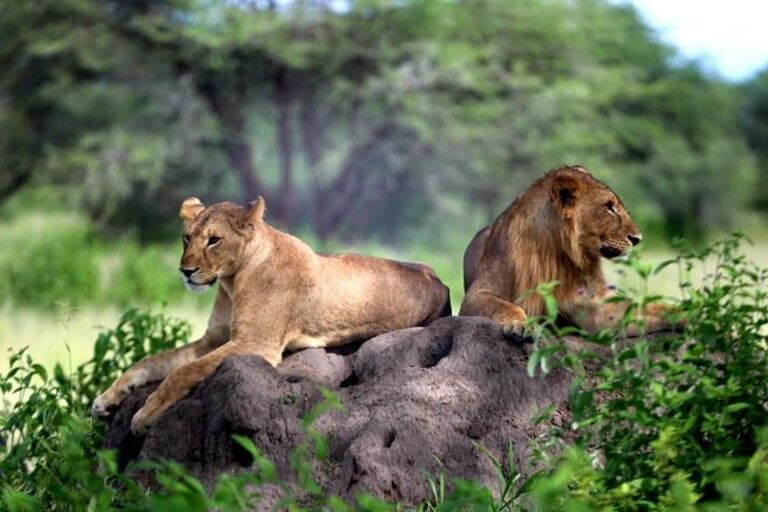
3 Day Joining Safari Group Departures From Moshi: 2026
Discover convenient 3-day group safari departures from Moshi, perfect for maximizing your Tanzania adventure. Explore wildlife-rich parks like Tarangire, Manyara, or the Serengeti on shared...
View package details20 Natural Wonders In Africa You Need To See 2026-2027
Explore Africa's most spectacular natural wonders, from the majestic peaks of Kilimanjaro and the vast plains of the Serengeti to the unique landscapes of Namibia and the vibrant coral...
View package detailsWhat Really Happens During The Great Migration? Your Expert Tanzania Safari
The Great Migration is a constant, dynamic cycle of life and death in Tanzania's Serengeti and Kenya's Maasai Mara. Understand the wildebeest, zebra, and predator movements, the best times...
View package detailsWhat Makes Tanzania So Special For Wildlife Lovers? An Expert Guide 2026-2027
Tanzania stands out for wildlife enthusiasts due to its staggering biodiversity, world-renowned national parks like the Serengeti and Ngorongoro Crater, and the unparalleled spectacle of...
View package details10 Best Wildlife Destinations In The World For Unforgettable Safaris 2026-2027
Explore the planet's most incredible wildlife destinations, from the Serengeti to the Amazon. This comprehensive guide helps you choose and plan your next safari adventure, with practical...
View package detailsWhy Do Wildebeest Migrate Across Africa? Understanding The Great Migration
The great wildebeest migration is one of Africa's most spectacular wildlife events. This article explains the fundamental reasons behind this annual movement, focusing on the quest for...
View package details10 Places In Tanzania That Feel Like Another Planet 2026-2027
Discover Tanzania's most surreal and alien-like destinations. From the vast, mineral-rich plains of the Serengeti to the steaming vents of the Ol Doinyo Lengai volcano and the otherworldly...
View package detailsAfrica’s Best-Kept Travel Secrets Guide
Beyond the well-trodden paths of Kilimanjaro and the Serengeti, Tanzania holds a treasure trove of lesser-known yet equally spectacular travel experiences. This guide reveals Africa's...
View package details20 Things You Never Knew About African Safari Animals Guide
Uncover fascinating and often overlooked aspects of African safari animals. This comprehensive guide reveals 20 incredible facts that will deepen your appreciation for wildlife on your...
View package details10 Most Dangerous Animals You Can Encounter On An African Safari 2026-2027
Planning an African safari involves understanding the incredible wildlife, but also acknowledging the potential dangers. This guide details the 10 most dangerous animals you might...
View package detailsThe Wild Side Of Tanzania: Animals You Need To Know Before Your Safari
The Wild Side of Tanzania: Animals You Need to Know Before Your Safari is explained with current 2026-2027 planning, price, itinerary and booking information.
View package detailsNo related package matches those filters. Clear one or more filters to see the other topic-matched options.



