
Yes, it is absolutely possible to experience the Serengeti, Ngorongoro Crater, and Zanzibar without returning to Arusha. This is a common and highly recommended travel flow for many visitors to Tanzania, allowing for a more efficient and enjoyable journey by minimizing transit time. Typically, this involves flying out of Zanzibar or a northern safari airstrip directly to your next destination or connecting flight, bypassing Arusha entirely after your safari concludes.
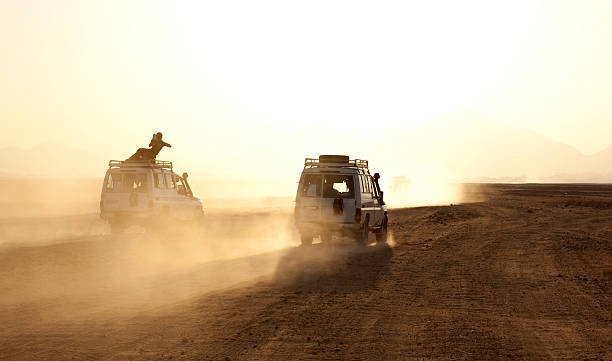

Planning Your Serengeti, Ngorongoro, and Zanzibar Trip Without Arusha
For many travelers dreaming of the quintessential Tanzanian experience – the vast plains of the Serengeti, the wildlife-rich caldera of Ngorongoro, and the spice-scented beaches of Zanzibar – the idea of a complex itinerary involving multiple back-and-forth journeys can be daunting. The good news is that a well-designed trip can seamlessly connect these world-renowned destinations, allowing you to maximize your time experiencing Tanzania’s wonders and minimize time spent in transit. The key to achieving this lies in strategic flight planning and understanding the logistical flow of northern Tanzania’s tourism circuit. This approach is particularly beneficial for those on tighter schedules or simply seeking a more relaxed pace, avoiding unnecessary travel days and the hassle of repacking and re-checking into accommodations in Arusha.
As a local Tanzanian tour operator, Climb 4 Africa has facilitated countless such journeys. We understand the nuances of creating efficient itineraries that prioritize your experience. This guide will walk you through how to achieve a smooth transition between the Serengeti, Ngorongoro, and Zanzibar, explaining the logistical options, travel times, and what to consider when booking your 2026 or 2027 adventure. Our aim is to provide you with the clarity needed to plan a truly memorable, end-to-end Tanzanian holiday.
Understanding the Logistics: Why Bypassing Arusha Makes Sense
Arusha serves as a primary gateway to northern Tanzania’s safari circuit, including the Serengeti and Ngorongoro. It’s where many international flights land at Kilimanjaro International Airport (JRO), and it’s a bustling hub for safari operators. However, for a trip encompassing the Serengeti, Ngorongoro, and Zanzibar, Arusha can become an unnecessary waypoint if not handled strategically. The traditional approach often involves spending a night or two in Arusha before and after a safari, but this can be easily circumvented.
The primary reason to avoid returning to Arusha is efficiency. Driving from the Serengeti or Ngorongoro back to Arusha takes several hours. If your next destination is Zanzibar, you would then need to travel from Arusha to an airport (either Arusha Airport or Kilimanjaro International Airport) for a flight to the island. By omitting the return to Arusha, you can shave off significant travel time, allowing for more time on safari or on the beach. This is especially pertinent for shorter trips or for travelers who prefer to spend less time in transit and more time actively experiencing the destinations.
Consider this: a typical drive from the central Serengeti to Arusha can take 6-8 hours. From Ngorongoro, it’s around 3-4 hours. If you’ve just completed a thrilling safari, the prospect of another long drive back to a city hotel might not be the most appealing. Instead, you can arrange for your safari vehicle to drop you at a convenient airstrip (like Seronera in the Serengeti or Manyara Airstrip, depending on your safari’s end point), from where you can take a light aircraft directly to Zanzibar. This not only saves time but also offers spectacular aerial views of the landscapes you’ve been exploring.
For those planning for 2026 and 2027, this logistical optimization is more accessible than ever. Increased flight options and well-established safari routes make it entirely feasible to design an itinerary that flows logically from park to park, and then to the coast, without a mandatory Arusha stopover at the end of the safari portion. The emphasis shifts from a fixed geographical route to a more fluid, experience-driven journey. This means you can spend your final safari day in the Serengeti or near the Ngorongoro Conservation Area and then head directly to an airstrip for your onward flight, connecting you to the tranquil shores of Zanzibar.
The Arusha Alternative: Direct Transfers and Airstrip Departures
The concept of “bypassing Arusha” isn’t about ignoring the town; it’s about optimizing your travel flow. Instead of returning to Arusha for an overnight stay or a flight from its main airport, you leverage the network of small airstrips located closer to the safari destinations. These airstrips, such as Seronera (SEU) in the Serengeti, Manyara Airstrip (LKY) near Lake Manyara and Ngorongoro, or Kilimanjaro International Airport (JRO) itself if your safari concludes closer to it, act as crucial departure points.
From these airstrips, scheduled or chartered light aircraft flights operate daily to Zanzibar (ZNZ). These flights are typically operated by reputable Tanzanian carriers and are designed to connect safari-goers directly to the island. The journey is scenic, comfortable, and significantly faster than any road transfer combined with a larger aircraft flight from JRO. For instance, a flight from Seronera to Zanzibar can take around 1.5 to 2 hours, a stark contrast to the many hours by road back to Arusha, followed by a flight.
This direct-route approach is a hallmark of efficient safari planning in Tanzania. It’s not a rare or complex request; it’s a standard option that experienced operators like Climb 4 Africa build into itineraries for clients seeking convenience and maximum exploration time. When you enquire about a trip, specifying this preference will help tailor the plan from the outset, ensuring all transfers and flights are arranged to facilitate this smooth progression.
The Standard Itinerary Flow: Serengeti, Ngorongoro, Zanzibar
When structuring a trip to the Serengeti, Ngorongoro, and Zanzibar without a return to Arusha, the most logical and commonly adopted flow begins with the safari portion and concludes with the island relaxation. This sequence capitalizes on the geographical proximity of the safari destinations in the north and then moves eastwards to Zanzibar.
A typical itinerary might look like this:
- Arrival in Tanzania: You would likely fly into Kilimanjaro International Airport (JRO). From here, you would typically be met by your safari guide and transferred directly to your lodge or hotel in or around Arusha or Karatu (the gateway town to Ngorongoro). This initial transfer is usually necessary to prepare for the safari.
- Ngorongoro Crater Exploration: After a night’s rest, you would descend into the Ngorongoro Crater for a full or half-day game drive. Following this, you might spend a night in a lodge on the crater rim or in Karatu.
- Serengeti National Park: From Ngorongoro, your journey continues to the vast Serengeti. Depending on the time of year and wildlife movements (like the Great Migration), you might explore different regions of the Serengeti, such as Seronera (central), Grumeti (western corridor), or Lobo (northern). You would spend several days here, staying in lodges or tented camps.
- Transition to Zanzibar: This is where the “no return to Arusha” strategy comes into play. Instead of driving back to Arusha from the Serengeti, you would be transferred from your final Serengeti accommodation to the nearest suitable airstrip (e.g., Seronera).
- Flight to Zanzibar: From the airstrip, you board a scheduled light aircraft flight directly to Zanzibar’s Abeid Amani Karume International Airport (ZNZ).
- Zanzibar Relaxation: Upon arrival in Zanzibar, you will be met and transferred to your chosen beach resort or hotel on the island for your holiday.
- Departure from Zanzibar: For your international departure, you would fly out from Zanzibar Airport (ZNZ), or if your international flight is from Kilimanjaro (JRO), you would take a connecting flight from ZNZ to JRO.
This flow ensures that your safari experiences are sequential and geographically logical, minimizing backtracking. The Serengeti and Ngorongoro are relatively close to each other in the northern safari circuit, making travel between them straightforward. The leap to Zanzibar is then efficiently handled by air.
This itinerary structure is highly adaptable. For instance, if you prefer to start with the Serengeti, you could fly into JRO, transfer to Arusha for a night, then fly directly to the Serengeti, followed by road transfer to Ngorongoro, and then the flight to Zanzibar. The key is the aerial link from the safari region to the island.
Variations and Customization
While the above is a common flow, variations are possible. Some travelers might prefer to visit Zanzibar first, then fly to the mainland for their safari. This is also feasible, though generally less common for those combining Serengeti and Ngorongoro, as it might involve an extra internal flight to connect to the safari starting point. However, if your primary focus is beach time and a shorter safari, starting with Zanzibar and then flying to Kilimanjaro or Arusha to begin your safari is an option.
Another variation involves the order of Serengeti and Ngorongoro. You could visit Ngorongoro first and then proceed to the Serengeti, or vice-versa. The decision often depends on the time of year, particularly if you are aiming to witness the Great Migration. For example, visiting the Serengeti’s Western Corridor during the Grumeti River crossings (typically May-July) might influence the order, positioning it before or after Ngorongoro.
When planning for 2026-2027, discuss these variations with your tour operator. They can advise on the best sequence based on your interests, the expected wildlife movements during your travel dates, and the most efficient flight connections. For example, if your safari ends in the northern Serengeti during the migration season, flying from Kogatende Airstrip directly to Zanzibar is a highly efficient option, completely bypassing any need to travel south towards Seronera or Manyara for onward flights.
Departure Points: Exiting the Safari Circuit Gracefully
The critical element enabling a trip without returning to Arusha is understanding and utilizing the various airstrips scattered across the northern safari circuit. These are the gateways that connect you from the wilderness directly to the coast or other major travel hubs.
The most common airstrips used for onward travel to Zanzibar are:
- Seronera Airstrip (SEU): Located in the heart of the Serengeti National Park, Seronera is the most frequently used airstrip for travelers departing the central Serengeti. It serves numerous scheduled flights to Zanzibar. If your safari concludes in this central region, this is likely your departure point.
- Manyara Airstrip (LKY): Situated near Lake Manyara National Park and often used by visitors to the Ngorongoro Conservation Area. If your safari ends with a focus on Lake Manyara or if you are departing from the Karatu area after Ngorongoro, Manyara Airstrip can be a convenient option.
- Kogatende Airstrip (KOG) and Lamai Airstrip (LMA): These are located in the northern Serengeti, often used during the Great Migration season when herds are in this region (typically June to October). If your itinerary focuses on witnessing the migration river crossings, departing from one of these northern airstrips directly to Zanzibar is exceptionally efficient.
- Kilimanjaro International Airport (JRO): While this guide focuses on bypassing Arusha *after* the safari, JRO remains a key entry and potential exit point. If your international flight departs from JRO, you would fly from Zanzibar (ZNZ) to JRO. Some safari itineraries might conclude closer to Arusha, making a direct transfer to JRO for your flight home the most logical step, but this still bypasses the need to return to Arusha town itself for an overnight stay before flying out.
The choice of airstrip will depend entirely on where your safari concludes. A well-planned itinerary will position your final safari day in a location that is logistically convenient for your chosen departure airstrip, minimizing extra driving on your last day of the safari.
Connecting Flights and Ground Transfers
When you book your Serengeti, Ngorongoro, and Zanzibar trip without returning to Arusha, your tour operator will coordinate the ground transfer from your final safari lodge or camp to the designated airstrip. This transfer is usually conducted by your safari vehicle and guide. Upon arrival at the airstrip, you will check in for your flight with the airline. These are typically small bush planes operated by companies like Coastal Aviation, Auric Air, or Precision Air, which have regular schedules connecting these remote airstrips to Zanzibar.
The process is generally smooth. You hand over your luggage to the airline staff, receive your boarding pass, and wait in the small departure lounge. Flights are usually on time, though weather can occasionally cause delays, particularly during the rainy seasons. The flight itself is an experience, offering unparalleled aerial views of Tanzania’s diverse landscapes – from the endless savanna to the turquoise waters surrounding Zanzibar.
Upon landing in Zanzibar, you will be met by a representative who will guide you to your transfer vehicle for the journey to your hotel or resort. This smooth transition is precisely what makes bypassing Arusha so attractive for a streamlined experience.
Flight Connections: Essential for a smooth Transition
The success of a Serengeti, Ngorongoro, and Zanzibar itinerary without returning to Arusha hinges entirely on efficient flight connections. These are not complex intercontinental flights but rather domestic Tanzanian routes that are well-trodden by the tourism industry.
The primary connection you’ll be looking to make is from a northern safari airstrip to Zanzibar Airport (ZNZ). Here’s a breakdown of what to expect:
- Scheduled Bush Flights: These are the backbone of the system. Airlines operate daily scheduled services from airstrips like Seronera, Manyara, Kogatende, and others to Zanzibar. The flight duration varies depending on the departure airstrip, but it’s typically between 1.5 to 3 hours. These flights are usually operated in the morning or early afternoon, allowing ample time to reach your Zanzibar accommodation before sunset.
- Charter Flights: For ultimate flexibility and privacy, charter flights are an option. These are more expensive but allow you to depart at a time of your choosing and can sometimes connect directly from smaller, less serviced airstrips. This is a luxury option for those who want complete control over their schedule.
- Booking in Advance: It is crucial to book these internal flights well in advance, especially if you are traveling during peak season (June-October, December-February) or planning for 2026 or 2027. Seats on these smaller aircraft can fill up quickly. Your tour operator will handle this booking for you as part of your overall package.
- Luggage Restrictions: Be mindful of luggage weight restrictions on bush flights. Typically, soft-sided duffel bags are preferred, and the weight limit is usually around 15-20 kg (33-44 lbs) per person, including hand luggage. Hard suitcases are often not permitted as they are difficult to load onto the aircraft.
- Connecting to International Flights: If your international departure is from Kilimanjaro International Airport (JRO), you will need to book a connecting flight from Zanzibar (ZNZ) to JRO. These flights are also operated by Tanzanian carriers and take approximately 1 hour. It’s advisable to allow ample time for this connection, especially considering potential flight delays. Some travelers opt to spend their final night in a hotel near JRO after flying in from Zanzibar, rather than risking a very tight connection on the same day.
The beauty of this system is its integration. When you book a safari and beach package with a reputable operator like Climb 4 Africa, all these transfers and flights are managed. You receive a detailed itinerary outlining each leg of your journey, including flight times, airline names, and pickup points. This removes the stress of coordinating multiple bookings and ensures a smooth, uninterrupted travel experience from the moment you land in Tanzania to the moment you depart.
For those planning their 2026-2027 trips, early booking is highly recommended to secure preferred flight times and ensure availability, especially for the more popular routes and during peak migration viewing periods.
Timing Your Trip: Best Seasons for Serengeti, Ngorongoro, and Zanzibar
While a Serengeti, Ngorongoro, and Zanzibar trip without returning to Arusha is always logistically possible, the optimal timing for your visit depends on what you wish to see and experience. Tanzania offers distinct seasons, each with its own advantages.
Serengeti and Ngorongoro: Wildlife Viewing Seasons
- Dry Season (June to October): This is widely considered the peak season for safaris. The weather is pleasant, with sunny days and cooler nights. Wildlife congregates around permanent water sources, making game viewing more predictable. Crucially, this is the prime time to witness the Great Migration river crossings in the Grumeti and Mara Rivers (Western and Northern Serengeti, respectively). This period is also excellent for general game viewing in both the Serengeti and Ngorongoro, as the vegetation is less dense. Expect higher prices and more tourists.
- Short Rains (November to December): A transitional period. The landscape turns green, and the wildebeest migration begins its movement south into the Serengeti’s southern plains for calving. Game viewing remains good, and there are fewer crowds than in the peak dry season. Prices may be slightly lower.
- Long Rains (March to May): This is the low season. The Serengeti’s southern plains are lush and green, ideal for observing newborn wildebeest and predators. However, heavy rains can make some roads impassable, and game viewing can be more challenging as animals disperse. The Ngorongoro Crater, being a caldera, is less affected by rain and remains an excellent year-round destination. This season offers the lowest prices and fewest tourists, making it ideal for budget travelers or those seeking solitude.
Zanzibar: Beach and Island Seasons
Zanzibar’s climate is tropical, with high temperatures and humidity year-round. The key factor is the wind, which dictates the best time for water activities.
- Dry and Cooler Season (June to October): This aligns with the Serengeti’s dry season and is considered the best time to visit Zanzibar. Expect sunny skies, low humidity, and pleasant temperatures. The seas are generally calm, making it perfect for swimming, snorkeling, and diving. This is also peak tourist season for the island.
- Hot and Humid Season (November to March): This period includes the short rains. Temperatures are high, and humidity is significant. While there can be sunshine, intermittent showers are common. The period around Christmas and New Year is very popular. The Kusi winds (south-easterly) blow during this time, which can sometimes make the eastern and southern coasts a bit choppy.
- Long Rains (April to May): This is the wettest period, with heavy, prolonged rainfall. Many resorts, especially on the eastern coast, close or operate with reduced services. It is generally not recommended for a beach holiday.
Combining Safari and Beach for 2026-2027
For the most balanced experience, combining the dry safari season (June-October) with the dry beach season (June-October) is ideal. This means planning your trip for July, August, September, or October 2026/2027. You’ll get excellent game viewing, witness the migration river crossings, and enjoy perfect beach weather.
If you are on a tighter budget or prefer fewer crowds, consider the shoulder months like June or October. You might catch the tail end of the migration or the beginning of its southward movement, and the weather is usually still very good. Prices are often slightly lower than in the absolute peak months of July and August.
If your priority is the calving season of the wildebeest (February-March), you can combine this with the hot but often sunny Zanzibar weather. However, be prepared for heat and humidity on the island and potential rain showers.
When discussing your plans for 2026-2027 with Climb 4 Africa, clearly state your priorities regarding wildlife sightings and beach activities. We can then advise on the best months and tailor an itinerary that optimizes your chances of experiencing the best of both worlds, even if it means slightly compromising on one aspect to gain an advantage in another.
Accommodation Choices: Balancing Comfort and Convenience
Your choice of accommodation plays a significant role in the overall experience and the logistics of your Serengeti, Ngorongoro, and Zanzibar trip, especially when aiming to bypass Arusha.
Safari Accommodation
In the Serengeti and Ngorongoro, accommodation ranges from luxury lodges and tented camps to more budget-friendly options. When planning a trip that avoids returning to Arusha, the location of your final safari accommodation is key:
- Central Serengeti (Seronera area): Staying in this region provides easy access to Seronera Airstrip for flights to Zanzibar. Lodges and tented camps here offer excellent year-round game viewing.
- Northern Serengeti (Kogatende/Lamai area): If your focus is the migration river crossings (June-October), choosing accommodation here means you can depart from Kogatende or Lamai airstrips, saving considerable travel time compared to driving south.
- Ngorongoro Conservation Area: Lodges on the crater rim offer spectacular views and proximity to the crater descent point. Alternatively, lodges and camps in Karatu offer a more secluded experience and are typically closer to Manyara Airstrip.
When selecting accommodation, consider its proximity to the airstrip you plan to depart from. A lodge that is a 30-minute drive from Seronera Airstrip is far more convenient for an onward flight than one that is a 3-hour drive away, even if both are within the Serengeti.
Zanzibar Accommodation
Zanzibar offers a diverse range of accommodations, from ultra-luxury resorts to charming boutique hotels and budget guesthouses. The island is divided into several key areas, each offering a different vibe:
- Northern Coast (Nungwi, Kendwa): Known for pristine white-sand beaches, vibrant sunsets, and clear turquoise waters. This area is popular for swimming and water sports as tides have less impact.
- Eastern Coast (Paje, Jambiani, Matemwe): Famous for its stunning tidal beaches, kite surfing, and a more laid-back atmosphere. The tides are more pronounced here, revealing vast sandbanks at low tide.
- Southern Coast (Kizimkazi): Historically known for dolphin tours, though ethical concerns have arisen. It offers a quieter experience.
- Stone Town: The historic heart of Zanzibar City, offering boutique hotels and guesthouses within the UNESCO World Heritage site. Ideal for those interested in history, culture, and exploring the narrow alleyways.
Your transfer from Zanzibar Airport (ZNZ) will depend on your chosen location. Transfers to the northern or eastern coasts can take 1 to 1.5 hours. Staying closer to Stone Town can reduce transfer times if you have an early morning flight or wish to explore the city.
Balancing Convenience and Experience
The goal when bypassing Arusha is to maximize your experience while minimizing transit. Therefore, choosing accommodations that are strategically located relative to your onward travel points is crucial. For example, if your safari ends in the Serengeti and your flight to Zanzibar is in the afternoon, you might opt for a lodge that allows for a final morning game drive before a leisurely transfer to the airstrip.
For your 2026-2027 travel plans, discuss these logistical considerations with Climb 4 Africa. We can recommend accommodations that not only provide comfort and a fantastic experience but also align perfectly with your flight schedules and overall smooth travel objective.
What to Pack for Your Combined Safari and Beach Holiday
Packing for a trip that combines the dusty plains of the Serengeti and Ngorongoro with the sandy shores of Zanzibar requires a strategic approach. You’ll need versatile clothing that suits both environments, keeping in mind the specific requirements for safari and the distinct needs of a beach holiday. Remember the luggage restrictions on internal bush flights: typically, a maximum of 15-20 kg (33-44 lbs) in soft-sided bags.
Safari Essentials
- Clothing: Lightweight, breathable fabrics in neutral colours (khaki, beige, olive green) are ideal. Avoid bright colours that can startle wildlife and dark colours that attract tsetse flies (in some areas). Pack long-sleeved shirts and trousers for sun protection and to ward off insects, especially in the evenings. A fleece or warm jacket is essential for early morning and evening game drives, as temperatures can drop significantly.
- Footwear: Comfortable, closed-toe walking shoes or hiking boots are a must for any light walking or exploring around camps. Sandals or flip-flops are good for relaxing at the lodge.
- Sun Protection: A wide-brimmed hat, sunglasses, and high-SPF sunscreen are crucial.
- Insect Repellent: Especially one containing DEET, for use in the evenings and mornings.
- Camera Gear: Binoculars are highly recommended for spotting wildlife at a distance. A good camera with a zoom lens will capture your memories. Extra batteries and memory cards are essential.
- Personal Items: A small backpack for day trips, a reusable water bottle, and any personal medications. A headlamp or small flashlight is useful for navigating camps at night.
Zanzibar Beach Essentials
- Swimwear: Several swimsuits are recommended, as you’ll likely be spending a lot of time in the water.
- Lightweight Clothing: Sundresses, shorts, t-shirts, and light trousers are perfect for beachwear and exploring. Consider packing a light cover-up or sarong for walking to the beach or visiting local villages.
- Footwear: Flip-flops, sandals, or water shoes are ideal for the beach.
- Sun Protection: A wide-brimmed hat, sunglasses, and high-SPF sunscreen are just as important here as on safari. A rash guard can be useful for extended time in the water.
- Evening Wear: While Zanzibar is casual, you might want a slightly nicer outfit for dinner at some resorts.
- Modesty: If you plan to visit Stone Town or local villages, pack modest clothing that covers your shoulders and knees out of respect for local customs. A light scarf can be very useful for covering up when needed.
General Travel Items
- Travel Adapter: Tanzania uses Type D and Type G electrical sockets.
- Power Bank: Useful for charging devices when you’re out on game drives or away from camp power sources.
- First-Aid Kit: Include basics like plasters, antiseptic wipes, pain relievers, and any personal prescriptions.
- Hand Sanitizer: Essential for maintaining hygiene, especially during your safari.
- Travel Documents: Passport, visa (if required), flight tickets, insurance details, and copies of all important documents.
When packing for your 2026-2027 trip, remember that lighter is better, especially due to flight restrictions. Most safari lodges and Zanzibar resorts offer laundry services, which can help you pack lighter. Always check with your tour operator for any specific recommendations or restrictions they might have.
Booking Your smooth Serengeti, Ngorongoro, and Zanzibar Adventure
Arranging a trip that expertly combines the Serengeti, Ngorongoro Crater, and Zanzibar without the need to backtrack to Arusha requires careful planning and coordination. This is where the expertise of a local Tanzanian tour operator like Climb 4 Africa becomes invaluable. We specialize in crafting these efficient, end-to-end experiences, ensuring every detail is managed for a truly smooth adventure.
Why Choose Climb 4 Africa for Your Trip?
- Local Expertise: As a Tanzanian company, we have an in-depth understanding of the logistics, best routes, and flight schedules. We know the local operators, the parks, and the best times to visit each location.
- Customized Itineraries: We don’t offer one-size-fits-all packages. We work with you to understand your interests, budget, and travel style to create a bespoke itinerary that perfectly matches your desire to see the Serengeti, Ngorongoro, and Zanzibar without unnecessary detours.
- Efficient Planning: We handle all the complex bookings, including safari vehicles, guides, park fees, internal flights (from safari airstrips to Zanzibar), and accommodation. This ensures your trip flows smoothly from one destination to the next.
- Practical Support: From the moment you inquire to your departure from Tanzania, we provide ongoing support. Our team is accessible and ready to assist with any questions or issues that may arise.
- Value for Money: By leveraging our local knowledge and strong relationships with suppliers, we can offer competitive pricing without compromising on quality or experience.
What to Expect When You Inquire
When you contact Climb 4 Africa to plan your Serengeti, Ngorongoro, and Zanzibar trip for 2026 or 2027, here’s what you can expect:
- Initial Consultation: We’ll discuss your vision for the trip. This includes your preferred travel dates, duration, budget, interests (e.g., Great Migration, photography, relaxation), and any specific requirements you have.
- Itinerary Proposal: Based on our conversation, we will draft a detailed itinerary. This will outline the day-by-day activities, accommodation choices, included services, and importantly, the travel flow that bypasses Arusha for your onward journey to Zanzibar. It will also include estimated costs.
- Refinement: We encourage you to review the proposal and provide feedback. We can adjust accommodations, activities, or the sequence of destinations to perfectly suit your needs.
- Booking and Confirmation: Once you are happy with the itinerary, we will proceed with booking all components. This includes securing your internal flights to Zanzibar, which are crucial for the smooth transition. A deposit will be required to confirm your booking.
- Pre-Departure Information: Before your trip, you will receive comprehensive pre-departure information, including packing lists, visa advice, health recommendations, and contact details for your team in Tanzania.
Planning a trip that seamlessly integrates the iconic wildlife encounters of the Serengeti and Ngorongoro with the tropical paradise of Zanzibar is an achievable goal. By focusing on efficient flight connections from the safari circuit directly to the island, you can save valuable time and enhance your overall travel experience. Let Climb 4 Africa guide you through every step, ensuring your 2026-2027 Tanzanian adventure is everything you dreamed of and more.
Ready to design your dream Tanzania trip without the hassle of returning to Arusha? Contact Climb 4 Africa today to start planning your unforgettable Serengeti, Ngorongoro, and Zanzibar adventure. You can reach us via WhatsApp at +255 747 477 898 or email us at climb4africa@gmail.com. We look forward to helping you create a perfectly orchestrated journey.
“,
“faq_schema”: [
{
“question”: “Can I travel from the Serengeti to Zanzibar without going back to Arusha?”,
“answer”: “Yes, absolutely. The most common and efficient way is to take a scheduled light aircraft flight directly from an airstrip in or near the Serengeti (like Seronera Airstrip) to Zanzibar Airport (ZNZ). This bypasses the need for a long road transfer back to Arusha.”
},
{
“question”: “What is the typical travel order for Serengeti, Ngorongoro, and Zanzibar?”,
“answer”: “A popular and efficient order is to start with Ngorongoro Crater, then proceed to the Serengeti for your safari, and finally take a flight from a Serengeti airstrip directly to Zanzibar for your beach holiday. This minimizes backtracking.”
},
{
“question”: “How long does the flight from Serengeti to Zanzibar take?”,
“answer”: “The flight duration from the Serengeti to Zanzibar typically ranges from 1.5 to 3 hours, depending on the specific airstrip in the Serengeti you depart from and whether there are any intermediate stops.”
},
{
“question”: “What are the best times to visit for Serengeti, Ngorongoro, and Zanzibar?”,
“answer”: “For excellent wildlife viewing and good beach weather, the dry season from June to October is ideal. This period offers the best chance to see the Great Migration river crossings in the Serengeti and enjoys pleasant weather in Zanzibar. Shoulder months like June and October can offer good value.”
},
{
“question”: “Are there luggage restrictions on internal flights to Zanzibar?”,
“answer”: “Yes, internal bush flights to Zanzibar have strict luggage weight limits, usually around 15-20 kg (33-44 lbs) per person, and often require soft-sided duffel bags rather than hard suitcases.”
},
{
“question”: “Can Climb 4 Africa arrange this entire trip?”,
“answer”: “Yes, Climb 4 Africa specializes in creating smooth itineraries that include Serengeti, Ngorongoro, and Zanzibar. We handle all ground transfers, safari logistics, internal flights, and accommodation bookings, ensuring a hassle-free experience without returning to Arusha.”
}
]
}
“`
Check Availability for We Want Serengeti, Ngorongoro And Zanzibar Without Returning To Arusha, Is
Ready to compare dates, prices, and the best option for your group? Send the package name and travel month so the team can reply with a clear quote, availability, and what is included.

Serengeti Safari And Zanzibar Beach Holiday: The Ultimate Tanzania
Combine the thrill of a Serengeti safari with the relaxation of a Zanzibar beach holiday. This guide covers everything you need to know for an unforgettable Tanzania adventure in 2026-2027...
View package details
Zanzibar To Serengeti Safari Packages 2026-2027
Zanzibar to Serengeti Safari Packages is explained with current 2026-2027 planning, price, itinerary and booking information.
View package details
3-Day Serengeti And Ngorongoro Safari: Your Ultimate Tanzania Wildlife
start a concise yet unforgettable 3-day Serengeti and Ngorongoro safari, designed to maximize wildlife encounters in Tanzania's most celebrated parks. This compact adventure offers a taste...
View package details
7-Day Tanzania Safari: Serengeti, Ngorongoro, And Tarangire In 2026-2027
A comprehensive guide to a 7-day Tanzania safari adventure, focusing on the iconic Serengeti National Park, the Ngorongoro Crater, and Tarangire National Park. Learn about optimal...
View package details
Safari From Zanzibar: Best Packages, Prices & Parks For 2026-2027
Combining a Zanzibar beach holiday with a Tanzania safari is a dream for many travelers. This guide details the best safari packages from Zanzibar, covering essential planning, park...
View package details
Tanzania Safari And Zanzibar All-Inclusive Packages Guide
Combine the thrill of a Tanzanian wildlife safari with the serene beauty of Zanzibar on an all-inclusive package. This comprehensive guide covers everything you need to know for planning...
View package details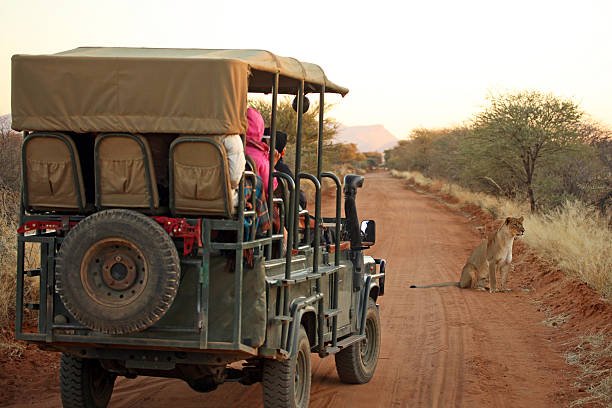
Zanzibar To Mikumi Safari: Flights, Prices And Itinerary Guide
Transition from the spice-scented beaches of Zanzibar to the wildlife-rich plains of Mikumi National Park. This guide details flight logistics, cost considerations, and sample itineraries...
View package details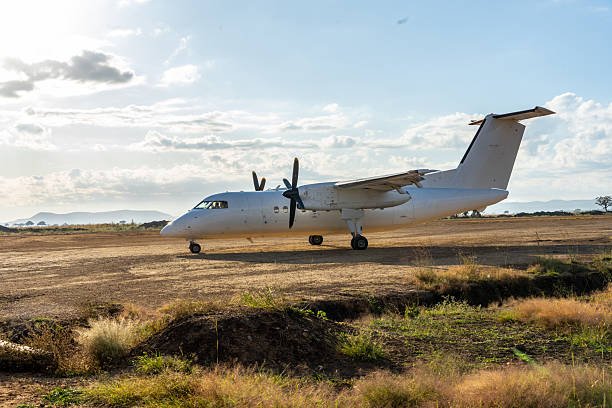
Zanzibar To Nyerere Safari Packages 2026-2027
Zanzibar to Nyerere Safari Packages is explained with current 2026-2027 planning, price, itinerary and booking information.
View package details3-Day Safari From Zanzibar 2026-2027
3-Day Safari From Zanzibar is explained with current 2026-2027 planning, price, itinerary and booking information.
View package details
2-Day Safari From Zanzibar: Your Quick Wildlife Escape In 2026-2027
Looking for a short, impactful wildlife adventure without a long trip? A 2-day safari from Zanzibar is your perfect solution. This guide covers the best options, what to expect, and how to...
View package detailsTanzania Safari And Zanzibar Packages /: Your Complete Guide 2026-2027
Explore the best Tanzania safari and Zanzibar packages for 2026-2027. This comprehensive guide covers itinerary options, wildlife highlights, beach relaxation, and booking considerations to...
View package details
10-Day Tanzania Safari And Zanzibar Beach Holiday: Your Ultimate Itinerary
Combine the thrill of a Tanzania safari with the relaxation of Zanzibar for an unforgettable 10-day adventure. This itinerary balances iconic wildlife viewing with stunning tropical...
View package detailsNo related package matches those filters. Clear one or more filters to see the other topic-matched options.



