You can absolutely experience the wonders of the Serengeti and Ngorongoro Crater without opting for luxury accommodations. The key lies in choosing mid-range lodges, tented camps, and organized group camping safaris, which significantly reduce costs while still providing excellent access to wildlife and comfortable stays. Opting for shared safari vehicles and focusing on value-driven tour operators like Climb 4 Africa can also help manage expenses for your 2026-2027 adventure.

Understanding the Serengeti and Ngorongoro Experience
The Serengeti and Ngorongoro Crater are often perceived as exclusive destinations, synonymous with lavish tented camps and private, high-end lodges. While these certainly exist and offer unparalleled comfort, they are not the only way to witness the incredible wildlife spectacles that Tanzania has to offer. For many travelers, the primary goal is the wildlife viewing – the vast plains of the Serengeti teeming with wildebeest during the Great Migration, or the unique ecosystem within the Ngorongoro Crater supporting a dense population of animals. The good news is that the essential safari experience, the game drives themselves, remains largely the same regardless of your accommodation choice.
The magic of a safari in these areas is about the sights, sounds, and sheer scale of nature. It’s about the thrill of spotting a lion on the hunt, the majestic presence of an elephant herd, the graceful movement of giraffes against the acacia trees, and the sheer abundance of plains game. These moments are not exclusive to those staying in five-star camps. Your proximity to wildlife, the quality of your guide, and the vehicle you use for game drives are far more critical to the safari experience than the thread count of your bedsheets.
Therefore, when you say you want to see the Serengeti and Ngorongoro but don’t want a luxury safari, you are looking for ways to maximize your wildlife encounters and minimize your expenditure on accommodation and associated services. This means exploring different types of lodging, understanding how tour operators structure their packages, and making informed decisions about group versus private tours. It’s about finding the sweet spot where value meets an unforgettable adventure.
The Core of the Safari: Game Drives and Guiding
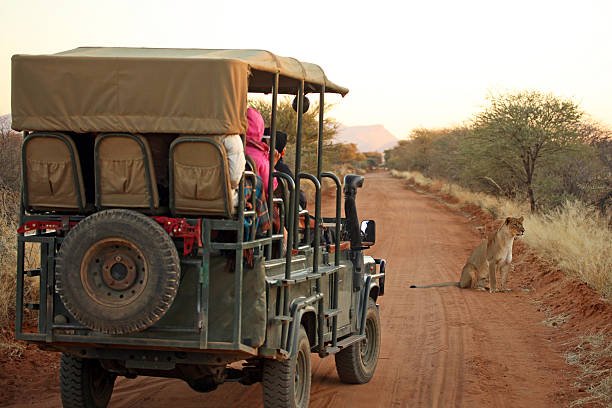
Before diving into accommodation options, it’s crucial to understand what truly defines the safari experience in places like the Serengeti and Ngorongoro. The heart of any safari is the game drive. This is when you are out in a specially adapted 4×4 safari vehicle, typically with a pop-up roof, exploring the parks and reserves under the guidance of a professional safari guide. This is where you will spend the majority of your time during daylight hours.
The quality of your guide is paramount. A good guide knows the parks intimately – where to find animals, understanding animal behavior, spotting camouflaged creatures, and navigating the terrain. They are also your educators, sharing insights into the ecosystem, local culture, and the challenges facing conservation. The vehicle itself is important too; a sturdy 4×4 with good suspension and ample window space or a pop-up roof is essential for comfortable viewing and photography. Most reputable operators, even those not focused on luxury, will use reliable 4×4 Land Cruisers or Land Rovers for these drives.
When you opt for a non-luxury safari, you are often choosing to spend less on the ‘extras’ that come with high-end lodges – think gourmet dining, private plunge pools, or exclusive lounges. However, the fundamental elements – the game drives, the expert guiding, and the opportunity to be immersed in the wilderness – are maintained. This is where the value proposition of mid-range and budget-conscious safaris truly shines. You are paying for the core experience, not for amenities that you might only use briefly.
Vehicle Sharing vs. Private Safaris
One of the most significant factors influencing safari cost is whether you opt for a shared safari vehicle or a private safari. This is a key decision point when aiming for a non-luxury experience, as shared options are inherently more budget-friendly.
- Shared Safaris: These are typically offered as part of group departures or set itineraries. You will join a vehicle with other travelers who have booked onto the same tour. This significantly reduces the per-person cost because the expense of the vehicle, fuel, and guide is divided among more people. For travelers on a budget, these are often the most accessible way to visit the Serengeti and Ngorongoro. The trade-off is less flexibility; you travel on a set itinerary and may need to compromise on game drive duration or stops if other group members have different preferences. However, for those who are happy to share the experience and enjoy the camaraderie of fellow travelers, this is an excellent option. Climb 4 Africa offers several group departure dates for their Tanzania safaris, which are ideal for those looking for this type of shared, cost-effective adventure. You can explore these options here: Tanzania Safari Group Departures.
- Private Safaris: Here, you charter a vehicle and guide exclusively for your party. This offers maximum flexibility – you decide when to start your game drive, how long to spend at a sighting, and where to go (within park rules). This is often favored by photographers or families with specific needs. However, the cost is substantially higher, as you bear the full expense of the vehicle and guide. While you can still choose mid-range accommodation on a private safari, the vehicle cost alone places it higher on the price spectrum than a shared tour.
When aiming for a non-luxury safari that still offers flexibility, some operators offer a hybrid approach, allowing you to book private guiding and vehicles for specific days or parks, perhaps combining it with a standard group tour for other parts of the trip. However, for the most direct route to a non-luxury Serengeti and Ngorongoro safari, embracing the shared vehicle option is highly recommended.
Accommodation Options: Beyond the Luxury Tents
Accommodation is the other major cost component of any safari. While luxury lodges and permanent tented camps are the most expensive, there are several excellent alternatives that offer comfort, authenticity, and proximity to wildlife without the premium price tag.
1. Mid-Range Tented Camps
These camps strike a fantastic balance. They offer the ‘tented’ safari experience that many people envision – canvas walls, comfortable beds, en-suite bathrooms, and often a veranda with chairs. However, they tend to be smaller, less opulent, and offer fewer amenities than their luxury counterparts. You’ll typically find a central dining area and perhaps a lounge or bar, but not the extensive facilities of a high-end lodge.
What to Expect:
- Comfortable Beds: Real beds with mattresses, linens, and pillows.
- En-suite Facilities: Usually a private bathroom tent or structure attached to your tent, with a flush toilet and a shower (often with hot water, though it might be bucket-style or timed).
- Mosquito Netting: Essential for a peaceful night’s sleep.
- Basic Furniture: A bedside table, a chest of drawers or wardrobe, and seating.
- Atmosphere: Often very atmospheric, with the sounds of the bush right outside your tent. Some may have generators that run for a few hours in the morning and evening for electricity.
Who it Suits: Travelers who want an authentic safari feel, enjoy being close to nature, but still desire comfortable amenities like a proper bed and private bathroom. It’s a significant step up from camping but a good way to avoid the highest luxury prices.
Booking Considerations for 2026-2027: Mid-range tented camps are popular and can book up, especially during peak seasons. It’s wise to inquire about availability for your desired dates in 2026 or 2027 well in advance, particularly if you are traveling during the dry season (June-October) or the wildebeest migration season.
2. Budget Camps and Lodges
These options are designed for travelers who prioritize wildlife viewing and are willing to forgo some comforts for significant cost savings. They can range from basic tented camps with shared facilities to simple brick-and-mortar lodges.
- Basic Tented Camps: These might offer canvas tents on a concrete or dirt floor, with camp beds and shared ablution blocks (bathrooms and showers). Electricity might be limited or non-existent.
- Budget Lodges: These are often simpler structures with basic rooms, sometimes with en-suite facilities, but without air conditioning, luxury furnishings, or extensive services. They might be located slightly further from prime wildlife viewing areas or have fewer on-site amenities.
Who it Suits: The truly budget-conscious traveler, backpackers, or those who see accommodation primarily as a place to sleep and shower after a long day of game drives. It’s for people who are comfortable with more basic facilities and perhaps shared bathrooms.
Trade-offs: Comfort is reduced. Shared facilities can mean waiting for showers or toilets. You might be further from the park gates or prime game viewing areas. Some budget options might also use more basic vehicles or have less experienced guides, so careful operator selection is crucial.
3. Public Campsites (for the Adventurous)
This is the most budget-friendly accommodation option within the national parks themselves. You essentially camp in designated areas, often with basic facilities like pit latrines and sometimes a communal water tap. You would typically use your own or rented camping equipment, and meals are usually prepared by your safari cook (if on a camping safari package) or can be arranged at park canteens.
- Facilities: Very basic. Expect pit toilets, sometimes a cold shower facility. No electricity in most cases.
- Atmosphere: Extremely close to nature. You’ll hear all the sounds of the bush at night.
- Cost: Significantly lower than any lodge or tented camp.
Who it Suits: Hardcore adventurers, backpackers, and those on a very strict budget who want the most in-depth, raw wilderness experience and are comfortable with minimal facilities. This is often part of a dedicated camping safari package, where a cook and driver/guide accompany you with all the necessary gear.
Operator Choice: If considering public campsites, it’s vital to book through a reputable operator who can provide reliable camping gear, a skilled cook, and an experienced guide. This ensures safety and a more enjoyable experience, even with basic facilities. Operators like Climb 4 Africa can arrange these types of camping safaris, offering a full package including transport, guiding, meals, and camping equipment.
Sample Itineraries: Structuring Your Non-Luxury Safari
To illustrate how a non-luxury Serengeti and Ngorongoro safari might look, consider these sample itinerary structures. These are designed to maximize wildlife viewing time while utilizing more budget-friendly accommodation and transport options.
Option 1: 5-Day Budget Camping Safari (Shared Vehicle)
This is a classic budget option, ideal for solo travelers or couples looking for the most economical way to see the highlights.
- Day 1: Arrive Kilimanjaro (JRO) / Transfer to Arusha. Meet your guide, brief, and overnight in a budget-friendly guesthouse or hotel in Arusha.
- Day 2: Arusha to Tarangire National Park. Drive to Tarangire, known for its large elephant herds and baobab trees. Full day game drive. Overnight at a public campsite within or near the park.
- Day 3: Tarangire to Serengeti National Park. Drive into the vast Serengeti plains. Game drive en route to your campsite in the central Serengeti.
- Day 4: Serengeti National Park. Full day of game drives in the Serengeti, exploring different areas based on wildlife movements. Overnight at a public campsite in the Serengeti.
- Day 5: Serengeti to Ngorongoro Crater / Arusha. Morning game drive in Serengeti, then drive towards the Ngorongoro Conservation Area. Descend into the Crater for a half-day game drive. Ascend and drive back to Arusha.
Inclusions (Typical): Shared 4×4 safari vehicle, professional driver-guide, park entry fees, Crater service fee, accommodation in public campsites, all meals (breakfast, lunch, dinner) during the safari, camping equipment (tents, sleeping bags, mats), bottled water during drives.
Exclusions (Typical): Flights, visa, tips, drinks (except water), travel insurance, accommodation in Arusha before/after safari.
Cost Logic: This is the most affordable structure because it uses shared transport, public campsites (which are the cheapest park accommodation), and typically includes all meals and equipment, simplifying logistics and costs.
Option 2: 6-Day Mid-Range Tented Camp Safari (Shared Vehicle)
This option offers more comfort with stays in mid-range tented camps, while still benefiting from shared vehicle costs.
- Day 1: Arrive JRO / Transfer to Arusha. Overnight in a comfortable mid-range lodge in Arusha.
- Day 2: Arusha to Lake Manyara National Park. Drive to Lake Manyara, famous for its tree-climbing lions and birdlife. Game drive. Overnight in a mid-range tented camp near Lake Manyara.
- Day 3: Lake Manyara to Serengeti National Park. Drive to the Serengeti, with a stop at Olduvai Gorge (optional, extra fee). Game drive en route to your mid-range tented camp in the central Serengeti.
- Day 4: Serengeti National Park. Full day of game drives in the Serengeti. Overnight in your mid-range tented camp.
- Day 5: Serengeti to Ngorongoro Crater. Morning game drive in Serengeti, then drive to the Ngorongoro Conservation Area. Descend into the Crater for a full game drive. Overnight in a mid-range lodge or tented camp on the Crater rim or nearby Karatu.
- Day 6: Ngorongoro to Arusha / Departure. Depending on flight schedules, you might have a final morning activity (e.g., Maasai village visit, optional) before driving back to Arusha for your onward flight or overnight stay.
Inclusions (Typical): Shared 4×4 safari vehicle, professional driver-guide, park entry fees, Crater service fee, accommodation in mid-range tented camps/lodges, most meals (e.g., B&B in Arusha, full board on safari), bottled water during drives.
Exclusions (Typical): Flights, visa, tips, drinks, optional activities (Olduvai Gorge, Maasai village), travel insurance.
Cost Logic: This is more expensive than the camping option due to the upgrade in accommodation. However, sharing the vehicle keeps the per-person cost significantly lower than a private tour. It offers a good blend of comfort and value.
Considerations for 2026-2027 Planning:
When planning for 2026 or 2027, these itinerary structures remain valid. The primary difference will be availability and potentially slight price adjustments due to inflation. Booking early for popular group departures or specific mid-range camps is always advisable, especially for peak seasons like July-October and December-March.
Choosing the Right Operator for Non-Luxury Safaris
Selecting the right tour operator is critical when you are looking for a non-luxury safari. A good operator will still provide excellent service, reliable vehicles, knowledgeable guides, and well-chosen accommodations, even at a more accessible price point. Avoid operators who seem to cut corners on vehicle maintenance, guide training, or safety standards.
What to Look For:
- Local Expertise: Operators based in Tanzania (like Climb 4 Africa) often have a better understanding of local logistics, park conditions, and can offer more competitive pricing. They have direct relationships with lodges and service providers.
- Clear Inclusions/Exclusions: Ensure you know exactly what is covered. Are park fees included? Meals? Drinks? Tips? A clear breakdown prevents surprises.
- Vehicle Quality: Even on budget tours, the safari vehicle should be a sturdy 4×4 (Land Cruiser or Land Rover) in good mechanical condition, with pop-up roofs.
- Guide Experience: Inquire about the experience and training of their guides. This is non-negotiable for a rewarding safari.
- Reviews and Reputation: Look for reviews on platforms like TripAdvisor. While luxury safaris might have fewer reviews, check for consistency in feedback regarding service, wildlife sightings, and overall value. Climb 4 Africa, for example, has positive reviews on platforms like TripAdvisor, reflecting their commitment to client satisfaction across different safari styles.
- Responsiveness: A good operator will respond promptly and clearly to your inquiries.
Climb 4 Africa’s Approach to Non-Luxury Safaris
Climb 4 Africa specializes in offering authentic Tanzanian experiences with practical local support. While they can arrange luxury trips, their strength lies in providing excellent value for money. They focus on building itineraries that prioritize wildlife encounters and comfortable, clean, and safe accommodation without the extravagant price tag associated with high-end lodges.
They understand that for many travelers, the goal is the incredible wildlife of the Serengeti and Ngorongoro. Their packages often include shared vehicle options for group tours, utilizing well-maintained 4x4s and experienced guides. For accommodation, they partner with reputable mid-range tented camps and reliable public campsites, ensuring that even the most budget-conscious options are managed professionally. This makes them an excellent choice for travelers looking for a Serengeti and Ngorongoro safari without the luxury price. You can reach them directly for tailored quotes and advice at climb4africa@gmail.com or via WhatsApp at +255 747 477 898.
Maximizing Your Budget: Practical Tips for 2026-2027
Beyond choosing the right operator and accommodation, several other factors can help you stretch your safari budget for a trip in 2026 or 2027.
1. Travel During the Shoulder or Low Season
Safari costs fluctuate significantly based on the time of year. While the dry season (June to October) is popular for its predictable wildlife viewing and pleasant weather, it’s also peak season, meaning higher prices for lodges and more crowds.
- Peak Season (June-October, December-February): Highest prices, best weather for game viewing (animals congregate around water sources), Great Migration often in Northern Serengeti.
- Shoulder Season (November, March-May): Prices start to drop, fewer crowds. November can see the start of the rains, while March-May is the long rainy season. Wildlife viewing is still excellent, especially in areas like the Ngorongoro Crater which is accessible year-round. The rains often bring lush landscapes and new life, which can be very beautiful.
- Low Season (April-May): Lowest prices, heaviest rains. However, even in the wet season, safaris are possible and can be very rewarding, especially if you’re not concerned about constant sunshine. Many animals give birth during this time, offering unique viewing opportunities.
Consider traveling in the shoulder seasons (e.g., late November, early December, or March-May excluding Easter) for 2026 or 2027 to benefit from lower prices and fewer tourists. The Serengeti and Ngorongoro Crater are always productive wildlife destinations, so you won’t miss out on sightings.
2. Duration of Your Safari
Longer safaris cost more, naturally. However, there are diminishing returns. A 3-day safari might feel rushed, while a 10-day safari might be more than necessary for many first-time visitors. A 5-7 day safari often provides a good balance, allowing you to cover both the Serengeti and Ngorongoro Crater without feeling too hurried or breaking the bank.
For a non-luxury Serengeti and Ngorongoro safari, focusing on the key highlights within 5-7 days is often the most cost-effective approach. For instance, you could spend 2-3 days in the Serengeti and 1-2 days in the Ngorongoro Crater, with travel days to and from Arusha.
3. Minimize Arusha Stays
Arusha serves as the gateway city for most Northern Circuit safaris. While you’ll need at least one night before and one night after your safari, try to minimize extra days spent here unless you have specific interests. Accommodation in Arusha, even at budget or mid-range levels, adds to the overall cost.
4. Pack Smartly
While not a direct cost-saving measure, packing appropriately can prevent you from having to buy expensive items at the last minute. This includes essentials like insect repellent, sunscreen, a good hat, and neutral-colored clothing. If you are going on a camping safari, ensure you have comfortable, appropriate clothing and footwear.
5. Be Realistic About “Luxury” Components
Understand what constitutes luxury for you. If it’s about gourmet food and fine wine, you might find that even mid-range lodges offer perfectly good meals and a selection of drinks. If it’s about exclusive access and personalized service, that’s harder to replicate without paying a premium. Focus on what is essential for your enjoyment – wildlife sightings and safety – and be willing to compromise on less critical elements.
The Ngorongoro Crater: A Unique Case
The Ngorongoro Crater deserves special mention. It’s a UNESCO World Heritage Site and a truly unique ecosystem due to its caldera formation. The dense concentration of wildlife here means that game viewing is often exceptional, regardless of the accommodation level.
Crater Fees: Be aware that there are specific fees for entering the Ngorongoro Conservation Area and for descending into the Crater itself. These fees are substantial and are separate from park fees. They are typically included in tour packages but are a significant part of the overall cost. The fees are standardized for all operators, so choosing a non-luxury lodge doesn’t mean you pay less for the Crater entry.
Accommodation Options Around Ngorongoro:
- Crater Rim Lodges/Camps: These offer the most spectacular views and direct access, but are usually the most expensive.
- Karatu Town Lodges/Camps: Located about 30-60 minutes’ drive from the Crater rim, these offer a range of mid-range to budget options. This is where you’ll find many value-oriented lodges and tented camps that are ideal for non-luxury safaris.
- Public Campsites: Available within the conservation area, but often require booking well in advance and are very basic.
For a non-luxury safari, staying in or near Karatu is often the best compromise. You still get excellent access to the Crater for a full day’s game drive, but accommodation costs are significantly lower than on the rim. This is a popular strategy for operators like Climb 4 Africa to keep their Serengeti and Ngorongoro safari packages affordable.
What About Zanzibar? Combining with Your Safari
Many travelers combine a Serengeti and Ngorongoro safari with a visit to Zanzibar for beach relaxation. While this guide focuses on the safari itself, it’s worth noting that combining these destinations is very common. Zanzibar offers a range of accommodation from budget guesthouses to luxury resorts, so you can tailor that part of your trip to your budget as well.
When planning your 2026-2027 trip, consider how a safari package can be extended or combined with a Zanzibar holiday. Most operators can help arrange flights from the mainland (e.g., Arusha or Kilimanjaro) to Zanzibar. This adds to the overall cost but provides a wonderful contrast to the bush.
Planning Your 2026-2027 Non-Luxury Serengeti & Ngorongoro Safari
The most important step is to contact experienced safari operators who understand your specific needs and budget. They can guide you through the options for non-luxury Serengeti and Ngorongoro safaris, recommend suitable accommodations, and help you navigate the complexities of park fees and logistics.
When you reach out to operators like Climb 4 Africa, be clear about your priorities:
- You want to visit the Serengeti and Ngorongoro Crater.
- Your budget is not luxury-focused; you are looking for value.
- Specify your preferred travel dates for 2026 or 2027.
- Mention your preferred style of accommodation (e.g., comfortable mid-range tented camp, or budget camping).
- Indicate if you are open to group departures or prefer a private vehicle (and understand the cost implications).
With this information, an operator can craft a tailored itinerary that meets your expectations. They can advise on the best time to travel for wildlife viewing and budget, suggest specific camps or lodges, and provide a detailed quote outlining all inclusions and exclusions. This personalized approach ensures you get the most out of your Tanzanian safari adventure without overspending.
Booking Window for 2026-2027
For popular safari destinations like the Serengeti and Ngorongoro, especially if you are aiming for specific group departure dates or highly-rated mid-range camps, it’s advisable to book 6-12 months in advance. This is particularly true for travel during peak seasons. For less popular travel times or if you are flexible with accommodation, you might be able to book closer to the date, but early booking is always recommended to secure your preferred options for 2026 and 2027.
Why Contact Climb 4 Africa?
Climb 4 Africa has extensive experience in operating safaris in Tanzania, including the Serengeti and Ngorongoro Crater. They are known for providing excellent value, focusing on the quality of the wildlife experience and the professionalism of their guides. They can help you design a non-luxury safari that perfectly matches your desires and budget, ensuring you have an unforgettable adventure. Whether you are looking for a shared group tour to keep costs down or a carefully selected mid-range private safari, they can tailor an itinerary for your 2026-2027 trip. Reach out to them via WhatsApp at +255 747 477 898 or email them at climb4africa@gmail.com to start planning your dream Tanzanian safari.
“,
“faq_schema”: [
{
“question”: “What are the main options for a non-luxury Serengeti and Ngorongoro safari?”,
“answer”: “The primary options for a non-luxury Serengeti and Ngorongoro safari involve choosing mid-range or budget accommodation, such as comfortable tented camps or public campsites within national parks. Opting for shared safari vehicles on group departures is also a significant cost-saver compared to private tours. Focusing on value-driven tour operators who specialize in these types of safaris is key.”
},
{
“question”: “How can I save money on a Serengeti and Ngorongoro safari in 2026-2027?”,
“answer”: “To save money on your 2026-2027 safari, consider traveling during the shoulder or low season (e.g., April-May, November), opting for shared group tours instead of private ones, choosing mid-range or budget accommodations like tented camps or public campsites, and keeping your safari duration to a focused 5-7 days to cover the main highlights without unnecessary expense.”
},
{
“question”: “What is the difference between a luxury and a non-luxury safari in Tanzania?”,
“answer”: “The main differences lie in the accommodation and exclusive services. Luxury safaris feature high-end lodges and tented camps with gourmet dining, premium amenities, and often private game drives. Non-luxury safaris focus on comfortable yet more basic accommodations (mid-range camps, budget lodges, or public campsites), often use shared safari vehicles, and prioritize the core wildlife viewing experience over opulent extras. The guiding and wildlife encounters remain exceptional in both cases.”
},
{
“question”: “Are public campsites safe and recommended for a non-luxury safari?”,
“answer”: “Public campsites within national parks are safe when booked through reputable tour operators who provide experienced guides and cooks, along with proper camping equipment. While facilities are basic (pit latrines, cold showers), they offer an authentic, close-to-nature experience at a significantly lower cost. Operators like Climb 4 Africa manage these camping safaris professionally, ensuring safety and a memorable adventure.”
},
{
“question”: “How far in advance should I book a non-luxury safari for 2026 or 2027?”,
“answer”: “For a non-luxury Serengeti and Ngorongoro safari in 2026 or 2027, it’s recommended to book 6-12 months in advance, especially if you are targeting specific group departure dates or popular mid-range accommodations, or if you plan to travel during peak seasons. This ensures availability and allows operators sufficient time for planning.”
},
{
“question”: “Can I still see the Great Migration on a non-luxury safari?”,
“answer”: “Yes, absolutely. The Great Migration is a natural phenomenon that occurs across the vast plains of the Serengeti. Your ability to witness it depends on the time of year you travel and the specific areas your guide takes you, not on the luxury level of your accommodation. Non-luxury safaris provide the same access to these areas and expert guiding to track the migration.”
}
]
}
“`
Check Availability for We Want Serengeti And Ngorongoro But Dont A Luxury Safari, What Are Our
Ready to compare dates, prices, and the best option for your group? Send the package name and travel month so the team can reply with a clear quote, availability, and what is included.
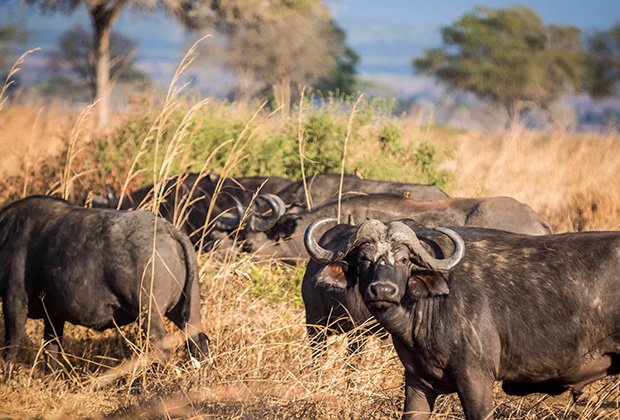
Dec 24, – 3 Day Christmas Serengeti And Ngorongoro Group Safari
Dec 24, 2026 – 3 Day Christmas Serengeti and Ngorongoro Group Safari.
View package details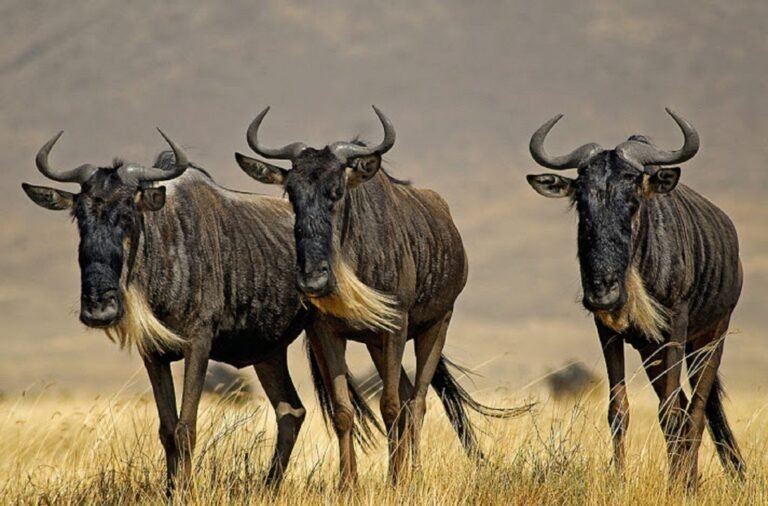
Nov 23, – 3 Day Serengeti And Ngorongoro Safari From Zanzibar
Nov 23, 2026 – 3 Day Serengeti and Ngorongoro Safari from Zanzibar.
View package details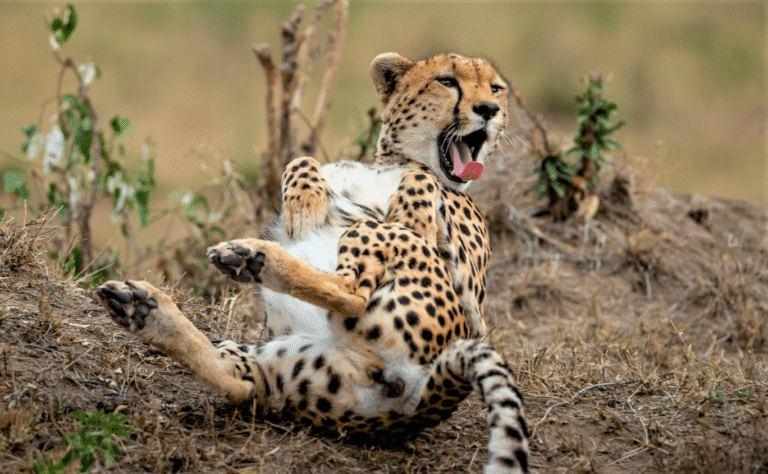
Dec 29, – 6 Day Ndutu, Serengeti And Ngorongoro Group Safari 2026
A detailed guide to our 6-day group safari departure on December 29, 2026, focusing on the Ndutu plains, the Serengeti, and the Ngorongoro Crater.
View package details8 Day Serengeti And Ngorongoro Group Safari – December 16, 2026
Planning your December 2026 Tanzanian adventure? Our 8-day group safari offers a deep, unhurried exploration of the Serengeti and Ngorongoro Crater.
View package details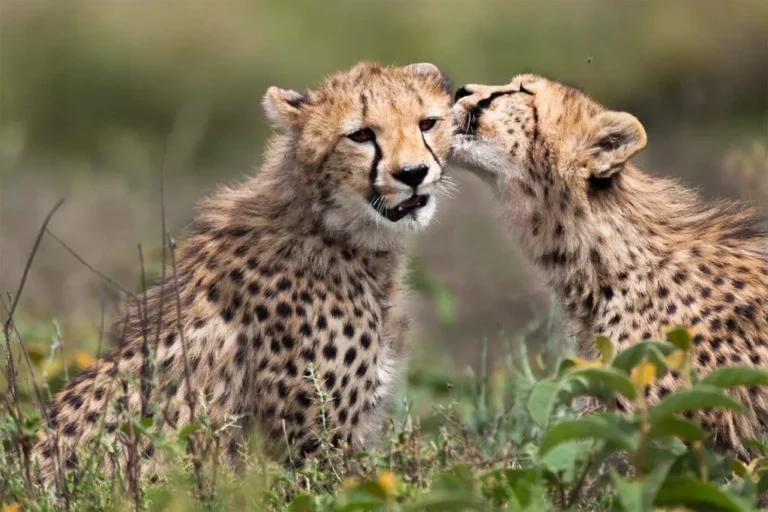
Dec 12, – 6 Day Serengeti, Ngorongoro, Tarangire And Manyara Group Safari 2026
Dec 12, 2026 – 6 Day Serengeti, Ngorongoro, Tarangire and Manyara Group Safari.
View package detailsDec 8, – 4 Day Tarangire, Serengeti And Ngorongoro Group Safari 2026
A detailed guide to our December 8, 2026 group joining safari, covering the itinerary, logistics, and what to expect during this 4-day wildlife adventure in Tanzania.
View package details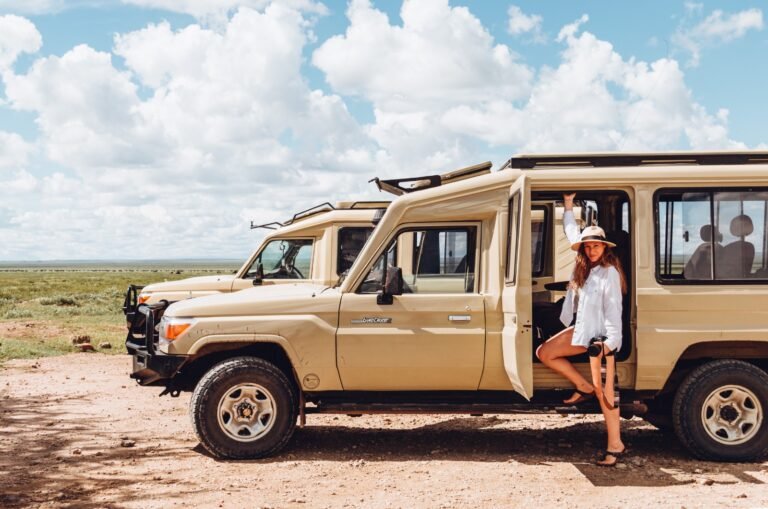
Nov 6, – 3 Day Serengeti And Ngorongoro Budget Group Safari 2026
A detailed look at our November 6, 2026 group departure for a 3-day Serengeti and Ngorongoro safari, including planning tips and route logistics.
View package detailsOct 27, – 3 Day Serengeti And Ngorongoro Group Safari 2026
Planning for a short, high-impact wildlife adventure? Our October 27, 2026, group safari offers a direct route through the Serengeti and Ngorongoro Crater, perfect for travelers with...
View package detailsNov 18, – 7 Day Serengeti And Ngorongoro Group Joining Safari 2026
A detailed guide to the 7-day group joining safari departing November 18, 2026, covering Serengeti, Ngorongoro, and the logistical advantages of shared travel.
View package detailsNov 10, – 4 Day Serengeti, Ngorongoro And Tarangire Group Safari 2026
Join our group safari on November 10, 2026, for an intensive 4-day tour of Tanzania's Northern Circuit. Perfect for those with limited time who want to experience the best of the Serengeti...
View package detailsOct 31, – 6 Day Serengeti, Ngorongoro, Tarangire And Manyara Group Safari 2026
A detailed look at the 6-day Northern Circuit group safari departing October 31, 2026, covering Tarangire, Manyara, Serengeti, and Ngorongoro Crater.
View package detailsOct 29, – 4 Day Tarangire, Serengeti And Ngorongoro Group Safari 2026
Plan your October 2026 Tanzania adventure. This 4-day group safari covers Tarangire, Serengeti, and Ngorongoro Crater with reliable local support.
View package detailsNo related package matches those filters. Clear one or more filters to see the other topic-matched options.