
University groups visiting Tanzania can find affordable safari options by prioritizing shared departures, selecting budget-conscious lodging, and strategically choosing travel dates, often during shoulder seasons in 2026-2027. Focusing on the Northern Circuit parks like the Serengeti and Ngorongoro, or exploring the less-visited Southern Circuit with a well-planned itinerary, offers excellent wildlife viewing without the premium private tour costs. Shared safaris are key to lowering per-person expenses, making the dream of a Tanzanian wildlife adventure accessible for student budgets.

Planning a university group trip to Tanzania for a safari is an exciting prospect, promising unforgettable wildlife encounters and a deep look at the natural wonders of East Africa. For student budgets, the key challenge often lies in making such an adventure financially viable. Fortunately, Tanzania offers a spectrum of safari experiences, and with careful planning and the right choices, truly affordable options are well within reach for academic groups heading out in 2026 or 2027. This guide is designed to help your university group navigate these choices, focusing on maximizing value and experiencing the best of Tanzania’s wildlife without compromising on the quality of the adventure.
Understanding the Core Components of Safari Costs
To find the most affordable safari options for your university group in Tanzania for 2026-2027, it’s crucial to first understand what drives the cost of a safari. Several key elements contribute to the overall price tag, and knowing these allows you to identify where savings can be made. Generally, a safari cost is built from these main pillars:
- Park Entrance Fees: These are set by the Tanzanian government and are non-negotiable. They are charged per person, per day, and vary significantly between parks. For example, the Serengeti often has higher fees than some less popular reserves.
- Vehicle and Guide Costs: This includes the rental of a 4×4 safari vehicle (essential for navigating park terrain) and the salary of an experienced, knowledgeable guide. This is a significant portion of the cost, especially for private tours where the vehicle and guide are exclusively for your group.
- Accommodation: Where you stay each night forms a substantial part of the budget. Options range from basic campsites and budget lodges to mid-range tented camps and luxury lodges. Costs vary greatly based on comfort level, amenities, and location.
- Food and Drinks: Meals are usually included in safari packages, with costs reflecting the type of accommodation. Campsites might involve self-catering or basic prepared meals, while lodges offer full board with varied menus.
- Logistics and Operations: This covers fuel, vehicle maintenance, park liaison, staff salaries (cooks, drivers, etc.), and the tour operator’s overhead and profit margin.
- Activities: While game drives are standard, optional activities like walking safaris, hot air balloon rides, or cultural visits incur additional charges.
For university groups, the goal is to find a balance where these components are managed efficiently to keep the overall per-person cost down. The most impactful way to achieve this is by opting for shared safari arrangements.
Shared Safaris vs. Private Tours: The Budget Breakdown
When seeking affordable Tanzania safari options for a university group, the distinction between a private tour and a shared safari is paramount. This is often the biggest decision point impacting your budget for 2026-2027 travel.
Private Safaris
A private safari is tailored exclusively to your group’s preferences. You have a dedicated vehicle, guide, and itinerary. This offers maximum flexibility, comfort, and personalized attention. However, the cost is significantly higher because your group bears the full expense of the vehicle, guide, and associated operational costs, regardless of the group size (within vehicle capacity). If your university group is small, the per-person cost can become prohibitive.
Shared Safaris (Group Departures)
Shared safaris, also known as group departures or scheduled departures, are designed to spread the cost of the vehicle and guide across multiple travelers who book onto the same itinerary and dates. This is where the real affordability for university groups lies. By joining other travelers, you effectively share the fixed costs of the safari vehicle and guide. This can reduce the per-person price by 30-50% compared to a private tour of the same duration and standard. The trade-off is less itinerary flexibility, as you’ll follow a pre-set route and schedule. However, for a university group focused on experiencing the wildlife and landscapes, this is an excellent compromise.
Key Considerations for University Groups:
- Group Size: If your university group is larger (e.g., 8-12 students), you might still find a private safari cost-effective if you can fill a larger vehicle. However, for smaller groups or if you’re looking for the absolute lowest per-person price, shared safaris are the way to go.
- Flexibility vs. Cost: Decide how much itinerary flexibility your group truly needs. If the primary goal is to see the Serengeti, Ngorongoro Crater, and witness the Great Migration (if timed right), a scheduled group departure will likely cover these highlights efficiently and affordably.
- Booking Window: Shared safaris for popular dates in 2026 or 2027 fill up quickly. Booking well in advance is crucial to secure spots on desired departures.
For university groups, the most practical and affordable approach is to look for scheduled group departures. Operators like Climb 4 Africa often have fixed departure dates for popular routes, allowing students to join these pre-set itineraries. This model is explicitly designed to make safaris accessible to a wider range of travelers, including those on a student budget.
Choosing Your Safari Destinations: Parks for Every Budget
Tanzania boasts an incredible array of national parks and game reserves, each offering unique wildlife viewing opportunities. For university groups seeking affordable options in 2026-2027, selecting the right destinations is key. The Northern Circuit is the most popular and often the most expensive due to its renowned parks, but there are ways to make it work, and alternative circuits offer significant savings.
The Northern Circuit: Iconic and Accessible
The Northern Circuit is the classic Tanzanian safari route and includes the country’s most famous parks. While popular means higher demand and potentially higher costs, it also means more established infrastructure and a higher likelihood of finding affordable shared departures.
- Serengeti National Park: Famous for the Great Migration and vast plains teeming with wildlife year-round. It has extensive accommodation options, from budget campsites to luxury lodges. Its sheer size means incredible wildlife density.
- Ngorongoro Conservation Area: Home to the spectacular Ngorongoro Crater, a UNESCO World Heritage Site often called ‘Africa’s Eden’ due to its high concentration of wildlife, including the Big Five. Crater fees are substantial, making it a pricier park, but a day trip is often included in Northern Circuit itineraries due to its significance.
- Tarangire National Park: Known for its large elephant herds and iconic baobab trees. It’s a great park for viewing predators and offers excellent game viewing, especially during the dry season. Fees are generally lower than Serengeti or Ngorongoro.
- Lake Manyara National Park: Famous for its tree-climbing lions and diverse birdlife. It’s a smaller park, making it suitable for shorter visits or as a stop between other destinations. Its accessibility and shorter game drives can contribute to overall trip cost-effectiveness.
Making the Northern Circuit Affordable:
- Focus on Key Parks: Instead of trying to fit in every park, prioritize the Serengeti and Ngorongoro Crater if they are must-sees. Consider shorter durations (e.g., 3-4 days) focusing on these.
- Utilize Budget Campsites: Opting for public campsites or basic tented camps within or just outside the parks dramatically reduces accommodation costs compared to lodges.
- Shared Departures: As mentioned, joining a pre-scheduled group safari is the most effective way to manage costs for this circuit.
The Southern Circuit: The Value Alternative
For university groups with tighter budgets in 2026-2027, the Southern Circuit presents a compelling alternative. It offers equally spectacular wildlife viewing with fewer crowds and generally lower park fees and operational costs.
- Selous Game Reserve (Nyerere National Park): One of the largest game reserves in Africa, offering a vast wilderness experience. It’s renowned for its boat safaris on the Rufiji River, walking safaris, and excellent chances to see wild dogs, elephants, and hippos. Park fees are often more affordable than the Northern Circuit’s premium parks.
- Ruaha National Park: Tanzania’s largest national park, offering a more rugged and remote safari experience. It’s known for its large lion prides, elephants, and diverse antelope species. It’s less visited, meaning you’ll likely have more of the wildlife to yourselves, and costs can be lower due to less demand.
Advantages of the Southern Circuit for University Groups:
- Lower Park Fees: Generally, entrance fees for Selous and Ruaha are lower than those for the Serengeti and Ngorongoro.
- Fewer Tourists: This can lead to a more authentic and less crowded experience, often at a better price point.
- Unique Activities: Boat and walking safaris are highlights, offering different perspectives on wildlife viewing.
- Potential for Customization: While shared departures are less common here, operators may offer more flexibility for groups looking to create a specific budget itinerary.
Considerations for the Southern Circuit:
- Logistics: Reaching the Southern Circuit often involves domestic flights or longer drives, which can add to the cost if not carefully planned. However, operators often bundle these into package deals.
- Shared Departures: Finding pre-scheduled group departures for the Southern Circuit might be more challenging than for the Northern Circuit. You might need to organize a private tour, but by selecting budget camps and shorter durations, it can still be more affordable than a comparable Northern Circuit private tour.
For university groups prioritizing extensive wildlife sightings and a genuine wilderness feel with a keen eye on budget for 2026-2027, exploring the Southern Circuit is highly recommended. However, if the iconic Serengeti is a non-negotiable, focusing on shared departures on the Northern Circuit remains the most viable affordable path.
Accommodation Options for University Groups
The choice of accommodation is a critical factor in determining the affordability of a Tanzania safari for university groups. Different types of lodging offer varying levels of comfort, amenities, and price points. Understanding these options is key to building a budget-friendly itinerary for 2026-2027.
Budget Campsites
Description: These are the most basic and affordable accommodation options. They typically offer a flat area for pitching tents (often provided by the tour operator) with shared ablution facilities (toilets and showers). Some may have a communal mess tent for meals. Some campsites are located just outside park boundaries, while others are inside parks, offering incredible proximity to wildlife.
Pros for University Groups:
- Lowest Cost: Significantly reduces accommodation expenses.
- Authentic Experience: Offers a close-to-nature feel, with sounds of the bush around you.
- Group Friendly: Easily accommodates larger groups, with plenty of space.
Cons:
- Basic Amenities: Limited comfort, shared facilities, and no en-suite bathrooms.
- Weather Dependent: Can be less comfortable during heavy rains or extreme heat.
Best For: Groups prioritizing maximum wildlife immersion and minimal spending, willing to forgo luxury for authenticity.
Budget Lodges/Guesthouses
Description: These offer a step up from camping. They typically provide simple rooms with beds, sometimes with private bathrooms, though shared bathrooms are also common in the most basic options. They are often located in or near towns or park entrances.
Pros:
- More Comfort than Camping: Offers more privacy and protection from the elements.
- Affordable Mid-Range: A good balance between cost and comfort.
- Fixed Facilities: More reliable facilities than campsites.
Cons:
- Limited Atmosphere: Less of a “bush camp” feel compared to tented accommodations.
- May be Further from Parks: Requires more travel time to reach game viewing areas.
Best For: Groups wanting a bit more comfort than camping without the expense of mid-range or luxury lodges.
Mid-Range Tented Camps
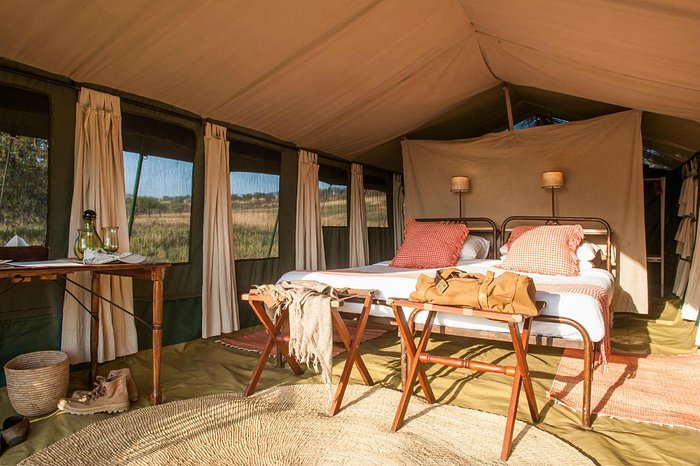
Description: These offer canvas tents that are more permanent and comfortable than basic camping tents. They usually feature proper beds, en-suite bathrooms (often with flushing toilets and hot showers), and can be quite stylish. They are designed to blend into the environment while providing comfortable amenities.
Pros:
- Comfortable Bush Experience: Combines the feeling of being in the wild with good comfort.
- Good Amenities: Private bathrooms, often electricity, and communal dining areas.
- Excellent Locations: Frequently situated in prime wildlife areas.
Cons:
- Higher Cost: More expensive than campsites or budget lodges.
- Limited Group Capacity: Some camps may have limited tent availability for large university groups, requiring booking well in advance for 2026-2027.
Best For: Groups looking for a balance of authentic bush experience and comfort, willing to invest a bit more for a memorable stay.
Budget Lodges
Description: These are typically simpler lodges with basic rooms, often en-suite, and a restaurant. They offer a step up from guesthouses and are a common choice for tour operators offering mid-range safaris. They might have fewer amenities than higher-end lodges but provide solid comfort.
Pros:
- Comfortable and Convenient: Good standard of lodging with necessary amenities.
- Reliable Facilities: Consistent services and dining.
- Good Value: Often included in package deals for shared safaris.
Cons:
- Less ‘Wild’ Feel: Can feel more like a hotel than a bush camp.
- Cost: Higher than campsites or basic guesthouses.
Best For: Groups seeking a comfortable, reliable place to rest after a day of game drives, without the premium price of luxury lodges.
Recommendation for University Groups: To achieve the most affordable Tanzania safari in 2026-2027, focus on shared safaris that utilize budget campsites or budget lodges. Many operators offering group departures will structure their itineraries around these accommodation types. If your group is willing to embrace the camping experience, the savings can be substantial, allowing for a longer safari or more activities.
Timing Your Safari for Maximum Affordability (2026-2027)
The timing of your university group’s safari in Tanzania can significantly impact the overall cost, especially for trips planned for 2026 and 2027. Understanding the different seasons and their associated pricing is crucial for budget-conscious travelers.
High Season (June to October, December to February)
Characteristics: This period generally coincides with the dry season, offering the most pleasant weather for safaris with clear skies and cooler temperatures. It’s also when the Great Migration is often in the Serengeti. This is peak tourist season.
Cost Impact: Due to high demand, accommodation prices are at their highest, and tour operators may charge a premium for safaris booked during these months. Availability of shared departures can also be limited, requiring very early booking for 2026-2027.
Best For: Groups prioritizing ideal weather and the chance to witness specific wildlife events (like the migration river crossings), and who can budget accordingly or book exceptionally early.
Shoulder Seasons (March to May, November)
Characteristics: These periods bridge the gap between high and low seasons. March to May often sees the “long rains,” while November can have shorter, less intense rains. Wildlife is still abundant, and the landscapes are lush and green.
Cost Impact: This is where university groups can find the best value. Accommodation prices are significantly lower than in the high season, and tour operators often offer discounts. There are fewer tourists, making for a more relaxed experience. While there’s a chance of rain, it rarely rains all day, and the showers can bring wildlife closer to water sources.
Best For: University groups looking for maximum affordability in 2026-2027. The savings on accommodation and tour packages can be substantial, and the wildlife viewing remains excellent.
Low Season (April to May – the heart of the long rains)
Characteristics: This is the wettest period. While game viewing is still possible, some roads may become difficult to navigate, and certain camps might close or operate with reduced services. The landscape is exceptionally green and beautiful.
Cost Impact: This is typically the cheapest time to travel. Tour operators offer their lowest prices, and accommodations are significantly discounted. However, the risk of disrupted travel plans due to heavy rain is higher.
Best For: Highly budget-conscious groups who are flexible with their dates and understand the potential challenges associated with the rainy season. It’s also ideal for photographers who appreciate the lush scenery and dramatic skies.
Strategic Timing for University Groups (2026-2027):
- Target the Shoulder Seasons: For the best blend of good weather, abundant wildlife, and affordability, aim for March-May or November. The savings on shared departures can make a significant difference to a student budget.
- Avoid Peak Holidays: If your travel dates fall around Christmas or New Year’s, expect prices to surge, even if it’s technically a shoulder month.
- Consider the Migration: If witnessing the Great Migration is a priority, research its location for your chosen dates in 2026-2027 and be aware that prime migration viewing times (e.g., river crossings) usually fall within the high season, commanding higher prices. If your group can accept seeing the migration in less dramatic phases or in different locations, shoulder seasons might still offer good viewing at a lower cost.
By carefully selecting your travel dates, particularly targeting the shoulder seasons, university groups can secure significantly more affordable safari packages for 2026-2027, making the adventure more accessible.
Sample Affordable Itinerary Structures
To illustrate how university groups can structure an affordable Tanzania safari for 2026-2027, here are a few sample itinerary frameworks. These focus on maximizing wildlife viewing within a limited budget, primarily using shared departures and budget-friendly accommodations.
Option 1: Northern Circuit Express (4 Days/3 Nights)
Focus: Iconic parks, maximizing wildlife density in a short time.
Accommodation Style: Budget campsites or basic lodges.
Typical Route:
- Day 1: Arusha to Tarangire National Park. Morning pickup, drive to Tarangire, game drive. Overnight at a campsite/budget lodge near Tarangire.
- Day 2: Tarangire to Ngorongoro Conservation Area. Morning game drive in Tarangire, then drive to the Ngorongoro rim. Descend into the crater for a full afternoon game drive. Overnight at a campsite on the crater rim or in Karatu.
- Day 3: Ngorongoro to Serengeti National Park (Central). Drive into the Serengeti, with a stop at Olduvai Gorge (optional, extra cost). Afternoon game drive in the central Serengeti, renowned for resident wildlife. Overnight at a public campsite in the Serengeti.
- Day 4: Serengeti to Arusha. Morning game drive in the Serengeti, then begin the long drive back to Arusha.
Affordability Factors: Short duration minimizes park fees and accommodation nights. Focuses on parks with high wildlife concentrations. Utilizes public campsites. This is a common itinerary for shared group departures.
Best For: Groups with limited time and budget, wanting to see the ‘big ticket’ items of the Northern Circuit.
Option 2: Northern Circuit Explorer (6 Days/5 Nights)
Focus: A more comprehensive Northern Circuit experience with more time in each park.
Accommodation Style: Mix of budget campsites and mid-range tented camps.
Typical Route:
- Day 1: Arusha to Lake Manyara National Park. Pickup, drive to Lake Manyara for a game drive, then transfer to accommodation near Karatu.
- Day 2: Ngorongoro Crater. Full day game drive within the Ngorongoro Crater. Overnight near Karatu.
- Day 3: Ngorongoro to Serengeti National Park (Central). Drive to the Serengeti, afternoon game drive. Overnight at a public campsite in Central Serengeti.
- Day 4: Serengeti National Park. Full day game drive exploring the vast plains of the Serengeti. Overnight at a public campsite in Central Serengeti.
- Day 5: Serengeti to Tarangire National Park. Morning game drive in Serengeti, then drive towards Tarangire, with an afternoon game drive. Overnight at a campsite/budget lodge near Tarangire.
- Day 6: Tarangire to Arusha. Morning game drive or relaxation, then drive back to Arusha.
Affordability Factors: Still utilizes budget accommodation and potentially shared departures. Longer duration allows for more in-depth exploration, potentially reducing the feeling of being rushed. More time in Serengeti can increase wildlife sighting opportunities.
Best For: Groups with slightly more time and a bit more budget, wanting a more relaxed pace and deeper immersion in the Northern Circuit.
Option 3: Southern Circuit Value (5 Days/4 Nights)
Focus: Experiencing a less-crowded, wilder side of Tanzania at a potentially lower cost.
Accommodation Style: Budget camps or basic lodges in Selous and Ruaha.
Typical Route:
- Day 1: Arusha/Dar es Salaam to Selous Game Reserve. Fly into Selous (or drive from Dar, longer option). Afternoon boat safari on the Rufiji River. Overnight at a budget camp in Selous.
- Day 2: Selous Game Reserve. Full day of game drives and potentially a walking safari. Overnight at a budget camp.
- Day 3: Selous to Ruaha National Park. Fly or drive to Ruaha. Afternoon game drive. Overnight at a budget camp in Ruaha.
- Day 4: Ruaha National Park. Full day game drive exploring Ruaha’s unique landscape and wildlife. Overnight at a budget camp.
- Day 5: Ruaha to Arusha/Dar es Salaam. Morning game drive, then fly back to Arusha or Dar es Salaam.
Affordability Factors: Lower park fees than Northern Circuit. Fewer tourists mean potentially lower operational costs for operators. Flying in can be expensive but saves time; driving from Dar is cheaper but takes longer. This itinerary might be better suited for a group chartering a private vehicle, but careful selection of budget camps can make it competitive.
Best For: University groups seeking a more off-the-beaten-path experience, prioritizing wilderness and unique activities over the most famous parks, and potentially looking for a more private feel even on a budget.
Note on Group Size: For these sample itineraries, it’s assumed your university group will either join a scheduled shared departure (most affordable) or charter a vehicle for a private group trip. If chartering, always confirm the vehicle capacity and ensure it’s comfortable for the duration. For 2026-2027, operators like Climb 4 Africa can help customize itineraries based on your group’s size, interests, and budget.
Essential Booking Tips for University Groups
Securing an affordable and memorable safari for your university group in Tanzania for 2026-2027 requires strategic planning and smart booking practices. Here are essential tips to help your group get the best value:
1. Book Well in Advance
Why: For shared departures (group tours), popular dates in 2026 and 2027, especially during peak seasons, fill up months, sometimes even a year, in advance. Booking early also allows you more time to fundraise or collect payments from group members.
Action: Aim to finalize your dates and book at least 9-12 months ahead of your travel date.
2. Prioritize Shared Departures
Why: As discussed, this is the single biggest factor in making a safari affordable for a university group. Sharing vehicle and guide costs drastically reduces the per-person price.
Action: Look for tour operators who clearly advertise scheduled group departures with fixed dates for 2026-2027. Check their websites for departure calendars.
3. Be Flexible with Dates
Why: Traveling during the shoulder seasons (e.g., March-May, November) can yield significant savings compared to the high season (June-October). The weather is still good, and wildlife is plentiful.
Action: If your group’s schedule allows, try to avoid the absolute peak months. Even shifting your trip by a few weeks can make a difference.
4. Choose Budget-Friendly Accommodation
Why: Accommodation is a major cost driver. Opting for campsites or basic lodges over luxury tented camps or lodges can cut costs by 30-50% per night.
Action: When reviewing safari packages, check the accommodation standard. Explicitly ask about options for campsites or budget lodges.
5. Understand Inclusions and Exclusions
Why: Safari packages vary greatly in what they include. To avoid unexpected costs, clarify everything upfront.
Action: Confirm if park fees, meals, water, accommodation, guide, vehicle, transfers, and any optional activities are included. For university groups, ensuring that park fees and meals are covered is essential for budget predictability.
6. Get Multiple Quotes and Compare
Why: Different operators will have different pricing structures, especially for shared departures. Comparing quotes helps ensure you’re getting good value.
Action: Contact several reputable operators, provide them with your group size, desired dates (or flexibility), and itinerary preferences. Ask for detailed quotes.
7. Communicate Your Budget Clearly
Why: Being upfront about your university group’s budget limitations helps tour operators tailor proposals that are genuinely affordable for you.
Action: When inquiring, mention that you are a university group with a specific budget range per person for 2026-2027. This helps them focus on suitable options.
8. Consider Local Operators
Why: Local operators based in Tanzania, like Climb 4 Africa, often have lower overheads than international companies and a deeper understanding of the local logistics and pricing. This can translate to better value for your group.
Action: Research and contact operators based in Tanzania. Look for reviews and testimonials, especially from other student or budget groups.
9. Factor in Additional Costs
Why: Beyond the safari package, there are other expenses.
Action: Budget for international flights, visas, travel insurance (mandatory for most), vaccinations, tips for guides and staff, personal spending money, and any optional activities not included in the package.
By following these tips, your university group can confidently navigate the booking process and secure an affordable, incredible safari experience in Tanzania for 2026-2027. Working with an experienced local operator like Climb 4 Africa can streamline this process significantly, as they specialize in creating tailored safari experiences that meet diverse budget requirements.
What to Expect on an Affordable Safari
Choosing an affordable safari option for your university group doesn’t mean sacrificing the core essence of a Tanzanian wildlife adventure. While there will be differences compared to luxury trips, the thrill of seeing incredible animals in their natural habitat remains the same. Here’s what to expect when opting for budget-friendly safaris in 2026-2027:
The Wildlife Experience
What to expect: This is the heart of any safari, and affordable options do not compromise here. You’ll be driven by experienced guides in sturdy 4×4 safari vehicles designed for game viewing. You’ll spend significant hours each day driving through national parks and reserves, actively seeking out wildlife. The Northern Circuit parks (Serengeti, Ngorongoro) and Southern Circuit parks (Selous, Ruaha) all offer incredible densities and diversity of animals.
What might differ: Your guide’s expertise will be crucial. Affordable safaris usually employ highly knowledgeable local guides who are skilled at spotting animals and understanding their behavior, even if they don’t have the plush uniforms of some luxury lodges. You might not get as close to certain animals as you would with a private guide with more flexibility, but the main sightings will be exceptional.
Accommodation and Comfort
What to expect: If you’ve chosen budget campsites, expect basic but functional tents, often with sleeping mats or mattresses. Shared bathrooms with cold or hot water showers will be the norm. If you opt for budget lodges, expect simple rooms, possibly with en-suite facilities, and a communal dining area.
What might differ: Luxury amenities are minimal. There won’t be swimming pools, gourmet dining, or private bathrooms in most campsites. Even in budget lodges, rooms are basic. The focus is on providing a safe, clean place to rest and recharge after a day in the bush. Embrace the simplicity – the sounds of the African night are often more memorable than a minibar.
Food and Dining
What to expect: Meals are typically prepared by a cook accompanying your safari group. Expect hearty, filling meals designed to provide energy for long days. Common dishes include rice, ugali (a maize porridge), beans, lentils, chicken, beef stews, and fresh fruit and vegetables. Packed lunches are standard for full-day game drives.
What might differ: The cuisine will be simpler and less varied than in high-end lodges. Dietary restrictions can usually be accommodated if communicated in advance, but options might be limited. The dining experience is often communal, fostering a great sense of camaraderie among the group.
The Vehicle and Guide
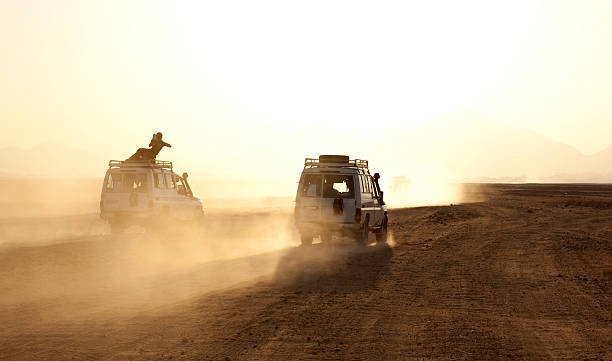
What to expect: You’ll be in a robust 4×4 safari vehicle (often a Land Cruiser or Land Rover) with pop-up roofs for game viewing. Your driver-guide will be your expert companion, navigating the parks, identifying wildlife, and sharing insights about the ecosystem and local culture.
What might differ: In shared departures, you will be sharing the vehicle with other travelers. This means your group won’t have exclusive control over the itinerary or the pace. The vehicle might be slightly older or less luxurious than those used on private tours, but its functionality for safaris is paramount. Ensure the vehicle has enough space for your group’s luggage.
Daily Schedule
What to expect: Safaris typically start early to maximize wildlife viewing opportunities when animals are most active. Expect morning game drives followed by a break for lunch and rest during the hottest part of the day, and then an afternoon game drive until sunset. Evenings are spent at your accommodation.
What might differ: The schedule is generally fixed for group departures. If you’re on a private tour with a very flexible guide, you might have more control over when you stop or start, but for affordable shared safaris, adherence to the group schedule is key.
An affordable safari is about smart choices and prioritizing the core wildlife experience. For university groups in 2026-2027, this means embracing shared travel, simpler accommodations, and potentially traveling in shoulder seasons. The result is an authentic, thrilling adventure that is financially accessible.
For university groups planning their adventure in Tanzania for 2026-2027, finding affordable safari options is entirely achievable by focusing on shared departures, budget-friendly accommodations, and strategic timing. The experienced team at Climb 4 Africa specializes in crafting such value-driven itineraries. We understand the unique needs and budgets of student travelers and can help your group navigate the complexities of safari planning to ensure an unforgettable experience. Whether you’re drawn to the iconic Northern Circuit or the wilder Southern Circuit, we can tailor a package that maximizes your wildlife encounters while minimizing costs. To start planning your affordable Tanzanian safari, please reach out to us with your group size, preferred travel dates (or flexibility), and any specific interests.
Contact Climb 4 Africa today to discuss your university group’s safari plans:
- WhatsApp: +255 747 477 898
- Email: climb4africa@gmail.com
We look forward to helping your university group start an incredible Tanzanian adventure in 2026 or 2027!
“,
“faq_schema”: [
{
“question”: “What is the most affordable way for a university group to do a safari in Tanzania?”,
“answer”: “The most affordable way for a university group to experience a Tanzania safari in 2026-2027 is by joining shared or group departure tours. These tours spread the cost of the safari vehicle and guide among multiple travelers, significantly reducing the per-person price compared to private safaris. Additionally, opting for budget accommodation like campsites or basic lodges and traveling during the shoulder seasons (March-May, November) further enhances affordability.”
},
{
“question”: “Which Tanzanian national parks are best for budget safaris for university groups?”,
“answer”: “For budget-conscious university groups in 2026-2027, consider parks on the Northern Circuit like Tarangire and Lake Manyara, which often have lower entrance fees than the Serengeti or Ngorongoro. Alternatively, the Southern Circuit, including Selous Game Reserve (Nyerere National Park) and Ruaha National Park, offers excellent wildlife viewing with generally lower park fees and fewer tourists, making it a very cost-effective option.”
},
{
“question”: “How can university groups save money on safari accommodation in Tanzania?”,
“answer”: “University groups can save significantly on accommodation by choosing budget-friendly options. This includes staying in public campsites within or near national parks (often provided with tents by the tour operator) or opting for basic lodges and guesthouses. These options offer essential shelter and security at a fraction of the cost of mid-range or luxury tented camps and lodges.”
},
{
“question”: “When is the best time for university groups to travel to Tanzania for an affordable safari in 2026-2027?”,
“answer”: “The most affordable time for university groups to travel to Tanzania for a safari in 2026-2027 is during the shoulder seasons, typically from March to May and in November. These periods fall between the peak high seasons, offering lower prices for accommodation and tour packages, fewer crowds, and still excellent wildlife viewing opportunities, often with lush green landscapes.”
},
{
“question”: “What should be included in an affordable safari package for a university group?”,
“answer”: “For an affordable safari package for a university group, ensure it includes essential elements like park entrance fees, accommodation, meals (breakfast, lunch, dinner), a safari vehicle with a driver-guide, and all ground transportation. Clarify if water is included during game drives. Exclusions typically include international flights, visa fees, travel insurance, tips, and personal expenses.”
}
]
}
“`
Check Availability for We Are A University Group Visiting Tanzania, What Safari Options Affordable?
Ready to compare dates, prices, and the best option for your group? Send the package name and travel month so the team can reply with a clear quote, availability, and what is included.
Affordable African Safari Packages: Your Guide To Budget-Friendly Tanzania
Discover how to plan and book affordable African safari packages for 2026-2027. This guide provides practical advice on choosing budget-friendly Tanzania tours, understanding costs, and...
View package details
Small-Group African Safari Tours Guide
Explore the best of Tanzania on a small-group safari. This guide covers everything you need to know for an incredible wildlife adventure in 2026-2027, from choosing the right tour to...
View package details
Are African Safari Prices Per Person Or Vehicle? Understanding Tanzania Costs
African safari costs can be confusing. This guide clarifies whether prices are quoted per person or per vehicle, detailing factors that influence your 2026-2027 safari budget in Tanzania.
View package details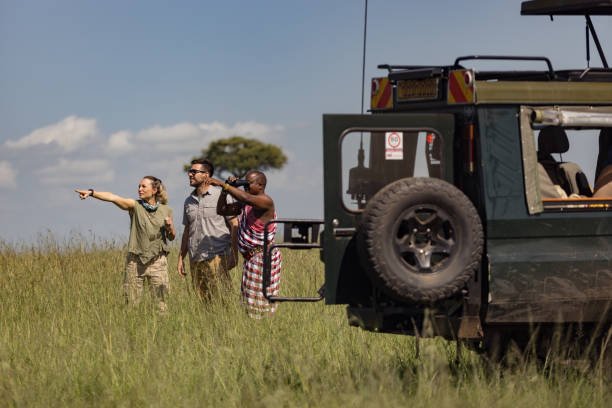
Budget Tanzania Safari Packages 2026-2027
Budget Tanzania Safari Packages is explained with current 2026-2027 planning, price, itinerary and booking information.
View package details
What Is Included In An African Safari Package? A Complete Guide For 2026-2027
Demystifying African safari packages. This guide details what you can expect to be included, from essential logistics like accommodation and transport to crucial elements like park fees and...
View package details
Kenya And Tanzania Combined Safari Packages: Ultimate Guide 2026-2027
Discover the unparalleled adventure of combining Kenya and Tanzania for a comprehensive East African safari. This guide details everything you need to know for planning your 2026-2027...
View package details
3-Day Serengeti And Ngorongoro Safari: Your Ultimate Tanzania Wildlife
start a concise yet unforgettable 3-day Serengeti and Ngorongoro safari, designed to maximize wildlife encounters in Tanzania's most celebrated parks. This compact adventure offers a taste...
View package details
Serengeti Safari And Zanzibar Beach Holiday: The Ultimate Tanzania
Combine the thrill of a Serengeti safari with the relaxation of a Zanzibar beach holiday. This guide covers everything you need to know for an unforgettable Tanzania adventure in 2026-2027...
View package detailsTanzania Safari And Zanzibar All-Inclusive Packages Guide
Combine the thrill of a Tanzanian wildlife safari with the serene beauty of Zanzibar on an all-inclusive package. This comprehensive guide covers everything you need to know for planning...
View package details
What Animals Can You See On An African Safari? Your Ultimate Wildlife Guide
Planning an African safari and wondering which animals you'll encounter? This comprehensive guide details the wildlife you can expect to see, from iconic mammals to elusive birds, across...
View package details
What Is The Cheapest African Country For Safari? 2026-2027
What Is the Cheapest African Country for Safari? is explained with current 2026-2027 planning, price, itinerary and booking information.
View package details
Is Tanzania Or Kenya Better For Safari? A Detailed Comparison 2026-2027
Comparing Tanzania and Kenya for your next safari? This in-depth guide breaks down wildlife viewing, landscapes, costs, and optimal travel times to help you choose the perfect East African...
View package detailsNo related package matches those filters. Clear one or more filters to see the other topic-matched options.



