
A Uganda gorillas, Serengeti, Ngorongoro, and Zanzibar itinerary typically spans 14-21 days, combining mountain gorilla trekking in Uganda’s Bwindi Impenetrable National Park with classic wildlife viewing in Tanzania’s Serengeti and Ngorongoro Crater, culminating in beach relaxation on Zanzibar. This multi-country journey requires careful planning for 2026-2027 to maximize wildlife sightings, cultural immersion, and smooth transitions between diverse landscapes, from misty forests to vast savannahs and tropical shores.
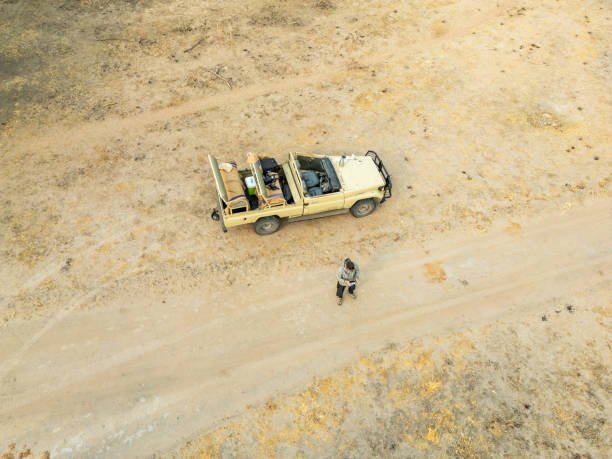
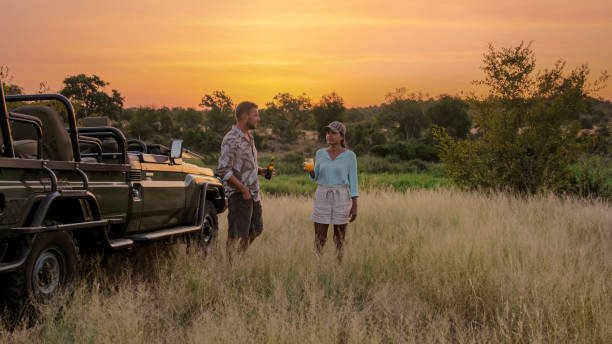
The Allure of the Uganda Gorillas, Serengeti, Ngorongoro & Zanzibar Combination
Combining the misty mountains of Uganda with the iconic plains of Tanzania and the sun-drenched beaches of Zanzibar offers a travel experience that is hard to match. This Uganda gorillas, Serengeti, Ngorongoro & Zanzibar itinerary is for the traveler seeking a profound connection with nature, a deep look at wildlife, and a rejuvenating end to their adventure. It’s a journey that contrasts the raw, untamed beauty of primate habitats with the vastness of the African savanna and the tranquil azure waters of the Indian Ocean. For those planning their African escape in 2026 or 2027, this multi-destination trip presents an unparalleled opportunity to witness some of the continent’s most sought-after natural wonders. It requires a thoughtful approach to logistics, timing, and budget, but the rewards are immense: unforgettable encounters with mountain gorillas, the thrill of witnessing the Great Migration (depending on timing), the unique spectacle of the Ngorongoro Crater, and the pure relaxation of island life.
Understanding the Uganda Gorillas, Serengeti, Ngorongoro & Zanzibar Trip Dynamics
Before diving into specific day-by-day plans, it’s crucial to grasp the fundamental elements that shape a Uganda gorillas, Serengeti, Ngorongoro & Zanzibar itinerary. This isn’t a simple hop between two countries; it’s a complex adventure involving distinct ecosystems, varying travel styles, and significant logistical coordination. Understanding these dynamics will help you make informed decisions for your 2026-2027 travels.
Geographic Overview: A Tale of Four Icons
This itinerary weaves together four distinct and world-renowned locations:
- Uganda’s Gorilla Habitats (Bwindi Impenetrable National Park & Mgahinga Gorilla National Park): Located in southwestern Uganda, these dense rainforests are home to approximately half of the world’s endangered mountain gorillas. The terrain is rugged, mountainous, and requires trekking through thick vegetation.
- Serengeti National Park, Tanzania: Famous for its vast, open grasslands and the annual Great Migration of wildebeest and zebras, the Serengeti offers classic African safari experiences with abundant predator-wildlife interactions.
- Ngorongoro Conservation Area, Tanzania: Centered around the Ngorongoro Crater, a massive volcanic caldera teeming with wildlife, this area provides incredible densities of animals in a relatively compact and visually stunning setting.
- Zanzibar, Tanzania: An archipelago off the coast of mainland Tanzania, Zanzibar is renowned for its white-sand beaches, turquoise waters, rich history (particularly Stone Town), and spice plantations.
The journey typically flows from Uganda to Tanzania, then to Zanzibar, or vice versa, depending on flight availability and preferred pacing. The transition between Uganda and Tanzania involves a flight, often from Entebbe (Uganda) to Kilimanjaro International Airport (JRO) or Arusha (Tanzania). From Tanzania mainland to Zanzibar, it’s usually a short domestic flight or a ferry. Each leg offers a dramatically different landscape and wildlife experience.
Who is This Uganda Gorillas, Serengeti, Ngorongoro & Zanzibar Itinerary For?
This comprehensive itinerary is ideally suited for:
- Adventurous travelers: Those willing to undertake physically demanding treks in humid rainforests (gorilla tracking) and spend time on rugged safari tracks.
- Wildlife enthusiasts: Individuals passionate about seeing diverse fauna, from elusive primates to iconic big cats and large herds.
- Nature lovers: People who appreciate diverse ecosystems, from dense montane forests to sprawling savannas and tropical coastlines.
- Those seeking variety: Travelers who want to experience multiple facets of East Africa in a single trip, blending active adventure with classic safari and beach relaxation.
- Honeymooners and special occasions: The combination offers unique experiences and romantic settings, particularly on Zanzibar.
- Travelers planning for 2026-2027: This itinerary provides a solid framework for early planning, especially concerning permit availability and booking prime accommodations.
It’s generally not recommended for travelers with severe mobility issues (due to trekking), those seeking a purely budget backpacking experience (gorilla permits and multi-country travel add significant costs), or those who prefer very rapid travel with minimal time in each location.
Best Time to Go: Aligning with Uganda Gorillas, Serengeti, Ngorongoro & Zanzibar Seasons
The ideal timing for your Uganda gorillas, Serengeti, Ngorongoro & Zanzibar itinerary depends on your priorities, particularly concerning wildlife viewing and weather. For 2026-2027, consider these factors:
- Dry Seasons (June to October, and December to February): These are generally considered the best times for a Uganda gorillas, Serengeti, Ngorongoro & Zanzibar trip.
- Uganda Gorillas: Dry seasons make trekking easier, with less mud and slippery trails. Gorilla sightings remain excellent year-round, but trekking conditions are more pleasant.
- Serengeti & Ngorongoro: Ideal for game drives as animals congregate around water sources. The peak of the Great Migration (wildebeest river crossings) in the northern Serengeti typically occurs between July and October. The southern Serengeti is calving season from January to March.
- Zanzibar: Pleasant with lower humidity and minimal rain, perfect for beach activities.
- Shoulder Seasons (March to May, and November): These months can offer a good balance.
- Uganda Gorillas: Trekking can be more challenging due to rain, but fewer tourists mean potentially more availability and sometimes lower lodge rates.
- Serengeti & Ngorongoro: The landscape is lush and green. The migration is moving, offering varied viewing opportunities. Birdwatching is excellent.
- Zanzibar: Can be humid, with a higher chance of rain, particularly during the “long rains” (March-May).
Recommendation for 2026-2027: Aim for the June to October dry season for the best overall combination of easier trekking in Uganda, peak migration viewing in the Serengeti, and excellent safari conditions across Tanzania, plus ideal beach weather in Zanzibar. For those interested in calving season, January to March is also viable but expect some rain in Tanzania.
Typical Duration: Crafting Your Uganda Gorillas, Serengeti, Ngorongoro & Zanzibar Experience
A well-paced Uganda gorillas, Serengeti, Ngorongoro & Zanzibar itinerary generally requires at least 14 days. However, to truly savor each destination without feeling rushed, 18-21 days is highly recommended. This allows for travel time between locations, sufficient time for gorilla trekking (including a buffer day), multiple days in the Serengeti and Ngorongoro, and adequate relaxation on Zanzibar.
- 14 Days: A fast-paced trip, focusing on the absolute highlights. This would involve minimal time in each location and significant travel days.
- 18 Days: A balanced itinerary offering a good experience of each component.
- 21 Days: The most comfortable pace, allowing for deeper exploration, relaxation, and flexibility. This is ideal for truly appreciating the diversity of this multi-country journey.
For your 2026-2027 plans, consider your available time and desired pace. Longer durations significantly enhance the experience.
Logistical Considerations for Your Uganda Gorillas, Serengeti, Ngorongoro & Zanzibar Journey
This is a multi-country trip, and logistics are paramount:
- Flights: You’ll need international flights into one country and out of another (e.g., into Entebbe/Kigali, out of Zanzibar/Dar es Salaam, or vice versa). Internal flights between Uganda and Tanzania, and within Tanzania (e.g., to Zanzibar), are often necessary and add to the cost and complexity.
- Visas: You’ll need visas for Uganda and Tanzania. Depending on your nationality, these can often be obtained online or on arrival, but checking requirements well in advance for 2026-2027 is essential.
- Permits: Gorilla trekking permits in Uganda are limited and must be booked months, sometimes a year, in advance, especially for peak seasons in 2026-2027.
- Transportation: Safari vehicles in Tanzania, 4x4s for gorilla trekking, and transfers between airports, lodges, and ferry terminals.
- Pace: Balancing travel time with the actual experience is key. Rushing can diminish the enjoyment.
- Currency: You’ll need Ugandan Shillings (UGX) and Tanzanian Shillings (TZS), though USD is widely accepted for tourist services in both countries.
Working with an experienced tour operator like Climb 4 Africa is highly beneficial for navigating these complexities seamlessly.
Crafting Your Uganda Gorillas, Serengeti, Ngorongoro & Zanzibar Itinerary: Step-by-Step
Let’s break down how to structure your journey, focusing on each key destination and the transitions between them. This detailed approach will help you visualize your 2026-2027 adventure.
Part 1: Uganda’s Mountain Gorillas – The Gentle Giants
The gorilla trekking portion is often the most anticipated and requires careful planning due to permit scarcity. Uganda is a premier destination for this incredible experience.
Entry Point: Kigali (Rwanda) or Entebbe (Uganda)?
While the keyword specifies Uganda gorillas, it’s worth noting that gorilla permits are also available in Rwanda. However, for a dedicated Uganda gorilla experience, your primary entry point will be Entebbe International Airport (EBB).
Some travelers choose to fly into Kigali, Rwanda (KGL), and drive to the Ugandan border, as the drive from Kigali to the southern sector of Bwindi (Kisoro side) can be shorter than from Entebbe. However, this adds complexity with border crossings and potentially separate visa requirements. For a smooth Uganda gorillas, Serengeti, Ngorongoro & Zanzibar itinerary, flying directly into Entebbe and spending your time within Uganda is generally more straightforward. The drive from Entebbe to Bwindi is long (8-10 hours), often broken up with an overnight stop.
Bwindi Impenetrable National Park: The Heart of Gorilla Trekking
Bwindi is the primary destination for mountain gorilla trekking in Uganda. It’s a UNESCO World Heritage Site and one of Africa’s most biodiverse forests. The park is divided into four sectors, each offering a unique trekking experience and lodge options:
- Buhoma (Northern Sector): Most accessible from Entebbe, often the first stop for many. It has a good range of lodges and is close to the park headquarters for briefings.
- Ruhija (Eastern Sector): Known for its higher altitude and cooler temperatures, offering excellent gorilla viewing opportunities and birdlife.
- Nkuringo (Southern Sector): Offers challenging but rewarding treks, often with stunning views. The gorillas here are known to be very active.
- Rushaga (Southern Sector): The largest sector, with the highest number of habituated gorilla families, making it a popular choice for increasing permit availability.
Recommendation for 2026-2027: Book your preferred sector well in advance, as permits and lodges fill up rapidly, especially in Buhoma and Rushaga.
Other Gorilla Locations: Mgahinga Gorilla National Park
Adjacent to Bwindi, Mgahinga is part of the Virunga Mountains and offers opportunities to track gorillas and the endangered golden monkeys. It has fewer habituated gorilla groups than Bwindi, making permits potentially easier to secure but offering less choice in tracking experience.
Gorilla Trekking Permits: Your Golden Ticket
This is the single most critical element for your Uganda gorilla experience. A permit costs $700 USD per person per trek (as of recent information, always verify current rates for 2026-2027). This fee grants you one hour of observation with a habituated gorilla family.
- Booking: Permits must be booked through Uganda Wildlife Authority (UWA) or a registered tour operator. Due to high demand, especially for peak seasons in 2026-2027, booking 6-12 months in advance is strongly advised.
- Limitations: Only 8 people can visit a specific gorilla family per day. This strict limit ensures the gorillas’ well-being and the quality of the experience.
- Confirmation: Ensure your tour operator provides a confirmed permit booking reference.
What to Expect on a Gorilla Trek in Uganda
Gorilla trekking is a physically demanding activity:
- Briefing: You’ll start your day at the park headquarters with a briefing on gorilla behavior and trekking etiquette.
- Trekking: The trek duration varies from 30 minutes to over 6 hours, depending on the gorillas’ location. It involves hiking through dense, often steep, and muddy terrain. Porters can be hired at the park entrance to carry your backpack and assist with difficult sections (highly recommended!).
- Encounter: Once you find the gorillas, you’ll have one hour to observe them, take photos, and learn from your guide. Maintain a respectful distance.
- Return: After your hour, you’ll trek back to the park headquarters.
Fitness: While you don’t need to be an elite athlete, a reasonable level of fitness and mobility is required to enjoy the trek. If trekking is challenging, consider a gorilla habituation experience which is less strenuous but requires booking far ahead.
Accommodation Near Bwindi
Lodges range from basic campsites and budget guesthouses to mid-range lodges and luxurious lodges offering stunning views and amenities. Your choice will depend on your budget and the sector you are trekking in.
- Luxury: Clouds Mountain Gorilla Lodge, Buhoma Lodge.
- Mid-Range: Gorilla Forest Camp, Lake Mutanda Lodge (near Nkuringo).
- Budget: Buhoma Community Rest Camp, Wagtail Eco Lodge.
Booking accommodation in advance is crucial, especially for lodges close to the park gates and during peak seasons for 2026-2027.
Getting to Bwindi from Entebbe/Kigali
The most common way is by road transfer in a 4×4 vehicle. The journey from Entebbe takes approximately 8-10 hours, often with an overnight stop in Kabale or Kisoro. Alternatively, you can take a domestic flight from Entebbe to the small airstrips near Bwindi (e.g., Kihihi or Kisoro), which significantly reduces travel time but adds considerable cost.
Part 2: Tanzania’s Wildlife Spectacle – Serengeti & Ngorongoro
After the intense experience of gorilla trekking, you’ll transition to Tanzania for world-class wildlife viewing. The Serengeti and Ngorongoro Crater are iconic for a reason.
Transitioning to Tanzania: Flights and Logistics
From Uganda, you will typically fly from Entebbe (EBB) to Kilimanjaro International Airport (JRO) or Arusha Airport (ARK). This flight can take a few hours, depending on connections. Many travelers opt to spend a night in Arusha to prepare for their safari. Your Tanzania safari operator will arrange ground transportation from the airport.
Serengeti National Park: The Endless Plains
The Serengeti is perhaps the most famous wildlife reserve in the world, renowned for its vast plains and the annual Great Migration. It’s a UNESCO World Heritage Site and a cornerstone of any Tanzania safari.
The Great Migration: Timing Your Serengeti Visit
The movement of over 1.5 million wildebeest, zebras, and gazelles is a natural spectacle that draws visitors. While animals are present year-round, their location changes:
- December – March: Southern Serengeti plains; calving season. Lush green grass.
- April – May: “Green season”; migration starts moving north, often through the central and western corridor.
- June – July: Western Corridor; river crossings of the Grumeti River.
- July – October: Northern Serengeti; major river crossings of the Mara River. This is peak migration viewing.
- November: “Short rains”; migration begins moving south, often through the eastern and central areas.
For 2026-2027: If witnessing the river crossings is a priority, aim for July-October. For calving season, December-March is ideal. The Serengeti offers incredible game viewing regardless of the migration’s exact location, with resident wildlife populations being very high.
Serengeti Regions: Central, North, South, and West
The Serengeti is enormous, and different regions offer distinct experiences:
- Central Serengeti (Seronera Valley): Offers excellent game viewing year-round due to permanent water sources attracting predators and resident game. It’s a popular choice for shorter safaris.
- Northern Serengeti (Kogatende/Lamai): Prime location for witnessing the Mara River crossings during the migration season (July-October).
- Southern Serengeti (Ndutu Area): Famous for the calving season (December-March) and vast herds on the open plains.
- Western Corridor (Grumeti River): Known for the Grumeti River crossings and large crocodiles, typically from June to July.
Your itinerary will likely include one or two regions based on the time of year and your interests.
Serengeti Accommodation Options
Accommodation ranges from basic tented camps to luxurious lodges, often located strategically for game viewing.
- Luxury: Four Seasons Safari Lodge Serengeti, Singita Grumeti Reserves, &Beyond Klein’s Camp.
- Mid-Range: Serengeti Serena Safari Lodge, Kubu Kubu Tented Lodge, Asanja Africa.
- Budget/Tented Camps: Various mobile camps follow the migration, offering a more rustic experience.
Choosing a camp within the park is essential for maximizing game viewing time, as driving from outside the park gates takes time.
Ngorongoro Conservation Area: The Caldera’s Treasures
The Ngorongoro Conservation Area (NCA) is a UNESCO World Heritage Site famed for its stunning landscape and the Ngorongoro Crater, a large, intact volcanic caldera.
Ngorongoro Crater Tour: Descent into Wildlife Abundance
The main attraction is a full-day game drive inside the crater. The crater floor is home to an incredible density of wildlife, including the Big Five (lion, leopard, elephant, rhino, buffalo) in a relatively small area. It’s one of the best places in Africa to see black rhinos.
- Crater Rules: Vehicles are restricted to designated tracks and must not stay inside the crater for more than 6 hours.
- Best Time: Year-round, as animals are resident. The dry season offers clearer game viewing.
Ngorongoro Accommodation Options
Lodges are typically situated on the crater rim, offering spectacular views, or on the outer slopes. Options range from high-end to more modest.
- Luxury: Ngorongoro Crater Lodge, The Highlands Ngorongoro.
- Mid-Range: Ngorongoro Serena Safari Lodge, Ngorongoro Sopa Lodge.
- Budget: Campsites are available outside the crater rim.
Staying on the rim allows for early access to the crater, maximizing your time before other vehicles arrive.
Ngorongoro vs. Serengeti: Understanding the Differences
While both are in Tanzania and offer incredible wildlife, they differ:
- Serengeti: Vast, open plains, migratory spectacle, more diverse habitats (grasslands, woodlands, rivers), requires more driving to cover different areas.
- Ngorongoro Crater: Enclosed caldera, incredibly high animal density, easier to see many species in a short time, more confined viewing experience.
Most comprehensive Uganda gorillas, Serengeti, Ngorongoro & Zanzibar itineraries include both for a complete Tanzanian safari picture.
Optional Additions: Other Tanzania Parks
For those with more time and a desire to explore further, consider adding:
- Tarangire National Park: Famous for its large elephant herds and baobab trees, especially during the dry season.
- Lake Manyara National Park: Known for its tree-climbing lions and diverse birdlife.
These can be integrated between Uganda and the Serengeti/Ngorongoro or as part of a longer Tanzanian safari.
Part 3: Zanzibar – Tropical Bliss and Spice Island Charm
After the intensity of safaris, Zanzibar offers a perfect escape with its pristine beaches, rich culture, and relaxed atmosphere. It’s the ideal way to conclude your Uganda gorillas, Serengeti, Ngorongoro & Zanzibar journey.
Getting to Zanzibar from Tanzania Mainland
The most common and efficient way is a short domestic flight (approx. 1-1.5 hours) from Arusha Airport (ARK) or Kilimanjaro International Airport (JRO) to Zanzibar Abeid Amani Karume International Airport (ZNZ). Alternatively, you can take a ferry from Dar es Salaam, but this is less convenient if you’re coming directly from the northern safari circuit.
Zanzibar Activities: Beyond the Beach
While relaxation is key, Zanzibar offers much more:
Stone Town: History and Culture
A UNESCO World Heritage Site, Stone Town is the historic heart of Zanzibar City. Wander through its labyrinthine alleys, discover intricately carved wooden doors, visit historical sites like the House of Wonders and the Old Fort, and soak in the unique Swahili-Arab culture.
Spice Tours: Aromatic Discoveries
Zanzibar is known as the “Spice Island.” A guided spice tour is a sensory experience, showcasing cinnamon, cloves, nutmeg, vanilla, cardamom, and tropical fruits. You’ll learn about their uses and taste fresh samples.
Snorkeling and Diving: Marine Wonders
The waters around Zanzibar are crystal clear and teeming with marine life. Popular spots include Mnemba Atoll for world-class snorkeling and diving. You can also explore coral reefs and spot dolphins on boat trips.
Jozani Forest: Red Colobus Monkeys
Visit Jozani Chwaka Bay National Park, the last remaining natural habitat of the endemic Zanzibar Red Colobus Monkey. It’s also home to a rare mangrove forest.
Zanzibar Accommodation: From Budget to Luxury
Zanzibar offers a vast spectrum of accommodation, catering to all budgets and preferences.
- Luxury: The Residence Zanzibar, Park Hyatt Zanzibar (Stone Town), Baraza Resort and Spa.
- Mid-Range: Zanzibar Serena Hotel, Z Hotel Nungwi, Breezes Beach Club & Spa.
- Budget: Numerous guesthouses, bungalows, and boutique hotels are available across the island, especially in Nungwi, Kendwa, and Paje.
Booking in advance is recommended for popular beachfront properties, particularly for 2026-2027 travel dates.
Choosing Your Zanzibar Base
Different parts of the island offer different vibes:
- Stone Town: Ideal for history buffs and those who want to be in the cultural center.
- Nungwi/Kendwa (North): Known for stunning sunsets, vibrant nightlife, and calm, swimmable beaches year-round.
- Paje/Jambiani (East): Famous for kite surfing, beautiful long beaches, and tidal variations.
- Michamvi/Pongwe (East Coast): Quieter, more secluded beaches, great for relaxation.
Many travelers split their time between Stone Town for a day or two and a beach location for the remainder of their stay.
Sample Uganda Gorillas, Serengeti, Ngorongoro & Zanzibar Itineraries
Here are a few sample itineraries to illustrate how a Uganda gorillas, Serengeti, Ngorongoro & Zanzibar trip can be structured for 2026-2027. These are flexible and can be customized.
14-Day “Highlights” Itinerary
Focus: Quick but impactful experience of each key destination.
- Day 1-2: Arrive Entebbe, Uganda. Transfer to Kampala/Entebbe.
- Day 3: Fly to Kisoro/Hoima (near Bwindi). Transfer to lodge.
- Day 4: Gorilla Trekking in Bwindi/Mgahinga.
- Day 5: Transfer to Entebbe. Fly to Kilimanjaro (JRO)/Arusha, Tanzania.
- Day 6: Drive to Serengeti National Park. Afternoon game drive.
- Day 7-8: Full days of game drives in Serengeti.
- Day 9: Morning game drive, drive to Ngorongoro Conservation Area.
- Day 10: Full day game drive in Ngorongoro Crater.
- Day 11: Drive to Arusha. Fly to Zanzibar.
- Day 12-13: Beach relaxation in Zanzibar.
- Day 14: Depart from Zanzibar.
Note: This is very fast-paced with significant travel time.
18-Day “In-Depth” Itinerary
Focus: Balanced experience with more time for exploration and relaxation.
- Day 1-2: Arrive Entebbe, Uganda. Relax or local exploration.
- Day 3: Transfer to Buhoma/Rushaga sector, Bwindi Impenetrable National Park.
- Day 4: Gorilla Trekking in Bwindi.
- Day 5: Optional Batwa cultural experience or birdwatching.
- Day 6: Transfer to Entebbe. Fly to Kilimanjaro (JRO)/Arusha, Tanzania.
- Day 7: Drive to Tarangire National Park for game drives.
- Day 8: Drive to Serengeti National Park.
- Day 9-11: Full days of game drives in Serengeti (consider different regions based on migration).
- Day 12: Morning game drive. Drive to Ngorongoro Conservation Area.
- Day 13: Full day game drive in Ngorongoro Crater.
- Day 14: Visit a Maasai village (optional). Drive to Arusha.
- Day 15: Fly to Zanzibar. Transfer to Stone Town. Explore.
- Day 16-17: Transfer to beach resort (e.g., Nungwi, Paje). Beach relaxation, activities.
- Day 18: Depart from Zanzibar.
21-Day “Comprehensive” Itinerary
Focus: Maximum immersion, comfort, and flexibility, ideal for 2026-2027.
- Day 1-2: Arrive Entebbe, Uganda. City tour or relax.
- Day 3: Transfer to Buhoma/Rushaga sector, Bwindi Impenetrable National Park.
- Day 4: Gorilla Trekking in Bwindi.
- Day 5: Golden Monkey Trekking in Mgahinga (optional) or relaxation.
- Day 6: Transfer to Queen Elizabeth National Park (via Ishasha for tree-climbing lions, seasonal).
- Day 7: Game drives and boat trip in Queen Elizabeth NP.
- Day 8: Transfer back to Entebbe.
- Day 9: Fly from Entebbe to Kilimanjaro (JRO)/Arusha, Tanzania.
- Day 10: Drive to Lake Manyara National Park. Game drive.
- Day 11: Drive to Tarangire National Park. Game drive.
- Day 12: Drive to Serengeti National Park.
- Day 13-15: Full days of game drives in Serengeti (allowing for different regions based on migration timing).
- Day 16: Morning game drive. Drive to Ngorongoro Conservation Area.
- Day 17: Full day game drive in Ngorongoro Crater.
- Day 18: Visit Maasai village or explore Karatu. Drive to Arusha.
- Day 19: Fly to Zanzibar. Transfer to Stone Town. Explore.
- Day 20-22: Transfer to beach resort. Extended relaxation, water sports, island exploration.
- Day 23: Depart from Zanzibar.
Budgeting and Costs for Your Uganda Gorillas, Serengeti, Ngorongoro & Zanzibar Trip (2026-2027)
This multi-country adventure is a significant investment. Understanding the cost drivers is crucial for planning your 2026-2027 budget.
Key Cost Drivers for this Multi-Country Trip
The most significant expenses will be:
- Gorilla Permits: A fixed, substantial cost.
- Internal Flights: Connecting Uganda to Tanzania, and Tanzania mainland to Zanzibar.
- Park Entrance Fees: Daily fees for Serengeti, Ngorongoro, and other parks.
- Accommodation: Lodge and camp rates vary significantly by luxury level.
- Safari Vehicle & Guide: Daily rates for private safari vehicles and experienced guides.
Gorilla Permit Costs
As mentioned, the standard permit is $700 USD per person per trek in Uganda. For a 2026-2027 trip, confirm the exact current price with your operator.
Park Entry Fees
These are typically charged per person, per day, and vary by park:
- Serengeti National Park: Approximately $70-80 USD per person per day.
- Ngorongoro Crater: Approximately $70-80 USD per person per day, plus a vehicle fee for entering the crater.
- Bwindi Impenetrable National Park: Included in the permit cost or a separate fee, check UWA rates.
- Other Parks (Tarangire, Manyara): Around $50-60 USD per person per day.
These fees are subject to change for 2026-2027.
Accommodation Costs
This is where budgets can diverge widely:
- Budget: $150 – $250 USD per person per night (basic lodges, guesthouses).
- Mid-Range: $300 – $600 USD per person per night (comfortable lodges, good camps).
- Luxury: $700 – $1500+ USD per person per night (high-end lodges, exclusive concessions).
These prices usually include meals and sometimes drinks.
Transportation Costs
This includes:
- Internal Flights: Entebbe to JRO/ARK ($300-500 USD), Arusha/JRO to Zanzibar ($150-250 USD).
- Safari Vehicles: Private 4×4 safari vehicle with driver/guide in Tanzania costs approximately $250-400 USD per day (shared among passengers).
- Uganda Transfers: Road transfers or internal flights.
Visa and Insurance Costs
- Uganda Visa: Varies by nationality, often around $50 USD.
- Tanzania Visa: Varies by nationality, often around $100 USD for US citizens, $50 USD for others.
- Travel Insurance: Essential, cost varies based on coverage.
Estimated Budget Ranges (Per Person, Excluding International Flights)
These are rough estimates for a 14-18 day trip in 2026-2027, assuming mid-range to upper-mid-range travel. Luxury options can significantly exceed these figures.
- Mid-Range: $6,000 – $9,000 USD per person. This includes gorilla permits, mid-range lodges, internal flights, park fees, and private safari vehicles.
- Luxury: $10,000 – $15,000+ USD per person. This covers high-end lodges, premium services, and exclusive experiences.
Note: Prices are highly dependent on the exact itinerary, accommodation choices, season, and the number of people traveling. Always request a detailed quote for your specific 2026-2027 travel dates.
Planning and Booking Your Uganda Gorillas, Serengeti, Ngorongoro & Zanzibar Adventure
A
Check Availability for Uganda Gorillas Serengeti Ngorongoro And Zanzibar Itinerary 2026-2027
Ready to compare dates, prices, and the best option for your group? Send the package name and travel month so the team can reply with a clear quote, availability, and what is included.

Serengeti Safari And Zanzibar Beach Holiday: The Ultimate Tanzania
Combine the thrill of a Serengeti safari with the relaxation of a Zanzibar beach holiday. This guide covers everything you need to know for an unforgettable Tanzania adventure in 2026-2027...
View package details
Zanzibar To Serengeti Safari Packages 2026-2027
Zanzibar to Serengeti Safari Packages is explained with current 2026-2027 planning, price, itinerary and booking information.
View package details
3-Day Serengeti And Ngorongoro Safari: Your Ultimate Tanzania Wildlife
start a concise yet unforgettable 3-day Serengeti and Ngorongoro safari, designed to maximize wildlife encounters in Tanzania's most celebrated parks. This compact adventure offers a taste...
View package details
7-Day Tanzania Safari: Serengeti, Ngorongoro, And Tarangire In 2026-2027
A comprehensive guide to a 7-day Tanzania safari adventure, focusing on the iconic Serengeti National Park, the Ngorongoro Crater, and Tarangire National Park. Learn about optimal...
View package details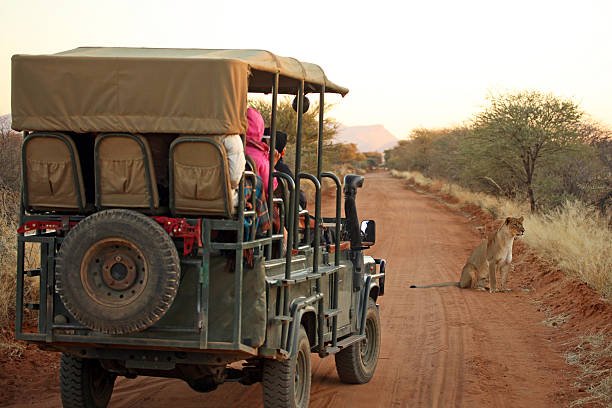
Zanzibar To Mikumi Safari: Flights, Prices And Itinerary Guide
Transition from the spice-scented beaches of Zanzibar to the wildlife-rich plains of Mikumi National Park. This guide details flight logistics, cost considerations, and sample itineraries...
View package details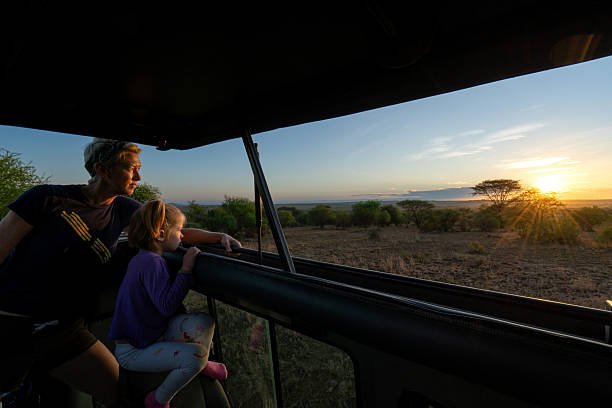
10-Day Tanzania Safari And Zanzibar Beach Holiday: Your Ultimate Itinerary
Combine the thrill of a Tanzania safari with the relaxation of Zanzibar for an unforgettable 10-day adventure. This itinerary balances iconic wildlife viewing with stunning tropical...
View package details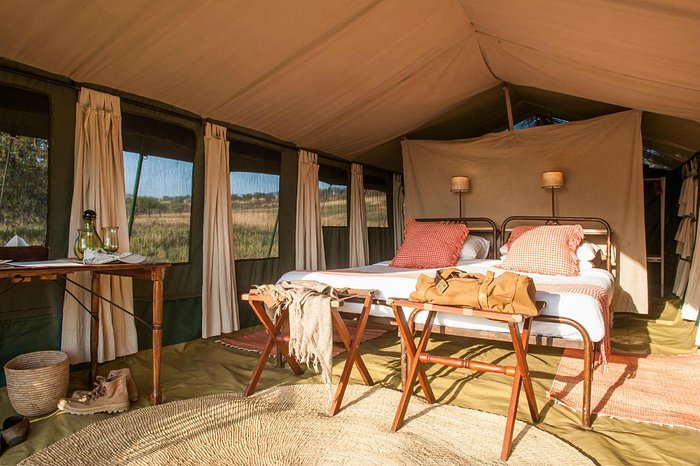
Safari From Zanzibar: Best Packages, Prices & Parks For 2026-2027
Combining a Zanzibar beach holiday with a Tanzania safari is a dream for many travelers. This guide details the best safari packages from Zanzibar, covering essential planning, park...
View package details
Tanzania Safari And Zanzibar All-Inclusive Packages Guide
Combine the thrill of a Tanzanian wildlife safari with the serene beauty of Zanzibar on an all-inclusive package. This comprehensive guide covers everything you need to know for planning...
View package details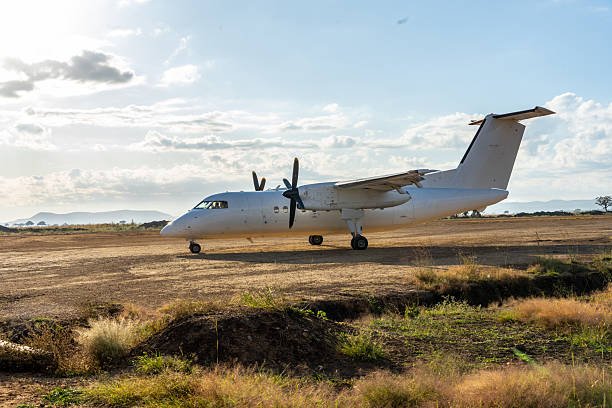
Zanzibar To Nyerere Safari Packages 2026-2027
Zanzibar to Nyerere Safari Packages is explained with current 2026-2027 planning, price, itinerary and booking information.
View package details3-Day Safari From Zanzibar 2026-2027
3-Day Safari From Zanzibar is explained with current 2026-2027 planning, price, itinerary and booking information.
View package details
2-Day Safari From Zanzibar: Your Quick Wildlife Escape In 2026-2027
Looking for a short, impactful wildlife adventure without a long trip? A 2-day safari from Zanzibar is your perfect solution. This guide covers the best options, what to expect, and how to...
View package detailsTanzania Safari And Zanzibar Packages /: Your Complete Guide 2026-2027
Explore the best Tanzania safari and Zanzibar packages for 2026-2027. This comprehensive guide covers itinerary options, wildlife highlights, beach relaxation, and booking considerations to...
View package detailsNo related package matches those filters. Clear one or more filters to see the other topic-matched options.



