
The best parks in Tanzania for a wild dog safari in 2026-2027 are primarily the Serengeti National Park, especially during the migration when prey is abundant, and Ruaha National Park, known for its large and stable packs. While sightings are never guaranteed due to the wild dog’s elusive nature and wide-ranging movements, these locations offer the highest probabilities. Packages typically range from 5 to 14 days, often combined with other prime wildlife areas, with prices varying significantly based on accommodation style, exclusivity, and inclusions, generally starting from $3,500 to $7,000+ per person for mid-range to luxury options, excluding international flights.
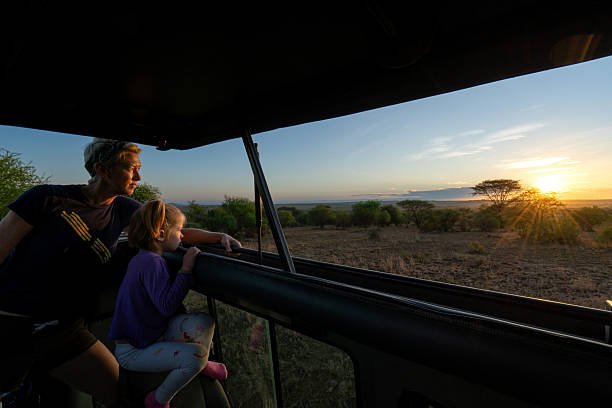
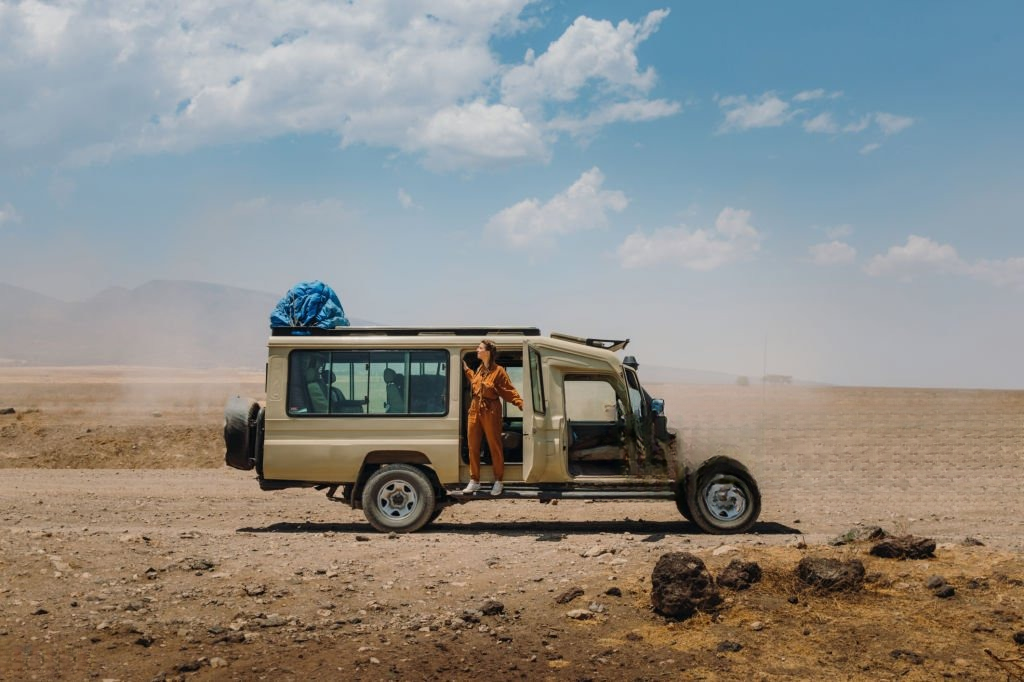
Understanding the African Wild Dog and Tanzania Safari Planning
The African wild dog, also known as the painted wolf or painted hunting dog (Lycaon pictus), is one of Africa’s most fascinating and endangered carnivores. Spotting them on safari is a deeply rewarding experience, often more so than seeing the ‘big cats.’ Their complex social structures, cooperative hunting strategies, and distinctive vocalizations make them a highlight for any dedicated wildlife enthusiast. Planning a Tanzania wild dog safari requires understanding their habitat preferences, seasonal movements, and the specific parks where they are most likely to be found. For trips planned for 2026 or 2027, early booking is advisable, especially for peak safari seasons.
Unlike lions or leopards, wild dogs are diurnal hunters, meaning they are most active in the cooler parts of the day, typically early morning and late afternoon. This behavior can sometimes make them easier to locate if you are in the right area at the right time. However, they are also highly nomadic, covering vast territories in search of prey like impalas, gazelles, and other medium-sized antelopes. Their packs can range from a few individuals to over 30, and a successful hunt is a remarkable display of coordination.
When considering a Tanzania wild dog safari, it’s crucial to remember that they are a rare sight. While some parks have more consistent populations, sightings can still be infrequent. Dedicated tracking efforts by guides are often necessary, and patience is a virtue. The best approach is to combine a search for wild dogs with the general incredible wildlife viewing that Tanzania offers.
Key considerations for a 2026-2027 Tanzania wild dog safari:
- Best Time to Visit: While wild dogs can be seen year-round, their movements are often influenced by prey availability. The dry seasons (June to October, and to some extent December to February) concentrate game, which can aid both wild dog hunting and your chances of observing them. Denning season, typically from May to September, can also increase sightings as adults remain closer to the den site.
- Park Selection: Focus on parks known for their wild dog populations, which we will detail below.
- Safari Style: A private safari offers the most flexibility for tracking and spending time with sightings.
- Guide Expertise: An experienced guide who understands wild dog behavior and territory is invaluable.
- Patience and Realistic Expectations: Wild dogs are not as numerous as other species, and sightings can be fleeting.
Planning for 2026-2027 means looking at current conservation efforts and population trends. While African wild dogs remain vulnerable, dedicated conservation initiatives in Tanzania are helping to protect their habitats and populations.
Best Parks for a Tanzania Wild Dog Safari
When your primary goal is to see African wild dogs, certain Tanzanian national parks stand out due to their established populations, suitable habitat, and the presence of prey species. It’s important to understand that even in these prime locations, sightings are a matter of luck, but your chances are significantly higher here than anywhere else in the country.
Serengeti National Park: The Iconic Plains and Wild Dog Opportunities
The Serengeti is arguably Tanzania’s most famous national park, renowned for the Great Migration and its incredible density of predators. While often associated with lions, leopards, and cheetahs, the Serengeti also hosts a healthy population of African wild dogs. Their presence here is often linked to the migratory herds, as the abundance of wildebeest and zebras provides ample food for the dogs and their prey.
Why the Serengeti for Wild Dogs?
- Prey Abundance: The sheer number of antelopes, especially during the migration, means wild dogs have a rich food source.
- Vast Territory: The Serengeti’s immense size allows wild dog packs to roam widely, but certain areas are known to be more frequented.
- Experienced Guides: Safari guides in the Serengeti are highly skilled at tracking predators, and many are adept at locating wild dog packs.
- Seasonal Movements: During the calving season (typically February), wildebeest herds are concentrated in the southern Serengeti, which can attract wild dogs. Later in the year, as the migration moves north and west, wild dogs may follow or establish territories in areas with reliable prey.
Where to focus in the Serengeti:
- Southern Serengeti (Ndutu Area): Especially during the January-March period when the wildebeest migration is calving. This attracts predators, including wild dogs.
- Western Corridor: Around the Grumeti River, particularly during the migration’s river-crossing season (May-July), although this is more famous for crocodiles and big cats.
- Northern Serengeti: Near the Mara River, especially during the peak migration months (July-October).
A Tanzania wild dog safari in the Serengeti is often part of a broader northern circuit safari, which also includes the Ngorongoro Conservation Area and Tarangire National Park. This combination maximizes your wildlife viewing opportunities.
Ruaha National Park: A Wild Dog Stronghold
Ruaha is Tanzania’s largest national park and a true wilderness. It is considered one of the most important strongholds for African wild dogs in East Africa. Its vast, rugged landscape, dotted with baobab trees and acacia woodlands, provides ideal habitat for these elusive predators.
Why Ruaha is exceptional for Wild Dogs:
- Stable Populations: Ruaha is known for having some of the largest and most stable wild dog packs in the region.
- Less Crowded: Compared to the Serengeti, Ruaha sees fewer tourists, offering a more intimate and wild experience. This can mean more undisturbed sightings.
- Excellent Predator Density: Beyond wild dogs, Ruaha boasts a high concentration of lions, leopards, cheetahs, and hyenas, making it a predator paradise.
- Habitat Suitability: The park’s diverse terrain, including miombo woodlands and open plains, caters perfectly to wild dog hunting strategies.
When to visit Ruaha for Wild Dogs:
- Dry Season (June to October): Game concentrates around water sources, making spotting easier. Wild dogs may also be denning during parts of this period, offering chances to see pups.
- Wet Season (November to April): The landscape is lush, and birdlife is abundant. While game can be more dispersed, wild dogs are still present, and the dramatic scenery is stunning.
A safari focused on Ruaha for a Tanzania wild dog safari offers a different, more remote feel than the northern parks. It’s ideal for those seeking a true wilderness adventure and are particularly keen on seeing wild dogs.
Selous Game Reserve (Nyerere National Park): A Southern Gem
While now officially Nyerere National Park, the vast southern area historically known as the Selous Game Reserve also offers excellent opportunities for wild dog sightings. It’s one of the largest protected areas in Africa, with a diverse ecosystem ranging from miombo woodlands to the Rufiji River basin.
Why Nyerere National Park for Wild Dogs:
- Significant Wild Dog Population: Nyerere National Park is recognized as having one of the most important populations of African wild dogs in Tanzania.
- Diverse Habitats: The varied landscapes support a healthy prey base for wild dogs.
- Boat Safaris: Unique to this region, boat safaris on the Rufiji River offer a different perspective and can lead to interesting wildlife encounters, sometimes even involving predators near water sources.
- Less Touristy: Like Ruaha, it offers a more exclusive and less crowded experience than the Serengeti.
Best time for sightings in Nyerere:
- Dry Season (June to October): Game is easier to spot as it congregates around water.
- Shoulder Seasons (May, November): Can offer good sightings with fewer visitors.
While the Serengeti might offer higher overall game density, the wild dog populations in Ruaha and Nyerere National Park are substantial and often more reliably found due to the less pressured environment. For a dedicated Tanzania wild dog safari, these southern parks are strong contenders.
Other Potential Locations (Less Common for Dedicated Dog Safaris)
While the above parks are the prime locations, wild dogs can occasionally be sighted in other areas, though not reliably enough for a dedicated Tanzania wild dog safari focus:
- Tarangire National Park: Known for its large elephant herds and baobab trees, Tarangire sometimes hosts wild dogs, particularly during the dry season when animals gather near the Tarangire River.
- Katavi National Park: A truly remote and wild park, Katavi has a wild dog population, but its remoteness and limited infrastructure make it a more challenging destination for those specifically targeting wild dogs unless on a very specialized expedition.
For most travelers aiming for a Tanzania wild dog safari in 2026-2027, focusing on the Serengeti, Ruaha, and Nyerere National Park will yield the best results.
Planning Your Tanzania Wild Dog Safari Package
Choosing the right safari package is crucial for maximizing your chances of seeing African wild dogs and enjoying a comfortable, memorable trip. A well-designed package will consider your specific interests, budget, and desired level of comfort. When planning for 2026-2027, understanding the components of a safari package will help you make informed decisions.
Key Components of a Safari Package
A typical Tanzania wild dog safari package will include:
- Accommodation: This can range from budget-friendly tented camps to luxurious lodges and even mobile tented camps that follow the migration. The choice significantly impacts the price and overall experience.
- Transportation: Usually a custom-built 4×4 safari vehicle with a pop-up roof for game viewing. Private vehicles offer more flexibility for tracking.
- Expert Guide: A knowledgeable safari guide is essential. For wild dog sightings, a guide with specific experience tracking them is a major asset.
- Park Fees: Daily entrance fees for national parks and reserves are a significant part of the cost.
- Meals: Most packages are full board (breakfast, lunch, dinner), sometimes including drinks.
- Activities: Game drives are standard. Some packages might include walking safaris (where permitted and safe), boat trips, or night drives (in specific areas).
Tailor-Made vs. Group Safaris
For a Tanzania wild dog safari, a tailor-made (private) safari offers distinct advantages:
- Flexibility: You can spend as much time as you want at a sighting, change plans based on wildlife movements, and focus on areas where guides have recent wild dog information.
- Dedicated Vehicle: Your vehicle and guide are exclusively for your group, allowing for more focused tracking and less waiting for other guests.
- Pacing: You set the pace, whether that means early morning starts for predator activity or later starts to enjoy lodge amenities.
Group safaris, often with set departure dates, are more budget-friendly. However, they offer less flexibility. You’ll be on a shared vehicle with other travelers, and decisions about where to go and how long to stay at sightings are made collectively or by the tour operator for the group. While group safaris can be excellent for general wildlife viewing, they might be less ideal if your sole focus is maximizing wild dog sightings, as you have less control over the search.
Climb 4 Africa specializes in crafting tailor-made Tanzania wild dog safaris. We understand the nuances of tracking elusive species and can design itineraries that maximize your chances while ensuring a comfortable and authentic experience. Contacting us at WhatsApp +255 747 477 898 or Email climb4africa@gmail.com allows us to discuss your specific interests for 2026-2027.
Safari Duration and Itinerary Design
A typical Tanzania wild dog safari might be part of a longer trip, but to dedicate sufficient time to parks known for wild dogs, consider:
- 5-7 Days: Focused on one or two parks, e.g., Serengeti and Ngorongoro, or a deep look at Ruaha. This is a good introduction.
- 8-10 Days: Allows for a more comprehensive exploration of two major parks, like Serengeti and Ruaha, or Serengeti and Nyerere, offering better chances for diverse sightings.
- 12-14 Days: The ideal duration for a thorough exploration of the northern circuit (Serengeti, Ngorongoro, Tarangire) with added days in the Serengeti specifically for predator tracking, or a combination of the northern and southern circuits (e.g., Serengeti and Ruaha).
When planning for 2026-2027, consider how much time you have and your other interests. A combined Kilimanjaro climb and safari, for instance, requires a longer trip. We can help structure this.
Booking Window for 2026-2027 Safaris
For peak seasons (June-October, December-February) in popular parks like the Serengeti, it’s wise to book your Tanzania wild dog safari at least 9-12 months in advance for 2026 and 2027. This is especially true for tailor-made trips and specific lodges. For group departures, check availability as soon as possible.
Understanding Pricing for Tanzania Wild Dog Safaris
The cost of a Tanzania wild dog safari package can vary dramatically. Understanding the factors that influence pricing will help you budget effectively for your 2026-2027 trip. It’s important to get detailed quotes rather than relying on general figures.
Factors Influencing Safari Costs
The primary drivers of safari cost are:
- Accommodation Level: This is usually the biggest variable. Budget camps, mid-range lodges, luxury tented camps, and high-end lodges have vastly different price points. For example, a luxury lodge in the Serengeti can cost significantly more per night than a basic tented camp.
- Safari Type: A private safari vehicle and guide are more expensive than a shared one.
- Duration: Longer safaris naturally cost more due to more nights of accommodation and more days of park fees and vehicle hire.
- Parks Visited: Some parks have higher entrance fees or are more remote, increasing logistical costs (e.g., flights into Ruaha can add to the budget).
- Season: Peak season (dry season, major migration periods) often comes with higher prices for accommodation and sometimes even park fees. Low season can offer savings but may present different wildlife viewing conditions.
- Inclusions: Packages that include all meals, drinks, laundry, and internal flights will be more expensive than those that are more basic.
Typical Price Ranges (Estimates for 2026-2027)
These are general estimates for a 7-10 day safari, per person, based on double occupancy, and exclude international flights:
- Budget: Around $2,500 – $3,500 per person. This typically involves basic tented camps or guesthouses, shared vehicles, and fewer inclusions. Not ideal for dedicated predator tracking.
- Mid-Range: Approximately $3,500 – $5,500 per person. This offers comfortable tented camps or lodges, a private vehicle for at least part of the trip, and good quality meals and guiding. This is often the sweet spot for a balanced Tanzania wild dog safari.
- Luxury: From $5,500 – $8,000+ per person. This includes high-end lodges, exclusive-use vehicles, premium guiding, often internal flights, and superior service and amenities.
Important Note: Prices for 2026 and 2027 are subject to change based on park fee adjustments, inflation, and currency fluctuations. Always request a detailed, personalized quote.
What’s Typically Excluded from Safari Prices?
- International flights to and from Tanzania.
- Visa fees.
- Travel insurance (mandatory).
- Gratuities for guides and camp staff.
- Personal expenses (souvenirs, drinks not included, laundry if not specified).
- Vaccinations and medical expenses.
To get accurate pricing for your specific Tanzania wild dog safari for 2026 or 2027, it’s best to work with a local operator who can provide detailed itineraries and quotes. Climb 4 Africa can offer competitive pricing for tailor-made safaris. Reach out via WhatsApp +255 747 477 898 or Email climb4africa@gmail.com.
Maximizing Your Chances: Tips for Seeing Wild Dogs
Seeing African wild dogs requires a combination of luck, timing, and expert guidance. While there’s no foolproof method, employing these strategies can significantly increase your odds on a Tanzania wild dog safari.
Work with Experienced Guides
Your safari guide is your most critical asset. For Tanzania wild dog safaris, look for guides who:
- Know the Territory: They should be familiar with recent wild dog movements and known pack territories within the park.
- Understand Wild Dog Behavior: Knowing when they hunt, where they den, and their preferred habitats is key.
- Communicate with Other Guides: Radio communication and local knowledge sharing among guides can alert you to recent sightings.
- Are Patient Trackers: Locating wild dogs often involves following tracks, listening for calls, and observing other animals that might react to their presence.
Climb 4 Africa employs guides who are passionate about wildlife and dedicated to providing exceptional experiences. Their local knowledge is invaluable for finding elusive species like wild dogs.
Timing and Location are Everything
As discussed earlier, certain times of year and specific areas within parks offer better prospects:
- Dry Season: Game is concentrated, making it easier for predators to hunt and for you to find them.
- Denning Season: If packs have pups, they are more likely to stay within a defined territory near their den, increasing sighting probabilities. This often occurs from May through September.
- Following the Migration: In the Serengeti, wild dogs may follow the massive herds of wildebeest and zebra, as their prey is abundant.
Be Prepared for Early Mornings and Late Afternoons
Wild dogs are diurnal hunters, meaning they are most active during the cooler parts of the day:
- Early Morning: This is prime time for observing hunting or scavenging activity.
- Late Afternoon/Early Evening: Another period of peak activity before dusk.
A private safari vehicle allows you to stay out longer or start earlier without impacting other guests, which is a significant advantage for predator viewing.
Patience and Persistence
Wild dog sightings are often a matter of persistence. A pack might be seen for a few minutes before disappearing into the bush, or you might spend hours tracking them. Embrace the journey of the search. Even if you don’t see wild dogs every day, the overall wildlife experience in Tanzania’s premier parks is extraordinary.
Essential Items for Your Wild Dog Safari
- Binoculars: Crucial for scanning the landscape and observing distant wildlife.
- Camera with Zoom Lens: To capture clear images without disturbing the animals.
- Comfortable Clothing: Neutral-colored, lightweight clothing for game drives.
- Sun Protection: Hat, sunglasses, and high SPF sunscreen.
- Insect Repellent: Especially for evenings.
- A Good Field Guide: To identify birds and mammals.
Combining Wild Dog Safaris with Other Tanzanian Experiences
A Tanzania wild dog safari is often part of a larger adventure. Tanzania offers a wealth of diverse experiences, and combining them can create an unforgettable trip for 2026-2027.
The Northern Circuit Grand Safari
The classic northern circuit includes:
- Serengeti National Park: For vast plains, the Great Migration, and predator action.
- Ngorongoro Conservation Area: A unique caldera with incredible wildlife density, though wild dog sightings can be more challenging here due to the contained environment.
- Tarangire National Park: Famous for elephants and baobabs, with occasional wild dog sightings.
- Lake Manyara National Park: Known for tree-climbing lions and diverse birdlife.
This circuit is excellent for general wildlife viewing and offers good chances for wild dogs, especially in the Serengeti.
The Southern Circuit Experience
Focusing on the southern parks offers a more remote and wild feel:
- Ruaha National Park: A predator haven and prime wild dog territory.
- Nyerere National Park (Selous): Offers boat safaris and excellent wild dog viewing.
- Mikumi National Park: Easily accessible, offering good general game viewing.
This circuit is ideal for those prioritizing wild dogs and a less crowded safari experience.
Add Zanzibar for Relaxation
After an intensive Tanzania wild dog safari, relaxing on the white-sand beaches of Zanzibar is a perfect complement. Zanzibar offers history, culture (Stone Town), spice tours, and incredible snorkeling and diving. It’s a fantastic way to unwind and reflect on your wildlife adventures.
Climbing Mount Kilimanjaro
For the adventurous, combining a Kilimanjaro climb with a safari is a popular choice. Climb 4 Africa is an expert in both. A safari before or after your climb can be a fantastic way to experience Tanzania’s wildlife. Remember to factor in recovery time after the climb before embarking on safari, or vice versa.
For 2026-2027, we can help craft a comprehensive itinerary that includes a Tanzania wild dog safari, a Kilimanjaro climb, and a Zanzibar beach holiday, all seamlessly organized.
Booking Your Tanzania Wild Dog Safari with Climb 4 Africa
Planning a successful Tanzania wild dog safari requires local expertise and a deep understanding of the parks, wildlife, and logistics. At Climb 4 Africa, we are dedicated to creating unforgettable safari experiences tailored to your interests and budget.
We specialize in crafting bespoke itineraries that maximize your chances of encountering iconic wildlife like the African wild dog. Whether you’re planning for 2026, 2027, or beyond, our team is ready to assist you.
Why Choose Climb 4 Africa?
- Local Expertise: We have an intimate knowledge of Tanzania’s parks and wildlife.
- Tailor-Made Safaris: We design trips around your specific interests, including dedicated predator tracking.
- Experienced Guides: Our guides are passionate, knowledgeable, and committed to providing exceptional game viewing.
- Competitive Pricing: We offer excellent value for high-quality safari experiences.
- Comprehensive Support: From initial planning to your departure, we provide practical local support.
To start planning your dream Tanzania wild dog safari for 2026-2027, or to inquire about packages and pricing, please get in touch:
- WhatsApp: +255 747 477 898
- Email: climb4africa@gmail.com
Let us help you create a personalized itinerary that focuses on seeing the magnificent African wild dog in its natural habitat.
Check Availability for Tanzania Wild Dog Safari: Best Parks, Packages & Prices For 2026-2027
Ready to compare dates, prices, and the best option for your group? Send the package name and travel month so the team can reply with a clear quote, availability, and what is included.
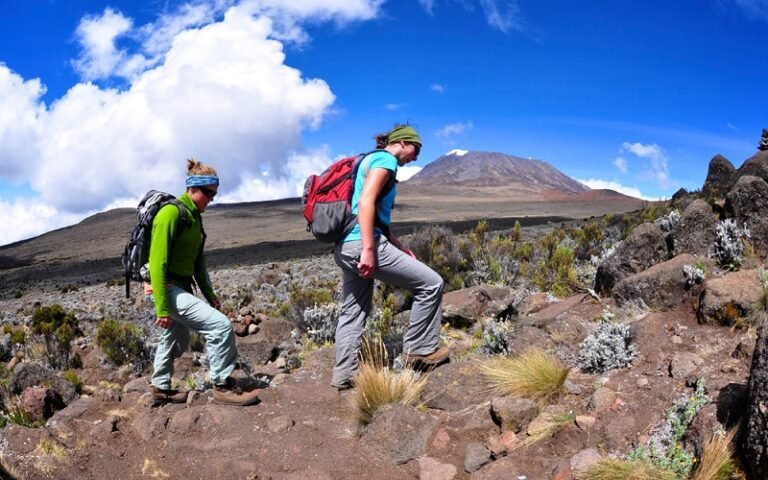
Kilimanjaro And Great Migration Safari July : Your Ultimate Tanzanian
Combining a Kilimanjaro climb with a Great Migration safari in July 2027 offers a spectacular Tanzanian adventure. This guide helps you plan your ideal itinerary, considering the best...
View package details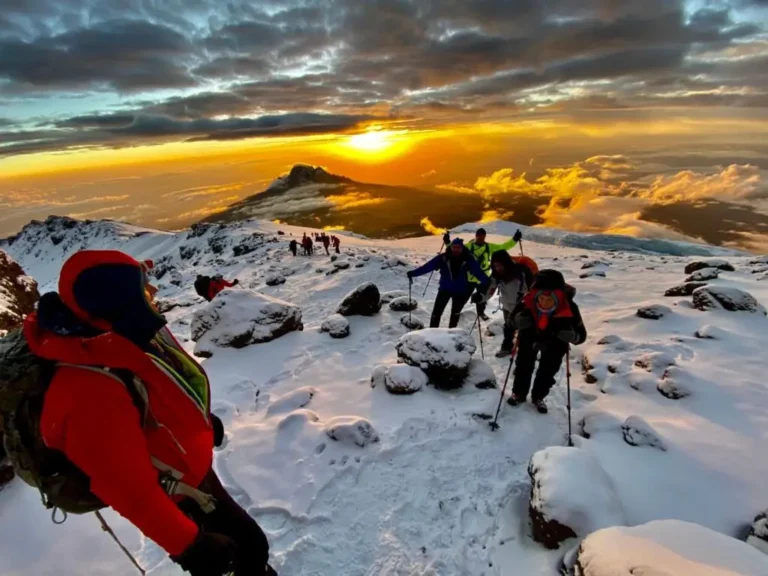
Kilimanjaro And Grumeti Migration Safari June : The Ultimate Tanzanian
Plan your unforgettable Kilimanjaro and Grumeti Migration safari for June 2027. This comprehensive guide details how to combine the challenge of summiting Africa's highest peak with the...
View package details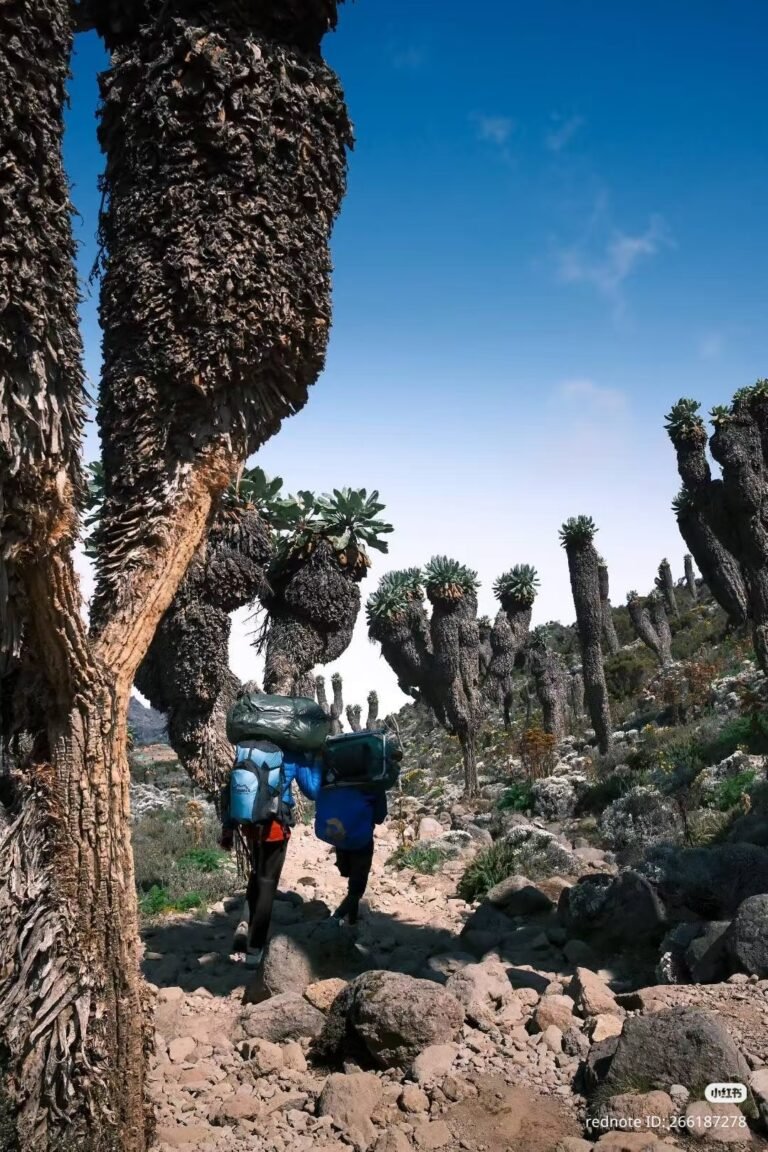
Kilimanjaro Christmas Climb And Tanzania Safari : Your Festive Adventure
Combine the magic of a Christmas ascent of Kilimanjaro with a thrilling Tanzania safari in 2026. Discover how to plan this dual adventure for a truly unique festive season.
View package detailsKilimanjaro And Mara River Crossing Safari August : Peak Season Adventure 2027
Combining the ultimate challenge of climbing Mount Kilimanjaro with the awe-inspiring spectacle of the Great Migration river crossing in the Maasai Mara offers an unparalleled African...
View package details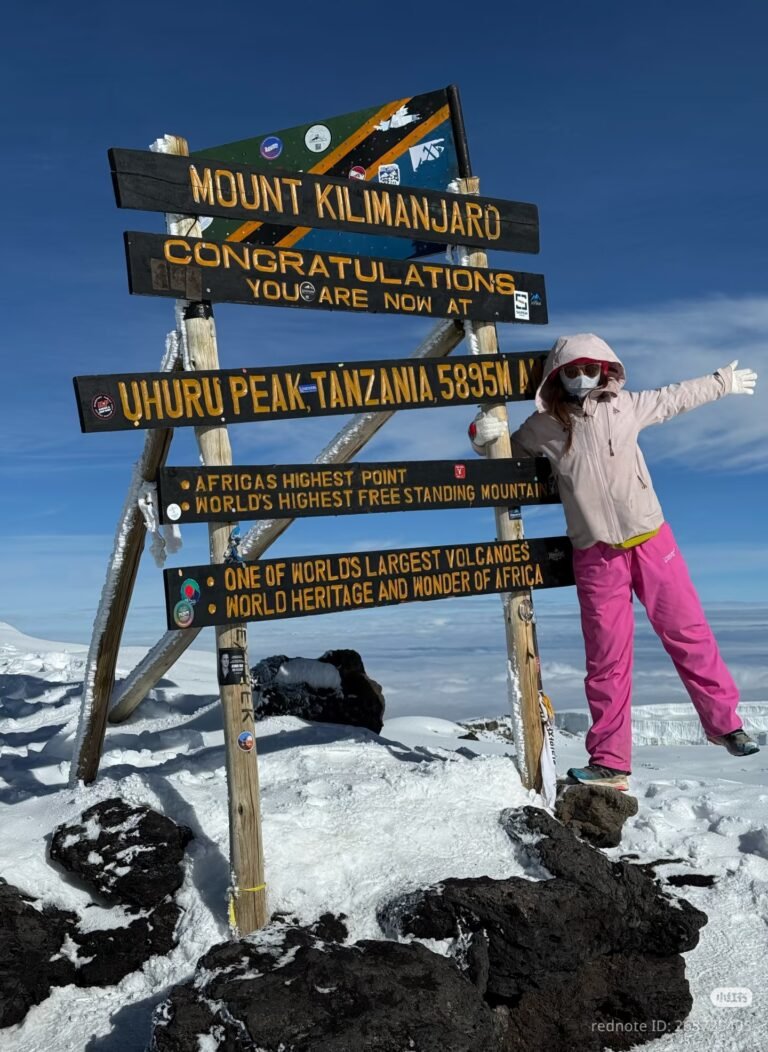
Kilimanjaro And Great Migration Safari August : Your Peak Season Adventure
Plan your ultimate Tanzanian adventure in August 2027, combining a Kilimanjaro climb with the spectacle of the Great Migration. This guide details the best timings, routes, and safari...
View package detailsKilimanjaro And Mara River Crossing Safari July 2027
Kilimanjaro and Mara River Crossing Safari July 2027 is explained with current 2027 planning, price, itinerary and booking information.
View package details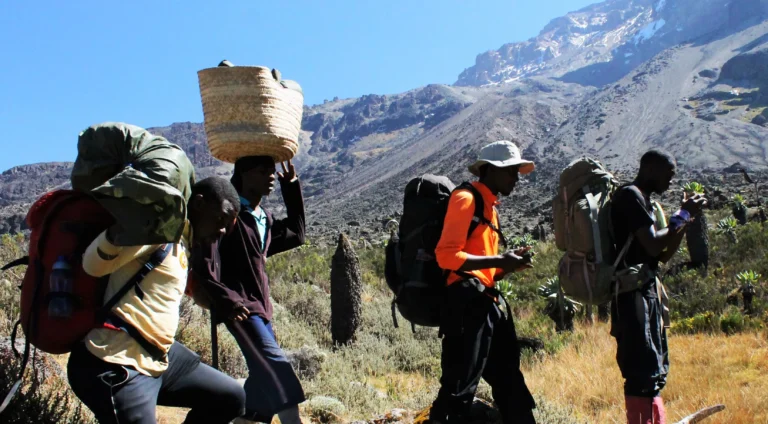
Best Kilimanjaro And Serengeti Calving Season Safari March 2027
Discover the magic of a March 2027 Kilimanjaro and Serengeti calving season safari. This guide explores the unique advantages and considerations for experiencing Tanzania's wildlife...
View package details
Kilimanjaro And Serengeti Calving Safari February : The Ultimate Planning
Combine the majesty of Mount Kilimanjaro with the impressive spectacle of the Serengeti's calving season in February 2027. This guide details how to plan this dual adventure, focusing on...
View package details
Kilimanjaro And Serengeti Calving Safari January 2026-2027
Kilimanjaro and Serengeti Calving Safari January 2027 is explained with current 2026-2027 planning, price, itinerary and booking information.
View package detailsNo related package matches those filters. Clear one or more filters to see the other topic-matched options.



