
A Tanzania, Kenya, Uganda, and Zanzibar multi-country safari offers an unparalleled African experience, combining the iconic Great Migration in the Serengeti and Maasai Mara, the unique mountain gorilla encounters in Uganda’s Bwindi Impenetrable Forest, the diverse wildlife of Kenya’s national parks, and the idyllic white-sand beaches and rich history of Zanzibar. Planning this complex trip for 2026-2027 involves careful itinerary design, considering travel logistics between countries, visa requirements, the best times for wildlife viewing in each region, and a balance of adventure and relaxation, typically spanning 14 to 21 days or more for a comprehensive exploration.

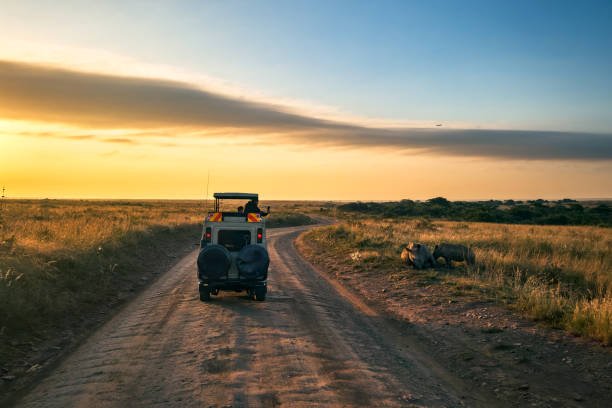
The Allure of a Multi-Country East African Safari
Combining Tanzania, Kenya, Uganda, and Zanzibar into a single safari journey is the ultimate way to experience the staggering diversity of East Africa. It’s not just about ticking off destinations; it’s about crafting a narrative of a continent teeming with life, ancient cultures, and impressive landscapes. Each country brings a distinct flavour to the adventure:
- Tanzania: Home to the vast Serengeti plains, Ngorongoro Crater, and Mount Kilimanjaro. It’s synonymous with the Great Migration and offers classic safari vistas.
- Kenya: The birthplace of safari, boasting the Maasai Mara’s endless savannas, Amboseli’s elephant herds against Kilimanjaro’s backdrop, and the unique landscapes of Samburu.
- Uganda: Renowned for its dense rainforests and misty mountains, offering the extraordinary opportunity to trek with mountain gorillas and chimpanzees.
- Zanzibar: An archipelago off the Tanzanian coast, famous for its spice plantations, historic Stone Town, and turquoise waters perfect for relaxation and diving.
For travellers looking to maximize their time and experience the very best of East Africa in one go, a Tanzania Kenya Uganda and Zanzibar multi-country safari is the logical, albeit complex, choice. It allows for a rich mix of experiences that few other itineraries can match, from the thundering hooves of millions of wildebeest to the quiet, profound moment of meeting a mountain gorilla. Planning this kind of trip requires careful consideration of logistics, timing, and your personal interests. Many travellers aim for trips in 2026 or 2027, and starting your planning now is wise to secure preferred accommodations and guides.
Designing Your Tanzania Kenya Uganda and Zanzibar Multi-Country Safari Itinerary
The backbone of any successful multi-country safari is a well-thought-out itinerary. The order of countries, the duration spent in each, and the specific parks or reserves visited are critical decisions. Given the geographic proximity and established travel routes, a common flow often starts in Tanzania or Kenya, moves to Uganda for gorilla trekking, and concludes with relaxation in Zanzibar. However, this can be reversed or adapted based on your priorities and flight schedules.
Common Itinerary Flow and Considerations
A typical Tanzania Kenya Uganda and Zanzibar multi-country safari might look something like this:
- Start in Tanzania: Fly into Kilimanjaro International Airport (JRO). Explore the Northern Circuit: Tarangire National Park (elephants), Lake Manyara (tree-climbing lions), Ngorongoro Crater (dense wildlife), and the Serengeti National Park (Great Migration).
- Transition to Kenya: A short flight or drive from the Serengeti to the Maasai Mara National Reserve, often timed to coincide with the peak of the migration. Alternatively, fly from JRO to Nairobi (NBO) and then to other Kenyan parks like Amboseli or Samburu.
- Fly to Uganda: From Nairobi or Kilimanjaro, fly to Entebbe International Airport (EBB). This is the gateway to Uganda’s gorilla and chimpanzee trekking experiences, typically involving travel to Bwindi Impenetrable National Park or Queen Elizabeth National Park.
- Conclude in Zanzibar: Fly from Entebbe to Zanzibar (ZNZ). Spend time exploring Stone Town and then relax on the island’s beautiful beaches.
- Departure: Fly out of Zanzibar (ZNZ) or return to Dar es Salaam (DAR) or Nairobi (NBO) for international flights.
Duration is Key: For this extensive combination, a minimum of 14-16 days is recommended, but 18-21 days allows for a more relaxed pace and deeper exploration, especially considering travel time between locations. For 2026-2027 travel, booking at least 9-12 months in advance is highly advisable, particularly for peak seasons and gorilla permits.
Choosing Your Parks and Experiences
While the Serengeti and Maasai Mara are often highlights, each country offers unique wildlife viewing opportunities:
- Tanzania’s Northern Circuit: Essential for witnessing the Great Migration’s drama, the Ngorongoro Crater’s dense predator-prey interactions, and the vastness of the Serengeti.
- Kenya’s Maasai Mara: Especially crucial during July-October for the river crossings of the Great Migration. Also offers excellent year-round game viewing. Consider adding Amboseli for iconic elephant sightings with Kilimanjaro views, or Samburu for unique species like the Grevy’s zebra and reticulated giraffe.
- Uganda’s Bwindi Impenetrable National Park: The premier destination for mountain gorilla trekking. Kibale National Park is excellent for chimpanzee tracking. Queen Elizabeth National Park offers classic savanna safaris and boat trips on the Kazinga Channel.
- Zanzibar: Focuses on culture (Stone Town), spice tours, and marine activities (snorkeling, diving, dhow cruises) rather than wildlife safaris, though Mnarani Marine Turtle Conservation Pond is a popular stop.
The decision of which parks to include depends heavily on your interests. If seeing the Great Migration is paramount, you’ll need to time your Tanzanian and Kenyan portions accordingly. If mountain gorillas are your main draw, Uganda takes centre stage, and you’ll want to allocate sufficient days for trekking and potential travel delays.
Logistics: Navigating Between Countries
The biggest challenge and often the most overlooked aspect of a Tanzania Kenya Uganda and Zanzibar multi-country safari is the inter-country travel. Efficiently moving between these destinations requires careful planning, as direct flights can be limited, and road transfers can be time-consuming.
Air Travel vs. Road Travel
- Flights: The most efficient way to travel between countries. Major hubs like Nairobi (NBO), Kilimanjaro (JRO), and Entebbe (EBB) offer connections. Flights between the Serengeti/Maasai Mara and Uganda, or from Uganda to Zanzibar, are common. Booking these flights well in advance is crucial, especially for 2026-2027, as availability can be limited and prices fluctuate. Regional airlines like Air Kenya, Precision Air, and Uganda Airlines operate these routes.
- Road Transfers: Possible between Tanzania and Kenya (e.g., Serengeti to Maasai Mara), but these are long days and often involve border crossings. Driving between Tanzania/Kenya and Uganda is generally not recommended for a multi-country safari due to the distances and time involved. Road travel within Uganda for gorilla trekking is common but can be slow on unpaved roads.
Visa Requirements
Each country has its own visa regulations. It’s essential to check the latest requirements for your nationality well in advance of your 2026-2027 travel dates.
- Tanzania: Visas can often be obtained on arrival or applied for online.
- Kenya: An e-visa is typically required and should be applied for online before travel.
- Uganda: Visas can often be obtained on arrival or applied for online.
- Zanzibar: As part of Tanzania, the Tanzanian visa covers Zanzibar.
Tip: Keep digital and physical copies of all your important documents, including passports, visas, flight tickets, and booking confirmations.
Border Crossings
If opting for any road travel between Tanzania and Kenya, be prepared for border crossing procedures, which can sometimes be lengthy. Having a knowledgeable guide or tour operator handle this can smooth the process considerably.
Wildlife Highlights: What to Expect in Each Nation
The sheer abundance and variety of wildlife across these four destinations are staggering. Understanding what makes each location unique will help you appreciate the experience even more.
The Great Migration: Tanzania & Kenya
The annual migration of over 1.5 million wildebeest, zebras, and gazelles is the planet’s largest terrestrial mammal migration and a must-see for any safari enthusiast. While it’s a single event, its location shifts throughout the year:
- Tanzania (Serengeti): Generally hosts the migration from January to June. Calving season is typically in February, a spectacle of new life. The migration moves northwards across the Serengeti.
- Kenya (Maasai Mara): The migration usually arrives in the Mara from July to October, culminating in dramatic river crossings of the Mara River. This is often considered the most iconic phase of the migration.
Planning for the Migration in 2026-2027: If witnessing the river crossings is your priority, plan your Kenyan portion for August-October. If seeing the calving season is preferred, aim for February in Tanzania. Remember that wildlife movements are natural phenomena and cannot be guaranteed, but these are the typical patterns.
The Big Five and Beyond
Beyond the migration, these countries are renowned for the “Big Five” (lion, leopard, elephant, rhino, buffalo) and countless other species:
- Tanzania: The Ngorongoro Crater offers incredible densities of wildlife, including a good chance to see rhinos. Leopards are elusive but present in the Serengeti.
- Kenya: Amboseli National Park is famous for its large elephant herds. The Maasai Mara has a healthy population of all Big Five. Samburu offers unique northern species.
- Uganda: While not a prime Big Five destination, Queen Elizabeth National Park has lions, leopards, elephants, buffalo, and hippos. The main draw here is primates.
Primate Encounters: Uganda’s Star Attraction
Uganda is globally recognized for its primate trekking, offering experiences that are profoundly different from savanna safaris:
- Mountain Gorillas: Trekking in Bwindi Impenetrable National Park is an unforgettable experience. You spend an hour observing a habituated gorilla family in their natural habitat. Permits are limited and must be booked months, often a year, in advance, especially for 2026-2027.
- Chimpanzees: Kibale National Park is considered the primate capital, with high chances of encountering chimpanzees. You can also track them in Queen Elizabeth National Park.
- Other Primates: Golden monkeys, baboons, and various monkey species are also found in Uganda’s forests.
Booking Gorilla Permits: These are the most critical element for Uganda. They are issued by the Uganda Wildlife Authority and are non-transferable. Your tour operator will secure these for you, but you need to confirm your dates and make payment well in advance.
Zanzibar: A Tropical Finale
After the exhilarating game drives and trekking, Zanzibar provides a perfect contrast with its laid-back island atmosphere, rich history, and stunning coastline.
Stone Town: A UNESCO World Heritage Site
Wander through the labyrinthine streets of Stone Town, a melting pot of Swahili, Arab, Indian, and European influences. Explore its bustling markets, historic buildings, ornate doors, and the former slave market. A guided tour is highly recommended to understand its complex history.
Spice Tours
Zanzibar is known as the “Spice Island.” A spice tour is a sensory delight, where you can see, smell, and taste exotic spices like cloves, nutmeg, cinnamon, vanilla, and pepper. Many tours include a local lunch.
Beaches and Marine Activities
The northern and eastern coasts of Zanzibar boast pristine white-sand beaches fringed by palm trees and lapped by the turquoise Indian Ocean. Popular areas include Nungwi, Kendwa, Paje, and Matemwe. Here you can:
- Relax on the beach and swim in the warm waters.
- Go snorkeling or diving, especially around Mnemba Atoll.
- Try kitesurfing or windsurfing in areas like Paje.
- Take a traditional dhow cruise at sunset.
- Visit local fishing villages.
While Zanzibar is a relaxation destination, it’s essential to book your accommodations and any specific activities in advance, especially if you are travelling during peak seasons in 2026 or 2027.
Accommodation Styles for Your Multi-Country Safari
Your choice of accommodation significantly impacts the safari experience and budget. For a Tanzania Kenya Uganda and Zanzibar multi-country safari, you’ll encounter a range of options:
- Luxury Lodges & Camps: Offering exclusivity, exceptional service, gourmet dining, and often prime locations within or bordering national parks. Ideal for honeymooners or those seeking a premium experience.
- Mid-Range Lodges & Tented Camps: Comfortable, well-appointed accommodations that provide a great balance of amenities and authentic safari feel. Many are permanent tented camps with en-suite bathrooms.
- Budget/Standard Camps: More basic but clean and functional. Often involve shared facilities or simpler tent setups. Suitable for travellers prioritizing experiences over amenities.
- Boutique Hotels & Guesthouses: Common in Stone Town, Zanzibar, offering characterful stays.
- Beach Resorts: Ranging from simple bungalows to luxurious villas in Zanzibar.
Considerations for 2026-2027: Popular lodges and camps, especially those with prime locations or unique offerings, get booked up years in advance. For instance, lodges inside the Serengeti or near key migration points, or exclusive gorilla lodges in Uganda, are highly sought after. Booking early ensures you get your preferred choice.
Accommodation Trade-offs
Inside vs. Outside Parks: Lodges inside national parks offer unparalleled access for early morning and late evening game drives, maximizing wildlife viewing opportunities. However, they are typically more expensive. Lodges outside park boundaries can be more affordable but require driving in and out each day, which consumes time and may miss out on dawn/dusk activity.
Tented Camps: These range from canvas tents with shared bathrooms to luxurious canvas suites with private bathrooms and verandas. The experience is often more intimate and closer to nature.
Zanzibar: Here, the choice is between boutique hotels in Stone Town for cultural immersion and beach resorts for relaxation. Consider proximity to activities and desired atmosphere.
When to Go: Best Times for Your Multi-Country Safari
The timing of your Tanzania Kenya Uganda and Zanzibar multi-country safari is crucial for maximizing wildlife viewing and enjoying pleasant weather. East Africa has distinct seasons, and the “best” time often depends on what you want to see.
Tanzania & Kenya (Safari):
- Dry Season (June – October): Generally considered the peak safari season. Weather is pleasant, with less humidity and sunshine. Wildlife congregates around water sources, making them easier to spot. This is prime time for the Great Migration river crossings in Kenya. High demand and prices are expected for 2026-2027.
- Short Rains (November – December): Transition period, fewer tourists, greener landscapes, and good game viewing.
- Long Rains (March – May): Less ideal for game viewing as animals disperse. Landscapes are lush and green, and it’s the calving season for wildebeest in Tanzania (February). This is the low season, offering fewer crowds and potentially lower prices, but with the risk of heavy rain impacting travel.
Uganda (Gorilla & Chimp Trekking):
Uganda’s climate is equatorial, meaning it’s generally warm year-round. However, there are slightly drier periods:
- Dry Seasons (June – August & December – February): These are the best times for trekking, as the forest trails are less muddy and slippery, making hiking easier. Gorilla permits are in high demand during these periods.
- Wet Seasons (March – May & September – November): Trails can be muddy. However, the forest is incredibly lush, and there can be fewer trekkers. The gorillas are less affected by rain than you might think.
Zanzibar (Beach & Culture):
- Dry Seasons (June – October & December – February): Pleasant weather for beach activities, with low humidity and sunshine. These align with the peak safari seasons.
- Rainy Seasons (March – May & November): The “long rains” (March-May) can bring heavy downpours, while the “short rains” (November) are usually brief showers. The shoulder months can offer good value.
For a 2026-2027 Tanzania Kenya Uganda and Zanzibar multi-country safari, aiming for the dry seasons (June-October) offers the best chance for consistent wildlife sightings and pleasant weather across most destinations, though it also means higher prices and crowds. If you’re flexible or budget-conscious, consider the shoulder months of May, November, or early December.
Budgeting for Your Multi-Country Safari
A Tanzania Kenya Uganda and Zanzibar multi-country safari is a significant investment. Costs vary widely based on accommodation style, duration, activities, and travel season. Here’s a breakdown of what influences the price:
Key Cost Components:
- Park Entrance Fees: These are charged per person per day and can be substantial, especially in popular parks like the Serengeti and Ngorongoro.
- Accommodation: Luxury lodges are significantly more expensive than mid-range or budget options.
- Gorilla & Chimpanzee Permits: These are fixed costs set by the wildlife authorities and are a major expense for Uganda. Currently, a gorilla permit costs around $700 USD per person.
- Transportation: Internal flights, private vehicle hire with a driver/guide, and fuel costs.
- Meals: Usually included in safari packages, but drinks and special requests may be extra.
- Activities: Hot air balloon safaris, guided walks, cultural visits, diving in Zanzibar, etc.
- Visa Fees: Vary by country and nationality.
- Tips: For guides, drivers, lodge staff, etc.
Estimated Price Ranges (Per Person, Per Day):
These are approximate figures for 2026-2027, based on mid-range to luxury travel. Budget options are possible but require careful planning and compromise.
- Budget: $300 – $450 USD per person per day (often involves camping, basic lodges, and shared transport).
- Mid-Range: $450 – $700 USD per person per day (comfortable lodges, private vehicles, good balance of inclusions).
- Luxury: $700 – $1500+ USD per person per day (high-end lodges, exclusive camps, premium services, private charter flights).
Important Note: These daily rates do not include international flights, visa fees, travel insurance, personal expenses, or tips. The cost of gorilla permits ($700 USD each) is a significant one-off cost that must be factored in if Uganda is part of your itinerary.
Example Cost Factors for a 16-Day Tanzania Kenya Uganda & Zanzibar Safari (2026-2027):
- Duration: 16 days / 15 nights.
- Countries: Tanzania (Serengeti, Ngorongoro), Kenya (Maasai Mara), Uganda (Bwindi Gorilla Trek), Zanzibar (Stone Town, Beach).
- Accommodation: Mid-range lodges and comfortable tented camps.
- Inclusions: Park fees, guides, vehicles, most meals, internal flights (e.g., JRO-NBO, NBO-EBB, EBB-ZNZ), 1 Gorilla Permit.
- Exclusions: International flights, visas, travel insurance, drinks, tips, optional activities.
- Estimated Total Cost: Likely in the range of $7,000 – $10,000+ USD per person for a mid-range to upper-mid-range experience. Luxury options would be significantly higher.
Contacting Climb 4 Africa: For a precise quote tailored to your 2026-2027 travel dates and preferences, reach out to us. We can help you navigate these costs and build the perfect itinerary.
Health and Safety Considerations
Travelling across multiple East African countries requires attention to health and safety protocols.
Vaccinations and Malaria Prevention
- Yellow Fever: A vaccination certificate is often required for entry into Tanzania, Kenya, and Uganda, especially if arriving from or transiting through certain countries. Check the latest requirements.
- Malaria: Malaria is present in most of these regions, particularly at lower altitudes and on the coast of Zanzibar. Consult your doctor about appropriate antimalarial medication and take precautions like using insect repellent and sleeping under mosquito nets.
- Other Vaccinations: Recommended vaccinations often include Hepatitis A, Typhoid, and Tetanus. A Yellow Fever certificate might be required for entry into Tanzania, Kenya, and Uganda.
Recommendation: Consult a travel clinic or your doctor at least 6-8 weeks before your departure for 2026-2027 travel to get personalized advice.
Travel Insurance
Comprehensive travel insurance is non-negotiable. Ensure it covers:
- Medical emergencies and evacuation (including remote areas).
- Trip cancellation and interruption.
- Loss or theft of personal belongings.
- Activities like trekking and diving.
Safety on Safari and Trekking
- Listen to Your Guide: Always follow the instructions of your experienced safari guides and trackers. They are trained to handle wildlife encounters and ensure your safety.
- Respect Wildlife: Maintain a safe distance from animals. Never feed them or attempt to approach them.
- Gorilla Trekking Safety: Follow the ranger’s guidance strictly. Keep your voice down, avoid direct eye contact with gorillas if they seem agitated, and maintain the recommended distance.
- Road Safety: Travel with reputable companies that maintain their vehicles well. Be aware of road conditions, which can be challenging, especially in rural areas.
Packing Essentials for Your Multi-Country Adventure
Packing light but smart is key for a multi-country trip involving different climates and activities. Aim for versatile clothing and essential items.
Clothing:
- Lightweight, neutral-coloured clothing (khaki, beige, green) for safaris – avoid bright colours or dark blue/black which can attract insects.
- Long-sleeved shirts and trousers for sun and insect protection, especially in the evenings.
- Fleece or warm jacket for cool mornings/evenings, especially at higher altitudes (e.g., Ngorongoro, Bwindi).
- Comfortable walking shoes/hiking boots (broken in!) for trekking.
- Sandals or flip-flops for relaxing.
- Swimsuit for Zanzibar.
- Hat with a wide brim for sun protection.
Gear & Essentials:
- Binoculars (essential for wildlife viewing).
- Camera with extra batteries and memory cards.
- Sunscreen (high SPF).
- Insect repellent (with DEET).
- Personal first-aid kit.
- Reusable water bottle.
- Adapter for electronics (Type G in Kenya/Uganda, Type D/G in Tanzania).
- Small backpack for day trips and treks.
- Headlamp or small flashlight.
- Hand sanitizer.
- Passport, visas, copies of documents, and any required vaccination certificates.
Note on Luggage: Some small bush planes used for transfers have strict luggage weight limits (often 15-20 kg, soft bags preferred). Check with your operator.
Making Your Booking: Partnering with Climb 4 Africa
Organizing a Tanzania Kenya Uganda and Zanzibar multi-country safari is a complex undertaking. Partnering with an experienced local tour operator like Climb 4 Africa simplifies the process immensely and ensures you get the most out of your trip.
Why Choose Climb 4 Africa?
- Local Expertise: We have deep knowledge of Tanzania, Kenya, and Uganda, understanding the best routes, lodges, and timing for optimal wildlife viewing and cultural experiences.
- Tailor-Made Itineraries: We don’t offer one-size-fits-all packages. We work with you to design a safari that perfectly matches your interests, budget, and pace.
- Logistical Management: We handle all the intricate details – inter-country flights, park bookings, accommodation, permits, vehicle and guide arrangements – so you don’t have to.
- Practical Support: From pre-trip planning to on-the-ground support during your adventure, we are there for you.
- Value for Money: By leveraging our local partnerships, we can often secure better rates and inclusions than booking independently.
Next Steps for Your 2026-2027 Safari:
Ready to start planning your dream Tanzania Kenya Uganda and Zanzibar multi-country safari for 2026 or 2027? The first step is to get in touch:
- Contact Us: Reach out via WhatsApp at +255 747 477 898 or email us at climb4africa@gmail.com.
- Share Your Vision: Tell us your preferred travel dates, duration, number of travellers, interests (e.g., specific animals, photography, culture, relaxation), and your approximate budget.
- Receive a Custom Itinerary: We will then craft a detailed, personalized itinerary for your consideration, outlining daily activities, accommodation, and costs.
- Refine and Book: We’ll work with you to make any adjustments needed before confirming your booking.
A multi-country East African safari is an extraordinary journey. Let Climb 4 Africa help you craft an unforgettable experience, blending the thrill of wildlife, the wonder of nature, and the relaxation of tropical shores.
“,
“faq_schema”: [
{
“question”: “What is the best time of year for a Tanzania Kenya Uganda and Zanzibar multi-country safari?”,
“answer”: “The best time for a Tanzania Kenya Uganda and Zanzibar multi-country safari is generally during the dry seasons, from June to October and December to February. These periods offer pleasant weather, easier game viewing as animals congregate around water sources, and less muddy conditions for trekking in Uganda. However, these are also peak seasons, meaning higher prices and more crowds. For gorilla trekking in Uganda, June-August and December-February are ideal but require booking permits far in advance for 2026-2027 travel.”
},
{
“question”: “How long should a Tanzania Kenya Uganda and Zanzibar multi-country safari be?”,
“answer”: “To properly experience the highlights of Tanzania, Kenya, Uganda, and Zanzibar without feeling rushed, a minimum of 14-16 days is recommended. However, for a more in-depth and relaxed exploration, especially considering travel time between countries and the commitment of gorilla trekking, 18-21 days or even longer is ideal. This allows for a better balance of wildlife viewing, cultural immersion, and relaxation.”
},
{
“question”: “What are the main costs involved in a multi-country safari?”,
“answer”: “The main costs for a Tanzania Kenya Uganda and Zanzibar multi-country safari include park entrance fees (which can be significant), accommodation (ranging from budget camps to luxury lodges), internal flights between countries, gorilla and chimpanzee permits (a major expense in Uganda), vehicle and guide hire, meals, and activities. For 2026-2027 travel, expect daily costs to range from $300-$450 USD for budget, $450-$700 USD for mid-range, and $700-$1500+ USD for luxury, per person, excluding international flights, visas, and tips.”
},
{
“question”: “Is it possible to see the Great Migration on a multi-country safari?”,
“answer”: “Yes, seeing the Great Migration is a primary reason many opt for a multi-country safari combining Tanzania and Kenya. The migration of wildebeest, zebras, and gazelles moves between the Serengeti (Tanzania) and the Maasai Mara (Kenya) throughout the year. The best time to witness the iconic river crossings is typically July to October in the Maasai Mara, while the calving season occurs in February in the Serengeti. Planning your itinerary to align with these movements is key.”
},
{
“question”: “What are the visa requirements for Tanzania, Kenya, and Uganda?”,
“answer”: “Visa requirements vary by nationality. Generally, you can obtain visas for Tanzania and Uganda on arrival or apply online in advance. For Kenya, an e-visa is typically required and should be applied for online before your trip. Zanzibar is part of Tanzania, so a Tanzanian visa covers your stay there. It is crucial to check the latest visa regulations for each country well in advance of your 2026-2027 travel dates as they can change.”
},
{
“question”: “How do I book a multi-country safari?”,
“answer”: “Booking a multi-country safari is best done through an experienced tour operator who specializes in these complex itineraries. Contact Climb 4 Africa via WhatsApp (+255 747 477 898) or email (climb4africa@gmail.com) with your desired travel dates, duration, interests, and budget for 2026-2027. They will help design a custom itinerary, manage all logistics including flights, permits, accommodation, and guides, and provide essential support throughout the planning process and your trip.”
}
]
}
“`
Check Availability for Tanzania Kenya Uganda And Zanzibar Multi-Country Safari 2026-2027
Ready to compare dates, prices, and the best option for your group? Send the package name and travel month so the team can reply with a clear quote, availability, and what is included.

Serengeti Safari And Zanzibar Beach Holiday: The Ultimate Tanzania
Combine the thrill of a Serengeti safari with the relaxation of a Zanzibar beach holiday. This guide covers everything you need to know for an unforgettable Tanzania adventure in 2026-2027...
View package details
Tanzania Safari And Zanzibar All-Inclusive Packages Guide
Combine the thrill of a Tanzanian wildlife safari with the serene beauty of Zanzibar on an all-inclusive package. This comprehensive guide covers everything you need to know for planning...
View package details
Tanzania Safari And Zanzibar Packages /: Your Complete Guide 2026-2027
Explore the best Tanzania safari and Zanzibar packages for 2026-2027. This comprehensive guide covers itinerary options, wildlife highlights, beach relaxation, and booking considerations to...
View package details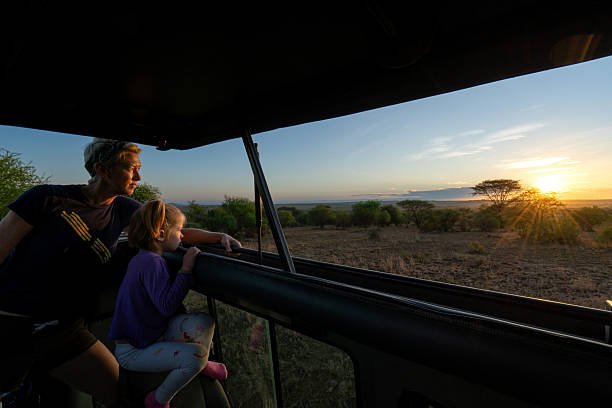
10-Day Tanzania Safari And Zanzibar Beach Holiday: Your Ultimate Itinerary
Combine the thrill of a Tanzania safari with the relaxation of Zanzibar for an unforgettable 10-day adventure. This itinerary balances iconic wildlife viewing with stunning tropical...
View package details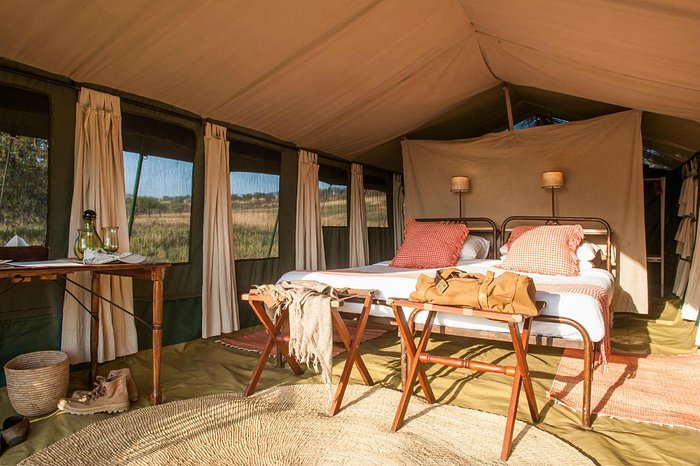
Safari From Zanzibar: Best Packages, Prices & Parks For 2026-2027
Combining a Zanzibar beach holiday with a Tanzania safari is a dream for many travelers. This guide details the best safari packages from Zanzibar, covering essential planning, park...
View package details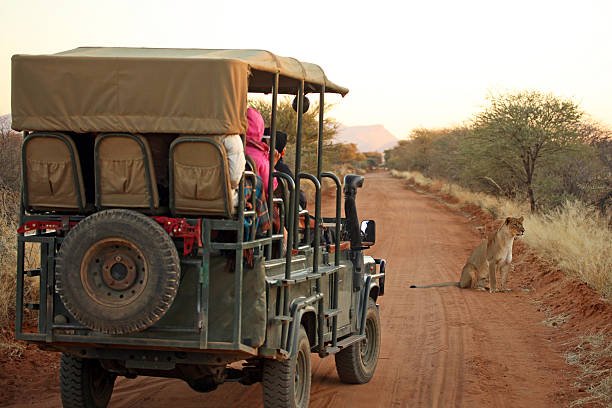
Zanzibar To Mikumi Safari: Flights, Prices And Itinerary Guide
Transition from the spice-scented beaches of Zanzibar to the wildlife-rich plains of Mikumi National Park. This guide details flight logistics, cost considerations, and sample itineraries...
View package details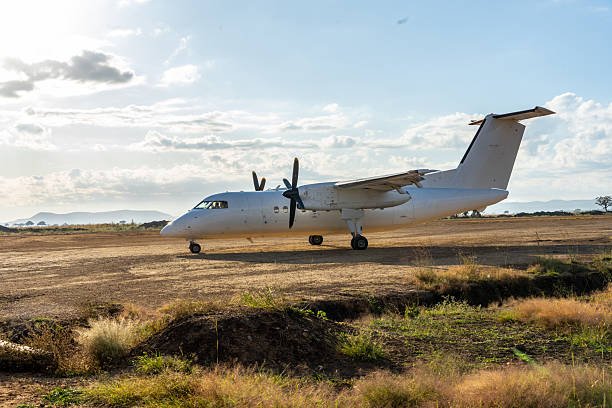
Zanzibar To Nyerere Safari Packages 2026-2027
Zanzibar to Nyerere Safari Packages is explained with current 2026-2027 planning, price, itinerary and booking information.
View package detailsZanzibar To Serengeti Safari Packages 2026-2027
Zanzibar to Serengeti Safari Packages is explained with current 2026-2027 planning, price, itinerary and booking information.
View package details3-Day Safari From Zanzibar 2026-2027
3-Day Safari From Zanzibar is explained with current 2026-2027 planning, price, itinerary and booking information.
View package details
2-Day Safari From Zanzibar: Your Quick Wildlife Escape In 2026-2027
Looking for a short, impactful wildlife adventure without a long trip? A 2-day safari from Zanzibar is your perfect solution. This guide covers the best options, what to expect, and how to...
View package detailsBest Family-Friendly Resorts In Tanzania For Unforgettable Adventures
Planning a family adventure in Tanzania? This guide highlights the best family-friendly resorts offering incredible wildlife viewing, cultural experiences, and comfortable stays for all...
View package detailsWildlife And Nature Titles: Your Ultimate Guide To Tanzanias Best Experiences
This comprehensive guide explores the most sought-after wildlife and nature titles in Tanzania, from iconic safari destinations and Kilimanjaro treks to the tropical allure of Zanzibar...
View package detailsNo related package matches those filters. Clear one or more filters to see the other topic-matched options.



