
The cost of a luxury Tanzania fly-in safari in 2026/2027 typically ranges from $7,000 to $15,000+ per person for a 7-10 day trip, depending heavily on the specific lodges chosen, the number of national parks visited, the exclusivity of the flights, and the level of personalized service. These packages focus on maximizing wildlife viewing and comfort by minimizing travel time on the ground, utilizing light aircraft transfers between prime safari locations such as the Serengeti, Ngorongoro Crater, and the Selous Game Reserve (Nyerere National Park).
Understanding the Components of Tanzania Fly-In Safari Costs for 2026/2027
Embarking on a luxury fly-in safari in Tanzania is a significant investment, and understanding the cost breakdown is crucial for effective planning, especially for trips planned for 2026 and 2027. Unlike traditional road-based safaris, fly-in experiences prioritize speed, comfort, and access to remote, exclusive areas, which naturally influences the pricing. The core elements that contribute to the overall Tanzania fly-in safari cost for luxury packages include internal flight costs, high-end accommodation, park and concession fees, specialized guiding, and the overall itinerary design.
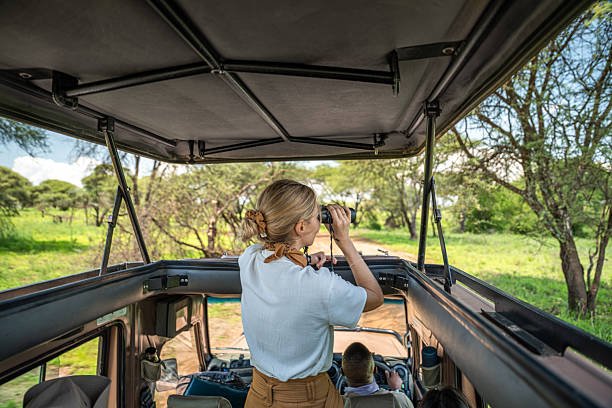
When we talk about luxury fly-in safaris, we’re referring to a premium travel style. This means opting for top-tier safari lodges and tented camps known for their exceptional service, gourmet dining, prime locations, and often, private conservancy access. The ‘fly-in’ aspect means that instead of long drives between destinations, you’ll be taking scheduled or charter light aircraft flights. This dramatically cuts down travel time, allowing you to spend more precious hours on game drives or simply relaxing and soaking in the wilderness. For 2026/2027 bookings, flexibility in itinerary planning is key, and a fly-in approach offers just that.
Internal Flights: The Premium Component
The most significant differentiator in a fly-in safari’s cost is the inclusion of internal flights. Tanzania is a vast country, and reaching iconic destinations like the Serengeti National Park, the Ngorongoro Conservation Area, or the remote southern parks like Ruaha or Selous (Nyerere) by road can consume days. Light aircraft transfers, typically operated by companies like Coastal Aviation, Auric Air, or Grumeti Air, connect these key areas. The cost of these flights is usually factored into the package price, but understanding their contribution is important. For a typical 7-10 day itinerary covering two or three major regions, you might expect anywhere from 3 to 6 internal flight legs. Each flight leg can cost between $300 to $600 per person, depending on the route and the operator. For a luxury safari, these flights are often scheduled to coincide with your lodge check-ins and check-outs, minimizing waiting times and maximizing your safari experience.
It’s worth noting that flight schedules are often dictated by daylight hours, as pilots need good visibility. This means early morning or mid-afternoon departures are common. Some high-end lodges might even offer their own private airstrips, allowing for direct access and a truly exclusive arrival. When comparing Tanzania fly-in safari cost 2026/2027 quotes, always clarify how many flight legs are included and what the baggage allowance is, as light aircraft have strict weight and size restrictions for luggage.
Luxury Accommodation: Lodges and Camps
Luxury accommodation is another major cost driver. Tanzania boasts some of the most exquisite safari lodges and tented camps in Africa. These establishments are not just places to sleep; they are integral to the safari experience. Expect opulent tents or suites with en-suite bathrooms, private verandas, gourmet dining, often infinity pools overlooking waterholes or the plains, and impeccable service. Prices for such accommodations can range from $600 to over $2,000 per person per night, all-inclusive of meals, local drinks, and often, two daily game drives. For a 7-night luxury fly-in safari, this component alone can represent 40-60% of the total cost.
The choice of camps significantly impacts the Tanzania fly-in safari cost. Lodges located within private conservancies bordering national parks often command higher prices but offer exclusive experiences, such as night game drives or walking safaris, which are restricted in public areas. For 2026/2027, booking popular lodges well in advance is essential, especially if you’re targeting peak seasons.
Park and Concession Fees: Essential Access Costs
Accessing Tanzania’s renowned national parks and conservation areas comes with fees. These are typically charged per person per day and vary by park. For example, Serengeti National Park fees are around $70-$80 per person per day, while Ngorongoro Crater fees are higher, including an entry fee for the vehicle and a per-person fee. Private conservancy fees are often higher than national park fees but provide access to less crowded areas and more diverse activities. For a luxury fly-in safari, these fees are almost always included in the package price. A 10-day trip could easily accrue $700-$1,000+ per person just in park fees, depending on the itinerary. It’s important to verify if these are included in your quote for the Tanzania fly-in safari cost 2026/2027.
Guiding and Vehicle Costs
While fly-in safaris minimize road travel between destinations, you’ll still need expert guides and well-equipped safari vehicles for your game drives at each location. Luxury packages typically include a private safari vehicle and a dedicated, highly experienced guide for the duration of your stay at each camp or lodge. This ensures personalized attention and the best possible wildlife viewing opportunities. The cost of this specialized guiding and vehicle access is factored into the daily rates of the lodges or is a separate line item in some custom itineraries. The expertise of these guides is invaluable, enhancing your understanding and appreciation of the ecosystem and wildlife.
Other Inclusions and Exclusions
Luxury packages generally aim to be as inclusive as possible. This usually covers all meals, selected alcoholic and non-alcoholic beverages, laundry services, park fees, internal flights, accommodation, and scheduled game drives. However, it’s vital to check what’s excluded. Common exclusions can include international flights, visa fees, travel insurance, tips for guides and staff, premium drinks, hot air balloon safaris (a popular luxury add-on), and any personal expenses. For a clear understanding of the Tanzania fly-in safari cost 2026/2027, always request a detailed list of inclusions and exclusions.
Factors Influencing Your Tanzania Fly-In Safari Cost in 2026/2027
The quoted price for a luxury Tanzania fly-in safari can vary significantly even for similar durations and destinations. Understanding these influencing factors will help you manage expectations and make informed decisions when planning your 2026/2027 safari. These elements directly impact the overall Tanzania fly-in safari cost, allowing you to tailor your experience to your budget and preferences.
1. Seasonality and Peak Travel Times
Tanzania’s safari seasons have a profound effect on pricing. The high season (typically June to October and December to February) coincides with the dry season and the Great Migration river crossings, making it the most sought-after period. During these months, accommodation and flight availability are limited, and prices are at their highest. For 2026/2027, planning ahead is paramount if you wish to travel during these peak times. The shoulder seasons (March-May and November) offer a good balance of favorable weather, fewer crowds, and slightly lower prices. The low season (primarily April and May) sees the heaviest rains, which can affect road conditions and wildlife viewing in certain areas, but also offers the most competitive pricing and a more exclusive feel.
2. Choice of Parks and Conservancies
Tanzania offers a diverse range of safari destinations, each with its unique appeal and associated costs. The Northern Circuit (Serengeti, Ngorongoro, Tarangire, Lake Manyara) is the most popular and often the most expensive due to its iconic status and infrastructure. However, the Southern Circuit (Selous/Nyerere National Park, Ruaha) and Western Circuit (Katavi, Mahale) offer more remote, wilder experiences. While flights to these southern and western parks can sometimes be more expensive due to longer distances or less frequent schedules, the lodges in these areas might offer more exclusive and private experiences, potentially justifying the overall cost for those seeking solitude. The Tanzania fly-in safari cost can be adjusted by choosing a mix of these regions.
3. Level of Exclusivity and Lodge Standard
Luxury is a broad term, and the level of exclusivity can vary greatly. Some high-end lodges are part of larger, well-known luxury brands, while others are smaller, boutique properties or intimate camps offering highly personalized service. Lodges situated in private conservancies often provide a more exclusive experience, with fewer vehicles per sighting and the ability to conduct activities not permitted in national parks. For example, a safari focused on the Grumeti Reserve in the Serengeti will likely be more expensive than one solely within the public areas of the park, but it offers unparalleled exclusivity during the migration. When planning your Tanzania fly-in safari cost 2026/2027, consider what level of exclusivity truly matters to you.
4. Duration of the Safari
Naturally, the longer your safari, the higher the overall cost. However, the ‘per day’ cost might decrease slightly for longer itineraries as some fixed costs (like initial planning or charter flight setup) are amortized over more days. A typical luxury fly-in safari might range from 7 to 14 days. A 7-day trip might focus on two prime locations (e.g., Serengeti and Ngorongoro), while a 14-day trip could allow for exploration of three or four different ecosystems, including potentially more remote areas. The Tanzania fly-in safari cost for a 10-day trip will naturally be higher than for a 7-day trip, but the value per day can be excellent for longer excursions.
5. Private vs. Scheduled Flights and Vehicles
While most fly-in safaris utilize scheduled light aircraft flights between major hubs, some itineraries may involve private charter flights for ultimate flexibility and privacy. Similarly, while most luxury packages include a private safari vehicle for game drives, some might offer shared vehicles in specific scenarios (though this is rare for true luxury). Opting for private charters for all internal transfers will significantly increase the Tanzania fly-in safari cost, but it offers unparalleled control over your schedule. For most luxury travelers, a combination of scheduled flights and private vehicles on the ground offers the best balance of efficiency, luxury, and value.
6. Added Activities and Excursions
The base cost of a luxury fly-in safari usually includes accommodation, meals, drinks, park fees, and game drives. However, popular luxury add-ons can substantially increase the final price. The most common is a hot air balloon safari, typically offered in the Serengeti or Ruaha, which can add $500-$600 per person to the total cost. Other optional activities might include walking safaris in specific areas, cultural visits, or specialized photographic vehicle hire. When budgeting for your Tanzania fly-in safari cost 2026/2027, decide which, if any, of these optional extras are must-haves for your trip.
Typical Itinerary Structures and Associated Costs (2026/2027 Estimates)
To provide a clearer picture of what your investment covers, let’s look at a few common luxury fly-in safari itinerary structures for 2026/2027. These examples illustrate how different combinations of destinations and durations influence the overall Tanzania fly-in safari cost. Remember, these are estimates, and exact quotes will depend on the specific lodges and flights chosen.
Note: Costs below are indicative per person, based on double occupancy, for 2026/2027 travel. They generally include luxury accommodation, meals, local drinks, park/conservation fees, internal flights, and shared game drives (unless specified as private).
Example 1: Classic Northern Circuit Explorer (7 Days / 6 Nights)
This itinerary focuses on two iconic Northern Circuit parks, offering a quintessential luxury safari experience.
- Days 1-3: Serengeti National Park
Fly into the Serengeti (e.g., Seronera Airstrip), staying at a high-end lodge or tented camp. Focus on predator sightings and the vast plains. - Days 4-6: Ngorongoro Crater / Karatu Highlands
Fly from Serengeti to Manyara Airstrip, then transfer to a lodge near the Ngorongoro Crater. Descend into the crater for a day of game viewing. - Day 7: Departure
Transfer back to Kilimanjaro International Airport (JRO) or Arusha Airport (ARK) for your onward flight.
Estimated Cost: $7,000 – $10,000 per person
Why this cost? This itinerary involves two primary flight legs, accommodation in two premium locations, and comprehensive park fees for the Serengeti and Ngorongoro. The shorter duration and focus on two main areas make it a more accessible entry point into luxury fly-in safaris.
Example 2: Northern Circuit Grand Tour (10 Days / 9 Nights)
This extended Northern Circuit itinerary adds more diversity, allowing for deeper exploration and potentially more remote areas.
- Days 1-3: Tarangire National Park
Fly into Tarangire, known for its large elephant herds and baobab trees. Stay at a luxury lodge. - Days 4-6: Serengeti National Park
Fly from Tarangire to the Serengeti. Explore different regions of the park, perhaps focusing on the migration if timing is right. - Days 7-9: Ngorongoro Crater / Karatu Highlands
Fly from Serengeti to Manyara Airstrip, transfer to a lodge near Ngorongoro. Game drive in the crater and explore the surrounding highlands. - Day 10: Departure
Transfer to JRO or ARK for departure.
Estimated Cost: $9,000 – $13,000 per person
Why this cost? This includes three internal flights, three distinct high-end accommodations, and fees for three national parks. The additional flight and accommodation nights significantly contribute to the higher Tanzania fly-in safari cost compared to the 7-day option.
Example 3: Southern Circuit Wilderness Adventure (8 Days / 7 Nights)
For those seeking a more off-the-beaten-path experience, the Southern Circuit offers incredible wildlife and fewer crowds.
- Days 1-4: Nyerere National Park (formerly Selous)
Fly into Selous, a vast park offering diverse activities like boat safaris on the Rufiji River and walking safaris. Stay at a luxury camp. - Days 5-7: Ruaha National Park
Fly from Selous to Ruaha, Tanzania’s largest national park, known for its dramatic landscapes and large predators. Stay at an exclusive lodge. - Day 8: Departure
Fly from Ruaha back to Dar es Salaam (DAR) for your onward international flight.
Estimated Cost: $8,500 – $12,000 per person
Why this cost? Flights to the southern circuit can sometimes be longer or less frequent, impacting costs. However, the lodges here often offer a more exclusive, intimate experience. The park fees in these less-visited parks might be slightly different, but the overall pricing reflects the remoteness and premium nature of these camps.
Example 4: Ultimate Tanzania Fly-In Experience (14 Days / 13 Nights)
This comprehensive itinerary combines the best of both Northern and Southern Circuits for an unparalleled luxury safari.
- Days 1-3: Tarangire National Park
Fly in, explore elephant herds. - Days 4-6: Serengeti National Park
Fly to Serengeti, focus on migration and wildlife. - Days 7-9: Ngorongoro Crater / Karatu Highlands
Fly to Manyara, explore crater and highlands. - Days 10-13: Nyerere National Park
Fly from Arusha/Manyara to Selous, experience river and walking safaris. - Day 14: Departure
Fly from Selous to Dar es Salaam (DAR) for departure.
Estimated Cost: $12,000 – $18,000+ per person
Why this cost? This itinerary involves multiple internal flights (likely 5-6 legs), accommodation in four diverse and high-quality locations, and fees for multiple parks. It offers the most in-depth experience but represents the higher end of the Tanzania fly-in safari cost 2026/2027 spectrum.
These examples highlight how itinerary complexity, duration, and destination choice directly shape the final price. When you contact an operator for a quote for your 2026/2027 Tanzania fly-in safari, providing details about your preferred duration and the types of experiences you’re looking for will help them tailor an itinerary that fits your budget and desires.
Maximizing Value: Tips for Planning Your 2026/2027 Luxury Fly-In Safari
Achieving the best value for your Tanzania fly-in safari cost 2026/2027 involves strategic planning and making informed choices. While luxury implies a higher price point, it doesn’t mean overpaying. Here are some tips to help you get the most out of your investment:
1. Book Well in Advance for 2026/2027
Luxury lodges and popular camps, especially those in prime locations for wildlife viewing (like the Serengeti during migration season), book up months, sometimes even a year, in advance, particularly for peak seasons in 2026 and 2027. Early booking not only secures your preferred accommodation and flight times but can sometimes offer better rates or secure specific room types. It also allows ample time for detailed planning and customization.
2. Consider Shoulder or Green Seasons
If your schedule is flexible, traveling during the shoulder seasons (March-May, November) or the green season (which overlaps with the shoulder season and includes April-May) can offer significant savings. While wildlife viewing might be slightly different (e.g., lush landscapes, newborn animals), it’s often spectacular, and you’ll encounter fewer crowds. The Tanzania fly-in safari cost can be substantially lower during these periods.
3. Be Clear About Your Priorities
What is most important to you? Is it maximizing wildlife sightings, experiencing exclusive activities, enjoying gourmet dining, or having a private guide? Knowing your priorities will help your tour operator craft an itinerary that aligns with your desires without unnecessary expenditure. For instance, if seeing the Great Migration is paramount, focusing your itinerary on the Serengeti during specific months will be more cost-effective than trying to fit in too many diverse locations.
4. Understand What’s Included in the Package
Always scrutinize the inclusions. A package that seems slightly more expensive upfront might offer better value if it includes more activities, premium drinks, or has fewer restrictions. Clarify if laundry, park fees, and all meals are indeed covered. For luxury fly-in safaris, most reputable operators aim for comprehensive inclusions to ensure a smooth experience, but confirming details is crucial for managing your Tanzania fly-in safari cost.
5. Leverage Local Expertise
Working with a local tour operator like Climb 4 Africa provides invaluable insights into the best value lodges, efficient flight routes, and optimal timing for your safari. Local operators often have established relationships with lodges and airlines, which can translate into better pricing or added benefits. They understand the nuances of different parks and conservancies, helping you make the most of your safari budget and time. For your 2026/2027 trip, they can navigate the complexities of booking and logistics.
6. Group Size and Private vs. Shared Options
While luxury fly-in safaris often imply private experiences, some operators might offer slightly more economical options by combining certain elements or suggesting shared charter flights if available and aligned with your comfort level. However, for true luxury, a private vehicle and dedicated guide at each location are standard. If you are traveling with a group, a custom-designed itinerary for your party can often provide better value per person than booking individual spots on set departures.
7. Consider Add-Ons Wisely
Hot air balloon safaris, private dining experiences, and spa treatments are wonderful but add to the cost. Decide which are essential for your dream safari and which you can forego. A Tanzania fly-in safari cost can escalate quickly with multiple add-ons, so prioritize.
Comparing Fly-In vs. Road Safaris for Your 2026/2027 Tanzania Adventure
When planning a safari in Tanzania for 2026 or 2027, a key decision is whether to opt for a fly-in safari or a more traditional road safari. Each has its distinct advantages and disadvantages, directly impacting the Tanzania fly-in safari cost and the overall travel experience.
Fly-In Safari Advantages:
- Time Efficiency: The most significant benefit. Vast distances are covered in minutes rather than hours, allowing for more game viewing time and less travel fatigue.
- Access to Remote Areas: Fly-in safaris are ideal for reaching exclusive conservancies and remote lodges that might be difficult or time-consuming to access by road.
- Comfort: Minimizes bumpy road transfers, especially beneficial for longer distances or for travelers with mobility concerns.
- Exclusive Experience: Often associated with higher-end lodges and private conservancies, offering a more personalized and secluded safari.
Fly-In Safari Disadvantages:
- Cost: Significantly more expensive due to the inclusion of internal flights. This is the primary factor differentiating the Tanzania fly-in safari cost from road safaris.
- Luggage Restrictions: Light aircraft have strict weight and size limits for luggage, typically around 15-20 kg (33-44 lbs) per person in soft-sided bags.
- Less Spontaneity on the Ground: While flights offer efficiency, they are scheduled, meaning less flexibility for spontaneous stops or detours en route between locations compared to a private road vehicle.
Road Safari Advantages:
- Cost-Effectiveness: Generally much more affordable as it eliminates the cost of internal flights.
- Flexibility: Allows for more spontaneous stops, detours, and the ability to appreciate the changing landscapes en route.
- Luggage Allowance: More generous luggage allowance, typically allowing for larger suitcases.
- Scenic Drives: For some, the journey itself, with its roadside villages and varied scenery, is part of the experience.
Road Safari Disadvantages:
- Time Consuming: Long distances between parks can eat up valuable safari time.
- Comfort: Roads can be rough and dusty, leading to a more tiring experience, especially on multi-day transfers.
- Limited Access: Certain remote lodges or private conservancies may be impractical or impossible to reach by road.
Who should choose a Fly-In Safari? Travelers with a higher budget, limited time, a desire for maximum comfort and efficiency, and those looking to access exclusive, remote lodges. If maximizing your time on actual game drives and minimizing travel is your priority, the higher Tanzania fly-in safari cost is justified.
Who should choose a Road Safari? Budget-conscious travelers, those with more time who enjoy the journey, and individuals who prefer to explore parks that are more easily accessible by road. It’s still possible to have a luxurious road safari experience, but the pace and scope of travel will differ.
Booking Your 2026/2027 Luxury Fly-In Safari with Climb 4 Africa
Planning a luxury fly-in safari for 2026/2027 involves navigating many details, from selecting the right lodges and flights to understanding park regulations and optimal timing. This is where expert guidance becomes invaluable. Climb 4 Africa specializes in crafting bespoke luxury safari experiences in Tanzania, ensuring that every aspect of your journey is meticulously planned and executed.
When you inquire about the Tanzania fly-in safari cost 2026/2027 with us, we take a personalized approach. We’ll discuss your interests, travel style, budget, and any specific wildlife or experiences you wish to prioritize. Based on this, we’ll propose a tailored itinerary that balances iconic destinations with exclusive experiences, utilizing the most efficient and comfortable light aircraft transfers. Our deep knowledge of Tanzania’s parks, lodges, and flight networks allows us to create smooth itineraries that maximize your time on the ground and minimize travel stress.
We work with a curated selection of the finest luxury lodges and tented camps across Tanzania, ensuring you experience unparalleled service, impressive locations, and exceptional wildlife viewing. Whether you dream of witnessing the Great Migration in the Serengeti, descending into the Ngorongoro Crater, or exploring the wild expanses of the Southern Circuit, we can design the perfect itinerary for you.
To get started on planning your unforgettable luxury fly-in safari for 2026 or 2027, and to receive a detailed quote tailored to your specific requirements, please reach out to us:
Contact Climb 4 Africa:
WhatsApp: +255 747 477 898
Email: climb4africa@gmail.com
Website: climb-4-africa.com
We recommend providing as much detail as possible when you contact us, including your preferred travel dates (or range), the number of travelers, your general budget expectations for the Tanzania fly-in safari cost, and any specific parks or activities you’re keen on. This will help us expedite the planning process and present you with the most suitable options for your dream African adventure.
Frequently Asked Questions about Tanzania Fly-In Safari Costs
Here are answers to common questions regarding the Tanzania fly-in safari cost 2026/2027 and luxury packages.
What is the average cost of a 7-day luxury fly-in safari in Tanzania for 2026/2027?
A 7-day luxury fly-in safari in Tanzania for 2026/2027 typically costs between $7,000 and $10,000 per person. This includes high-end accommodation, internal flights, park fees, meals, and guided game drives, focusing on 1-2 prime locations like the Serengeti and Ngorongoro.
Are park fees included in the Tanzania fly-in safari cost?
Yes, for most luxury fly-in safari packages, park and conservation fees are included. These fees are a significant part of the overall cost, especially for popular parks like the Serengeti and Ngorongoro. Always confirm this inclusion in your quote.
What is the luggage allowance for internal flights on a fly-in safari?
Light aircraft used for internal flights in Tanzania have strict luggage restrictions, usually around 15-20 kg (33-44 lbs) per person, and luggage must be in soft-sided bags. This is a critical detail to be aware of when packing for your safari.
Can I do a fly-in safari if I have a limited budget?
While fly-in safaris are inherently more expensive due to flight costs, you can optimize the Tanzania fly-in safari cost by traveling in the green season, choosing slightly less exclusive lodges, or opting for a shorter duration. However, true ‘budget’ fly-in safaris are rare; they are primarily a luxury offering.
What’s the difference in cost between a private charter flight and a scheduled flight for my safari?
Private charter flights offer maximum flexibility but come at a significantly higher cost, potentially doubling or tripling the price of scheduled flights for the same route. For most luxury travelers, scheduled light aircraft flights are efficient and cost-effective, with private vehicles on the ground providing exclusivity.
How does the Great Migration affect Tanzania fly-in safari costs in 2026/2027?
The Great Migration season (timing varies by location within the Serengeti ecosystem) is peak season, leading to higher demand and thus increased Tanzania fly-in safari cost for accommodation and flights in the Serengeti during these periods. Booking well in advance is essential.
Check Availability for Tanzania Fly-In Safari Cost /: Luxury Packages & Planning 2026-2027
Ready to compare dates, prices, and the best option for your group? Send the package name and travel month so the team can reply with a clear quote, availability, and what is included.
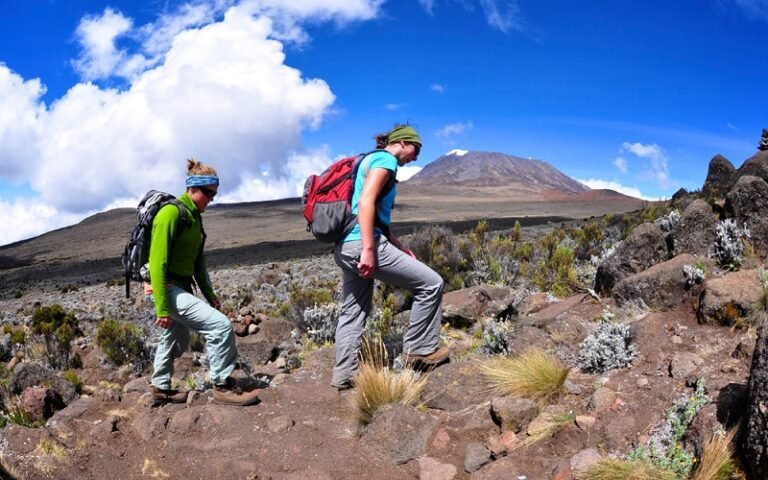
Kilimanjaro And Great Migration Safari July : Your Ultimate Tanzanian
Combining a Kilimanjaro climb with a Great Migration safari in July 2027 offers a spectacular Tanzanian adventure. This guide helps you plan your ideal itinerary, considering the best...
View package details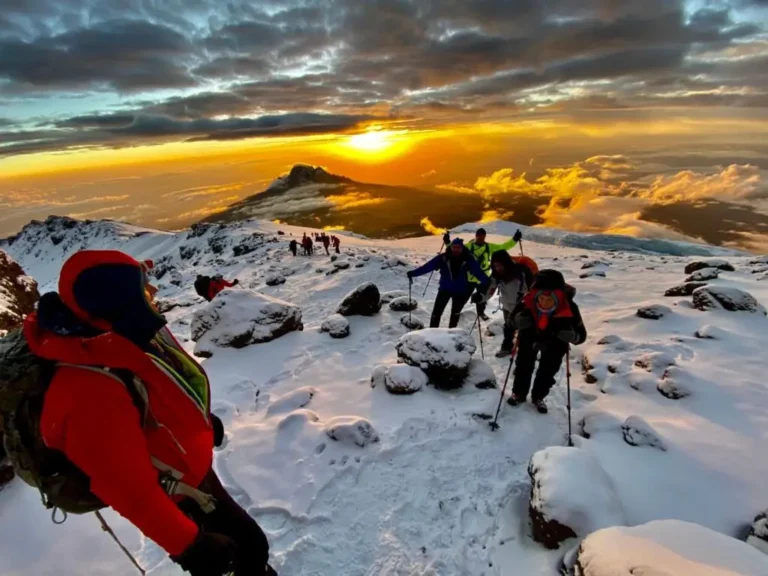
Kilimanjaro And Grumeti Migration Safari June : The Ultimate Tanzanian
Plan your unforgettable Kilimanjaro and Grumeti Migration safari for June 2027. This comprehensive guide details how to combine the challenge of summiting Africa's highest peak with the...
View package details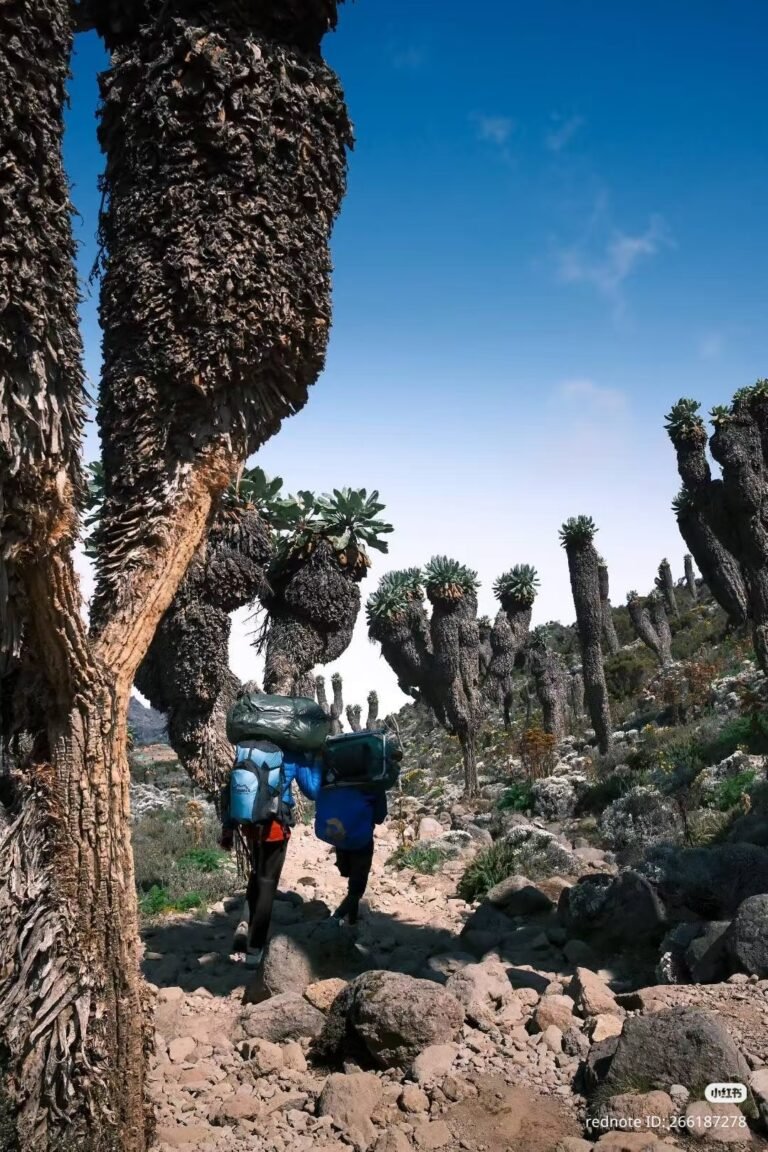
Kilimanjaro Christmas Climb And Tanzania Safari : Your Festive Adventure
Combine the magic of a Christmas ascent of Kilimanjaro with a thrilling Tanzania safari in 2026. Discover how to plan this dual adventure for a truly unique festive season.
View package detailsKilimanjaro And Mara River Crossing Safari August : Peak Season Adventure 2027
Combining the ultimate challenge of climbing Mount Kilimanjaro with the awe-inspiring spectacle of the Great Migration river crossing in the Maasai Mara offers an unparalleled African...
View package details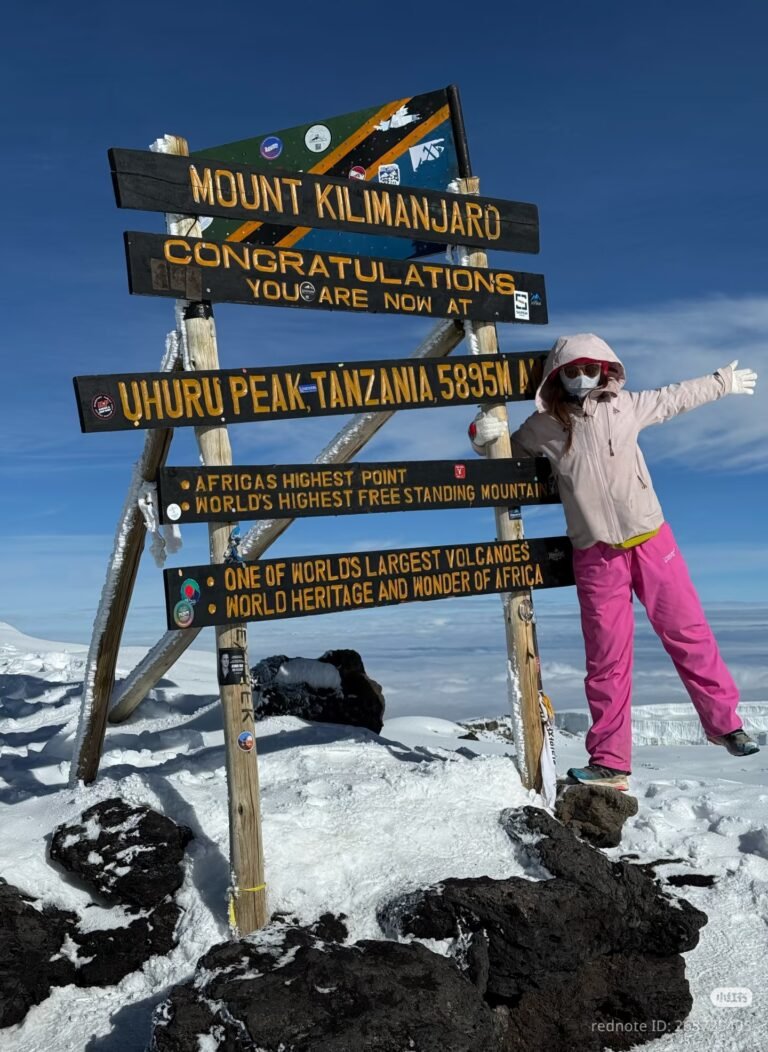
Kilimanjaro And Great Migration Safari August : Your Peak Season Adventure
Plan your ultimate Tanzanian adventure in August 2027, combining a Kilimanjaro climb with the spectacle of the Great Migration. This guide details the best timings, routes, and safari...
View package detailsKilimanjaro And Mara River Crossing Safari July 2027
Kilimanjaro and Mara River Crossing Safari July 2027 is explained with current 2027 planning, price, itinerary and booking information.
View package details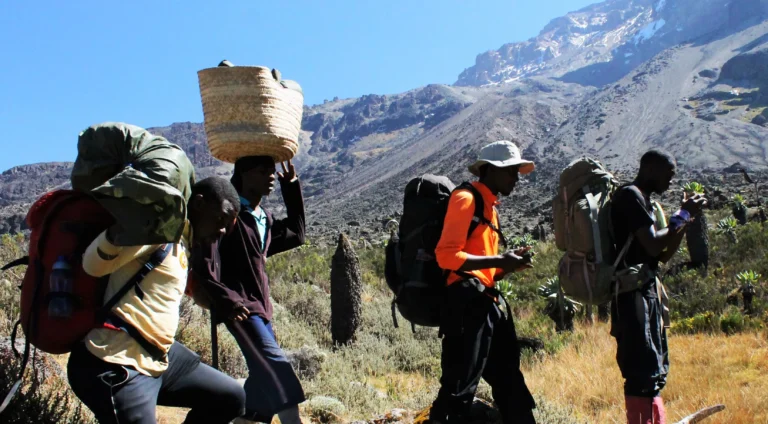
Best Kilimanjaro And Serengeti Calving Season Safari March 2027
Discover the magic of a March 2027 Kilimanjaro and Serengeti calving season safari. This guide explores the unique advantages and considerations for experiencing Tanzania's wildlife...
View package details
Kilimanjaro And Serengeti Calving Safari February : The Ultimate Planning
Combine the majesty of Mount Kilimanjaro with the impressive spectacle of the Serengeti's calving season in February 2027. This guide details how to plan this dual adventure, focusing on...
View package details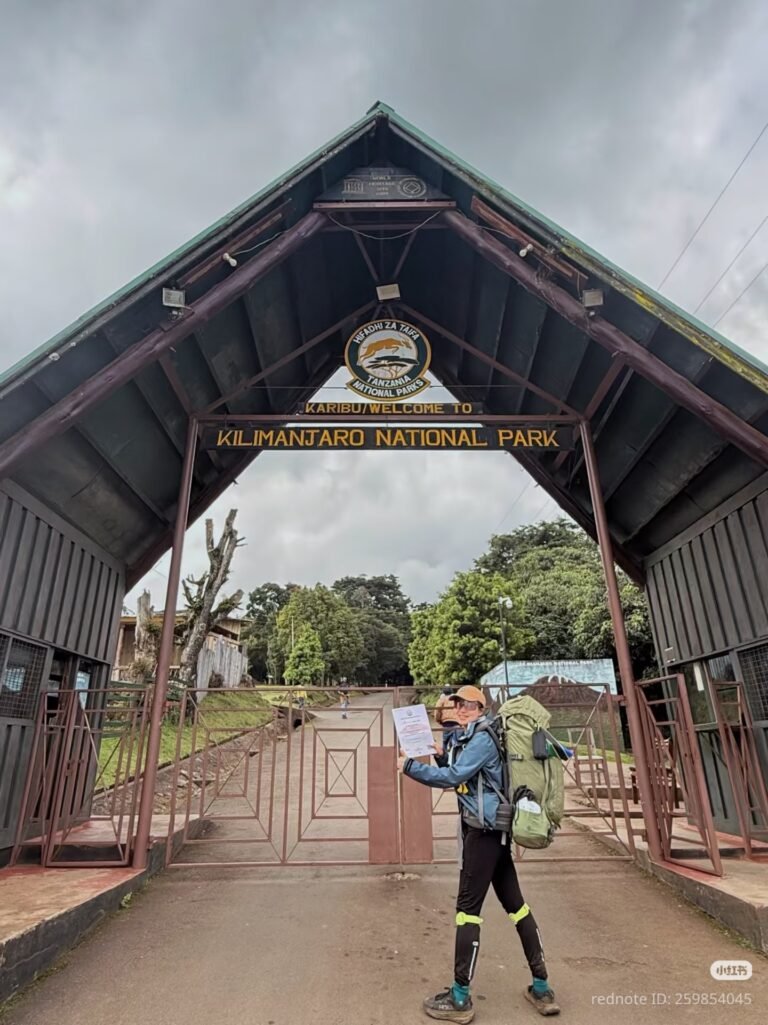
Kilimanjaro And Serengeti Calving Safari January 2026-2027
Kilimanjaro and Serengeti Calving Safari January 2027 is explained with current 2026-2027 planning, price, itinerary and booking information.
View package detailsNo related package matches those filters. Clear one or more filters to see the other topic-matched options.



