
A Tanzania Bird Photography Safari – Private Specialist Tour is designed for dedicated ornithologists and photographers seeking intimate wildlife encounters focused on avian subjects. These tours prioritize flexibility, expert guiding tailored to bird identification and behavior, and access to Tanzania’s most diverse birding habitats, often including areas beyond typical safari routes. Expect customized itineraries, often spanning 10-21 days, focusing on key birding hotspots like Arusha National Park, Lake Manyara, Tarangire, the Ngorongoro Conservation Area, and potentially extending to the Udzungwa Mountains or coastal regions for specific species. The core benefit is a photographer’s pace, allowing ample time for observation, tracking, and capturing stunning images of the rich birdlife Tanzania offers, with planning for 2026-2027 now underway.
Navigating Your Tanzania Bird Photography Safari: A Specialist’s Perspective
Tanzania is a world-class destination for birdwatchers and photographers, boasting over 1,100 avian species within its varied landscapes. From the iconic Serengeti’s open plains to the dense forests of the western Rift Valley and the unique ecosystems of the northern circuit’s lakes, the opportunities are immense. A Tanzania Bird Photography Safari – Private Specialist Tour elevates this experience by offering a focused, bespoke approach. Unlike general wildlife safaris, these specialized tours are crafted with the photographer’s needs at the forefront: optimal lighting, patient observation, expert knowledge of bird behavior and habitats, and vehicles equipped for photography. This guide will help you understand the nuances of planning such a trip, from choosing the right season and locations to understanding what a truly specialist tour entails for your 2026-2027 travel aspirations.
Understanding Specialist Bird Photography Tours
The distinction between a general safari and a dedicated Tanzania Bird Photography Safari – Private Specialist Tour lies in the granular focus and tailored approach. A standard safari aims to showcase the ‘Big Five’ and general wildlife, with bird sightings often being secondary or incidental. A specialist bird photography tour, however, prioritizes the avian world. This means:
- Expert Bird Guides: Your guide won’t just identify animals; they’ll be seasoned ornithologists or highly experienced birding guides with an intimate knowledge of bird calls, nesting habits, preferred habitats, and specific locations for rare or sought-after species. They understand the patience required for photography.
- Photographic Vehicle Access: Tours often utilize modified safari vehicles. This could mean pop-top roofs for unobstructed 360-degree views and shooting angles, or vehicles that can be stopped at a moment’s notice for the perfect shot without disturbing the wildlife. Some operators might even offer open-sided vehicles in specific, safe locations.
- Flexible Itineraries: The pace is dictated by photographic opportunities, not a rigid schedule. If a rare species is spotted, the tour can pause for hours. If a particular bird is displaying courtship rituals at dawn, the morning schedule adjusts accordingly. This flexibility is paramount for capturing unique images.
- Targeted Species Lists: While iconic birds will be sought, these tours often aim for specific endemic or rare species that might be missed on a general safari. This requires detailed knowledge of their microhabitats.
- Extended Time at Locations: Instead of a brief drive-through, you might spend a full day or more in a particular habitat, waiting for the best light and behavior.
- Accommodation Choices: Lodges and camps are selected not just for comfort, but for their proximity to prime birding areas and potential for ‘lodge birding’ – the chance to photograph birds right from your verandah.
When considering a Tanzania Bird Photography Safari – Private Specialist Tour for 2026-2027, it’s crucial to confirm these elements with your tour operator. A private tour ensures that the itinerary is entirely yours, avoiding the compromises inherent in group travel.
Why Tanzania for Bird Photography?
Tanzania’s incredible biodiversity makes it a compelling destination for any wildlife photographer, but for bird enthusiasts, it’s exceptional. The country’s geographical diversity creates a mosaic of habitats, each supporting a unique array of birdlife:
- Vast National Parks and Reserves: Areas like the Serengeti, Tarangire, Lake Manyara, and the Ngorongoro Conservation Area are not only famous for large mammals but are also rich in bird species. You’ll find raptors, waterbirds, grassland species, and woodland birds here.
- Unique Lake Systems: The soda lakes of the Great Rift Valley, particularly Lake Manyara and the smaller Momella Lakes in Arusha National Park, attract vast numbers of flamingos and other waterbirds. These are spectacular subjects for photography, especially during dawn and dusk.
- Forested Highlands: Regions like the Usambara and Udzungwa Mountains are biodiversity hotspots harboring endemic species. These montane forests offer a different photographic challenge and reward, with opportunities to capture colorful forest birds.
- Coastal and Wetland Habitats: While less frequently visited on standard safaris, Tanzania’s coastline and mangrove areas, as well as inland wetlands, host a variety of waterbirds, waders, and resident species.
- Endemic Species: Tanzania is home to several endemic and near-endemic birds, such as the Ruaha Chat, Rufous-tailed Weaver, and Usambara Weaver, making it a target for serious bird collectors.
- Migratory Birds: During the northern hemisphere’s winter (roughly October to April), Tanzania becomes a vital destination for Palearctic migrants, significantly boosting the number and variety of birds present.
The sheer number of species, coupled with the dramatic landscapes and iconic wildlife that often share the frame, makes Tanzania a premier choice for a Tanzania Bird Photography Safari – Private Specialist Tour. The ability to combine high-quality bird photography with classic safari experiences is a significant draw.
Key Avian Hotspots for Your Safari
A specialist tour will strategically combine several of these locations to maximize bird sightings and photographic opportunities. Here are some of the most significant areas:
Northern Circuit Highlights
- Arusha National Park: Often the starting point, this park is surprisingly rich for its size. It’s excellent for various waterbirds on the Momella Lakes, including Greater and Lesser Flamingos, Great White Pelicans, and numerous ducks and waders. It’s also a good place to find the endemic Rufous-tailed Weaver and various forest birds, including turacos and hornbills. The backdrop of Mount Meru adds to the photographic appeal.
- Lake Manyara National Park: Famous for its tree-climbing lions, Manyara’s shallow alkaline lake is a magnet for thousands of flamingos. Beyond the flamingos, expect numerous waterbirds, raptors like the African Fish Eagle, and woodland birds along the forest edges. The density of birdlife here is impressive.
- Tarangire National Park: Known for its large elephant herds and baobab trees, Tarangire is also a birding paradise, especially during the dry season (June-October) when birds congregate around the Tarangire River and its swamps. It boasts over 550 bird species, including numerous raptors, large ground birds like the Kori Bustard and Secretarybird, and various hornbills and rollers. The iconic Yellow-collared Lovebird is also found here.
- Ngorongoro Conservation Area: The crater floor is a unique ecosystem supporting a high density of birds. Expect large flocks of flamingos, Egyptian Geese, various ducks, Spoonbills, and a good selection of raptors. The highlands surrounding the crater also offer opportunities for montane species.
- Serengeti National Park: While often associated with the Great Migration, the Serengeti supports over 500 bird species. Depending on the season and location (central, western, or northern Serengeti), you can find grassland birds like the Grassland Pipit and Chestnut-banded Plover, raptors, and various acacia-dependent species. The migration itself can attract large numbers of scavengers and birds of prey.
Beyond the Northern Circuit (for the dedicated)
- Udzungwa Mountains National Park: This is a must for serious birders seeking endemics. It’s a montane forest environment with challenging terrain but rewards with species like the Udzungwa Partridge, Udzungwa Scops-Owl, and various sunbirds and weavers. It requires a dedicated itinerary and good fitness.
- Usambara Mountains: Another montane forest gem, the East and West Usambaras are renowned for their high levels of endemism, including the Usambara Eagle-Owl, Usambara Thrush, and Usambara Weaver. Access can be more basic, requiring careful planning.
- Ruaha National Park: Tanzania’s largest national park, Ruaha, offers a wilder, less-visited experience. It’s particularly good for raptors, including the endemic Ruaha Chat. The birdlife here is diverse, with many dry-country species.
- Selous Game Reserve (Nyerere National Park): While more known for its large mammals, the Rufiji River system and associated wetlands attract a wide array of waterbirds, waders, and raptors.
A well-designed Tanzania Bird Photography Safari – Private Specialist Tour will balance iconic locations with these more specialized sites, tailoring the route based on the time of year and the specific species you aim to photograph. For 2026-2027, early planning is key to securing guides and lodges for these sought-after destinations.
Planning Your 2026-2027 Bird Photography Safari
Successful planning for a specialized photographic safari involves considering several factors to ensure you capture the best images and have the most rewarding experience. Here’s a breakdown for your 2026-2027 trip:
Best Time to Visit for Bird Photography
Tanzania offers excellent birding year-round, but certain periods are better for specific photographic goals:
- Rainy Seasons (November-May): While often less popular for general safaris, these months can be fantastic for bird photography. Birds are in breeding plumage, nesting, and more vocal. The landscapes are lush and green, offering beautiful backdrops. The long rains (March-May) can make some areas inaccessible, but the shoulder months (November-February) are often ideal, with migratory birds arriving.
- Dry Season (June-October): This is prime time for general wildlife viewing as animals congregate around water sources. For bird photography, it’s excellent for waterbirds and raptors, as they are concentrated around diminishing water. It’s also a good time to spot species in their dry-season plumage and observe hunting behavior.
Recommendation for 2026-2027: Consider the shoulder months of November to February for a mix of resident and migratory birds in breeding colors, or June to September for concentrated waterbirds and raptors in drier landscapes. Your specialist guide can advise on the specific microclimates within parks.
Duration of Your Safari
A Tanzania Bird Photography Safari – Private Specialist Tour requires time. To truly focus on birds and photography, allowing for patient observation and travel between diverse habitats, a minimum of 10-14 days is recommended. For comprehensive coverage of multiple regions, including more remote highland forests, 18-21 days or longer is ideal.
- 10-14 Days: Focus on the Northern Circuit (Arusha, Manyara, Tarangire, Ngorongoro, potentially a brief Serengeti stint).
- 15-18 Days: Add more in-depth exploration of the Serengeti or include a visit to a more accessible forested area like the lower slopes of Kilimanjaro.
- 19-21+ Days: Allows for a deeper look at the Northern Circuit plus a dedicated trip to the Udzungwa or Usambara Mountains, or perhaps Ruaha for a different biome.
For 2026-2027, decide on your target species and desired pace to determine the optimal duration.
Choosing Your Private Tour Operator
Selecting the right operator is paramount for a specialist tour. Look for companies that:
- Specialize in Birding/Photography Tours: Not just general safaris.
- Employ Expert Bird Guides: Verify their qualifications and experience.
- Offer Truly Private Tours: Confirm that your itinerary and pace are not compromised.
- Have Flexible Itineraries: Capable of adapting to photographic opportunities.
- Provide Custom Vehicle Options: Suitable for photography.
- Understand Your Specific Needs: Discuss your target species and photographic style.
Climb 4 Africa specializes in tailor-made safaris and can arrange dedicated bird photography tours. Contacting them well in advance for 2026-2027 bookings is advisable, especially for peak seasons or specific lodge preferences.
Accommodation Considerations
Accommodation should complement your birding and photography goals:
- Lodges/Camps near Birding Hotspots: Prioritize locations close to prime habitats.
- Bird-Friendly Grounds: Some lodges have gardens or natural areas that attract a variety of birds, offering ‘early morning’ or ‘late afternoon’ photography opportunities right outside your room.
- Photography-Friendly Facilities: Ensure rooms have balconies or areas where you can set up equipment discreetly.
Visa and Health Requirements
Ensure you have the necessary visas for Tanzania. Consult your doctor regarding recommended vaccinations and malaria prophylaxis well in advance of your 2026-2027 travel dates.
Essential Photography Gear and Tips
To make the most of your Tanzania Bird Photography Safari – Private Specialist Tour, bringing the right gear and employing smart techniques is crucial.
Camera and Lenses
- Telephoto Lens: A 400mm, 500mm, or 600mm prime lens is ideal for capturing distant birds. A 100-400mm or 150-600mm zoom lens offers versatility. Consider a teleconverter (1.4x or 2x) for added reach, but be aware of potential image quality degradation and light loss.
- Mid-Range Zoom: A 24-70mm or 24-105mm lens is useful for wider shots, landscape context, or when birds are closer.
- Camera Body: A DSLR or mirrorless camera with good autofocus capabilities, high ISO performance, and a fast burst rate is recommended. Full-frame or APS-C sensors both have advantages.
- Tripod/Monopod: Essential for stabilizing long lenses, especially in low light. A beanbag can be useful for shooting from vehicles.
Other Essential Gear
- Binoculars: A good pair of 8×42 or 10×42 binoculars are vital for spotting birds before you even bring out your camera.
- Memory Cards: Bring plenty of high-speed memory cards.
- Batteries: Multiple fully charged batteries for your camera and other devices.
- Power Bank/Charger: For charging devices on the go, especially in remote camps.
- Camera Bag: A comfortable, durable bag that can protect your gear from dust and elements.
- Lens Cleaning Kit: Essential for maintaining gear in dusty conditions.
- Rain Cover: For your camera and lens.
Photography Tips for Birding Safaris
- Shoot in RAW: This provides maximum flexibility for post-processing.
- Master Your Camera Settings: Understand aperture, shutter speed, and ISO for bird photography. A fast shutter speed (e.g., 1/1000s or faster) is crucial for freezing action.
- Focus on the Eyes: Always aim to get sharp focus on the bird’s eye.
- Utilize Natural Light: The ‘golden hours’ (early morning and late afternoon) offer the best light. Your specialist guide will understand this.
- Be Patient: Bird photography requires immense patience. Wait for the right moment, the right pose, the right behavior.
- Learn Bird Behavior: Understanding common behaviors (feeding, perching, flying, courtship) will help you anticipate shots. Your guide’s expertise is invaluable here.
- Respect Wildlife: Never disturb birds or their nests. Maintain a safe and ethical distance.
- Capture the Habitat: Don’t just focus on the bird; sometimes including its environment provides context and a more compelling image.
- Dust Management: Keep your camera and lenses as clean as possible. Avoid changing lenses in dusty conditions.
Your specialist guide will be instrumental in helping you find subjects and position the vehicle for the best light and angles, significantly enhancing your photographic output on your Tanzania Bird Photography Safari – Private Specialist Tour.
Sample Itinerary Concepts
Here are a couple of conceptual itineraries to illustrate the possibilities for a Tanzania Bird Photography Safari – Private Specialist Tour. These are flexible and would be fully customized by your chosen operator for 2026-2027.
Concept 1: Northern Circuit Birding & Photography Focus (14 Days)
- Day 1: Arrive Kilimanjaro (JRO), transfer to Arusha. Settle in, perhaps some garden birding.
- Day 2: Arusha National Park. Momella Lakes (flamingos, waterbirds), Ngurdoto Crater rim (forest birds, forest birds).
- Day 3-4: Tarangire National Park. Focus on swamps for waterbirds, baobab landscapes, and woodland species. Excellent for raptors and ground birds.
- Day 5-6: Lake Manyara National Park. Flamingoes, forest edge species, and potential for tree-climbing lions as a bonus.
- Day 7-8: Ngorongoro Conservation Area. Crater floor exploration for diverse birdlife, including endemic species. Option to visit a Maasai village for cultural photography.
- Day 9-11: Central/North Serengeti. Focus on specific areas known for bird diversity, adapting to migration patterns if applicable. Raptors, grassland birds.
- Day 12: Fly back to Arusha. Relax or visit local craft markets.
- Day 13: Day trip to a local birding area near Arusha or rest before departure.
- Day 14: Depart Kilimanjaro (JRO).
Concept 2: Highland Endemics & Northern Circuit Blend (18 Days)
- Day 1: Arrive Kilimanjaro (JRO), transfer to Arusha.
- Day 2: Arusha NP (Momella Lakes, forest birds).
- Day 3-4: Tarangire NP (Swamps, baobabs, raptors).
- Day 5-6: Lake Manyara NP (Flamingoes, forest species).
- Day 7-8: Ngorongoro Crater (Waterbirds, raptors).
- Day 9: Transfer to Karatu area, explore local highlands for different species.
- Day 10-12: Fly to Mbeya region (or drive to Udzungwa area) for 3 days dedicated to highland forests. Target endemic species like the Udzungwa Partridge, Udzungwa Scops-Owl (if applicable/accessible). Requires specialized guiding.
- Day 13: Fly back to Arusha.
- Day 14-16: Serengeti National Park. Deeper exploration, perhaps focusing on specific regions for bird diversity.
- Day 17: Return flight to Arusha.
- Day 18: Depart Kilimanjaro (JRO).
These are just frameworks. A true Tanzania Bird Photography Safari – Private Specialist Tour would be meticulously planned with your guide to align with the best birding seasons for specific species you wish to capture in 2026-2027. Factors like accessibility of certain forest trails and the availability of specialist guides for remote areas will influence the final itinerary.
Booking Your Private Specialist Tour
Securing your Tanzania Bird Photography Safari – Private Specialist Tour requires careful consideration and early booking, especially for 2026-2027. Here’s how to proceed:
Why Book a Private Specialist Tour with Climb 4 Africa?
Climb 4 Africa offers a distinct advantage for travelers seeking a specialized photographic safari. As a local Tanzanian operator, they possess unparalleled on-the-ground knowledge of wildlife movements, birding hotspots, and the logistical intricacies of operating in diverse terrains. Their commitment to tailor-made experiences means they excel at crafting itineraries that precisely match your photographic interests and pace. You benefit from:
- Deep Local Expertise: Understanding Tanzania’s birdlife and best locations beyond the obvious.
- Customized Itineraries: Designed specifically for photographers, prioritizing light, behavior, and access.
- Experienced, Specialist Guides: Access to guides with a strong ornithological background and photographic sensitivity.
- Flexible Vehicle Options: Ensuring your safari vehicle is suited for photography.
- Practical Support: Local insights into logistics, accommodation, and park regulations.
The Booking Process
To begin planning your Tanzania Bird Photography Safari – Private Specialist Tour for 2026-2027, the next step is to reach out and discuss your requirements. The more information you can provide, the better Climb 4 Africa can tailor an experience for you:
- Define Your Interests: What specific bird species are you hoping to photograph? Are you interested in certain habitats (forests, wetlands, savannah)? What is your desired pace?
- Choose Your Travel Dates/Window: Even if approximate, this helps in planning around seasonal bird activity and migration patterns.
- Specify Your Group Size: This is a private tour, so it will be tailored to your party.
- Mention Your Photography Gear: This helps the operator understand your needs for vehicle setup and shooting angles.
Contact Climb 4 Africa today to start designing your dream Tanzania Bird Photography Safari:
- WhatsApp: +255 747 477 898
- Email: climb4africa@gmail.com
By engaging with Climb 4 Africa early, you can secure your preferred dates, guides, and accommodations, ensuring a smooth and unforgettable photographic journey through Tanzania’s spectacular birdlife for your 2026-2027 adventure. They can help you navigate the complexities of planning a trip focused on capturing the incredible avian diversity of this remarkable country.
Check Availability for Tanzania Bird Photography Safari – Your Private Specialist Tour For…
Ready to compare dates, prices, and the best option for your group? Send the package name and travel month so the team can reply with a clear quote, availability, and what is included.
Kilimanjaro And Great Migration Safari July : Your Ultimate Tanzanian
Combining a Kilimanjaro climb with a Great Migration safari in July 2027 offers a spectacular Tanzanian adventure. This guide helps you plan your ideal itinerary, considering the best...
View package details
Kilimanjaro And Grumeti Migration Safari June : The Ultimate Tanzanian
Plan your unforgettable Kilimanjaro and Grumeti Migration safari for June 2027. This comprehensive guide details how to combine the challenge of summiting Africa's highest peak with the...
View package details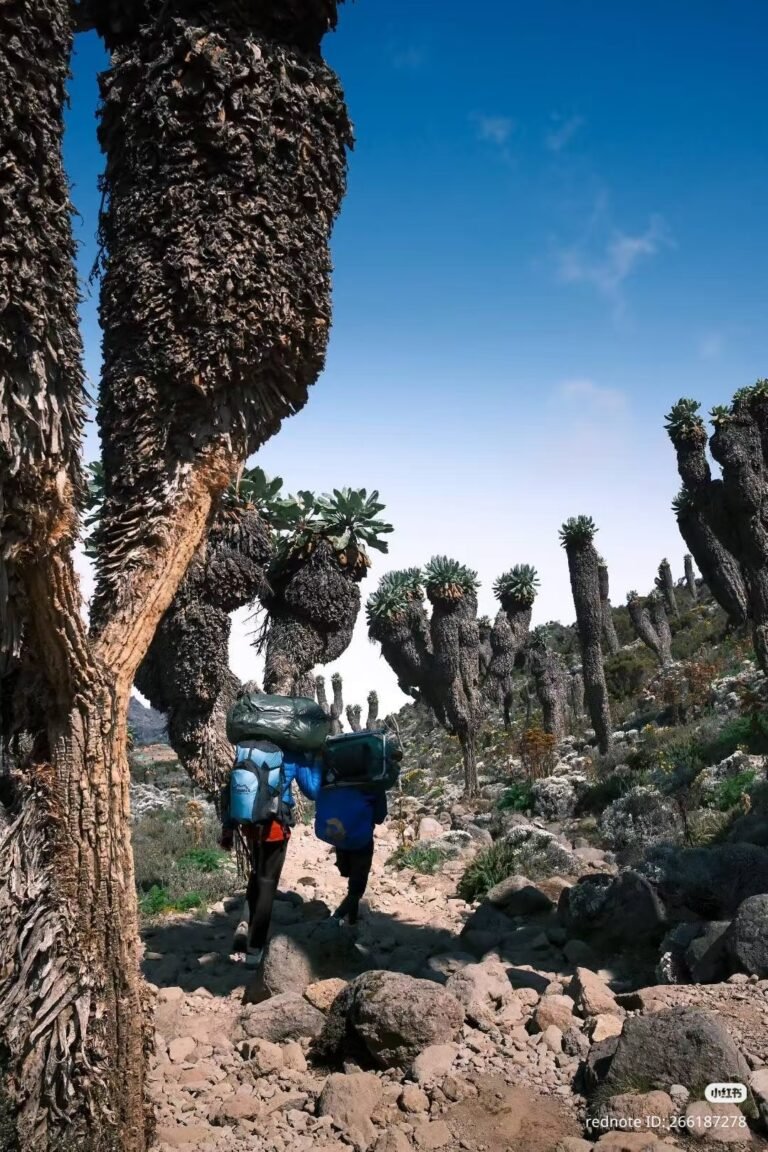
Kilimanjaro Christmas Climb And Tanzania Safari : Your Festive Adventure
Combine the magic of a Christmas ascent of Kilimanjaro with a thrilling Tanzania safari in 2026. Discover how to plan this dual adventure for a truly unique festive season.
View package detailsKilimanjaro And Mara River Crossing Safari August : Peak Season Adventure 2027
Combining the ultimate challenge of climbing Mount Kilimanjaro with the awe-inspiring spectacle of the Great Migration river crossing in the Maasai Mara offers an unparalleled African...
View package details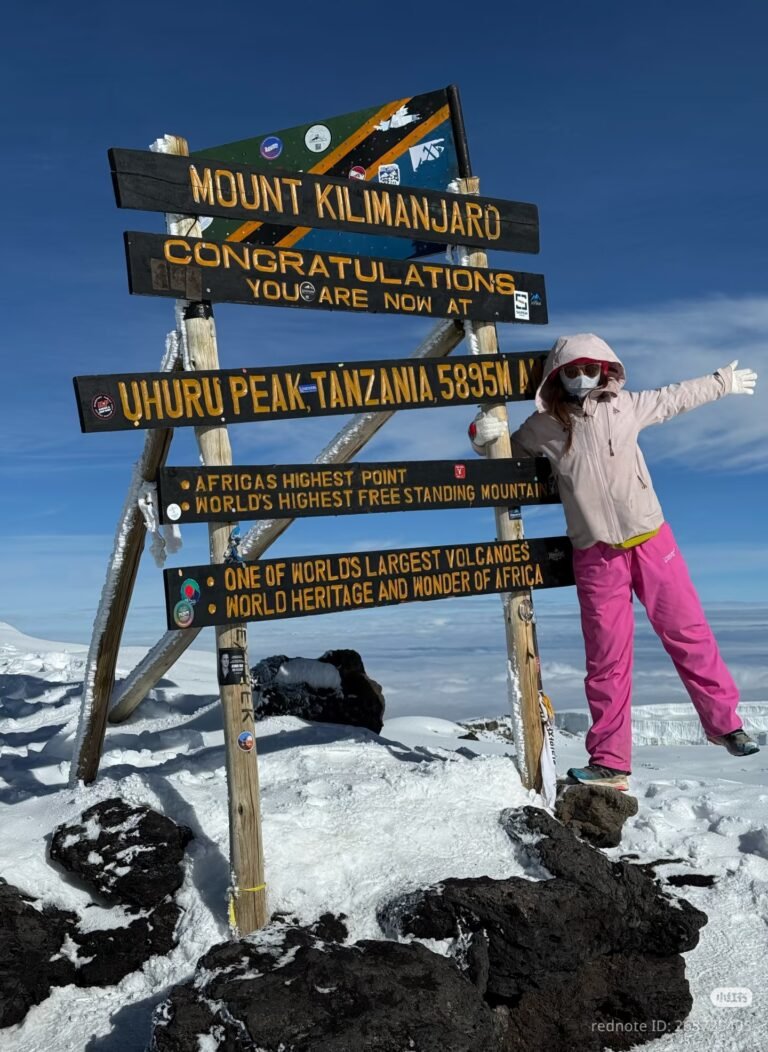
Kilimanjaro And Great Migration Safari August : Your Peak Season Adventure
Plan your ultimate Tanzanian adventure in August 2027, combining a Kilimanjaro climb with the spectacle of the Great Migration. This guide details the best timings, routes, and safari...
View package detailsKilimanjaro And Mara River Crossing Safari July 2027
Kilimanjaro and Mara River Crossing Safari July 2027 is explained with current 2027 planning, price, itinerary and booking information.
View package details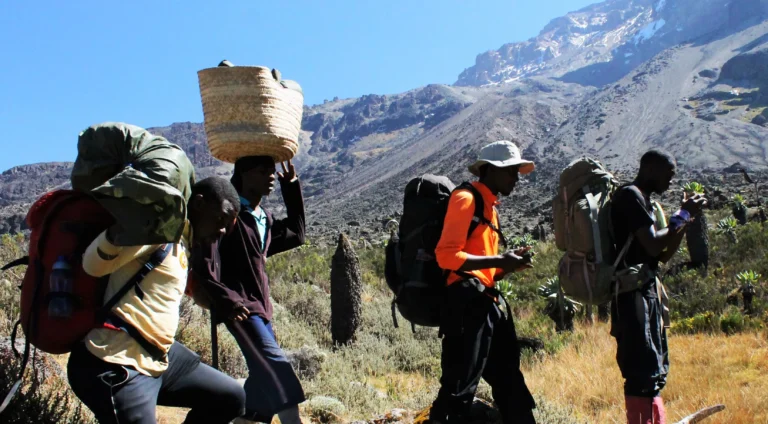
Best Kilimanjaro And Serengeti Calving Season Safari March 2027
Discover the magic of a March 2027 Kilimanjaro and Serengeti calving season safari. This guide explores the unique advantages and considerations for experiencing Tanzania's wildlife...
View package details
Kilimanjaro And Serengeti Calving Safari February : The Ultimate Planning
Combine the majesty of Mount Kilimanjaro with the impressive spectacle of the Serengeti's calving season in February 2027. This guide details how to plan this dual adventure, focusing on...
View package details
Kilimanjaro And Serengeti Calving Safari January 2026-2027
Kilimanjaro and Serengeti Calving Safari January 2027 is explained with current 2026-2027 planning, price, itinerary and booking information.
View package detailsNo related package matches those filters. Clear one or more filters to see the other topic-matched options.



