
Combining a Kilimanjaro climb with a Serengeti safari, often beginning with travel from South Africa, is a premier East African adventure. A typical itinerary involves flying from a South African hub like Johannesburg or Cape Town to Tanzania, undertaking a 5-9 day Kilimanjaro trek, followed by a 3-5 day Serengeti safari, and then returning from Tanzania. The best timing for this combined South Africa Kilimanjaro climb and Serengeti safari itinerary in 2026-2027 depends on weather patterns, with the dry seasons (June to October and December to February) being most popular for both activities, though shoulder months offer fewer crowds.
Planning Your Combined Kilimanjaro and Serengeti Adventure
Embarking on a journey that links the majestic Mount Kilimanjaro with the iconic Serengeti National Park is a bucket-list experience for many adventurers. When considering a South Africa Kilimanjaro climb and Serengeti safari itinerary, the logistics can seem complex, but with careful planning, it becomes an achievable and incredibly rewarding expedition. This guide aims to demystify the process, offering practical insights for travelers looking to make the most of their 2026 or 2027 trip, especially those originating from South Africa.
The core of this adventure lies in two distinct yet complementary experiences: the physical challenge of summiting Africa’s highest peak and the unparalleled wildlife viewing opportunities in one of the world’s most famous ecosystems. For many, South Africa serves as a convenient and well-connected starting point, offering international flight access to Tanzania. The decision to combine these two experiences requires careful consideration of timing, duration, budget, and the specific routes or safari circuits you wish to explore.
A well-structured South Africa Kilimanjaro climb and Serengeti safari itinerary typically flows like this: Fly from South Africa to Kilimanjaro International Airport (JRO) near Arusha, Tanzania. Ascend Mount Kilimanjaro via one of its popular routes. Descend and recover briefly before embarking on a safari, usually beginning with a drive or flight to the Serengeti. Conclude the safari and fly out of Tanzania, or potentially connect back through Kilimanjaro or another regional hub before heading home to South Africa.
When planning for 2026-2027, it’s crucial to book well in advance, particularly for Kilimanjaro climbs, as permits and guide availability can be limited during peak seasons. Similarly, safari lodges and park fees for the Serengeti require advance booking. Understanding the best times to visit each location is paramount to maximizing your chances of favorable weather and wildlife sightings.
Choosing Your Kilimanjaro Climb Route
The choice of route on Kilimanjaro is perhaps the most significant decision you’ll make for the climbing portion of your South Africa Kilimanjaro climb and Serengeti safari itinerary. Each route offers a different experience in terms of scenery, difficulty, acclimatization profile, and crowds. While all routes ultimately lead to Uhuru Peak, the summit, their ascent and descent paths vary considerably.
Here’s a breakdown of the most popular routes, considering their suitability for a combined itinerary:
- Marangu Route (Coca-Cola Route): This is the oldest and perhaps most straightforward route, often chosen for its two-hut camping style (dormitories). It’s also the shortest, typically 5-6 days. While it offers a unique accommodation experience, its rapid ascent profile means a lower success rate for reaching the summit due to poor acclimatization. For a combined trip, its shorter duration might seem appealing, but the reduced acclimatization time is a significant drawback.
- Machame Route (Whiskey Route): Widely considered one of the best routes for acclimatization and scenery, the Machame route is a popular choice for its “climb high, sleep low” strategy. It typically takes 6-7 days. Its success rate is higher than Marangu. For a South Africa Kilimanjaro climb and Serengeti safari itinerary, the 6 or 7-day Machame route offers a good balance of challenge and acclimatization, preparing you well for subsequent adventures.
- Lemosho Route: This route is highly recommended for its stunning scenery and excellent acclimatization profile. It’s longer, usually 7-8 days, and starts in the west of the mountain, offering a more remote and beautiful approach. The Lemosho route is often praised for its high success rates and the opportunity to traverse the Shira Plateau. If time allows within your South Africa Kilimanjaro climb and Serengeti safari itinerary, Lemosho is a top contender for a rewarding climb.
- Shira Route: Similar to Lemosho but starts at a higher altitude on the Shira Plateau, making the first day’s trek challenging. It usually takes 7-8 days. It offers great views but can be demanding due to the initial high-altitude start.
- Rongai Route: This is the only route that approaches Kilimanjaro from the north, offering a different perspective and often drier conditions, especially during the rainy seasons. It’s typically a 6-7 day trek and is a good option if you’re concerned about rain.
- Northern Circuit: The longest route, usually 9-10 days, offering the best acclimatization and highest success rates. It circles the mountain, providing a comprehensive view of Kilimanjaro’s diverse landscapes. For those prioritizing summit success and a more relaxed pace, this is an excellent, albeit longer, option for your South Africa Kilimanjaro climb and Serengeti safari itinerary.
Recommendation for a combined trip: For most travelers combining Kilimanjaro with a safari, the Machame (6-7 days) or Lemosho (7-8 days) routes offer the best balance of success, acclimatization, and scenic beauty. These routes provide adequate time for your body to adjust to the altitude, increasing your chances of reaching the summit and ensuring you’re in good condition for your safari. The longer Northern Circuit (9-10 days) is ideal if summit success is your absolute highest priority and you have ample time.
Safari Experiences in Tanzania
Following your Kilimanjaro ascent, the Serengeti National Park awaits, offering a starkly different but equally awe-inspiring experience. The Serengeti is world-renowned for its vast plains, abundant wildlife, and the Great Migration, a spectacular natural phenomenon. Your South Africa Kilimanjaro climb and Serengeti safari itinerary needs to consider the timing of the migration if that is a key interest.
The Serengeti’s size means that the best areas to visit can vary significantly depending on the time of year. Understanding these movements is key to planning an optimal safari. Generally, the migration is in the north during the dry season (July-October), moving south towards the central and southern plains for the calving season (December-March).
Key Safari Destinations within or near the Serengeti:
- Serengeti National Park: The main attraction. Depending on the time of year for your 2026-2027 trip, you’ll focus on different regions: Central (Seronera) for year-round game viewing, Western Corridor for the Grumeti River crossings (May-July), Northern Serengeti for the Mara River crossings (July-October), and Southern/Eastern Serengeti for the calving season (December-March).
- Ngorongoro Conservation Area: Adjacent to the Serengeti, this UNESCO World Heritage Site features the Ngorongoro Crater, a caldera teeming with wildlife. It’s excellent for spotting the ‘Big Five’ (lion, leopard, elephant, rhino, buffalo) in a single day. Many itineraries include a visit to the crater, often en route from Arusha to the Serengeti or vice versa.
- Tarangire National Park: Known for its large elephant herds and baobab trees, Tarangire is a fantastic addition, especially during the dry season (June-October) when animals congregate around the Tarangire River.
- Lake Manyara National Park: Famous for its tree-climbing lions and abundant birdlife. It’s a smaller park, often visited as a day trip or on the way to other destinations.
Safari Durations: A typical Serengeti safari as part of a combined South Africa Kilimanjaro climb and Serengeti safari itinerary lasts between 3 to 5 days. This allows sufficient time to explore different areas of the park, witness various wildlife, and potentially experience the migration. A 3-day safari might focus on one region, while a 5-day safari could cover multiple areas or include the Ngorongoro Crater.
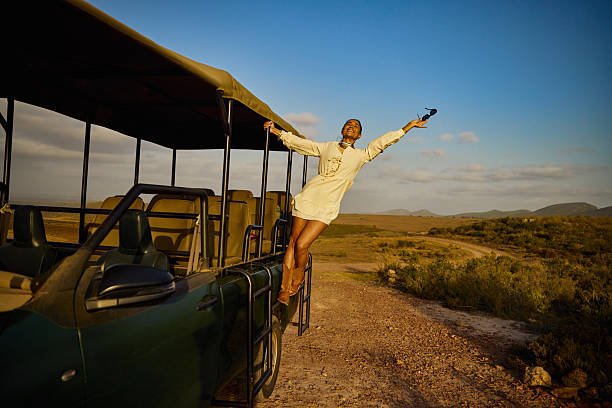
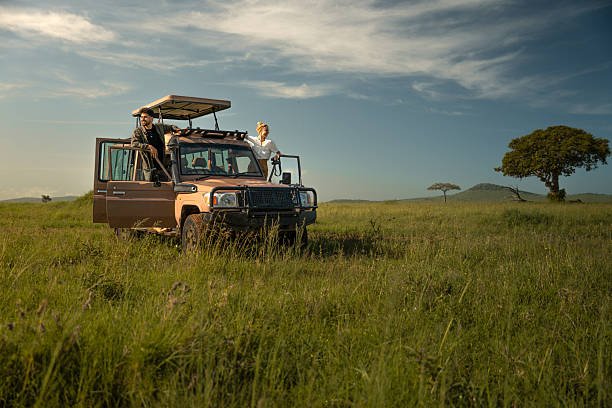
Travel Style: Safaris can be conducted using 4×4 safari vehicles, often with pop-up roofs for game viewing. Accommodation ranges from luxury lodges and tented camps to more budget-friendly options. For a truly in-depth experience, consider staying in tented camps that are closer to the wildlife action.
Structuring Your 2026-2027 South Africa Kilimanjaro Climb and Serengeti Safari Itinerary
Designing the perfect South Africa Kilimanjaro climb and Serengeti safari itinerary involves balancing the demands of the trek with the leisure of the safari, all while considering travel time and acclimatization. Here are a few sample structures, keeping in mind that these can be customized to your preferences and available time for 2026 or 2027.
Sample Itinerary 1: The Classic Combination (Approx. 14-16 Days Total)
This is a popular choice for those seeking a comprehensive experience without an excessively long trip.
- Day 1: Arrival in Tanzania. Fly from South Africa (e.g., Johannesburg, Cape Town) to Kilimanjaro International Airport (JRO). Transfer to your hotel in Arusha or Moshi.
- Day 2: Kilimanjaro Briefing & Preparation. Meet your climbing guides, receive gear checks, and finalize preparations. Enjoy a relaxed day in Arusha.
- Days 3-8/9: Kilimanjaro Climb (Machame Route – 6 or 7 Days). Begin your ascent.
- Day 9/10: Descent & Rest. Descend Kilimanjaro, receive your summit certificate, and transfer back to your hotel in Moshi for a well-deserved rest and celebration.
- Day 10/11: Transfer to Serengeti. Fly from Arusha Airport (ARK) to a Serengeti airstrip, or start a scenic drive with a stop at a curio shop or the cultural heritage center. Check into your Serengeti lodge/camp.
- Days 11/12-13/14: Serengeti Safari. Full days of game drives exploring the Serengeti’s diverse ecosystems.
- Day 14/15: Ngorongoro Crater Tour & Transfer. Morning game drive in the Serengeti, then drive to the Ngorongoro Conservation Area for a crater tour. Overnight at a lodge on the crater rim or in Karatu.
- Day 15/16: Departure. Drive back to Arusha or Kilimanjaro Airport (JRO) for your flight back to South Africa.
Considerations: This itinerary prioritizes efficient use of time. The 6-day Machame climb is intense but manageable for fit individuals. Adding a 7th day to Machame or choosing Lemosho (7 days) would improve acclimatization.
Sample Itinerary 2: Extended Exploration (Approx. 18-20 Days Total)
For those with more time, this itinerary allows for a more relaxed pace on Kilimanjaro and a more in-depth safari experience.
- Day 1: Arrival in Tanzania. Fly from South Africa to JRO. Transfer to Arusha/Moshi.
- Day 2: Kilimanjaro Briefing & Preparation. Gear check and briefing.
- Days 3-10: Kilimanjaro Climb (Lemosho Route – 8 Days). A more gradual ascent for better acclimatization and stunning views.
- Day 10: Descent & Rest. Descend Kilimanjaro, transfer to Moshi for recovery.
- Day 11: Travel to Lake Manyara/Tarangire. Drive from Moshi to Lake Manyara National Park or Tarangire National Park for your first safari experience. Overnight in the park or nearby.
- Day 12: Tarangire/Manyara Safari. Full day exploring either Tarangire’s elephants or Lake Manyara’s tree-climbing lions.
- Day 13: Transfer to Serengeti. Drive or fly to the Serengeti. Check into your lodge/camp.
- Days 14-16: Serengeti Exploration. Three full days of game drives, potentially covering different regions like Seronera and the Western Corridor.
- Day 17: Ngorongoro Crater Tour. Drive to the Ngorongoro Conservation Area for a crater tour. Overnight on the crater rim or in Karatu.
- Day 18: Cultural Visit & Transfer. Optional visit to a Maasai village or local market. Drive back to Arusha/JRO.
- Day 19: Departure. Fly from JRO back to South Africa.
Considerations: This itinerary offers superior acclimatization on Kilimanjaro and a more varied safari, including an additional park like Tarangire or Manyara. The longer duration allows for more flexibility and a less rushed experience.
Sample Itinerary 3: The Peak & Plains Explorer (Approx. 16-18 Days, Flying Safari Focus)
This option minimizes driving time between locations by utilizing internal flights, ideal for maximizing wildlife viewing and minimizing travel fatigue.
- Day 1: Arrival in Tanzania. Fly from South Africa to JRO. Transfer to Arusha/Moshi.
- Day 2: Kilimanjaro Briefing & Preparation. Gear check and briefing.
- Days 3-9: Kilimanjaro Climb (Lemosho/Machame 7 Days). Ascend Kilimanjaro.
- Day 9: Descent & Rest. Descend and transfer to Moshi.
- Day 10: Fly to Serengeti. Transfer to Arusha Airport (ARK) for a flight to a Serengeti airstrip. Check into your lodge/camp. Afternoon game drive.
- Days 11-13: Serengeti Safari. Two full days of game drives in the Serengeti.
- Day 14: Fly to Kilimanjaro/Arusha, Transfer to Ngorongoro. Fly from Serengeti to Manyara Airstrip, then drive to your lodge near the Ngorongoro Crater.
- Day 15: Ngorongoro Crater Tour. Full day exploring the Ngorongoro Crater.
- Day 16: Transfer to Arusha/JRO. Drive back to Arusha for last-minute souvenir shopping or directly to JRO for your flight to South Africa.
- Day 17/18: Departure. Depending on flight schedules.
Considerations: Flying between locations significantly cuts down on travel time, allowing for more time in parks. This is often more expensive than overland travel but can be worth it for maximizing safari time. This itinerary is excellent for a 2026-2027 trip focused on efficiency and comfort.
Key Considerations for Your 2026-2027 Trip
When planning your South Africa Kilimanjaro climb and Serengeti safari itinerary, several factors will influence your experience. Understanding these nuances is key to a successful and enjoyable adventure.
Best Time to Travel
The weather in Tanzania significantly impacts both climbing Kilimanjaro and wildlife viewing. The ideal times for a combined trip, balancing good climbing conditions and optimal safari viewing, are the dry seasons:
- June to October: This is the primary dry season. Kilimanjaro offers clear skies and drier trails, though nights are cold. The Serengeti is excellent for game viewing, with animals congregating around water sources. This period also sees the Great Migration in the northern Serengeti, including the famous river crossings. This is peak season, so expect higher prices and more crowds for 2026-2027 bookings.
- December to February: This is another dry season, often referred to as the “short dry season” or summer. Kilimanjaro’s weather is generally good, though afternoon showers can occur. The Serengeti’s southern plains are ideal, as it’s the calving season for wildebeest, attracting predators. This is also a popular time, especially around Christmas and New Year.
Shoulder Seasons:
- March to May (Long Rains): This period sees heavy rainfall, making Kilimanjaro climbs more challenging due to muddy trails and reduced visibility. Safari conditions can be less ideal, though the landscape is lush and green, and there are fewer tourists.
- November to December (Short Rains): Typically characterized by scattered showers. Kilimanjaro can be damp, but usually not prohibitive. The Serengeti experiences a transition period, with the migration starting to move south. This can be a good time for fewer crowds and potentially lower prices, if you’re willing to risk some rain.
For a 2026-2027 trip: If seeing the Great Migration river crossings is a priority, aim for July-October. If you prefer the calving season and lush landscapes, December-February is ideal. For climbing Kilimanjaro with the best chance of clear skies, June-October is preferred. Combining these, the period from June to October offers the best overlap for both experiences, followed by December to February.
Fitness and Health Requirements
Kilimanjaro Climb: This is a demanding trek. While no technical climbing skills are required, a high level of cardiovascular fitness is essential. Prior hiking experience, especially at altitude, is beneficial. The main challenge is altitude sickness, which can affect anyone regardless of fitness. Proper acclimatization, as offered by longer routes like Machame or Lemosho, is your best defense. You should be able to hike for 5-8 hours a day with a backpack, ascend and descend steep terrain, and cope with cold temperatures and basic camping conditions.
Serengeti Safari: Safaris are generally less physically demanding, primarily involving sitting in a safari vehicle for extended periods. However, long travel days on bumpy roads can be tiring. If you have mobility issues, discuss this with your tour operator. It’s important to be up-to-date with vaccinations and to take malaria precautions for Tanzania.
Health: Consult your doctor or a travel clinic well in advance of your 2026-2027 trip regarding necessary vaccinations (e.g., Yellow Fever, Hepatitis A, Typhoid) and malaria prophylaxis. Ensure you have a comprehensive travel insurance policy that covers high-altitude trekking and medical evacuation.
Visa, Flights, and Vaccinations
Visa: Most nationalities require a visa for Tanzania. You can often obtain this online in advance (e-Visa) or upon arrival at Kilimanjaro International Airport. Check the latest requirements for your nationality on the official Tanzanian immigration website.
Flights:
- International Flights: From South Africa, you’ll typically fly from Johannesburg (JNB) or Cape Town (CPT) to Kilimanjaro International Airport (JRO). Major airlines like Ethiopian Airlines, Qatar Airways, and Kenya Airways often offer routes with one stop.
- Internal Flights: For a streamlined South Africa Kilimanjaro climb and Serengeti safari itinerary, consider internal flights within Tanzania. Flights from Arusha (ARK) to various Serengeti airstrips are common and save significant travel time compared to overland journeys.
Vaccinations: As mentioned, consult a travel clinic for recommended vaccinations and malaria prevention. A Yellow Fever vaccination certificate might be required if you are arriving from or transiting through certain countries. Always carry your vaccination certificate.
What to Pack
Packing for a combined Kilimanjaro climb and Serengeti safari requires careful planning to cover diverse conditions. Layers are key for Kilimanjaro, while safari packing is more about comfort and protection from the sun.
For Kilimanjaro:
- Clothing: Thermal base layers (merino wool or synthetic), mid-layers (fleece or down jacket), waterproof and windproof outer shell (jacket and trousers), insulated trousers, hiking trousers, t-shirts, warm socks (wool), gloves (warm and liner), hat (warm, sun hat), buff/balaclava.
- Footwear: Broken-in hiking boots, camp shoes/sandals, gaiters.
- Gear: 4-season sleeping bag, sleeping bag liner, trekking poles, headlamp with extra batteries, sunglasses, high SPF sunscreen, lip balm with SPF, water bottles/hydration reservoir (at least 3 liters capacity), water purification tablets/filter.
- Personal: Small backpack (30-40L), duffel bag for porters (70-90L, waterproof), personal toiletries, basic first-aid kit, high-energy snacks, camera, power bank.
For Serengeti Safari:
- Clothing: Lightweight, neutral-colored clothing (khaki, beige, green), long-sleeved shirts and trousers (for sun and insect protection), t-shirts, shorts/comfortable trousers, light jacket or fleece, comfortable walking shoes or trainers.
- Protection: Wide-brimmed hat, sunglasses, high SPF sunscreen, insect repellent (with DEET).
- Other: Binoculars (essential for wildlife viewing), camera with zoom lens, personal medications, small daypack, reusable water bottle.
Important Note: Porters carry your main gear on Kilimanjaro, so your duffel bag should be sturdy and waterproof. You’ll carry a daypack with essentials like water, snacks, camera, and extra layers. For the safari, comfort and practicality are key. Avoid bright colors that might startle wildlife.
Cost of a South Africa Kilimanjaro Climb and Serengeti Safari Itinerary
The cost of a combined South Africa Kilimanjaro climb and Serengeti safari itinerary can vary significantly based on several factors. It’s crucial to get detailed quotes from operators.
Kilimanjaro Climb Costs Typically Include:
- Park entry fees (these are substantial)
- Camping fees
- Guide and porter salaries
- Food during the climb
- Tents and cooking equipment
- Transfer to/from the mountain
- Accommodation before and after the climb (often 1-2 nights each)
Serengeti Safari Costs Typically Include:
- Park entry fees for Serengeti, Ngorongoro, and other parks visited
- Crater service fees (for Ngorongoro)
- 4×4 safari vehicle and driver/guide
- Accommodation (lodges or tented camps)
- Meals during the safari
- Internal flights (if chosen)
Factors Influencing Price:
- Route Choice: Longer routes with better acclimatization (e.g., Lemosho, Northern Circuit) are more expensive due to more days and higher porter/guide costs.
- Duration: Longer climbs and safaris naturally cost more.
- Accommodation Style: Luxury lodges and tented camps on safari are pricier than basic camping.
- Group Size: Private climbs/safaris are more expensive per person than joining a group.
- Operator: Local Tanzanian operators like Climb 4 Africa generally offer better value than international operators who subcontract the work.
- Time of Year: Peak season (June-Oct, Dec-Feb) will have higher prices.
- Inclusions: Some operators might exclude items like bottled water, tips for crew, or specific meals, which can add up.
Estimated Budget Ranges for 2026-2027 (per person, excluding international flights from South Africa):
- Kilimanjaro Climb (6-7 days, mid-range operator): $1,500 – $2,500 USD
- Serengeti Safari (4-5 days, mid-range lodges/camps): $1,800 – $3,500 USD (overland) or $2,500 – $4,500+ USD (with internal flights)
Therefore, a combined South Africa Kilimanjaro climb and Serengeti safari itinerary for 14-16 days could range from approximately $3,300 to $6,000+ USD per person for mid-range options, excluding international flights from South Africa, tips, personal expenses, and travel insurance. Luxury options or longer durations can easily exceed $7,000 – $10,000+ USD.
Tips for Budgeting:
- Book with a reputable local operator: Companies like Climb 4 Africa have local expertise and can offer competitive pricing while ensuring high safety standards.
- Consider group departures: Joining a shared group climb or safari is significantly more economical.
- Travel in shoulder seasons: You might find better deals and fewer crowds.
- Be clear on inclusions: Ensure you understand exactly what is covered in the price to avoid unexpected costs.
Booking Your 2026-2027 Adventure with Climb 4 Africa
To create your personalized South Africa Kilimanjaro climb and Serengeti safari itinerary, it’s best to work with an experienced local operator. Climb 4 Africa specializes in Kilimanjaro treks and Tanzanian safaris, offering practical support and local knowledge. When you contact them for a quote or to discuss your plans for 2026 or 2027, be prepared to share:
- Your desired travel dates or preferred month/season.
- The number of people in your group.
- Your preferred Kilimanjaro route and duration (or ask for recommendations).
- Your preferred safari duration and style (e.g., overland, flying, lodge type).
- Your approximate budget.
- Any specific interests (e.g., Great Migration, photography, specific wildlife).
They can then tailor a package that meets your needs, provides a detailed breakdown of inclusions and exclusions, and guides you through the booking process. For a direct inquiry, you can reach Climb 4 Africa via WhatsApp +255 747 477 898 or email at climb4africa@gmail.com. Discussing your specific requirements with them will help ensure your South Africa Kilimanjaro climb and Serengeti safari itinerary is perfectly aligned with your expectations for your 2026-2027 adventure.
Frequently Asked Questions about Kilimanjaro and Serengeti Trips
Here are answers to some common questions travelers have when planning a combined Kilimanjaro climb and Serengeti safari from South Africa for 2026-2027.
Can I combine a Kilimanjaro climb with a safari in Tanzania if I’m starting from South Africa?
Absolutely. This is a very popular combination. You would typically fly from a major South African city like Johannesburg or Cape Town to Kilimanjaro International Airport (JRO) in Tanzania. After your climb, you can then start a safari within Tanzania before flying back home.
What is the best time of year for a South Africa Kilimanjaro climb and Serengeti safari itinerary in 2026 or 2027?
The best overall period is during the dry seasons: June to October and December to February. These months offer the clearest skies for climbing Kilimanjaro and excellent wildlife viewing in the Serengeti. For specific wildlife events like the Great Migration river crossings, July to October is ideal; for the calving season, December to February is best.
How many days are typically needed for this combined trip?
A comfortable South Africa Kilimanjaro climb and Serengeti safari itinerary usually requires a minimum of 14 days. This typically includes 2 days for arrival/preparation, 6-8 days for the Kilimanjaro climb, and 4-5 days for the safari, plus departure. Longer trips of 18-20 days allow for more in-depth exploration and a more relaxed pace.
Which Kilimanjaro route is best for a combined trip?
For a good balance of acclimatization, scenery, and success rates, the Machame (6-7 days) or Lemosho (7-8 days) routes are highly recommended. They offer better acclimatization than shorter routes, increasing your chances of summiting and ensuring you’re in good condition for your safari. The Northern Circuit (9-10 days) offers the best acclimatization and highest success rates if time permits.
How do I get from Kilimanjaro to the Serengeti?
You have two main options: overland or by flight. Overland travel involves driving from Arusha/Moshi to the Serengeti, which can take 6-8 hours and includes game drives en route. Flying from Arusha Airport (ARK) to a Serengeti airstrip is faster (about 1-1.5 hours) and more comfortable, offering stunning aerial views, but it is more expensive.
What are the typical costs involved?
Costs vary greatly. For a mid-range South Africa Kilimanjaro climb and Serengeti safari itinerary (approx. 14-16 days), expect to budget between $3,300 – $6,000+ USD per person, excluding international flights from South Africa. This includes the climb, safari, park fees, accommodation, and most meals. Luxury or extended trips can cost significantly more.
Do I need to book in advance for 2026-2027?
Yes, it is highly recommended to book your South Africa Kilimanjaro climb and Serengeti safari itinerary well in advance, especially if you plan to travel during peak seasons (June-October, December-February) in 2026 or 2027. Permits for Kilimanjaro and popular safari accommodations fill up quickly.
Making Your 2026-2027 Adventure a Reality
Combining the raw challenge of Kilimanjaro with the impressive wildlife spectacle of the Serengeti is an unparalleled African adventure. For those starting their journey from South Africa, the logistics are manageable with the right planning and partner. Understanding the nuances of route selection, safari destinations, optimal timing, and budgeting is key to crafting a smooth and unforgettable experience for your 2026 or 2027 expedition.
Whether you’re drawn to the summit’s achievement or the thrill of encountering Africa’s iconic wildlife, this combined journey offers a profound connection with the continent’s natural wonders. By choosing reputable operators and planning meticulously, you can ensure your South Africa Kilimanjaro climb and Serengeti safari itinerary is everything you dreamed of.
Ready to plan your ultimate South Africa Kilimanjaro climb and Serengeti safari itinerary for 2026-2027? Contact Climb 4 Africa for expert advice and personalized trip planning. Reach out via WhatsApp at +255 747 477 898 or send an email to climb4africa@gmail.com. They are dedicated to helping you create an extraordinary African adventure that perfectly balances the thrill of the climb with the wonder of the safari.
“,
“faq_schema”: [
{
“question”: “Can I combine a Kilimanjaro climb with a safari in Tanzania if I’m starting from South Africa?”,
“answer”: “Absolutely. This is a very popular combination. You would typically fly from a major South African city like Johannesburg or Cape Town to Kilimanjaro International Airport (JRO) in Tanzania. After your climb, you can then start a safari within Tanzania before flying back home.”
},
{
“question”: “What is the best time of year for a South Africa Kilimanjaro climb and Serengeti safari itinerary in 2026 or 2027?”,
“answer”: “The best overall period is during the dry seasons: June to October and December to February. These months offer the clearest skies for climbing Kilimanjaro and excellent wildlife viewing in the Serengeti. For specific wildlife events like the Great Migration river crossings, July to October is ideal; for the calving season, December to February is best.”
},
{
“question”: “How many days are typically needed for this combined trip?”,
“answer”: “A comfortable South Africa Kilimanjaro climb and Serengeti safari itinerary usually requires a minimum of 14 days. This typically includes 2 days for arrival/preparation, 6-8 days for the Kilimanjaro climb, and 4-5 days for the safari, plus departure. Longer trips of 18-20 days allow for more in-depth exploration and a more relaxed pace.”
},
{
“question”: “Which Kilimanjaro route is best for a combined trip?”,
“answer”: “For a good balance of acclimatization, scenery, and success rates, the Machame (6-7 days) or Lemosho (7-8 days) routes are highly recommended. They offer better acclimatization than shorter routes, increasing your chances of summiting and ensuring you’re in good condition for your safari. The Northern Circuit (9-10 days) offers the best acclimatization and highest success rates if time permits.”
},
{
“question”: “How do I get from Kilimanjaro to the Serengeti?”,
“answer”: “You have two main options: overland or by flight. Overland travel involves driving from Arusha/Moshi to the Serengeti, which can take 6-8 hours and includes game drives en route. Flying from Arusha Airport (ARK) to a Serengeti airstrip is faster (about 1-1.5 hours) and more comfortable, offering stunning aerial views, but it is more expensive.”
},
{
“question”: “What are the typical costs involved?”,
“answer”: “Costs vary greatly. For a mid-range South Africa Kilimanjaro climb and Serengeti safari itinerary (approx. 14-16 days), expect to budget between $3,300 – $6,000+ USD per person, excluding international flights from South Africa. This includes the climb, safari, park fees, accommodation, and most meals. Luxury or extended trips can cost significantly more.”
},
{
“question”: “Do I need to book in advance for 2026-2027?”,
“answer”: “Yes, it is highly recommended to book your South Africa Kilimanjaro climb and Serengeti safari itinerary well in advance, especially if you plan to travel during peak seasons (June-October, December-February) in 2026 or 2027. Permits for Kilimanjaro and popular safari accommodations fill up quickly.”
}
]
}
“`
Check Availability for South Africa Kilimanjaro Climb And Serengeti Safari Itinerary 2026-2027
Ready to compare dates, prices, and the best option for your group? Send the package name and travel month so the team can reply with a clear quote, availability, and what is included.
Tanzania Safari Tours & Packages /: Your Ultimate Wildlife Adventure 2026-2027
Discover the magic of Tanzania with expertly crafted safari tours and packages for 2026 and 2027. From the vast plains of the Serengeti to the depths of the Ngorongoro Crater, find your...
View package detailsWildlife And Nature Titles: Your Ultimate Guide To Tanzanias Best Experiences
This comprehensive guide explores the most sought-after wildlife and nature titles in Tanzania, from iconic safari destinations and Kilimanjaro treks to the tropical allure of Zanzibar...
View package details
South Africa Safari Tours & Vacation Packages | Climb 4 2026-2027
Discover the ultimate South Africa safari experience with tailored tour and vacation packages for 2026-2027. From iconic Kruger National Park to exclusive private reserves, find detailed...
View package detailsBest Wildlife Photography Destinations For Safaris | Climb 4 Africa 2026-2027
Planning a safari for incredible wildlife photography in 2026 or 2027? Tanzania offers unparalleled opportunities. This guide details the top destinations, essential gear, timing, and how...
View package details
Serengeti Safari Tours: Prices, Packages & Best Time To Visit In 2026-2027
Discover everything you need to know for planning your Serengeti safari tour, from understanding pricing and package variations to identifying the ideal travel times in 2026-2027. This...
View package details
3-Day Serengeti And Ngorongoro Safari: Your Ultimate Tanzania Wildlife
start a concise yet unforgettable 3-day Serengeti and Ngorongoro safari, designed to maximize wildlife encounters in Tanzania's most celebrated parks. This compact adventure offers a taste...
View package details
Serengeti Safari And Zanzibar Beach Holiday: The Ultimate Tanzania
Combine the thrill of a Serengeti safari with the relaxation of a Zanzibar beach holiday. This guide covers everything you need to know for an unforgettable Tanzania adventure in 2026-2027...
View package details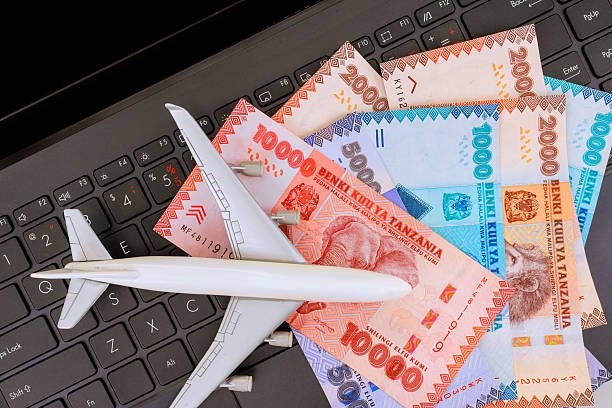
Zanzibar To Serengeti Safari Packages 2026-2027
Zanzibar to Serengeti Safari Packages is explained with current 2026-2027 planning, price, itinerary and booking information.
View package details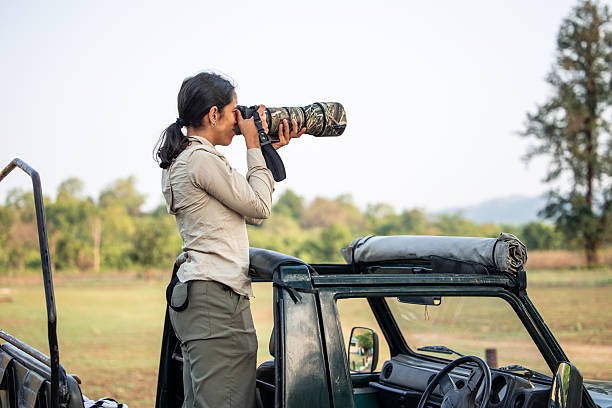
All-Inclusive African Safari Vacations Guide
start an all-inclusive African safari vacation in Tanzania, a premier destination for wildlife viewing in 2026-2027. This comprehensive guide covers everything from iconic parks like the...
View package details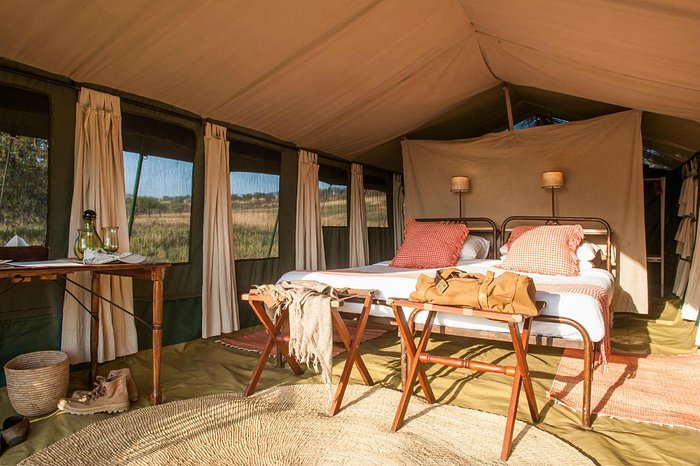
Best African Safari Tours & Vacation Packages /: Your Ultimate Tanzania
start an unforgettable African safari adventure in 2026/2027 with expertly curated tours and vacation packages in Tanzania's most iconic wildlife destinations. From the Serengeti to the...
View package details
Serengeti Great Migration Safari Packages: Your Guide To Witnessing The Wonder
start an unforgettable journey with our comprehensive guide to Serengeti Great Migration safari packages for 2026-2027. Understand the best times to go, optimal viewing locations, and how...
View package details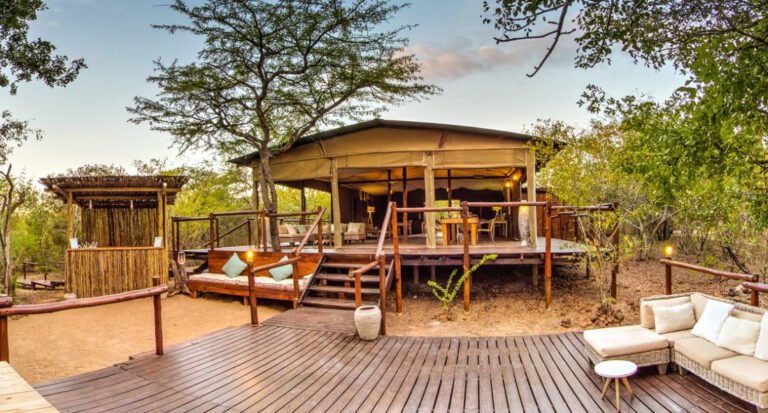
7-Day Tanzania Safari: Serengeti, Ngorongoro, And Tarangire In 2026-2027
A comprehensive guide to a 7-day Tanzania safari adventure, focusing on the iconic Serengeti National Park, the Ngorongoro Crater, and Tarangire National Park. Learn about optimal...
View package detailsNo related package matches those filters. Clear one or more filters to see the other topic-matched options.



