
A Northwestern Tanzania safari in 2026-2027 offers an unparalleled wildlife viewing experience, focusing on iconic destinations like the Serengeti National Park and the Ngorongoro Conservation Area. These regions are famed for the Great Migration, vast plains teeming with predators, and the unique caldera ecosystem of Ngorongoro, providing opportunities to see the Big Five and diverse birdlife. Planning typically involves choosing between 4-day to 10-day itineraries, with options for luxury lodges, comfortable tented camps, or budget-friendly camping, all designed to maximize wildlife encounters and cultural insights.
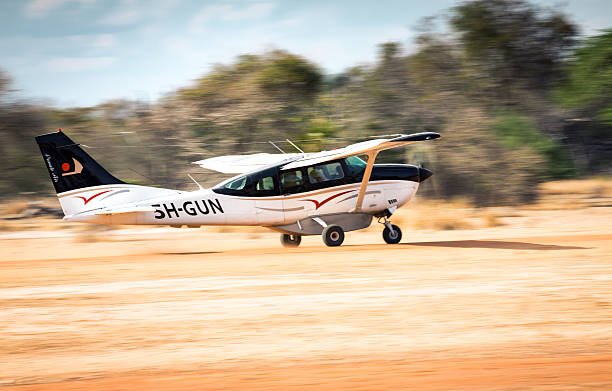

What Defines a Northwestern Tanzania Safari?
A Northwestern Tanzania safari is more than just a trip; it’s an immersion into one of the planet’s most vibrant ecosystems. This region, often referred to as the ‘Northern Circuit,’ is home to Tanzania’s most famous national parks and conservation areas. Unlike southern safaris that might focus on the Selous Game Reserve or Ruaha National Park, the northwest is renowned for its sheer density of wildlife, dramatic landscapes, and the spectacular annual Great Migration. The parks here – notably the Serengeti and the Ngorongoro Crater – offer a concentrated wildlife experience that is hard to match anywhere else in the world. For travelers in 2026-2027 looking for iconic safari experiences, this area remains the benchmark.
The defining characteristic of a Northwestern Tanzania safari is the concentration of diverse habitats and the resulting abundance of animal life. You have the endless plains of the Serengeti, the unique, ancient caldera of Ngorongoro, the elephant-filled woodlands of Tarangire, and the diverse birdlife and primates of Lake Manyara. This geographical richness supports a staggering array of species, from the charismatic Big Five (lion, leopard, elephant, rhino, buffalo) to countless other mammals and birds. The sheer scale and drama of the landscape, coupled with the sheer volume of wildlife, create a sensory experience that is both humbling and exhilarating. It’s the kind of safari that consistently delivers incredible sightings and photographic opportunities, making it a prime choice for first-time visitors and seasoned safari-goers alike.
Furthermore, the Northwestern Tanzania safari circuit is logistically well-developed, making it accessible for a range of travelers. Most safaris begin and end in Arusha, the gateway city, with Kilimanjaro International Airport (JRO) serving as the primary entry point. This accessibility means that planning and executing a safari here is relatively straightforward, though the sheer popularity requires booking well in advance, especially for peak seasons in 2026 and 2027.
Why Choose Northwestern Tanzania for Your 2026-2027 Safari?
When considering a safari destination, Tanzania’s northern circuit consistently ranks at the top for good reason. The combination of world-class parks, exceptional wildlife density, and the sheer drama of its natural spectacles makes it a compelling choice for any safari enthusiast planning a trip in 2026 or 2027. The opportunities for unforgettable encounters are amplified by the region’s diverse ecosystems, each offering unique viewing experiences.
The Serengeti National Park: An Everlasting Wonder
The Serengeti is, without question, the crown jewel of Northwestern Tanzania. Its name, derived from the Maasai word ‘Siringet’ meaning ‘endless plains,’ perfectly captures its vast, sweeping landscapes. This iconic park is perhaps most famous for hosting the Great Migration, an annual movement of over 1.5 million wildebeest, zebras, and gazelles as they traverse the plains in search of fresh grazing. Witnessing millions of animals on the move, a river of life flowing across the savanna, is a profoundly moving experience.
Beyond the migration, the Serengeti boasts an exceptionally high concentration of predators. Lions are abundant, often seen lounging in prides or stalking prey on the open plains. Cheetahs are frequently spotted on the vast grasslands, and leopards, though more elusive, can be found in areas with trees and kopjes (rocky outcrops), particularly in the central and western regions. The sheer density of wildlife means that game drives here are almost guaranteed to be eventful. Whether it’s observing a pride of lions defending their territory, a cheetah making a lightning-fast kill, or a herd of elephants moving majestically across the savanna, the Serengeti offers continuous opportunities for awe-inspiring sightings.
The park’s size means different areas offer different experiences throughout the year. The Seronera Valley in the central Serengeti is known for resident wildlife year-round, making it a reliable spot for leopard sightings. The Western Corridor becomes a focal point during the migration’s river crossings in May and June. The Northern Serengeti, along the Mara River, is a prime location for witnessing dramatic river crossings from July to October. Understanding these seasonal movements is key to crafting a successful 2026-2027 Serengeti safari.
The Ngorongoro Conservation Area: Africa’s Eden
Adjacent to the Serengeti, the Ngorongoro Conservation Area (NCA) is a UNESCO World Heritage Site and a place of extraordinary natural beauty and biodiversity. Its centerpiece is the Ngorongoro Crater, a vast volcanic caldera that spans approximately 260 square kilometers. Unlike typical national parks, the NCA allows for human habitation by the Maasai people, creating a unique co-existence of wildlife and pastoralists. However, within the crater floor itself, a strictly controlled wildlife viewing environment exists.
The Ngorongoro Crater is often described as a natural enclosure, home to an incredible density of wildlife. It is one of the few places in Tanzania where you can reliably see all of the Big Five in a single day, including the critically endangered black rhinoceros. The crater floor is a mosaic of grasslands, swamps, forests, and a soda lake, providing a diverse habitat that supports an estimated 30,000 animals. The sheer concentration means that game drives within the crater are highly rewarding, with opportunities to witness lions, elephants, buffalo, hippos, and a variety of antelopes up close.
The advantage of the Ngorongoro Crater is its compact size and high wildlife density, making it ideal for shorter visits or for those who want a guaranteed spectacular wildlife experience. It’s also a fantastic destination for birdwatchers, with over 400 species recorded. The dramatic landscape, with the crater rim towering above, adds to the visual splendor. For many, the Ngorongoro Crater is the pinnacle of their Northwestern Tanzania safari, offering a concentrated dose of Africa’s wild heart.
Tarangire National Park: Land of Elephants
Tarangire National Park, located south of the main Serengeti-Ngorongoro circuit, is often a highlight of any Northwestern Tanzania safari, particularly during the dry season. This park is renowned for its massive elephant herds, which can number in the hundreds. During the dry months, Tarangire River becomes one of the few reliable water sources in the region, attracting a huge congregation of wildlife, including these gentle giants.
Beyond elephants, Tarangire offers a diverse range of wildlife. It’s a great place to spot lions, leopards, cheetahs, giraffes, zebras, wildebeest, and a variety of smaller mammals. The park is also a haven for birdlife, with over 550 species recorded, making it a paradise for ornithologists. The landscape is characterized by its vast baobab trees, acacia woodlands, and rocky hills, providing a different visual aesthetic compared to the open plains of the Serengeti.
Tarangire is particularly recommended as a starting point for a Northern Circuit safari, especially between June and October, when the concentration of animals is at its peak. The park’s rugged beauty and abundant wildlife make it an essential component of a comprehensive Northwestern Tanzania safari experience.
Lake Manyara National Park: Tree-Climbing Lions
Lake Manyara National Park is a relatively small but incredibly diverse park, famous for its large population of baboons, its tree-climbing lions, and its vibrant birdlife. Situated at the foot of the Great Rift Valley, the park offers a varied landscape of groundwater forest, acacia woodlands, and the shallow alkaline lake itself.
The park is most celebrated for its unique tree-climbing lions, a behavior that is not fully understood but is thought to be an adaptation to escape the heat and the tsetse flies on the ground. While sightings are never guaranteed, spotting a lion resting on the branches of a large acacia tree is an iconic Manyara experience. The park is also home to large herds of elephants, buffalo, giraffes, zebras, and a variety of antelopes.
The lake attracts a spectacular array of birdlife, including thousands of pink-hued flamingos, pelicans, storks, and many more. The groundwater forest provides a lush, green contrast to the drier savannas and is a fantastic place for primate viewing, with large troops of baboons and various monkeys.
Lake Manyara is often included in 3- to 5-day Northern Circuit itineraries, serving as an excellent introduction to Tanzania’s wildlife and offering a different ecosystem to explore. Its accessibility from Arusha makes it a convenient addition to any Northwestern Tanzania safari.
Other Gems in the North
While Serengeti and Ngorongoro dominate, the Northern Circuit offers other compelling destinations. **Mkomazi National Park**, for instance, is a vital conservation area, particularly for black rhinos and wild dogs, offering a more rugged and less crowded experience. **Arusha National Park**, easily accessible from the city of the same name, provides stunning views of Mount Meru and is ideal for walking safaris and seeing colobus monkeys.
For those interested in cultural experiences, the areas surrounding these parks offer opportunities to visit Maasai villages or engage with local communities. These interactions, when done respectfully and ethically, can add a rich human dimension to your Northwestern Tanzania safari, offering insights into the traditional lifestyles of people who have lived alongside this incredible wildlife for centuries. Planning these encounters should be part of your safari arrangement to ensure authenticity and respect.
Planning Your Northwestern Tanzania Safari in 2026-2027
Successful planning is the bedrock of an unforgettable safari. For a Northwestern Tanzania safari in 2026-2027, understanding the nuances of timing, itinerary design, accommodation choices, and logistics is crucial. This region is popular, so early booking is essential to secure preferred dates, lodges, and safari vehicles.
Best Time to Visit Northwestern Tanzania
The ‘best’ time for a Northwestern Tanzania safari depends on what you want to see and experience. Generally, the dry seasons, from **June to October** and **January to February**, are considered prime times. During these months, wildlife congregates around permanent water sources, making game viewing more predictable.
* **June to October (Dry Season):** This is the most popular period. Skies are clear, temperatures are pleasant, and the landscape is drier, concentrating animals. It’s also the peak season for river crossings in the Serengeti during the Great Migration (typically July-October). This is also a key period for visiting Tarangire, as the river attracts massive herds.
* **November to December (Short Rains):** The landscape turns green, and the light is beautiful. Wildlife disperses somewhat but remains plentiful. Birdlife is excellent, with migratory birds arriving. This can be a good time for photographers and those seeking fewer crowds.
* **January to February (Long Rains – calving season):** This period is characterized by short, intense rains, usually in the afternoons. The southern Serengeti becomes a focal point as wildebeest give birth to their calves. This ‘calving season’ offers incredible predator-prey action. It’s also a great time for birdwatching and can be more affordable due to lower demand.
* **March to May (Long Rains):** This is the ‘green season’ or ‘rainy season.’ While some roads might become difficult to navigate, the landscapes are lush and stunning. Wildlife is more dispersed, and tourist numbers are low, offering a more exclusive experience. However, some camps might close during this period.
For 2026-2027, it’s important to note that weather patterns can be unpredictable. However, the general trends for dry and wet seasons usually hold true. For those prioritizing the Great Migration river crossings, **July to October** remains the optimal window.
Understanding the Great Migration Timing
The Great Migration is a year-round phenomenon, but its location shifts continuously. Understanding this movement is key to planning your Serengeti experience, especially if seeing it is a priority for your 2026-2027 safari.
* **December – March:** The wildebeest are in the southern Serengeti and Ndutu area (which straddles the border with the Ngorongoro Conservation Area), calving season. This is a prime time for predator sightings.
* **April – May:** The herds begin to move north and west, often forming huge columns. This is the ‘long rains’ period, and the migration can be dispersed.
* **June – July:** The herds reach the Western Corridor and Grumeti River. River crossings here are dramatic but generally smaller than those at the Mara River.
* **July – October:** The main event: the herds cross the Mara River into the Northern Serengeti. These are the most famous and dramatic river crossings, with crocodiles waiting. This is the peak viewing time for river crossings.
* **November:** The herds begin their journey south, heading back towards the short-grass plains of the south.
While specific timing can vary by a few weeks each year, these are the general patterns. A good safari operator will advise on the best regions to be in for your specific travel dates in 2026 or 2027 to maximize your chances of witnessing the migration.
Safari Itinerary Options for Northwestern Tanzania
Northwestern Tanzania safaris can be tailored to fit various durations and interests. The ‘Northern Circuit’ typically includes Tarangire, Lake Manyara, Ngorongoro Crater, and the Serengeti. The length of your safari will dictate how many of these you can comfortably visit and how much time you can spend in each.
Classic Northern Circuit Itineraries
These are the most popular itineraries, offering a comprehensive experience of the region’s highlights.
Short Safaris (3-5 Days)
Ideal for those with limited time, these safaris typically cover 1-2 parks. A common 3-day itinerary might include:
* Day 1: Arrive Kilimanjaro Airport (JRO), transfer to Arusha. Afternoon city tour or relaxation.
* Day 2: Drive to Tarangire National Park for a full day of game viewing. Overnight near Tarangire.
* Day 3: Morning game drive in Tarangire or drive to Lake Manyara for a short game drive. Transfer back to Arusha or JRO for departure.
A 4 or 5-day option could add the Ngorongoro Crater for a day trip or an overnight stay, offering a glimpse into this unique ecosystem.
Medium-Length Safaris (6-8 Days)
These itineraries allow for a more in-depth exploration of the Northern Circuit, typically including:
* Day 1: Arrive JRO, transfer to Arusha.
* Day 2: Drive to Tarangire National Park, full-day game drive, overnight.
* Day 3: Drive to Lake Manyara National Park, game drive, then ascend to the Ngorongoro Highlands for overnight.
* Day 4: Descend into the Ngorongoro Crater for a full-day game drive. Overnight on the crater rim or in Karatu.
* Day 5: Drive to Serengeti National Park, stopping for game viewing en route. Overnight in Central Serengeti.
* Day 6: Full day game drives in Serengeti. Overnight in Central Serengeti.
* Day 7: Morning game drive in Serengeti, then fly from a Serengeti airstrip to Arusha or Kilimanjaro.
* Day 8: Departure.
An 8-day safari might add an extra day in the Serengeti or explore a different region like the Western Corridor or Northern Serengeti, depending on the migration’s location.
Long Safaris (9-14 Days)
For the ultimate Northwestern Tanzania safari experience, longer itineraries allow for deeper exploration, more time in each park, and potentially visiting more remote areas or combining with other activities like Kilimanjaro trekking or Zanzibar beach holidays.
A 10-day safari might include:
* Days 1-2: Arusha and Tarangire
* Days 3-4: Lake Manyara and Karatu/Ngorongoro
* Days 5-7: Serengeti (Central, potentially moving to North or West based on migration)
* Day 8: Fly from Serengeti to Zanzibar or back to Arusha.
* Days 9-10: Zanzibar or buffer day/departure.
These longer trips provide flexibility to adapt to wildlife movements and allow for more relaxed game drives, photography opportunities, and enjoying the lodge or camp experience.
Special Interest Safaris
* **Photographic Safaris:** These often use custom-built 4×4 safari vehicles with pop-up roofs and beanbags, and guides experienced in wildlife photography. Longer stays in specific areas are common.
* **Birdwatching Safaris:** Focus on parks known for avian diversity like Lake Manyara and Tarangire, with guides knowledgeable in bird identification.
* **Walking Safaris:** Available in certain areas of the NCA and private conservancies, offering a different perspective on the bush.
Accommodation Styles on a Northwestern Tanzania Safari
Your choice of accommodation significantly impacts your safari experience and budget. Northwestern Tanzania offers a spectrum from ultra-luxury to rustic camping.
Luxury Lodges
These are permanent structures, often built with high-end materials, offering amenities like swimming pools, fine dining, spacious suites, and impeccable service. They provide comfort and elegance in stunning locations, often with panoramic views. Examples include lodges on the crater rim of Ngorongoro or within the Serengeti plains. They are ideal for those seeking a pampered experience and are usually the most expensive option.
Tented Camps and Mobile Camps
Tented camps offer a more intimate connection with nature while still providing significant comfort. They range from luxurious ‘glamping’ experiences with en-suite bathrooms and king-sized beds to more rustic but still comfortable setups. Mobile camps are set up in strategic locations that follow the Great Migration, offering an unparalleled proximity to the action. These camps often feature canvas tents with comfortable furnishings, en-suite facilities (sometimes shared), and communal dining areas, creating a cozy and authentic atmosphere. They strike a good balance between comfort and wilderness immersion.
Budget Camping Safaris
These safaris involve staying in public or special campsites within or near national parks. Travelers sleep in tents provided by the safari operator, often with basic amenities like shared ablution blocks. Meals are typically prepared by a safari cook. This is the most economical option and is suitable for adventurous travelers who prioritize wildlife viewing over luxury. It offers a raw, authentic safari experience, sleeping under the stars with the sounds of the bush around you.
Transportation and Game Drives
Most Northwestern Tanzania safaris utilize 4×4 safari vehicles, typically Land Cruisers or Land Rovers, modified for game viewing. These vehicles are equipped with pop-up roofs for unobstructed views and photography, and often have comfortable seating. You’ll usually have a dedicated driver-guide for the duration of your safari.
Game drives are the primary activity. They can be full-day affairs or shorter morning and afternoon sessions. Your driver-guide is crucial – they are trained to spot wildlife, navigate the parks, and provide insights into animal behavior and the local environment. It’s important to listen to their advice regarding safety and etiquette within the parks. For 2026-2027 safaris, ensure your vehicle is well-maintained and your guide is experienced.
Packing Essentials for Your Safari
Packing smartly is key to a comfortable safari. Layering is essential as temperatures can vary significantly between day and night, and at different altitudes.
* Clothing: Neutral colors (khaki, beige, olive green) are best to avoid startling wildlife. Avoid bright colors and dark blue or black (which can attract tsetse flies).
* Lightweight long-sleeved shirts and trousers for sun protection and insect deterrence.
* T-shirts and shorts for warmer days.
* A warm fleece or jacket for cool mornings and evenings.
* A waterproof and windproof jacket.
* Comfortable walking shoes or hiking boots (if planning any walking activities).
* Sandals or flip-flops for camp.
* A wide-brimmed hat for sun protection.
* Gear:
* Binoculars (essential for spotting distant wildlife).
* Camera with extra batteries and memory cards.
* Sunscreen (high SPF).
* Insect repellent with DEET.
* Personal first-aid kit.
* Hand sanitizer.
* Reusable water bottle.
* Adapter for electronics.
* Documents: Passport, visa (if required), travel insurance details, vaccination certificates, flight information, and safari itinerary.
Remember to pack light, as luggage space in safari vehicles can be limited. Most operators have specific luggage weight restrictions, often around 15-20 kg per person in soft bags.
What to Expect on Your Northwestern Tanzania Safari
Beyond the incredible wildlife, a Northwestern Tanzania safari offers a rich mix of experiences. Understanding what to expect in terms of animal behavior, cultural encounters, safety, and responsible tourism will enhance your journey.
Wildlife Sightings and Photography
Northwestern Tanzania is renowned for its high wildlife density, meaning you are almost guaranteed to see a wide variety of animals. However, wildlife viewing is never guaranteed, and patience is key. The best sightings often occur during the early morning and late afternoon game drives when animals are most active.
* Predator-Prey Dynamics: Witnessing lions hunting, cheetahs chasing, or hyenas scavenging is a highlight. The calving season in southern Serengeti (Jan-Feb) offers particularly intense predator action.
* Birdlife: The region is a paradise for birdwatchers, with numerous endemic and migratory species. Keep your binoculars ready!
* Photography: The light in Tanzania is often spectacular, especially during the golden hours of sunrise and sunset. The open plains of the Serengeti and the crater floor of Ngorongoro offer incredible photographic opportunities. However, remember that many animals are large, and capturing their behavior and majesty requires skill and patience. Long lenses are highly recommended. Be mindful of flash photography, which is often prohibited as it can disturb animals.
Cultural Interactions
While the focus is often on wildlife, Northwestern Tanzania also offers opportunities to connect with local cultures, particularly the Maasai people. Many safaris include visits to Maasai villages or cultural heritage centers. These visits provide a glimpse into traditional Maasai life, their customs, and their relationship with the land and wildlife. It’s crucial to approach these interactions with respect and openness. Ensure your chosen operator facilitates these visits ethically, benefiting the community and providing an authentic experience rather than a staged performance. Understanding local customs and traditions will enrich your journey immensely.
Health and Safety Considerations
Your health and safety are paramount for a successful safari. It’s advisable to consult your doctor or a travel clinic 4-6 weeks before your trip regarding:
* Vaccinations: Routine vaccinations should be up-to-date. Yellow fever vaccination is often required for entry into Tanzania, especially if arriving from or transiting through a country with a risk of yellow fever transmission. A certificate is usually needed.
* Malaria: Tanzania is a malaria-endemic country. Antimalarial medication is recommended. Use insect repellent, wear long sleeves and trousers at dawn and dusk, and sleep under mosquito nets.
* Food and Water: Drink only bottled or purified water. Be cautious with uncooked food, especially salads, and ensure food is cooked thoroughly.
* Safari Safety: Always follow your guide’s instructions. Do not leave the vehicle while on game drives unless specifically permitted by your guide in a safe location. Maintain a safe distance from wildlife, especially large and potentially dangerous animals like elephants and lions. Do not feed wild animals.
* Altitude: Arusha and the Ngorongoro Crater rim are at high altitudes. Take it easy on your first day and stay hydrated.
For 2026-2027 travel, stay informed about any updated health advisories from official sources.
Environmental Responsibility on Safari
As visitors to some of the world’s most precious natural habitats, practicing responsible tourism is vital. This includes:
* Waste Management: Pack out everything you pack in. Avoid single-use plastics. Use reusable water bottles and containers.
* Respecting Wildlife: Maintain a respectful distance. Do not disturb animals by honking, shouting, or throwing objects. Avoid using flash photography directly at animals.
* Supporting Local Communities: Choose operators that employ local guides and staff and contribute to community development projects.
* Conservation Efforts: Understand that park fees contribute to conservation. Support lodges and camps that have strong sustainability practices.
By being mindful of your impact, you help preserve these incredible landscapes and wildlife for future generations, including those planning safaris in 2026 and 2027.
Choosing the Right Safari Operator for Your Northwestern Tanzania Trip
Selecting a reputable safari operator is one of the most critical decisions you’ll make when planning your Northwestern Tanzania safari. The right operator can transform a good trip into an exceptional one, handling all the logistics, providing expert guides, and ensuring your safety and comfort. For a trip in 2026 or 2027, it’s wise to start your research early.
Why Climb 4 Africa for Your Safari?
Climb 4 Africa specializes in creating unforgettable African travel experiences, with a deep understanding of Tanzania’s diverse offerings, including its world-renowned safaris. As a local Tanzanian company, we bring invaluable on-the-ground knowledge and a commitment to authentic, responsible tourism. Our expertise in the Northwestern Tanzania safari circuit means we can craft bespoke itineraries that maximize your chances of incredible wildlife encounters while ensuring your comfort and safety.
We pride ourselves on:
* Local Expertise: Our guides and staff are from Tanzania, possessing intimate knowledge of the parks, wildlife patterns, and cultural nuances. This local insight is invaluable for a truly authentic experience.
* Tailor-Made Itineraries: We don’t believe in one-size-fits-all. We work closely with you to design a safari that perfectly matches your interests, budget, and travel style, whether you’re dreaming of a luxury lodge stay or an adventurous camping trip.
* Quality Vehicles and Guides: We maintain a fleet of well-equipped 4×4 safari vehicles and employ experienced, knowledgeable, and friendly driver-guides who are passionate about sharing Tanzania’s wonders.
* Commitment to Conservation and Community: We are dedicated to responsible tourism practices that benefit both the environment and local communities.
* Practical Support: From initial planning to your departure, we provide clear communication and practical support. You can reach us directly via WhatsApp at +255 747 477 898 or email at climb4africa@gmail.com for personalized advice and quotes.
We understand the intricacies of Northwestern Tanzania safaris, from timing the Great Migration to securing the best accommodations. Let us help you plan your dream safari for 2026 or 2027.
What to Confirm Before Booking
When comparing operators or making your final decision, always confirm the following:
* Inclusions and Exclusions: What is precisely included in the price? (e.g., park fees, meals, accommodation, activities, drinks, tips, park entry for vehicles). Clear understanding prevents surprises.
* Vehicle Type: Ensure you are getting a 4×4 safari vehicle suitable for the terrain and group size.
* Guide Experience: Inquire about the qualifications and experience of your driver-guide.
* Accommodation Details: Confirm the specific lodges or camps you will be staying in and their amenities.
* Cancellation Policy: Understand the terms and conditions for cancellations and postponements, especially important for planning trips years in advance like for 2026-2027.
* Payment Schedule: Clarify the deposit amount and payment deadlines.
* Insurance Requirements: What travel insurance is mandatory?
* Emergency Procedures: What is the operator’s plan in case of medical emergencies or vehicle breakdowns?
Asking these questions will ensure you are well-informed and confident in your booking.
Cost Considerations for a Northwestern Tanzania Safari in 2026-2027
Northwestern Tanzania safaris can range significantly in price, depending on several factors. Understanding these elements helps in budgeting for your 2026-2027 adventure.
Key cost drivers include:
* Duration of Safari: Longer safaris naturally cost more.
* Accommodation Style: Luxury lodges are considerably more expensive than mid-range tented camps, which are more costly than budget camping. For 2026-2027, expect luxury options to be in the range of $800 – $2000+ per person per day, mid-range tented camps around $400 – $800 per person per day, and budget camping from $200 – $350 per person per day.
* Park Fees: These are substantial and vary by park. For example, Serengeti entry fees are around $70 per person per day, and Ngorongoro Crater fees are around $300 per vehicle plus $70 per person per day.
* Vehicle and Guide Costs: Hiring a private 4×4 safari vehicle with a guide is a significant part of the budget, often ranging from $300 to $600+ per day, depending on the vehicle type and season.
* Time of Year: Peak season (June-October) is generally more expensive than the low season (March-May).
* Group Size: Private safaris are more expensive per person than joining a group safari.
* Inclusions: Safaris that include all meals, drinks, and activities will cost more than those with fewer inclusions.
For a typical 7-day Northwestern Tanzania safari in 2026-2027, a mid-range experience might cost between $3,500 to $6,000 per person, while a luxury trip could easily exceed $7,000 to $10,000+ per person. Budget camping safaris can be found for $1,500 to $2,500 per person for a similar duration.
It’s always best to get a detailed quote from your chosen operator, specifying your desired dates, duration, accommodation style, and any special requests. Contacting Climb 4 Africa at climb4africa@gmail.com or +255 747 477 898 will provide you with a personalized quote based on your specific needs for your 2026-2027 safari.
Booking Your Northwestern Tanzania Safari for 2026-2027
With the allure of Tanzania’s vast plains and abundant wildlife, planning your Northwestern Tanzania safari for 2026 or 2027 is an exciting prospect. To ensure you secure the best experiences and accommodations, especially for popular times like the Great Migration season, it’s advisable to book well in advance. For peak seasons, booking 9-12 months ahead is recommended.
When you’re ready to turn your safari dreams into reality, reach out to Climb 4 Africa. We specialize in crafting personalized safari experiences that capture the magic of Northwestern Tanzania. Our team is ready to discuss your interests, budget, and ideal travel dates for 2026-2027. We’ll guide you through itinerary options, accommodation choices, and the finer details that make a safari truly exceptional.
To begin planning your unforgettable journey, contact us via:
* WhatsApp: +255 747 477 898
* Email: climb4africa@gmail.com
Let us help you create a tailor-made Northwestern Tanzania safari that will be a cherished memory for years to come. Your adventure awaits!
Check Availability for Northwestern Tanzania Safari: The Ultimate Guide For 2026-2027
Ready to compare dates, prices, and the best option for your group? Send the package name and travel month so the team can reply with a clear quote, availability, and what is included.
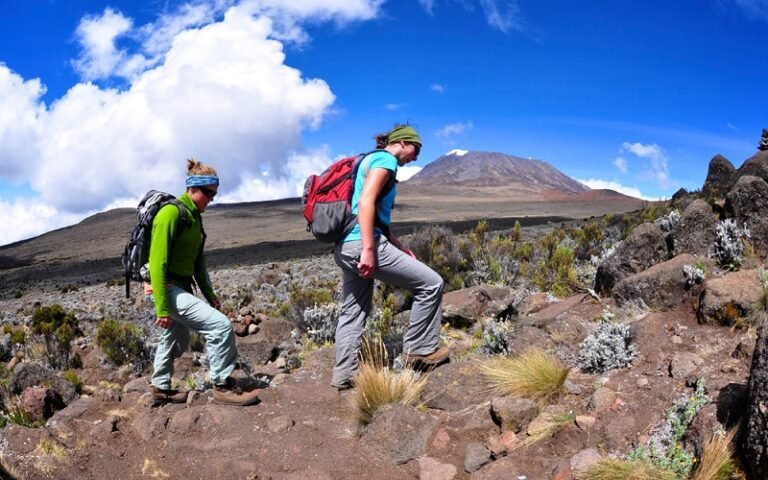
Kilimanjaro And Great Migration Safari July : Your Ultimate Tanzanian
Combining a Kilimanjaro climb with a Great Migration safari in July 2027 offers a spectacular Tanzanian adventure. This guide helps you plan your ideal itinerary, considering the best...
View package details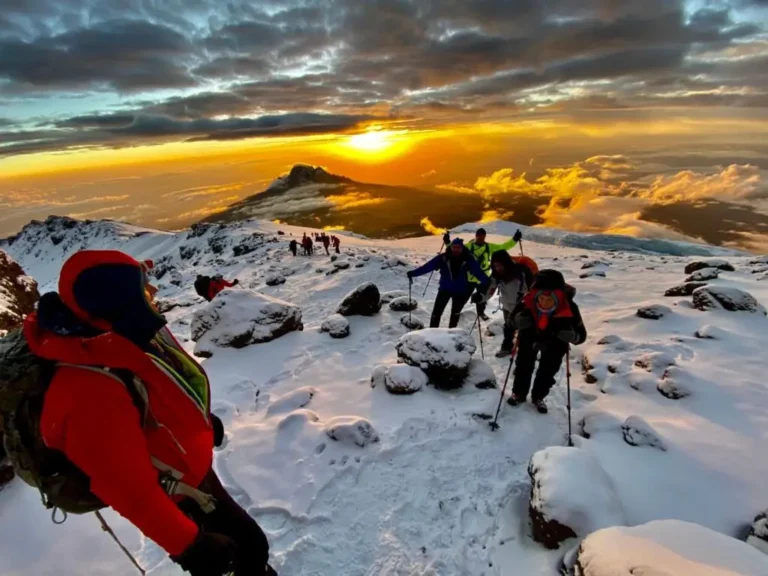
Kilimanjaro And Grumeti Migration Safari June : The Ultimate Tanzanian
Plan your unforgettable Kilimanjaro and Grumeti Migration safari for June 2027. This comprehensive guide details how to combine the challenge of summiting Africa's highest peak with the...
View package details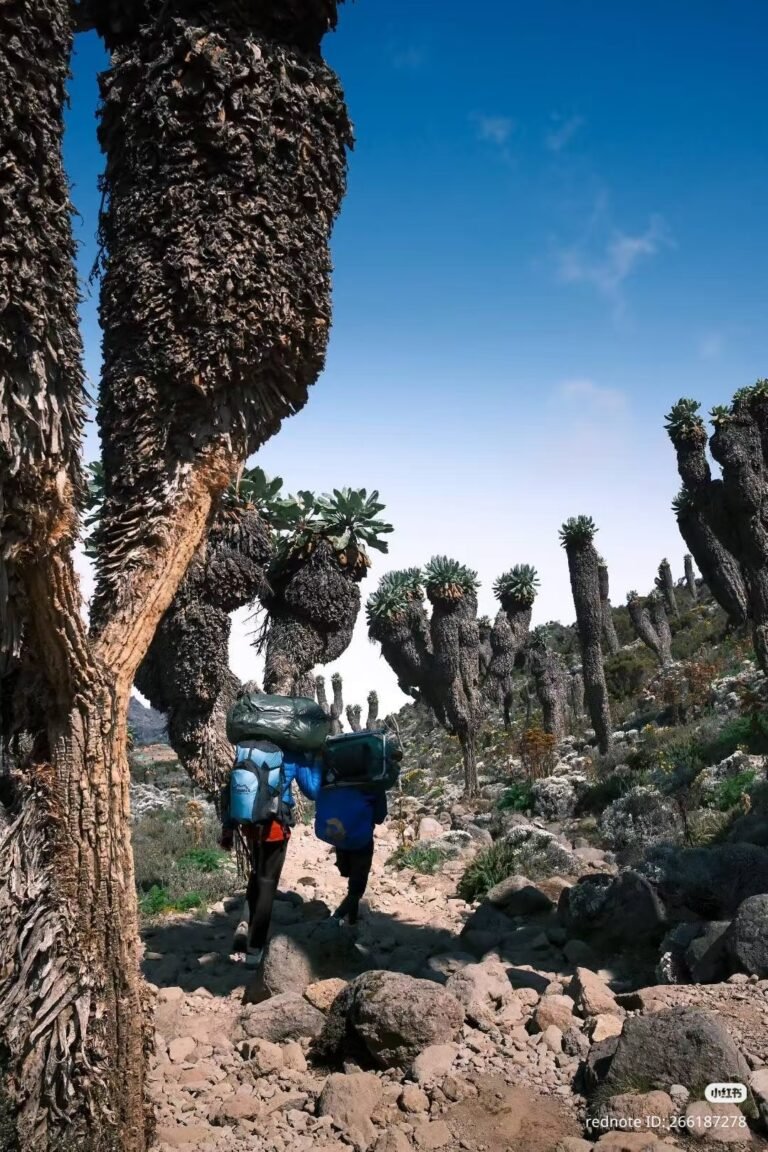
Kilimanjaro Christmas Climb And Tanzania Safari : Your Festive Adventure
Combine the magic of a Christmas ascent of Kilimanjaro with a thrilling Tanzania safari in 2026. Discover how to plan this dual adventure for a truly unique festive season.
View package detailsKilimanjaro And Mara River Crossing Safari August : Peak Season Adventure 2027
Combining the ultimate challenge of climbing Mount Kilimanjaro with the awe-inspiring spectacle of the Great Migration river crossing in the Maasai Mara offers an unparalleled African...
View package details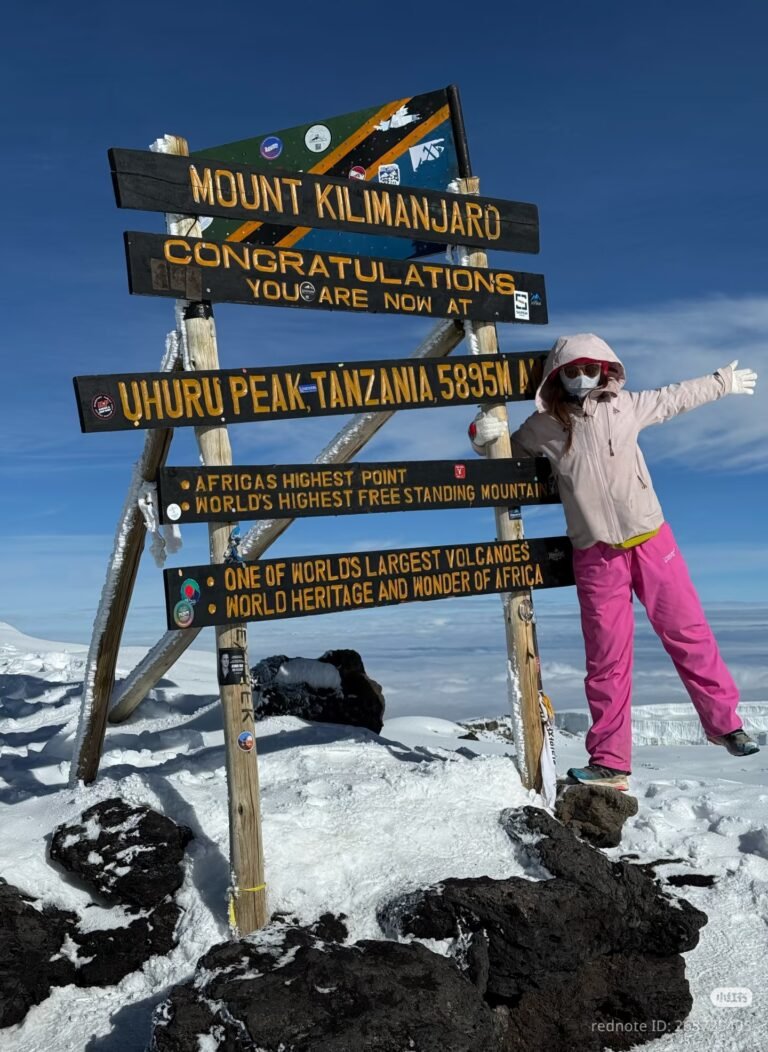
Kilimanjaro And Great Migration Safari August : Your Peak Season Adventure
Plan your ultimate Tanzanian adventure in August 2027, combining a Kilimanjaro climb with the spectacle of the Great Migration. This guide details the best timings, routes, and safari...
View package detailsKilimanjaro And Mara River Crossing Safari July 2027
Kilimanjaro and Mara River Crossing Safari July 2027 is explained with current 2027 planning, price, itinerary and booking information.
View package details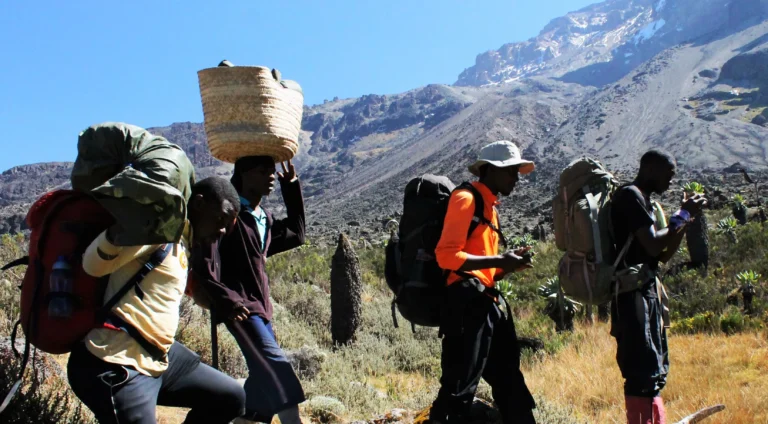
Best Kilimanjaro And Serengeti Calving Season Safari March 2027
Discover the magic of a March 2027 Kilimanjaro and Serengeti calving season safari. This guide explores the unique advantages and considerations for experiencing Tanzania's wildlife...
View package details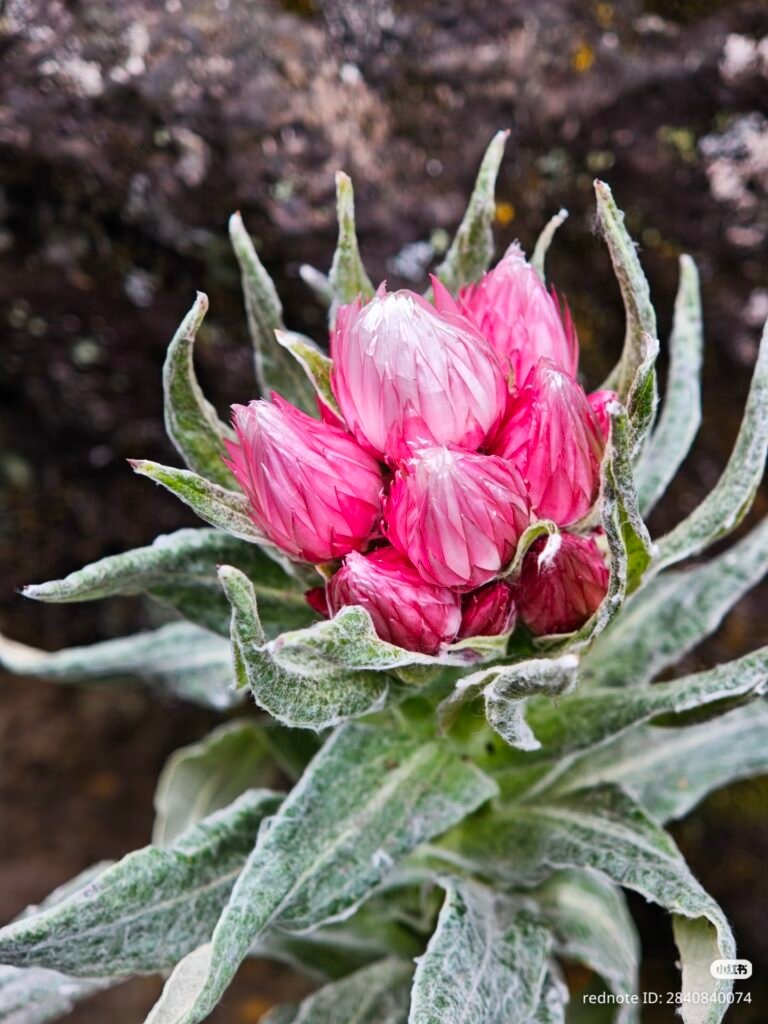
Kilimanjaro And Serengeti Calving Safari February : The Ultimate Planning
Combine the majesty of Mount Kilimanjaro with the impressive spectacle of the Serengeti's calving season in February 2027. This guide details how to plan this dual adventure, focusing on...
View package details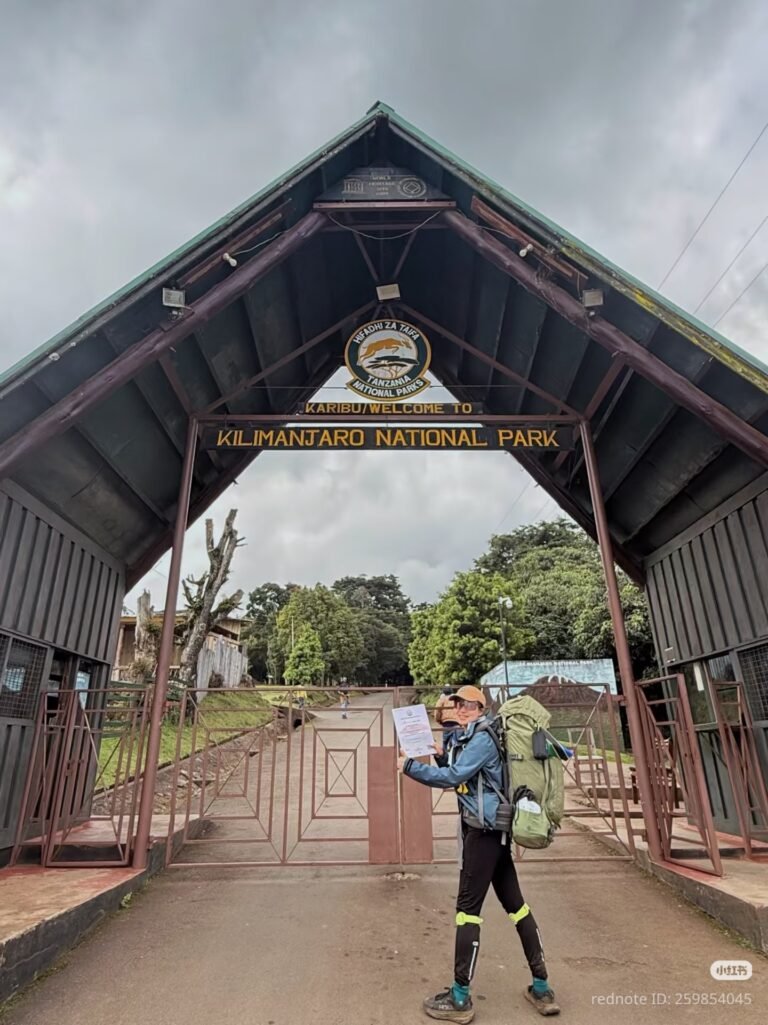
Kilimanjaro And Serengeti Calving Safari January 2026-2027
Kilimanjaro and Serengeti Calving Safari January 2027 is explained with current 2026-2027 planning, price, itinerary and booking information.
View package detailsNo related package matches those filters. Clear one or more filters to see the other topic-matched options.



