
A Kagera Wildlife Tour offers a distinct Tanzanian safari experience, focusing on the vast, less-explored Kagera National Park and its surrounding areas, known for its diverse birdlife, primates, and classic savannah mammals, providing a more tranquil and authentic encounter with nature away from the typical tourist trails. Planning a trip for 2026 or 2027 involves understanding its unique ecosystem, the best times to visit for optimal wildlife viewing, and how to arrange an itinerary that maximizes your chances of seeing its special inhabitants.
Introduction to Kagera National Park
Kagera National Park, often overshadowed by its more famous northern circuit counterparts like the Serengeti and Ngorongoro Crater, holds a special allure for those seeking an authentic and less-trodden path in Tanzania. Situated in the far western part of the country, bordering Rwanda and Burundi, its landscape is a dramatic mosaic of acacia woodlands, open grasslands, and the expansive, shimmering waters of Lake Kagera. This unique geographical position contributes to its distinct biodiversity, offering a different flavor of East African wilderness.
The park’s name originates from the Kagera River, which flows through it and forms part of its western boundary. This vital watercourse, along with numerous lakes and swamps, creates a rich wetland ecosystem that supports a remarkable array of wildlife, particularly bird species and primates. Unlike the vast plains of the Serengeti, Kagera is characterized by more varied terrain, offering excellent opportunities for game viewing from both land and water.
For the traveler looking to escape the crowds and experience a more intimate connection with nature, a Kagera Wildlife Tour presents an unparalleled opportunity. It’s a place where the symphony of the wild can be heard without the distant hum of other safari vehicles, where encounters feel personal, and the sheer beauty of the landscape can be absorbed in peace. As we look towards planning trips in 2026 and 2027, Kagera stands out as a destination that promises both adventure and tranquility.
Why Choose a Kagera Wildlife Tour?
Deciding on a safari destination involves many factors, and Kagera National Park offers compelling reasons to be at the top of your list, especially if you’re planning a 2026 or 2027 adventure.
Firstly, the absence of mass tourism is a significant draw. While iconic parks like the Serengeti attract thousands of visitors, Kagera remains relatively untouched. This means more space, more intimate wildlife encounters, and a genuine sense of discovery. You’re not just observing wildlife; you’re experiencing it in a setting that feels wild and untamed, just as it should be.
Secondly, its unique ecosystem sets it apart. Kagera is not a typical savannah park. Its wetlands, rivers, and lakes create a habitat that supports a different mix of species. It’s particularly renowned for its incredible birdlife, making it a paradise for ornithologists and birdwatchers. Beyond birds, you’ll find a healthy population of hippos, crocodiles, elephants, giraffes, zebras, buffaloes, and a variety of antelopes. Primates, including baboons and vervet monkeys, are common, and if you’re lucky, you might spot elusive species like leopards or lions.
Thirdly, the variety of activities available elevates the Kagera experience. Beyond the standard game drives, you can enjoy boat safaris on Lake Kagera, offering a unique perspective on wildlife along the shores, especially hippos and water birds. Fishing is also permitted in designated areas, adding another dimension to your adventure. Walking safaris can provide a more grounded and sensory connection to the bush.
Fourthly, the sheer beauty of the landscape is a major draw. The park boasts stunning vistas, from vast grasslands dotted with acacia trees to the tranquil beauty of the lakes and the winding Kagera River. Sunsets here are often spectacular, painting the sky with vibrant colors over the African wilderness.
Finally, for those planning ahead for 2026 and 2027, choosing Kagera can offer a more exclusive and personalized safari. Tour operators can craft tailor-made itineraries that focus on your specific interests, whether it’s birdwatching, photography, or simply enjoying the peace of the wild. This level of customization is often harder to achieve in more congested parks.
Kagera Wildlife: What to Expect
When you start a Kagera Wildlife Tour, understanding the park’s inhabitants is key to appreciating the experience. Kagera National Park boasts a rich biodiversity, shaped by its unique wetland and savannah environment. While it might not have the sheer density of large predators found in some other Tanzanian parks, it offers a compelling array of wildlife that makes every game drive, boat trip, or walk a potential discovery.
Mammals of Kagera
The mammal population in Kagera is diverse and fascinating. The park is home to a significant number of hippos, often seen in large pods in the lakes and rivers, providing incredible viewing opportunities, especially from a boat. Crocodiles are also abundant, basking on riverbanks or lurking in the water. Large herds of elephants are a common sight, moving through the woodlands and grasslands. You’ll also find substantial populations of giraffes, their elegant forms silhouetted against the sky, and herds of zebras grazing alongside various species of antelopes, including impalas, bushbucks, waterbucks, and the majestic eland. Buffaloes are also present, often found near water sources.
While Kagera is not primarily known as a predator hotspot, it is home to lions, though sightings can be infrequent and require luck and skilled tracking. Leopards are also present, being more elusive and nocturnal. Cheetahs are rare. Other predators include spotted hyenas and serval cats. Smaller mammals like warthogs, bushpigs, mongeese, aardvarks, and various species of hares and rodents are also part of the park’s ecosystem, contributing to its vibrant food web.
Avian Wonders: Birdlife in Kagera
Kagera National Park is a true paradise for birdwatchers, often cited as one of Tanzania’s premier birding destinations. The variety of habitats—from open grasslands and acacia woodlands to papyrus swamps and open water—supports an astonishing diversity of avian life. Over 600 bird species have been recorded here, making it a highlight for any Kagera Wildlife Tour, especially for those with a keen interest in ornithology.
Expect to see a wealth of water birds, including numerous species of kingfishers, herons (like the Goliath Heron and Grey Heron), egrets, storks (including the Saddle-billed Stork), and pelicans. The park is famous for its populations of the Shoebill stork, a prehistoric-looking bird that is a sought-after sighting for many visitors. You’ll also encounter various ducks, geese, and waders.
In the woodlands and grasslands, look out for raptors such as eagles and falcons. Colorful species like bee-eaters, rollers, sunbirds, and weavers are common. Other notable species include the African Fish Eagle, often seen perched near the water, the striking Malachite Kingfisher, and various woodpeckers and barbets. The variety of habitats ensures that bird species are present year-round, though some migratory species might be more prevalent during certain seasons.
Reptiles and Amphibians
The wetlands and rivers of Kagera are teeming with reptiles. As mentioned, crocodiles are a prominent feature, with large specimens often seen basking in the sun. Various species of snakes inhabit the park, though most are harmless and rarely encountered by visitors. Lizards, including monitor lizards, are also common. The park’s numerous water bodies support a healthy amphibian population, though these are generally more difficult to spot unless you are actively looking for them, particularly during the wet season.
Primates of Kagera
While Kagera is not a primate-specific park like Gombe Stream or Mahale Mountains, it does host several primate species. The most commonly seen are olive baboons and vervet monkeys, which are often encountered along roadsides and in wooded areas. You might also spot blue monkeys and red-tailed monkeys in denser forest patches. The park’s unique habitat also supports other smaller primates, contributing to its overall ecological richness.
Best Time to Visit Kagera National Park
Choosing the right time to visit Kagera National Park can significantly enhance your safari experience, depending on your priorities. The park has distinct wet and dry seasons, each offering different advantages for wildlife viewing and activities. When planning for 2026 and 2027, consider these factors carefully.
Dry Season (June to October)
The dry season is generally considered the prime time for game viewing in Kagera. During these months, vegetation thins out, making wildlife more visible. Water sources become scarcer, concentrating animals around the remaining rivers and lakes, which also makes them easier to find. This period offers pleasant weather with cooler temperatures and less humidity, making game drives more comfortable.
This is also an excellent time for birdwatching, as resident birds are active, and some migratory species may begin to arrive. The drier conditions make road access easier throughout the park. If your primary goal is to see a wide variety of mammals and enjoy comfortable weather, the dry season is your best bet for a Kagera Wildlife Tour in 2026 or 2027.
Wet Season (November to May)
The wet season brings lush green landscapes, making Kagera incredibly beautiful. However, it also presents some challenges.
* November to December (Short Rains): These months can experience intermittent showers, but often the weather is still quite good for safaris. Wildlife viewing remains decent.
* January to May (Long Rains): This period sees heavier rainfall, which can make some roads impassable, especially in the more remote areas. Wildlife may disperse more widely into the bush as water is plentiful. While this can make spotting larger mammals more challenging, it is an exceptional time for birdwatchers, as migratory birds are present, and resident birds are in breeding plumage and highly active. The lush scenery also makes for stunning photographic opportunities.
If you’re a keen birder or photographer looking for dramatic landscapes and don’t mind the possibility of rain and potentially more challenging road conditions, the wet season can be a rewarding time to visit Kagera. It also tends to be a quieter period, offering an even more exclusive experience.
Planning Your 2026-2027 Trip
When booking your Kagera Wildlife Tour for 2026 or 2027, consider these points:
* Early Booking: Popular lodges and safari packages, especially for the dry season, can book up well in advance. It’s advisable to book at least 6-12 months ahead.
* Flexibility: If traveling during the wet season, build some flexibility into your itinerary to account for potential road closures or changes in wildlife viewing patterns.
* Specific Interests: If birdwatching is your priority, the wet season (especially from November to April) is ideal. For general game viewing and comfortable travel, the dry season (June to October) is recommended.
Kagera Safari Experiences and Activities
A Kagera Wildlife Tour is more than just driving around; it’s about engaging with the wilderness in various dynamic ways. The park’s unique geography lends itself to a range of activities that offer different perspectives and enhance the overall safari adventure.
Game Drives
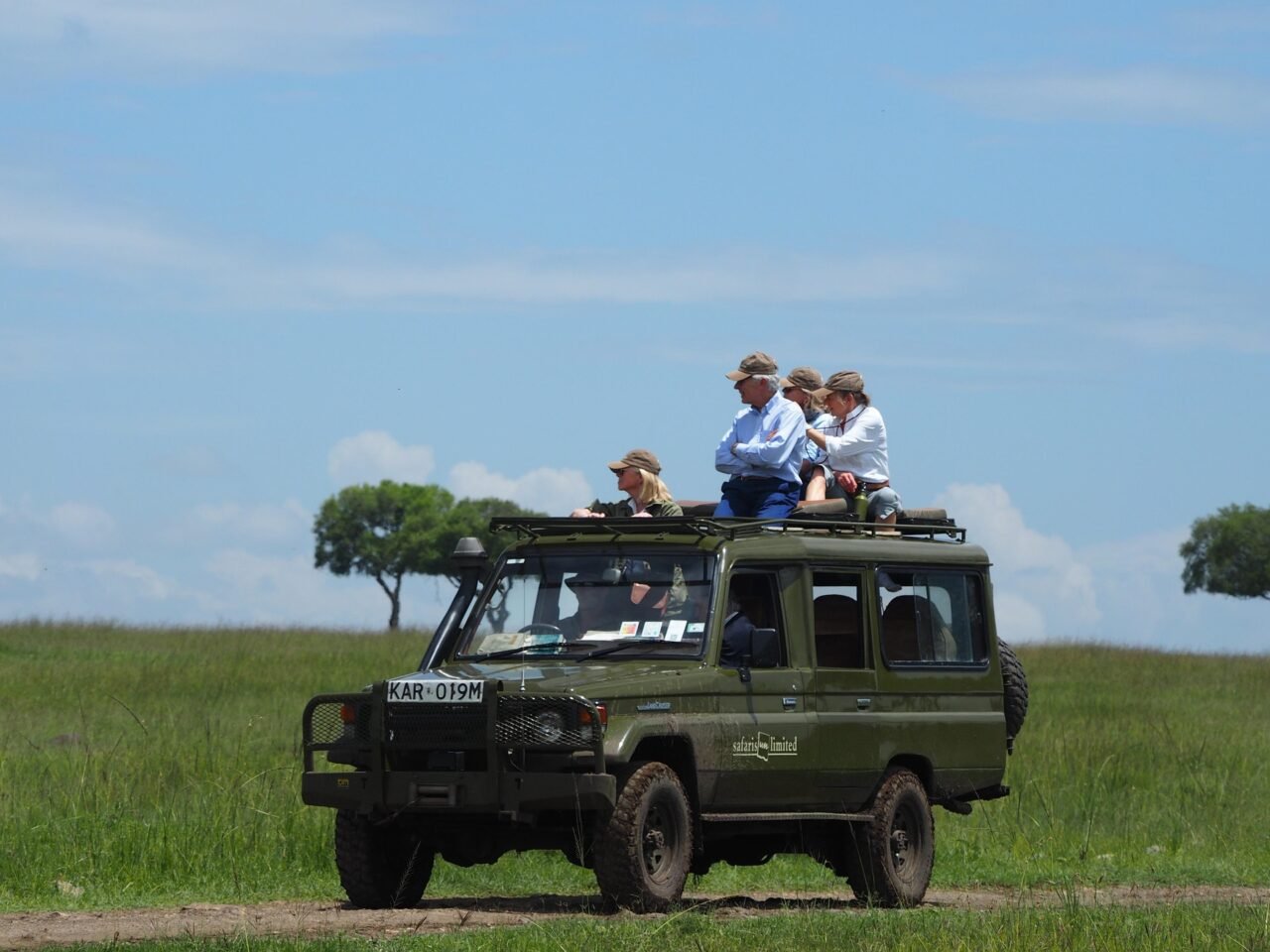
This is the quintessential safari activity. Game drives in Kagera involve exploring the park’s diverse habitats in a 4×4 safari vehicle, typically with a pop-up roof for optimal viewing and photography. Experienced guides will navigate the tracks, using their knowledge of animal behavior and the terrain to locate wildlife. You can expect drives through open grasslands, acacia woodlands, and along the lake shores. Early morning and late afternoon drives are usually the most productive, as animals are most active during these cooler parts of the day.
In Kagera, game drives offer a chance to see mammals like elephants, giraffes, zebras, buffaloes, and various antelopes. While predators like lions are present, they are less commonly sighted than in other parks, so patience and a bit of luck are key. The drives also provide excellent opportunities for birdwatching and enjoying the scenic beauty of the park.
Boat Trips on Lake Kagera
One of the most rewarding experiences unique to Kagera National Park is a boat safari on Lake Kagera. This allows you to explore the park’s aquatic environment and its inhabitants from a different vantage point. The lake is renowned for its large populations of hippos, often seen in pods lounging in the water or on the muddy banks. Crocodiles are also frequently spotted, basking in the sun or gliding through the water.
Birdlife is particularly spectacular from a boat. You can get close (but respectfully so) to various water birds, including pelicans, herons, egrets, and various species of ducks. The elusive Shoebill stork is often seen in the swampy areas accessible by boat. These trips offer a tranquil and in-depth way to experience the park’s rich ecosystem, often accompanied by stunning sunset views over the water.
Fishing in Kagera
For those who enjoy angling, Kagera National Park offers the opportunity for sport fishing in designated areas of Lake Kagera and the Kagera River. This activity is typically arranged in advance and may require special permits. It’s a chance to try your luck at catching species like tilapia and catfish, all while surrounded by the park’s natural beauty and wildlife. This is a niche activity, but it can add a unique dimension to your Kagera Wildlife Tour, especially if you’re looking for something beyond traditional game viewing.
Cultural Visits
While Kagera National Park itself is primarily focused on wildlife, the surrounding regions offer opportunities for cultural immersion. You can arrange visits to local villages to interact with the communities, learn about their traditions, and understand their way of life. These visits provide valuable insights into the human element of the region and can be a poignant contrast to the wilderness experience. Such interactions can be arranged as part of a tailor-made Kagera Wildlife Tour, offering a more holistic view of Tanzania.
Walking Safaris
In certain designated areas and under strict supervision by armed rangers, walking safaris are possible in Kagera. This allows for a much more intimate connection with the environment. You’ll engage all your senses – the smell of the bush, the sounds of the wild, the feel of the earth beneath your feet. Walking safaris are excellent for learning about smaller details often missed from a vehicle, such as tracking, insects, and plant life. It’s a more physically engaging way to explore, offering a different perspective on the park’s ecosystem.
Crafting Your Kagera Wildlife Tour Itinerary
Designing the perfect Kagera Wildlife Tour itinerary requires balancing exploration, relaxation, and the specific interests of the traveler. While Kagera can be visited as a standalone destination, it also pairs wonderfully with other Tanzanian highlights. When planning for 2026 and 2027, consider how much time you have and what you most want to experience.
A Typical Kagera Itinerary (5-7 Days)
A 5- to 7-day trip to Kagera National Park is often sufficient to get a good feel for its diverse offerings.
* Day 1: Arrival & Lake Shore Exploration
* Arrive at a local airstrip or drive from a nearby town. Settle into your lodge or tented camp, often located with views of Lake Kagera.
* Afternoon: Enjoy a boat trip on Lake Kagera, focusing on hippos, crocodiles, and abundant water birds. Sunset over the lake is a must.
* Day 2: Game Drives & Birdwatching
* Morning: Early morning game drive through the park’s grasslands and woodlands, looking for elephants, giraffes, zebras, and antelopes.
* Afternoon: Focus on birdwatching in specific habitats or a second game drive in a different area.
* Day 3: Walking Safari & Cultural Interaction
* Morning: Guided walking safari in a designated zone, focusing on the smaller details of the bush and tracking.
* Afternoon: Option for a cultural visit to a nearby local community to learn about their traditions and way of life.
* Day 4: Further Exploration & Fishing (Optional)
* Full day dedicated to exploring different sectors of the park, perhaps focusing on primate sightings or searching for elusive predators.
* Optional: Engage in sport fishing on Lake Kagera.
* Day 5: Departure or Extension
* A final early morning game drive or leisurely breakfast before departing, or continuing to another destination.
This structure allows for a comprehensive introduction to Kagera’s wildlife, landscapes, and unique activities. For 2026-2027 bookings, flexibility is key, allowing for adjustments based on seasonal conditions or specific interests.
Combining Kagera with Other Parks
Kagera’s location in western Tanzania makes it a bit more geographically isolated from the northern circuit parks. However, it can be integrated into a broader Tanzanian safari, though it often requires internal flights or longer road journeys.
* Kagera & Serengeti/Ngorongoro: This combination is possible but logistically challenging. It typically involves flying from a local Kagera airstrip to Arusha or Kilimanjaro International Airport (JRO) to connect with safaris in the northern circuit. This approach offers a contrast between the less-visited west and the iconic north.
* Kagera & Western Tanzania Parks (e.g., Gombe/Mahale): While geographically closer, direct transport links between Kagera and parks like Gombe or Mahale (famous for chimpanzees) are minimal. This would likely involve flying via Dar es Salaam or Arusha, making it a more complex, multi-destination trip.
* Kagera & Zanzibar: For a diverse experience, combining a Kagera Wildlife Tour with a relaxing beach holiday in Zanzibar is a popular choice. This would involve flying from Kagera (or a nearby hub) to Zanzibar, offering a blend of wildlife adventure and tropical relaxation.
When planning such combinations for 2026-2027, it’s crucial to factor in travel time and costs. Internal flights can add significantly to the budget but save considerable travel time.
Tailor-Made Options for 2026-2027
At Climb 4 Africa, we specialize in crafting bespoke Kagera Wildlife Tour itineraries. Whether you’re an avid birder, a keen photographer, a family seeking adventure, or a couple looking for a romantic escape, we can tailor your trip to your exact specifications. This includes:
* Focus on specific wildlife: If you’re particularly interested in birds, we can design days around prime birding spots and times.
* Activity balance: We can adjust the mix of game drives, boat trips, walking safaris, and cultural visits.
* Accommodation preferences: From comfortable lodges to more rustic tented camps, we can match you with the right lodging.
* Pace of travel: Whether you prefer a fast-paced exploration or a more relaxed pace, we can create an itinerary that suits.
Contact us to discuss your dream Kagera Wildlife Tour for 2026 or 2027, and let us build an unforgettable experience just for you.
Logistics of a Kagera Tour
Understanding the logistical aspects of a Kagera Wildlife Tour is essential for smooth planning, especially for trips in 2026 and 2027. Kagera’s remoteness means careful consideration of transport, accommodation, and fees.
Getting to Kagera National Park
The primary ways to reach Kagera National Park are:
1. **By Air:** This is the most efficient method. The park has a small airstrip (often referred to as Kagera Airstrip or nearby regional airstrips) that can be accessed via scheduled or chartered light aircraft flights from Arusha or Dar es Salaam. This is the recommended option if your time is limited or you wish to avoid long road journeys.
2. **By Road:** Driving to Kagera is a significant undertaking. It’s located in the far west of Tanzania, and the journey from major hubs like Arusha or Dar es Salaam can take multiple days. While it offers a chance to see more of the country, the roads can be rough and challenging, especially during the wet season. A 4×4 safari vehicle is essential for such journeys.
Accommodation Options
Accommodation within or near Kagera National Park is more limited compared to the northern circuit, contributing to its exclusive feel. Options typically include:
* **Tented Camps:** These offer a comfortable, close-to-nature experience, often with en-suite facilities. They provide a fantastic way to feel immersed in the wilderness.
* **Lodges:** A few lodges are situated within or on the borders of the park, offering more substantial amenities and services. These often have stunning views of Lake Kagera or the surrounding landscape.
Options can range from mid-range to more luxurious, ensuring that most preferences can be accommodated. It’s crucial to book accommodation well in advance, especially for peak seasons in 2026 and 2027, as availability is limited.
Transportation Within the Park
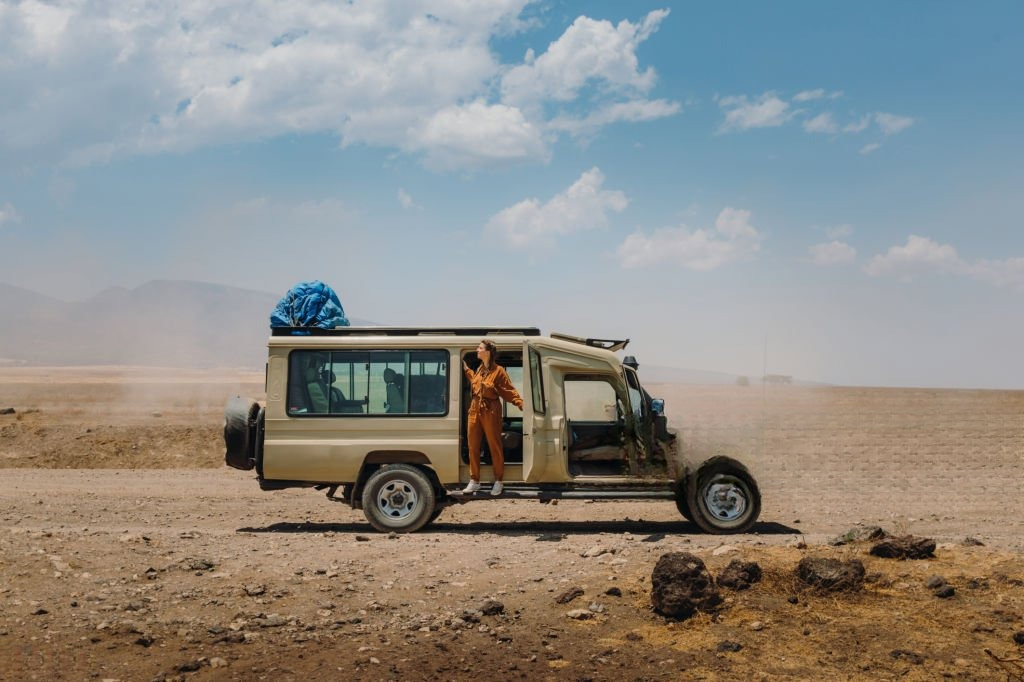
For game drives and exploring the park, a sturdy 4×4 safari vehicle is indispensable. These vehicles are designed to handle the varied terrain and are equipped with features like pop-up roofs for optimal game viewing and photography. Most tour operators, including Climb 4 Africa, will provide a dedicated safari vehicle and an experienced driver-guide for your Kagera Wildlife Tour. This ensures safety, comfort, and the best possible wildlife spotting opportunities.
Park Fees and Permits
Like all Tanzanian National Parks, Kagera has entrance fees and conservation fees. These are set by the Tanzania National Parks Authority (TANAPA) and are subject to change. For 2026-2027, it is expected that these fees will remain a significant part of the safari cost.
* Park Entry Fees: These are typically charged per person per day.
* Conservation Fees: These are also charged per person per day and contribute to the park’s conservation efforts.
* Vehicle Fees: A fee for the safari vehicle is usually applied per day.
* Activity Fees: Special activities like boat trips or fishing may incur separate fees.
Your tour operator will usually include these fees in your package price, but it’s wise to clarify what is included. For specific activities like fishing, permits will need to be arranged in advance.
What to Pack for Your Kagera Safari
Packing appropriately for a Kagera Wildlife Tour is crucial for comfort and enjoyment. Given the varied activities and potential for changing weather, a versatile packing list is recommended. For your 2026-2027 safari, consider these essentials:
* Clothing:
* Lightweight, neutral-colored clothing (khaki, beige, olive green) for game drives. Avoid bright colors that can startle wildlife and black or dark blue, which can attract tsetse flies.
* Long-sleeved shirts and trousers for sun protection and to ward off insects in the evenings.
* A warm fleece or jacket for cool mornings and evenings, especially during the dry season.
* Comfortable walking shoes or hiking boots if you plan on walking safaris.
* Sandals or flip-flops for relaxing at the lodge.
* Swimsuit (if your accommodation has a pool).
* Gear:
* Binoculars: Essential for spotting distant wildlife and birds. A good pair of 8×42 or 10×42 binoculars is highly recommended.
* Camera with extra batteries and memory cards: You’ll want to capture every moment.
* Sunscreen, a wide-brimmed hat, and sunglasses: The African sun can be intense.
* Insect repellent with DEET: Crucial for evenings and protection against mosquitoes.
* Personal first-aid kit: Include any personal medications, pain relievers, antiseptic wipes, and bandages.
* Headlamp or flashlight: Useful for navigating around camp at night.
* Reusable water bottle: To stay hydrated and reduce plastic waste.
* Adapter for electronics: Tanzania uses Type G plugs (UK style), 230V.
* Documents:
* Passport and visa (if required).
* Yellow fever vaccination certificate (if required).
* Travel insurance details.
* Copies of all important documents.
Remember to pack light, especially if you are flying into Kagera, as light aircraft have strict luggage weight restrictions (usually around 15-20 kg in soft bags).
Conservation and Responsible Tourism in Kagera
Kagera National Park plays a vital role in conserving Tanzania’s rich biodiversity, and responsible tourism is key to its long-term protection. As visitors planning for 2026 and 2027, understanding and adhering to conservation principles will ensure that this gem remains pristine for future generations.
* Supporting Local Communities: Choose tour operators who work with and benefit local communities. This can include employing local guides, sourcing food from local suppliers, and facilitating visits to community projects. This approach ensures that tourism provides tangible economic benefits to the people living around the park.
* Minimizing Environmental Impact: Stick to designated roads and tracks during game drives to prevent soil erosion and habitat damage. Avoid littering; pack out everything you pack in. Conserve water and energy at your accommodation.
* Respecting Wildlife: Maintain a safe and respectful distance from all animals. Never feed wildlife, as this can disrupt their natural behaviors and make them dependent on humans. Avoid making loud noises that can disturb animals. When on boat trips, ensure your vessel maintains a respectful distance.
* Choosing Sustainable Operators: Partner with tour operators who demonstrate a commitment to conservation. This includes using eco-friendly lodges, managing waste responsibly, and contributing to conservation initiatives within the park.
* Awareness and Education: Educate yourself about the park’s ecosystem and the challenges it faces. Your guide can be a valuable source of information. By understanding the importance of conservation, you become a better ambassador for responsible travel.
Climb 4 Africa is committed to responsible tourism practices, ensuring that your Kagera Wildlife Tour not only provides an incredible experience but also contributes positively to the park’s conservation and the well-being of its local communities.
Kagera vs. Other Tanzanian Parks: A Comparison
Choosing a Kagera Wildlife Tour often means comparing it with more established Tanzanian safari destinations. Understanding these differences helps in making an informed decision for your 2026 or 2027 trip.
* **Kagera vs. Serengeti:** The Serengeti is famous for its vast plains, the Great Migration, and high concentrations of predators (lions, cheetahs, leopards). It’s a classic savannah experience. Kagera, in contrast, offers a more varied landscape with wetlands and lakes, exceptional birdlife, and a more tranquil, less crowded atmosphere. Predator sightings are less common in Kagera.
* **Kagera vs. Ngorongoro Crater:** The Ngorongoro Crater is a UNESCO World Heritage Site known for its high density of wildlife, including the Big Five, within a unique caldera. It’s a compact, spectacular wildlife viewing area. Kagera provides a much larger, more expansive wilderness experience with a different ecological focus, particularly on aquatic life and bird species, and offers more diverse activities like boat trips.
* **Kagera vs. Tarangire:** Tarangire National Park is renowned for its large elephant herds, baobab trees, and diverse birdlife, especially during the dry season when animals congregate around the Tarangire River. Kagera shares the elephant and birdlife appeal but adds the significant element of large lakes and riverine ecosystems, offering a more distinct wetland safari experience.
* **Kagera vs. Gombe/Mahale:** These western parks are world-famous for chimpanzee trekking. While Kagera has primates, it’s not known for habituated chimpanzee populations. Kagera’s strengths lie in its broader mammal diversity, birdlife, and aquatic wildlife, offering a more traditional safari feel with unique water-based activities.
In essence, if your priority is iconic predator sightings and the Great Migration, the Serengeti or Ngorongoro might be your focus. If you seek a more secluded, diverse, and bird-rich experience with unique water-based activities, Kagera National Park is an excellent choice. For 2026-2027, Kagera offers a chance for a truly unique and personal safari adventure.
Booking Your Kagera Wildlife Tour with Climb 4 Africa
Embarking on a Kagera Wildlife Tour for 2026 or 2027 is an exciting prospect, and partnering with an experienced operator like Climb 4 Africa ensures a smooth and unforgettable journey. We understand the nuances of planning safaris to less-visited parks like Kagera and are dedicated to providing authentic, responsible, and personalized travel experiences.
When you choose Climb 4 Africa, you benefit from:
* Local Expertise: As a Tanzania-based company, we have intimate knowledge of Kagera National Park and its surrounding areas. We know the best times to visit, the most rewarding routes, and the most reliable accommodation.
* Tailor-Made Itineraries: We specialize in creating custom safari plans. Whether you have specific interests in birdwatching, photography, or a particular pace of travel, we will craft an itinerary that perfectly matches your desires for your 2026-2027 adventure.
* Quality Guarantees: We work with carefully selected lodges and use well-maintained 4×4 safari vehicles, ensuring your comfort and safety throughout the trip. Our guides are experienced, knowledgeable, and passionate about sharing Tanzania’s natural heritage.
* Responsible Tourism: We are committed to sustainable travel practices that benefit local communities and contribute to conservation efforts in Kagera and beyond.
To start planning your Kagera Wildlife Tour, we recommend reaching out to us with your preferred travel dates for 2026 or 2027, the number of travelers, and any specific interests you have. This will allow us to provide you with a personalized quote and a detailed itinerary proposal. You can contact us via:
WhatsApp: +255 747 477 898
Email: climb4africa@gmail.com
Let Climb 4 Africa help you discover the magic of Kagera National Park – a true less crowded place waiting to be explored. We look forward to helping you plan an extraordinary African safari experience.
Check Availability for Kagera Wildlife Tour: Your Ultimate Guide To Tanzanias Less Crowded Place
Ready to compare dates, prices, and the best option for your group? Send the package name and travel month so the team can reply with a clear quote, availability, and what is included.



