
The Lemosho Route 21 November 2026 Green Mountain Group Trek offers a prime opportunity for climbers aiming for Kilimanjaro’s summit in late 2026. This specific departure date on the scenic Lemosho route is designed for group camaraderie and successful acclimatization, typically spanning 7 to 8 days to maximize your chances of reaching Uhuru Peak. Expect a comprehensive package including park fees, experienced guides, porters, nutritious meals, and basic accommodation before and after the climb, managed by local experts like Climb 4 Africa.
Understanding the Lemosho Route
The Lemosho Route is widely regarded as one of the most beautiful and successful ascents on Kilimanjaro. Its popularity stems from a combination of stunning scenery, excellent acclimatization profile, and a lower traffic density, especially in the initial days. For those planning a climb for November 2026, choosing Lemosho means opting for a journey that gradually introduces you to the mountain’s grandeur and increasing altitude.
Originating from the west side of Kilimanjaro, near the Kenyan border, the Lemosho route typically begins with a drive to the Londorosi Gate, followed by a transfer to the Lemosho starting point. The first few days traverse through pristine montane forests, offering a rich biodiversity of flora and fauna. This initial immersion into the mountain’s lower ecosystems is a significant advantage, allowing your body to start adjusting to the elevation change in a gentler manner compared to routes that begin at higher altitudes.
What sets Lemosho apart is its extended duration. While shorter versions exist, the recommended itinerary is at least 7 days, with 8 days being even better for acclimatization. This extra day is crucial for allowing the body to adapt to the thinning air, significantly increasing the success rate. The route converges with the Machame route on day 3 or 4, meaning you join a more established path as you ascend towards the alpine desert and arctic zones. This convergence also means that while the initial days are less crowded, the latter stages will see more trekkers.
For the 21 November 2026 departure, this route offers a unique advantage: the weather in November can be transitional. While it’s generally towards the end of the short rainy season, periods of clear skies are common, interspersed with rain showers. The advantage here is that the trails are less dusty than in the dry season, and the vegetation is lush. However, it also means being prepared for varied weather conditions, from warm, humid forest walks to cold, windy alpine conditions.
The Lemosho route’s success rates are consistently higher than many other routes, often attributed to its gradual ascent and the longer itinerary. This makes it an excellent choice for trekkers who prioritize a more comfortable and well-acclimatized climb, especially for a significant group departure like the one planned for November 2026.
The 21 November 2026 Departure: Why This Date?
Choosing a specific date like 21 November 2026 for a group trek on Kilimanjaro is a strategic decision. November falls within a shoulder season, bridging the end of the short rainy season and the beginning of the dry season. This period can offer a unique blend of advantages and considerations for trekkers.
Weather Considerations for November 2026:
- Transitional Conditions: Early November might still experience some rainfall, particularly in the lower forest zones. However, as the month progresses towards the 21 November 2026 date and beyond, the weather typically stabilizes, with clearer skies becoming more prevalent. The rains are usually short-lived, often occurring in the afternoon or overnight, leaving mornings and evenings clear.
- Lush Scenery: The preceding rains mean the mountain’s vegetation is vibrant and green, offering stunning photographic opportunities in the lower and middle sections of the Lemosho route.
- Fewer Crowds: While not as empty as the peak dry seasons (January-February and June-August), November generally sees fewer trekkers compared to the busiest months. This can contribute to a more serene trekking experience, especially on the less-trafficked initial days of the Lemosho route.
- Temperature Fluctuations: Expect a wide range of temperatures. The forest zone can be warm and humid, while the summit region will be well below freezing, especially at night. Proper layering is essential.
Strategic Group Departure:
A group departure on 21 November 2026 is ideal for individuals looking to share the journey with like-minded adventurers. Group treks often foster a sense of camaraderie and mutual support, which can be invaluable when facing the physical and mental challenges of climbing Kilimanjaro. It also allows operators to optimize logistics and potentially offer cost efficiencies.
For those specifically targeting November 2026, booking in advance is highly recommended. Kilimanjaro National Park requires permits, and operators need time to secure these and make all necessary arrangements. The Green Mountain Group Trek on this date is designed to leverage the favorable aspects of the season while mitigating potential challenges through expert planning and support.
Climb 4 Africa, with its local expertise, is well-positioned to manage group departures like this for November 2026. They understand the nuances of the Tanzanian climate and can provide tailored advice for trekking during this transitional period.
The Green Mountain Group Trek Experience
The term ‘Green Mountain’ in the context of a Kilimanjaro trek typically refers to the lush, verdant lower slopes of the mountain, characterized by dense rainforests. A Green Mountain Group Trek emphasizes experiencing this vibrant ecosystem fully, often on routes that spend more time in these lower altitudes before ascending to the alpine zones. The Lemosho Route, with its initial days passing through these rich forests, is perfectly suited for this theme.
When you join the Lemosho Route 21 November 2026 Green Mountain Group Trek, you’re signing up for an experience that prioritizes immersion in Kilimanjaro’s diverse environments. This isn’t just about reaching the summit; it’s about the journey through distinct ecological zones:
- Rainforest: The initial days are spent trekking through dense, humid rainforests. Expect towering trees, abundant plant life, and the possibility of spotting monkeys, various bird species, and other wildlife. The air is thick with the scent of damp earth and vegetation.
- Heath and Moorland: As you gain altitude, the forest gives way to open moorlands dotted with unique giant heathers, groundsels, and lobelias. The landscape becomes more rugged, with vast expanses and panoramic views.
- Alpine Desert: This zone is characterized by its arid, almost lunar landscape. Vegetation is sparse, consisting mainly of hardy shrubs and grasses. The air is dry, and temperatures can fluctuate dramatically between day and night.
- Arctic Summit: The final ascent to the summit is across volcanic scree and ice. This zone is exposed, cold, and requires significant physical and mental fortitude.
A group trek adds another layer to this experience. Sharing the challenges and triumphs with fellow trekkers creates lasting bonds. The group dynamic can provide motivation during difficult moments and shared joy during stunning vistas. The Green Mountain Group Trek concept, coupled with the Lemosho Route’s natural beauty, ensures that the early stages of your November 2026 adventure are as memorable as the eventual summit push.
Climb 4 Africa specializes in creating these shared experiences. Their guides are adept at fostering a positive group dynamic, ensuring everyone feels supported and included, from the moment you arrive in Tanzania to the final farewell. The focus on the ‘Green Mountain’ aspect means you’ll have opportunities to learn about the unique flora and fauna from your guides.
Typical Lemosho Route Itinerary (7-8 Days)
The Lemosho Route is best undertaken over 7 or 8 days to allow for optimal acclimatization. The 21 November 2026 group trek will likely follow one of these extended itineraries. While the exact daily schedule can vary slightly between operators, a typical 8-day plan provides a solid framework for understanding the progression of the climb.
Day 1: Londorosi Gate to Mti Mkubwa Camp
- Drive to Londorosi Gate (approx. 2-3 hours).
- Park formalities and registration.
- Short drive to the Lemosho trailhead.
- Trek through the rainforest to Mti Mkubwa (Big Tree) Camp (approx. 2-3 hours, 2,100m / 6,890 ft).
- Dinner and overnight at Mti Mkubwa Camp.
Day 2: Mti Mkubwa Camp to Shira 1 Camp
- Trek through the remaining rainforest, emerging into heath and moorland (approx. 4-6 hours, 3,500m / 11,480 ft).
- The path can be muddy after rain.
- Arrive at Shira 1 Camp, offering expansive views.
- Dinner and overnight at Shira 1 Camp.
Day 3: Shira 1 Camp to Shira 2 Camp
- A relatively short day allowing for acclimatization.
- Trek across the Shira Plateau, a vast, windswept moorland (approx. 3-4 hours, 3,850m / 12,630 ft).
- Reach Shira 2 Camp, situated on the plateau.
- Dinner and overnight at Shira 2 Camp.
Day 4: Shira 2 Camp to Barranco Camp
- The most challenging day for acclimatization so far.
- Ascend gradually towards the Lava Tower (4,600m / 15,090 ft) for lunch and acclimatization.
- Descend to Barranco Camp (approx. 3,950m / 12,960 ft). This ‘climb high, sleep low’ strategy is key.
- Dinner and overnight at Barranco Camp.
Day 5: Barranco Camp to Karanga Camp
- Confront the Great Barranco Wall – a steep but manageable scramble.
- Cross the Karanga Valley and ascend to Karanga Camp (approx. 4,200m / 13,780 ft).
- The views of Kibo’s southern ice fields are spectacular.
- Dinner and overnight at Karanga Camp.
Day 6: Karanga Camp to Barafu Camp
- Trek through alpine desert terrain.
- Reach Barafu Camp (approx. 4,650m / 15,250 ft), the base camp for the summit push.
- Rest and prepare for the summit attempt overnight.
- Dinner and overnight at Barafu Camp.
Day 7: Summit Day – Barafu Camp to Uhuru Peak and Mweka Camp
- Begin the summit ascent around midnight.
- Trek slowly up the steep scree slope towards Stella Point and then Uhuru Peak (5,895m / 19,341 ft).
- Descend past Barafu Camp to Mweka Camp (approx. 3,100m / 10,170 ft). This is a very long and demanding day.
- Dinner and overnight at Mweka Camp.
Day 8: Mweka Camp to Mweka Gate and Departure
- Trek through the remaining forest zone to Mweka Gate (approx. 3-4 hours).
- Receive your summit certificates.
- Transfer back to your hotel in Moshi or Arusha.
An 8-day itinerary includes an extra day for acclimatization, often inserted between Shira 2 and Barranco Camp, or as a dedicated acclimatization day at Karanga Camp, further enhancing success rates for the 21 November 2026 trek.
Acclimatization Strategy on Lemosho
Effective acclimatization is arguably the single most important factor for a successful Kilimanjaro climb, and the Lemosho Route is designed with this in mind. The Lemosho Route 21 November 2026 group trek, especially if it’s an 8-day itinerary, incorporates key principles to help your body adjust to the increasing altitude.
The ‘Climb High, Sleep Low’ Principle:
This is the golden rule of altitude trekking. The Lemosho Route excels at facilitating this. On Day 4, for instance, trekkers ascend to the Lava Tower at 4,600 meters (15,090 ft) during the day, exposing their bodies to lower oxygen levels. However, they then descend to sleep at Barranco Camp (3,950m / 12,960 ft). This allows the body to acclimatize at higher altitudes while benefiting from the reduced physiological stress of sleeping at a lower elevation.
Gradual Ascent Profile:
The initial days on Lemosho are spent in the forest and heath zones, at relatively moderate altitudes (around 2,100m to 3,500m). This gradual introduction allows your body to begin adapting without overwhelming it. Many other routes start much higher or involve significant altitude gains on the first day, which can be detrimental.
Pacing and Hydration:
Your guides will constantly emphasize slow, steady progress – often referred to as ‘pole pole’ (slowly, slowly). This is not just about conserving energy; it’s about allowing your body to process the thinner air. Drinking plenty of water (3-5 liters per day) is also critical. Hydration helps combat the effects of altitude and prevents dehydration, which can exacerbate altitude sickness symptoms.
Monitoring for Altitude Sickness:
The guides on the Green Mountain Group Trek for November 2026 are trained to recognize the symptoms of Acute Mountain Sickness (AMS). They will regularly check on each trekker, asking about headaches, nausea, dizziness, and fatigue. Open communication with your guide about how you are feeling is vital. Do not try to ‘tough it out’; early detection and management are key.
Extra Acclimatization Day:
An 8-day Lemosho itinerary, as opposed to a 7-day one, typically adds an extra day for acclimatization. This might be an extra night at Shira 2 Camp, an acclimatization hike from Shira Plateau, or a dedicated rest/acclimatization day at Karanga Camp. This extra 24 hours at altitude can make a significant difference in how well your body adapts before the final summit push.
For your 21 November 2026 climb, working with an operator like Climb 4 Africa, who prioritizes acclimatization and uses experienced guides, is paramount. They will ensure the group adheres to these principles throughout the trek.
Fitness and Preparation for Your 2026 Climb
Climbing Kilimanjaro is a significant physical undertaking, and while the Lemosho Route offers excellent acclimatization, a solid level of fitness is essential for success and enjoyment. Preparing for your Lemosho Route 21 November 2026 trek should begin months in advance.
Cardiovascular Fitness:
The primary requirement is excellent cardiovascular endurance. You’ll be hiking for 5-8 hours a day for multiple consecutive days, with a very demanding summit night. Focus on activities that build stamina:
- Hiking: Regular hikes, especially with a weighted backpack, are the best preparation. Try to include varied terrain and inclines. Aim for at least one long hike (4-6 hours) per week in the months leading up to your trip.
- Running/Jogging: Builds aerobic capacity.
- Cycling: Excellent for leg strength and cardiovascular health.
- Swimming: A low-impact option that works the whole body.
Strength Training:
While endurance is key, strength in your legs and core will help you navigate the terrain and carry your daypack comfortably. Squats, lunges, step-ups, and core exercises (planks, crunches) are beneficial.
Mental Preparation:
Kilimanjaro is as much a mental challenge as a physical one. The summit night, in particular, can be grueling. Visualize yourself succeeding, practice mindfulness, and prepare for discomfort. Understand that you will experience fatigue, cold, and altitude effects. Your mental resilience will be tested.
Altitude Simulation (Optional):
If you live at sea level and have limited opportunities for high-altitude training, some individuals use altitude training masks or simulated altitude environments. While not a replacement for actual mountain experience, they can offer some physiological benefits.
Preparation Timeline for 21 November 2026:
- 6+ Months Out: Begin a consistent fitness routine. Focus on building a base level of cardiovascular fitness.
- 3-6 Months Out: Increase the intensity and duration of your workouts. Incorporate regular hiking with a backpack. Start strength training.
- 1-3 Months Out: Peak your training. Engage in longer hikes (6+ hours) and practice with all your gear. Focus on back-to-back hiking days if possible.
- Last Month: Taper your training. Reduce the intensity and volume to allow your body to recover and be fresh for the climb. Avoid new or strenuous activities that could lead to injury.
For the Green Mountain Group Trek on 21 November 2026, it’s crucial to consult with your doctor about your fitness plan and any pre-existing health conditions. Climb 4 Africa can also provide specific training advice tailored to the Lemosho Route and the group dynamic.
Essential Gear and Packing for Kilimanjaro
Proper gear is critical for comfort, safety, and success on Kilimanjaro. The Lemosho Route in November 2026 will involve diverse weather conditions, from humid forests to freezing summit temperatures. Your packing list should reflect this variability. Operators like Climb 4 Africa will provide a detailed packing list, but here are the essentials:
Clothing:
- Base Layers: Moisture-wicking synthetic or merino wool tops and bottoms (multiple sets).
- Mid Layers: Fleece jackets or synthetic insulated jackets for warmth.
- Outer Layer (Shell): Waterproof and windproof jacket and trousers.
- Insulation Layer: A warm down or synthetic puffy jacket for evenings and summit night.
- Trekking Trousers: Comfortable, quick-drying hiking pants (avoid jeans).
- Shirts: Several short-sleeved and long-sleeved moisture-wicking shirts.
- Headwear: Warm woolen hat/beanie, sun hat with a brim, balaclava or neck gaiter for face protection.
- Gloves: Warm, waterproof gloves or mittens, and thinner liner gloves.
Footwear:
- Hiking Boots: Broken-in, waterproof, ankle-supporting hiking boots.
- Camp Shoes: Comfortable shoes or sandals for wearing at camp.
- Socks: Several pairs of thick woolen or synthetic hiking socks, plus liner socks.
Equipment:
- Backpack: A comfortable daypack (30-40 liters) for essentials (water, snacks, camera, rain gear).
- Duffel Bag: A large, waterproof duffel bag (80-100 liters) for your main gear, carried by porters.
- Sleeping Bag: A 4-season sleeping bag rated to at least -15°C (0°F).
- Sleeping Pad: For added comfort and insulation (often provided, but check with operator).
- Trekking Poles: Highly recommended for stability and reducing knee strain.
- Headlamp: With extra batteries; essential for summit night and camp.
- Water Bottles/Hydration Reservoir: At least 3 liters capacity. Insulated covers are useful in cold weather.
- Sunglasses: High UV protection.
- Sunscreen: High SPF.
- Lip Balm: With SPF.
- Insect Repellent: Especially for the forest zone.
- Personal First-Aid Kit: Including personal medications, blister treatment, pain relievers, and antiseptic wipes.
- Toiletries: Biodegradable soap, toothbrush, toothpaste, wet wipes.
- Camera/Power Bank: For photos and keeping devices charged.
Documents and Money:
- Passport (valid for at least 6 months beyond your stay).
- Visa (if required).
- Flight information.
- Travel insurance details.
- Cash (USD for tips and souvenirs).
For the Lemosho Route 21 November 2026 trek, remember that layers are key. You will shed and add clothing frequently throughout the day. Ensure all gear is durable and suitable for trekking in potentially wet and cold conditions. Climb 4 Africa’s guidance on gear is invaluable for ensuring you’re properly equipped.
Logistics and Support: What’s Included
Understanding what’s included in your Green Mountain Group Trek package for the Lemosho Route 21 November 2026 departure is crucial for budgeting and planning. Reputable operators like Climb 4 Africa typically offer comprehensive packages designed to cover all essential aspects of the climb.
Common Inclusions:
- Park Fees: All Kilimanjaro National Park entrance fees, camping fees, and rescue fees. These are significant costs and are usually a substantial part of the overall price.
- Guides and Crew: Professional, licensed, and experienced climbing guides, assistant guides, cooks, and porters. For the Lemosho route, you’ll have a dedicated team ensuring safety and support.
- Meals: All meals during the trek (breakfast, lunch, dinner, snacks). Meals are prepared fresh by the camp cook and are designed to be nutritious and energy-giving.
- Accommodation: Camping equipment (tents, sleeping mats – though sleeping bags are often separate). Accommodation in a hotel before and after the climb is usually included, often on a bed and breakfast basis.
- Water: Boiled and purified drinking water provided daily during the trek.
- Transportation: All transfers to and from Kilimanjaro International Airport (KIA) and to/from the mountain gates.
- Oxygen: Portable oxygen bottles for emergency use.
- First Aid: Comprehensive first-aid kits and emergency medical equipment.
Typical Exclusions:
- Flights: International airfare to Kilimanjaro.
- Visa Fees: If applicable.
- Travel Insurance: Mandatory for all trekkers.
- Tips for Crew: This is a significant part of the local economy and a customary way to show appreciation for the guides, porters, and cooks. Operators usually provide suggested tipping guidelines.
- Personal Gear: Sleeping bag, trekking poles, duffel bag, daypack, clothing, etc. (sometimes available for rent).
- Lunches and Dinners in Town: While breakfast is often included at the hotel, lunches and dinners before and after the climb are typically at your own expense.
- Personal Expenses: Souvenirs, alcoholic beverages, laundry.
- Optional Activities: Pre or post-climb tours, hot showers on the mountain (if offered by some operators).
When comparing operators for your November 2026 trek, carefully review their inclusion lists. Climb 4 Africa is known for its transparent pricing and comprehensive support, ensuring that the logistical complexities of climbing Kilimanjaro are handled efficiently, allowing you to focus on the climb itself.
The Green Mountain Group Trek on the Lemosho route for 21 November 2026 will be supported by a team dedicated to your safety and comfort. They will manage camp setup, meal preparation, and navigation, providing a secure environment for your adventure.
Booking Your 2026 Trek: Next Steps
Securing your spot on the Lemosho Route 21 November 2026 Green Mountain Group Trek involves a straightforward process, but it’s essential to act promptly, especially for specific date departures. Early booking ensures availability and allows ample time for preparation.
1. Research and Choose an Operator:
Select a reputable tour operator with a strong track record for Kilimanjaro climbs. Look for companies that emphasize safety, ethical treatment of porters, and experienced guides. Climb 4 Africa is a highly regarded local operator with deep knowledge of Kilimanjaro and Tanzania.
2. Confirm Availability and Itinerary:
Contact the operator to confirm that the 21 November 2026 departure date is indeed available for the Lemosho Route group trek. Discuss the exact itinerary (e.g., 7-day vs. 8-day) and what is included in the package. For Climb 4 Africa, you can reach out via their contact channels.
3. Review the Package Details and Pricing:
Understand the cost breakdown, what is covered, and what are the exclusions. For a November 2026 climb, pricing might vary based on the season and inclusions. Be wary of suspiciously low prices, as they may compromise on safety, crew welfare, or quality of service.
4. Submit a Booking Inquiry:
Once you’ve decided, you’ll typically fill out a booking form or send an email inquiry. This will include your personal details and confirmation of the chosen trek date.
5. Deposit and Final Payment:
A deposit is usually required to secure your place and the date. The remaining balance is typically due a few months before the trek departure, often around 60-90 days prior. For the 21 November 2026 trek, expect a payment schedule that aligns with this timeframe.
6. Pre-Trek Preparation:
After booking, you’ll receive detailed information regarding training, gear, visas, vaccinations, and travel arrangements. This is also the time to start your physical preparation and gather your equipment.
How to Book with Climb 4 Africa:
To inquire about or book the Lemosho Route 21 November 2026 Green Mountain Group Trek, you can:
- WhatsApp: +255 747 477 898
- Email: climb4africa@gmail.com
When contacting them, mention the specific trek: Lemosho Route, 21 November 2026, Green Mountain Group Trek. They can provide personalized advice and guide you through the booking process, ensuring you have all the information needed for a successful adventure in 2026.
Booking well in advance for a November 2026 departure is highly recommended to guarantee your spot on this popular group trek. This allows ample time for visas, vaccinations, and physical preparation.
Altitude Sickness and Safety Protocols
Altitude sickness, or Acute Mountain Sickness (AMS), is the primary health concern on Kilimanjaro. Understanding its symptoms, prevention, and treatment is crucial for any trekker, especially those on the Lemosho Route 21 November 2026.
Understanding AMS:
AMS occurs when your body cannot adjust quickly enough to the lower oxygen levels at higher altitudes. Symptoms can range from mild to severe and include:
- Headache
- Nausea and vomiting
- Dizziness and lightheadedness
- Fatigue and weakness
- Loss of appetite
- Difficulty sleeping
More severe forms include High Altitude Cerebral Edema (HACE), where fluid builds up in the brain, and High Altitude Pulmonary Edema (HAPE), where fluid accumulates in the lungs. These are life-threatening emergencies.
Prevention Strategies:
- Gradual Ascent: The Lemosho Route’s gradual profile is its greatest asset in preventing AMS.
- ‘Climb High, Sleep Low’: As discussed, this strategy helps your body acclimatize.
- Hydration: Drink 3-5 liters of fluid daily.
- Pacing: ‘Pole pole’ is essential. Avoid overexertion.
- Avoid Alcohol and Smoking: These can impair acclimatization.
- Medication (Consult Your Doctor): Acetazolamide (Diamox) is often prescribed to aid acclimatization. Discuss its use, dosage, and potential side effects with your doctor well in advance of your November 2026 climb.
Safety Protocols on the Trek:
Your safety on the Green Mountain Group Trek is paramount. Reputable operators implement stringent safety measures:
- Experienced Guides: Guides are trained in recognizing and managing AMS symptoms. They monitor trekkers closely throughout the day and at camp.
- Emergency Oxygen: Portable oxygen bottles are carried for emergency use.
- First-Aid: Comprehensive medical kits are available.
- Communication: Guides carry radios or satellite phones for emergencies.
- Evacuation Plan: Operators have established procedures for emergency evacuation.
- Decision-Making: Guides have the authority to stop a trekker or recommend descent if their health is at risk. It is crucial to heed their advice.
For the 21 November 2026 departure, ensure your operator has a clear safety protocol. Climb 4 Africa prioritizes safety, employing highly trained guides and adhering to best practices for altitude management. Open communication with your guide about any symptoms you experience is the most critical step in managing altitude-related issues.
Environmental Considerations on Kilimanjaro
Trekking Kilimanjaro, especially on a popular route like Lemosho, comes with a responsibility to protect its fragile ecosystems. The Lemosho Route 21 November 2026 Green Mountain Group Trek offers a chance to appreciate and preserve this natural wonder.
Leave No Trace Principles:
Adhering to ‘Leave No Trace’ principles is essential:
- Pack It In, Pack It Out: All litter, including biodegradable items like fruit peels, must be carried down from the mountain.
- Stay on the Trail: Wandering off trails can cause erosion and damage vegetation.
- Respect Wildlife: Do not feed or disturb animals. Observe from a distance.
- Proper Waste Disposal: Use designated toilet facilities or dig catholes appropriately if facilities are not available, far from water sources.
- Minimize Campfire Impact: Campfires are generally prohibited on Kilimanjaro. Use stoves for cooking.
Porter Welfare:
Ethical treatment of porters is a significant concern in Kilimanjaro trekking. Reputable operators ensure porters are:
- Paid fair wages.
- Provided with adequate food and shelter.
- Carrying loads within legal weight limits (typically 15-20 kg).
- Treated with respect and dignity.
Climb 4 Africa is committed to ethical porter practices. When booking your November 2026 trek, inquire about their porter policies.
Sustainable Practices:
- Water Usage: Conserve water, especially in camps.
- Energy: Minimize reliance on disposable batteries; use rechargeable options where possible.
- Local Economy: Support local communities by purchasing souvenirs and services responsibly.
By choosing an operator like Climb 4 Africa and being a mindful trekker, you contribute to the preservation of Kilimanjaro for future generations, ensuring the Green Mountain Group Trek remains a sustainable and rewarding experience for all involved in 2026 and beyond.
Post-Climb and Extension Options
Reaching the summit of Kilimanjaro is an incredible achievement, but your Tanzanian adventure doesn’t have to end there. For those joining the Lemosho Route 21 November 2026 trek, consider extending your journey to experience more of what Tanzania has to offer.
Relaxation in Zanzibar:
After the physical exertion of the climb, a few days on the tropical island of Zanzibar offer the perfect respite. White sandy beaches, turquoise waters, historical Stone Town, and spice tours await. It’s a fantastic way to unwind and reflect on your Kilimanjaro success.
Wildlife Safaris:
Tanzania is world-renowned for its wildlife. Combine your Kilimanjaro climb with a safari to explore iconic national parks:
- Serengeti National Park: Famous for the Great Migration and vast plains teeming with wildlife.
- Ngorongoro Conservation Area: A unique caldera offering incredible game viewing, including the Big Five.
- Tarangire National Park: Known for its large elephant herds and baobab trees.
- Lake Manyara National Park: Home to tree-climbing lions and abundant birdlife.
Climb 4 Africa offers tailored safari packages that can be seamlessly integrated with your Kilimanjaro trek. A 3-5 day safari is a popular choice for those looking to experience the best of Tanzania’s wildlife after their mountain adventure.
Cultural Experiences:
Beyond safaris and beaches, Tanzania offers rich cultural encounters. You might explore local villages, learn about Maasai traditions, or visit coffee plantations. These experiences provide a deeper understanding of the country and its people.
Logistics of Extensions:
Integrating extensions requires careful planning. Climb 4 Africa can arrange all necessary logistics, including transfers, accommodation, and tours, ensuring a smooth transition from your mountain descent to your next adventure. For your November 2026 trip, discussing these options during the booking phase will allow for smooth integration into your overall itinerary.
Whether you opt for a relaxing beach holiday or an exhilarating wildlife safari, extending your trip after the Green Mountain Group Trek on the Lemosho Route will create a truly unforgettable Tanzanian experience.
Ready to start your Kilimanjaro adventure on 21 November 2026? For expert guidance and smooth planning of your Lemosho Route Green Mountain Group Trek, contact Climb 4 Africa. Their local knowledge and commitment to quality ensure a safe and memorable climb. Reach out via WhatsApp +255 747 477 898 or Email climb4africa@gmail.com to discuss your plans and secure your spot.
Check Availability for Lemosho Route 21 November : Your Green Mountain Group Trek On Kilimanjaro
Ready to compare dates, prices, and the best option for your group? Send the package name and travel month so the team can reply with a clear quote, availability, and what is included.
Marangu Route 28 December : Your New Year Kilimanjaro Group Trek 2026-2027
Plan your New Year's Eve ascent of Kilimanjaro by joining a Marangu Route group trek departing on December 28, 2026. This guide covers route specifics, what to expect, and essential...
View package details
8 Day Lemosho Route – 5 December Kilimanjaro Group Climb 2026
Plan your 8-day Lemosho Route Kilimanjaro group climb for December 5, 2026. Discover why Lemosho is a top choice for success rates and scenery, with practical advice from Climb 4 Africa.
View package details
Kilimanjaro 26 November : Thanksgiving Week Group Trek 2026-2027
Plan your Kilimanjaro climb for the unique 26 November 2026 departure, coinciding with Thanksgiving week. This group trek offers a special opportunity to summit Africa's highest peak while...
View package details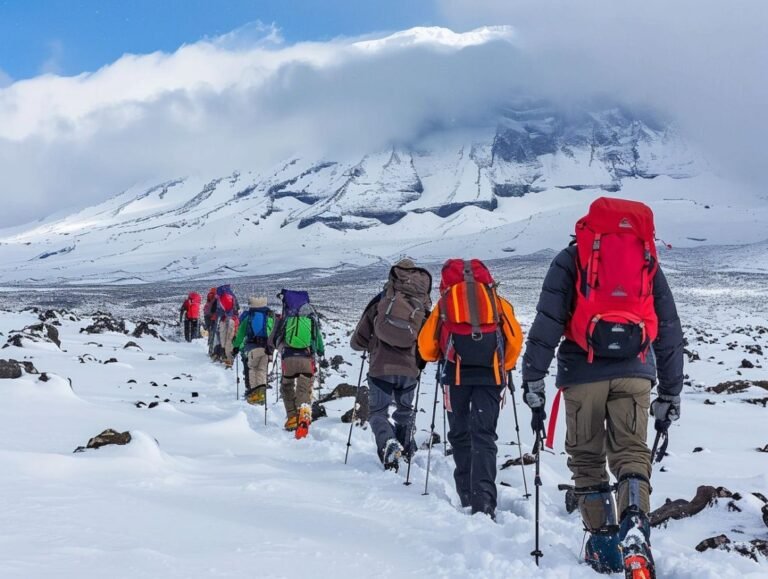
Lemosho Route – 7 August Summer Group Climb: Your Kilimanjaro Adventure 2027
start a memorable Lemosho Route – 7 August 2027 Summer Group Climb up Mount Kilimanjaro. This guide covers the itinerary, acclimatization, and preparation for your ascent.
View package detailsLemosho Route – 28 August Kilimanjaro Group Climb 2027
Lemosho Route – 28 August 2027 Kilimanjaro Group Climb is explained with current 2027 planning, price, itinerary and booking information.
View package detailsLemosho Route – 12 August Kilimanjaro Group Climb With 4 Africa 2027
A detailed guide to the Lemosho Route Kilimanjaro climb for the 12 August 2027 group departure, covering itinerary, acclimatization, challenges, and what to expect with Climb 4 Africa.
View package details8 Day Lemosho Route – 7 July Group Departure Kilimanjaro Climb 2027
start an incredible 8-day Lemosho Route trek up Mount Kilimanjaro with the Climb 4 Africa group departure on July 7, 2027. This itinerary offers a fantastic balance of acclimatization...
View package details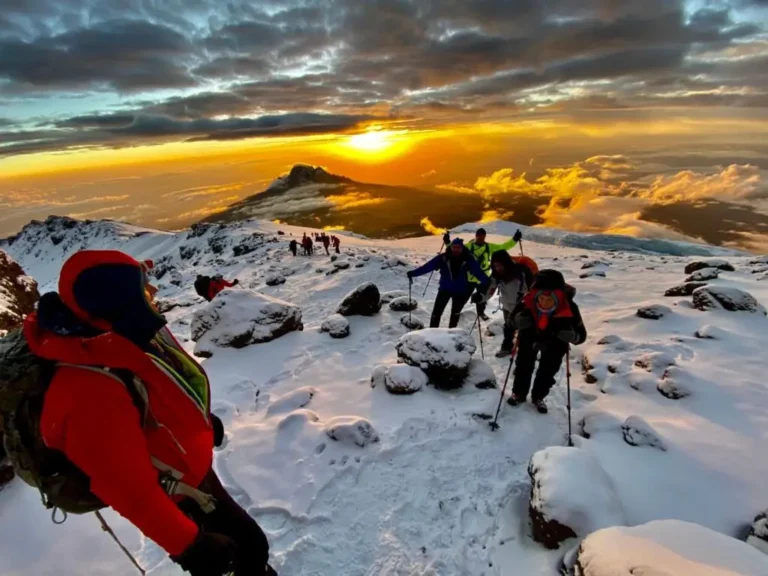
Lemosho Route 12 June – Kilimanjaro Group Climb 2027
Lemosho Route 12 June 2027 – June Kilimanjaro Group Climb is explained with current 2027 planning, price, itinerary and booking information.
View package details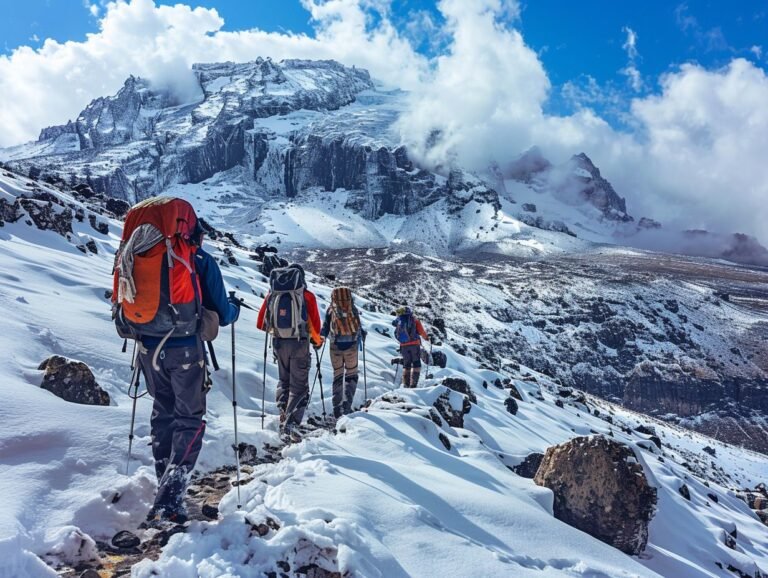
Kilimanjaro 22 May : Your Late-Rainy-Season Group Trek 2027
Planning a Kilimanjaro trek for May 22, 2027? This late-rainy-season group departure offers a different perspective on Africa's highest peak, often with fewer crowds and lush landscapes...
View package details
Kilimanjaro 8 May : Experience A Low-Crowd Group Trek 2027
Discover the unique advantages of joining a low-crowd group trek on Kilimanjaro on May 8, 2027. This departure offers a more intimate climbing experience, focusing on safety...
View package detailsKilimanjaro 1 March – Early Group Trek 2027
Kilimanjaro 1 March 2027 – Early March Group Trek is explained with current 2027 planning, price, itinerary and booking information.
View package details8 Day Lemosho Route – 4 February Group Climb: Your Definitive Guide 2027
Plan your ascent of Kilimanjaro via the Lemosho Route on our scheduled group climb departing February 4, 2027. This guide details the itinerary, advantages, and what to expect.
View package detailsNo related package matches those filters. Clear one or more filters to see the other topic-matched options.



