
A Lake Rukwa tour offers a remarkable opportunity to experience one of Tanzania’s most remote and ecologically significant Rift Valley lakes, known for its diverse birdlife, large mammal populations including hippos and crocodiles, and unique aquatic ecosystems; planning for a 2026-2027 visit involves understanding its seasonal accessibility, the types of wildlife encounters possible, and the logistical considerations for reaching this less-visited destination, typically accessed via Mbeya or Sumbawanga.
Why Lake Rukwa? An Untamed Gem
Tanzania is globally renowned for its iconic safari destinations: the Serengeti, Ngorongoro Crater, Tarangire, and the Selous Game Reserve. These parks offer unparalleled wildlife viewing and attract visitors from around the world. However, for the discerning traveler seeking an experience off the beaten path, a destination that still retains a raw, untamed character, Lake Rukwa stands out. This vast, shallow alkaline lake, located in the southwestern Rift Valley, presents a different kind of Tanzanian wilderness – one that is less crowded, ecologically unique, and offers profound encounters with nature.
A Lake Rukwa tour is not your typical safari. It demands a different mindset, a willingness to embrace remoteness, and an appreciation for the subtle, yet powerful, rhythms of a less-managed ecosystem. Unlike its more famous counterparts, Lake Rukwa is not a designated national park or a well-trodden tourist circuit. Instead, it’s a vital ecological area, a significant Ramsar site, and a place where wildlife thrives with less human intervention. This provides an authentic, in-depth experience that can be harder to find in the more developed northern circuit parks. For travelers planning their Tanzanian adventures in 2026 or 2027, considering Lake Rukwa could mean discovering a truly exceptional and memorable safari.
The allure of Lake Rukwa lies in its dramatic landscape, its astonishing birdlife, and its substantial populations of hippos and crocodiles. It’s a place where the sheer scale of the lake and its surrounding plains can be overwhelming, offering a sense of true wildness. While it might not boast the sheer density of predators seen in the Serengeti during the Great Migration, it offers its own unique set of wildlife spectacles, often in dramatic, stark settings. This guide aims to provide a comprehensive understanding of what a Lake Rukwa tour entails, from its natural wonders to the practicalities of planning a visit, ensuring you can make informed decisions for your 2026-2027 travel plans.
Understanding Lake Rukwa’s Unique Environment
To truly appreciate a Lake Rukwa tour, it’s essential to understand the environment that shapes its wildlife and visitor experience. Lake Rukwa is not a static body of water; it’s a dynamic, ever-changing landscape influenced by geology, climate, and its own internal ecological processes. Its position within the Great Rift Valley profoundly dictates its characteristics.
Geography and Geology: A Rift Valley Wonder
Lake Rukwa is situated in the southwestern part of Tanzania, within the Rukwa Rift Valley, a segment of the larger East African Rift System. This geological context is crucial. The valley is a trough formed by tectonic activity, with steep escarpments often defining its edges. The lake itself is endorheic, meaning it has no outflow to the sea, and its size fluctuates significantly with rainfall. During the wet season, it can expand dramatically, submerging surrounding floodplains and creating vast shallow marshes. In contrast, during dry periods, its extent can shrink considerably, sometimes fragmenting into smaller, saltier pools.
The lake’s alkalinity is another key characteristic, a result of dissolved minerals from volcanic activity and runoff from the surrounding highlands. This alkalinity influences the types of vegetation that can grow and, consequently, the fauna that inhabits the area. The surrounding landscape is varied, featuring open grasslands, acacia woodlands, and rocky outcrops, all contributing to a mosaic of habitats that support a rich diversity of life. Understanding this geographical and geological backdrop is fundamental to appreciating the unique ecological niche that Lake Rukwa occupies and why a Lake Rukwa tour offers such distinct wildlife viewing opportunities.
Ecosystem and Biodiversity: A Haven for Life
The Lake Rukwa ecosystem is a testament to resilience and adaptation. Its fluctuating water levels and alkaline nature create a challenging yet highly productive environment. The shallow waters and extensive shorelines are particularly important for a vast array of bird species, making it a prime birdwatching destination. Fish species adapted to these conditions, such as cichlids, form the base of the food web, supporting larger aquatic predators and numerous waterbirds.
Beyond the lake itself, the surrounding floodplains and savannas teem with life. These areas are crucial grazing grounds for herbivores like wildebeest, zebras, topi, hartebeest, and buffalo, especially during the dry season when water sources elsewhere become scarce. The presence of these large mammals, in turn, supports populations of predators, including lions, leopards, cheetahs, and wild dogs, although sightings of these can be more challenging than in more frequently visited parks. The biodiversity of Lake Rukwa is a delicate balance, heavily influenced by rainfall patterns and the lake’s water levels, which are critical factors to consider when planning a Lake Rukwa tour for 2026 or 2027.
Seasonal Dynamics: Navigating the Rains and Dry Spells
The most significant factor influencing the Lake Rukwa experience is its seasonality. Tanzania generally has two main seasons: the wet season (roughly November to April/May) and the dry season (roughly June to October/November). However, the impact of these seasons is particularly pronounced at Lake Rukwa due to its endorheic nature and shallow depth.
Wet Season: During the rains, the lake expands, flooding vast areas and making some roads impassable. While this can be visually spectacular, it significantly impacts accessibility for tourism. Wildlife may disperse into wetter areas, and game viewing can become more challenging in certain regions. However, birdlife is often at its most vibrant, with many migratory species present. The landscape is lush and green, offering a different kind of beauty.
Dry Season: As the dry season progresses, the lake shrinks, concentrating wildlife around the remaining water sources. This is generally the prime time for game viewing, as animals are more reliant on specific areas. The receding waters also expose vast mudflats and shorelines, attracting enormous flocks of birds. The landscape becomes more arid, but the concentration of animals can be spectacular. For most visitors planning a Lake Rukwa tour, the dry season from June to October offers the most reliable access and wildlife viewing conditions. Careful timing is key, especially when looking at availability for 2026 and 2027 travel.
Wildlife Encounters at Lake Rukwa
Lake Rukwa is a wildlife haven, particularly celebrated for its incredible birdlife and substantial populations of large mammals. A Lake Rukwa tour promises encounters that are both numerous and, at times, uniquely dramatic due to the environment.
Avian Paradise: Birdwatching Delights
Lake Rukwa is a globally significant site for birds, recognized by BirdLife International. Its alkaline waters and shallow margins create ideal feeding grounds for a staggering variety of species. Visitors can expect to see:
- Waterfowl and Waders: Huge numbers of pelicans (including the Great White Pelican), greater and lesser flamingos, and various storks (like Marabou, Saddle-billed, and Yellow-billed storks) are common. Countless species of ducks, geese, and waders inhabit the lake and its shores.
- Raptors: The skies are patrolled by numerous raptors, including Fish Eagles, Osprey, and various kites and buzzards, all drawn by the abundant fish and smaller prey.
- Passerines and Others: The surrounding woodlands and grasslands host a diverse array of terrestrial birds, from weavers and hornbills to rollers and bee-eaters.
The sheer scale of bird congregations, especially during the wet season when food is plentiful, can be overwhelming. For dedicated birdwatchers, Lake Rukwa is a must-visit destination, offering sightings that are difficult to match elsewhere in Tanzania. A dedicated birding Lake Rukwa tour can be tailored to maximize sightings of specific species.
Mammalian Residents: Beyond the Hippos
While hippos are arguably the most visible large mammals, Lake Rukwa supports a rich diversity of other species. During the dry season, the receding waters concentrate herbivores, making for excellent viewing:
- Hippos: The lake is home to one of the largest populations of hippos in Tanzania. Large pods can be seen basking in the shallows or submerged in deeper pools, especially in areas near the main access points.
- Crocodiles: Nile crocodiles are abundant, often seen basking on the muddy banks or lurking in the water.
- Grazing Herds: Expect to see significant herds of wildebeest, zebra, topi, hartebeest, and buffalo, particularly on the plains surrounding the lake. These herds can number in the thousands during peak dry periods.
- Other Mammals: While less common, the area is also home to elephants (though not in large, resident herds like in northern parks), giraffes, various antelope species (like impala, Grant’s gazelle, Thomson’s gazelle), and smaller mammals such as warthogs and baboons.
The presence of these herbivores naturally supports a predator population, making a Lake Rukwa tour potentially rewarding for those hoping to spot big cats.
Aquatic Life: Crocodiles and More
The lake’s aquatic environment is dominated by its large inhabitants. Nile crocodiles are a constant presence, often seen basking along the shores or in the water. Their sheer size and numbers are impressive. Hippos, of course, are the other dominant aquatic mammal, forming large social groups that are a central feature of the lake’s ecosystem. While not typically a focus for a standard safari, the lake also supports fish populations that are vital for the birds and crocodiles, and a small number of endemic species adapted to its unique conditions.
Predator and Prey Dynamics
Lake Rukwa supports a healthy predator population, though sightings can be more elusive than in heavily-visited parks. Lions are present, often found near the riverine areas or where large herds of buffalo congregate. Leopards and cheetahs also inhabit the woodlands and savannas. Wild dogs, known for their pack hunting and impressive stamina, are occasionally seen, adding a significant thrill to any encounter. The interaction between these predators and the abundant prey species is a core element of the wilderness experience on a Lake Rukwa tour.
While not as concentrated as in the Serengeti, the opportunities for observing predator-prey interactions exist, especially during the dry season when animals are more concentrated. Patience and a skilled guide are key to maximizing these sightings on your 2026-2027 adventure.
Planning Your Lake Rukwa Tour
Embarking on a Lake Rukwa tour requires careful planning, as it differs significantly from organizing a trip to Tanzania’s more established safari circuits. Logistics, accessibility, and accommodation are key considerations. Consulting with experienced local operators is highly recommended to navigate these complexities.
Best Time to Visit Lake Rukwa
The optimal time for a Lake Rukwa tour generally aligns with the dry season, from June to October. During these months:
- Accessibility: Roads are typically in better condition, making travel easier and more reliable.
- Wildlife Concentration: Water sources become scarcer, leading animals to congregate around the lake and remaining waterholes, increasing viewing opportunities.
- Birdlife: While migratory birds might be fewer, resident bird populations are still abundant, and the exposed shorelines attract large numbers of waders and waterbirds.
The shoulder months, around May and November, can also be good, offering a balance between drier conditions and fewer crowds. The wet season (November to April/May) is generally less suitable for tourism due to impassable roads and dispersed wildlife, though it can be excellent for dedicated birdwatchers or those seeking a truly wild, off-the-grid experience. For 2026 and 2027 bookings, aiming for the dry season is advisable for a more comfortable and rewarding safari.
Duration and Itinerary: Crafting Your Adventure
A typical Lake Rukwa tour might range from 3 to 5 days, focusing on the lake and its immediate surroundings. However, to truly appreciate the region, it’s often best incorporated into a longer itinerary. Many visitors combine a Lake Rukwa experience with other southern Tanzanian highlights like Ruaha National Park or the Katavi National Park, or even connect it with a journey from northern Tanzania.
A sample itinerary might include:
- Day 1: Travel from Mbeya or Sumbawanga to the Lake Rukwa area, setting up camp or checking into lodge accommodation. Initial game drive or boat excursion.
- Day 2-3: Full days dedicated to game drives around the lake, exploring different sectors, and focusing on birdwatching and large mammal sightings. Boat trips are often a highlight.
- Day 4: Morning game drive, followed by travel back to Mbeya or Sumbawanga, or onward to the next destination.
For those looking to explore further afield, combining Lake Rukwa with Ruaha National Park (another jewel of southern Tanzania) offers a fantastic contrast in landscapes and wildlife. This extended itinerary could easily fill 7-10 days or more. When planning for 2026-2027, discuss itinerary options thoroughly with your tour operator to match your interests and desired pace.
Access and Transport: Reaching the Remote Shores
Reaching Lake Rukwa is part of the adventure and requires careful logistical planning. The most common entry points are:
- From Mbeya: Mbeya is a major city in southern Tanzania. From here, it’s a drive of several hours (often 5-7 hours or more, depending on road conditions) to reach the shores of Lake Rukwa, typically to areas like the Msangano or Muze areas. Roads can be rough and are heavily affected by the rainy season.
- From Sumbawanga: Sumbawanga is the capital of the Rukwa Region. Access from here is also possible, with varying road conditions.
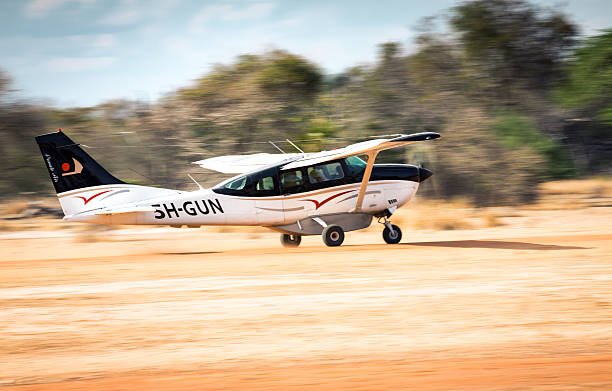
- By Air: While not common for standard tourism, small charter flights can land at basic airstrips near the lake, offering a quicker but more expensive way to access the region. This is an option for high-end or time-sensitive itineraries in 2026-2027.
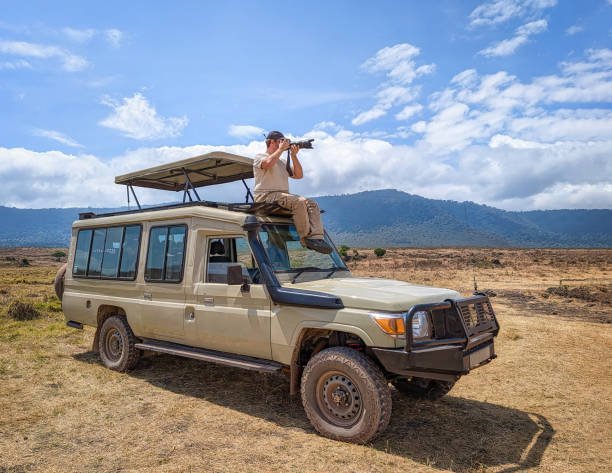
Vehicle Choice: A 4×4 safari vehicle is essential for any Lake Rukwa tour. Standard vehicles will struggle with the terrain, especially during or after the rains. Your tour operator will provide a robust, well-maintained 4×4 with an experienced driver-guide.
Accommodation Options: Embracing Simplicity
Accommodation around Lake Rukwa is generally basic, reflecting its remote and less-developed tourism infrastructure compared to northern parks. This is part of its charm for those seeking an authentic wilderness experience.
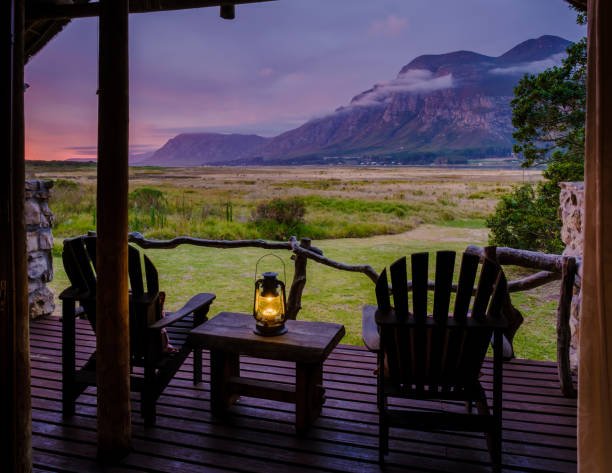
- Tented Camps: The most common option is a mobile or semi-permanent tented camp. These offer comfortable canvas tents with beds, usually en-suite bathrooms with bucket showers and basic toilet facilities. They are often set up in scenic locations close to the lake or prime game viewing areas.
- Basic Lodges: In some areas, there might be simple lodge-style accommodations, often government-run or privately operated, offering basic rooms.
- Camping: For the truly adventurous, camping in designated sites (or wild camping with permits and a guide) is possible, providing the most in-depth experience.
It’s important to manage expectations regarding luxury. A Lake Rukwa tour prioritizes the wildlife and wilderness experience over opulent amenities. For 2026-2027, the existing infrastructure is unlikely to change dramatically, so embrace the rustic charm.
What to Pack for Your Lake Rukwa Expedition
Packing for a Lake Rukwa tour is similar to packing for other Tanzanian safaris, with a few specific considerations for its remote nature:
- Clothing: Neutral-colored, lightweight clothing (khaki, olive, brown) is best for game drives. Include long-sleeved shirts and trousers for sun and insect protection. A warm fleece or jacket is recommended for cooler mornings and evenings.
- Footwear: Comfortable walking shoes or hiking boots (if any walking is planned) and sandals or trainers for camp.
- Sun Protection: Wide-brimmed hat, sunglasses, and high SPF sunscreen are essential.
- Insect Repellent: A strong repellent containing DEET is recommended, especially for evenings.
- Binoculars: Crucial for spotting wildlife and birds at a distance.
- Camera Gear: Extra batteries, memory cards, and a good zoom lens are advisable.
- Personal First-Aid Kit: Include any personal medications, plus basics like antiseptic wipes, bandages, pain relievers, and anti-diarrhea medication.
- Headlamp or Torch: Essential for navigating camp at night.
- Power Bank/Adapter: To keep electronics charged, as power can be intermittent.
- Dry Bag: Useful for protecting electronics and valuables from dust and moisture.
Given the remoteness, ensure you have everything you need, as supplies are not readily available. Your tour operator will provide a detailed packing list tailored to your specific Lake Rukwa tour itinerary for 2026-2027.
Experiencing Lake Rukwa: Safari Styles
The way you experience Lake Rukwa can significantly shape your adventure. While it’s a less common safari destination, the available options cater to different preferences, from independent exploration to fully guided experiences.
Independent Travel Considerations
While technically possible to arrange independently, undertaking a Lake Rukwa tour without a specialized operator presents significant challenges. Access roads are often poor and require a robust 4×4. Navigation can be difficult, and finding suitable and safe campsites or accommodation requires local knowledge. Furthermore, wildlife viewing is greatly enhanced by an experienced guide who understands animal behavior and the best locations. Independent travelers would need to arrange their own 4×4 hire, fuel, camping equipment, food, and water, which can be logistically complex and potentially more expensive than a package tour when all factors are considered. For most travelers aiming for a successful and enjoyable trip in 2026 or 2027, a guided approach is strongly recommended.
Guided Tours and Operators
This is the most practical and rewarding way to experience Lake Rukwa. Local tour operators specializing in Tanzanian safaris, such as Climb 4 Africa, have the expertise and infrastructure to manage all aspects of your trip. A guided Lake Rukwa tour typically includes:
- Transportation: A reliable 4×4 safari vehicle with a pop-up roof for optimal game viewing.
- Accommodation: Pre-booked tented camps or lodges, often in prime locations.
- Expert Guide: A knowledgeable guide who can track wildlife, identify birds, explain the ecosystem, and ensure your safety.
- Meals: Most operators provide delicious meals prepared by a camp chef or cook, often enjoyed around a campfire.
- Park Fees/Permits: If applicable, though Lake Rukwa is largely unfenced and doesn’t have traditional park entry fees like national parks, there can be local access or community fees.
Choosing a reputable operator like Climb 4 Africa ensures a well-organized and safe experience. They can handle the complexities of navigating the region, especially for trips planned for 2026-2027, providing peace of mind.
Combination Tours: Beyond the Lake
Lake Rukwa is often best experienced as part of a broader itinerary exploring southern Tanzania. Combining it with other parks offers a richer understanding of the country’s diverse wildlife and landscapes. Popular combinations include:
- Lake Rukwa & Ruaha National Park: This is a classic southern circuit pairing. Ruaha is Tanzania’s largest national park, known for its dramatic scenery, large elephant and buffalo herds, and high predator numbers. The contrast between the vast, open plains of Ruaha and the unique aquatic environment of Lake Rukwa is striking.
- Lake Rukwa & Katavi National Park: Katavi is one of Africa’s most wild and remote parks, offering an intense, classic safari experience. Combining it with Lake Rukwa provides an extended journey into the heart of untamed Africa.
- Lake Rukwa & Selous Game Reserve (Nyerere National Park): While geographically further north, it’s possible to construct longer itineraries incorporating the vast Selous, known for its boat safaris and diverse wildlife.
These combination tours often require longer durations, typically 10 days or more. They allow for a deeper exploration of Tanzania’s less-visited southern regions, offering unparalleled wildlife encounters away from the crowds. When planning for 2026-2027, consider how a Lake Rukwa tour can be the centerpiece or a unique addition to a grander Tanzanian adventure.
Conservation and Sustainability at Lake Rukwa
Lake Rukwa is recognized as a Ramsar site, highlighting its international importance as a wetland of conservation significance. Its vast bird populations and unique ecosystem make it a critical habitat that needs careful management. However, being largely unfenced and less formally managed than national parks, it faces unique conservation challenges.
These challenges often relate to human-wildlife conflict, particularly with communities living near the lake who rely on its resources. Illegal fishing, hunting, and agricultural encroachment can impact the delicate balance of the ecosystem. Responsible tourism plays a vital role in supporting conservation efforts. By choosing operators who adhere to sustainable practices, employ local staff, and contribute to community initiatives, visitors can help ensure that Lake Rukwa remains a thriving wilderness for generations to come.
When planning your Lake Rukwa tour for 2026-2027, inquire about the operator’s commitment to conservation and community engagement. Supporting ethical tourism directly benefits the protection of this incredible natural resource. Understanding these aspects adds another layer of value to your travel experience.
Challenges and Considerations for Lake Rukwa Visitors
While a Lake Rukwa tour offers a unique and rewarding experience, it’s important to be aware of the challenges and considerations involved. This is not a destination for the faint of heart or those seeking resort-style luxury. Understanding these points will help you prepare and manage expectations:
- Remoteness: Lake Rukwa is very remote. This means limited infrastructure, infrequent supplies, and potentially long travel times. Medical facilities are basic and far away, making travel insurance with comprehensive evacuation coverage essential.
- Road Conditions: As mentioned, roads can be extremely poor, especially during the wet season. Delays are common, and vehicle breakdowns can occur. A robust 4×4 and an experienced driver are non-negotiable.
- Basic Accommodation: Expect comfortable but fundamentally basic tented camps or lodges. Amenities are limited, and you should be prepared for bucket showers and pit latrines in some locations.
- Limited Connectivity: Mobile phone signal and internet access are scarce to non-existent in most areas. This is an opportunity to disconnect, but it’s worth noting for those who need to stay connected.
- Wildlife Sightings: While wildlife is abundant, especially birds and hippos, predator sightings can be more elusive than in famous parks. Patience and a good guide are key.
- Heat and Dust: The region can be very hot, especially during the dry season, and dusty.
For travelers planning a Lake Rukwa tour in 2026 or 2027, these challenges are part of what makes the destination special. They contribute to the feeling of stepping back in time and experiencing a truly wild Africa. However, thorough preparation and realistic expectations are crucial for a successful trip.
Why Choose Climb 4 Africa for Your Lake Rukwa Adventure
Organizing a trip to a destination as remote and unique as Lake Rukwa requires specialized knowledge and local expertise. Climb 4 Africa is a Tanzanian-based tour operator with a deep understanding of the country’s diverse landscapes and safari opportunities, including the less-traveled southern circuits.
When planning your Lake Rukwa tour for 2026-2027, partnering with Climb 4 Africa offers several distinct advantages:
- Local Expertise: As a Tanzanian company, we have firsthand knowledge of road conditions, seasonal changes, accommodation availability, and the best times to visit specific areas like Lake Rukwa. This local insight is invaluable for navigating the complexities of remote travel.
- Tailor-Made Itineraries: We specialize in crafting personalized safari experiences. Whether you want to focus on birdwatching, photography, or combine Lake Rukwa with other southern parks like Ruaha or Katavi, we can design an itinerary that perfectly matches your interests and budget.
- Robust Logistics: We manage all the critical logistical elements, including reliable 4×4 vehicles, experienced driver-guides, carefully selected accommodation, and necessary permits. This ensures a smooth and safe journey, even in challenging environments.
- Commitment to Sustainability: We are committed to responsible tourism practices that benefit local communities and support conservation efforts. We work with partners who share this ethos.
- Direct Support: You’ll have direct access to our team for any questions or concerns before and during your trip. Our goal is to provide a smooth and unforgettable African adventure.
Let us help you craft an extraordinary Lake Rukwa tour that goes beyond the ordinary. We understand the nuances of exploring destinations like Lake Rukwa and are dedicated to providing authentic, high-quality safari experiences. For inquiries about planning your 2026-2027 adventure or to discuss custom itineraries, please reach out to us.
Contact Climb 4 Africa today to start planning your unique Lake Rukwa safari.
WhatsApp: +255 747 477 898
Email: climb4africa@gmail.com
Website: climb-4-africa.com
Check Availability for Lake Rukwa Tour: An Unforgettable Wildlife Adventure In Tanzania 2026-2027
Ready to compare dates, prices, and the best option for your group? Send the package name and travel month so the team can reply with a clear quote, availability, and what is included.
Lake Rukwa Tour Packages: Your Ultimate Guide To Tanzanias Less Crowded Place
Lake Rukwa, a vast and largely untouched soda lake in southwestern Tanzania, offers a unique safari experience away from the typical tourist crowds. This guide explores what to expect from…
Lake Rukwa Tour Cost And Prices: Planning Your Adventure 2026-2027
Planning a safari to Lake Rukwa involves understanding the various costs involved, from accommodation and transport to park fees and guiding services. This guide breaks down the typical…

Best Lake Rukwa Tours: Your Definitive Guide For Adventures 2026-2027
Explore Lake Rukwa's untamed wilderness. This guide details the best tour options, wildlife viewing opportunities, and practical planning advice for an unforgettable safari experience in…
No related package matches those filters. Clear one or more filters to see the other topic-matched options.



