
An ideal Kruger, Serengeti, Ngorongoro, and Zanzibar itinerary combines South Africa’s diverse Kruger National Park with Tanzania’s world-renowned Serengeti and Ngorongoro Crater, culminating in a relaxing beach escape on Zanzibar. This multi-destination trip typically requires 14 to 21 days, focusing on maximizing wildlife viewing in the parks and enjoying the island’s culture and beaches. For 2026-2027 travel, booking well in advance, especially for peak seasons, is crucial to secure preferred accommodations and flight connections between these distinct regions.
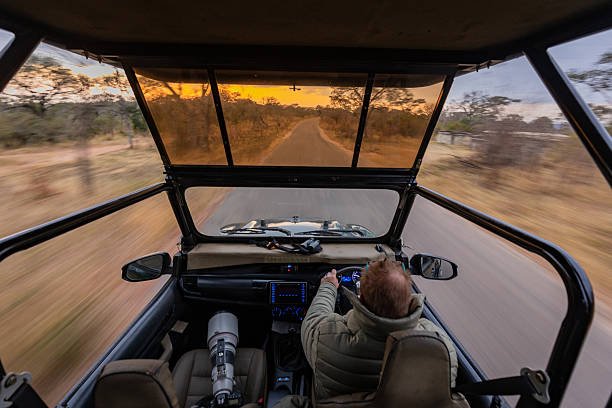
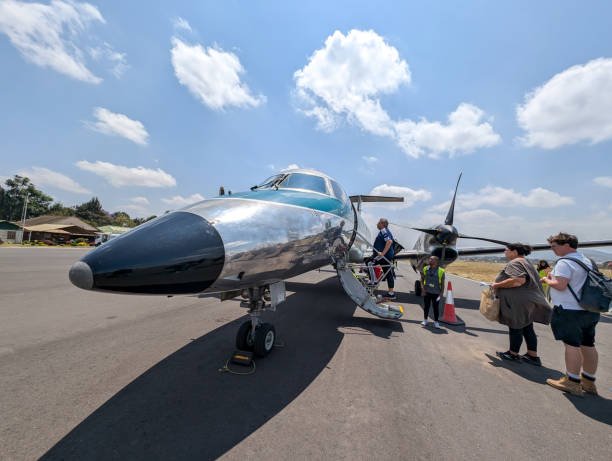
Crafting Your Kruger, Serengeti, Ngorongoro & Zanzibar Dream Trip
Embarking on a journey that encompasses the raw wilderness of Kruger National Park, the vast plains of the Serengeti, the unique ecosystem of the Ngorongoro Crater, and the exotic allure of Zanzibar is the pinnacle of an African adventure. This combination offers an unparalleled spectrum of experiences, from tracking the Big Five in South Africa to witnessing the Great Migration in Tanzania and unwinding on pristine beaches. Successfully weaving these distinct destinations into a cohesive itinerary requires careful planning, understanding the logistical nuances, and knowing when to travel for the best experience. For travelers targeting 2026 or 2027, this guide will illuminate the path to creating an unforgettable, multi-faceted exploration of East and Southern Africa.
Why Combine Kruger, Serengeti, Ngorongoro, and Zanzibar?
Each of these destinations offers a unique facet of the African experience, and their synergy creates a trip that is far richer than visiting any single location alone. Consider the distinct advantages:
- Kruger National Park (South Africa): Renowned for its accessibility, excellent infrastructure, and high chances of spotting the Big Five (lion, leopard, elephant, rhino, buffalo) in a relatively predictable environment. It’s often a great starting point due to its well-developed tourism sector and varied accommodation options, from self-drive to luxury lodges.
- Serengeti National Park (Tanzania): The quintessential African savannah, famous for the dramatic spectacle of the Great Migration. Its sheer scale and the abundance of predators make it a must-visit for any serious wildlife enthusiast. The Serengeti offers a more wild and untamed safari experience compared to Kruger.
- Ngorongoro Crater (Tanzania): A UNESCO World Heritage site, this ancient caldera is a natural enclosure teeming with wildlife, including a high density of predators and the rare black rhino. Its unique geological formation provides impressive views and an unparalleled concentration of animals in a compact area.
- Zanzibar (Tanzania): Transitioning from the dust and drama of the savannah to the turquoise waters and white-sand beaches of the Indian Ocean is a perfect way to conclude an intense safari. Zanzibar offers rich history, vibrant culture (especially in Stone Town), spice tours, and idyllic relaxation.
Combining these destinations allows you to experience the diversity of African landscapes and wildlife, from the dry bushveld of Kruger to the endless grasslands of the Serengeti and the tropical coast. It’s a journey that satisfies the craving for adventure, the pursuit of wildlife, and the desire for relaxation, all within a single, well-orchestrated trip.
Itinerary Overview: Duration and Core Components
A trip covering Kruger, Serengeti, Ngorongoro, and Zanzibar is not a short hop. To truly appreciate each location without feeling rushed, a minimum of 14 days is generally recommended. However, for a more in-depth experience that allows for leisurely game drives, exploration of different sectors of the parks, and adequate time to unwind in Zanzibar, 18 to 21 days is ideal. For 2026-2027 planning, consider these core components:
- Kruger Section: Typically 3-4 nights. This allows for exploring different areas, perhaps a mix of self-drive and guided activities, or focusing on a private reserve for a more exclusive experience.
- Tanzania Safari Section (Serengeti & Ngorongoro): Typically 5-7 nights. This duration allows for at least 2-3 nights in the Serengeti (depending on migration location) and 1-2 nights in the Ngorongoro Crater area.
- Zanzibar Section: Typically 3-5 nights. This provides ample time for beach relaxation, exploring Stone Town, and enjoying optional activities like spice tours or snorkeling.
- Travel Days: Factor in at least 2-3 full days for travel between countries and destinations, including airport transfers and flights.
The sequence of these destinations can vary. Many opt to start in South Africa (Kruger) and then fly to Tanzania for the safari, ending in Zanzibar. Others might reverse this, or even start in Tanzania, fly to South Africa, and then head to Zanzibar. The choice often depends on flight availability, cost, and personal preference regarding the flow of experiences.
Choosing Your Kruger Experience: South Africa’s Iconic Reserve
Kruger National Park is one of Africa’s largest and most famous game reserves. Its size and variety mean you can tailor your Kruger experience to your interests and budget.
Kruger National Park vs. Private Reserves: The Key Differences
This is perhaps the most critical decision for your Kruger portion. Understanding the trade-offs is key for planning your 2026-2027 safari:
- Kruger National Park (Public Area):
- Pros: More affordable accommodation options (campsites, bungalows, guesthouses), flexibility for self-drive safaris, vast area to explore, excellent road networks, diverse wildlife viewing opportunities. You can often self-cater or eat at camp restaurants.
- Cons: Can be crowded, especially during peak season. Off-road driving and night drives are restricted. More structured and less exclusive feel.
- Best for: Budget-conscious travelers, those who enjoy self-driving independence, photographers who want to cover large areas, families.
- Private Reserves (e.g., Sabi Sands, Timbavati, Klaserie):
- Pros: Exclusive, uncrowded experience. Off-road driving and night drives are permitted, leading to incredible close-up sightings, especially of elusive animals like leopards. High-quality guiding and tracking. Luxurious lodges with superb service and dining. Often fenced with Kruger, allowing free movement of animals but offering a controlled guest experience.
- Cons: Significantly more expensive. Accommodation is typically all-inclusive (meals, drinks, game drives). Limited by the reserve’s boundaries, though game drives can cross into Kruger.
- Best for: Travelers seeking a premium, exclusive safari experience, photographers focused on specific animal encounters, those wanting guided drives and expert tracking, honeymooners, or special occasions.
For a combined trip, many opt for a private reserve for a more intense wildlife experience and value the exceptional guiding. However, a few nights in the public part of Kruger can offer a different, more expansive feel and is considerably more budget-friendly.
Suggested Kruger Duration and Activities
3 to 4 nights is a good benchmark for Kruger.
- 3 Nights: Ideal if staying in a private reserve, allowing for 2 full days of morning and afternoon/evening game drives. If in the public park, this might mean focusing on one or two camps and exploring the surrounding areas.
- 4 Nights: This offers more depth. You could split your time between two different camps in the public park to see varied landscapes, or spend 3 nights in a private reserve and add a night in a different region or a related activity.
Key Activities:
- Guided Game Drives: Morning, afternoon, and night drives are standard, especially in private reserves.
- Bush Walks: Offered in some private reserves, providing an intimate connection with the smaller details of the bush.
- Self-Drive Exploration: If staying in Kruger’s public areas, this is a major activity.
- Bird Watching: Kruger is a birder’s paradise.
- Photography: Excellent opportunities, particularly with expert guides in private reserves.
Best Time to Visit Kruger
Kruger is a year-round destination, but the experience changes:
- Dry Season (May to October): This is generally considered the prime time. Vegetation thins out, making game spotting easier. Animals congregate around water sources, increasing sightings. Mornings and evenings can be cool to cold. Peak season for international visitors is often July-September.
- Wet Season (November to April): Lush green landscapes, newborn animals, and dramatic thunderstorms. Birdlife is abundant. Game viewing can be more challenging due to thicker vegetation, but rewarding for those who seek out waterholes. This is also the ‘low’ season, often meaning lower prices and fewer crowds, making it attractive for 2026-2027 planning if you’re on a tighter budget.
Getting to Kruger
The most common gateway is O.R. Tambo International Airport (JNB) in Johannesburg. From JNB, you have two main options:
- Fly to a local airstrip: Many private reserves have their own airstrips. Flights from JNB to these airstrips are typically operated by smaller charter airlines and take about 1 to 1.5 hours. This is the most convenient but also the most expensive option.
- Drive: You can rent a car in Johannesburg and drive to Kruger. The drive to the southern gates (e.g., Paul Kruger Gate, Hazyview area) is about 4-5 hours. This is the most economical option and allows for self-driving within Kruger.
- Fly to Kruger Mpumalanga International Airport (MQP): Located near Nelspruit, MQP receives commercial flights from JNB. From MQP, it’s about a 1-2 hour drive to the southern park gates.
Tanzania’s Wildlife Trilogy: Serengeti and Ngorongoro Crater
Tanzania is home to two of Africa’s most iconic wildlife destinations. Combining them offers a profound safari experience.
Serengeti National Park: The Endless Plains
The Serengeti is vast, covering over 14,700 square kilometers of rolling grasslands, acacia woodlands, and riverine forests. Its name, derived from the Maasai word ‘Siringet’, means ‘endless plains’.
- The Great Migration: This is the Serengeti’s most famous phenomenon, where millions of wildebeest, zebras, and gazelles traverse the plains in search of fresh grazing. The timing and location of the migration vary annually, but it’s a constant cycle of life and death that draws predators. Planning for 2026-2027 needs to consider where the migration is likely to be during your visit.
- Predators: The Serengeti is a predator’s paradise, boasting one of the highest concentrations of lions, cheetahs, and leopards in Africa. You’ll also find hyenas, wild dogs, and various other carnivores.
- Diverse Habitats: The park’s size means different regions offer varied scenery and wildlife. The central Seronera area is known for year-round resident wildlife, while the northern Grumeti River region is famous for river crossings during the migration (typically July-October). The southern plains are calving grounds (December-March).
Ngorongoro Crater: Africa’s Eden
The Ngorongoro Crater is a natural wonder, a collapsed volcano forming an intact caldera that is a UNESCO World Heritage site. It’s often referred to as ‘Africa’s Eden’ or ‘the eighth wonder of the world’.
- Incredible Wildlife Density: The crater floor, about 260 square kilometers, supports an astonishing array of wildlife, including the Big Five. It’s one of the best places in Africa to see black rhinos.
- Compact Viewing: Unlike the vast Serengeti, the Ngorongoro Crater offers a concentrated wildlife viewing experience. You can often see a large number of animals in a single day.
- Unique Ecosystem: The crater boasts diverse habitats including grasslands, swamps, forests, and Lake Magadi, a soda lake attracting flamingos.
- Conservation Efforts: It’s part of the Ngorongoro Conservation Area, a unique region where Maasai people and their livestock coexist with wildlife.
Combining Serengeti and Ngorongoro: Logistics
These two parks are relatively close, making them easy to combine. The typical flow is:
- Arrive at Kilimanjaro International Airport (JRO) or Arusha Airport.
- Spend a night or two in Arusha, the safari gateway town.
- Fly from Arusha to a Serengeti airstrip (e.g., Seronera, Kogatende, Ndutu).
- Spend 2-3 nights in the Serengeti.
- Drive from the Serengeti to the Ngorongoro Conservation Area (this drive can be scenic and include game viewing).
- Descend into the Ngorongoro Crater for a full-day game drive.
- Stay overnight at a lodge on the crater rim or in the nearby Karatu area.
- Depart from Arusha or Kilimanjaro Airport.
Alternatively, you can fly into JRO, drive directly to the Ngorongoro area, then proceed to the Serengeti, and fly out from the Serengeti to Zanzibar. The order depends on your overall itinerary and flight connections.
Suggested Tanzania Safari Duration
For a meaningful experience of both Serengeti and Ngorongoro:
- Minimum: 4 nights / 5 days: This would typically be 2 nights in the Serengeti and 2 nights in the Ngorongoro area (including a crater tour). This can feel a bit rushed.
- Recommended: 5-6 nights / 6-7 days: This allows for 3 nights in the Serengeti (perhaps exploring two different regions or focusing on migration areas) and 2 nights in the Ngorongoro area. This provides a much more relaxed pace and better chances for diverse sightings.
- Extended: 7-8 nights / 8-9 days: This could include time in other Tanzanian parks like Tarangire or Lake Manyara, or more in-depth exploration of the Serengeti’s different zones.
Best Time to Visit Serengeti and Ngorongoro
The best time often depends on what you want to see, especially concerning the Great Migration:
- December to March: Southern Serengeti plains, calving season for wildebeest. Great for predators and new life. Ngorongoro is excellent year-round.
- April to May: Green season, fewer tourists, migratory herds moving north. Can be a bit wet.
- June to October: The dry season. This is when the Great Migration is typically in the northern Serengeti, with dramatic river crossings of the Mara River (July-October). This is peak season, so booking for 2026-2027 needs to be done early. Ngorongoro remains excellent for resident wildlife.
Ngorongoro Crater is fantastic year-round due to its permanent water sources and high animal density. However, the dry season (June-October) often provides easier viewing as animals congregate around water.
Getting to Serengeti and Ngorongoro
- Arrival Airport: Most international travelers arrive at Kilimanjaro International Airport (JRO). Alternatively, some may fly into Arusha Airport (ARK) for domestic connections.
- To Arusha: From JRO, it’s a 45-60 minute drive to Arusha. Arusha is the hub for safari planning and domestic flights.
- To Serengeti: The most efficient way is to take a small bush plane from Arusha (ARK) to one of the Serengeti’s many airstrips. This saves considerable travel time (compared to driving the whole way) and offers spectacular aerial views. Flights are typically 1-1.5 hours.
- To Ngorongoro: You can drive from Arusha to Ngorongoro (approx. 3-4 hours) or drive from the Serengeti to Ngorongoro (approx. 3-5 hours, depending on the Serengeti region and road conditions). Ground transport is usually in a 4×4 safari vehicle.
Zanzibar: Tropical Paradise and Cultural Hub
After the intensity of safaris, Zanzibar offers a welcome contrast of relaxation, culture, and stunning tropical beauty.
What to Do in Zanzibar
- Stone Town: Explore the UNESCO World Heritage site, a maze of narrow alleys, historic buildings, bustling bazaars, and vibrant markets. Visit the House of Wonders, the Old Fort, and absorb the unique blend of Swahili, Arab, Persian, Indian, and European influences.
- Spice Tours: Zanzibar is known as the ‘Spice Island’. A guided tour reveals the cultivation and uses of spices like cloves, nutmeg, cinnamon, and vanilla.
- Beaches: Zanzibar boasts some of the world’s most beautiful beaches. Popular areas include Nungwi and Kendwa (north, known for sunsets and lively atmosphere), Paje and Jambiani (east coast, known for kite-surfing and tidal flats), and Matemwe (northeast, more tranquil).
- Snorkeling and Diving: Particularly around Mnemba Atoll (northeast), known for its clear waters and abundant marine life.
- Prison Island: A short boat trip from Stone Town, famous for its giant tortoises and historical prison ruins.
- Jozani Forest: Home to the rare Red Colobus Monkeys.
Suggested Zanzibar Duration
To truly relax and explore:
- Minimum: 3 nights / 4 days: Enough time to see Stone Town and spend a couple of days on the beach.
- Recommended: 4-5 nights / 5-6 days: Allows for a more relaxed pace in Stone Town and ample time to enjoy your chosen beach location, perhaps with a spice tour or snorkeling trip.
- Extended: 6+ nights: For those who want to fully unwind, explore multiple beaches, or take day trips to nearby islands.
Best Time to Visit Zanzibar
Zanzibar enjoys a tropical climate, making it warm year-round. However, there are distinct seasons:
- Dry Seasons (June to October & December to February): These are the most pleasant times. June-October is often considered the best, with lower humidity, less rain, and comfortable temperatures. December-February is hotter but still very popular.
- Rainy Seasons (March to May & November): March-May experiences the ‘long rains’, which can be heavy and persistent, making it less ideal for beach holidays. November can have shorter, less predictable showers.
For planning your 2026-2027 trip, the June-October window and the December-February period are prime times for beach weather.
Getting to Zanzibar
- By Air: The most common method. You’ll fly into Abeid Amani Karume International Airport (ZNZ). Direct flights are available from many African hubs (e.g., Nairobi, Dar es Salaam, Kilimanjaro). If coming from South Africa (e.g., Johannesburg), you’ll likely have a connection in Dar es Salaam or another hub.
- By Ferry: From Dar es Salaam, a daily ferry service operates to Zanzibar’s Stone Town. This is a more budget-friendly option but takes about 1.5-2 hours and can be rough during certain sea conditions.
When combining with a Tanzanian safari, it’s common to fly from one of the Serengeti airstrips (via Arusha) or from Kilimanjaro International Airport (JRO) to Zanzibar (ZNZ).
Sample Itineraries: Kruger, Serengeti, Ngorongoro & Zanzibar
These are illustrative itineraries, fully customizable for your 2026-2027 adventure.
Itinerary 1: The Classic Combination (16 Days)
This itinerary balances wildlife and relaxation, focusing on key highlights.
- Day 1-4: Kruger National Park (South Africa)
- Fly into Johannesburg (JNB). Transfer to a flight to a Kruger airstrip or drive to your lodge/camp in a private reserve (e.g., Sabi Sands).
- 3 nights of morning and afternoon game drives, potentially including night drives and bush walks.
- Day 5: Travel to Tanzania
- Morning game drive, then fly from Kruger airstrip back to JNB.
- Connect to a flight from JNB to Kilimanjaro International Airport (JRO), Tanzania.
- Overnight in Arusha.
- Day 6-8: Serengeti National Park (Tanzania)
- Fly from Arusha to a Serengeti airstrip (e.g., Seronera).
- 3 nights of game drives, focusing on predator sightings or migration patterns depending on the season.
- Day 9-10: Ngorongoro Crater (Tanzania)
- Morning game drive in Serengeti, then drive to the Ngorongoro Conservation Area.
- Stay on the crater rim or in Karatu.
- Full-day game drive into the Ngorongoro Crater.
- Day 11: Travel to Zanzibar
- Morning activity (e.g., visit a Maasai village or local community), then transfer to Arusha Airport (ARK) or Kilimanjaro Airport (JRO).
- Fly to Zanzibar (ZNZ). Transfer to your hotel in Stone Town.
- Day 12-15: Zanzibar
- 2 nights exploring Stone Town (history, markets, food).
- 2 nights at a beach resort (e.g., Nungwi, Paje) for relaxation, swimming, and water sports.
- Day 16: Departure
- Enjoy a final breakfast and transfer to Zanzibar Airport (ZNZ) for your onward flight.
Itinerary 2: An Extended Wildlife Focus (21 Days)
This itinerary provides more time in each safari location and a more relaxed pace.
- Day 1-5: Kruger National Park (South Africa)
- Fly into Johannesburg (JNB). Transfer to a lodge in a private reserve (e.g., Sabi Sands) or a well-appointed camp in the public Kruger.
- 4 nights of extensive game drives, bush walks, and potentially exploring different areas of the reserve.
- Day 6: Travel to Tanzania
- Morning game drive, then fly from Kruger airstrip back to JNB.
- Connect to a flight from JNB to Kilimanjaro International Airport (JRO), Tanzania.
- Overnight in Arusha.
- Day 7-11: Serengeti National Park (Tanzania)
- Fly from Arusha to a Serengeti airstrip.
- 5 nights in the Serengeti. This could allow for splitting time between two different regions (e.g., central Seronera and northern Kogatende for migration crossings) to maximize wildlife viewing opportunities and experience different landscapes.
- Day 12-14: Ngorongoro Crater & Surrounds (Tanzania)
- Morning game drive in Serengeti, then drive to the Ngorongoro Conservation Area.
- 2 nights. Day 13: Full-day game drive in Ngorongoro Crater. Day 14: Explore local communities or nearby Tarangire National Park (optional, adding another day).
- Day 15: Travel to Zanzibar
- Transfer to Arusha Airport (ARK) or Kilimanjaro Airport (JRO).
- Fly to Zanzibar (ZNZ). Transfer to Stone Town.
- Day 16-20: Zanzibar
- 2 nights exploring Stone Town, including spice tours and cultural immersion.
- 3 nights at a premier beach resort (e.g., Matemwe, Nungwi) for ultimate relaxation, snorkeling, and enjoying the Indian Ocean.
- Day 21: Departure
- Final breakfast and transfer to Zanzibar Airport (ZNZ) for your departure.
Itinerary 3: A Balanced Approach (18 Days)
This itinerary offers a good mix, ensuring you don’t miss key experiences while maintaining a comfortable pace.
- Day 1-4: Kruger National Park (South Africa)
- Fly into Johannesburg (JNB). Transfer to a lodge in a private reserve or a luxury camp in the public park.
- 3 nights of game drives and other safari activities.
- Day 5: Travel to Tanzania
- Morning game drive, then fly from Kruger airstrip to JNB.
- Connect to a flight from JNB to Kilimanjaro International Airport (JRO), Tanzania.
- Overnight in Arusha.
- Day 6-9: Serengeti National Park (Tanzania)
- Fly from Arusha to a Serengeti airstrip.
- 4 nights in the Serengeti, allowing for exploration of one or two key areas based on migration timing.
- Day 10-11: Ngorongoro Crater (Tanzania)
- Morning game drive in Serengeti, then drive to the Ngorongoro Conservation Area.
- Stay on the crater rim or in Karatu.
- Full-day game drive into the Ngorongoro Crater.
- Day 12: Lake Manyara / Tarangire (Optional Add-on)
- Optional: Spend a day exploring Lake Manyara (known for tree-climbing lions) or Tarangire National Park (famous for its large elephant herds and baobab trees) en route back towards Arusha. This adds a day to the itinerary.
- Overnight in Karatu or Arusha.
- Day 13: Travel to Zanzibar
- Transfer to Arusha Airport (ARK) or Kilimanjaro Airport (JRO).
- Fly to Zanzibar (ZNZ). Transfer to Stone Town.
- Day 14-17: Zanzibar
- 2 nights exploring Stone Town.
- 2 nights at a chosen beach resort for relaxation and water activities.
- Day 18: Departure
- Final breakfast and transfer to Zanzibar Airport (ZNZ) for departure.
Travel Logistics and Connections Between Destinations
Successfully navigating between these distinct regions is crucial for a smooth trip. For 2026-2027 travel, understanding these connections early is vital.
Flights Between South Africa and Tanzania
This is the primary inter-country transfer. The most common route is:
- Johannesburg (JNB) to Kilimanjaro International Airport (JRO) or Dar es Salaam (DAR).
Direct flights between JNB and JRO are less common; often, you’ll connect through hubs like Addis Ababa (Ethiopian Airlines) or Nairobi (Kenya Airways). Flights can take anywhere from 6 to 12 hours depending on the connection. Booking these international flights well in advance, especially for peak 2026-2027 travel, is recommended.
Internal Flights and Ground Transport
- South Africa (Kruger): As mentioned, flying directly to private reserve airstrips or to Kruger Mpumalanga International Airport (MQP) followed by a road transfer is common. Self-drive is also an option within public Kruger.
- Tanzania (Safari): For Serengeti and Ngorongoro, small bush planes from Arusha to Serengeti airstrips are highly efficient. Ground transport within Tanzania is typically in 4×4 safari vehicles, driven by experienced guides. Roads can be rough, especially between parks, making a 4×4 essential.
- Tanzania (Zanzibar): Flights from Arusha or Kilimanjaro to Zanzibar (ZNZ) are the quickest. Ferry from Dar es Salaam is an alternative. On the island, taxis or pre-arranged transfers are used for airport pickups and transfers between Stone Town and beach resorts.
A good tour operator will handle all these complex internal flight bookings and ground transfers to ensure smooth transitions.
Visa and Entry Requirements
This is a critical planning point for 2026-2027 travel:
- South Africa: Many nationalities do not require a visa for short tourist stays (check your specific country’s requirements).
- Tanzania: Most nationalities require a visa. This can often be obtained online in advance (e-Visa) or upon arrival at the airport. It is highly recommended to apply for the Tanzanian e-Visa well in advance of your travel dates for 2026-2027 to avoid potential delays. Ensure your passport has at least six months of validity beyond your intended stay and at least two blank pages.
Always verify the latest visa regulations with the relevant embassies or consulates before your trip.
Health and Vaccinations
Consult your doctor or a travel clinic at least 6-8 weeks before your departure for personalized advice.
- Yellow Fever: A Yellow Fever vaccination certificate is often required for entry into Tanzania, especially if arriving from or transiting through a country with a risk of Yellow Fever transmission. It’s also sometimes checked when flying from Tanzania to other countries.
- Malaria: Both Kruger and Tanzania are malaria-risk areas. Antimalarial medication is generally recommended. Take precautions like using insect repellent, wearing long sleeves and trousers in the evenings, and sleeping under mosquito nets.
- Other Vaccinations: Routine vaccinations should be up-to-date. Consider Hepatitis A, Typhoid, and potentially others based on your doctor’s recommendation.
- Travel Insurance: Comprehensive travel insurance is essential, covering medical emergencies, evacuation, trip cancellation, and lost luggage.
Planning Your 2026-2027 Trip: Key Considerations
With multiple destinations and travel styles, strategic planning is key for a successful Kruger, Serengeti, Ngorongoro, and Zanzibar itinerary.
Booking Windows and Availability for 2026-2027
This is paramount for popular destinations like the Serengeti during migration season or prime lodges in Kruger. For 2026-2027 travel:
- Peak Seasons (e.g., July-October for Serengeti, December-January for Zanzibar): Book 9-12 months in advance, especially for specific lodges or private reserves.
- Shoulder Seasons (e.g., March-May, November): Book 6-9 months in advance.
- Low Seasons (e.g., April-May for Tanzania): While less critical, booking 4-6 months in advance is still wise for popular operators and unique accommodations.
Tanzania’s Great Migration timing can influence lodge availability significantly. If you’re set on witnessing river crossings, booking your Serengeti accommodation for July-October 2026 or 2027 needs to happen very early.
Budget Considerations and Cost Factors
This multi-destination trip can range significantly in cost. Key factors include:
- Accommodation: Luxury lodges in private Kruger reserves or exclusive Serengeti camps will be the most expensive. Public Kruger camps or mid-range lodges offer more budget-friendly options. Zanzibar beach resorts also vary widely.
- Time of Year: Peak season travel is more expensive.
- Travel Style: Private guided safaris are more costly than shared vehicles or self-drive options.
- Number of Nights: Longer stays naturally increase costs.
- Internal Flights: Bush flights in Tanzania and flights between countries add up.
- Park Fees: Daily park entrance fees are a significant component of Tanzanian safari costs.
- Activities: Hot air balloon safaris, diving trips, etc., are extra costs.
A 14-16 day trip could range from USD 5,000 – USD 15,000+ per person, depending heavily on accommodation choices and private vs. shared services. A 21-day trip would likely be in the USD 7,000 – USD 20,000+ per person range. Exact quotes are essential for 2026-2027 planning.
Choosing Your Travel Style: Luxury, Mid-Range, or Budget-Conscious
Your budget will heavily influence your choices:
- Luxury: High-end lodges in private Kruger reserves, exclusive tented camps in the Serengeti, boutique hotels in Zanzibar. Focus on impeccable service, gourmet dining, private game drives, and personalized experiences.
- Mid-Range: Comfortable lodges and tented camps in Kruger and Tanzania, well-appointed hotels in Zanzibar. Offers a great balance of comfort, experience, and value. This is often the sweet spot for many travelers.
- Budget-Conscious: Self-catering or basic park camps in Kruger, more modest tented camps or guesthouses in Tanzania, budget-friendly hotels in Zanzibar. Focuses on the core safari and beach experience with fewer frills. Note that true ‘budget’ in East Africa can still be significant due to park fees and internal flights.
For a Kruger, Serengeti, Ngorongoro, and Zanzibar itinerary, a mid-range to luxury approach often provides the most rewarding experience, as the quality of guiding and accommodation significantly enhances wildlife viewing and comfort.
Packing Essentials for Diverse Environments
You’ll be packing for varied climates and activities:
- Clothing: Neutral-colored, lightweight, breathable clothing (khaki, beige, olive green are ideal for safaris). Long-sleeved shirts and trousers for sun protection and evenings (malaria prevention). A warm fleece or jacket for cool mornings and evenings, especially in Kruger and Ngorongoro. Comfortable walking shoes. Sandals or flip-flops for Zanzibar.
- Safari Gear: Binoculars (essential!), camera with good zoom lens, extra batteries and memory cards, dustproof bags for electronics. A wide-brimmed hat.
- Sun Protection: High SPF sunscreen, sunglasses, lip balm with SPF.
- Health & Personal Items: Personal first-aid kit, insect repellent (with DEET), hand sanitizer, any personal medications.
- Documents: Passport, visas, flight tickets, travel insurance details, copies of important documents.
- Zanzibar Specifics: Swimwear, light clothing, cover-ups for beach towns, modest attire when visiting cultural sites or Stone Town (shoulders and knees covered).
Tip: Pack light, especially if taking internal bush flights, as luggage weight limits are strictly enforced (usually 15-20 kg in soft bags).
Cultural Etiquette and Responsible Tourism
Respecting local cultures and the environment is crucial for a positive experience and sustainable tourism.
- Respect Wildlife: Never feed animals, stay at least 25 meters from them, do
Check Availability for Kruger Serengeti Ngorongoro And Zanzibar Itinerary 2026-2027
Ready to compare dates, prices, and the best option for your group? Send the package name and travel month so the team can reply with a clear quote, availability, and what is included.
12 closely related packages
Serengeti Safari And Zanzibar Beach Holiday: The Ultimate Tanzania
Combine the thrill of a Serengeti safari with the relaxation of a Zanzibar beach holiday. This guide covers everything you need to know for an unforgettable Tanzania adventure in 2026-2027...
View package details
Zanzibar To Serengeti Safari Packages 2026-2027
Zanzibar to Serengeti Safari Packages is explained with current 2026-2027 planning, price, itinerary and booking information.
View package details
3-Day Serengeti And Ngorongoro Safari: Your Ultimate Tanzania Wildlife
start a concise yet unforgettable 3-day Serengeti and Ngorongoro safari, designed to maximize wildlife encounters in Tanzania's most celebrated parks. This compact adventure offers a taste...
View package details
7-Day Tanzania Safari: Serengeti, Ngorongoro, And Tarangire In 2026-2027
A comprehensive guide to a 7-day Tanzania safari adventure, focusing on the iconic Serengeti National Park, the Ngorongoro Crater, and Tarangire National Park. Learn about optimal...
View package details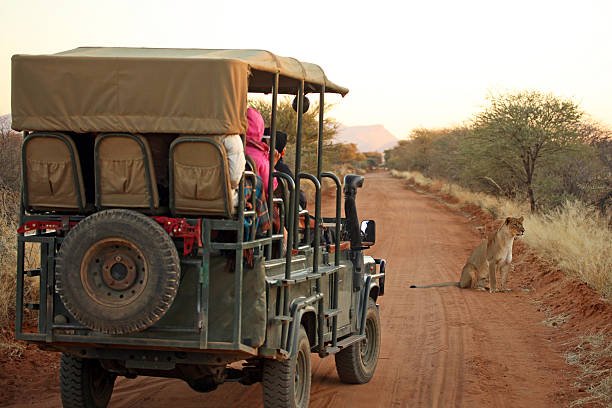
Zanzibar To Mikumi Safari: Flights, Prices And Itinerary Guide
Transition from the spice-scented beaches of Zanzibar to the wildlife-rich plains of Mikumi National Park. This guide details flight logistics, cost considerations, and sample itineraries...
View package details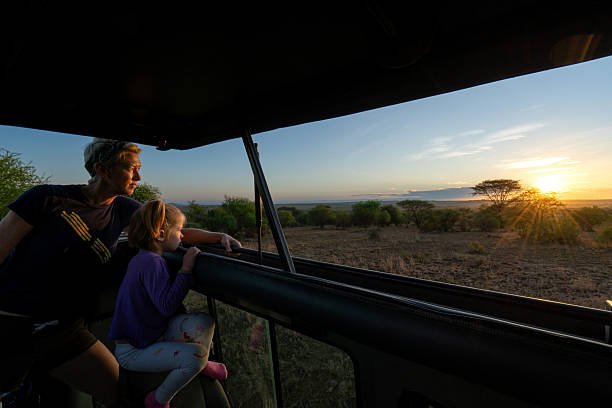
10-Day Tanzania Safari And Zanzibar Beach Holiday: Your Ultimate Itinerary
Combine the thrill of a Tanzania safari with the relaxation of Zanzibar for an unforgettable 10-day adventure. This itinerary balances iconic wildlife viewing with stunning tropical...
View package details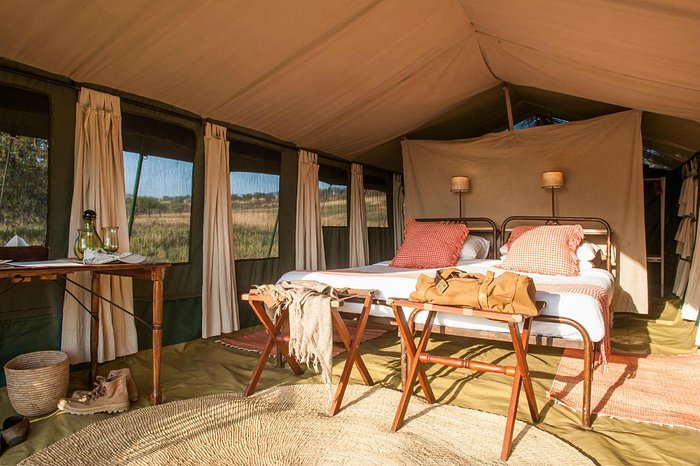
Safari From Zanzibar: Best Packages, Prices & Parks For 2026-2027
Combining a Zanzibar beach holiday with a Tanzania safari is a dream for many travelers. This guide details the best safari packages from Zanzibar, covering essential planning, park...
View package details
Tanzania Safari And Zanzibar All-Inclusive Packages Guide
Combine the thrill of a Tanzanian wildlife safari with the serene beauty of Zanzibar on an all-inclusive package. This comprehensive guide covers everything you need to know for planning...
View package details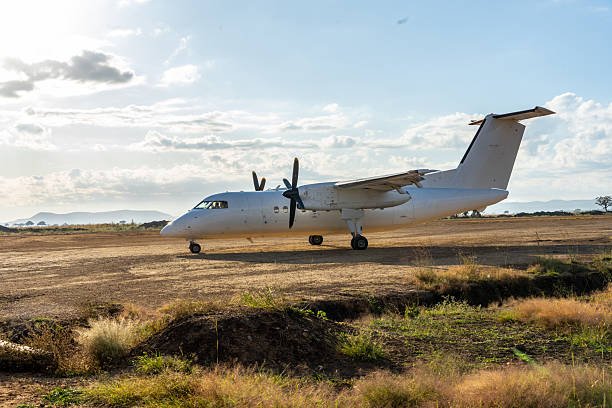
Zanzibar To Nyerere Safari Packages 2026-2027
Zanzibar to Nyerere Safari Packages is explained with current 2026-2027 planning, price, itinerary and booking information.
View package details3-Day Safari From Zanzibar 2026-2027
3-Day Safari From Zanzibar is explained with current 2026-2027 planning, price, itinerary and booking information.
View package details
2-Day Safari From Zanzibar: Your Quick Wildlife Escape In 2026-2027
Looking for a short, impactful wildlife adventure without a long trip? A 2-day safari from Zanzibar is your perfect solution. This guide covers the best options, what to expect, and how to...
View package detailsTanzania Safari And Zanzibar Packages /: Your Complete Guide 2026-2027
Explore the best Tanzania safari and Zanzibar packages for 2026-2027. This comprehensive guide covers itinerary options, wildlife highlights, beach relaxation, and booking considerations to...
View package detailsNo related package matches those filters. Clear one or more filters to see the other topic-matched options.



