
Joining a Kilimanjaro Saturday start group trek offers a fantastic opportunity for solo travelers or those looking to share the adventure and costs of climbing Africa’s highest peak. These scheduled departures, particularly popular for 2026 and 2027, provide a structured itinerary and a communal experience, making the logistics of reaching Uhuru Peak more manageable and enjoyable.

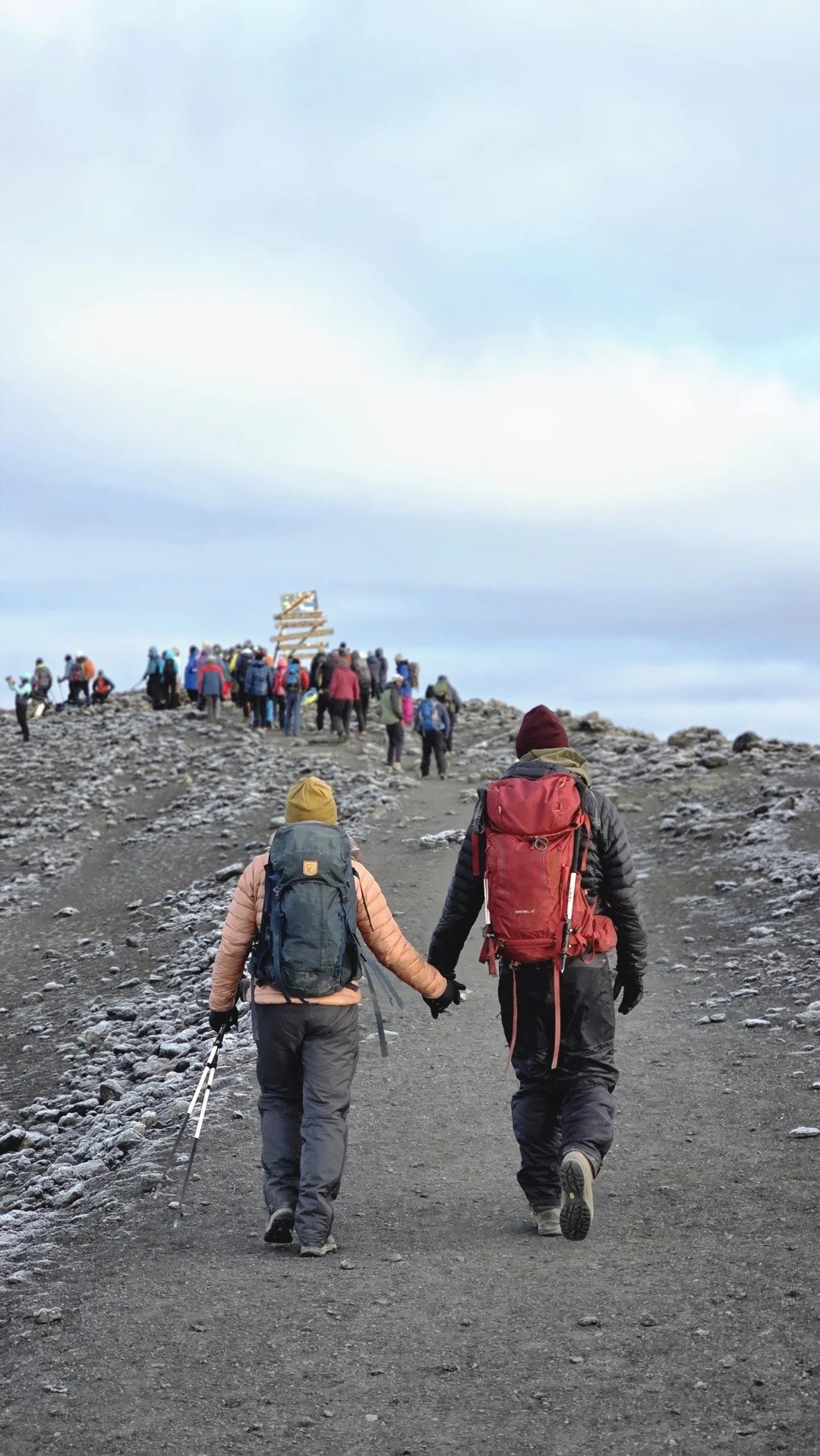
Why Choose a Saturday Start for Kilimanjaro?
Opting for a Kilimanjaro Saturday start group trek is more than just a logistical convenience; it’s a strategic choice that aligns well with many travelers’ schedules, especially those flying internationally. Many international flights arrive in Tanzania on a Friday, allowing participants to settle in, meet their group, and prepare for the trek on Saturday without feeling rushed. This initial day often involves a pre-climb briefing, gear checks, and a chance to connect with fellow trekkers and guides. It sets a relaxed yet organized tone for the adventure ahead. For those planning their climb in 2026 or 2027, knowing that a Saturday start is readily available can simplify the initial planning stages. It provides a concrete anchor point around which to build the rest of your travel arrangements, including flights and any pre- or post-climb extensions like a safari or a Zanzibar beach holiday.
Furthermore, a Saturday start often means that the trek concludes on a weekday. This can be advantageous for onward travel, as many domestic and international flights operate more frequently during the week. It also means that if you’ve planned a safari immediately following your Kilimanjaro climb, you can often begin your wildlife adventure on a Monday or Tuesday, maximizing your time in Tanzania. The rhythm of starting the trek on a weekend day can also feel more natural for many, fitting into a typical holiday pattern. When you book a Kilimanjaro group departure that specifically begins on a Saturday, you’re choosing a departure date that has been optimized for accessibility and convenience for a wide range of international travelers. This thoughtful scheduling is a hallmark of experienced tour operators who understand the nuances of organizing expeditions to iconic destinations like Kilimanjaro.
The Benefits of Joining a Group Trek
Choosing to join a group trek for your Kilimanjaro expedition, especially one with a set Saturday start, brings a unique set of advantages that can significantly enhance your overall experience. It’s a popular choice for many reasons, ranging from financial savings to the simple pleasure of shared adventure.
Cost Sharing and Affordability
One of the most compelling reasons to join a group trek is the economic benefit. When you join an established group departure, the operational costs of the expedition are shared among all participants. This includes expenses like park fees, guide and porter salaries, food, and equipment. For operators like Climb 4 Africa, running a group trek is more efficient than arranging a private climb for a single individual. This efficiency translates into lower per-person costs. For travelers in 2026 and 2027 looking to manage their budget, a group trek is often the most cost-effective way to climb Kilimanjaro. While private climbs offer more flexibility, they come at a premium. A group setting allows you to experience a professionally managed climb without the higher price tag associated with exclusivity.
Social Aspect and Camaraderie
Kilimanjaro is a challenging climb, and sharing the experience with others can be incredibly rewarding. A group trek fosters a unique sense of camaraderie. You’ll be surrounded by like-minded individuals, all with the shared goal of reaching the summit. The journey itself provides ample opportunities for bonding: conversations around the campfire, shared meals, and mutual encouragement on the trails. Many travelers, particularly solo adventurers, find that joining a group is a great way to make new friends and create lasting memories with people from diverse backgrounds. The shared struggles and triumphs build strong connections that often extend beyond the mountain.
Logistical Simplicity
Organizing a Kilimanjaro climb involves numerous logistical elements: permits, park entries, guide and porter arrangements, food, transportation, and accommodation before and after the trek. When you book a spot on a scheduled group departure, especially one with a Saturday start, the tour operator handles all these complexities. This means you can focus on your training and preparation rather than getting bogged down in intricate planning details. The operator has established relationships with park authorities and a reliable team of local staff, ensuring a smooth and well-managed expedition. For travelers new to international trekking or those with busy lives, this simplification of logistics is invaluable.
Shared Expertise and Support
Group treks benefit from the collective experience of the entire team. You’ll have experienced guides who are not only knowledgeable about the mountain and acclimatization but also adept at managing group dynamics. Porters ensure your gear is carried efficiently, and cooks provide nourishing meals. In a group setting, there’s an inherent layer of support. If someone is struggling, the group and guides rally around them. The collective knowledge of the guides is crucial for safety, ensuring that everyone adheres to proper acclimatization protocols and understands the risks involved. This shared expertise contributes to a higher success rate and a safer climbing experience for all.
Understanding Kilimanjaro Group Departures
Kilimanjaro group departures are designed to bring together multiple individuals or small parties into a single expedition. Understanding how these work is key to finding the right fit for your climb, especially when looking for that convenient Saturday start in 2026 or 2027.
How Group Sizes Work
Group sizes on Kilimanjaro can vary significantly. Some operators advertise small, intimate groups of 4-8 trekkers, while others may have larger groups of 12-20 or even more, often consolidating smaller bookings to form a viable group. The size of the group can impact the pace of the trek and the overall atmosphere. Smaller groups tend to be more flexible and can often move at a pace that suits everyone better. Larger groups might require a slightly more structured approach to keep everyone together. When you inquire about a Kilimanjaro Saturday start group trek, it’s always wise to ask about the typical group size for that specific departure. Climb 4 Africa, for instance, aims to create a balance, ensuring enough trekkers for efficiency and a good group dynamic without becoming unmanageably large. The number of guides and porters assigned is always proportional to the group size, ensuring adequate support and safety standards are maintained regardless of the number of trekkers.
Fixed Departure Dates vs. Flexible Scheduling
Group departures typically operate on fixed dates. These are dates set by the tour operator based on anticipated demand and optimal climbing seasons. A Saturday start is a specific example of a fixed departure date. If you need a Saturday start, you’ll look for departures that align with this requirement. This contrasts with private treks, where you can choose almost any date. For most travelers, fixed departures are perfectly suitable, especially when they align with their holiday plans. The advantage of fixed dates is that they guarantee the trek will operate, provided a minimum number of participants is met. For 2026 and 2027 climbs, booking well in advance for these fixed dates is recommended, as popular Saturday departures can fill up.
Typical Itinerary Structure for Group Treks
A typical Kilimanjaro group trek itinerary, whether it starts on a Saturday or another day, follows a structured progression designed for acclimatization and success. The Saturday start usually means an arrival and briefing day on Friday. The trek itself then spans 5 to 9 days, depending on the chosen route. For example, a 7-day Machame route trek starting on a Saturday would involve:
* Friday: Arrival in Moshi/Arusha, transfer to hotel, pre-climb briefing.
* Saturday (Day 1): Drive to Machame Gate, begin trek to Machame Camp.
* Sunday (Day 2): Trek to Shira Camp.
* Monday (Day 3): Trek to Barranco Camp.
* Tuesday (Day 4): Climb the Barranco Wall, trek to Karanga Camp.
* Wednesday (Day 5): Trek to Barafu Camp.
* Thursday (Day 6): Summit attempt (Uhuru Peak) and descend to Mweka Camp.
* Friday (Day 7): Trek to Mweka Gate, transfer back to Moshi/Arusha.
* Saturday: Departure or onward travel.
This structure allows for steady progress, with each day’s ascent followed by a descent or rest at a lower altitude to aid acclimatization. The Saturday end date means you’re ready for international departure on Sunday, or can begin a safari or other activities on the following Saturday if you’ve added extensions.
Selecting the Right Kilimanjaro Route for Your Group Trek
The choice of route is crucial for any Kilimanjaro climb, and for group treks, certain routes are more commonly offered and better suited for a shared experience. The length, difficulty, scenery, and acclimatization profile all play a role. When looking for a Kilimanjaro Saturday start group trek, you’ll typically find departures on the most popular and well-supported routes.
Machame Route: The Popular Choice
The Machame Route, often referred to as the “Whiskey Route,” is arguably the most popular route for both private and group treks. It’s known for its excellent acclimatization profile, scenic beauty, and high success rates. It’s a 7-day trek (though a 6-day option exists, it’s less recommended for acclimatization). Many operators, including Climb 4 Africa, offer regular Machame Route departures, and it’s common to find these starting on a Saturday. The route traverses diverse vegetation zones and features the challenging but rewarding Barranco Wall climb. Its popularity means it’s well-serviced with campsites and park rangers, making it a reliable choice for group expeditions in 2026 and 2027.
Lemosho Route for Scenic Beauty
The Lemosho Route is renowned for its stunning scenery, offering a more remote and wild experience, especially in its early stages. It’s longer, typically 7 or 8 days, which significantly improves acclimatization and success rates. While it can be slightly more expensive due to its length and the need for longer porter teams, it’s increasingly offered as a group trek option. If you’re seeking a more visually spectacular climb and have the time, an 8-day Lemosho starting on a Saturday can be an exceptional choice. It joins the Machame route from Day 3 onwards, sharing the final ascent path.
Marangu Route: The Cocoa Bean Path
Known as the “Coca-Cola Route,” Marangu is the oldest and most established route. It’s the only route that offers dormitory-style accommodation in huts rather than camping, making it a unique option for those who prefer not to camp. It’s also the shortest route, typically 5 or 6 days. However, its rapid ascent profile means it has lower success rates due to poor acclimatization. While it’s a budget-friendly option and often available as a group departure, the 5-day itinerary is not recommended by most reputable operators for safety reasons. A 6-day Marangu trek starting on a Saturday is more feasible but still carries a higher risk of altitude sickness compared to longer routes. It’s a good option if comfort in huts is a priority over scenic diversity and acclimatization.
Other Routes and Their Suitability
Routes like the Northern Circuit (9 days) and Rongai (6 or 7 days) are also available. The Northern Circuit is the longest route, offering the best acclimatization and highest success rates, but it’s less commonly offered as a standard group departure due to its duration and cost. The Rongai Route approaches from the north, offering a different perspective and is drier, making it a good option during the rainy seasons. While less common for fixed Saturday group departures compared to Machame, if you find a Rongai group trek starting on a Saturday, it can be an excellent choice, particularly for those seeking a less crowded experience.
Planning Your Kilimanjaro Saturday Start in 2026-2027
Successful planning for a Kilimanjaro climb, especially a group trek with a specific Saturday start, involves several key steps. Being prepared ensures you’re not only ready for the physical challenge but also for the logistical and practical aspects of traveling to Tanzania.
Booking Windows and Availability
Given the popularity of Kilimanjaro climbs and the desire for specific departure dates like a Saturday start, booking well in advance is highly recommended, particularly for 2026 and 2027. Peak climbing seasons (January-March and June-October) see high demand. Popular routes and dates, especially those falling on weekends, can fill up months, or even a year, ahead of time. For instance, a Saturday departure in July 2027 might be fully booked by mid-2026. When you find a group trek that meets your criteria, securing your spot promptly is advisable. Operators often have a minimum number of participants required for a group to run, and knowing this number can help manage expectations if you are one of the first to book.
Essential Preparation and Training
Kilimanjaro is a demanding trek, and physical fitness is paramount. Training should focus on cardiovascular endurance and strength. Hiking with a weighted backpack, especially on inclines and declines, is crucial. Aim for regular hikes of several hours, gradually increasing distance and elevation gain. Strength training for legs and core will also be beneficial. Beyond physical fitness, mental preparation is equally important. Understanding the challenges of altitude, cold, and fatigue will help you persevere. Many tour operators provide detailed training guides to their clients, outlining recommended exercise routines and schedules leading up to the climb.
What to Pack for a Kilimanjaro Group Climb
Packing correctly is vital for comfort and safety. Your gear needs to withstand extreme temperature variations, from the tropical base to the arctic summit. Key items include:
* Layering System: Base layers (thermal underwear), mid-layers (fleece jackets), and an outer layer (waterproof and windproof jacket and trousers).
* Footwear: Broken-in hiking boots, comfortable camp shoes or trainers, and warm socks.
* Headwear: Warm hat, sun hat, balaclava or neck gaiter.
* Handwear: Warm, waterproof gloves and liner gloves.
* Sleeping Gear: A warm sleeping bag (rated to -15°C or -20°C) and a sleeping mat (often provided by operators).
* Trekking Poles: Essential for stability and reducing strain on joints.
* Headlamp: With extra batteries.
* Sun Protection: High SPF sunscreen, lip balm, and sunglasses.
* Personal Items: Water bottles or hydration reservoir, water purification tablets, basic first-aid kit, toiletries, and personal medications.
Most operators will provide a comprehensive packing list. For group treks, it’s useful to coordinate with fellow trekkers to avoid duplication of shared items like first-aid kits or certain camp equipment.
Health and Acclimatization Considerations
Altitude sickness is the primary health concern on Kilimanjaro. Proper acclimatization is key, and choosing a longer route (7-9 days) significantly increases your chances of success. Symptoms of altitude sickness include headache, nausea, dizziness, and fatigue. Your guides are trained to monitor trekkers for these symptoms and will make decisions regarding descent if necessary. It’s advisable to consult your doctor before your trip about altitude sickness medication (like Diamox), vaccinations, and general travel health advice. Ensure your travel insurance covers high-altitude trekking and emergency evacuation. For a Kilimanjaro Saturday start group trek, understanding the operator’s approach to acclimatization and emergency procedures is critical.
What is Included in a Kilimanjaro Group Package?
When booking a Kilimanjaro group package, understanding what’s included is essential for budgeting and avoiding unexpected costs. Reputable operators provide comprehensive packages, but variations exist.
Typical Inclusions to Look For
A well-rounded group package usually includes:
* Park Fees: All national park, camping, and crater fees.
* Guides and Porters: Salaries, food, and equipment for your support crew.
* Accommodation: Camping equipment (tents, mess tent, toilet tent) or hut accommodation (on Marangu).
* Meals: All meals during the trek, prepared by dedicated cooks.
* Water: Boiled or purified drinking water during the trek.
* Transfers: Airport transfers and transport to/from the mountain gate.
* Pre-Climb Briefing: A detailed briefing session before the trek.
* Accommodation: One or two nights’ accommodation in a hotel in Moshi/Arusha before and after the climb.
* Emergency Support: Access to oxygen and a comprehensive first-aid kit.
For a Kilimanjaro Saturday start group trek, ensure the package details cover all these essentials. Climb 4 Africa provides detailed itineraries that clearly outline inclusions, giving you peace of mind for your 2026 or 2027 adventure.
Common Exclusions and Extra Costs
Be aware of common exclusions that will require additional budgeting:
* International Flights: Flights to and from Kilimanjaro International Airport (JRO).
* Visa Fees: Tanzania visa costs.
* Travel Insurance: Comprehensive travel and medical insurance covering high-altitude trekking and emergency evacuation.
* Personal Gear: Sleeping bag, hiking boots, clothing, and other personal equipment (though some operators rent gear).
* Tips: Gratuities for guides, porters, and cooks are customary and a significant part of the crew’s income. This is often the largest additional expense.
* Drinks and Snacks: Soft drinks, alcoholic beverages, and personal snacks.
* Optional Activities: Pre- or post-climb tours, hot showers on the mountain (if available), or summit photos.
* Personal Expenses: Souvenirs, laundry, and communication costs.
Understanding these exclusions allows for accurate financial planning for your Kilimanjaro group trek.
Finding Your Perfect Kilimanjaro Saturday Departure
Locating the ideal Kilimanjaro Saturday start group trek requires a bit of focused searching. Start by looking at tour operators specializing in Kilimanjaro climbs. Websites often have a ‘Scheduled Departures’ or ‘Group Dates’ section where you can filter by month, route, and departure day. When considering options for 2026 and 2027, pay attention to the route offered, the duration, and the group size. Reading reviews and checking operator credentials can also guide your decision. A good operator will be transparent about inclusions, exclusions, and their safety protocols.
Consider the operator’s philosophy. Do they prioritize porter welfare? What is their approach to acclimatization and environmental sustainability? For a more personalized touch and to ensure your specific needs are met, reaching out directly to operators is often the best approach. They can confirm upcoming Saturday departures, discuss route suitability based on your fitness, and answer any lingering questions about the trek experience. The goal is to find a departure that not only fits your schedule but also aligns with your values and expectations for a safe, enjoyable, and successful climb.
Making Your Booking with Climb 4 Africa
When you’re ready to book your Kilimanjaro Saturday start group trek for 2026 or 2027, choosing an experienced and reliable operator is paramount. Climb 4 Africa specializes in Kilimanjaro climbs and offers expertly guided group expeditions with a strong emphasis on safety, local support, and an exceptional client experience. They understand the intricacies of Kilimanjaro trekking and provide well-structured itineraries, including popular Saturday start dates on preferred routes like Machame.
To begin your booking process or to inquire about specific Saturday departures for 2026-2027, it’s best to connect directly. You can reach out via email at climb4africa@gmail.com or send a message through WhatsApp at +255 747 477 898. When you contact them, be sure to mention your interest in a Kilimanjaro Saturday start group trek, your preferred travel dates or season, and any questions you might have regarding routes, inclusions, or preparation. The Climb 4 Africa team can provide you with detailed itineraries, pricing information, and guidance to help you make an informed decision, ensuring your journey to the roof of Africa is well-planned and unforgettable. They are dedicated to providing practical, local support every step of the way.
Check Availability for Kilimanjaro Saturday Start: Join A Group Trek For 2026-2027
Ready to compare dates, prices, and the best option for your group? Send the package name and travel month so the team can reply with a clear quote, availability, and what is included.
Solo Traveller Kilimanjaro August – Join A Peak-Season Group 2027
Solo Traveller Kilimanjaro August 2027 – Join a Peak-Season Group is explained with current 2027 planning, price, itinerary and booking information.
View package details
Solo Traveller Kilimanjaro February : Join International Groups For Your Climb
start your solo Kilimanjaro adventure in February 2027 by joining an international group. This guide helps solo travelers find suitable expeditions, understand the benefits of group climbs...
View package details
Lemosho Route – 16 January Group Joining Kilimanjaro Climb 2026-2027
This page details the Lemosho Route Kilimanjaro climb scheduled for January 16, 2027. It's an 8-day group joining departure, ideal for trekkers seeking a balance of scenic beauty, excellent...
View package details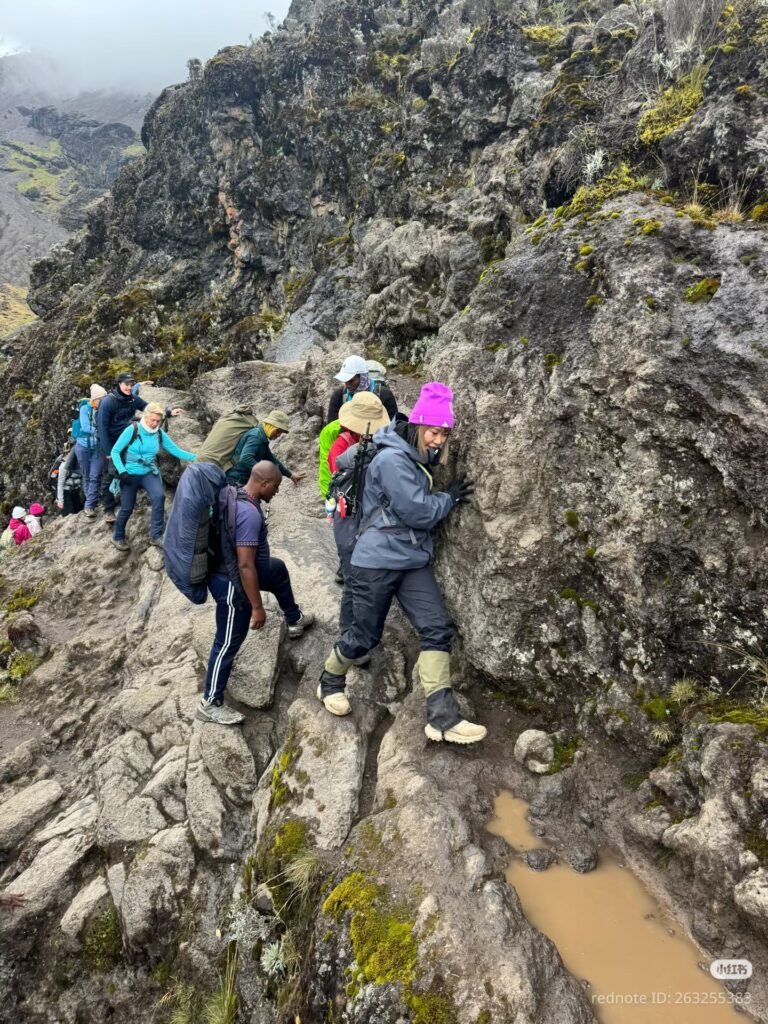
Solo Traveller Kilimanjaro Christmas : How To Join A Group Climb 2026-2027
Embarking on a solo Kilimanjaro climb during Christmas 2026 offers a unique festive experience. This guide helps solo travelers find and join suitable groups for a safe and memorable...
View package details
?? Kilimanjaro Early December, Group Joining, Acclimatization 2026-2027
→ Kilimanjaro early December, group joining, acclimatization. is explained with current 2026-2027 planning, price, itinerary and booking information.
View package details
Last Minute Kilimanjaro August – Group Spaces And Availability 2027
Last Minute Kilimanjaro August 2027 – Group Spaces and Availability is explained with current 2027 planning, price, itinerary and booking information.
View package detailsKilimanjaro Climb July – Peak Dry-Season Group Departures 2027
Kilimanjaro Climb July 2027 – Peak Dry-Season Group Departures is explained with current 2027 planning, price, itinerary and booking information.
View package details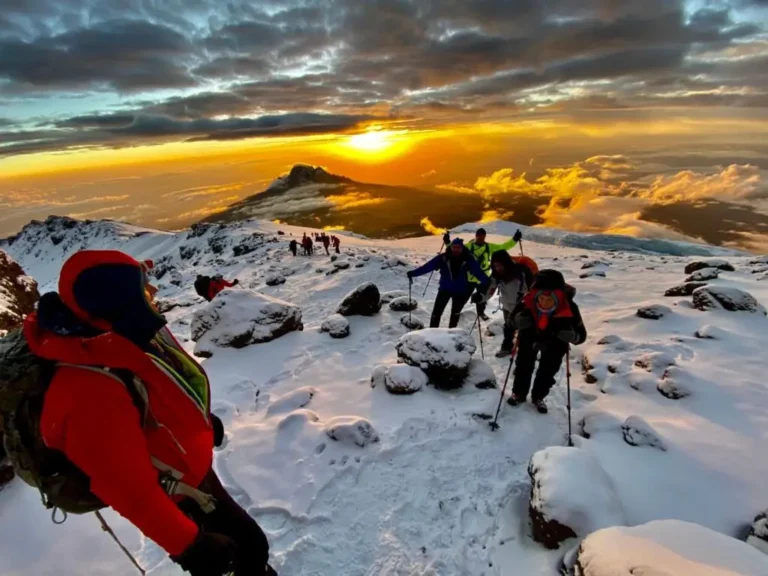
Marangu Route – 26 June Kilimanjaro Group Climb 2027
Marangu Route – 26 June 2027 Kilimanjaro Group Climb is explained with current 2027 planning, price, itinerary and booking information.
View package details7 Day Machame Route – 19 June Kilimanjaro Group Departure 2027
Planning to climb Kilimanjaro on the Machame Route in a group setting? This 7-day departure on June 19, 2027, offers a balanced approach to acclimatization and scenery. Learn what to...
View package detailsLemosho Route – 7 August Summer Group Climb: Your Kilimanjaro Adventure 2027
start a memorable Lemosho Route – 7 August 2027 Summer Group Climb up Mount Kilimanjaro. This guide covers the itinerary, acclimatization, and preparation for your ascent.
View package detailsLemosho Route – 28 August Kilimanjaro Group Climb 2027
Lemosho Route – 28 August 2027 Kilimanjaro Group Climb is explained with current 2027 planning, price, itinerary and booking information.
View package detailsKilimanjaro 21 August – Late Group Departure 2027
Kilimanjaro 21 August 2027 – Late August Group Departure is explained with current 2027 planning, price, itinerary and booking information.
View package detailsNo related package matches those filters. Clear one or more filters to see the other topic-matched options.



