
A Kenya Tanzania safari starting in Nairobi and ending in Zanzibar typically involves 7 to 14 days of travel, combining classic Kenyan wildlife viewing in areas like the Masai Mara with Tanzania’s renowned Serengeti and Ngorongoro Crater, followed by beach time on Zanzibar. This popular route offers a diverse experience of East Africa’s iconic landscapes and abundant wildlife, concluding with the tropical allure of the Spice Island, with many travelers planning for 2026 and 2027 departures.
Planning Your Kenya Tanzania Safari: Nairobi to Zanzibar in 2026-2027
Embarking on a safari that spans two of East Africa’s most celebrated wildlife destinations, Kenya and Tanzania, and finishing on the idyllic shores of Zanzibar, is a dream trip for many. This journey offers an unparalleled opportunity to witness the Great Migration, encounter the Big Five, and then unwind on pristine beaches. When planning for 2026-2027, understanding the logistics, the best times to travel, and the key destinations is crucial for crafting an unforgettable adventure.
The appeal of a Kenya Tanzania safari starting in Nairobi and ending in Zanzibar lies in its comprehensive offering. You begin in Kenya, often flying into Nairobi, a vibrant hub that serves as a gateway to its world-class national parks. From there, the journey typically progresses south into Tanzania, focusing on its legendary parks before a flight to Zanzibar for a well-deserved break. This itinerary allows for maximum wildlife viewing and cultural immersion, capped off with tropical relaxation.
Climb 4 Africa specializes in crafting these bespoke East African adventures. We understand the nuances of navigating between Kenya and Tanzania, ensuring a smooth transition from game drives to island life. Our expertise helps you maximize your time, whether you have a specific duration in mind or are looking for a tailor-made experience for 2026 or 2027.
Why Choose This Combined Kenya-Tanzania-Zanzibar Route?
This particular safari route is exceptionally popular for several compelling reasons:
- Wildlife Spectacle: It covers two of the most biodiverse regions in Africa. You get to experience Kenya’s Masai Mara, famous for its dramatic predator-prey interactions and the Great Migration (depending on the season), and Tanzania’s Serengeti National Park, the migration’s epicenter, alongside the unique ecosystem of the Ngorongoro Crater.
- Logistical Flow: Starting in Nairobi and moving south into Tanzania is a geographically sensible progression. Flights between Nairobi and Kilimanjaro International Airport (JRO) or Arusha are frequent, and road transfers are also feasible. The onward flight from mainland Tanzania to Zanzibar is straightforward.
- Diverse Landscapes: From the savannahs of the Masai Mara and Serengeti to the caldera of Ngorongoro and the spice-scented air of Zanzibar, this trip offers a stunning variety of environments.
- The Perfect Contrast: The intense, exhilarating days of safari are perfectly balanced by the serene, tranquil atmosphere of Zanzibar, offering a complete holiday experience.
- Efficiency for Longer Trips: While shorter trips are possible, this route truly shines when you have 10-14 days, allowing for in-depth exploration of multiple parks without feeling rushed.
Key Considerations for Your 2026-2027 Safari Plan
Planning a safari of this magnitude requires careful thought. Here are some initial points to consider:
Travel Style and Budget
Safari experiences can range from budget-friendly camping to luxurious lodges. Your choice significantly impacts the overall cost and comfort. For 2026-2027 trips, understanding these tiers is the first step to aligning your expectations with your budget. A typical 10-day safari combining Kenya and Tanzania might range from $3,000 to $8,000+ per person, excluding international flights, depending heavily on accommodation, vehicle type, and group size. Zanzibar add-ons will increase this cost.
Timing: When to Go
The best time to visit depends on what you want to see. The Great Migration is a primary draw, and its location changes throughout the year. Generally, June to October is excellent for game viewing across both countries, with dry weather. However, for specific migration events like river crossings in the Masai Mara, July to September is peak. For Zanzibar, the dry seasons (June-October and December-February) are ideal for beach holidays, avoiding the heavy rains.
Duration of Your Trip
A minimum of 7 days is needed to get a taste of both countries’ highlights, but 10-14 days is highly recommended to truly appreciate the wildlife and allow for travel time between locations. More time allows for deeper exploration, perhaps including more parks or longer stays in key areas.
Accommodation Preferences
From rustic tented camps and comfortable mid-range lodges to ultra-luxury tented suites and boutique hotels, the options are vast. Your accommodation choice will shape your safari experience, from proximity to wildlife to dining and amenities. We can guide you to the best fit for your 2026-2027 safari.
Crafting Your Itinerary: The Nairobi Start and Tanzanian Trail
The journey typically begins in Nairobi, Kenya. From here, you’ll head out to explore Kenya’s iconic wildlife areas before crossing into Tanzania. The exact sequence can vary, but a common and effective itinerary flows like this:
Day 1-2: Arrival in Nairobi & Safari Briefing
Upon arrival at Jomo Kenyatta International Airport (NBO) in Nairobi, you’ll be met and transferred to your hotel. This allows you to rest and acclimatize. The following day often includes a briefing from your safari operator to go over the itinerary, discuss expectations, and answer any questions you might have before your adventure begins. Depending on your flight schedule and energy levels, you might have time for a brief city tour or a visit to the Giraffe Centre or David Sheldrick Wildlife Trust.
Day 3-5: Masai Mara National Reserve, Kenya
From Nairobi, you’ll typically fly or drive to the legendary Masai Mara National Reserve. This iconic park is part of the larger Serengeti-Mara ecosystem and is renowned for its vast plains teeming with wildlife. It’s an excellent place to spot the Big Five (lion, leopard, elephant, rhino, buffalo), cheetahs, giraffes, zebras, and countless other species.
Choosing your Masai Mara experience:
- Flights: A short flight from Wilson Airport in Nairobi directly into the Mara saves significant travel time, offering spectacular aerial views of the landscape. This is the most convenient option, especially for shorter trips.
- Road Transfer: A scenic drive through the Great Rift Valley takes longer but offers a different perspective and can be more budget-friendly. It’s a full day’s journey, often including a stop at a viewpoint.
Key Activities in the Masai Mara:
- Game Drives: Morning and afternoon game drives are the primary way to explore the reserve. Your experienced guide will help you track animals and understand their behavior.
- The Great Migration (Seasonal): If you’re traveling between July and October, you might witness the awe-inspiring spectacle of millions of wildebeest and zebras migrating across the plains, a highlight of any Kenya Tanzania safari.
- Maasai Village Visit: An optional cultural excursion to a Maasai village can provide insight into the traditional way of life of the Maasai people, who share their ancestral lands with the wildlife.
- Hot Air Balloon Safari: For a truly memorable experience, a sunrise hot air balloon ride over the Mara offers a unique perspective of the vast landscape and the wildlife below. This is a premium activity with an additional cost.
Accommodation options in the Mara range from luxury tented camps offering an intimate wilderness experience to comfortable lodges with excellent amenities.
Day 6: Transfer to Tanzania & Serengeti Gateway
After your final morning game drive in the Masai Mara, you’ll head towards the Kenya-Tanzania border. The most common route involves crossing at the Isebania/Sirari border post. From here, you’ll travel to a town in Tanzania that serves as a gateway to the Serengeti, typically Tarime or Musoma, before continuing to your first Tanzanian safari destination.
Alternatively, some itineraries might involve flying from the Masai Mara (e.g., Keekorok Airstrip) to Kilimanjaro International Airport (JRO) or Arusha, Tanzania, bypassing the border crossing and saving considerable travel time. This is often preferred for shorter itineraries or when maximizing time in Tanzania is key.
Day 7-9: Serengeti National Park, Tanzania
The Serengeti National Park is perhaps the most famous safari destination in the world, known for its endless plains and dramatic wildlife encounters. Its name, derived from the Maasai word ‘Siringet,’ meaning ‘endless plains,’ perfectly captures its essence.
Navigating the Serengeti: The Serengeti is vast, and its wildlife populations, including the Great Migration, move throughout the year. Your itinerary will focus on the areas most likely to offer excellent game viewing during your travel dates for 2026-2027.
- Central Serengeti: Offers year-round game viewing with resident wildlife populations.
- Northern Serengeti: Ideal for witnessing the Great Migration river crossings (Kimsingon, Mara River) between July and October.
- Southern Serengeti: Best for the calving season (January-March) when wildebeest herds gather on the short-grass plains.
- Western Corridor: Known for the Grumeti River, where wildebeest may cross from May to July.
Activities in the Serengeti:
- Full-Day Game Drives: Explore different regions of the Serengeti with your guide, searching for lions, leopards, cheetahs, elephants, giraffes, and the vast herds of wildebeest and zebras.
- Predator-Prey Dynamics: The Serengeti is a prime location to witness the intricate relationships between predators and their prey.
- Birdwatching: With over 500 species of birds, it’s a paradise for ornithologists.
Accommodation in the Serengeti: Options range from mobile tented camps that follow the migration to permanent lodges and luxury tented camps offering comfort and stunning views.
Day 10: Ngorongoro Crater, Tanzania
A UNESCO World Heritage Site, the Ngorongoro Conservation Area is home to the Ngorongoro Crater, a natural wonder and one of the most concentrated wildlife areas on earth. The crater floor, approximately 19 kilometers (12 miles) in diameter, supports a remarkable diversity of animals, including the endangered black rhino, lions, elephants, hippos, and flamingos.
The Ngorongoro Crater experience:
- Crater Floor Game Drive: You’ll descend into the crater for a half-day game drive. The dense population of animals means you’re likely to see a great deal in a short period.
- Unique Ecosystem: The crater’s unique environment, with its mix of grassland, swamps, forests, and a salt lake, supports a thriving ecosystem.
- Conservation Area: The broader Ngorongoro Conservation Area also offers opportunities to visit Maasai villages and see wildlife outside the crater.
Important Note: Access to the crater floor is strictly controlled to protect the environment. There are limits on the number of vehicles and the time spent inside. Your guide will manage this carefully.
After your crater game drive, you’ll typically head to Arusha or Moshi, preparing for your onward journey to Zanzibar. This often involves an overnight stay in one of these towns.
Transition to Paradise: Zanzibar Island
After days of exhilarating safari action, it’s time to switch gears and head to the exotic island of Zanzibar. Known for its spice plantations, historic Stone Town, and stunning white-sand beaches, Zanzibar offers a perfect blend of culture, history, and relaxation.
Day 11: Flight to Zanzibar & Stone Town Exploration
You’ll take a short domestic flight from Arusha or Kilimanjaro International Airport (JRO) to Zanzibar’s Abeid Amani Karume International Airport (ZNZ). Upon arrival, you’ll be transferred to your hotel in historic Stone Town, a UNESCO World Heritage Site.
Exploring Stone Town:
- Historical Significance: Stone Town is a interesting labyrinth of narrow streets, bustling bazaars, and intricately carved wooden doors. It was once a major trading center for spices, ivory, and slaves.
- Cultural Immersion: Wander through the markets, visit the House of Wonders, the Old Fort, and the former slave market. The architecture reflects Arab, Persian, Indian, and European influences.
- Spice Tour: Zanzibar is famously known as the ‘Spice Island.’ A guided spice tour is a must-do, where you can see, smell, and taste a variety of spices, fruits, and herbs grown locally.
- Sunset Dhow Cruise: Enjoy a traditional dhow cruise at sunset, a relaxing way to see the coastline and enjoy the balmy evening air.
Accommodation in Stone Town: Boutique hotels and guesthouses offer an authentic experience, often housed in beautifully restored historic buildings.
Day 12-13 (or more): Beach Relaxation in Zanzibar
After soaking in the history and culture of Stone Town, you’ll be transferred to one of Zanzibar’s stunning beach destinations for relaxation. The choice of beach depends on your preference:
- Nungwi & Kendwa (North): Known for their pristine white sands, turquoise waters, and vibrant atmosphere. They offer excellent swimming conditions year-round, with minimal tides. Ideal for those seeking lively beach bars and water sports.
- Paje & Jambiani (East Coast): Famous for kite surfing due to the consistent winds. These villages offer a more laid-back vibe with beautiful beaches and opportunities to interact with local communities. The tides here are more pronounced, revealing vast sand flats at low tide.
- Matemwe (Northeast): Offers a quieter, more secluded experience, with excellent diving and snorkeling opportunities, particularly near Mnemba Atoll.
Activities on the Beach:
- Relaxation: Simply unwind on the beach, swim in the Indian Ocean, and enjoy the tropical climate.
- Snorkeling & Diving: Explore the vibrant coral reefs and marine life, especially around Mnemba Atoll.
- Water Sports: Kayaking, paddleboarding, and jet skiing are available in many areas.
- Dolphin Tours: A trip to Kizimkazi offers a chance to see dolphins, though responsible tourism practices should be observed.
Accommodation on Zanzibar: From luxury beachfront resorts with all amenities to charming beach bungalows and guesthouses, there are options to suit every style and budget.
Day 14: Departure from Zanzibar
Depending on your flight schedule, you’ll have some final moments to enjoy Zanzibar before being transferred to Abeid Amani Karume International Airport (ZNZ) for your onward journey.
Customizing Your 2026-2027 Kenya Tanzania Safari
The itinerary above is a classic framework. Climb 4 Africa excels at tailoring these journeys to your specific interests, pace, and budget for 2026 and 2027.
Tailoring Your Wildlife Focus:
- Migration Focused: If witnessing the Great Migration is your top priority, we’ll adjust your itinerary to be in the Masai Mara or Serengeti during the peak season for river crossings or calving.
- Big Cat Enthusiasts: Areas like the central Serengeti and the Ngorongoro Crater are renowned for big cat sightings.
- Birding Safaris: While all parks are rich in birdlife, specific areas might be better suited for dedicated birdwatchers.
Adjusting Duration:
- Shorter Trips (7-9 Days): Focus on one key park in Kenya (e.g., Masai Mara) and one in Tanzania (e.g., Serengeti/Ngorongoro), with a shorter stay in Zanzibar. This can involve more flights to save time.
- Longer Trips (14+ Days): Allows for more in-depth exploration of both countries, perhaps adding other Kenyan parks like Lake Nakuru or Amboseli, or Tanzanian parks like Tarangire or Lake Manyara. More time can also be spent on Zanzibar.
Accommodation Tiers:
We offer a range of accommodation to match your budget and desired comfort level:
Accommodation Tiers for 2026-2027 Safaris
| Tier | Description | Typical Price Range (Per Person, Per Night, Safari Portion) |
|---|---|---|
| Budget/Camping | Basic, clean tented camps or permanent campsites with shared facilities. Emphasis on the safari experience. | $200 – $350 |
| Mid-Range | Comfortable lodges and tented camps with en-suite bathrooms, good amenities, and often swimming pools. | $400 – $700 |
| Luxury/High-End | Exclusive lodges and tented camps offering premium services, gourmet dining, private plunge pools, and exceptional locations. | $800 – $1,500+ |
Note: These are indicative ranges for the safari portion. Zanzibar accommodation pricing varies significantly.
Travel Between Kenya and Tanzania:
The transition can be managed in a few ways:
- Road Transfer with Border Crossing: This is the most budget-friendly but time-consuming option. It involves driving from Nairobi to the border, clearing immigration, and then continuing into Tanzania.
- Flight from Nairobi to Arusha/JRO: A quicker option that bypasses border formalities and saves travel time, though it adds to the cost.
- Flight from Masai Mara to Arusha/JRO: The most efficient, especially if you’ve spent several days in the Mara.
For your 2026-2027 safari, we’ll recommend the most suitable transfer method based on your itinerary and preferences.
Logistics and Practicalities for Your Kenya Tanzania Safari
Smooth travel requires attention to detail. Here are some key logistical points:
Visas and Passports
Ensure your passport is valid for at least six months beyond your intended stay and has sufficient blank pages. Visa requirements can vary by nationality. Many nationalities can obtain a visa on arrival for Kenya and Tanzania, but it’s advisable to check the latest regulations for your country well in advance of your 2026-2027 travel dates. Some travelers opt for the East African Tourist Visa, which covers Kenya, Uganda, and Rwanda, though it’s often simpler to get individual visas for Kenya and Tanzania if your itinerary doesn’t include other countries.
Health and Vaccinations
Consult your doctor or a travel clinic at least 4-6 weeks before your trip regarding recommended vaccinations and malaria prophylaxis. Yellow fever vaccination may be required, especially if traveling from or through a country with a risk of yellow fever transmission. Malaria precautions are generally recommended for safari areas and Zanzibar.
Travel Insurance
Comprehensive travel insurance is essential. It should cover medical emergencies, evacuation, trip cancellation, and loss of personal belongings. Ensure it specifically covers safari activities and any adventure sports you might participate in.
Currency and Payments
The currencies are the Kenyan Shilling (KES) and the Tanzanian Shilling (TZS). However, US Dollars are widely accepted for tourist services, especially in safari lodges and Zanzibar hotels. It’s useful to have smaller denominations of USD for tips and incidentals. Credit cards are accepted at most lodges and hotels, but it’s wise to carry some cash for smaller purchases and markets.
Packing Essentials for Safari and Zanzibar
Pack light, neutral-colored clothing (khaki, beige, olive green) that blends with the environment. Avoid bright colors and dark blue/black, which can attract insects. Key items include:
- Lightweight long-sleeved shirts and trousers
- T-shirts and shorts
- A warm fleece or jacket for cool mornings and evenings
- Comfortable walking shoes or hiking boots
- Sandals or flip-flops for relaxation
- Sun hat, sunglasses, and high SPF sunscreen
- Insect repellent
- Binoculars (highly recommended!)
- Camera and plenty of memory cards/batteries
- Personal medications and a basic first-aid kit
- Swimsuit for Zanzibar
- Adapter for electronics (Type G in Kenya, Type D/G in Tanzania)
Why Book Your 2026-2027 Kenya Tanzania Safari with Climb 4 Africa?
Planning a complex journey like a Kenya Tanzania safari starting in Nairobi and ending in Zanzibar requires expertise and local knowledge. Climb 4 Africa has extensive experience in crafting unforgettable East African adventures.
Our Commitment to Your Journey
- Local Expertise: We are a Tanzania-based company with deep roots and on-the-ground knowledge of Kenya and Tanzania.
- Tailor-Made Itineraries: We don’t offer one-size-fits-all tours. We listen to your preferences and design a trip that perfectly suits your interests, pace, and budget for 2026-2027.
- smooth Logistics: We manage all the intricate details, from internal flights and transfers to accommodation bookings and park permits, ensuring a stress-free experience.
- Experienced Guides: Our guides are highly trained, knowledgeable about wildlife, local culture, and dedicated to providing you with an exceptional safari experience.
- Value for Money: We strive to offer competitive pricing without compromising on the quality of your safari experience.
- Responsible Tourism: We are committed to sustainable tourism practices that benefit local communities and conservation efforts.
When you are ready to plan your dream Kenya Tanzania safari starting in Nairobi and ending in Zanzibar for 2026 or 2027, our team is here to assist. We can provide detailed quotes, answer all your questions, and help you build the perfect itinerary. Contact us today to start planning your extraordinary East African adventure.
WhatsApp: +255 747 477 898
Email: climb4africa@gmail.com
Frequently Asked Questions About Kenya Tanzania Safaris
Here are answers to some common questions about planning a safari from Nairobi to Zanzibar.
What is the best time of year for a Kenya Tanzania safari ending in Zanzibar?
The dry seasons, generally June to October and December to February, offer the best game viewing and pleasant weather for both safari and Zanzibar. For the Great Migration, timing is crucial: June-October for river crossings in the Mara/Serengeti and January-March for calving in the southern Serengeti. Zanzibar is pleasant year-round but can be hot and humid outside the dry seasons.
How long should this safari trip be?
A minimum of 7 days is feasible for a highlights tour, but 10-14 days is highly recommended to properly experience the key wildlife areas in Kenya and Tanzania and enjoy a few days on Zanzibar without feeling rushed. Longer trips (14+ days) allow for more in-depth exploration.
What is the typical cost for a Kenya Tanzania safari starting in Nairobi and ending in Zanzibar for 2026-2027?
Costs vary significantly based on accommodation, duration, and travel style. A 10-day safari and Zanzibar package can range from approximately $3,500 to $8,000+ per person, excluding international flights. Budget travelers might find options closer to $3,000, while luxury trips can exceed $10,000. Zanzibar extensions will add to the total cost.
Can I see the Great Migration on this safari?
Yes, it’s possible, but depends on the time of year. The Great Migration moves constantly. For river crossings in the Masai Mara and Serengeti, aim for July to September. For calving season in the southern Serengeti, January to March is ideal. We can tailor your 2026-2027 safari to maximize your chances.
What is the best way to travel between Kenya and Tanzania?
The most efficient way is often by flying from Nairobi or the Masai Mara into Kilimanjaro International Airport (JRO) or Arusha, Tanzania. Road transfers are more economical but take significantly longer and involve border crossings. For a smooth experience, especially on shorter trips, flights are usually preferred.
Do I need separate guides for Kenya and Tanzania?
Typically, yes. You’ll have a dedicated guide for your Kenya portion and a separate guide for your Tanzania safari. This is standard practice as tour operators often specialize in one country or region. Climb 4 Africa coordinates these transitions seamlessly.
What kind of vehicle will I use on safari?
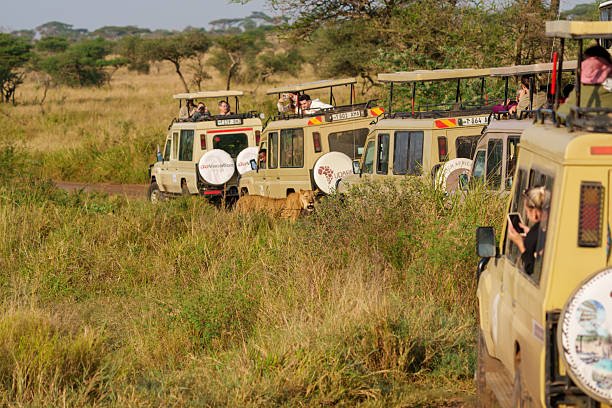
Most safaris utilize 4×4 safari vehicles (like Land Cruisers or Land Rovers) equipped with pop-up roofs for optimal game viewing and photography. The specific vehicle can depend on the operator and the region.
Is Zanzibar safe for solo female travelers?
Zanzibar is generally considered safe for solo travelers, including women. However, like any destination, it’s important to be aware of your surroundings, dress modestly, especially when visiting local villages or Stone Town, and avoid walking alone in isolated areas at night. Using reputable tour operators and accommodations enhances safety.
Conclusion: Your Unforgettable East African Adventure Awaits
A Kenya Tanzania safari starting in Nairobi and ending in Zanzibar offers a truly comprehensive and spectacular East African experience. From the thrilling wildlife encounters in the Masai Mara and Serengeti to the impressive landscapes of the Ngorongoro Crater and the idyllic beaches of Zanzibar, this journey promises memories that will last a lifetime. Planning for 2026 and 2027 allows ample time to craft the perfect adventure, aligning with your interests, budget, and desired travel dates.
Climb 4 Africa is dedicated to making your dream safari a reality. Our local expertise, commitment to personalized service, and passion for East Africa ensure that every detail of your journey is meticulously managed. We invite you to connect with us to begin designing your bespoke Kenya Tanzania safari starting in Nairobi and ending in Zanzibar. Let us help you create an itinerary that exceeds your expectations.
Get in touch to start planning your 2026-2027 adventure:
WhatsApp: +255 747 477 898
Email: climb4africa@gmail.com
Check Availability for Kenya Tanzania Safari Starting In Nairobi Ending In Zanzibar: Your Ultimate
Ready to compare dates, prices, and the best option for your group? Send the package name and travel month so the team can reply with a clear quote, availability, and what is included.

Serengeti Safari And Zanzibar Beach Holiday: The Ultimate Tanzania
Combine the thrill of a Serengeti safari with the relaxation of a Zanzibar beach holiday. This guide covers everything you need to know for an unforgettable Tanzania adventure in 2026-2027...
View package details
Tanzania Safari And Zanzibar All-Inclusive Packages Guide
Combine the thrill of a Tanzanian wildlife safari with the serene beauty of Zanzibar on an all-inclusive package. This comprehensive guide covers everything you need to know for planning...
View package details
Tanzania Safari And Zanzibar Packages /: Your Complete Guide 2026-2027
Explore the best Tanzania safari and Zanzibar packages for 2026-2027. This comprehensive guide covers itinerary options, wildlife highlights, beach relaxation, and booking considerations to...
View package details
10-Day Tanzania Safari And Zanzibar Beach Holiday: Your Ultimate Itinerary
Combine the thrill of a Tanzania safari with the relaxation of Zanzibar for an unforgettable 10-day adventure. This itinerary balances iconic wildlife viewing with stunning tropical...
View package details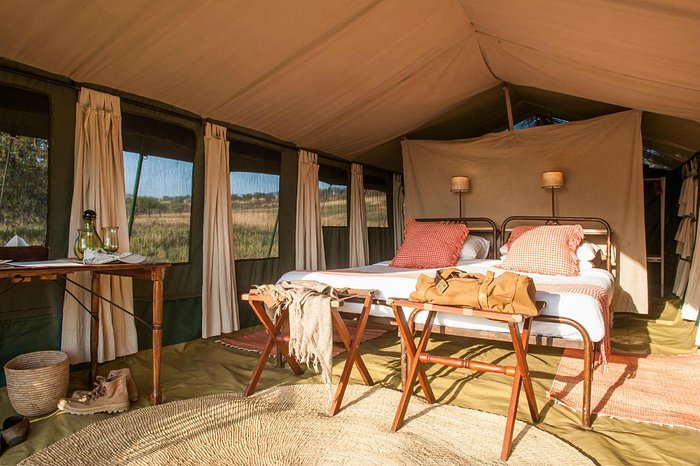
Safari From Zanzibar: Best Packages, Prices & Parks For 2026-2027
Combining a Zanzibar beach holiday with a Tanzania safari is a dream for many travelers. This guide details the best safari packages from Zanzibar, covering essential planning, park...
View package details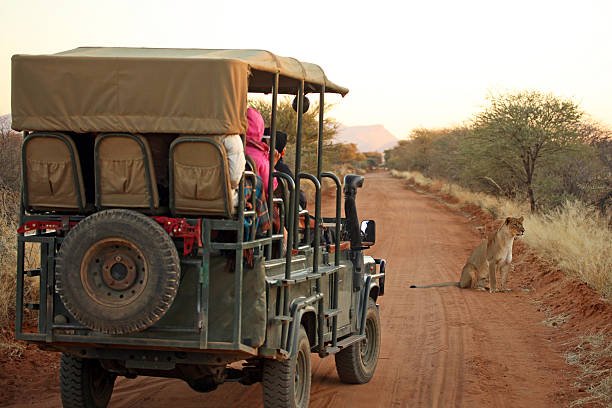
Zanzibar To Mikumi Safari: Flights, Prices And Itinerary Guide
Transition from the spice-scented beaches of Zanzibar to the wildlife-rich plains of Mikumi National Park. This guide details flight logistics, cost considerations, and sample itineraries...
View package details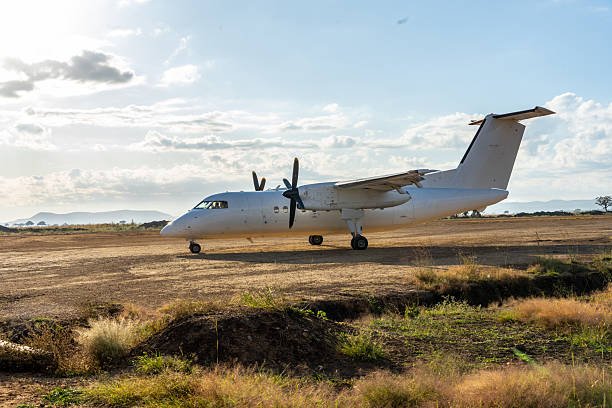
Zanzibar To Nyerere Safari Packages 2026-2027
Zanzibar to Nyerere Safari Packages is explained with current 2026-2027 planning, price, itinerary and booking information.
View package detailsZanzibar To Serengeti Safari Packages 2026-2027
Zanzibar to Serengeti Safari Packages is explained with current 2026-2027 planning, price, itinerary and booking information.
View package details3-Day Safari From Zanzibar 2026-2027
3-Day Safari From Zanzibar is explained with current 2026-2027 planning, price, itinerary and booking information.
View package details
2-Day Safari From Zanzibar: Your Quick Wildlife Escape In 2026-2027
Looking for a short, impactful wildlife adventure without a long trip? A 2-day safari from Zanzibar is your perfect solution. This guide covers the best options, what to expect, and how to...
View package detailsBest Family-Friendly Resorts In Tanzania For Unforgettable Adventures
Planning a family adventure in Tanzania? This guide highlights the best family-friendly resorts offering incredible wildlife viewing, cultural experiences, and comfortable stays for all...
View package detailsWildlife And Nature Titles: Your Ultimate Guide To Tanzanias Best Experiences
This comprehensive guide explores the most sought-after wildlife and nature titles in Tanzania, from iconic safari destinations and Kilimanjaro treks to the tropical allure of Zanzibar...
View package detailsNo related package matches those filters. Clear one or more filters to see the other topic-matched options.



