
To travel to Arusha, Tanzania, the most common and efficient method is by flying into Kilimanjaro International Airport (JRO), which is located approximately 40-50 km east of Arusha. Alternatively, you can arrive via overland routes from neighboring countries or other major Tanzanian cities like Dar es Salaam, though these are significantly longer. Planning for 2026-2027 travel involves considering flight availability, visa requirements, and the best time of year, which typically aligns with the dry seasons for optimal safari and climbing experiences.
Getting to Arusha: Your Primary Options
Arusha, a vibrant city located at the foot of Mount Meru, is Tanzania’s primary hub for tourism, particularly for those embarking on safaris to the famed Northern Circuit or aiming to conquer Mount Kilimanjaro. Understanding how to reach this crucial destination is the first step in planning your unforgettable East African adventure. While Arusha has a small domestic airport (ARK), it primarily serves regional flights. For most international travelers, Kilimanjaro International Airport (JRO) is the principal entry point.
Flights to Kilimanjaro International Airport (JRO)
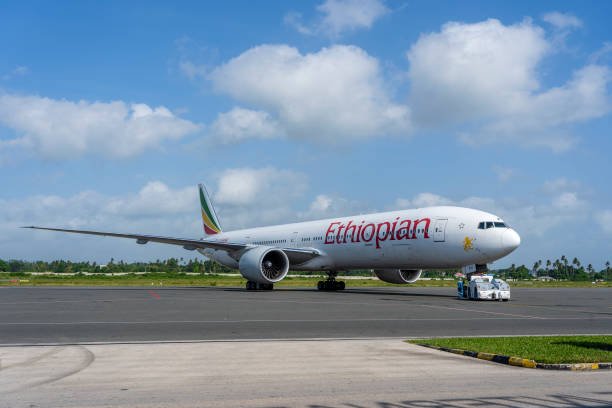
Kilimanjaro International Airport (JRO) is the most convenient gateway for travelers heading to Arusha. Located roughly halfway between Arusha and Moshi, the airport receives a steady stream of international flights, primarily from hubs in Europe and the Middle East. Major airlines often operate routes connecting through Amsterdam, Doha, Istanbul, or Nairobi, making it accessible from most continents. Direct flights are less common for long-haul travelers, so expect at least one stopover.
When searching for flights for your 2026 or 2027 trip, consider booking several months in advance, especially if you’re traveling during peak seasons (June-October and December-February). Prices can fluctuate significantly based on demand, airline, and how far in advance you book. Many travelers find that booking through a local tour operator, like Climb 4 Africa, can sometimes simplify flight arrangements or offer insights into the best arrival times that align with safari or climb schedules. Confirming your flight details well ahead of time is crucial for a smooth transition upon arrival.
Key considerations for flights to JRO:
- Airline choices: Major carriers often fly into JRO, but routes can vary. Check airlines like KLM, Qatar Airways, Turkish Airlines, and Ethiopian Airlines, often connecting through their respective hubs.
- Arrival times: Aim for an arrival time that allows for a comfortable transfer to Arusha, ideally before dusk. Most transfers take around 1 to 1.5 hours from JRO to Arusha city.
- Baggage allowances: Be mindful of baggage restrictions, particularly if you are planning a Kilimanjaro climb, where specific gear is required. Some airlines may have different allowances for checked and carry-on luggage.
- Booking window: For 2026-2027 travel, booking 6-12 months ahead can often secure better fares, especially for popular travel dates.
Overland Travel to Arusha
While flying into JRO is the most popular route, overland travel to Arusha is an option, particularly for those already in East Africa or seeking a more adventurous, budget-conscious journey. The main overland routes originate from:
- Dar es Salaam: Tanzania’s largest city and former capital is connected to Arusha by a major highway. Buses are the most common mode of transport for this route. Several reputable bus companies operate daily services. The journey is long, typically taking 8-12 hours, depending on road conditions and traffic. It’s advisable to book bus tickets a day or two in advance, especially for premium services.
- Nairobi, Kenya: Arusha is a common transit point for travelers moving between Kenya and Tanzania. Direct shuttle buses operate between Nairobi and Arusha, offering a relatively straightforward way to cross the border. The journey includes border formalities and can take anywhere from 5 to 8 hours. Ensure your visa for Tanzania is in order before you depart Nairobi.
- Other Tanzanian Cities: While less common for international arrivals, cities like Mwanza or Dodoma are also connected to Arusha by road, though these journeys are significantly longer.
Overland travel offers a chance to see more of Tanzania’s diverse landscapes but requires more time and patience. It’s a good option for backpackers or those on extended trips. If you choose this route for your 2026-2027 travel, factor in potential delays and ensure you have all necessary travel documents readily accessible.
When to Visit Arusha: Seasonal Considerations for 2026-2027
Choosing the right time to visit Arusha significantly impacts your experience, whether you’re planning a safari, a Kilimanjaro climb, or simply exploring the region. Tanzania’s climate is generally tropical, with distinct wet and dry seasons. Understanding these patterns is key to making the most of your 2026-2027 adventure.
The Dry Seasons (June to October & December to February)
These are widely considered the best times to visit Arusha and its surrounding attractions. The dry seasons offer sunny days, clear skies, and lower humidity, making them ideal for outdoor activities.
- June to October: This period marks the start of the long dry season. It’s a prime time for wildlife viewing in national parks as animals congregate around water sources, and vegetation is less dense. For Kilimanjaro climbers, this season offers stable weather conditions, though nights can be very cold. It’s also a popular time for tourists, so expect higher prices and more crowds.
- December to February: This is the short dry season, often referred to as the ‘summer’ months. The weather is pleasant, though short, unpredictable showers can occur. It’s another excellent window for safaris and Kilimanjaro ascents. This period often coincides with holidays, leading to increased visitor numbers and higher demand for accommodations and tours.
Booking well in advance for 2026-2027 travel during these dry seasons is highly recommended to secure preferred dates and better rates.
The Green Seasons (March to May & November)
The green seasons are characterized by rainfall, which varies in intensity and duration. While sometimes seen as less ideal, they offer distinct advantages.
- March to May: This is the long rainy season, often called the ‘long rains’. Expect heavy downpours, particularly in the afternoons. While safaris can still be excellent, some park roads might become challenging. Kilimanjaro climbs are generally not recommended during this period due to persistent rain and cloud cover. However, the landscape is lush and green, birdwatching is superb, and tourist numbers are lower, leading to potentially lower prices.
- November: This is the short rainy season. Rainfall is typically intermittent, often in the form of afternoon showers. It’s a transitional period, and while not as consistently clear as the dry seasons, it can still offer good safari experiences and fewer crowds.
Traveling during the green seasons can be more budget-friendly, but it requires flexibility due to potential weather disruptions. For 2026-2027 planning, if you prioritize lower costs and fewer people and don’t mind occasional rain, these months could be suitable for safaris.
Impact on Activities: Safaris, Climbing, and Zanzibar
The season directly influences the feasibility and enjoyment of various activities around Arusha:
- Safaris: Dry seasons are best for spotting wildlife as animals gather near water. Vegetation is less dense, improving visibility. Green seasons offer stunning landscapes, abundant birdlife, and fewer tourists, but some roads can be muddy.
- Kilimanjaro Climbs: The dry months (June-October and December-February) are optimal for climbing Kilimanjaro, offering the best chance for clear views and stable weather. The rainy seasons (March-May) are generally avoided for climbing due to high precipitation and cloud cover.
- Zanzibar Holidays: While Zanzibar experiences its own microclimates, the best times generally align with Tanzania’s dry seasons for beach activities and water sports. The shoulder months can also be pleasant with fewer crowds.
When planning your 2026-2027 trip, consider which activities are your priority and align them with the corresponding seasonal conditions.
Visa and Entry Requirements for Tanzania
Navigating visa and entry requirements is a critical part of preparing to travel to Arusha, Tanzania. While many nationalities can obtain a visa, understanding the process, required documents, and application methods ensures a smooth entry into the country.
Visa on Arrival and E-Visas
Tanzania offers visa-on-arrival services for many nationalities at Kilimanjaro International Airport (JRO) and other major entry points. However, the Tanzanian government strongly encourages applying for an e-Visa online prior to travel. This can significantly speed up your arrival process and reduce potential waiting times at the airport.
- E-Visa Application: The official e-Visa portal is the safest and most reliable place to apply. You will need to fill out an online form, upload necessary documents, and pay the visa fee electronically. Processing times can vary, so applying at least 2-3 weeks before your departure for your 2026-2027 trip is advisable.
- Visa on Arrival: If you choose the visa-on-arrival option, be prepared for potential queues at immigration. You will need to complete an immigration form and pay the required fee in USD cash (exact change is often appreciated). It is crucial to check the latest visa fees and requirements for your nationality, as these can change.
- Visa Fees: Visa fees vary by nationality. For example, US citizens often pay a higher fee for a multiple-entry tourist visa compared to citizens of other countries. Always verify the current fees applicable to your passport.
It is always best practice to consult the official Tanzanian immigration website or your local Tanzanian embassy for the most up-to-date information regarding visa requirements for your specific nationality and travel dates in 2026-2027.
Required Documents
Regardless of whether you apply for an e-Visa or opt for a visa on arrival, you will need several key documents:
- Valid Passport: Your passport must be valid for at least six months beyond your intended stay in Tanzania and have at least one blank page for the visa stamp.
- Passport-Sized Photos: While often not strictly required for e-Visa applications, it’s wise to carry a couple of recent passport-sized photos, especially if you might need to fill out paper forms upon arrival.
- Proof of Accommodation: Sometimes immigration officials may ask for proof of your first night’s accommodation, especially if you don’t have a pre-arranged transfer.
- Onward or Return Ticket: You may be asked to show proof that you intend to leave Tanzania.
- Yellow Fever Vaccination Certificate: Depending on your travel history and nationality, proof of Yellow Fever vaccination may be mandatory for entry. Check the latest requirements for your country of origin and any transit countries.
Having all these documents organized and easily accessible will significantly smooth your entry into Tanzania and your onward journey to Arusha.
Preparing for Your Trip to Arusha
A successful trip to Arusha, Tanzania, hinges on thorough preparation. Beyond booking flights and visas, understanding health, currency, packing, and cultural norms will ensure a comfortable and enriching experience for your 2026-2027 travels.
Health and Vaccinations
Consulting a travel clinic or your doctor at least 4-6 weeks before your departure is paramount. They can provide personalized advice based on your health history and travel plans.
- Recommended Vaccinations: Routine vaccinations should be up-to-date. Hepatitis A, Typhoid, and Tetanus are commonly recommended for Tanzania. Depending on your travel style and duration, other vaccines like Hepatitis B, Rabies, and Polio might be considered.
- Yellow Fever: As mentioned, a Yellow Fever vaccination certificate might be required, especially if you are arriving from or transiting through a country with a risk of Yellow Fever transmission. Check the latest regulations carefully.
- Malaria Prevention: Arusha and its surrounding areas are considered malaria-risk zones. Your doctor will advise on the most suitable antimalarial medication. It’s also crucial to use insect repellent (containing DEET or Picaridin), wear long sleeves and trousers during dawn and dusk, and sleep under a mosquito net.
- Traveler’s Diarrhea: To minimize the risk, drink only bottled or purified water, avoid ice in drinks unless you’re certain it’s made from purified water, and be cautious with street food. Carry a basic medical kit with anti-diarrheal medication.
Prioritizing your health ensures you can fully enjoy the wonders Arusha has to offer in 2026-2027.
Currency and Money Matters
The official currency in Tanzania is the Tanzanian Shilling (TZS). However, US Dollars (USD) are widely accepted and often preferred for tourist services, especially for safaris, Kilimanjaro climbs, and hotel bookings. It’s essential to have a mix of currencies and understand how to manage your money effectively.
- US Dollars: Carry newer, crisp USD bills (preferably dated 2009 or later) in various denominations. Larger bills ($50, $100) often get better exchange rates for services like visa fees or park entries. Smaller bills ($1, $5, $10) are useful for tips and small purchases.
- Tanzanian Shillings: While USD is widely used, you’ll need TZS for smaller purchases in local markets, local transport, and some smaller lodges or restaurants. You can withdraw TZS from ATMs in Arusha or exchange USD at forex bureaus.
- ATMs: ATMs are available in Arusha and dispense TZS. Inform your bank about your travel dates to avoid card blockage. Fees for international withdrawals can add up, so it’s often more cost-effective to withdraw larger sums less frequently.
- Credit Cards: Major credit cards (Visa, MasterCard) are accepted at larger hotels, lodges, and tour operators, but usually incur a surcharge (often 3-5%). Carry cash as a backup, as not all establishments accept cards, especially in more remote areas.
- Tipping: Tipping is customary and appreciated for good service. For safari guides, drivers, and Kilimanjaro crew, specific guidelines are usually provided by tour operators.
For your 2026-2027 trip, having a combination of USD cash and a debit/credit card for ATM withdrawals will provide the most flexibility.
Packing Essentials
Packing correctly is crucial for comfort and practicality, especially given the varied activities and climates you might encounter. Layering is key.
- Clothing: Lightweight, breathable clothing in neutral colors (khaki, beige, green) is best for safaris to avoid startling wildlife. Include long-sleeved shirts and trousers for sun and insect protection, t-shirts, shorts, and a warm fleece or jacket for cooler evenings and mornings. A waterproof and windproof jacket is essential, especially during the rainy seasons or for Kilimanjaro.
- Footwear: Comfortable, broken-in walking shoes or hiking boots are vital for safaris and especially for Kilimanjaro. Sandals or flip-flops are useful for relaxing at lodges.
- Sun Protection: A wide-brimmed hat, sunglasses, and high SPF sunscreen are non-negotiable due to the strong equatorial sun.
- Insect Repellent: High-DEET content repellent is a must.
- Camera and Binoculars: Essential for capturing wildlife and scenery. Bring extra batteries and memory cards.
- First-Aid Kit: Include personal medications, basic first-aid supplies, pain relievers, antiseptic wipes, and any prescribed medications.
- Adaptor and Power Bank: Tanzania uses Type G (UK-style) sockets. A universal travel adapter and a power bank are useful for keeping devices charged, especially during long travel days or on Kilimanjaro.
- Headlamp/Torch: Useful for navigating at night, especially in lodges or camps.
For Kilimanjaro climbs, specific gear lists are provided by tour operators; these typically include high-altitude clothing, sleeping bags, and trekking poles. Always check with your operator for their detailed recommendations for 2026-2027 expeditions.
Cultural Etiquette
Tanzania is a diverse country with a rich cultural mix. While generally welcoming to tourists, understanding and respecting local customs will enhance your interactions.
- Greetings: A simple greeting, like ‘Jambo’ (Hello) or ‘Habari’ (How are you?), is appreciated. It’s polite to greet people as you enter a shop or interact with locals.
- Dress Code: While tourist areas are more relaxed, it’s advisable to dress modestly, especially when visiting villages or local markets. Avoid overly revealing clothing. Shoulders and knees should ideally be covered.
- Photography: Always ask for permission before taking photos of people, especially children. Some individuals may request a small fee for posing.
- Bargaining: Bargaining is common in local markets for souvenirs and crafts. Approach it with a friendly attitude; the goal is a fair price for both parties.
- Respect: Be mindful of local customs and traditions. Avoid discussing sensitive political topics. Show respect for elders and local leaders.
Embracing the local culture enriches your travel experience immensely, making your trip to Arusha in 2026-2027 more meaningful.
Arriving in Arusha and Your Next Steps
Once you land at Kilimanjaro International Airport (JRO) and clear immigration and customs, your immediate next steps involve getting to Arusha and settling in. Having a plan for this transition ensures a smooth start to your Tanzanian adventure.
Airport Transfers
Pre-arranging your airport transfer is highly recommended. Most reputable tour operators, including Climb 4 Africa, include airport transfers in their safari or Kilimanjaro packages. If you haven’t booked a package, you can arrange a transfer directly with your hotel or a trusted local taxi service.
- Tour Operator Transfers: This is often the most convenient option. Your driver will meet you at arrivals, holding a sign with your name. They are experienced with tourist needs and can provide initial insights into the area.
- Pre-booked Taxis/Shuttles: You can book a private taxi or shared shuttle service in advance. Ensure the company is reputable and confirm the price beforehand.
- Airport Taxis: Taxis are available at JRO, but it’s advisable to negotiate the fare before starting your journey. The drive to Arusha typically takes 1 to 1.5 hours.
The road from JRO to Arusha is generally good, passing through scenic landscapes dotted with small villages and agricultural land. Keep an eye out for local life unfolding as you make your way to your accommodation.
Accommodation Options
Arusha offers a wide range of accommodation to suit different budgets and preferences, from luxury lodges to comfortable guesthouses and budget-friendly hostels.
- Luxury Lodges: For those seeking comfort and high-end amenities, Arusha boasts several beautiful lodges offering excellent service, swimming pools, and fine dining. These are often located slightly outside the city center, providing tranquil settings.
- Mid-Range Hotels & Guesthouses: Many well-appointed hotels and guesthouses provide comfortable rooms, good facilities, and convenient locations within Arusha. These offer a great balance of comfort and value.
- Budget Options: Hostels and simpler guesthouses are available for travelers on a tighter budget. They offer basic amenities but a good opportunity to meet other travelers.
- Boutique Stays: Some unique boutique hotels offer a more personalized and artistic experience.
When booking your 2026-2027 trip, consider where you’ll be staying. If you’re arriving late, booking a place that can arrange your airport transfer adds convenience. Many tour operators can also assist with pre- or post-safari accommodation in Arusha.
Local Transport in Arusha
Within Arusha itself, getting around is relatively easy and affordable.
- Taxis: Taxis are readily available for hire. Agree on the fare before your trip. Many drivers can be hired for half or full-day tours within and around Arusha.
- Dala-dalas: These are local minibuses and are the most economical way to travel within the city. They follow fixed routes but can be crowded and are not ideal for tourists with luggage or those unfamiliar with the routes.
- Motorcycle Taxis (Boda-bodas): Quick for short distances, but use with caution. Ensure the driver wears a helmet, and always wear one yourself if provided.
- Walking: The city center is walkable, but be aware of your surroundings and avoid walking alone at night.
For most tourists, taxis arranged through your hotel or tour operator offer the best combination of convenience and safety for exploring Arusha.
Why Choose Arusha as Your Base for Adventure
Arusha’s strategic location makes it an indispensable starting point for exploring some of East Africa’s most iconic natural wonders. Its reputation as the ‘safari capital’ is well-earned, offering unparalleled access to diverse landscapes and wildlife experiences.
Gateway to the Northern Circuit Safaris
Arusha is the primary gateway to Tanzania’s world-renowned Northern Circuit, which includes:
- Serengeti National Park: Famous for the Great Migration and vast plains teeming with wildlife.
- Ngorongoro Conservation Area: Home to the stunning Ngorongoro Crater, a caldera with an exceptionally high concentration of wildlife.
- Tarangire National Park: Known for its large elephant herds and baobab trees.
- Lake Manyara National Park: Famous for its tree-climbing lions and diverse birdlife.
- Arusha National Park: Closer to the city, offering opportunities to see Mount Meru, colobus monkeys, and diverse bird species.
Most safari itineraries for the Northern Circuit begin and end in Arusha, making it the logical starting point for any wildlife enthusiast planning a trip for 2026-2027.
Starting Point for Kilimanjaro Climbs
Mount Kilimanjaro, the highest peak in Africa, looms majestically near Arusha. The city serves as the essential staging ground for climbers. Pre-climb briefings, gear checks, and acclimatization activities often take place here. Major routes like the Machame, Lemosho, Marangu, and Rongai all depart from the Arusha region.
Climb 4 Africa specializes in guiding climbers to the summit, offering comprehensive packages that include guides, porters, cooks, park fees, and transportation. Their local expertise ensures that your Kilimanjaro expedition in 2026-2027 is safe, well-organized, and memorable.
Other Nearby Attractions
Beyond safaris and Kilimanjaro, Arusha and its surroundings offer several other compelling attractions:
- Mount Meru: A challenging but rewarding climb offering spectacular views of Kilimanjaro and the surrounding plains.
- Meserani Snake Park: A fascinating place to learn about Tanzania’s diverse reptile species.
- Shanga: A social enterprise employing people with disabilities, offering beautiful handmade crafts and a lovely cafe.
- Local Markets: experience the vibrant atmosphere of Arusha’s local markets, where you can find crafts, fabrics, and local produce.
- Maasai Villages: Cultural visits to nearby Maasai communities offer insights into their traditional way of life.
Arusha’s blend of accessibility, natural beauty, and cultural richness makes it an ideal base for a diverse East African adventure.
Planning Your 2026-2027 Safari or Climb from Arusha
Successfully planning a safari or Kilimanjaro climb from Arusha requires careful consideration of logistics, timing, and choosing the right partners. As a leading expert tour operator, Climb 4 Africa emphasizes practical advice for travelers aiming for 2026-2027 adventures.
Tour Operators and Local Support
While independent travel is possible in some parts of Tanzania, for safaris and Kilimanjaro climbs, partnering with a reputable tour operator is highly recommended. Local operators offer invaluable expertise, logistical support, and safety assurance.
- Local Knowledge: Operators like Climb 4 Africa have deep-rooted knowledge of the parks, routes, weather patterns, and local conditions. This is crucial for optimizing your safari experience or ensuring a safe Kilimanjaro ascent.
- Logistics: They handle all the complex arrangements: park permits, vehicle hire, driver/guide bookings, accommodation, and crew management for climbs. This frees you to focus on the adventure itself.
- Safety and Support: For Kilimanjaro, experienced guides and well-trained support crews are non-negotiable. For safaris, reliable vehicles and knowledgeable guides enhance both safety and wildlife spotting success.
- Customization: Local operators can tailor itineraries to your specific interests, budget, and timeframe, offering a personalized experience that generic online bookings might not provide.
When selecting an operator for your 2026-2027 trip, look for companies with strong local ties, excellent reviews, and clear communication channels. Climb 4 Africa prides itself on practical, reliable support and expert guidance for all adventures originating from Arusha.
Booking Timelines
The earlier you book, the better your chances of securing your preferred dates, accommodations, and services, especially for peak seasons in 2026-2027.
- Kilimanjaro Climbs: It’s advisable to book Kilimanjaro climbs at least 6-12 months in advance. This allows ample time for preparation, including physical training and acquiring necessary gear. Group departures, like those offered by Climb 4 Africa, also fill up quickly.
- Safaris: For safaris during peak dry seasons (June-October, December-February), booking 6-9 months ahead is recommended. If you’re traveling during shoulder or green seasons, 3-6 months might suffice, but booking earlier is always safer.
- Zanzibar Holidays: Similar to safaris, booking beach accommodations and flights a few months in advance is wise, particularly for popular resorts.
For specific dates in 2026 or 2027, initiating your planning and booking process as soon as possible is the most prudent approach.
Customizing Your Itinerary
The beauty of planning through a local operator like Climb 4 Africa is the ability to customize your trip extensively.
- Safari Duration and Parks: Decide how long you want your safari to be and which parks are most important to you. You can focus on the classic Northern Circuit or combine it with less-visited parks.
- Accommodation Style: Choose from luxury tented camps, mid-range lodges, or budget-friendly options.
- Kilimanjaro Route and Pace: Select a Kilimanjaro route that suits your fitness level and desired experience. Discuss the optimal pace with your operator to maximize acclimatization and success rates.
- Combine Activities: Many travelers combine a safari with a Kilimanjaro climb or a Zanzibar beach holiday. A typical itinerary might involve flying into Arusha, climbing Kilimanjaro, then embarking on a Northern Circuit safari before flying out of JRO.
- Day Trips: If time is limited, Arusha offers excellent day trip options, such as exploring Arusha National Park or visiting local coffee plantations.
When you contact Climb 4 Africa, providing details about your interests, budget, travel dates for 2026-2027, and desired activities will help them craft the perfect itinerary for you. You can reach them via WhatsApp at +255 747 477 898 or email at climb4africa@gmail.com to start planning your personalized Tanzanian adventure.
Travel to Arusha is more than just reaching a destination; it’s the beginning of an extraordinary journey. By understanding the practicalities of getting there, the best times to visit, essential preparations, and the wealth of experiences awaiting you, you can confidently plan an unforgettable trip for 2026-2027. Whether your dream involves the majestic Kilimanjaro summit or the incredible wildlife of the Serengeti, Arusha is your essential starting point.
Check Availability for How To Travel To Arusha, Tanzania: Your Essential Guide 2026-2027
Ready to compare dates, prices, and the best option for your group? Send the package name and travel month so the team can reply with a clear quote, availability, and what is included.
Hidden Gems And Local Tours In Arusha, Tanzania 2026-2027
Hidden Gems and Local Tours in Arusha, Tanzania is explained with current 2026-2027 planning, price, itinerary and booking information.

1 Day Maasai Culture Tour From Arusha: 1 Night in Maasai
start a meaningful 1-day Maasai culture tour from Arusha, offering a genuine glimpse into the traditions, daily life, and enduring heritage of the Maasai people. This in-depth experience…
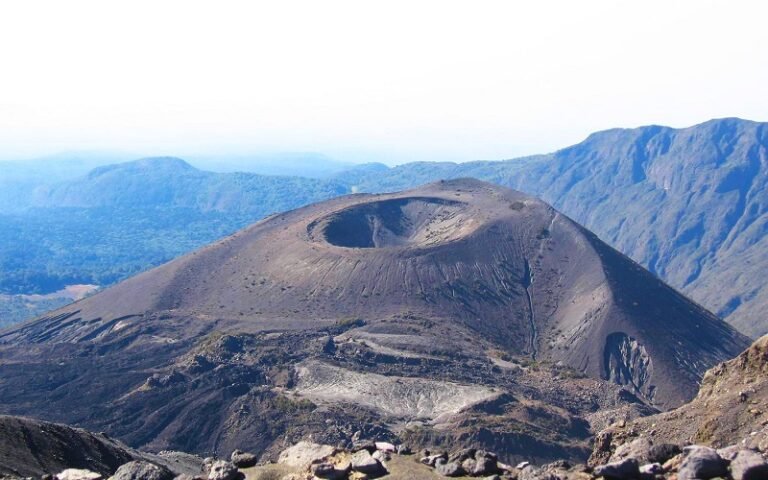
Mount Meru Trekking Ab Arusha 2026-2027
Mount Meru Trekking ab Arusha is explained with current 2026-2027 planning, price, itinerary and booking information.
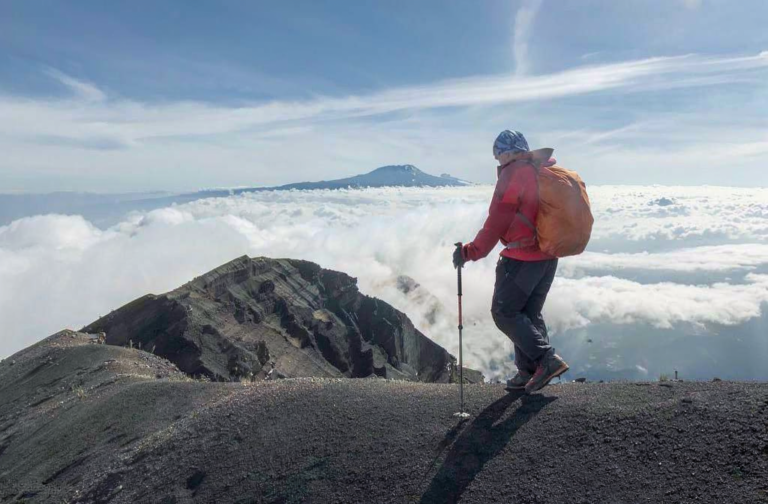
Trekking Monte Meru Desde Arusha: Your Ultimate Guide For 2026-2027
Your comprehensive guide to trekking Mount Meru from Arusha, covering everything from route options and difficulty to essential preparation and booking advice for climbs in 2026-2027.
No related package matches those filters. Clear one or more filters to see the other topic-matched options.



