
Tanzania safari companies typically require a deposit ranging from 20% to 50% of the total safari cost to secure your booking. This deposit is usually requested upon confirmation of your itinerary and dates for trips planned for 2026 and 2027, with the balance due closer to your travel date, often 30 to 60 days before departure. The exact percentage can vary based on the operator’s policies, the total cost of the safari, and whether it’s a private or group tour.


Understanding Tanzania Safari Deposit Requirements for 2026-2027
Planning an unforgettable safari adventure in Tanzania, whether it’s exploring the vast plains of the Serengeti, witnessing the Great Migration, or ascending Mount Kilimanjaro, involves several steps. One of the most crucial financial aspects is understanding the deposit structure. As you look ahead to planning your 2026 or 2027 Tanzanian journey, knowing how much deposit you’ll need to pay upfront is vital for budgeting and making informed booking decisions. This isn’t just about parting with money; it’s about securing your spot and ensuring the tour operator can confirm reservations for accommodations, guides, and vehicles, which are often booked months in advance, especially for peak seasons in 2026 and 2027.
At Climb 4 Africa, we believe in transparency regarding all aspects of your trip planning, including the financial commitments. Understanding the deposit process helps you feel confident and prepared as you move towards booking your dream Tanzanian experience. Let’s break down what you can realistically expect when it comes to safari deposits, why they are necessary, and how they work in practice.
Why Do Safari Companies Require a Deposit?
Deposits serve several critical functions for tour operators and, ultimately, for ensuring you have a smooth and well-organized safari. For companies like Climb 4 Africa, a deposit is not simply a down payment; it’s an essential component of operational planning and financial management.
- Securing Services: The primary reason for a deposit is to allow the tour operator to book and confirm essential services on your behalf. This includes lodges, tented camps, internal flights (if applicable), park entry fees for specific dates, and the allocation of guides and vehicles. These providers often require their own deposits or immediate payment to guarantee availability, especially for popular destinations and during peak seasons in 2026 and 2027.
- Commitment from the Traveler: A deposit signifies your commitment to the trip. It helps tour operators gauge the seriousness of bookings and avoid speculative reservations that might occupy limited resources. This commitment allows for more accurate resource allocation and planning, ensuring that when you arrive, everything is ready for you.
- Operational Costs: Tour operators incur immediate costs upon booking, such as administrative expenses, communication, itinerary planning, and sometimes initial payments to third-party suppliers. The deposit helps offset these upfront operational expenditures.
- Cash Flow Management: For many tour operators, especially smaller or locally-owned businesses, managing cash flow is crucial. Deposits help ensure there are sufficient funds to cover ongoing operational expenses and make necessary payments to suppliers as the booking progresses towards your travel dates in 2026 or 2027.
Without deposits, it would be challenging for companies to guarantee the quality and reliability of the services they offer, as they would constantly face uncertainty about confirmed bookings. This is why a deposit is a standard practice across the travel industry, particularly for complex, bespoke, or high-value trips like a Tanzanian safari.
Typical Deposit Percentage: What to Expect
When you inquire about a safari in Tanzania for 2026 or 2027, you’ll find that most reputable tour operators, including Climb 4 Africa, request a deposit that falls within a specific range. This range is generally consistent across the industry, although individual policies can lead to slight variations.
The 20%-30% Standard Deposit
Many tour operators, especially those catering to a broad range of travelers and trip types, will ask for a deposit of 20% to 30% of the total safari package price. This is often seen as a balanced approach, providing sufficient commitment from the client and enabling the operator to secure initial bookings without placing an excessive immediate financial burden on the traveler.
This percentage is common for standard itineraries, group tours, or safaris booked well in advance. It’s enough to cover initial supplier deposits and confirm your booking. For example, if your custom 8-day Serengeti and Ngorongoro Crater safari for 2027 costs $4,000 per person, a 20% deposit would be $800 per person.
The 40%-50% Higher Deposit
In certain circumstances, a higher deposit percentage, typically ranging from 40% to 50%, might be requested. This is more common under specific conditions:
- High-Demand Periods: For travel during peak seasons in 2026 and 2027 (e.g., the Great Migration in July-October, Christmas and New Year), accommodations and services are in high demand and often require non-refundable deposits from the tour operator. To cover these, a higher upfront payment from you may be necessary.
- Luxury or Exclusive Safaris: High-end lodges, private concessions, or exclusive-use vehicles often have stricter payment terms with tour operators. A higher deposit helps the operator meet these demands.
- Customized or Complex Itineraries: If your safari involves many intricate logistical elements, multiple locations, or specialized activities, the operator might require a larger deposit to manage the increased booking complexity and potential upfront costs.
- Shorter Booking Windows: If you are booking a safari for late 2026 or 2027 on relatively short notice, the operator may require a higher deposit to quickly secure remaining availability and make necessary payments.
For instance, a luxury tented camp stay during the migration season in 2027 might necessitate a 40% deposit if the camp itself demands it from the tour operator. If your $6,000 per person luxury safari package has a 40% deposit, that would be $2,400 per person. This higher amount helps the operator absorb potentially larger non-refundable payments made to lodges or conservation areas.
When Might a Lower Deposit (e.g., 10%) Be Offered?
While less common for international tour operators who need to secure services promptly, some local operators or very small businesses might, in specific cases, offer a lower initial deposit, perhaps around 10%. However, this is often contingent on the total trip cost being relatively low, or the booking being made far in advance for a future year like 2027, with a clear understanding that the balance will be paid in installments or much sooner. For most reputable operators, especially those handling international clients and needing to book with multiple suppliers, the 20-50% range is the standard for good reason.
Factors Influencing Deposit Amounts
The percentage of the deposit isn’t arbitrary. Several factors play a role in determining how much your Tanzanian safari company will ask for upfront. Understanding these factors can help you anticipate the deposit requirements for your specific 2026 or 2027 trip.
1. The Tour Operator’s Business Model and Policies
Each company has its own financial structure and risk tolerance. A large, established operator might have better leverage with suppliers and thus require smaller deposits. Conversely, a smaller, locally-owned company might rely more heavily on client deposits to manage cash flow and secure services, potentially leading to a higher percentage. Climb 4 Africa aims for a balance that secures your trip while being fair to our clients.
2. Type of Safari and Inclusions
- Accommodation Level: Safaris staying in high-end luxury lodges or exclusive-use properties often involve higher upfront costs for the operator, translating to a larger deposit requirement. Budget-friendly camping safaris might sometimes have slightly lower deposit needs.
- Internal Flights: If your itinerary includes internal flights within Tanzania (e.g., to the Serengeti or Zanzibar), these often need to be paid for in full or with a significant deposit upon booking, which can influence the overall deposit percentage.
- Activities: Specialized activities like hot air balloon safaris, chimpanzee trekking permits (which can be non-refundable), or cultural visits might have upfront costs that are passed on through a higher deposit.
For example, a safari that includes a private charter flight between parks for 2027 will likely have a higher deposit than one relying solely on road transfers.
3. Seasonality and Demand (2026-2027 Peak Times)
As mentioned, peak seasons are critical. For 2026 and 2027, booking during periods of high demand (July to October for the Serengeti, and generally June to March for other parks, excluding the rainy months of April-May) means lodges and camps have less flexibility and often demand non-refundable deposits themselves. To manage this, tour operators will pass on these requirements through a larger deposit from you. Booking for the shoulder seasons or off-peak times might sometimes allow for slightly more flexible deposit terms.
4. Customization and Complexity of the Itinerary
A tailor-made safari that requires intricate planning, multiple transfers, and coordination across various service providers (lodges, drivers, guides, internal flights) inherently involves more work and potential upfront bookings for the operator. This complexity can justify a higher deposit to cover the initial investment in planning and securing these diverse elements.
5. Booking Window (How Far in Advance You Book)
Booking very far in advance (e.g., 12-18 months for 2026 or 2027) might sometimes allow for slightly more flexible deposit terms, as the operator has ample time to secure services. However, booking last minute (within 3-6 months of travel) often means services are scarce, and operators need to pay immediately to secure what’s left, leading to higher deposit requirements.
Key Takeaway for 2026-2027 Bookings
When planning your 2026 or 2027 Tanzanian safari, anticipate a deposit between 20% and 50%. Always clarify the exact percentage and what it covers with your chosen tour operator. For Climb 4 Africa, we aim to be clear about our deposit structure in every quote we provide.
What Does the Deposit Typically Cover?
It’s important to understand that your deposit isn’t just a lump sum payment. It represents your contribution towards securing the various components of your safari. While the exact breakdown can vary, here’s what your deposit generally helps to cover:
- Accommodation: Deposits paid to lodges, tented camps, and hotels for your stay.
- Park Entrance Fees: In some cases, especially for specific national parks or reserves where pre-booking is required or recommended, a portion of these fees might be covered.
- Internal Transportation: This could include payments for 4×4 safari vehicles, fuel, and driver-guide fees for initial booking periods, or deposits for internal flights if your itinerary includes them.
- Activity Bookings: Deposits for specific activities like hot air balloon safaris or permits for certain activities.
- Operator’s Administrative Costs: As mentioned, this helps cover the initial work involved in planning, booking, and confirming your itinerary.
It’s crucial to distinguish between the deposit you pay to the tour operator and the final balance. The deposit is the initial commitment, while the balance payment, typically due 30-60 days before departure, covers the remaining operational costs and ensures all services are paid for in full before your arrival in Tanzania for your 2026 or 2027 adventure.
When Is the Deposit Due?
The timing of the deposit payment is usually tied directly to the confirmation of your safari arrangements. Once you have agreed upon an itinerary, dates, and the total cost for your 2026 or 2027 safari, the tour operator will typically send you a formal booking confirmation and an invoice detailing the deposit amount and the due date.
- Upon Confirmation: The deposit is generally due within a specified period after you have verbally or digitally confirmed your acceptance of the itinerary and quote. This could be within 5-7 days, or sometimes immediately if you are booking very close to the travel date.
- Securing Specific Services: In some instances, if particular lodges or flights require immediate payment to guarantee availability, the operator might request the deposit sooner or ask for a portion of it to be paid immediately to secure those specific high-demand services for your 2026 or 2027 trip.
Clarity on payment deadlines is essential. Always ensure you understand when your deposit is due and the accepted payment methods. For example, if your quote is confirmed on a Monday, the deposit might be due by the following Monday.
The Balance Payment: What Comes Next?
Paying the deposit is just the first step. The remaining amount, known as the balance, is also a critical part of the financial agreement. Understanding when and how this is paid is key to completing your booking.
Typical Balance Due Dates
Most Tanzanian safari companies require the full balance to be paid between 30 and 60 days before your scheduled departure date. This timeframe allows the tour operator to make final payments to their suppliers, confirm all arrangements, and prepare your final travel documents.
- Standard 60 Days: A common requirement is for the balance to be settled 60 days prior to your arrival in Tanzania for your 2026 or 2027 safari.
- Shorter Notice (30 Days): For some itineraries or during very busy periods, operators might request the balance as early as 30 days before departure.
- Longer Lead Times: If you book very far in advance, the balance payment might be split into installments, with the final balance due as per the standard terms.
For example, if your safari starts on October 15, 2027, the balance might be due by August 15, 2027 (for a 60-day window) or September 15, 2027 (for a 30-day window).
Why This Timeline?
This payment schedule is designed to ensure that the tour operator has the necessary funds to cover all pre-paid services and final arrangements. Many lodges, internal flights, and other services require full payment well in advance of the travel date. This ensures that your safari is fully paid for and ready to go upon your arrival, allowing you to focus entirely on the experience.
What If You Cancel? Understanding Deposit and Balance Refunds
This is a critical aspect of booking any trip. Cancellation policies vary significantly between tour operators, and they are often directly linked to how the deposit and balance payments are used.
- Deposit Refunds: Deposits are often non-refundable, especially if they have already been used by the tour operator to secure non-refundable services (like specific lodges or flights) on your behalf. If you cancel before the balance is due, you might forfeit your deposit, or a portion of it, depending on the operator’s terms and conditions.
- Balance Refunds: If you cancel after the balance has been paid, the refund amount will depend on how much of that balance the tour operator has already paid to non-refundable suppliers. You might receive a partial refund, or in some cases, no refund at all if all services were non-refundable by the time of cancellation.
- Force Majeure: In exceptional circumstances like natural disasters, political instability, or global health crises (which unfortunately became very relevant in recent years), operators may have specific clauses regarding cancellations and refunds. It’s essential to review these terms carefully.
Always read the tour operator’s terms and conditions regarding deposits, cancellations, and refunds very carefully before making any payment. This is especially important when booking for future years like 2026 and 2027, as circumstances can change.
Travel Insurance is Highly Recommended
Given the potential for unforeseen circumstances and the non-refundable nature of deposits and some balance payments, comprehensive travel insurance is highly recommended. Ensure your policy covers trip cancellation and interruption for reasons beyond your control. This can protect your financial investment in your 2026 or 2027 safari.
Comparing Deposit Policies: Climb 4 Africa vs. Others
While the 20-50% deposit range is common, there can be nuances in how different companies handle these payments. At Climb 4 Africa, we strive to provide a clear, fair, and transparent deposit policy that balances our operational needs with your financial planning.
Our Approach at Climb 4 Africa
For most standard Tanzania safaris and Kilimanjaro climbs booked for 2026 or 2027, Climb 4 Africa typically requires a deposit of 25% to 30% of the total package price. This percentage allows us to secure the necessary accommodations, park entries, and guide services promptly. We aim to keep this deposit as reasonable as possible while ensuring we can guarantee the quality and reliability of your trip.
- Clear Invoicing: Once your itinerary is finalized and you’re ready to book, we will provide a detailed invoice clearly stating the deposit amount, the due date, and accepted payment methods.
- Balance Payment Terms: The remaining balance is typically due 60 days prior to your arrival in Tanzania. We will send a reminder well in advance of this date.
- Flexibility: While we have standard policies, we understand that every traveler’s situation is unique. For highly customized itineraries or specific booking circumstances, we are open to discussing potential adjustments where feasible, always with the aim of securing your unforgettable Tanzanian adventure.
What to Look for in Other Operators
When comparing offers from different Tanzania safari companies for your 2026 or 2027 trip, consider these points regarding their deposit policies:
- Transparency: Is the deposit percentage clearly stated in their initial quote or on their website?
- Justification: Do they explain why a particular deposit percentage is required, especially if it’s on the higher end (e.g., 50%)?
- Payment Methods: What payment methods do they accept (e.g., bank transfer, credit card – note that credit card payments may incur additional fees)?
- Cancellation Policy: How does their deposit policy align with their cancellation and refund terms? A high, non-refundable deposit with a very restrictive cancellation policy should be a red flag.
- Supplier Deposits: Reputable operators will often be able to explain how your deposit contributes to securing services from specific lodges or airlines, demonstrating where the money is going.
When to Be Cautious
Be wary of tour operators who are vague about their deposit requirements, have overly lenient cancellation policies that seem too good to be true, or demand unusual payment methods. Always ensure you receive a formal booking confirmation and invoice detailing all terms and conditions before making any payment for your 2026 or 2027 safari.
Making Your Deposit Payment: Practicalities and Tips
Once you’ve chosen your tour operator and confirmed your safari details for 2026 or 2027, the next step is to make the deposit payment. Here are some practical tips to ensure this process is as smooth as possible.
Payment Methods
Reputable Tanzanian tour operators typically offer a few standard payment methods:
- Bank Wire Transfer: This is the most common method for international payments. Ensure you have the operator’s full bank details, including SWIFT/BIC code, account number, and bank name. Be aware of potential bank charges from both your bank and the receiving bank. Always use the invoice number or your name as a reference.
- Online Payment Platforms: Some operators may use platforms like PayPal, Stripe, or similar services. While convenient, these often come with transaction fees (typically 3-5%) that may be passed on to you.
- Credit Card Payments: A smaller number of operators may accept credit cards directly. This offers buyer protection but also usually incurs higher transaction fees. Always confirm if these fees are included or will be added.
Climb 4 Africa primarily uses bank wire transfers for deposit and balance payments, as it’s the most cost-effective for international transactions. We provide clear instructions for this method to minimize any confusion or extra charges for our clients planning their 2026 or 2027 safaris.
What to Send with Your Payment
To ensure your payment is correctly allocated and processed efficiently, always include:
- Your Full Name: As it appears on your passport.
- Invoice Number: This is crucial for matching your payment to your booking.
- Trip Details: Briefly mention the safari destination and travel dates (e.g., “Serengeti Safari, Oct 2027”).
After making the payment, it’s good practice to forward a copy of the transaction receipt or confirmation slip to the tour operator via email. This helps them track the payment and confirm receipt promptly.
Confirming Receipt of Your Deposit
Once the tour operator receives your deposit, they should acknowledge it. This confirmation usually comes in the form of an updated invoice showing the deposit paid and the remaining balance, or a separate email confirming receipt. This is your confirmation that your safari is officially booked and secured for 2026 or 2027.
If you don’t receive confirmation within a reasonable timeframe (e.g., 2-3 business days after sending your payment proof), don’t hesitate to follow up with the tour operator.
Planning Your 2026-2027 Tanzania Safari: Beyond the Deposit
Understanding safari deposit requirements is a significant step in planning your trip, but it’s just one piece of the puzzle. As you prepare for your 2026 or 2027 Tanzanian adventure, consider these additional planning aspects:
- Itinerary Customization: Work with your tour operator to craft an itinerary that matches your interests, budget, and travel style. Whether it’s a classic Northern Circuit safari, a Southern Circuit adventure, or a combination with Zanzibar, customization is key.
- Best Time to Travel: Research the optimal times for your chosen activities. For instance, the Great Migration viewing is seasonal, while birdwatching might be better during specific months. Consider the 2026 and 2027 weather patterns.
- Accommodation Choices: Decide between luxury lodges, comfortable tented camps, or basic public campsites. Your choice will significantly impact the overall cost and your experience.
- Visa Requirements: Check the latest visa regulations for Tanzania for your nationality. Many nationalities can now obtain e-visas, which can be applied for online in advance.
- Vaccinations and Health: Consult your doctor about necessary vaccinations (e.g., Yellow Fever, Hepatitis A) and malaria prevention.
- Travel Insurance: As emphasized before, ensure you have comprehensive travel insurance covering medical emergencies, trip cancellations, and lost luggage.
Pre-Booking Checklist for Your 2026-2027 Safari Deposit
- Finalize Itinerary: Confirm all destinations, activities, and durations.
- Obtain a Detailed Quote: Ensure it includes all inclusions and exclusions.
- Understand the Deposit Amount: Know the exact percentage and currency.
- Note the Due Date: Mark it in your calendar.
- Clarify Payment Methods: Check for fees and convenience.
- Review Cancellation Policy: Understand refund conditions for deposit and balance.
- Confirm Contact Details: Ensure you have the correct email and phone for your operator.
Final Thoughts on Securing Your Tanzania Safari
Understanding how much deposit Tanzania safari companies require is fundamental to a stress-free booking process. For 2026 and 2027, you can expect a deposit of 20% to 50%, a standard practice that enables tour operators to secure the exceptional experiences you expect. This upfront payment is a commitment that allows for meticulous planning, booking of accommodations, vehicles, and guides, ensuring your adventure is seamlessly organized.
At Climb 4 Africa, we are dedicated to making your Tanzanian safari or Kilimanjaro climb a reality. We aim for clarity and fairness in our deposit and payment structures, typically requesting a 25-30% deposit to secure your booking for 2026-2027. We are here to answer all your questions and guide you through every step of the planning and booking process.
Don’t let uncertainty about deposits hold you back from experiencing the magic of Tanzania. Reach out to us today to start planning your incredible journey. You can contact us via WhatsApp at +255 747 477 898 or send an email to climb4africa@gmail.com. Let us help you craft a tailor-made adventure that meets your dreams and fits your budget, ensuring your 2026 or 2027 safari is everything you’ve imagined.
“,
“faq_schema”: [
{
“question”: “What is the typical deposit percentage for a Tanzania safari in 2026-2027?”,
“answer”: “Tanzania safari companies typically require a deposit ranging from 20% to 50% of the total safari cost to secure your booking for 2026-2027. Climb 4 Africa usually asks for 25-30%.”
},
{
“question”: “Why do safari companies require a deposit?”,
“answer”: “Deposits are required to secure services like lodges, guides, and vehicles, signify traveler commitment, cover initial operational costs for the tour operator, and manage cash flow. This ensures your safari is well-organized and confirmed.”
},
{
“question”: “When is the remaining balance for a Tanzania safari due?”,
“answer”: “The balance payment for a Tanzania safari is usually due between 30 to 60 days before your scheduled departure date, allowing the tour operator to make final payments to suppliers.”
},
{
“question”: “Are safari deposits refundable?”,
“answer”: “Deposits are often non-refundable, especially if they have been used to pay for non-refundable services. Cancellation policies vary by operator, so it’s crucial to read the terms and conditions carefully before booking.”
},
{
“question”: “What factors influence the deposit amount for a safari?”,
“answer”: “Factors include the tour operator’s policies, the level of accommodation, inclusion of internal flights, seasonality (peak vs. off-peak for 2026-2027), itinerary complexity, and how far in advance you book.”
},
{
“question”: “What should I do after paying my safari deposit?”,
“answer”: “After making the deposit payment, forward a copy of the transaction receipt to your tour operator and await their confirmation of receipt and updated booking details. This ensures your safari for 2026 or 2027 is officially secured.”
}
]
}
“`
Check Availability for How Much Deposit Do Tanzania Safari Companies Normally Require? 2026-2027
Ready to compare dates, prices, and the best option for your group? Send the package name and travel month so the team can reply with a clear quote, availability, and what is included.
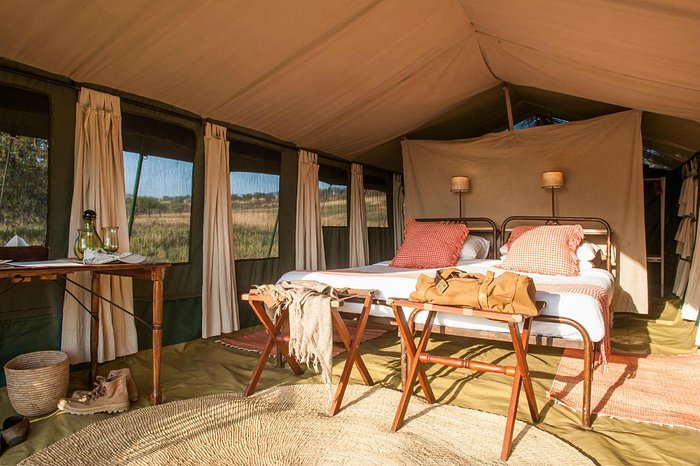
Affordable African Safari Packages: Your Guide To Budget-Friendly Tanzania
Discover how to plan and book affordable African safari packages for 2026-2027. This guide provides practical advice on choosing budget-friendly Tanzania tours, understanding costs, and...
View package details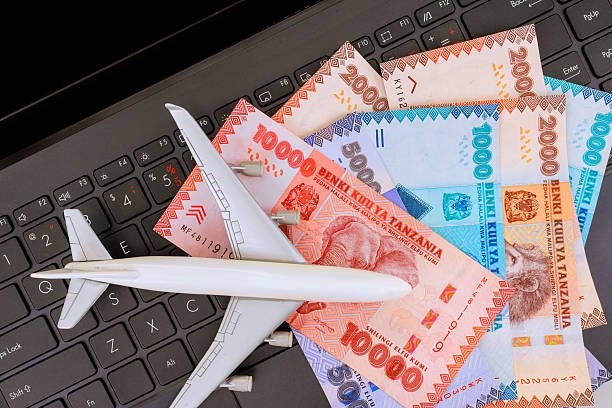
Kenya And Tanzania Combined Safari Packages: Ultimate Guide 2026-2027
Discover the unparalleled adventure of combining Kenya and Tanzania for a comprehensive East African safari. This guide details everything you need to know for planning your 2026-2027...
View package details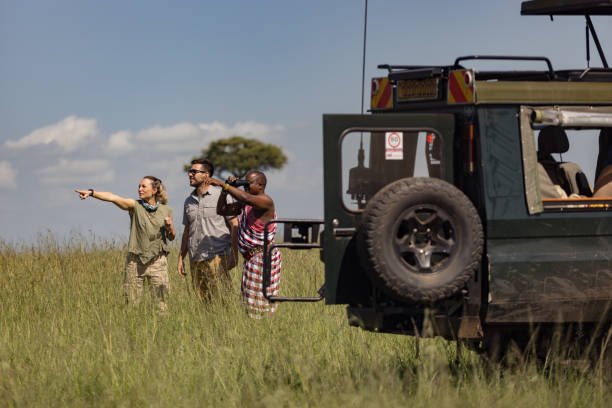
3-Day Serengeti And Ngorongoro Safari: Your Ultimate Tanzania Wildlife
start a concise yet unforgettable 3-day Serengeti and Ngorongoro safari, designed to maximize wildlife encounters in Tanzania's most celebrated parks. This compact adventure offers a taste...
View package details
Serengeti Safari And Zanzibar Beach Holiday: The Ultimate Tanzania
Combine the thrill of a Serengeti safari with the relaxation of a Zanzibar beach holiday. This guide covers everything you need to know for an unforgettable Tanzania adventure in 2026-2027...
View package details
Tanzania Safari And Zanzibar All-Inclusive Packages Guide
Combine the thrill of a Tanzanian wildlife safari with the serene beauty of Zanzibar on an all-inclusive package. This comprehensive guide covers everything you need to know for planning...
View package details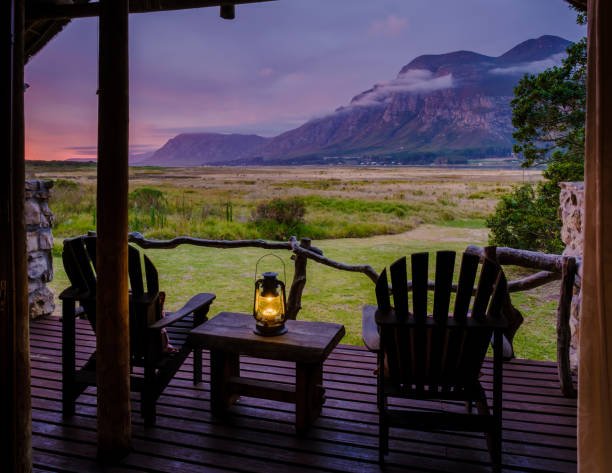
Are African Safari Prices Per Person Or Vehicle? Understanding Tanzania Costs
African safari costs can be confusing. This guide clarifies whether prices are quoted per person or per vehicle, detailing factors that influence your 2026-2027 safari budget in Tanzania.
View package details
How Much Money Do You Need For An African Safari? 2026-2027
How Much Money Do You Need for an African Safari? is explained with current 2026-2027 planning, price, itinerary and booking information.
View package details
Is Tanzania Or Kenya Better For Safari? A Detailed Comparison 2026-2027
Comparing Tanzania and Kenya for your next safari? This in-depth guide breaks down wildlife viewing, landscapes, costs, and optimal travel times to help you choose the perfect East African...
View package details
Luxury African Safari Packages: The Ultimate Tanzania Experience In 2026-2027
Explore the pinnacle of African adventure with luxury safari packages in Tanzania. This guide details exclusive lodges, tailor-made itineraries, and the best wildlife experiences for your...
View package details
Tanzania Safari Tours & Packages /: Your Ultimate Wildlife Adventure 2026-2027
Discover the magic of Tanzania with expertly crafted safari tours and packages for 2026 and 2027. From the vast plains of the Serengeti to the depths of the Ngorongoro Crater, find your...
View package detailsHow Much Does An African Safari Cost In ? 2026-2027
How Much Does an African Safari Cost in 2026? is explained with current 2026-2027 planning, price, itinerary and booking information.
View package detailsBest African Safari Tours & Vacation Packages /: Your Ultimate Tanzania
start an unforgettable African safari adventure in 2026/2027 with expertly curated tours and vacation packages in Tanzania's most iconic wildlife destinations. From the Serengeti to the...
View package detailsNo related package matches those filters. Clear one or more filters to see the other topic-matched options.



