
An Etosha Serengeti Ngorongoro and Zanzibar itinerary for 2026-2027 offers a remarkable blend of world-class wildlife viewing and idyllic beach relaxation, typically spanning 12 to 16 days. This journey focuses on Namibia’s Etosha National Park for unique desert-adapted wildlife, Tanzania’s Serengeti National Park for the Great Migration (timing dependent), the Ngorongoro Crater for dense predator populations, and concludes with serene beaches and cultural experiences on Zanzibar Island. Careful planning is essential to connect these diverse destinations efficiently, considering travel times, accommodation styles, and the specific wildlife spectacles you wish to witness, especially during the peak safari and beach seasons of 2026 and 2027.
Crafting Your Etosha Serengeti Ngorongoro and Zanzibar Itinerary: A Comprehensive Guide
Embarking on an adventure that links the dramatic landscapes and abundant wildlife of Etosha National Park in Namibia with the iconic plains of the Serengeti, the natural wonder of the Ngorongoro Crater in Tanzania, and the spice-scented shores of Zanzibar is a dream for many. This itinerary is not just a vacation; it’s a multi-faceted exploration of Africa’s natural grandeur and cultural richness. Whether you’re planning for 2026 or 2027, understanding the nuances of each destination and how they connect is key to a successful and unforgettable trip. This guide will walk you through the planning process, highlighting what makes each location special, the logistics involved, and how to tailor your Etosha Serengeti Ngorongoro and Zanzibar itinerary to your preferences.
We’ll break down the journey, destination by destination, exploring the best times to visit, what to expect in terms of wildlife and scenery, and the practicalities of travel between these remarkable places. This isn’t about ticking boxes; it’s about experiencing the soul of East and Southern Africa in a single, cohesive adventure. For travelers seeking both thrilling wildlife encounters and ultimate relaxation, this combination promises an unparalleled experience.
Understanding the Destinations: Etosha, Serengeti, Ngorongoro, and Zanzibar
Before diving into itinerary structures, it’s crucial to appreciate what each jewel in this crown offers. Each destination presents a distinct flavor of Africa, and understanding their unique appeal helps in making informed decisions about your Etosha Serengeti Ngorongoro and Zanzibar itinerary.
Etosha National Park, Namibia: A Desert Oasis of Wildlife
Etosha is unlike any other park in Africa. Dominated by the vast, shimmering Etosha Pan, an ancient lakebed that is now a salt desert, the park’s wildlife congregates around the permanent waterholes scattered throughout the southern and eastern parts of the park. This makes for exceptional game viewing, as animals come to drink, often in large numbers and at close range. You can expect to see elephants, lions, leopards, rhinos (both black and white), giraffes, zebras, wildebeest, springbok, and a myriad of bird species. The landscape is starkly beautiful, characterized by arid savannah, mopane woodlands, and the immense white expanse of the pan itself. Etosha is particularly renowned for its large elephant herds and its success in conserving black rhinos. For visitors planning their Etosha Serengeti Ngorongoro and Zanzibar itinerary, Etosha offers a unique Namibian safari experience that contrasts sharply with the classic East African savannahs.
Serengeti National Park, Tanzania: The Endless Plains and the Great Migration
The Serengeti needs little introduction. Its name, derived from the Maasai word ‘Siringet’ meaning ‘endless plains,’ perfectly captures its vast, rolling grasslands dotted with acacia trees. It is globally famous as the stage for the Great Migration, where millions of wildebeest, zebras, and gazelles traverse the park in search of fresh grazing, a truly awe-inspiring natural spectacle. The Serengeti offers phenomenal predator sightings, including large prides of lions, cheetahs, leopards, and hyenas. The sheer scale of the Serengeti and the constant movement of wildlife make it a photographer’s paradise and a quintessential safari destination. Planning your Etosha Serengeti Ngorongoro and Zanzibar itinerary to coincide with the Great Migration’s presence in specific areas of the Serengeti is a major draw for many travelers in 2026 and 2027.
Ngorongoro Conservation Area, Tanzania: The “Eighth Wonder of the World”
The Ngorongoro Crater is a UNESCO World Heritage Site and often referred to as the “Eighth Wonder of the World.” This immense volcanic caldera, covering about 260 square kilometers, supports an incredible density of wildlife within its relatively confined space. It’s one of the best places in Africa to see the Big Five (lion, leopard, elephant, rhino, buffalo) in a single day, including a healthy population of endangered black rhinos. The crater floor is a vibrant ecosystem of grasslands, swamps, forests, and a soda lake, attracting a huge variety of animals. Unlike the Serengeti, game drives within the crater are strictly regulated, and visitors are typically limited to a few hours on the floor. Its unique topography and high wildlife concentration make it a must-visit on any Tanzanian safari, forming a crucial part of the Etosha Serengeti Ngorongoro and Zanzibar itinerary.
Zanzibar Archipelago, Tanzania: Spice Islands and Turquoise Waters
After the dust and drama of the safari, Zanzibar offers a complete change of pace. This tropical archipelago off the coast of mainland Tanzania is renowned for its stunning white-sand beaches, crystal-clear turquoise waters, vibrant coral reefs, and rich history, particularly evident in the labyrinthine streets of Stone Town, a UNESCO World Heritage Site. Zanzibar is also known as the “Spice Island,” and tours exploring its fragrant spice plantations are a popular activity. Whether you seek relaxation on the beach, snorkeling or diving, exploring historical sites, or immersing yourself in Swahili culture, Zanzibar provides the perfect, tranquil conclusion to an action-packed safari. It’s the ideal destination to unwind after an intensive Etosha Serengeti Ngorongoro and Zanzibar itinerary, especially in the popular months of 2026 and 2027.
Structuring Your Etosha Serengeti Ngorongoro and Zanzibar Itinerary: Key Considerations
Combining these four distinct destinations requires careful logistical planning. The key lies in maximizing your time while minimizing travel fatigue. Here are crucial elements to consider when designing your Etosha Serengeti Ngorongoro and Zanzibar itinerary:
Duration: How Long Do You Need?
A comprehensive Etosha Serengeti Ngorongoro and Zanzibar itinerary typically requires a minimum of 12 days, but 14-16 days is often recommended to fully appreciate each location without feeling rushed. This allows for:
- Etosha National Park: 2-3 full days of game driving.
- Serengeti National Park: 3-4 full days to explore different regions and potentially witness the migration.
- Ngorongoro Crater: 1 full day for a crater floor tour, plus potential visits to Maasai villages or conservation areas on the rim.
- Zanzibar: 3-4 full days for beach relaxation, water activities, and cultural exploration.
- Travel Days: Factor in significant travel time between Namibia and Tanzania, and then from mainland Tanzania to Zanzibar.
For 2026 or 2027 travel, booking well in advance is advised, especially for peak seasons, which can influence the available durations and specific accommodations.
Travel Flow and Logistics: Connecting the Dots
The geographical spread of these destinations means that efficient travel is paramount. The most common and practical flow is:
- Fly into Windhoek, Namibia: Begin your journey here.
- Safari in Etosha: Typically accessed via a drive from Windhoek.
- Fly from Namibia to Tanzania: This is a major travel day. You’ll likely fly from Windhoek (WDH) or another Namibian airport to Kilimanjaro International Airport (JRO) in Tanzania, often with a layover in Nairobi, Kenya, or Addis Ababa, Ethiopia.
- Serengeti and Ngorongoro Safari: From JRO, you’ll typically fly to a Serengeti airstrip or drive to Arusha to begin your Tanzanian safari, which includes the Serengeti and Ngorongoro.
- Fly from Tanzania to Zanzibar: After your safari, you’ll fly from an airstrip in the Serengeti or Arusha (ARK) to Zanzibar (ZNZ).
- Depart from Zanzibar: Fly out of Zanzibar International Airport (ZNZ).
This flow minimizes backtracking. However, it’s important to note the significant travel time involved in the Namibia-to-Tanzania leg. Some travelers opt to do these as separate trips due to the distances and costs involved in connecting them. For a combined Etosha Serengeti Ngorongoro and Zanzibar itinerary, embracing this long-haul flight is part of the adventure.
Timing and Seasons: When to Go in 2026-2027
The best time for your Etosha Serengeti Ngorongoro and Zanzibar itinerary depends on what you want to see and experience. Each destination has its peak seasons.
- Etosha: The dry season (May to October) is generally considered the best time for wildlife viewing, as animals congregate around waterholes. The landscape is also more open, making spotting easier.
- Serengeti: The timing of the Great Migration is crucial. The 2026 and 2027 migration patterns are predictable:
- December to March: Southern Serengeti, calving season.
- April to May: Short Rains, migration moves north.
- June to October: Northern Serengeti, Grumeti and Mara River crossings (spectacular but can be unpredictable).
- November: Long Rains, migration moves south.
- Ngorongoro Crater: Wildlife is present year-round due to the permanent water sources and lush vegetation. However, the dry season (June to October) offers easier game viewing due to animals congregating at waterholes.
- Zanzibar: The dry seasons (June to October and December to February) are ideal for beach holidays, offering sunny skies and minimal rain. The shoulder months (March-May, November) can be cheaper but riskier with rainfall.
Combining these: For an optimal Etosha Serengeti Ngorongoro and Zanzibar itinerary that captures prime wildlife viewing in Etosha and the Serengeti migration, aim for June to October. This period also aligns with Zanzibar’s dry season, making it a truly excellent window for this multifaceted trip in 2026 or 2027.
Accommodation Styles: From Luxury Lodges to Comfortable Camps
Your choice of accommodation will significantly impact the experience and cost of your Etosha Serengeti Ngorongoro and Zanzibar itinerary. Options range from:
- Etosha: Park lodges (e.g., Okaukuejo, Halali, Namutoni) offer convenience and waterhole viewing, while lodges and guesthouses outside the park provide alternative options.
- Serengeti: Luxury tented camps (offering a blend of comfort and immersion), lodges, and more budget-friendly options. Camps often move to follow the migration.
- Ngorongoro: Lodges on the crater rim offer spectacular views and early access, while those slightly further afield or in Karatu provide more options and potentially lower costs.
- Zanzibar: From opulent beachfront resorts and boutique hotels in Stone Town to charming guesthouses and budget-friendly bungalows, the options are vast and cater to every taste and budget.
When planning your Etosha Serengeti Ngorongoro and Zanzibar itinerary for 2026-2027, consider mixing styles for a varied experience. For instance, a comfortable tented camp in the Serengeti can be a highlight, while a luxurious resort in Zanzibar offers the perfect pampering.
Budget Considerations: Factors Influencing Cost
This is a multi-country trip, and combining Namibia and Tanzania, especially with the added element of Zanzibar, is a significant investment. Key cost drivers for your Etosha Serengeti Ngorongoro and Zanzibar itinerary include:
- Flights: International flights to Windhoek and from Zanzibar, plus the inter-Africa flights (Namibia to Tanzania, Tanzania to Zanzibar). These are substantial costs.
- Accommodation: Luxury lodges and tented camps are significantly more expensive than mid-range or budget options.
- Park Fees: Daily park entrance fees for Etosha, Serengeti, and Ngorongoro can add up.
- Activities: Game drives (vehicle and guide hire), crater fees, cultural visits, spice tours, and water sports in Zanzibar.
- Duration: The longer your trip, the higher the overall cost.
- Private vs. Shared: Private safaris offer more flexibility but are considerably more expensive than joining group tours.
For 2026 and 2027 bookings, expect prices to reflect global economic trends and demand. It’s essential to get detailed quotes that clearly outline what is included and excluded. A 14-day Etosha Serengeti Ngorongoro and Zanzibar itinerary, depending on the level of luxury, could range significantly, typically from USD $5,000 to $15,000+ per person, excluding international flights.
Important Note on Inter-Country Travel
Connecting Namibia and Tanzania often involves flights with multiple stops and can be time-consuming. It is crucial to confirm visa requirements for both countries well in advance of your 2026 or 2027 travel dates. Some nationalities may need to apply for visas beforehand, while others can obtain them on arrival. Always check the latest regulations with your embassy or consulate.
Sample Itinerary Frameworks for Etosha Serengeti Ngorongoro and Zanzibar
To help visualize the journey, here are a few frameworks for an Etosha Serengeti Ngorongoro and Zanzibar itinerary. These are flexible and can be customized. We’ll present a moderate-length option, emphasizing a balance of experience and efficiency for 2026-2027 travel.
Option 1: The Balanced Explorer (14 Days)
This itinerary provides a solid taste of each destination, balancing wildlife immersion with relaxation.
Day 1-3: Etosha National Park, Namibia
- Day 1: Arrive in Windhoek (WDH), pick up your rental vehicle or meet your guide, and drive north towards Etosha. Check into your lodge/camp near Etosha’s southern entrance.
- Day 2: Full day game driving in Etosha. Focus on the southern section, visiting waterholes around Okaukuejo. Evening game viewing at Okaukuejo’s floodlit waterhole.
- Day 3: Continue game driving eastwards, exploring areas around Halali and Namutoni. Drive out of the park towards the east or south for your onward journey.
Day 4: Travel Day – Namibia to Tanzania
- Day 4: Drive back to Windhoek (WDH) or a regional airport for your flight to Tanzania (likely via Nairobi or Addis Ababa). Arrive at Kilimanjaro International Airport (JRO) or Arusha Airport (ARK). Overnight in Arusha.
Day 5-8: Serengeti National Park, Tanzania
- Day 5: Fly from Arusha to a Serengeti airstrip. Meet your guide and vehicle. Begin your safari with a game drive en route to your lodge/camp.
- Day 6-7: Full days exploring the Serengeti. Depending on the season, focus on the central plains (Seronera Valley) for resident wildlife or head north/south to track the Great Migration.
- Day 8: Morning game drive in the Serengeti, then fly to the airstrip nearest the Ngorongoro Conservation Area.
Day 9: Ngorongoro Crater Experience
- Day 9: Descend into the Ngorongoro Crater for a full morning of game viewing. Experience the incredible density of wildlife on the crater floor. Ascend in the afternoon and check into your lodge on the crater rim or nearby Karatu.
Day 10: Travel to Zanzibar
- Day 10: Morning drive back to Arusha Airport (ARK) or Kilimanjaro Airport (JRO) for your flight to Zanzibar (ZNZ). Transfer to your beach resort or hotel.
Day 11-13: Zanzibar Relaxation and Exploration
- Day 11-13: Relax on the beaches of Nungwi, Kendwa, or Paje. Enjoy swimming, snorkeling, diving, or take a spice tour, visit Stone Town for a historical walk.
Day 14: Departure
- Day 14: Enjoy a final breakfast and some last-minute souvenir shopping. Transfer to Zanzibar International Airport (ZNZ) for your departure flight.
Option 2: The Migration Focus (16 Days)
This extended version allows for more in-depth exploration of the Serengeti, specifically timing your visit to witness the Great Migration river crossings or calving season.
Day 1-3: Etosha National Park, Namibia
- As per Option 1, focusing on different regions of Etosha or spending an extra day for deeper exploration.
Day 4: Travel Day – Namibia to Tanzania
- As per Option 1, arriving in Arusha.
Day 5-10: Serengeti National Park, Tanzania (Extended)
- Day 5: Fly into the Serengeti. Game drive to your camp, likely in the central Seronera area.
- Day 6-7: Explore the central Serengeti, known for its resident wildlife and predator action.
- Day 8-9: Depending on the migration’s expected location for 2026/2027, fly to a northern or southern Serengeti airstrip. Spend two full days tracking the migration, focusing on river crossings (north) or calving grounds (south).
- Day 10: Morning game drive, then fly to the airstrip nearest Ngorongoro.
Day 11: Ngorongoro Crater Experience
- As per Option 1.
Day 12: Cultural Immersion & Transfer to Zanzibar
- Day 12: Morning visit to a Maasai village or a local community project near Karatu. Afternoon transfer to Arusha for your flight to Zanzibar. Check into your hotel.
Day 13-15: Zanzibar Beach and Culture
- Day 13-15: Extended time on the beaches, explore Stone Town in more depth, visit Jozani Forest (home to red colobus monkeys), or take a sunset dhow cruise.
Day 16: Departure
- Day 16: Depart from Zanzibar (ZNZ).
Deep look at Etosha: Namibia’s Wildlife Spectacle
Etosha National Park is a gem in Namibia’s crown and provides a unique safari experience. For your Etosha Serengeti Ngorongoro and Zanzibar itinerary, understanding its distinct character is key.
Best Time to Visit Etosha for Wildlife
While Etosha is a year-round destination, the dry season (May to October) is overwhelmingly considered the prime time for game viewing. During these months:
- Water Scarcity: Animals are forced to congregate around the permanent waterholes scattered across the park, making them easy to find and observe.
- Vegetation: The bush thins out, improving visibility for spotting wildlife.
- Temperatures: Daytime temperatures are pleasant, though nights can be cool.
The wet season (November to April) sees the landscape transform into a greener, more vibrant environment. While wildlife disperses and can be harder to spot, this period is excellent for birdwatching and photography, with dramatic skies and newborn animals. For those combining Etosha with the Tanzanian parks in 2026 or 2027, aiming for the dry season offers the best chance of seeing large concentrations of game.
What to See in Etosha
Etosha’s star attraction is its waterholes. Key species you can expect to encounter include:
- Elephants: Etosha is home to some of Africa’s largest elephants, often seen in large, social herds at waterholes.
- Rhinos: The park is a stronghold for both black and white rhinos, with a good chance of sightings, especially near water.
- Big Cats: Lions are common, and leopards can be spotted, particularly in the mopane woodlands. Cheetahs are also present, especially on the open plains.
- Other Mammals: Giraffes, zebras (two species: plains and mountain), wildebeest, springbok, gemsbok, kudu, hartebeest, eland, and smaller mammals like meerkats and ground squirrels.
- Birds: Over 340 species, including flamingos (especially in the wet season), ostriches, eagles, and various waterfowl.
Etosha’s Unique Landscape
The sheer size of the Etosha Pan, a salt pan covering about 4,800 square kilometers, is impressive. It creates a stark, almost lunar landscape that dominates the park. The surrounding vegetation varies from arid grasslands to dense mopane woodlands, each supporting different species. The contrast between the dry, white pan and the vibrant life around the waterholes is what makes Etosha so special.
Accommodation in Etosha
Accommodation within Etosha National Park is managed by Namibia Wildlife Resorts (NWR) and offers a unique experience:
- Okaukuejo: The oldest and most famous camp, renowned for its floodlit waterhole that attracts a constant stream of animals, day and night.
- Halali: Centrally located, offering a good balance of game viewing opportunities and access to the pan.
- Namutoni: Located in the east, historically a German fort, it offers a different architectural style and good game viewing.
- Olifantsrus: A smaller, more intimate camp with a fantastic waterhole and viewing hide.
Outside the park, numerous private lodges and guesthouses offer comfortable stays, often providing their own game drives and transfers. When booking your Etosha Serengeti Ngorongoro and Zanzibar itinerary for 2026 or 2027, consider a mix of in-park and outside lodges to suit your budget and desired experience.
The Heart of Tanzania: Serengeti and Ngorongoro
These two iconic Tanzanian parks form the core of the wildlife experience in any Etosha Serengeti Ngorongoro and Zanzibar itinerary. Their proximity allows for relatively easy travel between them, making them a natural pairing.
Serengeti: The Great Migration and Beyond
The Serengeti’s ecosystem is vast, and understanding the Great Migration’s movements is key to optimizing your safari experience, especially for 2026 and 2027 travel.
Timing the Great Migration
The migration is a continuous cycle, and its location dictates the best areas to visit:
- December – March: The southern plains (Ndutu area, which straddles the Serengeti and Ngorongoro Conservation Area) are prime for the calving season. Millions of wildebeest and zebras gather here to give birth.
- April – May: The short rains often prompt the herds to begin their journey northwards. This is the “green season” with fewer tourists but can be muddy and disruptive to travel.
- June – October: The herds typically reach the western and northern Serengeti. This is the period when the dramatic river crossings of the Grumeti (June/July) and Mara rivers (July/August/September) can occur. These are highly sought-after sightings.
- November: The herds start their return journey south, often following the “long rains.”
For an Etosha Serengeti Ngorongoro and Zanzibar itinerary focused on the migration, planning around these timings is essential. For instance, targeting the Mara River crossings in the north during August 2026 would be a specific goal.
Serengeti Wildlife Beyond the Migration
Even outside of migration season, the Serengeti is teeming with wildlife. The Seronera Valley in the central Serengeti is renowned for its year-round predator populations, particularly lions and leopards, due to the permanent water sources and abundant prey.
Accommodation in the Serengeti
The Serengeti offers a wide range of accommodations, from rustic bush camps to opulent lodges. Many camps are mobile, repositioning seasonally to be in the heart of the migration action. This proximity to wildlife provides an unparalleled safari experience, making it a highlight of any Etosha Serengeti Ngorongoro and Zanzibar itinerary.
Ngorongoro Crater: A Wildlife Haven
The Ngorongoro Crater offers a different, yet equally spectacular, wildlife experience.
Crater Tours: Logistics and Rules
Due to its unique ecosystem and to manage visitor impact, game drives within the crater are strictly regulated:
- Time Limits: Typically, you have a maximum of six hours on the crater floor.
- Vehicle Access: Only a limited number of vehicles are allowed on the floor at any given time.
- Designated Tracks: You must stick to designated tracks.
- Picnic Sites: Designated picnic sites are available for lunch.
The benefits of these regulations are clear: an incredibly high density of wildlife is accessible in a relatively small area, often with minimal disturbance. The presence of endangered black rhinos is a major draw, and the crater is one of the best places to see them.
Ngorongoro Conservation Area Beyond the Crater
The wider Ngorongoro Conservation Area (NCA) is larger than the crater itself and is unique in that it is the only protected area in Tanzania where conservation and human habitation (by the Maasai people) coexist. This allows for cultural interactions, such as visits to Maasai villages, which can be incorporated into your Etosha Serengeti Ngorongoro and Zanzibar itinerary.
Accommodation on the Ngorongoro Rim
Lodges situated on the crater rim offer unparalleled views and the advantage of being the first vehicles to descend into the crater in the morning. This is a premium experience for an Etosha Serengeti Ngorongoro and Zanzibar itinerary. Alternatively, lodges in nearby Karatu offer excellent value and service, with a short drive to the crater entrance.
Estimating Safari Costs for Serengeti & Ngorongoro (2026-2027)
Safari costs in Tanzania are typically quoted per person per day and include accommodation, park fees, crater fees, vehicle hire, guide, and meals. For 2026 and 2027, expect the following ranges:
- Budget/Mid-Range: $300 – $500 per person per day.
- Mid-Range/Luxury: $500 – $800 per person per day.
- High-End/Luxury Tented Camps: $800 – $1,500+ per person per day.
These figures usually exclude international flights, Zanzibar costs, tips, and personal expenses. For a 5-day Serengeti/Ngorongoro safari, this could add $2,000 to $7,500+ per person to your overall Etosha Serengeti Ngorongoro and Zanzibar itinerary budget.
Zanzibar: Tropical Paradise and Cultural Charm
Zanzibar provides the perfect counterpoint to the wildlife adventures. Its allure lies in its beaches, history, and spices.
Choosing Your Zanzibar Beach Destination
Zanzibar offers diverse coastal experiences:
- Nungwi/Kendwa (North): Famous for pristine white sand, stunning sunsets, and calmer waters suitable for swimming year-round. Lively atmosphere with beach bars and restaurants.
- Paje/Jambiani (Southeast): Known for kite surfing due to the constant breeze and vast tidal flats. Offers a more laid-back vibe and beautiful, expansive beaches.
- Matemwe (Northeast): Quieter, more secluded beaches, ideal for relaxation. Close proximity to Mnemba Atoll for excellent diving and snorkeling.
- Kizimkazi (Southwest): Popular for dolphin tours, though the ethical considerations of these tours are often debated.
For your Etosha Serengeti Ngorongoro and Zanzibar itinerary, consider the pace you desire. Nungwi offers vibrant energy, while Matemwe is for ultimate tranquility.
Beyond the Beach: Culture and Activities
Zanzibar is more than just beaches:
- Stone Town: A UNESCO World Heritage Site, its narrow alleys, carved wooden doors, and bustling markets offer a glimpse into centuries of Swahili, Arab, Persian, and European influences. A guided tour is highly recommended.
- Spice Tours: Explore the island’s fragrant plantations and learn about the cultivation of spices like cloves, nutmeg, cinnamon, and vanilla. A sensory delight!
- Jozani Forest: Visit the last indigenous forest on Zanzibar, home to the endemic Zanzibar red colobus monkey.
- Water Sports: Snorkeling, diving (especially around Mnemba Atoll), kayaking, paddleboarding, and deep-sea fishing are popular.
- Dhow Cruises: Enjoy a sunset cruise on a traditional wooden dhow.
Accommodation in Zanzibar
Zanzibar caters to all budgets:
- Luxury Resorts: High-end properties offering private villas, infinity pools, and fine dining.
- Boutique Hotels: Stylish and intimate hotels, particularly in Stone Town and along the coast.
- Beach Bungalows: From charming mid-range options to simpler, budget-friendly huts.
When planning your Etosha Serengeti Ngorongoro and Zanzibar itinerary for 2026-2027, book Zanzibar accommodation in advance, especially if traveling during peak season (December-February and June-October).
Zanzibar Cost Guide (2026-2027)
Costs in Zanzibar vary greatly based on location and luxury level. As a rough guide, excluding flights:
- Budget: $50 – $100 per person per day (basic guesthouses, local food).
- Mid-Range: $100 – $250 per person per day (comfortable hotels, good restaurants, some activities).
- Luxury: $250 – $600+ per person per day (high-end resorts, private transfers, premium activities).
A 4-day Zanzibar stay as part of your Etosha Serengeti Ngorongoro and Zanzibar itinerary could therefore add $400 to $2,400+ per person to your total trip cost.
Practicalities for Your 2026-2027 Trip
Ensuring a smooth journey requires attention to detail. Here are some practical tips for your Etosha Serengeti Ngorongoro and Zanzibar itinerary.
Visas and Health
- Visas: Check requirements for Namibia, Tanzania, and any transit countries. Many nationalities can obtain visas on arrival for Tanzania, but it’s wise to confirm and consider e-visas if available. Namibia often requires visas in advance for some nationalities.
- Health: Consult your doctor or a travel clinic at least 6-8 weeks before departure regarding vaccinations (e.g., Yellow Fever, Hepatitis A, Typhoid) and malaria prophylaxis, especially for Tanzania.
- Travel Insurance: Comprehensive travel insurance covering medical emergencies, trip cancellation, and lost luggage is essential.
Packing Essentials
Pack light and smart for your Etosha Serengeti Ngorongoro and Zanzibar itinerary:
- Clothing: Neutral-colored, lightweight clothing for safaris (long sleeves and trousers for evenings), swimwear, light jacket for cooler evenings/mornings, comfortable walking shoes, sandals.
- Safari Gear: Binoculars, camera with extra batteries and memory cards, sun hat, sunglasses, high SPF sunscreen, insect repellent.
- Medications: Personal prescriptions, basic first-aid kit.
- Documents: Passport, visa, flight details, insurance information, copies of important documents.
Connectivity and Currency
- Connectivity: Wi-Fi is available in most lodges and hotels, though it can be slow or intermittent in remote safari locations. Consider purchasing local SIM cards if constant connectivity is vital.
- Currency: Namibia Dollar (NAD) is pegged to the South African Rand (ZAR), which is also widely accepted. Tanzania uses the Tanzanian Shilling (TZS). US Dollars are widely accepted for park fees, safari costs, and in Zanzibar, but it’s good to have local currency for smaller purchases. Credit cards are accepted in larger establishments but carry cash for smaller vendors and tips.
Why Choose Climb 4 Africa for Your Etosha Serengeti Ngorongoro and Zanzibar Itinerary?
Planning a multi-country trip like an Etosha Serengeti Ngorongoro and Zanzibar itinerary involves complex logistics, from booking flights and accommodations across different countries to coordinating transfers and ensuring smooth transitions. At Climb 4 Africa, we specialize in creating bespoke African travel experiences that go beyond the ordinary. Our local expertise allows us to craft itineraries that are not only logistically sound but also deeply enriching, ensuring you get the most out of your 2026 or 2027 adventure.
We understand the nuances of each park, the best times to visit for specific wildlife events, and the most efficient ways to travel between destinations like Etosha, the Serengeti, and Ngorongoro, culminating in the relaxation of Zanzibar. Our team can help you:
- Tailor your itinerary: Whether you prioritize the Great Migration, specific wildlife sightings, cultural immersion, or beach relaxation, we customize every detail.
- Manage logistics: We handle inter-country flights, internal transfers, accommodation bookings, and park fees, simplifying the planning process for your Etosha Serengeti Ngorongoro and Zanzibar itinerary.
- Provide expert advice: Benefit from our on-the-ground knowledge for the best safari camps, beach resorts, and unique experiences.
- Offer competitive pricing: By leveraging our local partnerships, we can often secure better rates than booking independently, ensuring value for your 2026-2027 travel investment.
Let us help you design the perfect Etosha Serengeti Ngorongoro and Zanzibar itinerary. We can assist with everything from initial planning and booking to on-the-ground support during your trip. To start crafting your dream African adventure, please contact us. When you reach out, sharing your preferred travel dates for 2026 or 2027, your approximate budget, and any specific interests (e.g., photography, birdwatching, specific animal sightings) will help us create the most suitable proposal for your unique Etosha Serengeti Ngorongoro and Zanzibar itinerary.
Contact Climb 4 Africa today to begin planning your unforgettable Etosha Serengeti Ngorongoro and Zanzibar itinerary. Reach us via WhatsApp at +255 747 477 898 or email us at climb4africa@gmail.com.
Check Availability for Etosha Serengeti Ngorongoro And Zanzibar Itinerary: The Ultimate African
Ready to compare dates, prices, and the best option for your group? Send the package name and travel month so the team can reply with a clear quote, availability, and what is included.

Serengeti Safari And Zanzibar Beach Holiday: The Ultimate Tanzania
Combine the thrill of a Serengeti safari with the relaxation of a Zanzibar beach holiday. This guide covers everything you need to know for an unforgettable Tanzania adventure in 2026-2027...
View package details
Zanzibar To Serengeti Safari Packages 2026-2027
Zanzibar to Serengeti Safari Packages is explained with current 2026-2027 planning, price, itinerary and booking information.
View package details
3-Day Serengeti And Ngorongoro Safari: Your Ultimate Tanzania Wildlife
start a concise yet unforgettable 3-day Serengeti and Ngorongoro safari, designed to maximize wildlife encounters in Tanzania's most celebrated parks. This compact adventure offers a taste...
View package details
7-Day Tanzania Safari: Serengeti, Ngorongoro, And Tarangire In 2026-2027
A comprehensive guide to a 7-day Tanzania safari adventure, focusing on the iconic Serengeti National Park, the Ngorongoro Crater, and Tarangire National Park. Learn about optimal...
View package details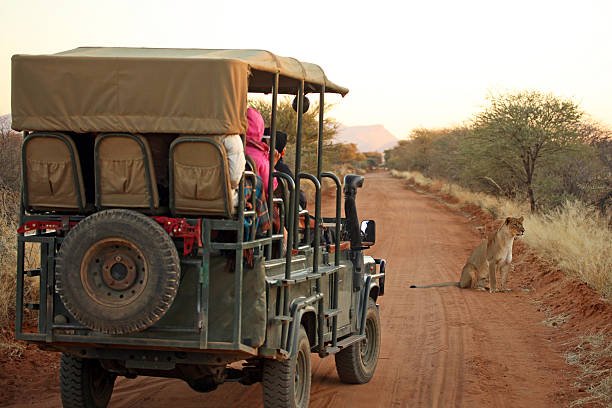
Zanzibar To Mikumi Safari: Flights, Prices And Itinerary Guide
Transition from the spice-scented beaches of Zanzibar to the wildlife-rich plains of Mikumi National Park. This guide details flight logistics, cost considerations, and sample itineraries...
View package details10-Day Tanzania Safari And Zanzibar Beach Holiday: Your Ultimate Itinerary
Combine the thrill of a Tanzania safari with the relaxation of Zanzibar for an unforgettable 10-day adventure. This itinerary balances iconic wildlife viewing with stunning tropical...
View package details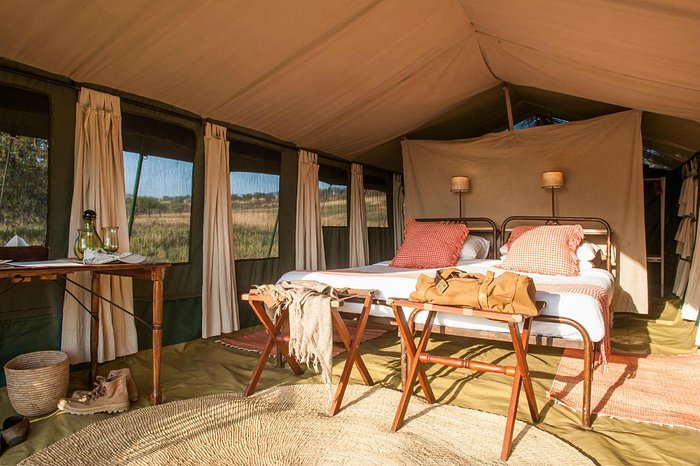
Safari From Zanzibar: Best Packages, Prices & Parks For 2026-2027
Combining a Zanzibar beach holiday with a Tanzania safari is a dream for many travelers. This guide details the best safari packages from Zanzibar, covering essential planning, park...
View package details
Tanzania Safari And Zanzibar All-Inclusive Packages Guide
Combine the thrill of a Tanzanian wildlife safari with the serene beauty of Zanzibar on an all-inclusive package. This comprehensive guide covers everything you need to know for planning...
View package details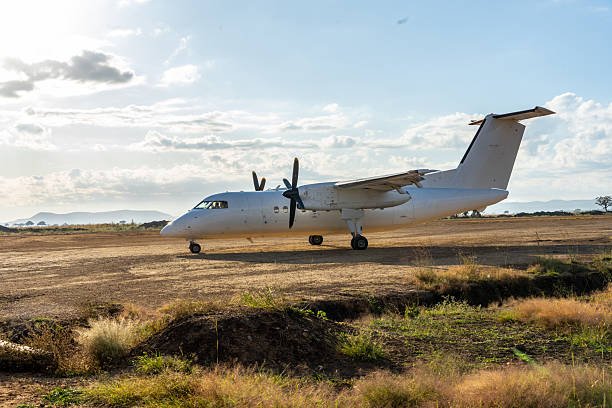
Zanzibar To Nyerere Safari Packages 2026-2027
Zanzibar to Nyerere Safari Packages is explained with current 2026-2027 planning, price, itinerary and booking information.
View package details3-Day Safari From Zanzibar 2026-2027
3-Day Safari From Zanzibar is explained with current 2026-2027 planning, price, itinerary and booking information.
View package details
2-Day Safari From Zanzibar: Your Quick Wildlife Escape In 2026-2027
Looking for a short, impactful wildlife adventure without a long trip? A 2-day safari from Zanzibar is your perfect solution. This guide covers the best options, what to expect, and how to...
View package detailsTanzania Safari And Zanzibar Packages /: Your Complete Guide 2026-2027
Explore the best Tanzania safari and Zanzibar packages for 2026-2027. This comprehensive guide covers itinerary options, wildlife highlights, beach relaxation, and booking considerations to...
View package detailsNo related package matches those filters. Clear one or more filters to see the other topic-matched options.



