Achieving a total safari cost under $3,500 for two people covering both the Serengeti and Ngorongoro Crater in Tanzania during 2026 or 2027 is challenging but possible, typically requiring a shorter duration (around 5-7 days), opting for budget-friendly accommodations like public campsites or basic lodges, and traveling during the shoulder seasons. This budget necessitates careful selection of tour operators, understanding exactly what is included, and potentially foregoing some luxury amenities to prioritize the essential game-driving experience.

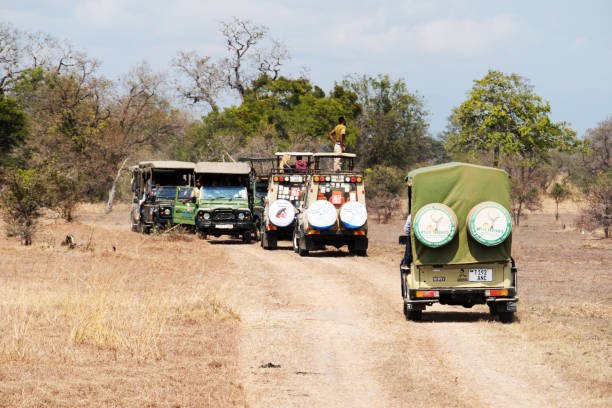
Understanding the Budget Challenge: Serengeti & Ngorongoro for Two Under $3,500
The question of whether two people can experience the wonders of the Serengeti and the Ngorongoro Crater for a combined total under $3,500 in 2026 or 2027 is a frequent one. It represents a desire to witness Africa’s most spectacular wildlife destinations without breaking the bank. Let’s be clear upfront: this budget is tight, especially considering the park fees, vehicle hire, accommodation, and guide costs involved in Tanzania. However, it’s not impossible. Success hinges on smart planning, realistic expectations, and prioritizing the core elements of a safari.
A typical safari in these prime locations often runs higher, especially for private tours. For context, a comfortable 7-day mid-range safari for two could easily range from $4,000 to $7,000+. Therefore, aiming for under $3,500 means cutting costs significantly. This guide will explore the primary cost drivers, how to mitigate them, and what kind of safari experience you can realistically expect within this budget for your 2026 or 2027 adventure.
Key Cost Drivers for Serengeti and Ngorongoro Safaris
To understand how to stay under $3,500, we first need to dissect where the money goes. Several factors significantly influence the total safari cost, and these are often non-negotiable to a certain extent, especially for the premium parks like Serengeti and Ngorongoro.
Park Entrance Fees
These are set by the Tanzanian government and are a substantial portion of any safari budget. For 2026-2027, expect these fees to remain a significant daily expense:
- Serengeti National Park: Approximately $70-80 per person per 24 hours. This fee is charged per person, per entry.
- Ngorongoro Conservation Area Authority (NCAA): This is a bit more complex. It includes an entry fee per vehicle (around $300 per vehicle per day) and a per-person fee (around $70-80 per person per 24 hours). There’s also a separate crater service fee, typically around $40 per vehicle for a 6-hour stay inside the crater floor.
For two people, these fees alone can add up to over $300-$400 per day of park access. This is a fixed cost that cannot be avoided and must be factored into your $3,500 total. For a 6-day safari, this could easily be $500-$600+ per person, totaling over $1,000 for two, just in park fees.
Vehicle and Guide Hire
A private safari requires a dedicated 4×4 safari vehicle and a professional driver-guide. This is often the largest single expense. Operators typically charge per vehicle per day, and this cost covers fuel, vehicle maintenance, guide’s salary, and insurance.
- Cost: Expect to pay anywhere from $250 to $400+ per day for a private vehicle and guide. This cost is for the vehicle, not per person.
For a 6-day safari, this can amount to $1,500 to $2,400+. This is where budget operators often differentiate themselves, sometimes by using slightly older vehicles or guides with less extensive experience, or by grouping travelers. For your $3,500 target for two, you’re looking at roughly $1,750 per person. If park fees take up $1,000+, that leaves only $2,500 for everything else for two people over 6 days, meaning about $200-$250 per person per day for accommodation, food, and vehicle/guide. This highlights the need for very budget-conscious choices.
Accommodation
Your choice of lodging significantly impacts the budget. Options range from basic public campsites to luxury lodges.
- Public Campsites: The most budget-friendly option, costing around $30-50 per person per night. Facilities are basic (pit latrines, shower blocks).
- Mid-range Lodges/Tented Camps: These can range from $150 to $300+ per person per night, offering more comfort, private bathrooms, and better amenities.
- Luxury Lodges/Tented Camps: Often $400 to $1,000+ per person per night, offering exquisite service, gourmet dining, and prime locations.
To stay under $3,500 for two on a 6-day trip ($1,750 per person), you’ll need accommodation averaging around $100-$150 per person per night. This likely means a mix of public campsites and potentially a more budget-friendly tented camp, or perhaps one night in a slightly nicer lodge and the rest camping.
Food and Drink
Meals are usually included in safari packages. The cost varies depending on the type of accommodation and whether it’s a full-service lodge or self-catering at campsites (where a cook might be provided).
- Included: Most packages include breakfast, lunch, and dinner.
- Excluded: Drinks (especially alcoholic ones), snacks, and tips are usually extra.
Budget operators might offer simpler meals. For a tight budget, focus on packages that include all meals.
Other Potential Costs
- Transfers: Getting to the starting point of the safari (e.g., Arusha) and back. International flights are a major separate expense.
- Tips: For your guide and any camp staff, which are customary and can add up.
- Souvenirs, travel insurance, visas.
Strategies for Saving: Making Under $3,500 Work
Given the cost drivers, how can you realistically bring the total for two people under $3,500 for a Serengeti and Ngorongoro safari in 2026 or 2027? It requires a multi-pronged approach:
1. Embrace Budget Accommodation
This is arguably the most impactful area for cost savings. Opting for public campsites within the parks or just outside is the cheapest way to stay. These offer a very “in-the-wild” experience, often with basic ablution facilities. While not luxurious, they allow you to be close to the action. For a 5-7 day safari for two, staying 4-5 nights in public campsites can save upwards of $800-$1,500 compared to mid-range lodges.
Alternatively, look for budget tented camps. These are often simpler than luxury camps, sometimes with shared bathrooms or basic canvas structures, but still offer a step up from public campsites. They might cost $80-$150 per person per night. A mix of camping and a budget tented camp could be a good compromise.
2. Shorten Your Safari Duration
The longer you stay in the parks, the higher the daily fees and vehicle hire will be. A standard safari might be 8-10 days. To fit the budget, consider a 5-day or 6-day safari. This typically includes 2 days in the Serengeti and 1-2 days in Ngorongoro, with travel days in between. This reduction can save several hundred dollars in park fees and vehicle hire.
Example: A 6-day safari for two might look like: Day 1: Arrive Arusha, Day 2: Drive to Ngorongoro Crater, Game Drive, Overnight near Crater Rim. Day 3: Drive to Serengeti, Afternoon Game Drive. Day 4: Full Day Serengeti Game Drive. Day 5: Morning Serengeti Game Drive, Drive back to Arusha. Day 6: Departure.
3. Travel During Shoulder or Low Seasons
While the Great Migration is a huge draw, its timing is not fixed. You can see incredible wildlife year-round. Consider traveling outside the peak months of June-October and December-February. The shoulder seasons (March-May, and November) often offer lower prices for accommodation and fewer crowds. Rain is possible, but safaris are still very much on.
For 2026-2027: If your dates are flexible, targeting late November or early December (before the Christmas rush) or March-April (post-rainy season, but before peak green season) could yield savings. Be aware that April can sometimes be heavily rainy, impacting road conditions and game viewing visibility, though it’s typically the cheapest month.
4. Consider Group or Shared Safaris (with caution)
Many operators offer “group join” or “shared” safaris. This means you share a vehicle and costs with other travelers. This can significantly reduce the per-person vehicle hire cost. However, for a $3,500 total budget for two, you are likely already looking at the most basic private options or very carefully selected shared tours. If you are looking for a private experience, sharing is not an option. If you are open to it, find operators that specifically advertise budget group tours for Serengeti and Ngorongoro.
Important Note: While group safaris save money, they come with trade-offs. You share driving time, may have less flexibility on stops, and it can be harder to get that perfect photograph if others have different priorities. For a $3,500 budget for two, you might find that a very basic private safari is more attainable than a well-run group tour, depending on the operator.
5. Choose a Local, Reputable Operator
Local Tanzanian tour operators, like Climb 4 Africa, often have lower overheads than international companies. They have established relationships with local guides, lodges, and campsites, and understand how to manage costs effectively while ensuring a quality experience. They can also offer more authentic insights into the local culture and environment.
Why a local operator is key for budget: They can often source better rates for park fees (though these are government-set, their logistics might be more efficient), negotiate better deals with campsites, and provide a guide who knows the roads and wildlife intimately, maximizing your game viewing time and thus the value of your daily vehicle hire.
6. Pack Smart and Avoid Hidden Costs
Ensure your package includes all park fees, meals, accommodation, and the vehicle/guide. Be aware of what’s extra: tips, drinks, laundry, personal items. Bring your own reusable water bottle to refill at lodges/camps rather than buying bottled water. Check if binoculars are provided; if not, consider bringing your own. Ensure you have appropriate clothing to avoid needing to buy items at inflated prices.
Accommodation Options: Balancing Comfort and Cost
Your choice of where you sleep each night is the most flexible part of your budget. For the $3,500 total for two, let’s explore the realistic options for 2026-2027.
Public Campsites (The True Budget Champion)
Pros: By far the cheapest option. Offers an authentic, close-to-nature experience. You’ll sleep in your own tent (usually provided by the operator) with basic facilities. Often located within or on the edge of national parks, offering fantastic early morning and late evening game viewing opportunities.
Cons: Facilities are basic: shared pit latrines, shared shower blocks (sometimes cold water). You might share fire pits and common areas with other campers. Requires a good attitude and flexibility. You’ll likely have a camp cook provided by the operator to prepare meals.
Cost for 2026-2027: Roughly $30-$50 per person per night. For a 6-day safari (5 nights), this is $150-$250 per person, or $300-$500 for two. This is a massive saving compared to lodges.
Budget Tented Camps (A Step Up)
Pros: Offers more comfort than public campsites. Tents are usually more robust, often with proper beds, bedding, and sometimes en-suite bathrooms (though this might push the budget). You get a more “glamping” feel without the luxury price tag. Some may have dining tents or mess halls.
Cons: More expensive than public campsites. Quality can vary significantly. Some “budget” camps may still be quite rustic.
Cost for 2026-2027: Can range from $80-$150 per person per night. For 5 nights, this is $400-$750 per person, or $800-$1,500 for two. This would likely exceed your $3,500 total budget if used for all nights, but could be a good option for 1-2 nights if other costs are managed.
Mid-Range Lodges/Tented Camps (Likely Exceeds Budget)
Pros: Significant increase in comfort, private bathrooms, hot showers, comfortable beds, often a swimming pool, restaurant and bar service, and higher levels of service.
Cons: Costs typically start from $150-$300 per person per night and go up quickly. For a 6-day safari, 5 nights at $200 pp/pn would be $1,000 per person, or $2,000 for two. Combined with park fees and vehicle hire, this would push you well over $3,500.
Recommendation for $3,500 Budget: A combination of public campsites for the majority of your nights (e.g., 3-4 nights) and perhaps one or two nights in a budget tented camp could be the sweet spot. This allows you to experience the wild while still having moments of comfort. Always confirm exactly what kind of tent and facilities are provided at public campsites.
Budget Accommodation Caveats for 2026-2027
When booking, be very specific about the type of accommodation. Public campsites are the most cost-effective. If an operator offers “budget tented camp,” ask for details: are the tents en-suite? Are they permanent structures or canvas tents on a site? What are the meal arrangements? Confirming these details ensures you know what to expect and that it aligns with your budget. For a $3,500 total for two, prioritize public campsites for the bulk of your stay.
Itinerary Planning: Optimizing Days for Value
The flow of your safari significantly impacts cost and experience. For a budget under $3,500 for two, a compact itinerary focusing on the highlights is key. A typical 6-day itinerary is often the sweet spot for balancing time and cost.
A Realistic 6-Day Itinerary for Under $3,500 (for 2 people)
This itinerary assumes you are starting and ending in Arusha, Tanzania. International flights to Kilimanjaro International Airport (JRO) are not included in this budget.
Day 1: Arrival in Arusha
Arrive at Kilimanjaro International Airport (JRO). You’ll be met and transferred to your pre-safari accommodation in Arusha. This night in Arusha is usually an extra cost not included in the safari package itself, so budget around $80-$150 for a comfortable guesthouse or budget hotel. This allows you to rest and prepare for the safari starting the next day.
Day 2: Arusha to Ngorongoro Crater
After breakfast, meet your guide and depart for the Ngorongoro Conservation Area. The drive takes approximately 3-4 hours. You’ll descend into the crater floor for a 4-5 hour game drive, renowned for its high density of wildlife, including the rare black rhino. After the game drive, you’ll ascend and typically stay at a campsite or basic lodge on the crater rim or just outside the conservation area. Accommodation: Public Campsite near Ngorongoro.
Day 3: Ngorongoro to Serengeti National Park
After breakfast, you’ll drive from the Ngorongoro area towards the Serengeti National Park. You’ll likely pass through the Maasai Steppe and potentially visit a Maasai village (this is often an optional extra cost). You’ll enter the Serengeti via the Naabi Hill Gate and begin your first game drive as you head towards your campsite in the Central Serengeti (Seronera area). Accommodation: Public Campsite in Central Serengeti.
Day 4: Full Day Serengeti Game Drive
Spend the entire day exploring the vast plains of the Serengeti. Depending on the time of year, you might focus on areas known for resident wildlife or search for the Great Migration. Your guide will help you track animals like lions, leopards, cheetahs, elephants, giraffes, and vast herds of wildebeest and zebras. All meals will be provided, with a packed lunch enjoyed in the bush. Accommodation: Public Campsite in Central Serengeti.
Day 5: Serengeti Morning Game Drive & Drive to Karatu/Arusha
Enjoy a final morning game drive in the Serengeti, perhaps seeking out animals you may have missed. After breakfast, you’ll begin your journey back towards Arusha. You might stop at Mto wa Mbu for a cultural experience or lunch. Depending on time and budget, you could spend the night in Karatu (closer to Ngorongoro) or drive all the way back to Arusha. For budget, driving back to Arusha is most common. Accommodation: Public Campsite/Budget Guesthouse in Arusha.
Day 6: Departure
After breakfast, you’ll be transferred to Kilimanjaro International Airport (JRO) for your onward flight. If your flight is later in the day, you might have time for some souvenir shopping in Arusha.
Variations and Considerations for 2026-2027:
- Shorter trips: A 5-day trip might combine one night in Ngorongoro and two in Serengeti, with travel days bookending it. This saves on one day’s park fees and vehicle hire.
- Longer trips: If you can stretch your budget slightly, adding a day in Lake Manyara National Park (known for tree-climbing lions) could be feasible, but it will increase costs.
- Logistics: The travel days are long. The roads between parks can be rough. A 4×4 vehicle with a pop-up roof is essential for game viewing and comfort.
- Flexibility: This itinerary is a template. Your guide will adapt game drives based on wildlife sightings and road conditions.
For the $3,500 total for two, this 6-day itinerary with public campsites for the majority of nights is the most viable. This means roughly $1,000-$1,200 for park fees for two, leaving $2,300-$2,500 for vehicle, guide, accommodation (camping fees), and meals for 5 nights. This equates to about $400-$500 per day for the operator to cover vehicle, fuel, guide, and camping logistics for two people, which is achievable for a well-run budget operator.
What is Typically Included (and Excluded) in Budget Safaris
Understanding inclusions and exclusions is paramount when trying to stick to a tight budget like $3,500 for two people for a Serengeti and Ngorongoro safari in 2026-2027. A clear, detailed itinerary from your tour operator is crucial.
Typically Included:
- Park Entrance Fees: This is usually the largest portion of the “included” cost. For Serengeti and Ngorongoro, these are significant. Confirm the exact fee per person per day for each park.
- Vehicle and Professional Driver-Guide: A 4×4 safari vehicle with a pop-up roof, fuel, and the guide’s salary and accommodation/meals.
- Accommodation: As per your chosen package. For this budget, this means public campsite fees and tent setup. Confirm if a cook is provided for campsite meals.
- Meals: Typically all meals (breakfast, lunch, dinner) during the safari days. Packed lunches are common for full-day game drives.
- Ngorongoro Crater Service Fee: The fee for descending into the crater.
- Bottled Water: Often a certain amount of bottled water is provided daily in the vehicle.
- Airport Transfers: Usually from Kilimanjaro International Airport (JRO) to your Arusha hotel on arrival and back to JRO on departure.
Typically Excluded:
- International Flights: Flights to and from Tanzania are your responsibility.
- Visa Fees: For Tanzania.
- Travel Insurance: Highly recommended and essential.
- Tips: For your guide and camp staff. This is a significant additional cost to budget for.
- Drinks: Alcoholic beverages, sodas, and extra bottled water beyond what’s provided.
- Personal Expenses: Souvenirs, laundry, phone calls.
- Optional Activities: Maasai village visits, hot air balloon safaris (very expensive, not for this budget), walking safaris.
- Accommodation in Arusha: The night before the safari and potentially the night after, unless specified.
- Gratuities: For guides and camp staff. This can range from $10-$20 per day per traveler for the guide and $5-$10 per day for camp staff. For a 6-day safari for two, this could be an additional $150-$300.
Crucial for Budget Travel: Always ask for a detailed breakdown of costs. For a $3,500 total for two, ensure the quote explicitly states that all park fees, Crater fees, and accommodation (specify ‘public campsite’) are included. If tips are not mentioned, ask for a recommended range so you can budget accordingly. This transparency is vital for managing expectations and avoiding surprise costs in 2026 or 2027.
Choosing the Right Operator: Local vs. International
When aiming for a specific budget like $3,500 for two people for Serengeti and Ngorongoro in 2026-2027, the choice of tour operator is critical. The difference between a local Tanzanian company and an international agent can be substantial.
International Tour Operators
These companies often market widely and may have beautiful brochures and slick websites. They book safaris often through ground handlers in Tanzania.
Pros: May offer more polished booking experiences, established payment systems, and sometimes more comprehensive travel insurance options.
Cons: Significantly more expensive. They add their own mark-up on top of the ground handler’s costs. Communication can sometimes be indirect, potentially leading to misunderstandings about inclusions or itinerary details.
Local Tanzanian Tour Operators (e.g., Climb 4 Africa)
Companies based directly in Tanzania, like Climb 4 Africa, operate safaris on the ground. This direct approach is key for budget-conscious travelers.
Pros:
- Cost-Effectiveness: Lower overheads and direct negotiation with lodges, campsites, and guides mean they can offer more competitive pricing. They cut out the middleman.
- Local Expertise: Deep knowledge of the parks, wildlife, best routes, and current conditions. Guides are often local and highly experienced.
- Flexibility and Customization: More responsive to specific requests and can tailor itineraries to fit tight budgets.
- Direct Support: You are dealing directly with the people who will be delivering your safari.
Cons:
- Payment Systems: May rely more on bank transfers or specific payment platforms, requiring careful verification.
- Website Polish: May not always have the same level of marketing gloss as international operators, but this is not indicative of service quality.
For your $3,500 budget for two: Engaging a local operator like Climb 4 Africa is almost certainly your best path to achieving this goal. They understand how to construct value-for-money safaris, prioritize essential experiences, and manage logistics efficiently. When contacting them, be upfront about your budget and your desire for a Serengeti and Ngorongoro safari for two people in 2026 or 2027. You can reach Climb 4 Africa via WhatsApp at +255 747 477 898 or Email at climb4africa@gmail.com. They can help you craft an itinerary that maximizes your experience within your financial constraints.
Why Climb 4 Africa is a Strong Choice for Budget Safaris
As a Tanzanian-based operator, Climb 4 Africa has the advantage of direct local knowledge and operational efficiency. They are experienced in designing safaris that balance cost with unforgettable wildlife encounters. For travelers looking to do Serengeti and Ngorongoro for under $3,500 total for two people in 2026-2027, they can skillfully navigate the options for budget accommodation, optimize itineraries, and ensure you get the best possible value from your investment. Their team understands the intricacies of park fees, vehicle costs, and guide services, allowing them to create realistic and exciting packages tailored to your budget.
Timing Your Safari: Seasonality and Savings for 2026-2027
The time of year you choose for your Serengeti and Ngorongoro safari can significantly impact costs and the overall experience. While the parks are open year-round and wildlife is always present, certain periods are considered peak season, shoulder season, and low season.
Peak Season (June to October, December to February)
Pros: This is generally the dry season, offering the best game viewing conditions. The Great Migration is often in the Western or Northern Serengeti during June-October, with large river crossings possible. Wildlife congregates around water sources. Clear skies mean excellent photography opportunities.
Cons: Highest prices for accommodation and tours. Most crowded, especially during school holidays in July, August, and December. Limited availability, requiring booking far in advance for 2026-2027.
Budget Impact: Safaris during peak season are least likely to fit under the $3,500 total for two. If your heart is set on peak season, you’ll need to compromise heavily on duration or accommodation type, or increase your budget.
Shoulder Seasons (March to May, November)
Pros: Fewer crowds than peak season. Prices for accommodation and sometimes tours can be lower. The landscape is often lush and green, especially after the rains. The period after the short rains in November can be excellent for birdwatching.
Cons: March-May can still experience significant rainfall, impacting road conditions and potentially game viewing visibility. While the migration is moving, its exact location can be less predictable than during peak dry season.
Budget Impact: This is where you can find more value. A 6-7 day safari for two might become more attainable within the $3,500 budget during these months in 2026-2027. You might be able to afford a slightly better class of accommodation or a slightly longer trip.
Low Season (April to May)
Pros: Lowest prices for accommodation and often for safari packages. Very few tourists, offering a more exclusive feel. The landscape is incredibly green and beautiful, and predator-prey interactions can be intense due to the abundance of young animals.
Cons: This is the heart of the long rainy season. Roads can become impassable, requiring careful itinerary planning and potentially more expensive flight options within parks if roads are closed. Game viewing can be more challenging due to thick vegetation and dispersed wildlife.
Budget Impact: While prices are lowest, the potential for travel disruptions means it’s a trade-off. If you are on an extremely tight budget and can be flexible with dates and arrangements, April might offer the lowest possible prices, but requires careful operator selection to manage logistics.
Recommendations for 2026-2027
To maximize your chances of staying under $3,500 for two:
- Target November or early December: Before the Christmas peak, you can often find good rates. The short rains might have started, but the impact on game viewing is usually minimal, and the landscape is beautiful.
- Consider March or early April: Just after the main rainy season, the landscape is recovering, and wildlife is abundant. Prices are typically lower than peak season.
- Avoid July, August, September, and December holidays if budget is your primary concern.
Always discuss your budget and preferred timing with your chosen operator. A reputable local operator like Climb 4 Africa can advise on the best times to travel for value while still offering excellent wildlife viewing opportunities for your 2026-2027 safari.
Realistic Expectations for a Budget Safari
Achieving a Serengeti and Ngorongoro safari for two under $3,500 total in 2026-2027 is about smart compromises, not about sacrificing the core experience. It’s crucial to set realistic expectations to ensure you have an enjoyable and fulfilling trip.
What You CAN Expect:
- Incredible Wildlife Viewing: The Serengeti and Ngorongoro are world-class destinations. You will see an abundance of wildlife, including the Big Five (lion, leopard, elephant, rhino, buffalo) if you’re lucky, and countless other species. The sheer density of animals in Ngorongoro and the vastness of the Serengeti are awe-inspiring regardless of your accommodation.
- Expert Guides: Reputable budget operators employ knowledgeable guides who are skilled at spotting wildlife, understanding animal behavior, and navigating the parks efficiently.
- A Sense of Adventure: Staying in public campsites or basic tented camps offers a raw, authentic connection to the African wilderness. Waking up to the sounds of the bush is an experience in itself.
- Essential Safari Comforts: You’ll have a reliable 4×4 vehicle, meals prepared for you, and shelter. You won’t be roughing it entirely.
- Memorable Moments: The thrill of spotting a pride of lions, a leopard in a tree, or a herd of elephants is universal and not dependent on luxury.
What You Might Need to Compromise On:
- Luxury Amenities: Forget en-suite bathrooms with hot tubs, gourmet dining, or infinity pools. Your accommodation will be basic but functional.
- Private Game Drives (Exclusively): While your vehicle will be private for your group, your time on the game drive might be more structured to optimize fuel and adhere to park rules.
- Extensive Animal Sightings: While you’ll see a lot, budget safaris might not have the same flexibility to spend extended periods waiting for a specific animal or driving off-road (which is prohibited anyway).
- Gourmet Meals: Expect hearty, well-prepared meals but not fine dining. Packed lunches are standard for full-day drives.
- Speed of Travel: Road conditions can be challenging, and budget operators may prioritize fuel efficiency over speed. Long driving days are part of the experience.
- Connectivity: Wi-Fi and phone signal will be sporadic at best, especially within the parks. Embrace the digital detox.
The Key: Manage Expectations. If you understand that for $3,500 total for two people in 2026-2027, you are prioritizing the wildlife experience and the essential safari logistics over creature comforts, you will likely have an incredible time. The magic of the Serengeti and Ngorongoro lies in the animals and the landscapes, not necessarily in the thread count of your sheets.
Booking Your Serengeti & Ngorongoro Safari
Ready to make your dream safari a reality within your $3,500 budget for two? Here’s how to proceed for your 2026 or 2027 trip.
Step 1: Research and Select a Reputable Local Operator
As discussed, local operators are key for budget control. Look for companies with good online reviews (TripAdvisor, Google), clear communication, and a willingness to work within your budget. Climb 4 Africa is a prime example of a Tanzanian company experienced in crafting value-driven safaris.
Step 2: Be Clear About Your Budget and Requirements
When you contact operators, state your objective clearly: “We are two people looking to do a safari covering Serengeti and Ngorongoro for a total budget of under $3,500 for both of us, for travel in 2026 or 2027.” Specify your preferred travel dates or season if you have one, and mention your willingness to stay in public campsites or budget accommodations.
Step 3: Request Detailed Itineraries and Quotes
Ask for a 5-7 day itinerary that includes:
- Daily breakdown of activities and locations.
- Specific accommodation type (e.g., “Public Campsite at Seronera” or “Budget Tented Camp with shared facilities”).
- A clear list of inclusions (park fees, crater fees, meals, vehicle, guide, water) and exclusions (tips, drinks, Arusha accommodation, insurance, visa).
- The total price for two people, with a clear breakdown if possible.
Step 4: Compare and Ask Questions
Don’t be afraid to ask questions. What is the vehicle type? What is the guide’s experience? What are the meal arrangements at campsites? How much is recommended for tips? Compare quotes from 2-3 operators, but remember that the cheapest is not always the best. Service quality, safety, and guide expertise are vital.
Step 5: Secure Your Booking
Once you’ve chosen an operator and finalized the itinerary and price, you’ll need to confirm your booking. This usually involves paying a deposit (often 30-50%) to secure your dates and the guide. The balance is typically due a few weeks before your safari starts.
Booking with Climb 4 Africa:
To begin planning your under $3,500 Serengeti and Ngorongoro safari for two in 2026-2027, reach out to Climb 4 Africa. They are experts in creating memorable Tanzanian adventures on a budget.
Contact them via:
- WhatsApp: +255 747 477 898
- Email: climb4africa@gmail.com
Provide them with your desired travel dates or month, the number of travelers (two), your budget ($3,500 total), and your interest in Serengeti and Ngorongoro. They will work with you to craft an itinerary that fits your needs and ensures an unforgettable Tanzanian safari experience.
Final Check: Before making final payment, ensure all agreed-upon details are in writing. This includes the exact itinerary, accommodation type, all included costs, and the total price. This due diligence is essential for any safari booking, especially when working within a specific budget for 2026 or 2027.
Travel Years 2026-2027 Note
When planning for 2026 and 2027, remember that park fees and operational costs can fluctuate. While we’ve provided current estimates, it’s wise to factor in a small buffer if possible. However, by booking with a local operator like Climb 4 Africa, you can leverage their knowledge to secure the best possible rates for your chosen travel year.
“,
“faq_schema”: [
{
“question”: “Is a Serengeti and Ngorongoro safari for two people under $3,500 total realistic for 2026-2027?”,
“answer”: “Yes, it is challenging but achievable for two people for a total of under $3,500 in 2026-2027. This budget typically requires a shorter safari (5-7 days), prioritizing public campsites or very basic tented camps for accommodation, traveling during shoulder or low seasons, and choosing a reputable local tour operator.”
},
{
“question”: “What are the biggest costs for a Serengeti and Ngorongoro safari?”,
“answer”: “The primary costs are park entrance fees (Serengeti and Ngorongoro Conservation Area), vehicle and driver-guide hire, and accommodation. For two people, these fees alone can exceed $1,000-$1,500 for a week-long trip.”
},
{
“question”: “How can I save money on a Serengeti and Ngorongoro safari?”,
“answer”: “Key savings strategies include choosing public campsites for accommodation, shortening the safari duration (e.g., 5-6 days), traveling during shoulder seasons (March-May, November), opting for a local Tanzanian tour operator, and being clear about your budget upfront.”
},
{
“question”: “What type of accommodation is best for a budget safari under $3,500 for two?”,
“answer”: “For this budget, public campsites within or near the parks are the most cost-effective option. They offer basic facilities but a truly wild experience. A mix of public campsites and a few nights in a budget tented camp might also be feasible.”
},
{
“question”: “What is typically NOT included in a budget safari package?”,
“answer”: “Typically excluded are international flights, visa fees, travel insurance, tips for guides and staff, alcoholic beverages, personal expenses, and accommodation in Arusha before or after the safari. Always confirm inclusions and exclusions with your operator.”
},
{
“question”: “When is the best time to travel for a budget safari in 2026-2027?”,
“answer”: “To maximize savings, consider the shoulder seasons like November or March-April. These periods generally offer lower prices and fewer crowds than the peak dry season (June-October).”
}
]
}
“`
Check Availability for Can Two People Do Serengeti And Ngorongoro For Under $3,500 Total? 2026-2027
Ready to compare dates, prices, and the best option for your group? Send the package name and travel month so the team can reply with a clear quote, availability, and what is included.
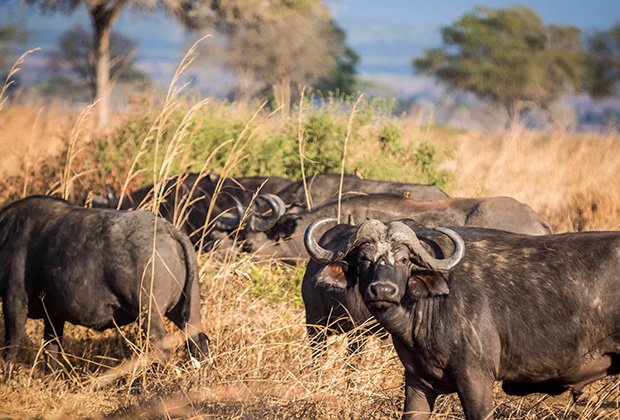
Dec 24, – 3 Day Christmas Serengeti And Ngorongoro Group Safari
Dec 24, 2026 – 3 Day Christmas Serengeti and Ngorongoro Group Safari.
View package details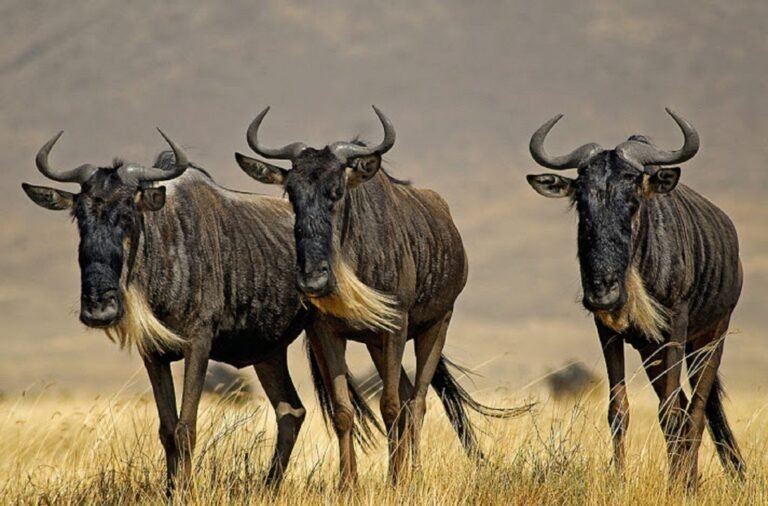
Nov 23, – 3 Day Serengeti And Ngorongoro Safari From Zanzibar
Nov 23, 2026 – 3 Day Serengeti and Ngorongoro Safari from Zanzibar.
View package details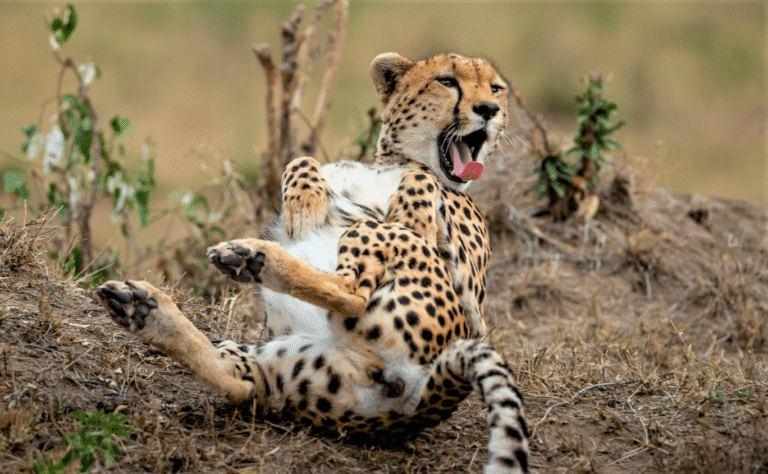
Dec 29, – 6 Day Ndutu, Serengeti And Ngorongoro Group Safari 2026
A detailed guide to our 6-day group safari departure on December 29, 2026, focusing on the Ndutu plains, the Serengeti, and the Ngorongoro Crater.
View package details8 Day Serengeti And Ngorongoro Group Safari – December 16, 2026
Planning your December 2026 Tanzanian adventure? Our 8-day group safari offers a deep, unhurried exploration of the Serengeti and Ngorongoro Crater.
View package details
Dec 12, – 6 Day Serengeti, Ngorongoro, Tarangire And Manyara Group Safari 2026
Dec 12, 2026 – 6 Day Serengeti, Ngorongoro, Tarangire and Manyara Group Safari.
View package detailsDec 8, – 4 Day Tarangire, Serengeti And Ngorongoro Group Safari 2026
A detailed guide to our December 8, 2026 group joining safari, covering the itinerary, logistics, and what to expect during this 4-day wildlife adventure in Tanzania.
View package details
Nov 6, – 3 Day Serengeti And Ngorongoro Budget Group Safari 2026
A detailed look at our November 6, 2026 group departure for a 3-day Serengeti and Ngorongoro safari, including planning tips and route logistics.
View package detailsOct 27, – 3 Day Serengeti And Ngorongoro Group Safari 2026
Planning for a short, high-impact wildlife adventure? Our October 27, 2026, group safari offers a direct route through the Serengeti and Ngorongoro Crater, perfect for travelers with...
View package detailsNov 18, – 7 Day Serengeti And Ngorongoro Group Joining Safari 2026
A detailed guide to the 7-day group joining safari departing November 18, 2026, covering Serengeti, Ngorongoro, and the logistical advantages of shared travel.
View package detailsNov 10, – 4 Day Serengeti, Ngorongoro And Tarangire Group Safari 2026
Join our group safari on November 10, 2026, for an intensive 4-day tour of Tanzania's Northern Circuit. Perfect for those with limited time who want to experience the best of the Serengeti...
View package detailsOct 31, – 6 Day Serengeti, Ngorongoro, Tarangire And Manyara Group Safari 2026
A detailed look at the 6-day Northern Circuit group safari departing October 31, 2026, covering Tarangire, Manyara, Serengeti, and Ngorongoro Crater.
View package detailsOct 29, – 4 Day Tarangire, Serengeti And Ngorongoro Group Safari 2026
Plan your October 2026 Tanzania adventure. This 4-day group safari covers Tarangire, Serengeti, and Ngorongoro Crater with reliable local support.
View package detailsNo related package matches those filters. Clear one or more filters to see the other topic-matched options.