The best way to combine South Africa and Tanzania safaris involves strategically linking destinations based on desired wildlife experiences, time of year, and logistical flow, typically flying between major hubs like Johannesburg and Kilimanjaro or Arusha. For 2026-2027, consider starting in South Africa for diverse landscapes and excellent infrastructure (like Kruger National Park and Sabi Sands) before flying to Tanzania for the Great Migration spectacle in the Serengeti and the unique ecosystem of the Ngorongoro Crater. This approach maximizes wildlife viewing opportunities across different environments and seasons, offering a comprehensive and unforgettable African safari adventure.
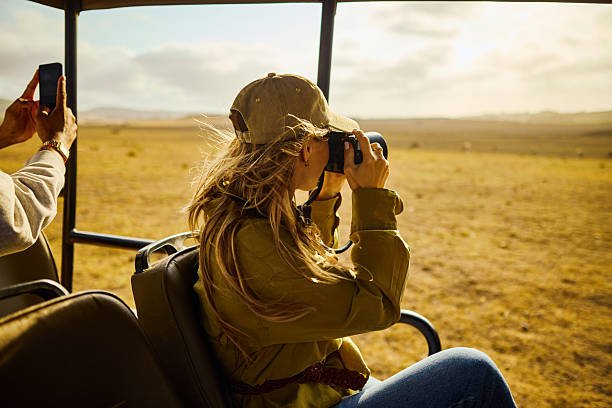
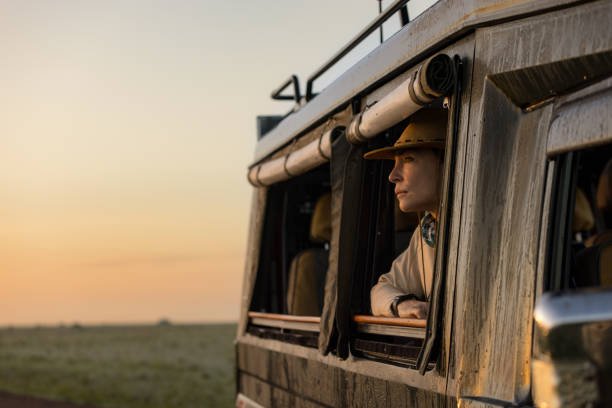
Combining the world-renowned safari experiences of South Africa and Tanzania creates an unparalleled African journey. These two countries, while both offering exceptional wildlife viewing, provide distinctly different landscapes, ecosystems, and iconic spectacles. South Africa often appeals with its well-developed infrastructure, diverse private reserves adjacent to national parks, and the chance to see the Big Five in varied habitats. Tanzania, on the other hand, is synonymous with the Great Migration, vast plains of the Serengeti, and the unique, wildlife-rich caldera of the Ngorongoro Crater. Planning the best way to combine South Africa and Tanzania safari requires careful consideration of your priorities, budget, and the time of year you plan to travel for 2026-2027.
This guide is designed to walk you through the intricacies of creating such a combined trip. We’ll explore why this combination is so sought-after, break down the unique offerings of each country, and most importantly, provide actionable advice on how to stitch them together logistically and experientially. We’ll look at different itinerary structures, the best times to visit each region for optimal sightings, and how to manage travel between these two giants of African tourism. Whether you’re dreaming of tracking rhinos in a private concession or witnessing millions of wildebeest crossing the Mara River, understanding how to best combine South Africa and Tanzania safari will be key to making your 2026-2027 adventure a reality.
Why Combine South Africa and Tanzania for Your Safari?
The allure of combining South Africa and Tanzania for a safari stems from the sheer diversity and depth of experiences each offers. It’s not just about seeing more animals; it’s about experiencing different facets of the African wilderness and its conservation efforts. This dual-country approach caters to a broader spectrum of safari interests, from the meticulously managed private reserves of South Africa to the raw, untamed grandeur of Tanzania’s national parks.
South Africa’s Strengths:
- Accessibility and Infrastructure: South Africa boasts excellent airports, a well-maintained road network, and a mature tourism industry. This makes travel within the country, and connecting to international flights, generally smoother and more predictable.
- Diverse Habitats and Wildlife: From the semi-arid Karoo to the bushveld of the Kruger region and the coastal forests of KwaZulu-Natal, South Africa offers a variety of landscapes. This translates into a wide range of fauna, including the Big Five (lion, leopard, elephant, rhino, buffalo), but also cheetahs, wild dogs, and a rich birdlife.
- Private Reserves & Luxury: The iconic private reserves bordering Kruger National Park, such as Sabi Sands, offer exclusive game viewing with off-road driving, night drives, and walking safaris – experiences often restricted in national parks. These reserves are also renowned for their luxury lodges, providing exceptional service and accommodation.
- Conservation Models: South Africa has been at the forefront of wildlife conservation, particularly in rhino protection. Experiencing these reserves offers insight into successful conservation strategies.
Tanzania’s Strengths:
- The Great Migration: This is Tanzania’s crown jewel. Witnessing the annual movement of over a million wildebeest and zebras across the Serengeti plains, especially the dramatic river crossings, is a bucket-list event for many. The timing of your visit is crucial for experiencing this phenomenon.
- Iconic Landscapes: The Serengeti’s endless plains, the dramatic escarpment of the Ngorongoro Crater, and the unique acacia-dotted scenery are imprinted on the global imagination.
- Big Five and Beyond: While the Big Five are present, Tanzania is particularly famous for its large lion prides, elusive leopards, and significant elephant populations. The Ngorongoro Crater offers an astonishing density of wildlife within a relatively small area.
- Sense of Wilderness: Tanzania’s parks often feel more vast and wild, offering a profound sense of remoteness and immersion in nature.
By combining these, you get a holistic safari experience: the curated, high-density game viewing and luxury of South Africa, complemented by the epic scale, natural drama, and iconic migrations of Tanzania. For 2026-2027, this combination promises an adventure that is both comprehensive and deeply memorable.
Understanding the Core Differences: South Africa vs. Tanzania Safaris
To effectively combine South Africa and Tanzania safari, it’s vital to appreciate their fundamental differences. These distinctions inform where you might start, what you prioritize, and how you structure your time. While both offer incredible wildlife encounters, the ‘how’ and ‘what’ vary significantly.
South Africa: Infrastructure, Variety, and Exclusive Experiences
South Africa’s safari offering is often characterized by its accessibility, well-established tourism infrastructure, and a strong emphasis on private reserves. This often translates to a more comfortable, predictable, and sometimes more luxurious experience, especially when compared to some parts of Tanzania.
Key Characteristics of South African Safaris:
- Kruger National Park and Adjacent Private Reserves: Kruger is one of Africa’s largest and most famous national parks. However, the real draw for many combining destinations is the contiguous private game reserves like Sabi Sands, Timbavati, and Klaserie. These unfenced reserves allow for a more dynamic safari experience.
- Off-Road Driving and Night Drives: In private reserves, guides can deviate from established roads to follow animal sightings and conduct night drives with spotlights, significantly increasing the chances of seeing nocturnal or shy species like leopards and cheetahs. This is a major advantage for photographers and enthusiasts.
- Walking Safaris: Many lodges in private concessions offer guided walking safaris, providing an intimate and sensory experience of the bush, from tracking animal spoor to learning about the smaller flora and fauna.
- Accommodation Variety: South Africa offers a vast range of accommodation, from self-drive campsites and modest lodges within Kruger to ultra-luxury tented camps and opulent lodges in the private reserves. This makes it adaptable to various budgets and travel styles.
- Big Five Focus with High Success Rates: The combination of Kruger and its private neighbours offers excellent chances of seeing the Big Five, with leopards being particularly well-sighted in areas like Sabi Sands. Other highlights include cheetahs, wild dogs, hippos, crocodiles, and a staggering array of birdlife.
- Self-Drive Options: For the more independent traveler, South Africa’s national parks, particularly Kruger, are very amenable to self-driving, offering a more budget-friendly approach.
When planning your 2026-2027 trip, consider that South Africa’s well-trodden paths mean that while wildlife viewing is excellent, the feeling of being truly alone in the wilderness might be less pronounced in some areas compared to Tanzania, especially in the more popular public sections of Kruger.
Tanzania: Scale, Migration, and Raw Wilderness
Tanzania offers a safari experience defined by its immense scale, dramatic natural events, and a feeling of raw, untamed wilderness. It’s home to some of the most iconic wildlife spectacles on Earth.
Key Characteristics of Tanzanian Safaris:
- The Great Migration: The Serengeti National Park is the stage for this incredible natural phenomenon. Millions of wildebeest, zebras, and gazelles migrate in a constant search for fresh grazing, driven by ancient instincts. Depending on the time of year (typically June-October for river crossings, but calving season is Jan-March), you can witness this event in different locations.
- Serengeti National Park: Beyond the migration, the Serengeti itself is a vast ecosystem supporting enormous populations of predators – lions, cheetahs, leopards, hyenas – and herbivores. Its sheer size means you can drive for hours and see very few other vehicles.
- Ngorongoro Crater: This UNESCO World Heritage Site is a collapsed volcanic caldera teeming with wildlife. It’s one of the best places in Africa to see the Big Five in a single day, including the critically endangered black rhino. The density of animals here is astounding.
- Other Northern Circuit Parks: Tarangire National Park (known for elephants and baobabs), Lake Manyara National Park (famous for tree-climbing lions and flamingos), and Arusha National Park (offering diverse landscapes and walking safaris) complement the Serengeti and Ngorongoro experience.
- Sense of Immersion: Tanzanian safaris often emphasize a feeling of deep immersion in nature. While lodges are comfortable, the focus is on the wildlife and landscape. The vastness can mean longer drives between sightings, but the payoff is often spectacular.
- Logistical Considerations: Travel within Tanzania often involves light aircraft flights between parks or longer 4×4 drives on sometimes challenging roads. This can add to the adventure but requires more planning and can be more expensive than self-driving in South Africa.
When considering your 2026-2027 combined itinerary, remember that Tanzania’s magic lies in its grand, natural spectacles. The timing for the Great Migration is paramount, and understanding the movements of the herds will dictate your itinerary within Tanzania. This is where expert local knowledge becomes invaluable.
Structuring Your Combined South Africa & Tanzania Safari
Deciding on the best way to combine South Africa and Tanzania safari hinges on creating a logical flow that maximizes your time and minimizes unnecessary travel. There isn’t one single ‘best’ route, as it depends on your interests, budget, and the time of year. However, some common and highly effective structures emerge.
Option 1: The Classic Big Five & Migration Combo (South Africa First)
This is arguably the most popular and often logistically smoothest way to combine these two destinations. It typically involves starting in South Africa and then flying to Tanzania.
Typical Itinerary Flow:
- Days 1-5: South Africa (Kruger & Private Reserve)
- Day 6: Travel Day (Fly from South Africa to Tanzania)
- Days 7-12: Tanzania (Serengeti & Ngorongoro Crater)
Why this works:
- Geographical Logic: Flying from major South African hubs like Johannesburg (JNB) to Kilimanjaro International Airport (JRO) or Arusha Airport (ARK) is a common route with several flight options.
- Wildlife Focus: You start with excellent, high-density Big Five viewing in South Africa, often with the added benefit of off-road and night drives. Then, you transition to the vast plains of the Serengeti to witness the Great Migration or explore its abundant wildlife, followed by the unique ecosystem of the Ngorongoro Crater.
- Pacing: This structure allows for a gentler introduction to African wildlife in South Africa before the grand scale of Tanzania.
- Timing Flexibility: You can tailor the South Africa portion to your interests (e.g., focusing on specific species) and then align the Tanzania portion with the migration’s location for 2026-2027.
Example for 2026-2027:
- Early Dry Season (May-June): Combine Kruger’s excellent game viewing with the early stages of the migration moving north through central Serengeti.
- Peak Dry Season (July-September): Combine Sabi Sands for leopard sightings with the dramatic river crossings in the northern Serengeti.
- Calving Season (January-March): Combine South Africa’s diverse wildlife with the calving season in the southern Serengeti, a time of high predator activity.
Logistics:
- Fly into Johannesburg (JNB). Spend 4-5 nights in a private reserve like Sabi Sands or a lodge in the Greater Kruger area.
- Fly from JNB to Kilimanjaro (JRO) or Arusha (ARK). This might involve a connection in Nairobi (NBO).
- Spend 3-4 nights in the Serengeti, strategically placed based on the migration.
- Spend 1-2 nights at the Ngorongoro Crater.
- Depart from JRO or ARK.
This route is highly recommended for a balanced and comprehensive safari experience when combining South Africa and Tanzania safari.
Option 2: Tanzania First, Then South Africa (Migration Focus)
This structure prioritizes the Great Migration and Tanzanian highlights first, then moves to South Africa for a different safari flavour and potentially easier onward travel.
Typical Itinerary Flow:
- Days 1-5: Tanzania (Serengeti & Ngorongoro Crater)
- Day 6: Travel Day (Fly from Tanzania to South Africa)
- Days 7-12: South Africa (Kruger & Private Reserve)
Why this works:
- Migration Priority: If witnessing the Great Migration is your absolute top priority and you’re travelling during a specific season (e.g., river crossings), starting in Tanzania ensures you’re there at the right time.
- Diverse Experience: After the vast, wild landscapes of Tanzania, the well-appointed reserves of South Africa offer a contrast in terms of accessibility and potentially more intimate wildlife encounters.
- Departure Convenience: Some travelers might find it easier to fly out of Johannesburg (JNB) for their international flights home.
Example for 2026-2027:
- June-October: Start in the Northern Serengeti for potential river crossings, then head to the Ngorongoro Crater. Follow this with 4-5 nights in a South African private reserve for excellent predator sightings and birding.
Logistics:
- Fly into Kilimanjaro (JRO) or Arusha (ARK). Spend 3-4 nights in the Serengeti and 1-2 nights at the Ngorongoro Crater.
- Fly from JRO/ARK to Johannesburg (JNB), possibly connecting via Nairobi (NBO).
- Spend 4-5 nights in a private reserve or the Greater Kruger area.
- Depart from JNB.
This structure is excellent for those who want to prioritize the epic scale of Tanzania’s migration and crater, then enjoy the refined safari experience of South Africa.
Option 3: The Southern & Eastern Africa Grand Circuit (Involving More Countries)
While the core request is South Africa and Tanzania, it’s worth noting that a more ambitious itinerary can include other Southern or Eastern African countries. For a combined South Africa and Tanzania safari, this might mean adding a short stop elsewhere.
Example Additions:
- Botswana: Known for its Okavango Delta and Chobe National Park (huge elephant herds). This would require a flight from South Africa (e.g., Johannesburg to Maun or Kasane).
- Victoria Falls: Straddling Zambia and Zimbabwe, this natural wonder is easily combined with both South Africa and Botswana.
Why consider this for 2026-2027:
- Ultimate Diversity: This offers an unparalleled range of landscapes and wildlife viewing opportunities.
- Logistical Complexity: This significantly increases travel time, costs, and planning complexity. It’s best suited for longer trips (3+ weeks) and a higher budget.
Logistics:
- South Africa (e.g., 4 nights) -> Botswana (e.g., 3 nights) -> Fly to Tanzania (e.g., 5 nights) or vice versa.
For the purpose of focusing on the best way to combine South Africa and Tanzania safari, we will primarily focus on the first two options, which represent the most practical and popular combinations.
Optimizing Your Safari Timing: When to Visit for the Best Combined Experience
The success of your combined South Africa and Tanzania safari in 2026-2027 hinges significantly on the timing. Each country, and indeed different regions within them, have optimal periods for wildlife viewing, driven by weather patterns, animal behaviour, and the Great Migration.
South Africa: Dry Season is Key
Generally, the dry season (May to October) is considered the prime time for safaris in South Africa, especially in the Kruger region.
- May to October (Dry Season):
- Vegetation Thins Out: Less foliage makes animals easier to spot.
- Water Sources Concentrate Animals: Wildlife congregates around dwindling waterholes, leading to predictable sightings.
- Pleasant Temperatures: Days are warm but not excessively hot, and nights can be cool, especially in June, July, and August.
- Lower Malaria Risk: Mosquitoes are less prevalent in the cooler, drier months.
- November to April (Wet/Green Season):
- Lush Vegetation: Beautiful scenery, but can make spotting animals more challenging.
- Calving Season: Many antelope species give birth, leading to increased predator activity. This can be excellent for viewing young animals and predator-prey interactions.
- Birding is Exceptional: Migratory birds arrive, and resident birds are in breeding plumage.
- Higher Temperatures and Rainfall: Expect hot days and afternoon thunderstorms. Higher malaria risk.
Recommendation for combined trip: Aim for June to October for your South African portion to maximize general wildlife viewing and Big Five sightings.
Tanzania: Aligning with the Great Migration
Tanzania’s timing is heavily dictated by the Great Migration’s location. While the Serengeti is a year-round destination, different months offer distinct experiences.
- January to March (Calving Season): The herds are in the southern Serengeti and Ndutu plains. This is a time of intense predator activity as newborn wildebeest and zebras are vulnerable. Excellent for viewing predators and young animals.
- April to May (Long Rains): The herds begin moving north. This is the low season, with fewer tourists and lower prices, but heavy rains can make travel difficult and impact game viewing.
- June to October (Dry Season & River Crossings): This is the peak season for witnessing the dramatic river crossings of the Mara and Grumeti rivers, as the herds try to escape crocodile-infested waters. The herds are typically in the western and northern Serengeti during this period.
- November to December (Short Rains): The herds move back south from Kenya (Masai Mara). This is a transitional period, offering good game viewing as herds spread out across the central and eastern Serengeti.
Recommendation for combined trip:
- For River Crossings: Plan your Tanzania portion for July to September. Combine this with South Africa during their dry season (June-October). This is a popular, high-season choice for 2026-2027.
- For Calving Season: Plan your Tanzania portion for January to March. You could combine this with South Africa’s green season (November-April), focusing on areas known for good sightings even with lush vegetation, or stick to the dry season in South Africa for contrast.
- Shoulder Seasons (May, Nov, Dec): These can offer a good balance of wildlife viewing and fewer crowds, potentially better value for 2026-2027 travel.
Balancing the Seasons for Your 2026-2027 Trip
When planning the best way to combine South Africa and Tanzania safari, consider the overlap:
- June to October: This is the sweet spot. South Africa is in its prime dry season, and Tanzania is in its prime for migration river crossings and dry conditions. This period offers the highest probability of excellent game viewing in both countries, but also means higher prices and more crowds.
- January to March: South Africa offers good game viewing, especially for predator action during the green season. Tanzania is excellent for the calving season in the south. This is a good option if you want to see the calving and are less concerned about river crossings.
For a 2026-2027 trip, booking well in advance is crucial, especially for peak seasons like July-September. Contacting experienced operators early will help secure the best lodges and migration-viewing locations.
Logistical Considerations: Flights, Visas, and Travel Between Countries
Successfully combining South Africa and Tanzania safari involves navigating international flights, internal travel, visas, and health requirements. Careful planning here is crucial for a smooth experience.
International Flights
Most international travelers will fly into either Johannesburg (JNB) in South Africa or Kilimanjaro International Airport (JRO) or Arusha Airport (ARK) in Tanzania.
- To South Africa: Johannesburg O.R. Tambo International Airport (JNB) is the primary gateway. Major international airlines fly here.
- To Tanzania: Kilimanjaro International Airport (JRO) is the main airport for safaris in the north. Arusha Airport (ARK) is smaller and handles some regional flights, often used for light aircraft transfers within Tanzania.
Booking Strategy:
- Open-Jaw Tickets: Book a multi-city or “open-jaw” ticket, flying into one country and out of the other (e.g., Home -> JNB, JRO -> Home). This saves time and money compared to booking two one-way international tickets.
- Connecting Flights: Flights between South Africa and Tanzania often have a stopover, usually in Nairobi (NBO), Kenya, or Addis Ababa (ADD), Ethiopia. Factor in potential delays and ensure sufficient connection times.
Flights Between South Africa and Tanzania
This is the critical link in combining South Africa and Tanzania safari.
- From Johannesburg (JNB) to Kilimanjaro (JRO): Several airlines operate this route, often with a stop in Nairobi (NBO). Airlines like Ethiopian Airlines, Kenya Airways, and sometimes others can be options. Flight times vary but expect at least 5-7 hours including layovers.
- From Kilimanjaro (JRO) to Johannesburg (JNB): The reverse route is also available.
- To Arusha (ARK): Some regional flights might operate from Nairobi to Arusha, but JRO is more common for international connections.
Booking Tips:
- Book in Advance: Especially for 2026-2027 travel, book these inter-country flights several months ahead for better pricing and availability.
- Airline Choice: Consider baggage allowances, flight schedules, and the layover airport.
- Connecting via Nairobi: If connecting in Nairobi, ensure you understand if you need to change terminals or even airports (though typically you stay within the same airport complex for most carriers).
Internal Travel within Each Country
In South Africa:
- Self-Drive: For Kruger National Park, self-driving is a popular and viable option.
- Road Transfers: Lodge operators often arrange road transfers from major airports (like JNB or Kruger Mpumalanga International Airport – MQP) to lodges.
- Light Aircraft: For high-end lodges in private reserves, scheduled or charter flights from JNB or MQP directly to private airstrips are common and save significant travel time.
In Tanzania:
- 4×4 Safari Vehicles: This is the standard mode of transport for safaris within Tanzania’s national parks. Drives between locations can be long.
- Light Aircraft Transfers: Flying between parks (e.g., from Arusha to the Serengeti, or between Serengeti airstrips) is highly recommended to save time and cover more ground, especially for shorter trips. This is a significant cost but often worth it for optimizing your combined South Africa and Tanzania safari experience.
Visas
- South Africa: Many nationalities receive a visa on arrival for tourism purposes (check specific requirements for your nationality well in advance).
- Tanzania: Visas are required for many nationalities and can often be obtained on arrival at JRO, or applied for online in advance. Check the latest regulations for 2026-2027.
Important Note: Visa requirements can change. Always verify the latest information with the respective embassies or immigration websites for both countries months before your travel date.
Health and Vaccinations
- Malaria: Both South Africa (especially Kruger) and Tanzania are malaria-risk areas. Consult your doctor or a travel clinic about anti-malarial medication.
- Yellow Fever: A Yellow Fever vaccination certificate may be required, particularly if you are arriving from or have transited through a country with a risk of Yellow Fever transmission. Check requirements for entry into Tanzania.
- Other Vaccinations: Routine vaccinations should be up-to-date. Consult your doctor for personalized advice.
Proper planning for health, visas, and flights is fundamental to enjoying your combined South Africa and Tanzania safari. Engaging with a tour operator specializing in these destinations can simplify these complex logistical elements.
Sample Itinerary: A 14-Day Combined South Africa & Tanzania Safari (2026-2027)
This sample itinerary focuses on the classic combination, starting in South Africa and moving to Tanzania, aiming for optimal wildlife viewing during the dry season. It balances iconic experiences with efficient travel.
Day 1-5: South Africa – Greater Kruger Area (Sabi Sands or similar)
Focus: Big Five, leopards, exclusive game viewing.
- Day 1: Arrive at Johannesburg (JNB). Connect to a short flight to a private airstrip in the Sabi Sands Game Reserve or nearby (e.g., Singita Boulders Airstrip, MalaMala Airstrip). Transfer to your luxury lodge. Settle in and start your first afternoon/evening game drive.
- Days 2-4: Enjoy morning and afternoon/evening game drives with experienced rangers and trackers. Focus on Big Five sightings, with Sabi Sands renowned for its leopard populations. Experience off-road driving and night drives for nocturnal animals. Engage in guided bush walks (lodge dependent).
- Day 5: Final morning game drive. After breakfast, transfer to the local airstrip for your flight back to Johannesburg (JNB).
Accommodation Style: Luxury lodge in Sabi Sands, Timbavati, or similar private concession. Expect all-inclusive rates including meals, local drinks, and game drives.
Day 6: Travel Day – South Africa to Tanzania
Focus: Transit.
- Morning: Fly from your South African airstrip back to Johannesburg (JNB).
- Afternoon: Connect to your international flight from JNB to Kilimanjaro International Airport (JRO), Tanzania. This flight typically involves a stopover, often in Nairobi (NBO).
- Evening: Arrive at JRO. You will be met by a representative and transferred to your hotel in Arusha for an overnight stay to rest before your Tanzanian safari begins.
Accommodation: Comfortable hotel in Arusha.
Day 7-10: Tanzania – Serengeti National Park
Focus: Great Migration (timing dependent), vast plains, predators.
- Day 7: After breakfast, transfer to Arusha Airport (ARK) for your light aircraft flight into the Serengeti. The flight path will depend on the time of year and migration location. You’ll be met at the airstrip by your guide and vehicle and begin a game drive en route to your camp/lodge.
- Days 8-9: Full days of game drives in the Serengeti. If timed for July-September, focus on the northern Serengeti for potential river crossings. If timed for
Check Availability for Best Way To Combine South Africa And Tanzania Safari 2026-2027
Ready to compare dates, prices, and the best option for your group? Send the package name and travel month so the team can reply with a clear quote, availability, and what is included.
12 closely related packages
AFCON 2027 Safari Packages from Tanzania
Hitaji la safari ya kundoka ili kufurahia AFCON 2027? Chagua kutoka kwa mikakati ya safari nchini Tanzania inayoambatana na wildlife, mbuga maarufu, na uwekaji wa huduma ya kimataifa ya...
View package details
AFCON 2027 Mid Range Safari Packages Tanzania
Mwongozo wa safari ya kati ya AFCON 2027 Tanzania kutoka Climb 4 Africa: mipango ya njia, maeneo ya msitu wa serikali, na usalama wa wasafiri. Onyesha jinsi ya kuchagua kilima cha kati...
View package details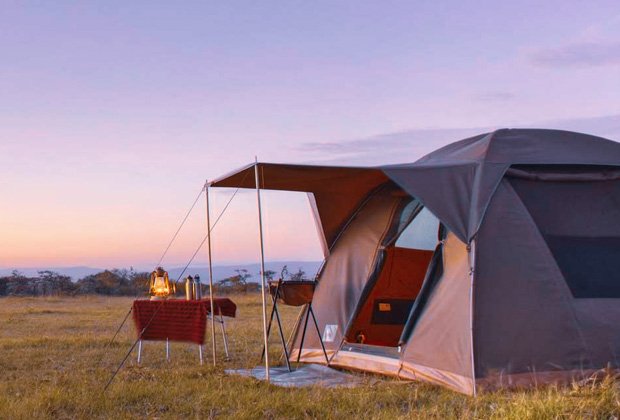
Best Tanzania Safari Before Afcon Final
Best Tanzania Safari Before AFCON 2027 Final.
View package detailsBest Tanzania Safari After Afcon Match
Best Tanzania Safari After AFCON 2027 Match.
View package details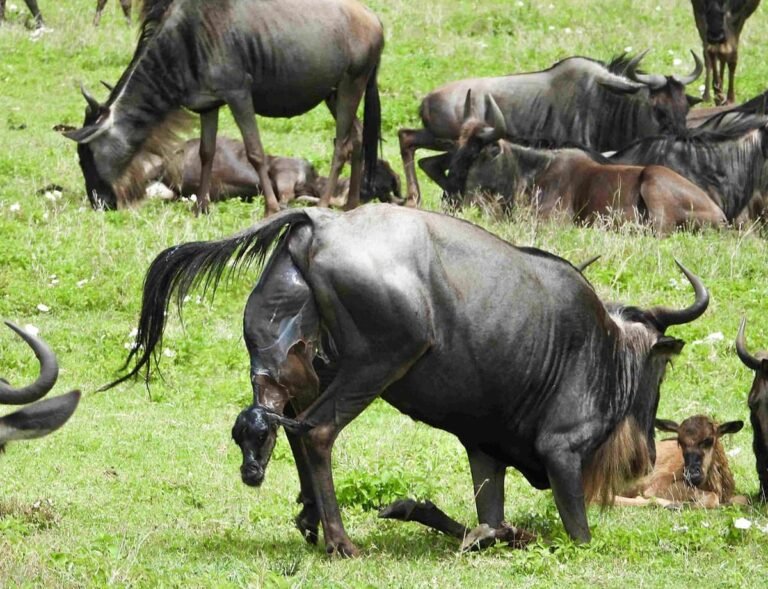
Five Day Tanzania Safari And Afcon Package
Five Day Tanzania Safari and AFCON Package.
View package details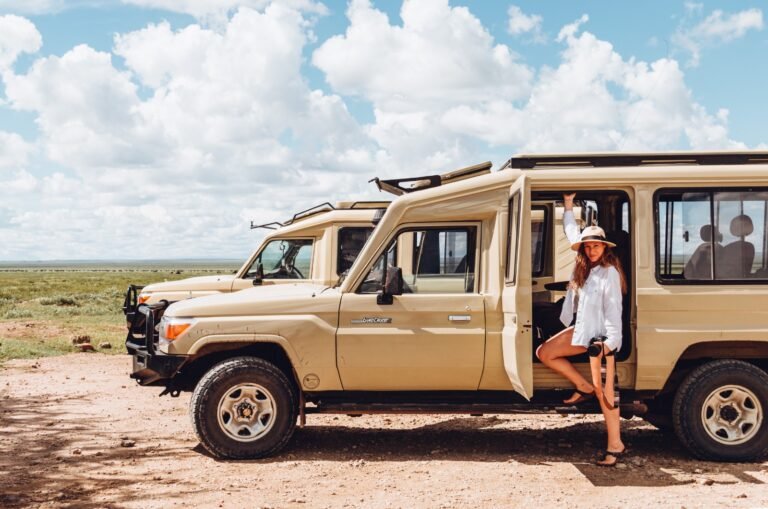
Afcon Northern Tanzania Safari Packages
AFCON 2027 Northern Tanzania Safari Packages.
View package detailsAfcon Tanzania Football Kilimanjaro And Safari Tour
AFCON 2027 Tanzania Football Kilimanjaro and Safari Tour.
View package details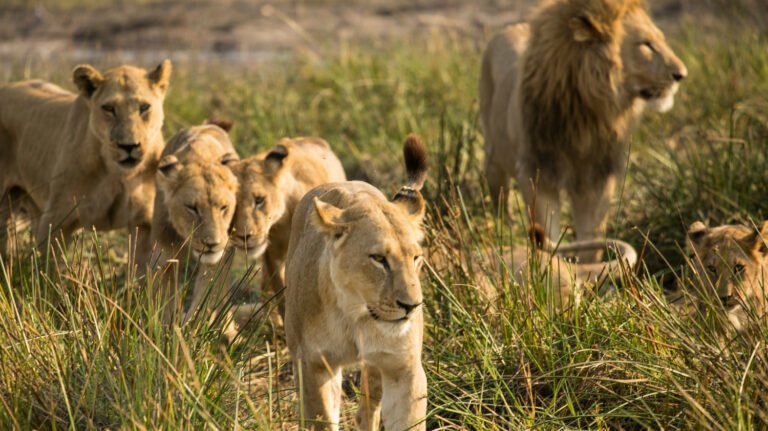
Tanzania Safari Packages from Dar es Salaam During AFCON 2027
Mwongozo wa kina wa safari za Tanzania kuanzia Dar es Salaam wakati AFCON 2027: rasilimali, mipango ya siku, na hatua za uhakika za ziara za wanyama na mbuga maarufu.
View package detailsAfrica Cup Of Nations Safari Packages
Africa Cup of Nations 2027 Safari Packages.
View package detailsTanzania Safari Tours for AFCON 2027 Fans
Muhtasari wa safari za Tanzania kwa mashabiki wa AFCON 2027: maeneo ya hifadhi, mizunguko ya wildlife, usalama wa safari, na jinsi ya kupanga na kuhudumiwa na Climb 4 Africa.
View package details
Dec 20, – 10 Day Complete Tanzania Group Joining Safari
Dec 20, 2026 – 10 Day Complete Tanzania Group Joining Safari.
View package detailsNo related package matches those filters. Clear one or more filters to see the other topic-matched options.