The best way to combine Botswana and Tanzania safaris involves strategically linking their distinct ecosystems and wildlife viewing opportunities, typically by flying between hubs like Maun (Botswana) and Kilimanjaro International Airport (Tanzania), or vice-versa. For 2026-2027 travel, this combination offers contrasting experiences: Botswana excels in exclusive, water-based or low-density game drives in the Okavango Delta and Chobe’s elephant herds, while Tanzania provides iconic vast plains of the Serengeti for the Great Migration and the unique Ngorongoro Crater’s dense predator populations. A well-planned itinerary balances these, often dedicating 3-4 days to Botswana and 5-7 days to Tanzania, using light aircraft transfers within Botswana and international/regional flights between the countries.
Planning Your Botswana and Tanzania Safari Combination
Combining Botswana and Tanzania for a safari is a dream for many, and for good reason. These two countries represent some of the most diverse and rewarding wildlife viewing experiences on the African continent, yet they offer fundamentally different landscapes and safari styles. Botswana is renowned for its exclusive, high-end safari lodges, pristine wilderness, and unique water-based activities in the Okavango Delta. Tanzania, on the other hand, is home to the vast Serengeti plains, the Ngorongoro Crater, and the dramatic Great Migration, offering a more classic, expansive safari feel. Successfully merging these requires careful planning, especially when considering logistics, timing, and budget for trips in 2026 or 2027.
The key to the best way to combine Botswana and Tanzania safari lies in understanding what each destination offers and how to connect them efficiently. It’s not simply about visiting both; it’s about maximizing the unique experiences each provides without unnecessary travel time or complexity. This often means embracing flying safaris, particularly within Botswana, and understanding the best flight routes and internal connections to move between the two countries.
For travelers planning their 2026-2027 adventure, booking well in advance is crucial, especially for prime seasons. The choice of operators, lodges, and even the order in which you visit each country can significantly impact the overall experience and cost. This guide will walk you through the critical considerations, from choosing your safari style to navigating the logistical challenges and making the most of your journey.
Why Combine Botswana and Tanzania? The Unique Appeal
Before diving into the ‘how,’ it’s essential to appreciate the ‘why.’ What makes this particular combination so compelling? It’s the sheer contrast and complementarity of the two safari giants.
- Botswana: The Exclusive Wilderness & Waterways
Botswana’s safari ethos is built around low-impact, high-quality tourism. This means fewer vehicles per sighting, vast private concessions, and a focus on intimate wildlife encounters. The Okavango Delta, a UNESCO World Heritage site, is a unique inland delta where the Okavango River fans out into the Kalahari Desert, creating a lush oasis teeming with life. Here, mokoro (dugout canoe) excursions offer a silent, ground-level perspective of wildlife, a stark contrast to vehicle-based safaris. Chobe National Park boasts one of Africa’s largest concentrations of elephants, particularly along the Chobe River, offering spectacular game drives and boat safaris. The emphasis in Botswana is on pristine environments, exceptional guiding, and a sense of absolute remoteness.
- Tanzania: The Iconic Plains & Migration Spectacle
Tanzania offers the quintessential African safari experience many envision. The Serengeti National Park is world-famous for the Great Migration, where millions of wildebeest, zebras, and gazelles traverse the plains in search of fresh grazing, a natural phenomenon that’s a photographer’s and wildlife enthusiast’s dream. The Ngorongoro Crater, a collapsed volcanic caldera, is a self-contained ecosystem supporting an incredible density of wildlife, including the Big Five, often seen in a single day. Tanzania’s northern circuit (Serengeti, Ngorongoro, Tarangire, Lake Manyara) is a classic route that provides diverse habitats and abundant game. The scale here is immense, the landscapes dramatic, and the opportunities for impressive wildlife sightings are unparalleled.
By combining these two, you move from the exclusive, water-rich landscapes of Botswana to the vast, open plains and dramatic natural events of Tanzania. This blend ensures a comprehensive understanding of African wildlife and ecosystems, catering to diverse interests and providing a richer, more varied safari adventure for 2026-2027.
Logistical Framework: Connecting Botswana and Tanzania
The primary challenge and consideration when planning the best way to combine Botswana and Tanzania safari is the geography. These countries are not adjacent, and direct road travel between them is impractical and time-consuming, often taking several days and passing through multiple borders. Therefore, air travel is the backbone of any successful combination itinerary.
1. Internal Travel within Botswana
Botswana’s safari areas are vast and often remote. To access lodges in the Okavango Delta, Linyanti, or Moremi Game Reserve, light aircraft transfers are almost always the standard and most efficient method. These small planes operate from hubs like Maun (the main gateway for the Delta) or Kasane (for Chobe). These transfers are usually included in the package price for lodge stays and are a safari experience in themselves, offering incredible aerial views of the landscape and wildlife.
Key Points for Botswana Internal Travel:
- Mandatory Flying: Expect most travel between safari camps in Botswana to be by small aircraft.
- Baggage Restrictions: Light aircraft have strict weight limits for luggage (typically 15-20 kg total, in soft-sided bags). This is a critical planning detail to avoid issues.
- Hubs: Maun and Kasane are the primary entry/exit points for these internal flights.
2. International and Regional Flights Between Countries
Connecting Botswana to Tanzania requires international or regional flights. The most common routes are:
- Botswana (Maun/Kasane) to Tanzania (Kilimanjaro International Airport – JRO): This typically involves a flight from Maun or Kasane to a major hub like Johannesburg (South Africa) or Nairobi (Kenya), followed by a connecting flight to JRO. These flights can be booked as a single itinerary or separately.
- Tanzania (JRO) to Botswana (Maun/Kasane): The reverse route follows the same principle, flying from JRO to Johannesburg or Nairobi, then on to Maun or Kasane.
Considerations for Inter-Country Flights:
- Booking Strategy: Decide whether to book a single ticket covering the entire multi-country journey or to book the international legs and then the Botswana/Tanzania internal flights separately. A single booking can sometimes offer better protection if there are delays, but separate bookings might offer more flexibility or better pricing if managed carefully.
- Time Allocation: Factor in transit times, airport procedures, and potential overnight stays in transit cities like Johannesburg or Nairobi. This is crucial for smooth transitions, especially when moving between different safari regions.
- Visas and Entry Requirements: Ensure you have the correct visas for both countries and any transit countries.
3. Internal Travel within Tanzania
Similar to Botswana, the vast distances in Tanzania make flying the most practical way to connect its key safari destinations (Serengeti, Ngorongoro, Tarangire, etc.) if you wish to maximize your time and minimize road travel. Small aircraft operate from Arusha (the main safari hub near JRO) to various airstrips within the Serengeti and other national parks.
- Airstrip Access: Depending on your chosen lodge in the Serengeti, you’ll fly into a specific airstrip, often reducing driving time significantly.
- Arusha as a Hub: Most Tanzanian safari itineraries begin or end in Arusha, where you can arrange ground transfers to national parks or relax before/after your flights.
The most efficient combination strategy often looks like this:
- Fly into Maun (Botswana) or Kilimanjaro (Tanzania).
- Undertake your Botswana safari (typically 3-4 days), using light aircraft transfers.
- Fly from Maun/Kasane via Johannesburg/Nairobi to Kilimanjaro (JRO) or Arusha (ARK).
- Undertake your Tanzania safari (typically 5-7 days), using light aircraft transfers to the Serengeti.
- Fly out of Kilimanjaro (JRO).
The reverse order is also perfectly viable. The choice often depends on migration timing in Tanzania or personal preference. For 2026-2027, confirming flight schedules and availability for these multi-country routes is paramount when booking.
Structuring Your Itinerary: Duration and Flow
The best way to combine Botswana and Tanzania safari is highly dependent on how much time you have and what you want to prioritize. A common misconception is that you can ‘do’ both in a week; however, to truly appreciate the distinctiveness of each, a minimum of 10-14 days is recommended for a combined trip, with 12 days often hitting a sweet spot.
Recommended Durations for 2026-2027
- Minimum Recommended: 10 Days (e.g., 3 Botswana + 7 Tanzania)
- Ideal for Depth: 12-14 Days (e.g., 4 Botswana + 8 Tanzania)
- Comprehensive Experience: 16+ Days (e.g., 5 Botswana + 11 Tanzania, allowing for more locations within each country)
These durations account for travel days between countries and within each country. Rushing through either destination would mean missing out on the unique magic each offers.
Sample Itinerary Flow (Botswana First)
Days 1-4: Botswana – Okavango Delta & Chobe
- Day 1: Arrive in Maun (MUB), Botswana. Light aircraft transfer to your Okavango Delta lodge. Afternoon game drive/mokoro activity.
- Day 2: Full day exploring the Delta – game drives, walking safaris, mokoro.
- Day 3: Morning activity. Light aircraft transfer to a lodge near Chobe National Park (e.g., Linyanti or Savuti). Afternoon game drive.
- Day 4: Morning game drive focusing on Chobe’s wildlife, especially elephants. Afternoon boat safari on the Chobe River.
Day 5: Travel Day – Botswana to Tanzania
- Morning activity or relaxation. Light aircraft transfer from your lodge back to Kasane (BBK) or Maun (MUB).
- Fly from Kasane/Maun to Johannesburg (JNB) or Nairobi (NBO).
- Connect to a flight to Kilimanjaro International Airport (JRO), Tanzania. Overnight near Arusha or at JRO.
Days 6-11: Tanzania – Northern Circuit
- Day 6: Transfer to Arusha (if not already there). Briefing for your Tanzania safari. Fly from Arusha (ARK) to a Serengeti airstrip. Transfer to your Serengeti lodge. Afternoon game drive.
- Day 7-8: Full days exploring the Serengeti, focusing on predator activity and potentially the Great Migration (depending on season).
- Day 9: Morning game drive in the Serengeti. Transfer to a lodge near the Ngorongoro Conservation Area or on the crater rim.
- Day 10: Descend into the Ngorongoro Crater for a full day of game viewing.
- Day 11: Visit Tarangire National Park (known for its baobab trees and large elephant herds) or Lake Manyara (for tree-climbing lions and birdlife).
Day 12: Departure
- Morning activity or transfer back to Arusha.
- Fly from Arusha (ARK) or transfer to Kilimanjaro International Airport (JRO) for your onward flight.
This structure provides a good balance, allowing for distinct experiences in each country. For 2026-2027, booking these sequential flights and accommodations needs to be done strategically.
Choosing Your Safari Style and Locations
The best way to combine Botswana and Tanzania safari also involves tailoring the experience to your preferences. Both countries offer a range of safari styles, from luxury fly-in lodges to more mobile tented camps.
Botswana: Focus on Exclusivity and Water
When in Botswana, consider focusing on the following areas:
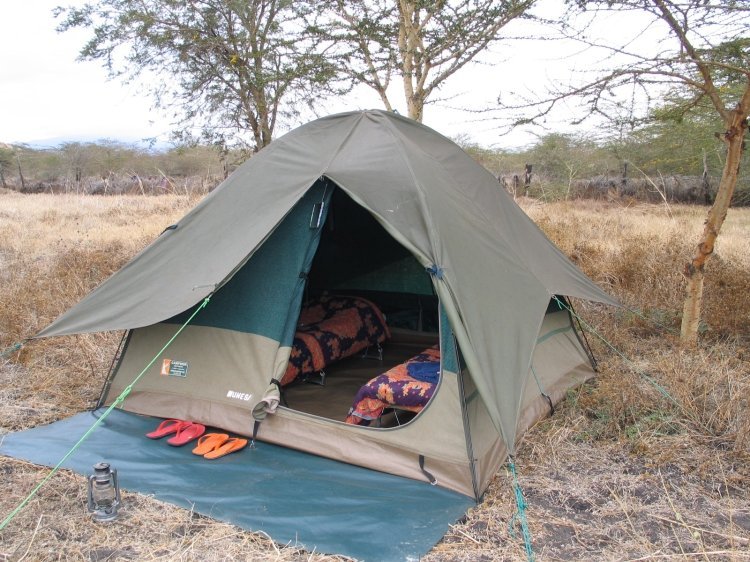
- Okavango Delta: This is non-negotiable for a first-time visitor. Opt for a lodge that offers a mix of mokoro excursions, walking safaris, and game drives. Lodges here are typically fly-in and operate on a private concession basis.
- Chobe National Park: Specifically the Savuti Marsh area for predators or the Chobe Riverfront for its massive elephant herds and boat safaris. A lodge on the riverfront or in a private concession bordering Chobe offers excellent viewing.
- Linyanti/Selinda: These private concessions offer incredible wildlife viewing, especially for predators and wild dogs, often with fewer vehicles.
Safari Activities in Botswana:
- Mokoro: Glide silently through the Delta’s waterways.
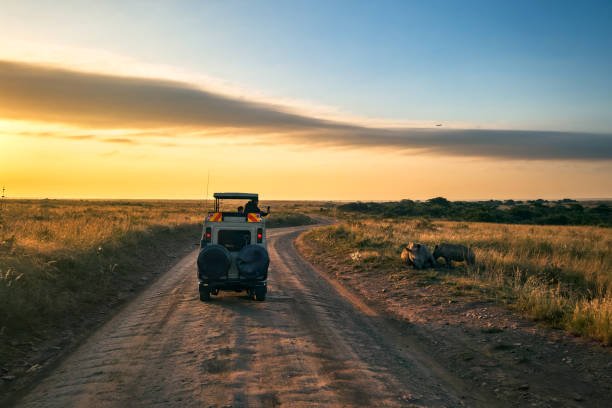
- Game Drives: Primarily in open 4×4 vehicles, often on private concessions allowing off-road driving.
- Walking Safaris: Guided walks offering an intimate connection with the bush.
- Boat Safaris: Especially along the Chobe River, offering unique perspectives of wildlife coming to drink.
Tanzania: Iconic Landscapes and the Great Migration
For Tanzania, the focus is often on the Northern Circuit:
- Serengeti National Park: The heart of Tanzanian safaris. The best location within the Serengeti depends on the time of year due to the Great Migration. Central Serengeti offers year-round game viewing, while the Western Corridor is best for river crossings (July-September) and the Southern Plains for calving season (January-March).
- Ngorongoro Crater: A must-visit for its incredible density of wildlife and guaranteed Big Five sightings. Lodges on the crater rim offer stunning views.
- Tarangire National Park: Famous for its large elephant herds and baobab trees, especially vibrant during the dry season (June-October).
- Lake Manyara National Park: Known for its tree-climbing lions and diverse birdlife.
Safari Activities in Tanzania:
- Game Drives: The primary activity in 4×4 vehicles. While national parks have restrictions on off-road driving, the sheer abundance of game makes for spectacular viewing.
- Walking Safaris: Available in specific areas of the Serengeti and Ngorongoro Conservation Area, offering a different perspective.
- Hot Air Balloon Safaris: A classic Serengeti experience, offering a bird’s-eye view of the plains at sunrise.
When planning for 2026-2027, consider which aspects of wildlife viewing appeal most. If seeing the Great Migration is a priority, the timing of your Tanzania portion is critical. If you prefer a more exclusive, less crowded experience, Botswana’s private concessions are ideal.
Timing Your Combined Safari for 2026-2027
The best way to combine Botswana and Tanzania safari is significantly influenced by the time of year. Each country has distinct peak seasons and wildlife events.
Botswana: Best Times to Visit
- Dry Season (May to October): This is generally considered the prime time. Water levels in the Okavango Delta are at their highest, attracting abundant wildlife to permanent water sources. Game viewing in Chobe and Linyanti is excellent as animals congregate around rivers and waterholes. This is also the peak tourist season, so booking for 2026-2027 well in advance is essential.
- Shoulder Seasons (April, November): These months can offer good game viewing with fewer crowds and potentially lower prices. The rains are starting or ending, bringing lush landscapes and migratory birds.
- Green Season (December to March): This is the low season. Landscapes are verdant, and it’s excellent for birdwatching and photography. However, some water-based activities might be limited due to higher water levels, and game viewing can be more challenging as animals disperse into thicker vegetation. It’s also the calving season for many antelope species.
Tanzania: Timing the Great Migration and Beyond
Tanzania’s timing is heavily dictated by the Great Migration’s movements:
- January-March: Southern Serengeti Plains. This is calving season, with vast herds on the open plains. Excellent for predator action.
- April-May: The ‘green season’ and a quieter period. Herds begin moving north.
- June-July: Western Corridor and Grumeti River. This is often prime time for witnessing river crossings as the herds move north-west.
- July-October: Northern Serengeti and Mara River. This is the classic period for dramatic river crossings, though they are never guaranteed and can be unpredictable. This is also the dry season, meaning high concentrations of game in the Serengeti and Ngorongoro.
- November-December: Transition period. Herds move south again, often following the rains.
Combining for 2026-2027: Strategic Timing
- For Migration Focus: If witnessing the Great Migration river crossings is a top priority, aim for July-September and schedule your Tanzania portion during these months. You can combine this with Botswana’s dry season (May-October) for excellent game viewing there.
- For General Abundance: The dry season (June-October) is excellent for both countries, offering reliable game viewing. You’ll see abundant wildlife in Botswana and impressive concentrations in Tanzania, though not necessarily the peak of the migration spectacle.
- For Value and Fewer Crowds: Consider shoulder seasons like April-May or November. You might miss the peak migration or the absolute best water levels in Botswana, but you’ll find better rates and a more intimate experience.
Crucially, for 2026-2027, popular lodges and prime migration viewing areas in Tanzania book up 12-18 months in advance. Botswana’s exclusive lodges also fill quickly. Early planning is non-negotiable.
Budgeting for Your Combined Safari
A combined Botswana and Tanzania safari is a significant investment, typically considered a premium African travel experience. The best way to combine Botswana and Tanzania safari from a budget perspective involves understanding the cost drivers.
Cost Components
- Flights: International flights to Africa, regional flights between countries (e.g., JNB/NBO to JRO/MUB/BBK), and internal light aircraft transfers are major expenses. Light aircraft transfers in Botswana are often bundled into lodge rates, but they are a significant cost.
- Accommodation: Botswana’s safari lodges are generally more expensive due to exclusivity, low guest numbers, and all-inclusive nature (meals, drinks, activities). Tanzania’s lodge prices vary more widely, with luxury options comparable to Botswana, but mid-range choices available.
- Park Fees: National park and conservation area fees are charged daily and can add up, especially in Tanzania.
- Activities: While most safari activities (game drives, mokoros) are included in lodge rates in Botswana, some specialized activities like hot air ballooning in Tanzania are extra.
- Visas and Insurance: Always budget for these.
- Tips and Personal Expenses: Factor in gratuities for guides and lodge staff, souvenirs, etc.
Typical Budget Ranges (Per Person, Excluding International Flights)
These are indicative for 2026-2027 and can vary significantly based on lodge choice, season, and inclusions.
- Mid-Range Combination: Expect from $7,000 – $10,000 USD per person for a 10-12 day trip. This might involve comfortable tented camps or lodges with fewer exclusive concessions, and potentially fewer internal flights.
- Luxury Combination: Typically $10,000 – $18,000+ USD per person for a 10-14 day trip. This includes high-end lodges, private concessions in Botswana, fly-in safaris in both countries, and potentially some private guiding.
Tips for Budgeting:
- Travel in the Green Season: For Botswana, this means December to March. For Tanzania, April to May and November can offer better rates. This might mean compromising on the absolute best wildlife viewing conditions but can lead to significant savings for 2026-2027 travel.
- Consider Group Departures: Shared safaris or fixed group departure dates can sometimes offer better value than fully private itineraries.
- Book in Advance: Early booking often secures better rates and availability, especially for peak seasons in 2026-2027.
- All-Inclusive vs. Partial Board: Botswana lodges are almost always all-inclusive (meals, drinks, activities). Tanzania lodges can vary, so check what’s included.
It’s crucial to get detailed quotes from tour operators. They can help you balance your budget with your desired experiences.
Choosing the Right Operator for Your Combined Safari
The success of your best way to combine Botswana and Tanzania safari hinges significantly on the tour operator you choose. They are responsible for the intricate logistics, ensuring smooth transitions between countries and destinations.
What to Look For in an Operator
- Expertise in Both Destinations: Does the operator have a deep understanding of both Botswana and Tanzania’s unique offerings, logistics, and best times to visit?
- Logistical Prowess: Can they expertly handle the complex flight bookings, transfers, and accommodation bookings across two countries?
- Customization: Can they tailor an itinerary to your specific interests, budget, and timeframe for 2026-2027?
- Local Support: Operators with strong local teams on the ground in both Tanzania and ideally Botswana can provide invaluable real-time support.
- Reputation and Reviews: Look for operators with a solid track record and positive client feedback.
Why Climb 4 Africa is a Strong Choice
Climb 4 Africa specializes in crafting exceptional African travel experiences, with a particular strength in Tanzania and a deep network for arranging multi-country trips.
- Tanzania Expertise: As a leading operator for Kilimanjaro climbs and Tanzanian safaris, we have intimate knowledge of the Northern Circuit, the Great Migration, and the best lodges and camps.
- Logistical Network: We work with trusted partners in Botswana to arrange smooth transfers and lodge bookings, ensuring your Botswana portion is as well-managed as your Tanzanian adventure.
- Tailor-Made Itineraries: We excel at creating bespoke itineraries. Whether you dream of specific wildlife sightings, unique accommodations, or a particular pace, we can design the perfect combined safari for your 2026-2027 trip.
- Local Support: Our dedicated team in Tanzania provides on-the-ground support, ensuring your safari runs smoothly. We leverage our partner networks for support in Botswana.
When you contact us, be ready to share:
- Your desired travel dates (including flexibility).
- Your approximate budget.
- Your primary interests (e.g., Great Migration, specific animals, photography, relaxation).
- The duration you envision for your combined safari.
This information will help us craft the most effective itinerary for your best way to combine Botswana and Tanzania safari.
Potential Challenges and How to Mitigate Them
While incredibly rewarding, combining Botswana and Tanzania isn’t without its potential hurdles. Understanding these allows for proactive mitigation.
- Flight Delays/Cancellations: This is the most common disruption, especially with light aircraft.
- Baggage Restrictions: As mentioned, soft-sided bags and strict weight limits are standard for Botswana’s light aircraft.
- Visa Requirements: Ensure all necessary visas are obtained in advance.
- Health Precautions: Consult your doctor about vaccinations and malaria prophylaxis well before your 2026-2027 trip.
- Cost Overruns: Unexpected expenses can arise if not properly budgeted for.
- Seasonal Limitations: Not all activities or wildlife sightings are available year-round.
Mitigation Strategies:
- Travel Insurance: Comprehensive travel insurance is essential to cover cancellations, medical emergencies, and lost luggage.
- Flexible Itinerary: Build in buffer time, especially for travel days between countries.
- Clear Communication: Work with an experienced operator who can manage flight changes and rebookings efficiently.
- Pack Smart: Adhere strictly to baggage guidelines.
- Pre-Trip Planning: Handle visas and health advice months in advance.
- Detailed Inclusions: Ensure your itinerary clearly states what is included (e.g., drinks, park fees, laundry) to avoid surprises.
By addressing these points proactively, you can ensure a smoother and more enjoyable experience when embarking on your combined Botswana and Tanzania safari.
Frequently Asked Questions About Combining Botswana and Tanzania
What is the absolute shortest time I could combine Botswana and Tanzania?
While not recommended for a fulfilling experience, a highly condensed trip might squeeze in 2 full days in Botswana (e.g., Okavango Delta) and 4 full days in Tanzania (e.g., Serengeti/Ngorongoro), requiring significant flying and minimal downtime. This would likely be a 7-8 day trip including travel days, and would feel rushed.
Is it better to visit Botswana or Tanzania first?
There’s no definitive ‘better’ order. Visiting Botswana first might offer a more exclusive and relaxed start, easing you into the safari experience before the vastness of Tanzania. Conversely, starting with Tanzania’s iconic sights can build excitement, with Botswana offering a contrasting, high-end conclusion. Your decision might also depend on migration timing for your 2026-2027 travel dates.
Can I combine Botswana with other Tanzanian destinations like Zanzibar?
Yes, absolutely. Many travelers extend their Tanzanian safari with a few days on the tropical island of Zanzibar. This would require adding 3-4 days to your itinerary and typically involves a short flight from the mainland (e.g., Arusha or Kilimanjaro) to Zanzibar. This creates a fantastic combination of wildlife, culture, and beach relaxation.
What are the visa requirements for combining Botswana and Tanzania?
Generally, visitors from many Western countries can obtain visas on arrival for both Botswana and Tanzania, or apply online in advance. However, requirements can change. It’s essential to check the latest visa regulations for your specific nationality for both countries well before your 2026-2027 trip. Some transit countries (like South Africa or Kenya) might also have their own visa requirements.
How much should I budget for internal flights?
Internal flights are a significant cost. In Botswana, light aircraft transfers between lodges are usually included in the lodge rate, which can range from $400 – $800+ USD per person per flight segment. For flights between countries (e.g., Maun to JNB, then JNB to JRO), expect costs to vary widely, from $500 – $1,500+ USD per person depending on the route, airline, and how far in advance you book for 2026-2027.
Making Your Booking Decision for 2026-2027
The best way to combine Botswana and Tanzania safari for your 2026 or 2027 adventure is through meticulous planning and partnering with an expert. Both countries offer unparalleled wildlife experiences, but their unique characteristics mean that a well-structured itinerary is key to maximizing your enjoyment and minimizing logistical headaches.
Consider the contrasts: Botswana’s exclusive, water-centric wilderness versus Tanzania’s epic plains and the drama of the Great Migration. Think about your priorities: photography, predator sightings, unique activities like mokoro trips, or witnessing large herds. Your choice of timing for 2026-2027 will significantly influence the wildlife you see and the overall atmosphere.
Ready to plan your dream combined safari?
Navigating the complexities of inter-country flights, optimal lodge selections, and seasonal wildlife movements requires local knowledge and a dedicated approach. Climb 4 Africa specializes in crafting these intricate, high-quality African adventures. We understand the nuances of both Tanzania and Botswana, and our network allows us to build smooth, unforgettable itineraries for 2026-2027.
To start planning your personalized Botswana and Tanzania safari, reach out to our expert team. We can help you navigate the options, confirm availability, and design an itinerary that perfectly matches your vision and budget. Let us handle the logistics so you can focus on the incredible wildlife and landscapes that await you.
Contact us today:
- WhatsApp: +255 747 477 898
- Email: climb4africa@gmail.com
Let’s make your combined Botswana and Tanzania safari a reality for 2026 or 2027!
Check Availability for The Best Way To Combine Botswana And Tanzania Safari In 2026-2027
Ready to compare dates, prices, and the best option for your group? Send the package name and travel month so the team can reply with a clear quote, availability, and what is included.
AFCON 2027 Safari Packages from Tanzania
Hitaji la safari ya kundoka ili kufurahia AFCON 2027? Chagua kutoka kwa mikakati ya safari nchini Tanzania inayoambatana na wildlife, mbuga maarufu, na uwekaji wa huduma ya kimataifa ya...
View package details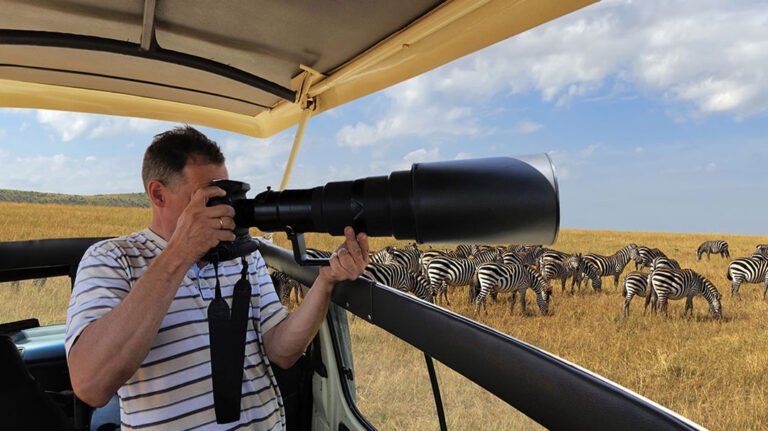
AFCON 2027 Mid Range Safari Packages Tanzania
Mwongozo wa safari ya kati ya AFCON 2027 Tanzania kutoka Climb 4 Africa: mipango ya njia, maeneo ya msitu wa serikali, na usalama wa wasafiri. Onyesha jinsi ya kuchagua kilima cha kati...
View package details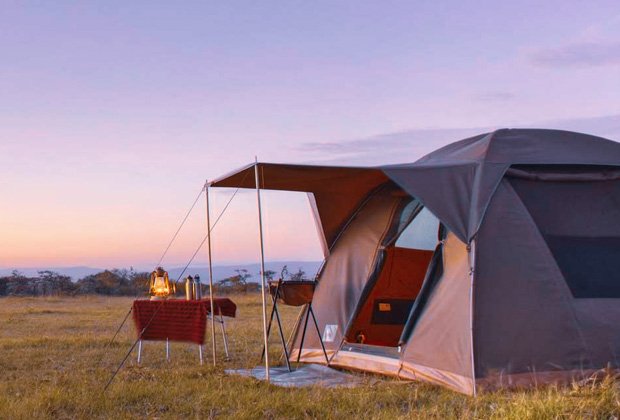
Best Tanzania Safari Before Afcon Final
Best Tanzania Safari Before AFCON 2027 Final.
View package detailsBest Tanzania Safari After Afcon Match
Best Tanzania Safari After AFCON 2027 Match.
View package details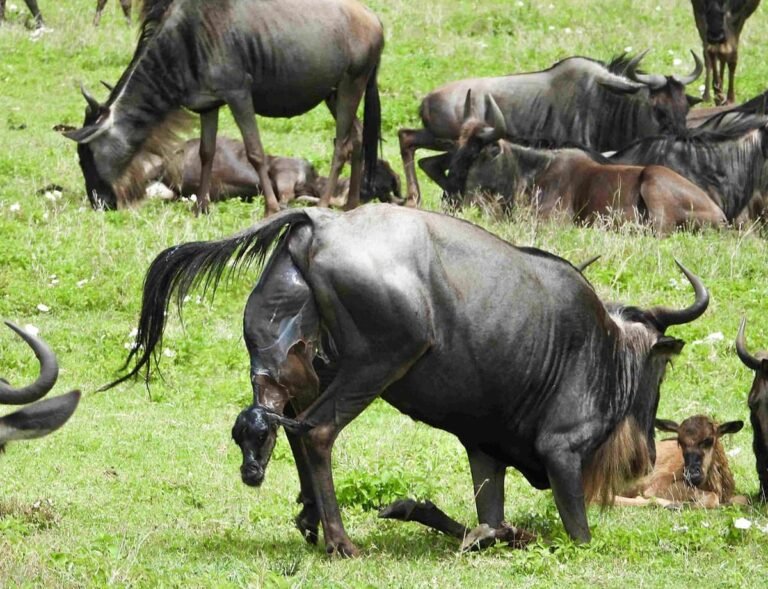
Five Day Tanzania Safari And Afcon Package
Five Day Tanzania Safari and AFCON Package.
View package details
Afcon Northern Tanzania Safari Packages
AFCON 2027 Northern Tanzania Safari Packages.
View package detailsAfcon Tanzania Football Kilimanjaro And Safari Tour
AFCON 2027 Tanzania Football Kilimanjaro and Safari Tour.
View package details
Tanzania Safari Packages from Dar es Salaam During AFCON 2027
Mwongozo wa kina wa safari za Tanzania kuanzia Dar es Salaam wakati AFCON 2027: rasilimali, mipango ya siku, na hatua za uhakika za ziara za wanyama na mbuga maarufu.
View package detailsTanzania Safari Tours for AFCON 2027 Fans
Muhtasari wa safari za Tanzania kwa mashabiki wa AFCON 2027: maeneo ya hifadhi, mizunguko ya wildlife, usalama wa safari, na jinsi ya kupanga na kuhudumiwa na Climb 4 Africa.
View package details
Dec 20, – 10 Day Complete Tanzania Group Joining Safari
Dec 20, 2026 – 10 Day Complete Tanzania Group Joining Safari.
View package detailsHow Early Should I Book A Nov Or Dec Tanzania Group Safari?
How Early Should I Book a Nov or Dec Tanzania Group Safari?
View package detailsNo related package matches those filters. Clear one or more filters to see the other topic-matched options.