
The best time to visit Lake Babati for optimal wildlife viewing and pleasant weather is generally during the dry seasons, from June to October and again from December to February. These periods offer clearer skies, easier game drives, and a higher concentration of animals around water sources, making it ideal for photographers and nature enthusiasts planning for 2026 or 2027.

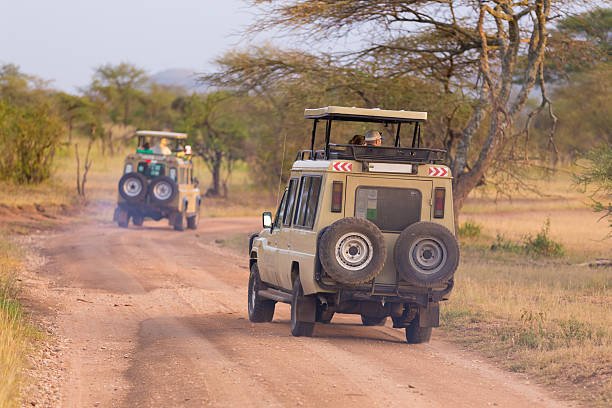
Understanding Lake Babati’s Climate and Seasons
Lake Babati, located in the Manyara Region of Tanzania, experiences a climate typical of the East African savanna. Understanding its distinct seasons is crucial for planning the best time to visit, especially if your primary interests lie in wildlife observation, photography, or simply enjoying comfortable travel conditions. The region is characterized by two main dry seasons and two rainy seasons, each offering a unique perspective on the landscape and its inhabitants. For travelers looking ahead to 2026 and 2027, a clear grasp of these climatic patterns will significantly enhance your trip planning and overall experience.
The climate is largely influenced by the Intertropical Convergence Zone (ITCZ) and prevailing wind patterns. The altitude also plays a role, moderating temperatures compared to the coast. Generally, the year can be divided into:
- The Long Dry Season (Kusi): Roughly June to October. This is the most popular time for tourism across Tanzania due to its reliably dry weather.
- The Short Rains (Vuli): Typically November to mid-December. These rains are often localized and brief, though they can sometimes extend.
- The Short Dry Season: Usually late December to February. A secondary dry spell, often offering good conditions.
- The Long Rains (Masika): March to May. This period sees the most significant rainfall, impacting accessibility and game viewing in some areas.
When deciding the best time to visit Lake Babati, it’s not just about avoiding rain. Each season transforms the environment and influences animal behavior. For instance, the dry seasons concentrate wildlife around shrinking water bodies, making them easier to spot. Conversely, the green season, with its abundant vegetation and water, can be visually stunning and offers a different kind of photographic opportunity, though wildlife might be more dispersed.
The Peak Dry Season: June to October
This period is widely considered prime time for visiting Lake Babati and much of northern Tanzania. The weather is characterized by abundant sunshine, comfortably warm days, and cool nights. Rainfall is minimal, making travel straightforward and outdoor activities highly enjoyable.
Why this period is excellent for visitors:
- Reliable Sunshine: Expect clear skies for most of your visit, perfect for photography and enjoying the scenery.
- Pleasant Temperatures: Daytime temperatures typically range from 20°C to 30°C (68°F to 86°F), while nights can drop to around 10°C to 15°C (50°F to 59°F), especially in higher elevations. This requires packing layers for early morning or late evening excursions.
- Concentrated Wildlife: As natural water sources diminish, animals are drawn to the lake and remaining waterholes. This makes spotting a diverse range of species, including hippos, crocodiles, various waterbirds, and mammals coming to drink, much easier. Game drives are highly productive during these months.
- Improved Road Conditions: With little to no rain, roads leading to and around Lake Babati remain in good condition, ensuring smooth travel and accessibility to prime viewing spots.
- Lower Malaria Risk: While malaria is present year-round, the drier conditions mean fewer mosquitoes, slightly reducing the risk. However, precautions are always recommended.
For travelers booking their 2026 or 2027 trips, this dry season offers the most predictable and comfortable experience, particularly if wildlife photography or extensive game drives are high on your agenda. It’s also the period when many other national parks in the region, like Tarangire and Serengeti, are at their peak, allowing for smooth combination itineraries.
Considerations for June-October:
- Higher Demand: This is the peak tourist season, meaning more visitors and potentially higher prices for accommodation and services. Booking well in advance for 2026 and 2027 is highly advisable.
- Dusty Conditions: The dry earth can lead to dusty conditions, especially on game drives. Light, breathable clothing that covers your arms and legs is recommended, as is a scarf or bandana for your face.
The Short Rains and Their Impact: November
November marks the transition from the long dry season to the short rains, often referred to as ‘Vuli’. This period can be a mixed bag in terms of weather, offering a unique window for visitors who prefer fewer crowds and a greener landscape.
Characteristics of November:
- Intermittent Showers: Expect scattered showers, which are usually brief but can be intense. Mornings and evenings might be clear, with rain occurring in the afternoon.
- Greening Landscape: The first rains begin to revive the vegetation, turning the dry, dusty plains a vibrant green. This can be a beautiful sight for photographers.
- Fewer Tourists: As this is considered a shoulder season, you’ll likely encounter fewer tourists compared to the peak dry months. This can lead to a more intimate experience.
- Wildlife Behavior: With the return of water, wildlife may start to disperse from the main waterholes. However, the lake itself remains a significant water source, so resident wildlife like hippos and birds are always present.
- Road Conditions: While generally still good, some unpaved roads might become muddy after heavier showers, potentially causing minor delays on game drives.
For those considering a visit in late 2026 or 2027, November presents a trade-off: slightly less predictable weather for a more serene experience and a landscape bursting with new life. It’s a good time to visit if you’re not solely focused on spotting the ‘big’ sightings and appreciate a more natural, less crowded environment.
The Long Dry Season: December to February
Following the short rains, Tanzania experiences another dry spell, often referred to as the ‘short dry season’ or sometimes coinciding with the ‘kusi’ dry season if the rains are short-lived. This period, from late December through February, offers excellent conditions for visiting Lake Babati, similar to the June-October window but with its own nuances.
Advantages of visiting December-February:
- Dry Weather Returns: Rainfall significantly decreases, leading to sunny days and clear skies, ideal for outdoor activities.
- Pleasant Temperatures: While it can be warmer than the June-October period, especially in January and February, daytime temperatures are generally comfortable, averaging between 25°C and 30°C (77°F to 86°F). Evenings remain cool.
- Wildlife Concentration: The dry conditions continue to draw animals to water sources, including Lake Babati. Hippos are very active, and various bird species are abundant. This is also calving season for some herbivores in surrounding areas, meaning predator activity can increase.
- Accessibility: Road conditions are generally excellent, making travel easy and efficient.
- Festive Season: For those traveling around Christmas and New Year, this period offers a unique blend of wildlife adventure and festive celebrations.
This period is a strong contender for the best time to visit Lake Babati for many travelers, especially those looking for dry conditions and good wildlife viewing in the early months of 2027. It offers a balance between good weather and wildlife visibility, though it can be busier around holidays.
Considerations for December-February:
- Holiday Crowds: The Christmas and New Year period (mid-December to early January) sees a surge in tourists, making it a busy time. Booking accommodation and tours far in advance for 2026 and 2027 is essential.
- Warmer Temperatures: January and February can be noticeably warmer than the June-October period, which might be a factor for some travelers.
The Long Rains and Lush Landscapes: March to May
The ‘Masika’ or long rains typically start in March and can extend through May. This is generally considered the low season for tourism in Tanzania, but it offers a distinct and often overlooked charm for those seeking a different kind of experience.
What to expect during the long rains:
- Significant Rainfall: These months receive the most substantial rainfall, with heavy downpours often occurring daily, particularly in the afternoons. However, mornings can still be clear and conducive to activities.
- Lush Green Scenery: The rains transform the landscape into a verdant paradise. The vegetation becomes incredibly lush, and the air is fresh. This is a photographer’s dream for capturing vibrant, green landscapes.
- Fewer Tourists: This is the low season, meaning significantly fewer visitors. You’ll enjoy a more exclusive and peaceful experience at Lake Babati and surrounding areas.
- Birdwatching Paradise: Migratory birds are present during this time, and the abundant water and vegetation make it an excellent period for birdwatching enthusiasts.
- Calving Season Continues: For areas that host the Great Migration (though Lake Babati itself is not a primary migration destination, it’s part of the broader ecosystem), this period often coincides with the end of calving season, meaning increased predator activity.
- Road Challenges: Unpaved roads can become very muddy and potentially impassable, especially in April and May. This can affect accessibility to certain parts of the lake or surrounding reserves, and game drives might be shorter or rerouted. 4×4 vehicles are essential.
While not typically considered the ‘best’ time to visit Lake Babati for general tourism due to potential travel disruptions, the period from March to May offers unique benefits for budget travelers, photographers seeking lush scenery, and birdwatchers. If you’re planning for late 2026 or 2027 and don’t mind the rain, this season can provide a more intimate and visually stunning encounter with Tanzania’s natural beauty.
Key trade-offs for March-May:
- Weather Dependency: Activities are more subject to weather conditions.
- Limited Accessibility: Some areas might be difficult or impossible to reach.
- Lower Prices: Often, tour operators offer lower rates during the low season, making it more budget-friendly.
Wildlife Viewing Dynamics Throughout the Year
Lake Babati is a permanent water body, which means it supports resident wildlife year-round. However, the *types* of wildlife you’re most likely to see and *how easily* you’ll see them can fluctuate with the seasons. Understanding these dynamics is key to setting expectations and planning your visit for the best possible wildlife encounters.
Year-Round Residents:
- Hippos: Lake Babati is famous for its large hippo population. They are present and active throughout the year, often seen submerged during the day and grazing on land at night.
- Crocodiles: Nile crocodiles are also permanent residents, often seen basking on the banks or lurking in the water.
- Waterbirds: The lake is a haven for a vast array of birdlife, including kingfishers, herons, egrets, various weavers, and migratory species depending on the season. Birdwatching is excellent throughout the year.
Seasonal Influences on Other Wildlife:
- Dry Seasons (June-Oct, Dec-Feb): During these times, smaller mammals and larger herbivores from the surrounding dry savanna areas often congregate near Lake Babati and other reliable water sources. This increased concentration makes them more visible and accessible for viewing during game drives or walks. The dry conditions also mean vegetation is less dense, improving sightlines.
- Rainy Seasons (Mar-May, Nov): As rains replenish the landscape, water becomes more abundant across the savanna. Wildlife tends to disperse, moving further from permanent water bodies like Lake Babati to take advantage of fresh grazing and smaller water puddles. While the surrounding landscape becomes lush and beautiful, spotting wildlife might require more effort as they are spread out. However, this is also when you might see newborn animals, especially if traveling towards the end of the rainy season or just after.
The Great Migration Context: While Lake Babati is not a primary destination for the famous Great Migration of wildebeest and zebras, it is part of the broader northern Tanzanian ecosystem. The migration’s location varies significantly throughout the year, generally being in the Serengeti. If combining a visit to Lake Babati with a Serengeti safari in 2026 or 2027, the timing of the migration should be considered for that specific part of your trip. For Lake Babati itself, focus on its resident hippo and bird populations, and the general increase in savanna animals during dry spells.
Mammal Diversity and Seasonal Sightings
Beyond the resident hippos and crocodiles, Lake Babati and its environs attract a variety of mammals. Understanding when they are most visible can help tailor your visit.
- Baboons and Monkeys: Troops of baboons and various monkey species, such as vervet monkeys, are commonly seen year-round in wooded areas around the lake.
- Giraffes: Masai giraffes can often be spotted in the acacia woodlands near the lake, particularly during the dry seasons when they venture closer to water.
- Antelopes: Various antelope species, including impalas, Grant’s gazelles, and dik-diks, are present. Their visibility is often higher during the dry months when they are more concentrated around water sources.
- Elephants: While not as common as in parks like Tarangire, elephants can sometimes be seen in the broader region, especially during or just after the rainy seasons when they might roam further afield.
- Predators: Lions, leopards, and cheetahs are present in the general area but are more elusive than herbivores. Their sightings are more dependent on the movement of their prey, which can be influenced by seasonal availability of water and grazing. During dry periods, when prey is concentrated, predator sightings might increase.
For the best chances of seeing a wide array of mammals, the June to October and December to February dry periods remain the most reliable times to visit Lake Babati, especially if you plan on incorporating game drives in the surrounding areas.
Activities and Experiences Beyond Wildlife
While wildlife viewing is a major draw, Lake Babati and its surroundings offer a rich mix of cultural and natural experiences that can be enjoyed year-round, though some activities are better suited to specific seasons.
Cultural Immersion:
- Local Village Visits: Engage with the local communities, primarily the Hadzabe (hunter-gatherers) and Datoga (pastoralists/artisans) peoples, who often live near Lake Babati. The dry seasons (June-Oct, Dec-Feb) are generally more comfortable for walking and visiting villages. However, even during the rains, interactions are possible, offering a glimpse into traditional lifestyles. A visit in 2026 or 2027 can be deeply rewarding with respectful engagement.
- Market Days: Experience the vibrant local markets. The timing of market days can vary, but visiting during a dry, pleasant season enhances the overall experience of browsing local produce, crafts, and goods.
Nature and Adventure:
- Birdwatching: As mentioned, Lake Babati is a birdwatcher’s paradise. While migratory birds are seasonal, resident species are abundant year-round. The green season (March-May) can be particularly rewarding for birdlife due to abundant food sources.
- Walking Safaris: Guided walking safaris offer an intimate encounter with the flora and fauna. These are best enjoyed during the dry seasons when trails are less muddy and visibility is good. Always go with a certified guide.
- Canoeing/Boating: Gentle boat trips or canoeing on Lake Babati provide unique perspectives of the hippos, crocodiles, and waterbirds. These activities are generally possible year-round, but calmer waters are more common during the dry seasons. Heavy rains can make water activities less appealing or safe.
- Photography: For landscape photography, the lush green of the rainy season (March-May) is stunning. For wildlife action and clear shots, the dry seasons (June-Oct, Dec-Feb) offer better light and more concentrated subjects.
Planning for 2026-2027: If your trip focuses heavily on cultural interactions or activities like walking safaris and boat trips, the dry seasons offer the most comfortable conditions. However, if you are primarily interested in birdwatching or the unique beauty of a green landscape and don’t mind occasional rain, the shoulder seasons or even the rainy season can be highly rewarding and offer a more authentic, less touristy experience.
Planning Your 2026-2027 Trip to Lake Babati
When planning your 2026-2027 adventure to Lake Babati, consider these practical aspects to ensure a smooth and enjoyable journey. The best time to visit hinges on balancing weather, wildlife, crowds, and your personal preferences.
Choosing Your Dates: A Summary of Trade-offs
- For Peak Wildlife & Best Weather: June-October and December-February. Expect sunshine, dry conditions, and concentrated wildlife. This is also peak season, so book early for 2026-2027.
- For Fewer Crowds & Lush Scenery: March-May (long rains). Expect lush landscapes, abundant birdlife, and lower prices. Roads can be challenging, and rain is frequent.
- For a Blend of Both: November (short rains) and potentially early March or late May. These shoulder seasons can offer a good balance of decent weather, fewer crowds, and emerging greenery.
Booking Considerations for 2026-2027:
- Lead Time: For peak seasons (June-Oct, Dec-Feb), booking 6-12 months in advance is recommended, especially for 2026 and 2027, to secure preferred accommodation and transport.
- Accommodation: Options range from basic lodges to more comfortable guesthouses. Availability can be tight during peak times.
- Transportation: Access to Lake Babati is typically via road from Arusha. A 4×4 vehicle is recommended, especially if you plan to explore beyond the immediate vicinity or during the rainy seasons.
- Activities: Book guided walks, village tours, and boat trips in advance, particularly during busy periods.
Combining Lake Babati with Other Destinations: Lake Babati is often visited as part of a larger northern Tanzania safari circuit. Popular combinations include:
- Arusha National Park: For Mount Meru trekking and diverse wildlife.
- Tarangire National Park: Famous for its large elephant herds and baobab trees, especially in the dry season.
- Lake Manyara National Park: Known for its tree-climbing lions and abundant birdlife.
- Ngorongoro Conservation Area: A UNESCO World Heritage site with incredible wildlife density within the crater.
- Serengeti National Park: For the Great Migration and vast plains.
When planning a multi-destination trip for 2026 or 2027, the dry seasons (June-Oct and Dec-Feb) are generally the most convenient for smooth travel between these locations, as road conditions are optimal. However, with careful planning and reliable operators, it’s possible to visit during the shoulder or even rainy seasons.
Making the Most of Your Visit: Essential Tips
To ensure your trip to Lake Babati in 2026 or 2027 is as rewarding as possible, consider these practical tips. They cover everything from packing to respecting local culture and maximizing your wildlife viewing opportunities.
Packing Essentials:
- Clothing: Pack lightweight, breathable clothing in neutral colors for game drives. Include layers for cooler mornings and evenings. A waterproof jacket is essential, especially if traveling during the rainy seasons. Comfortable walking shoes are a must.
- Sun Protection: A wide-brimmed hat, sunglasses, and high-SPF sunscreen are vital. The equatorial sun is strong.
- Insect Repellent: Especially important during dawn and dusk, and if you are staying in areas with standing water. Look for products containing DEET.
- Camera Gear: Bring extra batteries, memory cards, and a good zoom lens for wildlife photography. A waterproof bag or cover for your camera is advisable.
- Binoculars: Essential for spotting distant wildlife and birds.
- First-Aid Kit: Include personal medications, basic wound care, and remedies for common ailments like headaches or stomach upsets.
- Power Adapters: Tanzania uses Type D and Type G electrical outlets, with a voltage of 230V.
Health and Safety:
- Vaccinations: Consult your doctor or a travel clinic well in advance of your trip regarding recommended vaccinations (e.g., Yellow Fever, Hepatitis A, Typhoid) and malaria prophylaxis.
- Hydration: Drink plenty of bottled or purified water to stay hydrated, especially in the heat.
- Food Safety: Eat food that is well-cooked and served hot. Be cautious with raw fruits and vegetables unless you peel them yourself.
Cultural Etiquette:
- Respect Local Customs: Dress modestly when visiting villages or towns. Ask permission before taking photographs of people. Learn a few basic Swahili phrases like ‘Jambo’ (Hello) and ‘Asante’ (Thank you).
- Tipping: Tipping is customary for guides, drivers, and lodge staff. Your tour operator will usually provide guidelines.
Maximizing Wildlife Viewing:
- Early Mornings and Late Afternoons: These are the most active times for most wildlife. Plan your game drives or walks around these periods.
- Be Patient: Wildlife viewing requires patience. Sometimes the best sightings come after long periods of observation.
- Listen to Your Guide: Local guides have an intimate knowledge of the area and animal behavior. Their expertise is invaluable for finding and understanding the wildlife.
By considering these tips, you can better prepare for your 2026-2027 visit to Lake Babati, ensuring a more comfortable, safe, and enriching experience.
Why Choose Climb 4 Africa for Your Lake Babati Adventure?
Planning a trip to Tanzania, whether it’s a safari, a trek up Kilimanjaro, or a relaxing holiday in Zanzibar, requires local expertise and reliable support. Climb 4 Africa stands out as a premier choice for travelers looking to experience the wonders of Lake Babati and its surrounding regions in 2026 and 2027.
As a local Tanzanian tour operator, we possess an in-depth understanding of the country’s diverse landscapes, wildlife, cultures, and the best times to visit specific destinations like Lake Babati. Our team is dedicated to crafting tailor-made itineraries that align with your interests, budget, and travel style.
Our Commitment to You:
- Local Knowledge: We live and breathe Tanzania. This means we know the best routes, the most reliable guides, and the hidden gems that can make your trip unforgettable.
- Tailor-Made Itineraries: We don’t believe in one-size-fits-all. Whether you’re interested in maximizing wildlife sightings during the dry season or experiencing the unique beauty of the green season, we can design an itinerary perfectly suited to you.
- Practical Support: From the moment you inquire about your 2026-2027 trip until you depart, we provide constant support. This includes advice on the best time to visit Lake Babati, packing lists, health recommendations, and on-the-ground assistance.
- Quality Experiences: We partner with trusted local providers for accommodation, transportation, and guiding services to ensure a high standard of quality and safety throughout your journey.
- Value for Money: Being a local operator allows us to offer competitive pricing without compromising on the quality of your experience. We focus on providing excellent value for your investment in an African adventure.
Whether you’re planning a dedicated visit to Lake Babati, incorporating it into a wider safari circuit, or embarking on a Kilimanjaro climb, Climb 4 Africa is your trusted partner. We are committed to making your 2026-2027 Tanzanian adventure smooth, authentic, and truly memorable.
Ready to plan your perfect trip to Lake Babati? Get in touch with our expert team today. We can help you navigate the best times to visit, craft your ideal itinerary, and answer all your questions. Contact us via WhatsApp at +255 747 477 898 or email us at climb4africa@gmail.com. Let’s start planning your incredible Tanzanian journey for 2026-2027!
Check Availability for Best Time To Visit Lake Babati: Your Ultimate Tanzania Planning Guide
Ready to compare dates, prices, and the best option for your group? Send the package name and travel month so the team can reply with a clear quote, availability, and what is included.



