
The best Lake Babati tours for 2026-2027 focus on experiencing its rich birdlife, unique local culture, and the stunning natural landscape, often combined with visits to nearby Tarangire National Park or local Maasai communities. These tours typically involve guided nature walks, boat excursions on the lake, birdwatching expeditions, and cultural exchanges, with options ranging from single-day excursions to multi-day packages tailored to your interests and budget.
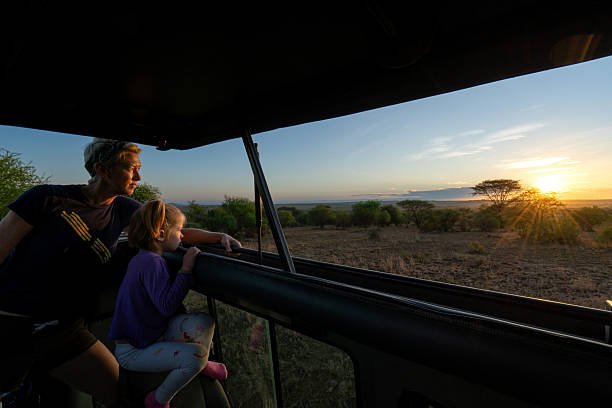

Understanding Lake Babati: A less crowded place
Lake Babati, situated in the Manyara Region of Tanzania, is often overshadowed by its more famous neighbours like Lake Manyara and the vast plains of Tarangire. However, this picturesque lake offers a unique and rewarding travel experience, particularly for those seeking authentic encounters with nature and local life away from the typical tourist trails. It’s a destination that promises tranquility, vibrant biodiversity, and a glimpse into the heart of rural Tanzania. For travellers planning their adventures for 2026 and 2027, understanding what makes Lake Babati special is key to appreciating the tours available.
Geography and Ecosystem
Lake Babati is a shallow, freshwater lake, approximately 5 kilometers long and 2 kilometers wide. It lies in a rift valley depression, fed by several seasonal streams and springs. The surrounding landscape is a mosaic of acacia woodlands, grasslands, and cultivated areas, creating a diverse habitat. The lake’s shallowness and the surrounding vegetation make it a crucial stopover and breeding ground for numerous bird species, and it plays a vital role in the local ecosystem, supporting both wildlife and human communities through its resources.
Wildlife Highlights
While not a Big Five destination in the same vein as the national parks, Lake Babati boasts an impressive array of wildlife, especially avian. The lake is a magnet for waterbirds. You can expect to see large flocks of flamingos, pelicans, various herons, egrets, storks, and numerous smaller species like weavers and kingfishers. Beyond the birds, the lake shores are frequented by hippos, while baboons and monkeys are common in the surrounding woodlands. Elephants occasionally visit, particularly during the drier months, drawn by the water. The surrounding farmlands are also home to smaller mammals and reptiles.
Cultural Significance
The area around Lake Babati is primarily inhabited by the Mbugwe people, known for their agricultural practices and deep connection to the land and water. The lake is not just a natural resource but a central part of their lives, providing water for irrigation, fishing grounds, and a source of spiritual significance. Tours that include village visits offer a profound opportunity to learn about their traditions, farming methods, and daily life, providing a rich cultural dimension to the natural beauty of the lake.
Why Choose Lake Babati for a Tour?
Many travellers to Tanzania are drawn by the allure of the Northern Circuit’s famous parks. However, Lake Babati offers a distinct set of attractions that make it a compelling addition to any itinerary, especially for those seeking a more nuanced and less crowded experience. The unique combination of its ecological and cultural offerings makes it a standout destination.
Unique Birdlife Attractions
For avid birdwatchers, Lake Babati is a paradise. Its diverse bird population, including migratory species, offers unparalleled viewing opportunities. Unlike more crowded birding hotspots, Lake Babati provides a more intimate and less disturbed environment for observation. The sheer abundance and variety of waterbirds, easily observable from the shore or a boat, make it a prime location for both novice and experienced ornithologists. Birding tours here are often highly rewarding.
Authentic Cultural Encounters
Lake Babati is not a curated tourist village; it’s a living, breathing community. Tours that facilitate respectful interactions with the Mbugwe people offer genuine insights into rural Tanzanian life. You can witness traditional farming techniques, learn about local customs, and perhaps even share a meal or a cup of traditional coffee. These encounters are often more organic and impactful than those in more commercialized settings, providing travellers with a deeper understanding of the region’s human landscape.
Off-the-Beaten-Path Experience
If you’re looking to escape the crowds and experience a side of Tanzania that most tourists miss, Lake Babati is an excellent choice. Its relative remoteness and lack of large-scale tourism infrastructure mean that visitors can enjoy a more peaceful and personal journey. This is perfect for travellers who value solitude and a genuine connection with their surroundings, whether natural or cultural.
Proximity to Tarangire
Lake Babati’s strategic location makes it an ideal stopover or add-on for safaris in Tarangire National Park. Tarangire is renowned for its large elephant herds and baobab trees, but it can get busy. A visit to Lake Babati can offer a tranquil counterpoint, a chance to relax and experience a different facet of the region’s ecology and culture. Many tour operators, including Climb 4 Africa, can seamlessly integrate a Lake Babati excursion into a wider Northern Circuit itinerary for 2026-2027.
Affordability and Value
Compared to the more famous national parks and tourist hubs, activities and local services around Lake Babati tend to be more affordable. This makes it an excellent option for travellers on a tighter budget or those looking to maximize their experience without breaking the bank. The value derived from the unique experiences—excellent birding, genuine cultural interaction, and serene natural beauty—is exceptionally high.
Types of Lake Babati Tours
When planning a trip to Lake Babati, understanding the different types of tours available will help you select the one that best fits your interests and schedule. Tour operators offer various durations and focuses, catering to a wide range of traveller preferences for 2026 and 2027.
Day Trips from Arusha or Karatu
These are the most common and accessible options. A day trip typically involves a scenic drive from Arusha or Karatu (often a base for Ngorongoro and Tarangire), spending several hours at the lake. Activities usually include a guided walk along the shore, birdwatching, and a visit to a local village. Lunch is often included. These trips are ideal for travellers with limited time or those who want to add a unique element to a standard safari itinerary.
Half-Day Excursions Focused on Birding
For dedicated birdwatchers, a specialized half-day tour might be perfect. These excursions focus intensely on identifying and observing the diverse avian species. They often involve a local guide with expert knowledge of bird habitats and calls, maximizing your chances of spotting rare or sought-after species. These can be arranged as a dedicated trip or as part of a longer day’s exploration.
Full-Day Cultural and Nature Combos
These tours offer a more comprehensive experience, blending birdwatching and nature walks with in-depth cultural immersion. A full day allows ample time to explore the lake’s surroundings, engage with local communities, learn about their way of life, and perhaps even participate in a local activity like farming or fishing demonstrations. These tours often provide a more relaxed pace and a deeper connection to the place.
Multi-Day Packages Incorporating Babati
While less common as a standalone destination for multi-day trips, Lake Babati can be a valuable component of a longer Tanzanian adventure. Operators like Climb 4 Africa can design itineraries that include 1-2 nights near the lake, allowing for more extensive exploration, deeper cultural engagement, and a more relaxed pace. This is ideal for travellers who want to truly disconnect and absorb the local atmosphere.
Private vs. Group Tours
Private tours offer maximum flexibility, allowing you to customize the itinerary, pace, and activities to your preferences. You’ll have a dedicated guide and vehicle. This is often the best choice for families, couples, or groups with specific interests. Group tours, particularly those offered as part of larger Northern Circuit packages, can be more budget-friendly. However, they offer less flexibility regarding timing and specific activities. When booking, clarify whether a tour is private or shared.
Crafting Your Perfect Lake Babati Itinerary (2026-2027)
Designing your ideal Lake Babati experience requires considering your interests, available time, and travel style. Whether you’re adding it to a safari or seeking it as a distinct destination, a well-planned itinerary ensures you make the most of your visit in the 2026-2027 travel seasons.
Essential Elements for a Day Trip
For a day trip, aim for a balance of activities. Start with an early morning or late afternoon visit for the best wildlife viewing. Include:
- A guided walk along the lake shore (approx. 2-3 hours).
- Birdwatching opportunities, focusing on identifying key species.
- A visit to a local Mbugwe village, including interactions with residents (ensure this is arranged respectfully through your guide).
- A picnic lunch or a meal at a local eatery.
- Optional: A short boat trip (if available and arranged).
This format typically takes 6-8 hours, including travel time from a nearby town.
Building a 2- to 3-Day Experience
An extended stay allows for deeper exploration and a more relaxed pace:
- Day 1: Arrive, check into accommodation. Afternoon guided nature walk and birdwatching. Evening cultural interaction or relaxation.
- Day 2: Early morning boat trip for optimal birding. Visit a local school or community project (if arranged). Afternoon exploration of surrounding farmlands or a different section of the lake.
- Day 3 (Optional): Fishing excursion with local fishermen. Visit a local market. Departure or onward travel.
This allows for a more in-depth experience and opportunities to witness different aspects of the lake’s ecosystem and community life.
Integrating Babati into Northern Circuit Safaris
Lake Babati is perfectly positioned between Tarangire National Park and the Karatu/Ngorongoro Conservation Area. It can be a wonderful stopover:
- Option 1: After a safari in Tarangire, spend a night near Lake Babati before heading to Ngorongoro. This breaks up the journey and adds a unique dimension.
- Option 2: As a day trip from Karatu, especially if you have an extra day between park visits. This provides a contrast to the wildlife-focused parks.
When planning your 2026-2027 safari, discuss these integration possibilities with your tour operator.
Customizing for 2026-2027 Travel
For travel in 2026 and 2027, consider:
- Peak Seasons: The dry seasons (June-October and December-February) are generally best for wildlife viewing and comfortable weather, but also busier. Shoulder seasons can offer good value and fewer crowds.
- Specific Interests: If birding is your primary focus, dedicate more time to early mornings and late afternoons. If cultural immersion is key, ensure your itinerary includes ample time for village visits and interactions.
- Pace: Don’t try to cram too much in. Lake Babati is best enjoyed at a relaxed pace.
Working with a local operator like Climb 4 Africa is crucial for tailoring these elements to your specific needs for your 2026-2027 trip.
Key Activities on Lake Babati Tours
Lake Babati tours are designed to showcase its unique natural and cultural attractions. The activities offered aim to provide a comprehensive and engaging experience for every visitor.
Guided Birdwatching Walks
These are central to most Lake Babati tours. Accompanied by knowledgeable local guides, you’ll explore the lake shores and surrounding woodlands. Guides can identify birds by sight and sound, point out nesting sites, and explain the ecological importance of different species. Expect to see a wide variety of waterbirds, raptors, and smaller bush birds. Binoculars are highly recommended.
Boat Trips and Canoeing
Exploring the lake from the water offers a different perspective and access to areas unreachable by foot. Boat trips, often on traditional wooden boats or small motorboats, allow you to get closer to waterbirds, observe hippos in their element, and enjoy the serene beauty of the lake. Canoeing offers an even more intimate and quiet way to experience the water and its inhabitants, minimizing disturbance.
Village Visits and Cultural Immersion
These visits are a highlight for many. Respectful engagement with the Mbugwe community involves learning about their agricultural practices (often using irrigation from the lake), traditional housing, social structures, and daily routines. Some tours may include demonstrations of local crafts, cooking, or farming. It’s essential that these visits are arranged ethically, ensuring benefits to the community and a genuine cultural exchange.
Fishing Excursions
Fishing is a traditional livelihood for many in the Lake Babati area. Tours can arrange for you to join local fishermen on their boats, experiencing traditional fishing methods. This offers insight into their skills, the challenges they face, and the types of fish found in the lake. It’s a hands-on cultural activity that connects you directly to the local economy.
Nature Photography Opportunities
With its abundant birdlife, unique landscapes, and vibrant cultural scenes, Lake Babati is a photographer’s dream. Early morning and late afternoon light provide stunning opportunities for landscape shots, while the diverse bird species offer endless subjects for wildlife photography. Cultural portraits, taken with respect and consent, can also be very rewarding.
What to Expect During Your Tour
Understanding the practical aspects of a Lake Babati tour will help you prepare adequately and ensure a smooth and enjoyable experience. This includes knowing what’s typically included, how you’ll get around, where you might stay, and the best times to visit.
Typical Tour Inclusions and Exclusions
While specifics vary by operator, most day tours from Arusha or Karatu will include:
- Inclusions: Transportation from your accommodation, park/conservation fees (if applicable, though Lake Babati itself may not have significant fees like national parks), guided activities (walks, village visits), picnic lunch, and bottled water.
- Exclusions: Tips for guides and drivers, personal expenses, alcoholic beverages, and any items not explicitly mentioned in the itinerary.
For multi-day tours, inclusions will expand to cover accommodation, meals, and potentially more extensive guiding services. Always confirm the exact inclusions and exclusions with your chosen tour operator before booking.
Logistics and Transportation
Transportation to Lake Babati is typically via a 4×4 safari vehicle, especially if coming from Arusha or Karatu. The drive itself can be scenic, offering glimpses of rural life and landscapes. Within the Lake Babati area, you might use the same vehicle for transfers between points of interest, or switch to smaller boats or walking for specific activities. Guides are crucial for navigating the local area and arranging these logistics seamlessly.
Accommodation Options Near Lake Babati
While Lake Babati is not a major tourist hub with luxury lodges, there are comfortable options nearby, particularly in the town of Babati itself or in lodges situated along the lake or in the surrounding countryside. Options range from simple guesthouses and local hotels to more comfortable lodges that offer a good base for exploring. For those integrating Babati into a safari, staying in Karatu or even Tarangire allows for day trips.
Best Time to Visit Lake Babati
Lake Babati is a year-round destination, but certain periods offer distinct advantages:
- Dry Seasons (June-October, December-February): These months offer the most pleasant weather with less rain, making outdoor activities more comfortable. Birdwatching can be excellent, and wildlife is often more concentrated near water sources. This is also peak tourist season for Tanzania, so expect more visitors and potentially higher prices for accommodation and tours in the wider region.
- Green Season (March-May, November): These months see more rainfall, which can transform the landscape into lush greenery. Birdlife can be spectacular, with resident birds breeding and migratory birds potentially present. However, some unpaved roads might become challenging. Prices might be lower, and you’ll encounter fewer tourists. The rainfall is often in short, intense bursts, meaning it doesn’t necessarily disrupt a full day’s activity.
For 2026-2027, consider the shoulder months like November or March-April for a good balance of weather, wildlife, and fewer crowds.
Packing Essentials
Pack for a tropical climate with varied activities:
- Lightweight clothing: Breathable fabrics for warm days.
- Long sleeves and trousers: For sun protection and during cooler evenings, and to protect against insects.
- Rain gear: A lightweight waterproof jacket, especially during the green season.
- Comfortable walking shoes: Essential for nature walks and village visits.
- Sun protection: Sunscreen, a wide-brimmed hat, and sunglasses.
- Insect repellent: Particularly important for evenings.
- Binoculars: Crucial for birdwatching.
- Camera: To capture the stunning scenery and wildlife.
- Personal first-aid kit.
- Power bank: For charging devices on the go.
Choosing the Right Tour Operator
Selecting a reputable tour operator is paramount for a successful and enriching Lake Babati tour. Local expertise and ethical practices are key differentiators.
Importance of Local Expertise
Local operators understand the nuances of Lake Babati – the best times to visit specific areas, the most knowledgeable guides, respectful ways to engage with communities, and the current conditions on the ground. They have established relationships with local communities and service providers, ensuring a more authentic and well-managed experience. For 2026-2027 travel, local knowledge is invaluable for navigating any emerging travel trends or conditions.
What to Look For in a Provider
When evaluating tour operators for your Lake Babati tour:
- Local Presence: Is the company based in Tanzania or have strong local partnerships?
- Reviews and Reputation: Check independent review sites for feedback on their services, guides, and customer satisfaction.
- Itinerary Detail: Do they provide clear, detailed itineraries that match your interests?
- Inclusions/Exclusions: Is pricing transparent, with clear information on what is and isn’t covered?
- Responsibility: Do they demonstrate a commitment to responsible tourism, supporting local communities and conservation?
- Communication: Are they responsive and helpful in answering your queries?
Booking with Climb 4 Africa
Climb 4 Africa specializes in authentic Tanzanian travel experiences, including tailored tours to destinations like Lake Babati. As a local operator, they possess the in-depth knowledge required to craft exceptional itineraries for 2026-2027. They understand the balance between showcasing natural beauty and facilitating genuine cultural exchanges.
When you contact Climb 4 Africa, be ready to discuss:
- Your preferred travel dates for 2026 or 2027.
- The duration of your desired visit to Lake Babati.
- Your primary interests (e.g., birdwatching, cultural immersion, photography).
- Your budget range.
- Whether you’re interested in a private or shared tour.
- If you’re combining Lake Babati with other destinations like Tarangire or Ngorongoro.
Their team can then design a bespoke itinerary that perfectly matches your expectations. Their practical local support ensures a smooth and memorable journey.
Planning Your Lake Babati Adventure for 2026-2027
Effective planning is key to a hassle-free and enriching trip. Consider these crucial aspects as you prepare for your Lake Babati adventure in the coming years.
Booking Windows and Availability
For popular travel periods in Tanzania (like July-September and December-January), it’s advisable to book your Lake Babati tours and associated accommodations at least 6-9 months in advance, especially if you are planning for peak seasons in 2026 or 2027. For less busy periods or for custom-designed private tours, a shorter notice of 3-4 months might suffice, but early booking is always recommended to secure your preferred dates and guides. Availability can fluctuate, particularly for smaller, locally-run lodges.
Budgeting for Your Trip
Lake Babati tours offer excellent value. A typical day trip from Arusha or Karatu might range from $100 to $250 per person, depending on the inclusions, vehicle type, and whether it’s a private or shared excursion. Multi-day packages will naturally cost more, factoring in accommodation, meals, and extended guiding. Key cost factors include:
- Transportation: 4×4 vehicle hire.
- Guiding Fees: Local guides for walks, boat trips, and village visits.
- Activities: Boat hire, fishing permits (if applicable).
- Accommodation: If staying overnight.
- Meals: Depending on tour inclusions.
Always ask for a detailed quote that outlines all costs. For 2026-2027, factor in potential minor price increases due to inflation, but expect Lake Babati to remain a comparatively affordable destination.
Travel Insurance and Health Considerations
Comprehensive travel insurance is essential for any trip to Tanzania. Ensure your policy covers:
- Medical emergencies and evacuation.
- Trip cancellation or interruption.
- Lost or delayed luggage.
Regarding health, consult your doctor or a travel clinic about recommended vaccinations and malaria prophylaxis well in advance of your 2026-2027 travel dates. While Lake Babati is not a high-malaria zone compared to some other areas, precautions are still advised. Drink bottled or treated water and be mindful of food hygiene.
Visa Requirements
Most nationalities require a visa to enter Tanzania. You can typically obtain a tourist visa upon arrival at Kilimanjaro International Airport (JRO) or other entry points, or apply for an e-visa online in advance. Check the latest requirements with the Tanzanian embassy or consulate in your country well before your trip. Having your visa sorted out before you travel simplifies your arrival process.
Frequently Asked Questions About Lake Babati Tours
Are Lake Babati tours suitable for families?
Yes, Lake Babati tours can be very family-friendly, offering a mix of gentle nature walks, opportunities to see diverse wildlife (especially birds), and engaging cultural interactions. The pace is generally relaxed, making it suitable for children. It’s advisable to choose a private tour for maximum flexibility and tailor activities to the children’s ages and interests.
What is the difference between Lake Babati and Lake Manyara?
Lake Manyara National Park is famous for its tree-climbing lions, large elephant herds, and diverse primate population within a protected park setting, requiring park fees. Lake Babati, while also rich in birdlife and offering cultural experiences, is a more natural, less developed area outside of a formal national park, offering a more intimate and less crowded experience with a strong focus on local communities and accessible birding.
Can I combine Lake Babati tours with a Kilimanjaro climb?
Absolutely. Lake Babati can be an excellent addition either before or after a Kilimanjaro climb. It offers a relaxing and culturally enriching experience to complement the physical challenge of the mountain. Climb 4 Africa can easily integrate a visit to Lake Babati into your pre- or post-climb itinerary for 2026-2027.
Are there any safety concerns on Lake Babati tours?
Lake Babati tours are generally safe when conducted with reputable operators and experienced guides. Standard precautions apply: stay with your guide, respect wildlife from a safe distance (especially hippos and baboons), and follow local advice. For cultural visits, ensure interactions are respectful and consensual. The area is considered safe for tourism.
What kind of wildlife can I expect to see besides birds?
Beyond the abundant birdlife, you can commonly see hippos in the lake, various monkey species (like baboons and vervet monkeys) in the surrounding woodlands, and potentially elephants visiting from nearby areas, especially during drier months. Smaller mammals and reptiles are also present in the diverse habitats around the lake.
Conclusion: Your Lake Babati Adventure Awaits
Lake Babati offers a unique and authentic Tanzanian experience, blending vibrant birdlife, serene natural beauty, and meaningful cultural encounters. Whether you’re planning a short day trip or integrating it into a larger safari for 2026-2027, the ‘best’ Lake Babati tours are those that prioritize genuine connection, expert guidance, and responsible tourism. By understanding the options, activities, and planning considerations, you can craft an unforgettable journey. For a truly personalized and expertly managed experience, reaching out to local specialists like Climb 4 Africa is the ideal next step. They can help tailor the perfect Lake Babati tour to your interests, ensuring you discover the magic of this less crowded place.
Ready to plan your dream Lake Babati tour for 2026-2027? Contact Climb 4 Africa today for expert advice and custom itineraries. Reach them via WhatsApp +255 747 477 898 or email climb4africa@gmail.com to start crafting your unique Tanzanian adventure.
Check Availability for Best Lake Babati Tours: Your Ultimate Guide For 2026-2027
Ready to compare dates, prices, and the best option for your group? Send the package name and travel month so the team can reply with a clear quote, availability, and what is included.



