
A Babati Cultural Tour is an in-depth journey into the heart of Tanzania’s Manyara Region, focusing on authentic interactions with local communities, understanding their daily lives, traditions, and unique cultural heritage. This type of tour typically involves visiting villages, engaging with local artisans, learning about traditional practices, and experiencing the genuine hospitality of the people who call Babati home, offering a profound alternative to conventional safari or trekking experiences.


Understanding Babati: More Than Just a Stopover
Babati, the administrative capital of the Manyara Region in northern Tanzania, often serves as a transit point for travelers heading to or from popular safari destinations like Tarangire National Park, Lake Manyara National Park, and the Ngorongoro Conservation Area. However, to see Babati merely as a geographical marker is to miss a significant opportunity for cultural enrichment. The town and its surrounding areas are a vibrant mosaic of ethnic groups, each contributing to a unique local culture. Understanding Babati means appreciating its role as a melting pot, where agricultural life, traditional practices, and modern influences converge. It’s a place where the pace of life is dictated by the seasons and community bonds are paramount. For the traveler seeking depth beyond wildlife sightings, Babati offers a genuine glimpse into the soul of rural Tanzania. The landscape itself, characterized by rolling hills, fertile valleys, and the prominent Mount Ufiome, provides a stunning backdrop to this cultural exploration. The proximity to diverse natural environments also means that the local communities have developed unique relationships with their surroundings, influencing their traditions, livelihoods, and perspectives.
Why Choose a Babati Cultural Tour?
Opting for a Babati Cultural Tour is a deliberate choice to engage with Tanzania on a more profound level. It moves beyond the typical tourist itinerary to offer experiences that resonate long after your journey ends. The reasons for choosing this path are manifold, catering to travelers who seek authenticity, connection, and a deeper understanding of the places they visit.
Authentic Immersion
The core appeal of a Babati Cultural Tour lies in its promise of authentic immersion. Unlike staged cultural performances or brief village drop-ins, these tours are designed for genuine interaction. You’ll have opportunities to spend time with local families, share meals, participate in daily activities, and learn directly from community members about their way of life. This isn’t about observing; it’s about participating and connecting. The interactions are organic, allowing for spontaneous conversations and the building of real relationships. This level of engagement provides insights that are simply unattainable through conventional tourism. You witness firsthand the resilience, creativity, and warmth of the Tanzanian people, forming memories that are deeply personal and meaningful. The focus is on mutual respect and understanding, creating an experience that enriches both the visitor and the host community.
Support Local Communities
Choosing a Babati Cultural Tour directly benefits the communities you visit. By engaging with local guides, staying in community-run accommodations or homestays, purchasing local crafts, and participating in activities that generate income for villagers, your travel spending contributes to sustainable development. This model of tourism ensures that economic benefits are distributed more equitably, empowering local people and helping to preserve their cultural heritage. It’s a way to travel responsibly, ensuring that your presence has a positive impact. This approach fosters a sense of partnership, where travelers are seen not just as consumers, but as guests who appreciate and value the local culture and economy. When you book through a responsible operator like Climb 4 Africa, you can be assured that your tour is designed with community benefit at its forefront, ensuring a truly ethical travel experience.
Unique Perspectives
A Babati Cultural Tour offers a stark contrast to the curated experiences often found in more established tourist hubs. Here, you gain unfiltered perspectives on life, challenges, and triumphs. You’ll learn about traditional farming techniques, local medicinal practices, the intricacies of community governance, and the spiritual beliefs that shape daily life. These insights offer a broader understanding of the human condition and the diverse ways people adapt to their environments. You might learn about the importance of water management from a farmer, understand traditional healing from an elder, or hear interesting folktales passed down through generations. These are the stories and lessons that form the bedrock of a culture, providing a rich educational component to your travels. This direct exposure to different ways of life can be incredibly humbling and perspective-shifting.
Off the Beaten Path
For travelers who feel they’ve “seen it all” or are looking to escape the crowds, Babati offers an escape to a less-traveled part of Tanzania. While popular national parks attract thousands of visitors, the cultural richness of the Babati region remains largely undiscovered by mass tourism. This allows for a more intimate and unhurried experience, where you can truly connect with the environment and the people without the usual tourist pressures. You’ll find that interactions are more genuine, and the sense of discovery is heightened. This less-trodden path leads to more rewarding and memorable encounters, providing a sense of true adventure and exploration. It’s an opportunity to experience Tanzania as it truly is, away from the commercialized tourist trails, offering a more authentic and potentially memorable travel experience.
Planning Your Babati Cultural Tour
Organizing a successful Babati Cultural Tour requires careful consideration of several factors to ensure a smooth and enriching experience. Unlike a standard safari where the primary focus is wildlife, a cultural tour demands a different approach to planning, emphasizing community engagement and local immersion. Understanding the nuances of the region, timing your visit, and preparing adequately will significantly enhance your journey.
Best Time to Visit
The best time to undertake a Babati Cultural Tour largely aligns with Tanzania’s dry seasons, which generally run from **June to October** and again from **December to February**. During these months, the weather is typically pleasant with less rainfall, making travel and outdoor activities more comfortable. The dry seasons are also periods of agricultural activity, offering opportunities to witness farming practices firsthand. However, the shoulder seasons, such as **March and November**, can also be rewarding. While there might be occasional showers, these months often see fewer tourists and potentially lower costs. It’s worth noting that specific cultural events or festivals might occur at different times of the year, and consulting with a local operator can help align your visit with significant cultural happenings. For 2026 and 2027, planning your trip during these drier periods is advisable for optimal comfort and engagement with the local environment and communities.
Duration and Itinerary
A typical Babati Cultural Tour can range from **2 to 5 days**, though longer stays are certainly possible and often recommended for deeper immersion. A shorter trip might focus on visiting one or two nearby villages, engaging in specific craft workshops, and experiencing a local market. A longer itinerary allows for exploring multiple ethnic groups, participating in homestays, undertaking guided walks through agricultural landscapes, and potentially visiting local schools or community projects. For instance, a 3-day itinerary could include: Day 1: Arrival in Babati, introductory village visit, and introduction to local farming. Day 2: Deeper engagement with a specific community, learning traditional crafts, and attending a local meal. Day 3: Market visit, interaction with elders, and departure. When planning for 2026-2027, consider what level of immersion you desire. Climb 4 Africa can help tailor itineraries to your interests, whether you prefer a focused experience or a more comprehensive exploration of the region’s cultural diversity.
Accommodation Options
Accommodation choices for a Babati Cultural Tour are designed to enhance the in-depth experience. Options typically include:
* Community-run guesthouses: Simple, clean, and comfortable facilities often managed by local communities, providing an authentic stay.
* Homestays: The most in-depth option, where you stay with a local family, sharing their home and daily life. This offers unparalleled insight into local customs and traditions.
* Basic lodges or campsites: Located in or near Babati town, these offer more conventional amenities while still being close to cultural sites.
It’s important to manage expectations regarding luxury. These accommodations prioritize authenticity and community connection over high-end amenities. Hot water might be limited, and electricity can be intermittent in some homestay settings. However, the warmth of the hospitality more than compensates for any lack of modern conveniences. For travelers planning for 2026-2027, booking well in advance is recommended, especially for homestay experiences, as availability can be limited.
What to Pack
Packing for a Babati Cultural Tour requires a balance between practicality and respect for local customs. Key items include:
* Lightweight, breathable clothing: Long-sleeved shirts and trousers are recommended to protect against the sun and insects, and to show respect in villages.
* Comfortable walking shoes: Essential for village exploration and potential hikes.
* A hat and sunglasses: For sun protection.
* Insect repellent: Particularly important during dawn and dusk.
* Sunscreen: High SPF is recommended.
* A basic first-aid kit: Including any personal medications.
* Hand sanitizer: For hygiene, especially before meals.
* A reusable water bottle: To minimize plastic waste.
* A small backpack: For day trips.
* A universal sink plug and travel towel: Useful for basic accommodations.
* Modest clothing: Especially for women, to wear when visiting villages (e.g., long skirts or trousers, shoulders covered).
* Small gifts: Consider practical items like school supplies for children, or basic medical supplies for community clinics, if approved by your guide. Avoid giving cash directly, as it can disrupt local economies.
Remember that in many rural areas, water can be scarce, so being mindful of your consumption is important.
Cultural Etiquette
Respecting local customs is paramount for a meaningful cultural tour. Key etiquette points include:
* Greetings: Always greet people with a smile and a polite greeting (like ‘Jambo’ or ‘Habari’). It’s customary to shake hands with men; wait for women to offer their hand first.
* Asking permission: Always ask before taking photographs of people, especially children. Seek permission before entering homes or private property.
* Dress code: Dress modestly when visiting villages. Avoid revealing clothing.
* Eating: If invited to share a meal, accept graciously. Eat with your right hand or use cutlery if provided. It’s polite to try a little of everything.
* Patience and respect: Embrace a slower pace of life. Be patient, listen attentively, and show genuine interest in learning.
* Bargaining: When shopping for crafts, polite bargaining is acceptable, but do so with a smile and respect for the artisan’s work. Understand that for many, this is their livelihood.
* Children: While children are often curious and friendly, avoid giving them sweets or money directly, as this can encourage begging. Instead, focus on interacting with them through games or by supporting community projects.
Understanding and adhering to these guidelines will foster positive interactions and ensure your Babati Cultural Tour is a respectful and rewarding experience for everyone involved.
Key Cultural Experiences in Babati
The Babati region is rich with opportunities for cultural engagement. These experiences offer deep dives into the daily lives, traditions, and artistic expressions of its diverse inhabitants. Focusing on these specific activities can transform a trip into a truly memorable cultural expedition.
Village Visits and Homestays
This is the cornerstone of any Babati Cultural Tour. Visiting villages allows you to witness daily life unfold – from early morning chores to evening gatherings. You might see women tending to crops, children playing traditional games, or men engaged in communal discussions. A homestay takes this interaction to a deeper level. You’ll share meals with your host family, sleep in their home, and participate in their daily routines. This could involve helping with cooking, fetching water, or working in the fields. These experiences foster genuine connections and provide profound insights into the challenges and joys of rural Tanzanian life. For 2026-2027 trips, arranging these stays through local expertise ensures they are conducted ethically and beneficially for the community.
Local Markets and Crafts
Babati’s local markets are bustling hubs of activity, offering a sensory feast and a chance to interact with local traders. Here, you can find everything from fresh produce and household goods to traditional crafts. Exploring these markets provides a glimpse into the local economy and social dynamics. You can observe the vibrant exchange of goods and perhaps sample local snacks. Beyond the market, engaging with local artisans is highly rewarding. You might visit a woodcarver’s workshop, a potter’s studio, or a weaver’s home. Learning about their techniques, the materials they use, and the cultural significance of their creations offers a unique appreciation for local artistry. Purchasing crafts directly from artisans ensures they receive fair compensation for their work.
Traditional Agriculture and Food
Agriculture is the lifeblood of the Babati region. Many communities rely on subsistence farming, cultivating crops like maize, beans, bananas, and various vegetables. A cultural tour can include participating in farming activities, such as planting, weeding, or harvesting, depending on the season. This hands-on experience provides a tangible connection to the land and the labor involved in producing food. Learning about traditional farming methods, including crop rotation and the use of natural fertilizers, offers valuable insights into sustainable practices. Sharing a meal prepared with locally grown ingredients is a highlight. You can learn traditional recipes, understand the significance of different foods in the local diet, and appreciate the effort that goes into preparing each dish. This culinary exploration is a vital part of understanding the culture.
Music, Dance, and Storytelling
Culture is often expressed through art and performance. In Babati, you may have the opportunity to witness or even participate in traditional music and dance performances. These often involve rhythmic drumming, energetic movements, and vocalizations that tell stories or celebrate important events. Local musicians use traditional instruments, such as drums, rattles, and stringed instruments, to create unique sounds. Storytelling is another vital tradition, with elders often sharing folktales, proverbs, and historical accounts that convey cultural values and wisdom. Engaging with these art forms provides a deeper understanding of the community’s history, beliefs, and social structures. The vibrant energy of a traditional dance or the wisdom in an ancient story can be incredibly moving.
Interactions with Elders and Leaders
Elders and community leaders are repositories of traditional knowledge and cultural wisdom. Arranging respectful meetings with them can offer profound insights into the community’s history, governance, and values. These conversations, often facilitated by a local guide, can cover topics ranging from customary law and conflict resolution to spiritual beliefs and social customs. Listening to their perspectives provides a unique understanding of how the community functions and how traditions are maintained. It’s important to approach these interactions with humility and genuine curiosity, showing respect for their age and position within the community. These dialogues are invaluable for gaining a nuanced perspective on the cultural fabric of Babati.
Ethnic Groups and Their Heritage
The Babati area is a rich mix woven from the traditions of several distinct ethnic groups. Understanding these groups and their unique heritage is key to appreciating the cultural diversity of the region. While many groups coexist, some prominent ones include the Datoga and the Irasu, alongside other Bantu and Cushitic-speaking peoples.
The Datoga People
The Datoga (also known as the pastoral Datoga) are a Nilotic people renowned for their pastoral lifestyle and traditional crafts, particularly metalworking. Historically, they are known for their skilled blacksmithing, producing iron tools, weapons, and ornaments. Their villages are often characterized by distinctive huts and enclosures for their cattle, which are central to their culture and economy. Datoga culture emphasizes a strong connection to their livestock and the land. They have unique traditions, including specific initiation rites and a distinct language. While some Datoga communities have adopted more settled lifestyles, many retain their traditional practices, making interactions with them a fascinating glimpse into a pastoralist way of life. Visiting a Datoga blacksmith at work is a particularly memorable experience, showcasing ancient techniques passed down through generations.
The Irasu People
The Irasu (also known as the Gogo or Wagogo, though this term can be broad) are a Bantu-speaking people who traditionally inhabit parts of central Tanzania but have significant presence in the Babati area. They are known for their agricultural practices and strong community structures. The Irasu have a rich cultural heritage, including vibrant music, dance, and storytelling traditions. Their social organization often revolves around kinship and age groups. Like many agricultural societies, their calendar is closely tied to the planting and harvesting seasons. Learning about their specific customs, their historical migration patterns, and their adaptation to the Babati environment provides valuable context. Their resilience and deep connection to their ancestral lands are hallmarks of their identity.
Other Communities
Besides the Datoga and Irasu, the Babati region is home to various other ethnic groups, including descendants of the Iraqw, Gorowa, and Hadzabe peoples, among others. The Iraqw, for example, are known for their unique agricultural practices, including the construction of extensive underground tunnels for protection and storage, particularly evident in their historical settlements. The Gorowa share linguistic and cultural similarities with the Iraqw. While less common in the immediate Babati town area, encounters with hunter-gatherer groups like the Hadzabe, though rare and requiring specific arrangements, offer an even more ancient perspective on human existence in Tanzania. Each group brings its own dialect, customs, and historical narratives, contributing to the complex and fascinating cultural mosaic of the Manyara Region. A comprehensive Babati Cultural Tour aims to introduce travelers to this diversity, fostering an appreciation for the interconnectedness and distinctiveness of these communities.
Combining Babati with Other Tanzanian Adventures
While a Babati Cultural Tour stands magnificently on its own, its strategic location in northern Tanzania makes it an ideal addition to a broader Tanzanian itinerary. Integrating a cultural experience in Babati with other popular activities can create a well-rounded and deeply enriching African adventure. The year 2026 and 2027 promise excellent opportunities to combine these elements seamlessly.
Babati and Safari
Babati is situated within easy reach of some of Tanzania’s most famous wildlife parks. Combining a cultural tour with a safari offers a comprehensive Tanzanian experience, blending the thrill of wildlife viewing with authentic human connection. You can easily visit:
* Tarangire National Park: Known for its large elephant herds and iconic baobab trees.
* Lake Manyara National Park: Famous for its tree-climbing lions and diverse birdlife.
* Ngorongoro Conservation Area: A UNESCO World Heritage Site boasting incredible biodiversity within its caldera.
After days spent tracking wildlife, immersing yourself in the culture of Babati provides a grounding and contrasting experience. This combination allows travelers to appreciate both the natural wonders and the human heritage of Tanzania. Planning for 2026-2027 trips can incorporate these elements efficiently, with Babati serving as a cultural counterpoint to the wildlife spectacle.
Babati and Kilimanjaro
For many travelers, climbing Mount Kilimanjaro is a primary goal. Babati is located relatively close to Moshi, the gateway town for Kilimanjaro climbs. Incorporating a Babati Cultural Tour before or after a trek offers a wonderful way to decompress and gain a deeper understanding of the country. After the physical exertion of the climb, spending a few days in Babati allows for a relaxed yet engaging cultural immersion. You can learn about the traditions of the Chagga people who live on Kilimanjaro’s slopes and then contrast that with the cultures around Babati. This juxtaposition highlights the incredible diversity within Tanzania. Climb 4 Africa, being an expert in Kilimanjaro climbs, can expertly integrate a Babati cultural experience into your pre- or post-climb itinerary for 2026 or 2027.
Babati and Zanzibar
Extending your Tanzanian journey to the exotic spice island of Zanzibar offers a complete contrast to the mainland’s cultural and wildlife experiences. After exploring the rich traditions of Babati and the vast plains of the Serengeti or Ngorongoro, Zanzibar provides pristine beaches, historical Stone Town, and a unique Swahili culture influenced by Arab, Indian, and European traders. The transition from the earthiness of Babati to the coastal allure of Zanzibar creates a diverse and memorable holiday. This combination provides a holistic view of Tanzania, from its heartland cultures to its island heritage. A well-planned itinerary for 2026-2027 could start with a safari, move to Babati for cultural depth, and conclude with relaxation and history in Zanzibar.
Booking Your Babati Cultural Tour with Climb 4 Africa
Embarking on a Babati Cultural Tour is a significant travel decision, and partnering with an experienced and reputable tour operator is crucial for an authentic and well-supported experience. Climb 4 Africa specializes in creating meaningful Tanzanian adventures, including deep cultural immersions like a Babati tour.
Why Climb 4 Africa?
Climb 4 Africa offers more than just logistical arrangements; we provide a gateway to authentic Tanzanian experiences. Our local expertise ensures that your Babati Cultural Tour is:
* Authentic: We work directly with local communities, fostering genuine relationships and ensuring that your interactions are respectful and meaningful.
* Ethical: We are committed to responsible tourism, ensuring that your travel benefits the local people and environment.
* Tailor-made: We understand that every traveler is unique. We design itineraries that align with your interests, pace, and desired level of immersion.
* Supportive: From initial planning to your departure, our team provides practical local support, ensuring a smooth and enjoyable journey.
Our deep understanding of Tanzania, built over years of guiding and operating tours, allows us to craft experiences that go beyond the surface, connecting you with the true spirit of the country. We pride ourselves on facilitating genuine cultural exchange, not just observation.
Getting Started with Planning for 2026-2027
To begin planning your unforgettable Babati Cultural Tour for 2026 or 2027, we recommend reaching out to our team. The best way to start is by contacting us with your initial ideas and questions. Consider:
* Your desired travel dates or timeframe.
* The approximate duration you envision for the cultural tour.
* Any specific cultural aspects or ethnic groups you are particularly interested in.
* Whether you plan to combine the cultural tour with other activities like safaris or Kilimanjaro climbs.
Our team will work with you to design a personalized itinerary that captures the essence of Babati. We can discuss accommodation options, village visit protocols, and ensure all arrangements are in place for a respectful and enriching experience. Don’t hesitate to reach out; we are here to help you craft the perfect Tanzanian cultural adventure.
Contact us today:
WhatsApp: +255 747 477 898
Email: climb4africa@gmail.com
We look forward to helping you plan an extraordinary Babati Cultural Tour for your 2026-2027 travels.
Common Questions About Babati Cultural Tours
Are Babati Cultural Tours safe?
Yes, Babati Cultural Tours are generally safe when organized through reputable operators like Climb 4 Africa. We prioritize your safety by working with experienced local guides, ensuring respectful community interactions, and providing clear guidance on cultural etiquette and local conditions. It’s important to follow your guide’s advice and maintain awareness, as you would in any travel setting.
What is the cost of a Babati Cultural Tour?
The cost of a Babati Cultural Tour varies depending on the duration, level of accommodation (e.g., homestay vs. guesthouse), included activities, and group size. Tours are typically priced on a per-person basis or for a private group. For a personalized quote tailored to your 2026-2027 travel plans, it’s best to contact Climb 4 Africa directly. We can provide detailed pricing based on your specific itinerary and preferences, ensuring transparency and value.
Can I visit Babati during the rainy season?
While the dry seasons (June-October and December-February) are generally preferred for comfort, visiting Babati during the rainy season (March-May and November) is possible. The landscape becomes lush and green, and there are fewer tourists, offering a different kind of beauty. However, some activities might be affected by heavy rainfall, and roads could become challenging. We can advise on the best approach for a rainy season visit when planning for 2026-2027.
What should I expect from a homestay experience?
A homestay offers a deeply authentic experience. You’ll live with a local family, sharing their meals, home, and daily routines. Expect simple living conditions, genuine hospitality, and a unique opportunity to learn about local life firsthand. It’s an exchange, so be prepared to engage, participate, and be open to different ways of living. It’s not a luxury experience but a profound cultural one.
How do I interact respectfully with local communities?
Respectful interaction is key. Always greet people, ask permission before taking photos, dress modestly, listen attentively, and show genuine interest. Your local guide will provide specific advice tailored to the communities you visit. Embracing humility and a willingness to learn are the most important tools for respectful engagement.
”
}
“`
Check Availability for Babati Cultural Tour 2026-2027
Ready to compare dates, prices, and the best option for your group? Send the package name and travel month so the team can reply with a clear quote, availability, and what is included.
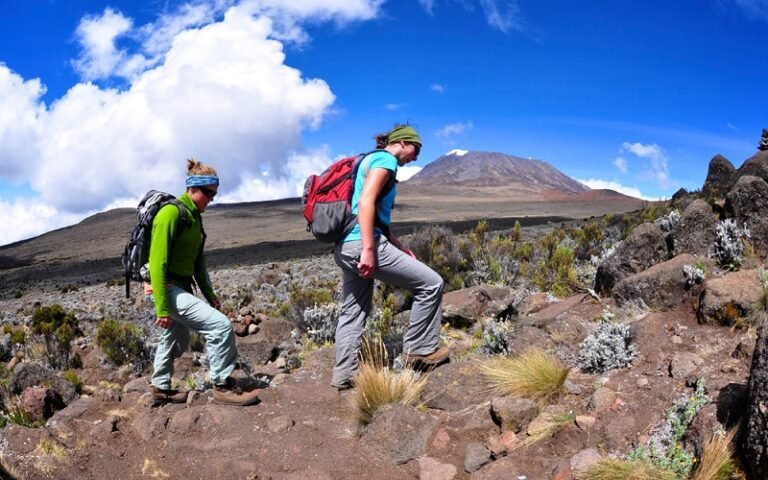
Kilimanjaro And Mara River Crossing Safari August : Peak Season Adventure 2027
Combining the ultimate challenge of climbing Mount Kilimanjaro with the awe-inspiring spectacle of the Great Migration river crossing in the Maasai Mara offers an unparalleled African...
View package detailsNo related package matches those filters. Clear one or more filters to see the other topic-matched options.



