
For travelers seeking an affordable hostel in Arusha Town for 2026-2027, the focus should be on finding options that balance cost with essential amenities like cleanliness, safety, and a convenient location for onward travel to Kilimanjaro or national parks. While exact prices fluctuate, expect to pay between $10-$25 per night for a dorm bed in a well-regarded budget hostel in Arusha, with private rooms costing slightly more. Key considerations include proximity to transport hubs, booking availability for 2026-2027, and the availability of basic services such as Wi-Fi and organized tours. Many hostels cater specifically to trekkers and safari-goers, offering a social atmosphere and practical advice.
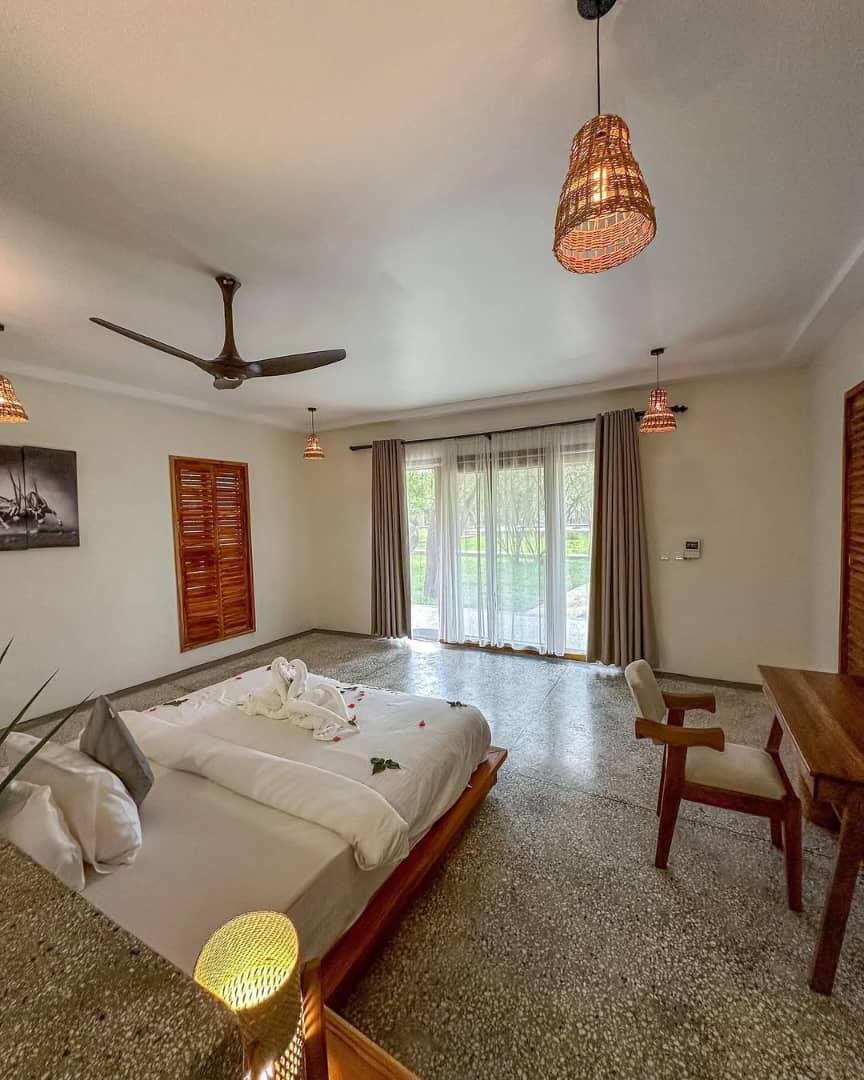

Understanding Your Arusha Hostel Needs for 2026-2027
Arusha serves as the gateway to some of East Africa’s most iconic adventures: climbing Mount Kilimanjaro and embarking on wildlife safaris in the Serengeti, Ngorongoro Crater, and beyond. For many, the town is more than just a transit point; it’s a place to prepare, rest, and connect with fellow travelers. When searching for an affordable hostel in Arusha Town for 2026-2027, your priorities will likely revolve around budget, proximity to tour operators and transport, a comfortable place to sleep, and perhaps a social environment. It’s crucial to distinguish between a basic guesthouse and a true hostel experience. Hostels typically offer dormitory-style rooms, shared facilities, and a common area designed for interaction. This guide aims to break down what to look for, what to expect, and how to make the best choice for your upcoming trip.
The landscape of accommodation in Arusha is diverse, ranging from luxury hotels to simple rooms for rent. However, the specific niche of affordable hostels in Arusha Town is where many budget-conscious travelers, particularly those heading for Kilimanjaro or group safaris, find their footing. The years 2026 and 2027 are not too far off for planning, and booking in advance, especially for popular seasons, is a wise strategy. This is particularly true if you’re aiming for specific Kilimanjaro group departures or shared safari dates, as these can fill up.
A key factor in choosing an affordable hostel is understanding what ‘affordable’ means in the Arusha context for 2026-2027. While you can find very basic rooms, a hostel environment usually provides more value through its communal aspects and dedicated services for travelers. We’ll look at typical price ranges, what’s usually included, and what might be considered an extra cost.
Types of Affordable Hostels in Arusha
When you’re looking for an affordable hostel in Arusha Town for 2026-2027, you’ll encounter a few distinct types of establishments that fall under the hostel umbrella. Understanding these differences helps in selecting the one that best fits your travel style and needs.
Firstly, there are the classic backpacker hostels. These are often characterized by their dorm rooms, shared kitchens, common lounges, and a vibrant social atmosphere. They are typically run by individuals who understand the needs of international travelers, offering advice, tour bookings, and a place to swap stories. Many of these hostels are strategically located to be within walking distance of bus stations, markets, and tour operator offices, making them incredibly convenient for those on a tight schedule or budget.
Secondly, you might find guesthouses that have adapted to offer hostel-like services. These might have fewer dorm beds and more private rooms, but they still maintain a focus on affordability and a welcoming environment. They can be a good compromise if you prefer a bit more privacy but still want to benefit from a communal feel and local insights. These often provide a slightly more ‘local’ feel than a dedicated backpacker hostel.
A third category, though less common in the true ‘hostel’ sense but relevant for budget travelers, includes smaller hotels or lodges that offer basic rooms at competitive prices. While they might not have the communal kitchens or extensive social programs of a typical hostel, they can provide clean, safe, and affordable private accommodation. For travelers who prioritize quiet and privacy above all else, but still need to keep costs down, these can be a viable option. However, they often lack the specific traveler-centric services that hostels are known for.
For the purpose of finding an affordable hostel in Arusha Town, we are primarily focusing on the first two types – those that actively market themselves as hostels or have adopted hostel operational models. These are the places most likely to offer dorm beds, communal spaces, and a traveler-focused ethos. When researching for 2026-2027, look for hostels that explicitly mention dormitories, shared facilities, and common areas. Reviews often highlight the social vibe, which is a hallmark of good hostels.
It’s also worth noting that some tour operators in Arusha might have partnerships with specific hostels or even operate their own simple accommodation for clients. This can sometimes offer a bundled service where your pre- or post-trek accommodation is arranged as part of your Kilimanjaro or safari package. While this isn’t strictly a ‘hostel’ search, it’s a common way budget travelers find a place to stay in Arusha, and these arrangements are often very affordable.
Location: The Heart of Arusha Town for Travelers
The location of your affordable hostel in Arusha Town is arguably as important as the price itself, especially considering Arusha’s role as a transport hub and staging post for major adventures. For 2026-2027 travel, choosing a hostel strategically placed can save you significant time and money on local transport and make logistics much smoother.
Proximity to Transport Hubs: Arusha has two main bus stations: the main station for long-distance travel (like to Dar es Salaam) and the smaller station often used for routes towards Moshi and the Kenyan border. If you’re arriving from or departing to other parts of Tanzania or neighboring countries by bus, staying near these stations can be a important choice. This is especially true if you have an early morning departure or late arrival. Being able to walk to or take a short, inexpensive taxi ride to the bus station is a major plus for budget travelers.
Accessibility to Tour Operators and Gear Shops: Most Kilimanjaro tour operators, safari outfitters, and gear rental shops are concentrated in and around Arusha’s town center. Staying within walking distance or a very short taxi ride of these offices is highly beneficial. It allows for easy pre-trip briefings, gear checks, last-minute purchases, and meeting your guides or fellow group members. Many affordable hostels in Arusha are located in these central areas precisely to cater to this need. This convenience can be invaluable, especially when you’re tired after a long journey or focused on final preparations for your climb or safari.
Access to Amenities: A good location also means easy access to essential services. This includes local markets for snacks or souvenirs, restaurants and cafes (ranging from local eateries to more tourist-oriented spots), banks or ATMs for cash withdrawals, and pharmacies. While Arusha is not a sprawling metropolis, being in a central, well-connected area means these facilities are readily available, saving you time and effort.
Safety and Atmosphere: While not strictly a ‘location’ point, the general safety and atmosphere of the neighborhood surrounding your hostel are vital. Central Arusha is generally safe, but some areas might be busier and noisier than others. Hostels located on quieter side streets, yet still close to the main action, often strike a good balance. Look for hostels that are well-lit and appear secure, especially if you plan to be out after dark. Reviews often comment on the neighborhood’s feel.
When planning your 2026-2027 trip, map out where your chosen tour operator’s office is located and where the main transport points are. Then, search for affordable hostels in Arusha Town that fit within that geographic sweet spot. A slightly higher price for a prime location can often be offset by savings in transport costs and the sheer convenience it offers during your stay.
Essential Amenities: What to Expect in a Budget Hostel
For an affordable hostel in Arusha Town, the term ‘amenities’ needs to be viewed through a budget lens. While you shouldn’t expect luxury, certain basic comforts and facilities are crucial for a pleasant stay, especially when preparing for a demanding trek or safari. Understanding these expectations for 2026-2027 can prevent disappointment.
Dormitory Beds: The cornerstone of most hostels is the dormitory room. Expect bunk beds, usually with a mattress and pillow. Bedding is almost always provided, but it’s wise to check if a lightweight sleeping bag liner is recommended or required by the specific hostel. Some dorms offer lockers for securing your valuables, which is a highly recommended feature to look for.
Shared Bathrooms: Most affordable hostels will have shared bathroom facilities. These typically include toilets and showers. The key here is cleanliness and availability. Good hostels maintain regular cleaning schedules. Hot water can sometimes be intermittent, especially during peak usage times, so inquire about this if it’s a priority for you. Some hostels also offer a few private rooms with en-suite bathrooms, which come at a higher price point but can be a worthwhile upgrade if your budget allows.
Common Areas: A good hostel thrives on its common areas. This usually includes a lounge or seating area where guests can relax, read, or socialize. Many also feature a communal kitchen where you can prepare your own meals, a significant cost-saving measure. Look for hostels with comfortable seating, good lighting, and perhaps a common dining area. Wi-Fi is increasingly standard, though its speed and reliability can vary. For 2026-2027, reliable Wi-Fi is often a must-have for coordinating with guides or family back home.
Security: Beyond lockers in dorms, look for hostels that have some form of reception or staff presence, especially during evenings and nights. Secure entry points are also important. The overall feeling of safety and the attentiveness of the staff are key indicators of a well-run establishment.
Basic Services: Many hostels in Arusha offer services tailored to trekkers and safari-goers. This can include arranging airport transfers, booking local transport, providing packed lunches, and offering advice on local conditions. Some may have a small shop selling essentials or offer laundry services, though these often incur an additional fee.
Cleanliness: This is non-negotiable, regardless of price. While a budget hostel won’t be sterile, it should be consistently clean. Pay attention to reviews that mention hygiene standards in dorms, bathrooms, and common areas. This is particularly important for health and safety before undertaking strenuous activities.
When evaluating an affordable hostel in Arusha Town for your 2026-2027 travel plans, prioritize these amenities based on your personal needs. For instance, if you plan to cook most of your meals, a functional communal kitchen is paramount. If you’re a light sleeper, inquire about the noise levels in dorms and the proximity to social areas.
Booking Your Arusha Hostel: A 2026-2027 Strategy
Securing an affordable hostel in Arusha Town for 2026-2027 requires a proactive approach, especially if you’re traveling during peak seasons or have specific dates tied to Kilimanjaro climbs or safari departures. The earlier you plan, the better your chances of securing your preferred accommodation at a good rate.
Advance Booking is Key: For 2026-2027, especially if your travel dates fall within the popular dry seasons (typically January-March and June-October), booking your hostel several months in advance is highly recommended. Popular hostels, particularly those with a good reputation for being budget-friendly and well-located, can fill up quickly. This is especially true for dorm beds, which are the most sought-after in hostels.
Leverage Online Booking Platforms: Websites like Hostelworld, Booking.com, and Agoda are excellent resources for finding and booking hostels. They often provide detailed descriptions, guest reviews, photos, and pricing information. Use their filters to narrow down your search for affordable hostels in Arusha Town, paying close attention to ratings for cleanliness, staff, and location. These platforms also offer secure payment options and cancellation policies, providing a layer of security for your booking.
Direct Booking Benefits: While online platforms are convenient, consider contacting hostels directly, especially if you have specific questions or are looking to book for an extended period. Some hostels might offer slightly better rates or more flexibility when booked directly. This also provides an opportunity to gauge their responsiveness and customer service – a good indicator of what to expect during your stay. For 2026-2027, direct contact can be useful for confirming availability for specific dates or group bookings.
Read Recent Reviews Carefully: When booking for 2026-2027, prioritize hostels with recent reviews. Older reviews might not reflect the current state of the establishment. Look for recurring themes in reviews concerning cleanliness, safety, Wi-Fi reliability, staff helpfulness, and the overall atmosphere. Reviews from other travelers who have recently completed Kilimanjaro climbs or safaris can be particularly insightful.
Consider Hostel Packages: Some hostels in Arusha partner with local tour operators for Kilimanjaro climbs and safaris. While not always the cheapest option, these packages can sometimes simplify logistics. If you’re booking your main tour through an operator like Climb 4 Africa, inquire if they have preferred hostel partners or can assist with your Arusha accommodation needs. This integrated approach can streamline your planning considerably for 2026-2027.
Flexibility with Dates: If your travel dates for 2026-2027 are flexible, you might find better availability and potentially lower prices by avoiding major holidays or the peak safari and trekking seasons. Shoulder seasons can offer a great balance of good weather and fewer crowds.
By adopting a strategic booking approach, you can ensure that you find a suitable and affordable hostel in Arusha Town that meets your needs for your 2026-2027 adventure, setting a positive tone for the rest of your Tanzanian journey.
Understanding Hostel Costs in Arusha: 2026-2027 Outlook
When budgeting for your trip, understanding the expected costs for an affordable hostel in Arusha Town for 2026-2027 is essential. While exact figures can change, there are general price ranges and factors that influence them.
Dormitory Beds: This is typically the cheapest option. For a standard dorm bed in a clean, well-located hostel in Arusha, you can anticipate prices ranging from approximately $10 to $25 USD per night. This rate usually includes access to shared facilities, common areas, and Wi-Fi. Prices can be slightly higher in peak season or for smaller dorms (e.g., 4-6 beds) compared to larger ones (8-12 beds).
Private Rooms: If you opt for a private room, the cost will naturally be higher. A basic private room in a hostel, often with a shared bathroom, might range from $30 to $60 USD per night. Private rooms with an en-suite bathroom will be at the higher end of this scale or potentially exceed it, moving closer to budget hotel prices.
Factors Influencing Price for 2026-2027:
- Seasonality: High season (June-October, January-March) often sees slightly higher prices due to increased demand from trekkers and safari-goers. Low season might offer marginally lower rates, but weather can be less predictable.
- Location: Hostels in the absolute town center, close to major tour operators and transport, might command a small premium.
- Amenities: Hostels offering superior Wi-Fi, air conditioning (rare in hostels but possible in private rooms), or on-site restaurants might charge a bit more.
- Inclusions: Some hostels might include a simple breakfast in their rate. Always check what’s included.
- Booking Channel: As mentioned, direct booking might sometimes offer a slight saving compared to booking through third-party platforms, which take a commission.
Additional Costs to Consider:
- Airport Transfers: If you need pick-up from Kilimanjaro International Airport (JRO), this will typically be an additional charge, often ranging from $30-$50 USD depending on the distance and vehicle.
- Laundry Services: Most hostels offer laundry services for a fee per kilogram of clothing.
- Food and Drink: While communal kitchens save money, you’ll still need to buy groceries. Eating out at local eateries is generally very affordable, but tourist-focused restaurants will be more expensive.
- Lockers: Some hostels provide lockers but may charge a small fee for the key or padlocks.
For affordable hostel stays in Arusha Town for 2026-2027, budgeting around $15-$20 USD per night for a dorm bed is a realistic average. Always factor in potential extra costs and confirm pricing directly with the hostel or through reliable booking platforms. Remember that prices can fluctuate, so the rates provided are estimates for planning purposes.
Hostels vs. Other Budget Accommodation in Arusha
When you’re looking for an affordable place to stay in Arusha Town, hostels are a popular choice, but they are not the only budget-friendly option available for 2026-2027. Understanding the trade-offs between hostels and other types of budget accommodation can help you make the best decision for your specific needs.
Hostels:
- Pros: Highly social atmosphere, great for meeting fellow travelers, often budget-friendly dorm beds, communal kitchens for self-catering, central locations, travel advice readily available.
- Cons: Shared facilities (bathrooms, dorms) mean less privacy, potential for noise, security can be a concern if lockers aren’t used diligently, basic amenities.
- Best for: Solo travelers, backpackers, those on a very tight budget, people who enjoy a social environment and want to exchange travel tips.
Budget Guesthouses/B&Bs:
- Pros: Often family-run, providing a more local feel; typically offer private rooms which provide more privacy than dorms; can be very affordable, sometimes comparable to private rooms in hostels.
- Cons: May have fewer communal facilities (e.g., no communal kitchen), social atmosphere can be less pronounced than in hostels, location might be slightly further from the main tourist hub, amenities can be very basic.
- Best for: Couples or small groups who want private rooms on a budget, travelers seeking a quieter, more local experience.
Budget Hotels/Lodges:
- Pros: Private rooms with en-suite bathrooms are standard; generally offer more amenities than hostels or guesthouses (e.g., TV, sometimes a restaurant); higher level of privacy and security.
- Cons: Significantly more expensive than hostels, even the most basic budget hotels; less of a social or backpacker vibe; may be located further from the town center to reduce land costs.
- Best for: Travelers who prioritize privacy and comfort over social interaction and want to spend a bit more for these conveniences.
Renting a Room/Apartment (Short-term):
- Pros: Can be very cost-effective for longer stays or for groups; offers a high degree of privacy and independence; allows for full self-catering.
- Cons: Less common for short-term tourist stays in Arusha; might require more effort to find and secure; less social interaction unless you actively seek it; may not be in the most convenient tourist locations.
- Best for: Longer-term travelers, digital nomads, or groups staying for a week or more who want a ‘home away from home’.
For the specific search of an affordable hostel in Arusha Town, the primary comparison is often with budget guesthouses. If your main goal is to save money and meet people, a hostel is usually the better choice. If you need a private space but still want to keep costs down, a budget guesthouse offering private rooms might be more suitable. For 2026-2027 travel, consider how many nights you’ll be in Arusha and what your priorities are for that specific period – are you focused on pre-climb preparation and meeting fellow trekkers, or do you just need a clean, cheap bed?
Practical Tips for Your Hostel Stay in Arusha
Maximizing your experience at an affordable hostel in Arusha Town for 2026-2027 involves a few practical considerations. These tips can help you stay comfortable, safe, and make the most of your stay.
Pack Smart for Dorms: Bring earplugs and an eye mask. Dorms can be noisy with people coming and going at different hours, and light can be an issue. A small, quick-drying towel is also useful, as not all hostels provide them, or the ones provided might be small or thin. Consider a headlamp for reading or navigating the dorm at night without disturbing others.
Secure Your Belongings: Always use the lockers provided. Bring your own padlock as hostels often don’t supply them. Keep your passport, cash, and valuable electronics in a secure place. Don’t leave anything important unattended in the dorm or common areas.
Embrace the Communal Kitchen: If your hostel has a communal kitchen, use it! Shopping at local markets for fresh produce and staples like rice, pasta, and bread can significantly cut down your food expenses. It’s also a great way to interact with other travelers and share cooking tips or even meals.
Stay Hydrated and Mindful of Food Safety: Arusha’s climate can be warm. Ensure you drink plenty of bottled or purified water. When using the communal kitchen, practice good hygiene. For fruits and vegetables, wash them thoroughly. Be cautious with street food if you have a sensitive stomach, especially before a strenuous activity like climbing Kilimanjaro.
Engage with Staff and Fellow Travelers: Hostel staff often have invaluable local knowledge. Ask them about transportation, reliable tour operators (like Climb 4 Africa!), good local restaurants, and safety tips. Similarly, chatting with other travelers in the common areas can lead to shared experiences, travel companions for safaris, or useful advice. This is one of the main benefits of staying in a hostel.
Respect Quiet Hours: Most hostels have designated quiet hours, especially in dormitories. Be considerate of your fellow travelers who may need to sleep. Minimize noise when entering or leaving the room, and keep conversations low.
Understand Local Customs: While Arusha is accustomed to international travelers, showing respect for local customs goes a long way. Dress modestly when out in town, especially when visiting markets or more traditional areas. Learning a few basic Swahili phrases like ‘Jambo’ (Hello) and ‘Asante’ (Thank you) is always appreciated.
Check Wi-Fi Availability and Reliability: While most hostels offer Wi-Fi, its speed and consistency can vary greatly. If you need reliable internet for work or important communications, inquire about it beforehand or be prepared to use mobile data or find Wi-Fi hotspots elsewhere.
Pre-booking for Key Dates: For 2026-2027, if you know your exact Kilimanjaro climb start date or safari booking, ensure your hostel is booked for the nights immediately preceding and following your adventure. This ensures you have a familiar base to return to.
By following these practical tips, your stay at an affordable hostel in Arusha Town will be more comfortable, secure, and enjoyable, allowing you to focus on the incredible experiences Tanzania has to offer.
Hostel Communities and Networking Opportunities
One of the most significant advantages of choosing an affordable hostel in Arusha Town, particularly for solo travelers or those seeking connections, is the inherent community aspect. For 2026-2027, this social environment remains a key draw.
Meeting Fellow Travelers: Hostels are natural melting pots of people from all over the world, each with their own travel stories and plans. The common areas – lounges, kitchens, and sometimes bars – are designed to facilitate interaction. Striking up conversations is easy, whether it’s about upcoming treks, safari plans, or shared experiences in Tanzania.
Forming Safari Groups: Many travelers heading to the Serengeti, Ngorongoro, or other parks arrive in Arusha with similar safari aspirations but may not have booked a private tour. Hostels are prime locations for finding like-minded individuals who are also looking to join a group safari to share costs. This can significantly reduce the expense of a safari for everyone involved. You can often find informal notice boards in hostels where people post their intentions to form groups.
Kilimanjaro Trekking Companions: Similarly, individuals planning to climb Kilimanjaro might meet potential trekking partners in hostels. While most reputable operators like Climb 4 Africa will have their own established groups, sometimes people look to fill last-minute spots or form smaller, informal groups for specific routes. The shared excitement and preparation discussions in a hostel environment can forge quick bonds.
Information Exchange: Beyond just finding companions, hostels are hubs for practical travel information. Travelers who have just returned from a safari or climb can offer invaluable, up-to-date insights on trail conditions, guide reliability, park fees, and the best routes. This peer-to-peer advice is often more practical and current than guidebooks.
Organized Social Events: Many hostels organize their own social events, such as group dinners, movie nights, or pub crawls. These are excellent opportunities to socialize in a structured environment and get to know both staff and other guests.
Building a Network: For longer-term travelers or those working remotely, hostels can provide a temporary community. You might meet people with similar interests or professional backgrounds, leading to collaborations or simply enjoyable downtime spent together. This network can extend beyond your stay in Arusha.
When choosing an affordable hostel in Arusha Town for 2026-2027, consider the hostel’s reputation for fostering a community. Look at reviews that specifically mention the social atmosphere, the helpfulness of other guests, and the quality of common areas. A hostel that actively encourages interaction can transform a simple stay into a rich, connected travel experience.
Combining Hostel Stays with Tours and Treks
For many travelers, the decision to stay at an affordable hostel in Arusha Town is intrinsically linked to their plans for Kilimanjaro climbs or wildlife safaris. The synergy between budget accommodation and adventure tours is a cornerstone of travel in this region for 2026-2027.
Pre- and Post-Trek/Safari Hub: Arusha hostels are ideal bases for the nights immediately before and after your major adventures. Before your Kilimanjaro climb, you’ll need a comfortable place to rest, attend pre-climb briefings, and finalize gear. After your trek or safari, you’ll likely want a clean, relaxing environment to recover, shower, and share your experiences. Hostels are well-equipped for both these scenarios, offering practical services and a welcoming atmosphere.
Proximity to Tour Operators: As discussed, many hostels are located near the offices of Kilimanjaro and safari tour operators. This proximity is not coincidental. It allows you to easily attend mandatory pre-climb briefings, meet your guides, and arrange logistics. For operators like Climb 4 Africa, having clients stay in conveniently located hostels can streamline the pre-adventure coordination.
Cost-Effectiveness: The primary driver for choosing an affordable hostel is budget. When you’re already investing significantly in a Kilimanjaro climb or a multi-day safari, saving money on accommodation in Arusha is a smart financial strategy. This allows you to allocate more funds to your adventure itself or other aspects of your trip.
Arranging Tours from Hostels: While it’s generally advisable to book major tours like Kilimanjaro climbs or safaris in advance (especially for 2026-2027), some hostels have partnerships with local operators or can assist with last-minute bookings for day trips or shorter excursions. They can offer recommendations and sometimes even secure better rates through their established relationships. However, for significant tours, booking with a reputable company directly is always recommended for safety and quality assurance.
Gear Rental and Storage: Many hostels are aware that guests will need to rent gear for Kilimanjaro or store excess luggage while they are away on their trek or safari. They often have arrangements with local gear rental shops or provide secure storage facilities for your belongings. This convenience is a significant plus.
Information and Advice: Hostel staff and fellow travelers are excellent sources of information regarding tour operators, recommended routes, and what to expect on your adventure. They can offer real-time feedback on companies, services, and conditions, helping you make informed decisions, particularly if you are comparing different operators or routes for 2026-2027.
When planning your 2026-2027 Tanzanian adventure, consider how your accommodation in Arusha fits into the overall itinerary. An affordable hostel in Arusha Town can serve not just as a place to sleep but as an integral part of your pre-adventure preparation and post-adventure recovery, enhancing the overall experience.
Sustainable Travel and Arusha Hostels
As travelers become more conscious of their environmental and social impact, the role of affordable hostels in Arusha Town in promoting sustainable tourism for 2026-2027 is increasingly important. While budget accommodation might not always be at the forefront of sustainability initiatives, many hostels are taking steps to reduce their footprint and support local communities.
Reducing Waste: Many hostels encourage guests to minimize waste by providing filtered water stations, reducing single-use plastics, and promoting recycling. This aligns with the broader goal of sustainable travel in Tanzania’s pristine natural environments.
Water and Energy Conservation: Hostels often implement practices such as using water-saving showerheads, encouraging guests to turn off lights and fans when not in use, and utilizing natural ventilation where possible. While large-scale renewable energy might be less common in budget establishments, these smaller efforts contribute to a lower environmental impact.
Supporting Local Communities: Ethical hostels often prioritize sourcing food and supplies from local markets and businesses. This ensures that tourist spending directly benefits the Arusha community. They may also employ local staff, providing fair wages and employment opportunities.
Promoting Responsible Tourism Practices: Hostels can be platforms for educating travelers about responsible tourism. This includes providing information on respecting local culture, wildlife viewing etiquette, and the importance of conservation efforts in national parks and on Mount Kilimanjaro.
Choosing Eco-Conscious Operators: Many hostels maintain relationships with tour operators who demonstrate a commitment to sustainability. If you’re looking for a Kilimanjaro climb or safari operator for 2026-2027, ask your hostel for recommendations for companies that practice responsible tourism, such as Climb 4 Africa, which emphasizes ethical operations and community engagement.
Guest Participation: Travelers staying in hostels can contribute by being mindful of their resource consumption, properly disposing of waste, and engaging respectfully with local culture. The communal nature of hostels also allows for discussions and awareness-raising among guests.
When selecting an affordable hostel in Arusha Town for your 2026-2027 trip, consider inquiring about their sustainability practices. While not always prominently advertised, many budget-friendly places are making an effort. Your choice can support businesses that are contributing positively to the local environment and economy.
Planning Your Arrival and Departure from Arusha
smooth arrival and departure logistics are critical for any trip, and for those staying at an affordable hostel in Arusha Town for 2026-2027, planning these transitions is key to a smooth start and end to your Tanzanian adventure.
Arrival at Kilimanjaro International Airport (JRO):
- Transfers: Most hostels do not have their own airport shuttle service. You will typically need to arrange a private transfer. This can be booked in advance through your tour operator (e.g., Climb 4 Africa) or directly with a taxi company. Pre-booking is recommended for peace of mind and to secure a fair price, usually in the range of $30-$50 USD.
- Alternative Transport: While possible, taking public transport from JRO to Arusha is complex and not recommended for first-time visitors, especially with luggage. It involves multiple stages and can be time-consuming and uncomfortable.
- Visa and Immigration: Ensure you have the necessary visa for Tanzania. You can often obtain this on arrival, but checking requirements for your nationality and considering an e-visa in advance is wise.
Arrival by Bus:
- From Other Tanzanian Cities: If arriving from Dar es Salaam or other major towns, you’ll likely arrive at Arusha’s main bus terminal. Hostels are usually a short taxi ride away (expect to pay around $3-$5 USD for a taxi to the town center).
- From Kenya: If arriving from Nairobi, Kenya, you will typically cross the border at Namanga and then take a bus or shuttle to Arusha. This usually brings you to a specific terminal for cross-border buses, again, a short taxi ride from most hostels.
Departure from Arusha:
- To Kilimanjaro Airport (JRO): Arrange your transfer to the airport well in advance. Allow ample time for travel to the airport (at least 1 hour drive) plus the standard 2-3 hours for international check-in.
- By Bus: If departing by bus to other cities or countries, ensure you know the correct bus station and departure times. Taxis are readily available to take you to the stations.
- Pre-arranged Tours: If your departure is directly linked to the end of a safari or climb, your tour operator will usually handle your transfer back to Arusha and onward arrangements. Confirm these details clearly.
Tips for Smooth Transitions:
- Confirm Hostel Location: Have the exact address and contact number of your chosen affordable hostel in Arusha Town readily accessible.
- Currency: Have some Tanzanian Shillings (TZS) or USD handy for immediate expenses like taxi fares upon arrival, as ATMs might not be immediately accessible or functional.
- Communication: Consider purchasing a local SIM card upon arrival if you plan to stay connected, which can be useful for coordinating with your hostel or tour operator.
Proper planning for your arrival and departure in 2026-2027 will ensure that your first and last impressions of Arusha are positive, allowing you to focus on the incredible experiences awaiting you.
Getting Local Support: Contacting Climb 4 Africa
When planning your adventures in Tanzania, especially if you’re looking for expert advice on Kilimanjaro climbs, safaris, or even recommendations for a reliable affordable hostel in Arusha Town, reaching out to local, experienced operators is invaluable. Climb 4 Africa is a Tanzanian-based company with deep roots and practical knowledge of the region, making them an excellent resource for travelers preparing for 2026-2027 trips.
Whether you are in the early stages of planning your Kilimanjaro expedition, designing a tailor-made safari itinerary, or simply need advice on the best places to stay before embarking on your journey, their team can provide personalized guidance. They understand the nuances of travel in Tanzania, from the best times to climb Kilimanjaro to the optimal safari routes for wildlife viewing.
For specific inquiries regarding:
- Kilimanjaro Climbs: Group departures, route options, gear requirements, and preparation advice.
- Wildlife Safaris: Tailor-made itineraries, popular parks, vehicle options, and accommodation advice (including potentially recommending budget-friendly bases like hostels).
- Zanzibar Holidays: Integration with mainland trips and activity suggestions.
- Logistical Support: Airport transfers, accommodation recommendations, and general travel tips for Arusha and beyond.
You can connect with Climb 4 Africa through the following channels:
- WhatsApp: For quick inquiries and immediate assistance, you can reach them directly via WhatsApp at +255 747 477 898. This is often the most efficient way to get prompt answers to your questions.
- Email: For more detailed inquiries, itinerary requests, or to send specific documents, their email address is climb4africa@gmail.com.
- Website: Visit their website at climb-4-africa.com for comprehensive information about their services, itineraries, and company ethos.
Engaging with Climb 4 Africa can provide you with the local expertise needed to make informed decisions for your 2026-2027 travel plans, ensuring a safe, memorable, and well-organized adventure in Tanzania.
Check Availability for Affordable Hostel In Arusha Town For : Your Budget Basecamp 2026-2027
Ready to compare dates, prices, and the best option for your group? Send the package name and travel month so the team can reply with a clear quote, availability, and what is included.
Arusha Hostel With Private Rooms And Dorm Beds: Your Tanzania Base 2026-2027
Planning a trip to Tanzania? This guide details Arusha hostels with both private rooms and dorm beds, crucial for trekkers, safari-goers, and budget travelers visiting in 2026-2027…
Budget Hostel In Arusha For Solo Travelers: Your Guide 2026-2027
Planning a trip to Tanzania solo and need a budget-friendly place to stay in Arusha? This guide explores top hostel options for solo travelers in 2026-2027, focusing on value, community…

Cheap Hostels In Arusha Tanzania 2026-2027
Cheap Hostels in Arusha Tanzania 2026-2027 is explained with current 2026-2027 planning, price, itinerary and booking information.

Affordable Hotels In Arusha Tanzania 2026-2027
Affordable Hotels in Arusha Tanzania 2026-2027 is explained with current 2026-2027 planning, price, itinerary and booking information.
Affordable Backpacker Hostel In Moshi Town 2026-2027
Affordable Backpacker Hostel in Moshi Town 2026-2027 is explained with current 2026-2027 planning, price, itinerary and booking information.
Hostels In Arusha Tanzania For Backpackers 2026-2027
Hostels in Arusha Tanzania for Backpackers 2026-2027 is explained with current 2026-2027 planning, price, itinerary and booking information.
Arusha Accommodation For Solo Travelers : Your Expert Guide 2026-2027
Planning a solo adventure in Tanzania and need to know where to stay in Arusha? This comprehensive guide covers the best accommodation options for solo travelers in 2026-2027, balancing…
Hotels In Arusha Before Tarangire Safari : Your Essential Pre-Safari Stay
Planning your Tarangire Safari for 2026 or 2027? Arusha is your gateway, and choosing the right hotel before your adventure is key. This guide explores top hotel options, from…

Arusha Hotels Near City Centre: Your Guide For Stays 2026-2027
Planning a trip to Arusha and need to find accommodation close to the city centre for your 2026 or 2027 adventure? This guide breaks down the best hotel options, from budget-friendly…
Budget Accommodation In Arusha Tanzania : Your Practical Guide 2026-2027
Planning a trip to Tanzania on a budget? Arusha offers a range of affordable accommodation options from hostels and guesthouses to budget-friendly hotels. This guide covers what to expect…
Best Hotels In Arusha Before Tanzania Safari : Your Gateway Guide 2026-2027
Choosing the right hotel in Arusha before your 2026-2027 Tanzania safari is crucial for a comfortable start. This guide explores top options, from budget-friendly guesthouses to luxurious…

Hotels In Arusha Tanzania For Safari Travelers : Your Gateway To Adventure
Planning a safari from Arusha in 2026-2027? This guide explores the best hotels, from charming lodges to comfortable guesthouses, catering to every traveler's needs and budget as your…
No related package matches those filters. Clear one or more filters to see the other topic-matched options.



