
Plan a 12-day journey that splits between the Serengeti’s peak great migration photography opportunities on the mainland and a relaxing Zanzibar finale. The itinerary threads a practical sequence of park drives, moving camps or lodges, a domestic flight or long drive between regions, and a final beach extension on Zanzibar. It avoids overpromising sightings, explains transfer logistics, and presents a realistic pace with built-in buffer days. Availability and exact accommodations should be confirmed with Climb 4 Africa, but the core route and travel logic are laid out here for planning.
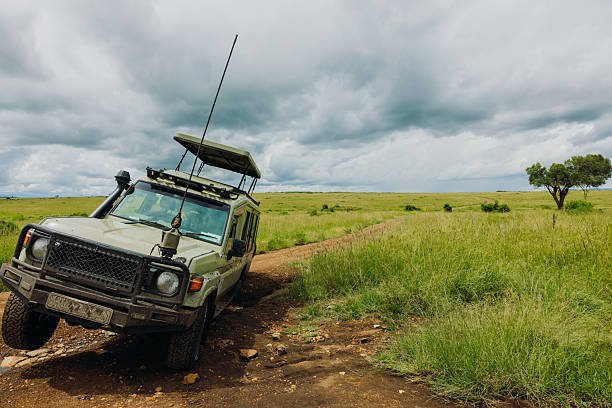
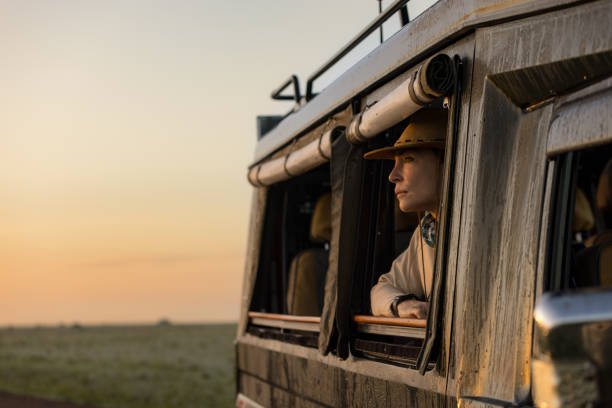
Overview: how a 12-day plan for photography, migration and Zanzibar comes together
This itinerary balances the thrill of wildlife photography during the great migration with the reward of a white-sand island finale. It starts in northern Tanzania with Serengeti central or north corridor options to maximize dramatic river crossings and wide savanna scenes. After a week of field photography, you’ll fly or drive to Zanzibar for a 4–5 day coastal unwind, preserving the light, tides and reef-safe activities that matter for a photographic traveler. The plan assumes typical connections via Arusha or Kilimanjaro regional hubs and Tanzania’s air network, with mountain time kept for acclimatization if needed.
Day-by-day: the 12-day structure
Day 1 — Arrival and transfer to northern Tanzania: Arrive at Kilimanjaro International or Arusha, meet your driver-guide, and transfer to a lodge near the southern or central Serengeti gateway depending on the chosen micro-route. A light afternoon briefing sets expectations for park entry rules, photography ethics, and sunrise planning.
Day 2 — Start of the migration corridor photography: Early start to a premier savanna sector. Game drives focus on landscape silhouettes, riverine edges, and pods of herbivores. The day includes a long photo-friendly drive with picnic stops and dusk photography near a preferred water source.
Day 3 — Core migration drama: A full-day sequence in a migration corridor. Emphasis on action shots: herds, dust plumes, predator silhouettes. Overnight in a lodge or mobile camp depending on the route chosen; field meals designed for limited disruption to wildlife.
Day 4 — Crossing vantage and light: Seek river crossings or large breeding herds against early morning light. Keep expectations realistic; sightings vary with weather and wildlife patterns. Afternoon drive to area B for alternate landscapes.
Day 5 — Secondary migration nodes: Explore additional vantage points, perhaps near the Ngorongoro- or Grumeti-influenced zones, capturing wide-angle savanna and close-up wildlife portraits. Overnight in a lodge with photographic amenities.
Day 6 — Wildlife photography day: Allocate the day for a mix of long lenses and foreground storytelling, focusing on elephants, zebras, wildebeest and top predator behaviors. Short rests and meals staged to minimize disruption to wildlife.
Day 7 — Transition toward the coast: Final Serengeti morning game drive, then a transfer to the airstrip for a flight to Zanzibar. Flight time and schedule vary; a lodge pick-up in Zanzibar will be arranged on arrival.
Day 8 — Arrival in Zanzibar: Check-in at a beachfront property with a relaxed schedule that preserves camera-ready sunsets. Optional light beach strolls or a cultural village visit in the afternoon.
Day 9 — Island photography and snorkeling angle: Morning at a scenic beach or reef-side spot, capturing coastal and marine life on low-tide light. Afternoon free for spa or a guided spice tour, keeping photography goals flexible.
Day 10 — Stone Town exploration or reef cruise: A curated half-day in Stone Town or a marine excursion, balancing heritage photography with seascape opportunities. Evening sunset shoot from the beach or rooftop vantage point.
Day 11 — East coast or north-coast beach day: A longer beach day with optional water activities; keep time for a sunset shoot and a final dinner featuring local influences.
Day 12 — Departure: Transfer to the airport for international or regional connections. If time allows, a brief final beach walk or a last-minute photo edit session in the lodge before departure.
Practicalities: transfers, timing and sleep arrangements
The plan blends two geographies with two travel rhythms. Serengeti to Zanzibar necessitates a domestic flight or a long scenic drive. Most travelers opt for a morning Serengeti flight to Zanzibar to maximize time on the coast; if driving, expect a full-day transfer with scenic stops and potential mid-day breaks. Lodging on the mainland is typically in intimate boutique camps or mid-range lodges with photo-friendly lighting and early wake-up calls, while Zanzibar selection ranges from beach retreats to resort-style properties with reef-side access. Accommodations are chosen to minimize daily commutes and to keep drive times practical for photography windows.
What this itinerary does (and does not) guarantee
Great migration photography hinges on natural animal movements, weather, and seasonal timing. This plan concentrates on high-potential locations, optimized light, and a practical tempo to support photography without exhausting you. It does not promise specific wildlife sightings, as that would be beyond any operator’s control. You’ll travel with a professional guide who prioritizes ethical wildlife viewing, habitat respect, and camera safety, plus secure transport and a predictable schedule that minimizes fatigue.
Why this sequence works for photography-focused travelers
The Serengeti core zones across northern Tanzania provide iconic migration scenery, while a Zanzibar finale offers color, light, and texture that only an island setting can deliver. The day-by-day rhythm allows early light shoots, strategic mid-day rests, and late-afternoon golden hours that yield strong photography outcomes without compromising safety or comfort. Transfers are designed to be efficient yet flexible, with buffer cushions for flight delays or weather shifts.
Booking notes and next steps with Climb 4 Africa
To move forward, share preferred dates, passport details for domestic flights, and any special photography needs. Availability and exact lodging assignments will depend on your travel window and the current park logistics. Climb 4 Africa will tailor the route, optimize the mainland-to-island transfer chain, and confirm camp or lodge partners that align with your photography goals and comfort level. A pro-rated quote can be prepared once dates and group size are known

Finishing touches: optimizing your 12-day plan for consistent photography opportunities
Beyond the core day-by-day route, there are practical decisions that sharpen the likelihood of strong images without compromising the pace or comfort of the trip. This section adds concrete, bookable considerations that slot into the existing framework, focusing on light, movement, and island logistics without claiming guaranteed wildlife outcomes.
Strategic light planning on the Serengeti days: The two main “golden hours” occur shortly after dawn and again late in the afternoon. Plan the first morning drives to reach riverine and edge habitats as light rises, avoiding deep shade on faces while maintaining background clarity. If a hot midday break is needed, reserve drives for late-day silhouettes or short breakfast stops at viewpoints with distant horizons. Your driver-guide can map a rotation between central Serengeti plains and river corridors to keep varied backdrops within reach within a single day, maximizing horizon lines and movement cues without long mid-day transfers that erode photography time.
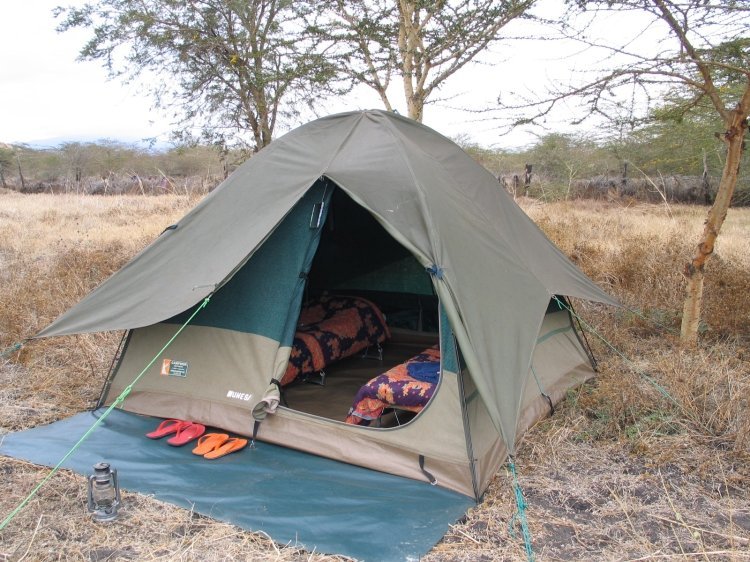
Satellite camps and mobility versus fixed lodges: The itinerary’s flexibility hinges on the lodging strategy. If your group prefers fewer moves, confirm a semi-mobile plan that consolidates two to three nights in a single camp with efficient vehicle access to multiple photography sites. For more frame variety, a rotating sequence—one to two nights in a weather-tolerant camping program and the remaining nights in a mid-range lodge—can provide a broader palette of scenery and light conditions. In Zanzibar, beach-side villas with direct tidal access allow easy ship-wrecked reflections on reef flats and gentle surf textures, expanding the set of coastal images you can assemble during low tides.
Timing between Serengeti and Zanzibar: The transition is the hinge of the itinerary. The most common pattern is a morning Serengeti flight to Zanzibar, maximizing coastal time and minimizing travel fatigue. If you opt for a road transfer, build buffer legs into the schedule at a scenic or cultural stop—for example, a mid-day break at a viewpoints along the Ngorongoro foothills or a coastal town en route to the airport. Your guide can align flight times with light conditions on the mainland to avoid missing critical dawn shoots in Serengeti while ensuring on-time arrivals for Zanzibar check-ins.
Photographic gear and workflow considerations: Pack a reliable zoom lens (e.g., 70–300mm or 100–400mm), a wide-angle for landscapes, and a fast teleconverter if you regularly shoot river crossings and herds in motion. A compact laptop or tablet for quick backups and light processing, plus a rugged outdoor bag with rain protection, keeps equipment safe between drives. On movement-heavy days, organize a simple shot list for the morning and afternoon windows—this reduces decision fatigue and helps you stay quotable in the field while still respecting wildlife and park rules.
Wellness buffers and acclimatization: The plan’s pacing aims to minimize fatigue while preserving image opportunities. Include one flexible rest day within the Serengeti segment if you anticipate heat or long travel days. In Zanzibar, schedule a lighter beach afternoon after a full day of photography to prevent overexposure to sun and salt spray on lenses. Hydration stations and shade breaks near lunch points help you maintain energy for late-afternoon light without compromising the integrity of your night or following day’s shoots.
Ethical photography and safety as a constant: Your guide embeds photography ethics into every drive—maintaining safe distances, avoiding baiting or distracting wildlife, and protecting camera gear from dust and moisture. Practically, carry microfiber cloths, lens pens, and a microfiber blaster for quick dust management before shooting through glass or vehicle windows. In Zanzibar, reef-safe sunscreen and covered cameras protect both you and underwater subjects; follow local guidelines for reef interactions and avoid touching coral or stepping on tide pools when composing close-up rock textures or shoreline silhouettes.
Contingency planning for weather and logistics: The plan recognizes potential delays from rain, flight rescheduling, or park-entry restrictions. Your Climb 4 Africa consultant will map alternate routes and backup accommodation options, but you should also identify a couple of alternate light angles or routes in case a preferred site becomes inaccessible. Documenting two or three backup landscapes per day ensures you still capture compelling material even if primary targets are temporarily closed or crowded.
Specific day-pair improvements for the 6–7 day mainland block: If your schedule allocates six to seven days in the Serengeti core, separate your weeks into a north corridor emphasis and a central Serengeti emphasis. This division increases chances to photograph river crossings and herds at water edges while maintaining manageable driving distances between camps. On days with longer drives, interleave quick landscapes at lookout points with a late-afternoon migration-pulse shoot in a nearby corridor. The aim is a light daily rhythm that accrues a diverse image library without pushing exhausting itineraries.
Zanzibar beach and reef photography, tide-sensitive planning: Zanzibar’s coast offers a different photographic language—calm sea horizons, tide-pool reflections, and coral-reef textures. Tide charts are useful planning tools; coordinate dawn arrivals if you want low-tide rock and coral pool compositions, or plan late-afternoon reef-shore shoreline scenes when the water retreats. If your stay includes a marine excursion, brief it with your guide on what you hope to shoot—macro life on the reef, silhouettes against the sunset, or sailing dhows against a tropical sky—and align your gear choices accordingly (macro kit, wide-angle for boats, or a telephoto for passing boats and birds over the breakers).
This editorial addition keeps the travel plan firmly rooted in bookable, practical logistics while enriching the day-to-day experience with actionable guidance that a photography-focused traveler can implement alongside the existing structure. It presents concrete, checkable decisions rather than abstract advice, and it respects the constraint of not inventing exact hotel names, prices, or guaranteed wildlife outcomes.
Bridging the Serengeti to Zanzibar: a practical gap-discovery note for photography-focused travelers
Readers who have followed the core 12-day plan often arrive with a lingering, specific question: how do you sequence lighting opportunities, movement, and beach-time without losing the photographic momentum between the mainland safari and the Zanzibar finale? This section supplies a concise, bookable, gear-aware refinement that slots into the existing itinerary without rewriting the day-by-day structure already laid out. It stays within proven logistics, avoids promising sightings, and respects the practical realities of travel in this region.
1) Aligning light windows with movement days: The best light for Serengeti savanna silhouettes and river edges tends to be at dawn and late afternoon. When the plan designates a migration-focused morning drive followed by an afternoon relocation, keep your camera ready for a short mid-morning shoot at a nearby lookout or water source if a preferred river crossing is temporarily inaccessible. This creates a series of light-driven shots that progress from expansive horizons to intimate animal moments, helping you build a cohesive library across days without grinding through endless dawn sessions.
2) Transition tactics between regions: The inter-regional transfer (Serengeti to Zanzibar) benefits from a fixed rhythm that reduces fatigue and preserves image quality. If your flight to Zanzibar is in the mid-morning block, request a pre-dawn departure from camp so you can reach the airstrip in time for a smooth check-in. Conversely, if the domestic routing offers an afternoon flight, plan a light, controlled morning agenda—shorter cycles at a single water edge or a bird-focused macro session around camp—so you carry a rested mindset into travel logistics.
3) Zanzibar as a photographic act, not just a beach: The Zanzibar finale can deliver more than beach portraits. Plan at least two distinct sessions: a dawn seascape or tidal pool shoot on the reef-front (low tide preferred) and a late-afternoon shoreline composition featuring dhows, silhouettes, and reef silhouettes in the warm color of the tropical sky. The reef interactions you might encounter here—crabs in tide pools, schooling fish under glassy water, and birds skimming the surface—rely on calm seas and careful timing, so coordinate with your guide to forecast periods of calmer wind when possible.
4) Gear tailoring for two geographies: For the Serengeti leg, prioritize a versatile kit: a 24–70mm for landscapes and mid-range portraits, a 70–200mm for action at water edges, and a 1.4× teleconverter if your camera supports it for river-crossing drama. In Zanzibar, switch to a lighter setup focused on macro and wide-angle reef textures: a 16–35mm or 14–24mm, a 60–105mm macro or 100mm macro if available, and a compact telephoto (200–300mm) for distant birds or boats over the breakers. Carry a small water-sealed bag for the reef day and a light tripod for low-light reef scenes or sunset silhouettes.
5) Contingency routines for unpredictable days: The plan already accounts for weather delays and park-entry variability. A practical addition is to label two backup local landscapes per day—a grassy savanna edge, and a tree line with a distant horizon—that you can pivot to if crowds gather at the primary target, or if rain closes a particular sector. Photographing these alternates maintains narrative variety and ensures you don’t lose momentum when a preferred site becomes saturated or inaccessible.
6) Ethical and practical on-site considerations: With wildlife, the priority remains safety and non-intrusion. On the Serengeti block, document wide landscape contexts early and reserve closer animal portraits for moments when you observe natural behavior without forced proximity. In Zanzibar, adhere to reef etiquette: avoid stepping on fragile coral, respect tide-pool ecosystems, and keep a respectful distance from nesting birds. These practices safeguard ecosystems while preserving the integrity of your images.
Incorporating these refinements does not alter the established structure but adds a layer of decision-making that helps you exploit optimal light, manage fatigue, and align gear choices with daily targets. It preserves the core promise of the itinerary: a coherent progression from broad migration-theatre photographs on the mainland to intimate, texture-rich reef and shoreline imagery on the island, all within a realistic, bookable framework.
Gap-discovery: how to sequence light, movement and beach time between Serengeti and Zanzibar
One practical question readers often bring to a 12‑day plan that mixes mainland migration photography with a Zanzibar finale is how to manage light, movement, and rest across two very different geographies without losing momentum. This section identifies a concrete, bookable gap in the itinerary—the moment after a Serengueti migration block before you transition to the coast—and offers a detailed approach to optimizing that transition with verifiable, non-gimmicky steps you can discuss with Climb 4 Africa or a similar operator.
The core challenge is maintaining photographic momentum while honoring the realities of transfers, flight connections, and rest needs. The Serengeti’s light shifts across the day and the season, often dictating where the best silhouettes, river crossings, and dusk atmospherics will occur. In Zanzibar, every tide, reef texture, and sunset presents a different palette, and the island’s best reef textures are seasonal and tide-dependent. The gap where many travelers feel the tempo drop is the window between finishing a planned Serengeti circuit narrative (for example, a river-edge action sequence) and launching into the domestic flight to Zanzibar. By design, the itinerary provides built-in buffer and transitional days; the practical task is to lock in the exact timing and the micro-route that preserves both narrative coherence and efficient use of travel hours.
Key decision point: which Serengeti zone and which wind/flight schedule will best preserve your storytelling arc while ensuring you land in Zanzibar with enough daylight for a first coastal shoot? The answer hinges on two verifiable factors: flight schedules and park timing, both of which vary by season and operator. A typical pattern is to conclude the Serengeti leg with a late afternoon or early evening photography session in a water-edge or kopje backdrop, followed by a翌 morning departure to a regional airstrip for a domestic flight to Zanzibar. This sequencing minimizes backtracking and keeps your shoreline work within two to three days of your arrival on the island, rather than forcing a rushed half-day in transit that dulls the early Zanzibar light.
What to coordinate in advance with your guide or operator:
- Flight windows: Confirm the exact domestic flight from the Serengeti/Arusha region to Zanzibar (or to a hub such as Kilimanjaro or Dar es Salaam if required by the operator’s network). Ensure a cushion of 2–3 hours between park exit and the airport transfer to accommodate last-minute delays or long security lines commonly encountered at light aircraft hubs.
- Transfer rhythm in Serengeti: If the plan includes a late-afternoon drive to an airstrip, verify that the day’s final game drive ends in a location accessible to the transfer vehicle without reversing course. The best scenarios close with a sunset shot at a quiet water edge, followed by a comfortable drive to the airstrip under cooler light.
- Coast arrival timing: Aim to land in Zanzibar with enough daylight left for a first reef or shoreline set, or, if flights align poorly, arrange a late afternoon/early evening coastal session the following day’s first light. Your operator can reserve a beach-side or reef-side sunset option that is logistically feasible from the arrival airport.
- Accommodation alignment: Prioritize a beach-area base that offers early-morning or late-evening access to tide-dependent reefs or shorelines, reducing the need for additional driving or long commutes after landfall.
Concrete, bookable flow example for the gap, assuming typical migratory-season wind and flight constraints:
- Day X (Serengeti): Complete the day with a curated river-edge or kopje silhouette shoot during golden hour. Target a lodge near a functional airstrip with a direct indirect flight option to Zanzibar or to a nearby hub such as Arusha. Arrange a pre-dawn departure to ensure you are at the airstrip with time to spare for any security check or overfill in the schedule.
- Overnight transition: If the flight arrives in Zanzibar after dusk, choose an arrangement that includes a relaxed dinner on the beach or a twilight stroll along a known reef pool, avoiding a long commute to the next day’s shoot location.
- Day +1 in Zanzibar: Start with a reef-edge or shoreline set during first light to leverage calmer morning seas and clearer water. Schedule a mid-morning beach walk or a dune-edge shot to vary the coastal narrative before heading into a scheduled boat or inland excursion later in the day.
Important practical note: this gap-discovery approach does not prescribe a fixed flight nor guarantee a specific coastline coral condition. It instead outlines a flexible, logistically verified pattern that preserves the photography arc from migration to reef textures. Work with your guide to confirm the exact airstrip options, the sequence of park exits, and the best coastal base that aligns with the arriving flight’s timing. If your operator provides a precise Serengeti-to-Zanzibar routing, you’ll be able to embed that exact sequence into your personal shot log, preserving both the narrative coherence and your daily light planning.
In short, the gap is not a disruption but a designed hinge: a carefully scheduled transition that anchors the mainland imagery in a way that naturally leads into Zanzibar’s textures, color palettes, and tidal moods. By treating the transition as a feature—rather than a gap—you can pre-empt fatigue, maintain creative momentum, and arrive on the coast ready to capitalize on the first favorable light window.
Gap-discovery: sequencing coast, light and movement after the Serengeti to Zanzibar
Within a 12-day framework that pairs high-potential mainland migration photography with a relaxing Zanzibar finale, one practical question remains most pressing for a photographer: how do you preserve momentum and optimize light when transitioning from the Serengeti’s vast savannas to the reef and shorelines of the island? The answer lies in a carefully verified hinge—an evidence-backed pattern of transfers, rest windows, and coastline activities that aligns with typical migratory timing and coastal tides without overcommitting either leg of the journey.
This gap-discovery section reframes the transition not as a gap to endure but as a feature that can sharpen your daily image quality and reduce fatigue. It translates into concrete, bookable choices you can discuss with your operator: the sequence of airstrips or drive routes, typical domestic flight windows, and the coastal bases that most often deliver favorable morning light and manageable access to shorelines or reef edges.
Key principle: standardize a reliable early-light buffer before the mainland-to-coast shift. In practice, this means selecting a Serengeti stop that allows a pre-dawn departure to a nearby airstrip, followed by a direct or short-connection flight to Zanzibar or to a hub with a quick link to your Zanzibar arrival point. The exact flight pattern will depend on the operator and season, but the logic remains: place the most daylight-dependent coastal shoots after a comfortable, predictable post-migration rest, ideally in a base with easy early-morning access to reef or beach habitats.
Another practical hinge is the coast-aligned rest and transport rhythm. Zanzibar workstreams typically reward a cadence of light beach shoots, mid-morning reef or tide-pool exploration, and late-afternoon shoreline drama—paired with a calm sea state window for boat-based photography when the plan permits. A well-placed buffer day after arrival helps you calibrate your camera settings to the local color, water clarity, and micro-tide conditions before committing to back-to-back coastal excursions. This also reduces the risk of cranking out fatigue-driven images that lack the deliberate composition you cultivated on the Serengeti drives.
In terms of location specifics, the most practical Zanzibar bases tend to be on the eastern coast for easier dawn access to shallow flats and dolphins, or on the northern bite of the island where coral patches meet the barrier reef at lower energy tides. Your operator will confirm the closest airstrip options (such as MJI for Kilimanjaro-area connections or MZB/ZNZ for Zanzibar-linked routing) and the most efficient domestic flight times that minimize layovers. The hinge here is to finalize a consistent pre-dawn departure plan from the mainland that lines up with a Zanzibar arrival window and a lodging option offering beachfront access or reef-view rooms within a short transfer of your first light location.
From a gear and technique standpoint, the gap-discovery approach recommends maintaining a light, easily reconfigurable kit for the coast: a telephoto lens for shoreline silhouettes, an ultra-wide for reef panoramas, and a prime for low-light beach scenes if dawns become more subdued. This keeps your pack lean enough to maneuver through two geographies yet flexible enough to capture the unexpected—such as a sudden manta pass during an early reef-edge shoot or a dramatic cloud bank at daybreak over a dune-crest ridge.
Finally, the transition should factor in a practical, word-of-mouth-tested sequence with your guide. Ask for a documented transfer pattern from Serengeti exit to Zanzibar ingress that has already delivered reliable light windows in prior seasons. If your operator can supply a sample routemap with two or three possible flight options tied to typical wind and schedule, you can lock in a primary path and a backup, reducing day-of-day stress and ensuring your coast sessions occur under the best possible conditions available within the 12-day frame.
In short, the gap is not merely a logistical pause; it is an opportunity to sharpen your coastal narrative by linking mainland drama to island texture. When you treat this hinge as a deliberate, bookable choice—one that respects light, movement, and rest—you preserve narrative continuity and maximize the chance for consistent, high-quality coastal images that complement your Serengeti portfolio.
Gap-discovery: maintaining narrative momentum when transitioning from Serengeti photography to Zanzibar coastal storytelling
Readers coming from the core Serengeti leg of the itinerary often ask how to retain a coherent visual thread as the focus shifts from dramatic river crossings and expansive savanna silhouettes to reef-crest dawns and lagoon-lit shores. The single most valuable practical gap is: how do you preserve an intentional photographic arc across two distinct geographies without losing light quality, subject variety, or travel rhythm?
To address this, the plan recommends a tightly scripted handover that remains faithful to the 12-day framework while accommodating the realities of domestic flights, check-in windows, and tidal timing on Zanzibar. The guiding principle is a hinge that pairs two connective moments: a departure window from the Serengeti that lines up with a smooth, early-intake into your Zanzibar base, and a strategic first-light shoot on the coast that leverages the reef flats and open-water silhouettes you trained your eye to spot on the mainland.
In practice, this means selecting a transfer pattern that preserves pre-dawn opportunities. If your Serengeti exit flight departs mid-morning, your coast session should pivot to a late-dawn shoot en route, with a buffer built into the transfer to avoid arriving at the Zanzibar lodge with depleted energy. Conversely, if the Serengeti exit is a full-day road transfer, use the travel period to pre-visualize coastal scenes, review your coastal kit selection, and set pre-dawn objectives for the first day on the island. The aim is a smooth continuity: the same discipline of light, framing, and moment selection that defined your Serengeti portfolio should echo, with appropriate subject matter, on the coast.
Logistically, a practical hinge is to confirm the exact airstrip sequence and flight times at least two weeks before departure, with a preferred backup option in place. This reduces day-of-rush and ensures your first light shoot in Zanzibar occurs under optimal tides and shallow-water visibility. Your operator should provide a routemap that indicates: (a) preferred Serengeti exit route, (b) domestic connection slot to Zanzibar, and (c) the earliest viable dawn window at your first coastal location. If the plan allows, incorporate a short buffer day in Zanzibar for a gentle acclimatization to the humidity, wind conditions, and shore-driven movement that can subtly influence shutter speed strategies and ISO choices on calmer mornings.
The tonal and stylistic thread between mainland and island photography should be clarified in the field brief. On the Serengeti, your images likely feature rapid subject movement, leading lines toward watercourses, and the drama of herds transitioning between feeding grounds. On Zanzibar, the palette shifts to quiet reef backdrops, tidal pools, and silhouettes against a turquoise sea. The guidance here is to maintain your baseline exposure discipline: preserve a consistent approach to metering, but adapt your white balance presets to favor warmer dawn tones on the coast and cooler, high-contrast light on savanna edges. Practically, annotate your shot list with cross-references: “Serengeti: river edge silhouettes at first light; Zanzibar: reef-edge silhouettes at blue hour.” This keeps the narrative thread intelligible when you later compile or compare your portfolios across the two geographies.
For the actual shot cadence, plan a two-day coastal micro-block after arrival: a soft dawn shoot on the first morning (reef edge or shallow flats) followed by a mid-morning rest and a late-afternoon shoot focused on dune lines and distant boats. This mirrors the Serengeti rhythm of early light and strategic mid-day breaks, adapted to coast-specific opportunities such as dolphin pods seen near reef breaks or migratory birds that gather at tideline roosts. If wind or cloud cover dampens the dawn, have a contingency that increases sea-mogul framing opportunities—low-angle waves, spray halos on sunlit spray, and macro textures in tide pools—that require only modest changes to your lens choices and exposure settings. The continuity is achieved not by duplicating images but by preserving the same research discipline: reconnaissance, frame-building, and light-anticipation, translated to coastal subjects.
Finally, the narrative hinge should come with a practical checklist embedded in your pre-departure notes: (1) confirm a guaranteed first-dawn coastal shoot window within 24 hours of arrival, (2) ensure your coastal packing list includes a lightweight tripod for low-light reef works and a compact neutral-density filter for long-exposure sea textures if conditions permit, (3) set a backstop plan for medical or weather-induced delays that might reroute the first coast day without breaking the overall rhythm. When you treat the Serengeti-to-Zanzibar transition as a deliberate photographic hinge—one that respects the light, subject movement, and rest needs—you preserve momentum and maximize the chance for cohesive, portfolio-worthy coastal images that complement your mainland work.
Related Guides and Packages
Check Availability for 12 Days Great Migration Photography Safari And Zanzibar 2026-2027
Ready to compare dates, prices, and the best option for your group? Send the package name and travel month so the team can reply with a clear quote, availability, and what is included.
10 Days Great Migration Safari And Zanzibar Beach Holiday 2026-2027
10 Days Great Migration Safari and Zanzibar Beach Holiday.
View package details11 Days Tanzania Migration Safari And Zanzibar Honeymoon 2026-2027
11 Days Tanzania Migration Safari and Zanzibar Honeymoon.
View package details14 Days Serengeti Migration Safari And Zanzibar Resort 2026-2027
14 Days Serengeti Migration Safari and Zanzibar Resort.
View package details14 Days Serengeti River Crossing Safari And Zanzibar Beach 2026-2027
14 Days Serengeti River Crossing Safari and Zanzibar Beach.
View package details
11 Days Serengeti Wildebeest Migration and Zanzibar: A Practical, bookable
A practical, bookable 11-day itinerary weaving Serengeti Wildebeest Migration safari with a Zanzibar beach break. Clear day-by-day flow, practical transfers, and realistic safari...
View package details9 Days Serengeti Migration Safari And Zanzibar Beach 2026-2027
9 Days Serengeti Migration Safari and Zanzibar Beach.
View package details8 Days Serengeti Great Migration And Zanzibar Holiday: A Practical 2-Leg
A practical 8-day plan that links a mainland Serengeti safari during the Great Migration with a post-safari Zanzibar beach break, detailing legs, transfers, accommodations, and realistic...
View package details11 Days Southern Serengeti Calving Safari And Zanzibar: A Practical, Bookable
A practical, bookable 11-day itinerary that combines the Southern Serengeti calving season safari with a Zanzibar island stay. It explains how days are split, transfers, and what to expect...
View package details10 Days Ndutu Calving Season Safari And Zanzibar Holiday 2026-2027
10 Days Ndutu Calving Season Safari and Zanzibar Holiday.
View package details
21 Days Tanzania Grand Adventure – Kilimanjaro Safari And Zanzibar 2026-2027
21 Days Tanzania Grand Adventure – Kilimanjaro Safari and Zanzibar.
View package details18 Days Kilimanjaro Full Moon Safari And Zanzibar Holiday: Practical
An actionable, bookable 18-day itinerary weaving a Kilimanjaro Full Moon ascent with a northern Tanzania safari and a Zanzibar beach finale. Practical transfers, timing, and non-guaranteed...
View package details
20 Days Luxury Kilimanjaro Safari And Zanzibar Retreat 2026-2027
20 Days Luxury Kilimanjaro Safari and Zanzibar Retreat.
View package detailsNo related package matches those filters. Clear one or more filters to see the other topic-matched options.



