
When you start researching a Tanzania safari, the Serengeti National Park and the Ngorongoro Crater are almost always the primary targets. They are the twin pillars of the Northern Circuit. If you are looking for a group safari that includes both, you are in the right place, as this is the most common and requested route for travelers visiting Tanzania. However, the exact itinerary, the pace of travel, and the number of days you spend in each park can vary significantly depending on which package you select.
Most group safaris that feature these two locations are designed to be efficient. Because the Serengeti is vast and the Ngorongoro Crater is a concentrated wildlife haven, operators group them together to give you the best “Big Five” viewing opportunities in a single trip. The core decision you need to make isn’t whether they are included—it is about how much time you want to spend in each and what your preferred travel style is.
Why the Serengeti and Ngorongoro Pairing is the Standard
The synergy between the Serengeti and Ngorongoro is practical. The Ngorongoro Conservation Area acts as the gateway to the Serengeti. When you depart from Arusha or Moshi, you typically drive through the Ngorongoro Highlands before descending into the vast plains of the Serengeti. This geographic reality makes it the most logical route for any group safari.
When you join a group safari that covers both, you are typically paying for a shared 4×4 Land Cruiser, a professional driver-guide, park fees, and accommodation. The “group” aspect means that the fixed costs—vehicle fuel, guide salary, and vehicle maintenance—are split among the passengers. This is why these specific tours are often the most affordable way to see these two parks.
The 3-Day vs. 4-Day Dilemma
Travelers often ask: “Is 3 days enough for Serengeti and Ngorongoro?” The answer depends entirely on your travel goals. A 3-day safari is a high-intensity, “see-it-all-fast” experience. You spend less time driving and more time on game drives, but it can be exhausting. You arrive in the Serengeti, spend a night, and then head to the Crater the next day.
If you want a slightly more comfortable experience, a 4-day group safari is generally the recommended sweet spot. It allows you to spend two nights in or near the Serengeti, which reduces the amount of time you spend inside the vehicle on a single day. You can view our 3-day Christmas group safari as an example of how short-term tours are structured, or compare it to our longer options if you prefer a slower pace.
Understanding the Group Joining Process
Joining a group safari is not like booking a seat on a bus. It requires coordination. When you inquire about a group safari, we aren’t just selling you a ticket; we are confirming that there are enough other people interested in the same dates to make the vehicle operational.
Most group safaris require a minimum number of participants to confirm the departure. If you are a solo traveler or a couple, you will be added to a “joining group.” This means you might meet people from all over the world. The vehicle is shared, but the experience in the park is personal—you will have your own seat, and the driver-guide will ensure everyone gets a good view.
If you are looking for specific departures, you can always check our list of group departures. We maintain these based on interest and seasonal demand. If you don’t see the exact dates you need, it does not mean the trip isn’t possible—it just means we may need to build a group around your preferred window.
Who Should Join a Group Safari?
Group safaris are ideal for:
- Solo travelers who want to share the cost of the vehicle and guide.
- Couples who prefer the social aspect of meeting other travelers.
- Budget-conscious travelers who still want a high-quality experience with a licensed operator.
If you are traveling with a group of 4 or more, you might find that the price difference between a private safari and a group safari is negligible. In that case, a private safari offers more flexibility in terms of timing and stops. You can read more about the difference in our guide on joining a Tanzania safari group.
Comparing Your Itinerary Options
Not all Serengeti and Ngorongoro group safaris are created equal. Some focus strictly on these two parks, while others add Tarangire or Lake Manyara. Below is a breakdown of how these durations typically impact your itinerary:
| Duration | Best For | Key Feature |
|---|---|---|
| 3 Days | Short-stay visitors, tight budgets | Intense, fast-paced; minimal downtime. |
| 4 Days | Balanced experience | Allows for more game viewing in Serengeti. |
| 5-6 Days | In-depth exploration | Includes Tarangire/Manyara; less rushed. |
If you have the time, we often recommend the 6-day option, such as our 6-day group safari. Adding Tarangire National Park provides a completely different landscape—famous for its massive baobab trees and large elephant herds—which complements the plains of the Serengeti perfectly.
Logistics: Where Do You Start?
Most of our group safaris depart from Arusha or Moshi. If you are flying into Kilimanjaro International Airport (JRO), we typically arrange a transfer to your hotel in Moshi or Arusha the night before the safari begins. This is critical because safaris start early—often by 7:30 AM or 8:00 AM—to ensure we reach the park gates before the heat of the day.
If you are arriving from Zanzibar, you will need to book a domestic flight to Arusha Airport (ARK) or Kilimanjaro (JRO) the day before the safari starts. Do not attempt to fly in on the morning of your departure; delays are common, and missing the group departure window is a risk you want to avoid. We have specific logistics for those joining from Zanzibar that we can help you coordinate.
What to Pack for Your Group Safari
Because you are sharing a vehicle, space is at a premium. We strongly advise using soft-sided duffel bags rather than hard-shell suitcases. Hard luggage is difficult to pack into the trunk of a Land Cruiser alongside the bags of other group members. Keep your daily essentials (camera, binoculars, sunscreen, water) in a small daypack that stays with you in the cabin.
Planning for 2026 and 2027
We are currently accepting inquiries for 2026 and 2027. The best time to book is at least 3 to 6 months in advance, especially if you have specific travel dates. Popular times, such as the Great Migration season (roughly June through September) and the Christmas/New Year period, fill up quickly.
If you are looking for a trip during a specific event, like our safari during AFCON 2027, you should contact us as soon as your dates are firm. These specialized departures often have limited seats and are based on group interest.
How to Request a Quote
When you are ready to move forward, the process is straightforward. We don’t believe in automated checkout systems for safaris because every group is unique. To get a confirmed spot, send us the following details:
- Your preferred travel dates (or a range).
- The number of people in your party.
- Your preferred level of accommodation (budget camping vs. mid-range lodge).
- Any specific interests (e.g., photography, bird watching, migration tracking).
You can reach out to us directly via WhatsApp at +255 747 477 898 or email us at climb4africa@gmail.com. If you don’t hear back immediately, please try our backup email: info@climb-4-africa.com.
Frequently Asked Questions
Can I choose my own accommodation on a group safari?
Generally, no. The accommodation is part of the package to keep costs controlled and logistics simple. However, if you have specific requirements or want a private upgrade, let us know when you book. We can sometimes arrange private tents or lodge upgrades if the group agrees or if we can manage the logistics.
What happens if the group doesn’t fill up?
This is a common concern. If a group does not reach the minimum number of participants, we will usually offer you a few options: join a different group on a nearby date, upgrade to a private safari (which will have a different price), or receive a full refund of your deposit. We are transparent about this process from the start.
Is the Ngorongoro Crater fee included?
Yes, all our group safari packages include the mandatory Ngorongoro Crater entry fees and conservation levies. We handle all the permits and gate entries so you don’t have to worry about paperwork on the day of the drive.
Do I need to tip the guide?
Tipping is customary in Tanzania, but it is not mandatory. It is a way to show appreciation for a job well done. If you are part of a group, you can discuss tipping as a collective at the end of the trip, or tip individually based on your experience.
Choosing the right safari is about finding the balance between your budget and your expectations. Whether you choose a quick 3-day adventure or a more relaxed 6-day journey, the Serengeti and Ngorongoro combination remains the definitive Tanzania experience. Reach out to us today to discuss which group departure fits your 2026 or 2027 travel calendar.
“,
“faq_schema”: [
{
“question”: “Can I choose my own accommodation on a group safari?”,
“answer”: “Generally, no. The accommodation is part of the package to keep costs controlled and logistics simple. However, if you have specific requirements or want a private upgrade, let us know when you book.”
},
{
“question”: “What happens if the group doesn’t fill up?
Navigating Group Dynamics and Vehicle Comfort
When you book a group safari, your vehicle becomes your temporary home for several hours a day. While the Serengeti and Ngorongoro are the stars of the show, your daily experience is heavily influenced by the dynamics inside your shared 4×4 Land Cruiser. Understanding how these groups function before you depart can significantly reduce stress and enhance your enjoyment of the wildlife.
The most critical aspect of the shared vehicle experience is the “pop-up roof.” This feature is essential for game viewing, allowing you to stand up and see over the tall savanna grasses. In a group setting, this space is communal. The unwritten rule of the safari is patience; when the driver spots a pride of lions or a leopard in a tree, everyone wants to see. It is vital to take turns at the roof hatch. If you are a photographer with a large lens, be mindful of your group members who may just be using their smartphones. Avoid monopolizing the best viewing angle for extended periods, as this is the quickest way to create friction within the group.
To ensure fairness, many professional operators implement a daily seat rotation policy. Because the Land Cruiser has different window seats and middle seats, sitting in the same spot for the entire duration of a 4-day trip can lead to frustration. Ask your operator or your driver-guide on the first morning if a rotation schedule is in place. If not, it is perfectly acceptable to politely suggest one. Rotating seats ensures that everyone gets an equal opportunity for window-side photography and unobstructed views of the landscape.
Managing social expectations is equally important. You will be sharing a confined space with strangers for long stretches of time. While group safaris are a fantastic way to meet like-minded travelers, you are not obligated to be the life of the party every moment. If you are an introvert or simply exhausted after a long day of game viewing, it is perfectly acceptable to use noise-canceling headphones or read a book during transit between parks. Conversely, if you are looking for social interaction, the shared meal times at the lodges or campsites are the best moments to engage, rather than during the quiet, focused hours of a game drive when the engine is off and everyone is listening for the rustle of grass.
Finally, consider the logistics of power and connectivity. While modern safari vehicles are increasingly equipped with charging ports, these are often limited. Do not rely on the vehicle to charge multiple high-drain devices like camera batteries, laptops, and phones simultaneously. Bring a portable power bank and ensure your camera batteries are fully charged the night before at your accommodation. By managing these small, practical details, you ensure that your focus remains on the wildlife rather than on the frustrations of shared travel.
Check Availability for Which Tanzania Group Safari Includes Serengeti And Ngorongoro?
Ready to compare dates, prices, and the best option for your group? Send the package name and travel month so the team can reply with a clear quote, availability, and what is included.
Which Tanzania Group Safari Includes All Northern Circuit Parks? A Planning
Planning a Northern Circuit safari often leads to the question of 'how many parks can I fit in?' We explore the reality of group joining itineraries that aim to cover Tarangire, Lake...
View package details3 Day Serengeti And Ngorongoro Group Safari: Planning For December 4,
A detailed guide on planning a 3-day group safari to the Serengeti and Ngorongoro Crater for December 4, 2026, covering route expectations, group logistics, and essential planning steps.
View package details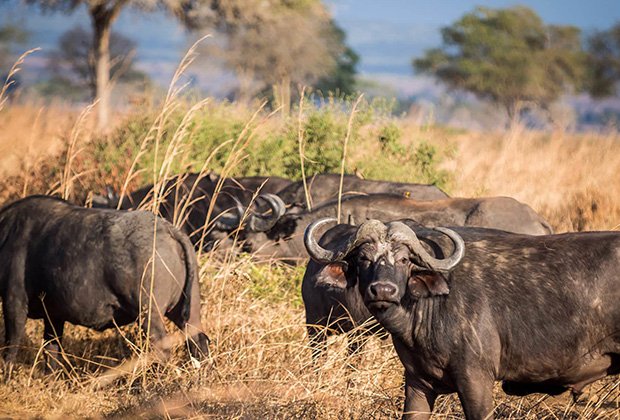
Dec 24, – 3 Day Christmas Serengeti And Ngorongoro Group Safari
Dec 24, 2026 – 3 Day Christmas Serengeti and Ngorongoro Group Safari.
View package details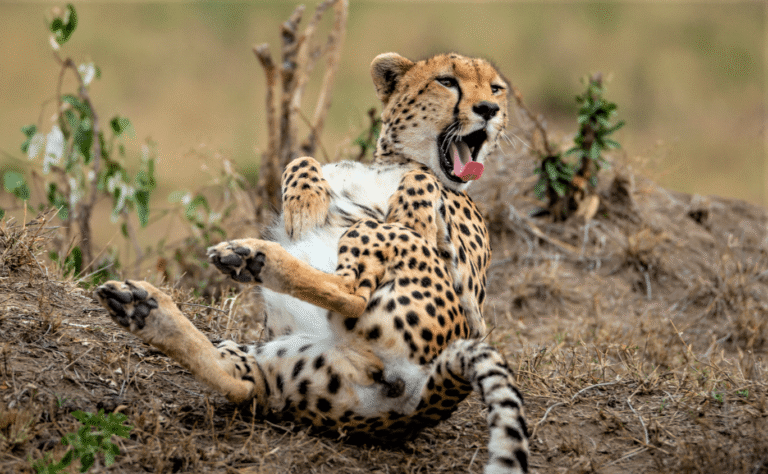
Dec 29, – 6 Day Ndutu, Serengeti And Ngorongoro Group Safari 2026
A detailed guide to our 6-day group safari departure on December 29, 2026, focusing on the Ndutu plains, the Serengeti, and the Ngorongoro Crater.
View package details8 Day Serengeti And Ngorongoro Group Safari – December 16, 2026
Planning your December 2026 Tanzanian adventure? Our 8-day group safari offers a deep, unhurried exploration of the Serengeti and Ngorongoro Crater.
View package details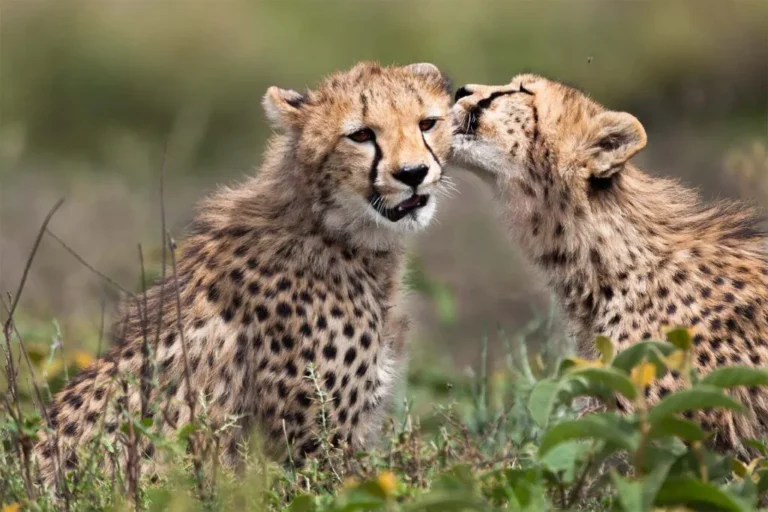
Dec 12, – 6 Day Serengeti, Ngorongoro, Tarangire And Manyara Group Safari 2026
Dec 12, 2026 – 6 Day Serengeti, Ngorongoro, Tarangire and Manyara Group Safari.
View package detailsDec 8, – 4 Day Tarangire, Serengeti And Ngorongoro Group Safari 2026
A detailed guide to our December 8, 2026 group joining safari, covering the itinerary, logistics, and what to expect during this 4-day wildlife adventure in Tanzania.
View package details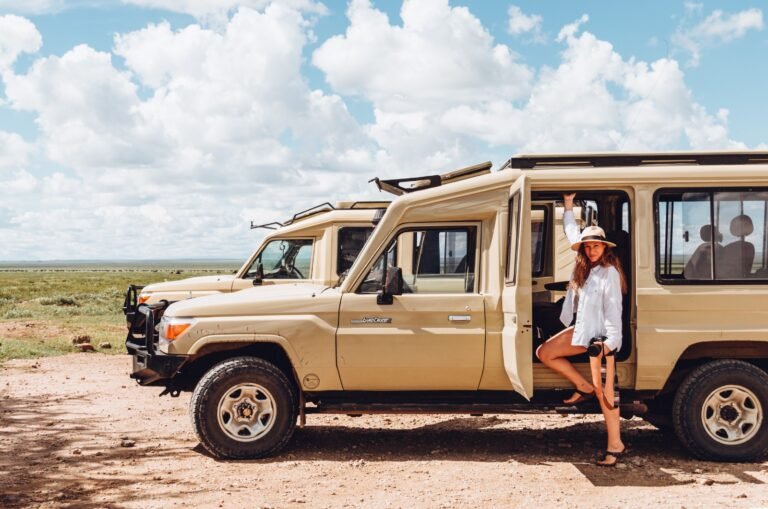
Nov 6, – 3 Day Serengeti And Ngorongoro Budget Group Safari 2026
A detailed look at our November 6, 2026 group departure for a 3-day Serengeti and Ngorongoro safari, including planning tips and route logistics.
View package detailsOct 27, – 3 Day Serengeti And Ngorongoro Group Safari 2026
Planning for a short, high-impact wildlife adventure? Our October 27, 2026, group safari offers a direct route through the Serengeti and Ngorongoro Crater, perfect for travelers with...
View package detailsNov 18, – 7 Day Serengeti And Ngorongoro Group Joining Safari 2026
A detailed guide to the 7-day group joining safari departing November 18, 2026, covering Serengeti, Ngorongoro, and the logistical advantages of shared travel.
View package detailsNov 10, – 4 Day Serengeti, Ngorongoro And Tarangire Group Safari 2026
Join our group safari on November 10, 2026, for an intensive 4-day tour of Tanzania's Northern Circuit. Perfect for those with limited time who want to experience the best of the Serengeti...
View package detailsOct 31, – 6 Day Serengeti, Ngorongoro, Tarangire And Manyara Group Safari 2026
A detailed look at the 6-day Northern Circuit group safari departing October 31, 2026, covering Tarangire, Manyara, Serengeti, and Ngorongoro Crater.
View package detailsNo related package matches those filters. Clear one or more filters to see the other topic-matched options.



