
The November 14, 2026, 5-Day Tanzania Lodge Group Joining Safari is a scheduled, shared-cost expedition through Tanzania’s Northern Circuit, designed for travelers who prefer the comfort of lodge accommodations over camping. This itinerary focuses on three major wildlife hubs—Tarangire National Park, the Serengeti, and the Ngorongoro Crater—offering a streamlined, efficient route that minimizes transit time while maximizing game viewing opportunities during the mid-November season.
When selecting a safari format, the choice between a private tour and a group joining safari often comes down to budget, social preference, and the trade-off between flexibility and cost-sharing. A group joining safari for November 14, 2026, allows you to share the vehicle, fuel, and guide costs with other travelers, making the luxury of lodge accommodation accessible without the price tag of a private charter.
Why Choose a Lodge Safari in November
November in Tanzania is often referred to as the “short rains” season. While the term might sound intimidating, the reality on the ground is quite different. The landscape begins to transform from the dry, dusty browns of the previous months into vibrant shades of green. This transition is excellent for photography, as the skies are often dramatic, the dust settles, and the migratory birds begin to arrive.
Choosing a lodge safari over a camping safari during this period provides a specific advantage: comfort. While camping is an authentic experience, the short rains can bring unpredictable evening showers. Staying in permanent lodges ensures you have solid walls, hot showers, comfortable beds, and a reliable dining area regardless of the weather. For many travelers, this extra layer of comfort makes the 5-day duration much more enjoyable, allowing you to focus entirely on the game drives.
Itinerary Breakdown: The 5-Day Northern Circuit
This 5-day route is carefully paced. It is designed to hit the “Big Three” parks without rushing you through them. While specific lodge assignments depend on availability at the time of your booking, the route logistics remain consistent.
Day 1: Arrival and Tarangire National Park
Your journey begins with a departure from Arusha. We head straight to Tarangire National Park, famous for its massive elephant herds and iconic baobab trees. In November, wildlife is often drawn to the Tarangire River, making it an excellent time to spot predators and prey congregating near the water. You will spend your first night at a lodge near or inside the park, allowing you to wake up to the sounds of the African bush.
Day 2: Journey to the Serengeti Plains
We depart early, driving through the Ngorongoro Conservation Area. The drive itself is a highlight, offering impressive views of the crater rim. As you descend into the vast plains of the Serengeti National Park, the landscape opens up dramatically. Afternoon game viewing focuses on the central Serengeti, home to resident big cats and incredible rocky outcrops known as kopjes.
Day 3: Full Day in the Serengeti
A full day in the Serengeti is essential. This is your best opportunity to track lions, leopards, and cheetahs. Because you are in a group-joining vehicle, your driver-guide will be in constant communication with other guides in the area to locate wildlife sightings. You will return to your lodge in the evening for a well-deserved dinner and rest.
Day 4: The Ngorongoro Crater
After a morning game drive in the Serengeti, you will head toward the Ngorongoro Conservation Area. On the morning of Day 4, you will descend into the Ngorongoro Crater floor. This is a unique ecosystem, a caldera teeming with wildlife. It is one of the few places in East Africa where you have a very high probability of spotting the endangered black rhino in a single day. You will spend the night at a lodge on the crater rim or in the nearby Karatu area.
Day 5: Cultural Interaction and Return
On your final day, we often include a stop at Mto wa Mbu village. This is an opportunity to see a different side of Tanzania—local markets, banana plantations, and perhaps a chance to taste authentic Tanzanian food. Afterward, we make the drive back to Arusha, arriving by late afternoon. This timing is designed to accommodate travelers who might have evening flights or are continuing their journey to Zanzibar.
Group Joining Logistics and Decision Factors
Understanding how a group joining safari works is vital for a smooth experience. Unlike a private safari, where you dictate the pace and stop times, a group tour requires a degree of cooperation. You are sharing the vehicle with fellow travelers who may have different photographic interests or energy levels.
Key considerations for group travelers:
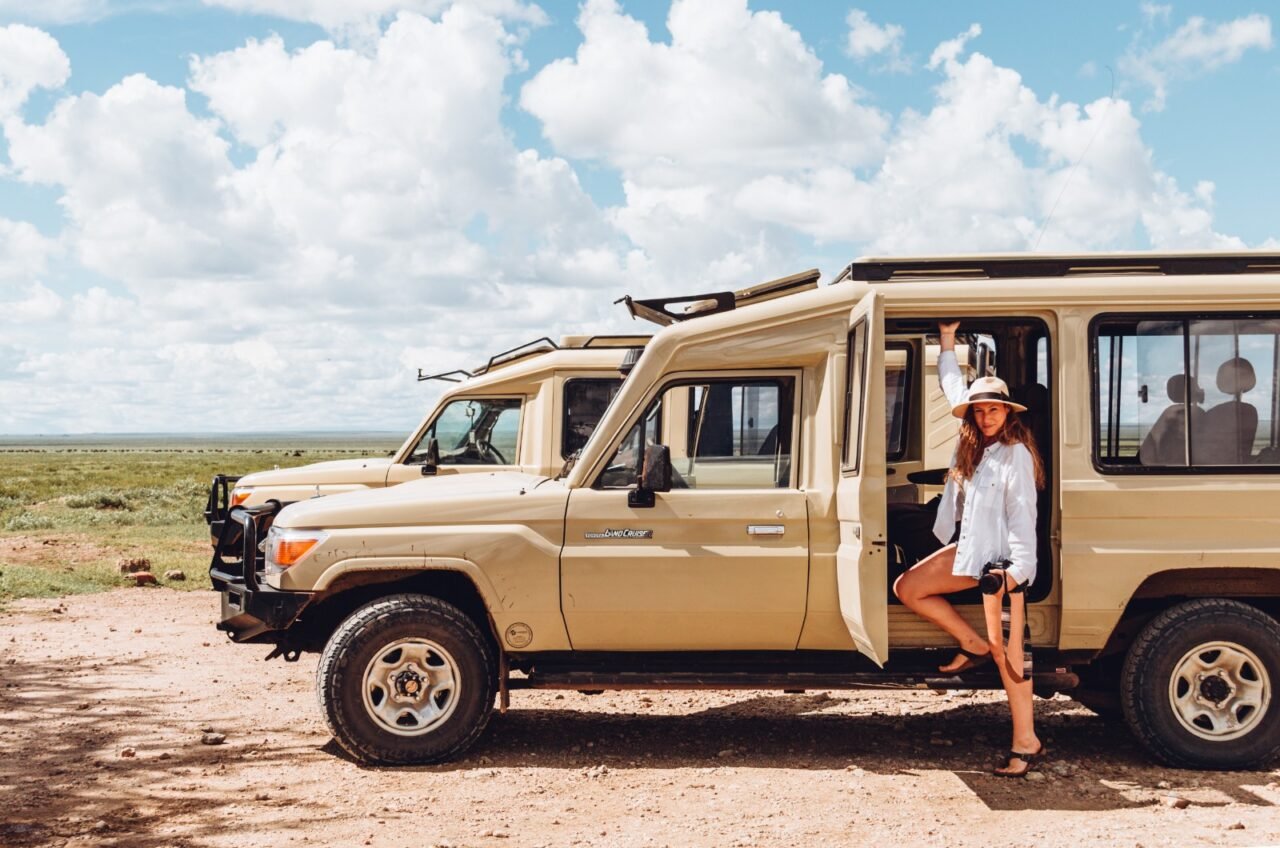
- Vehicle Capacity: Our safari vehicles are typically 4×4 Land Cruisers with pop-up roofs, designed for optimal wildlife viewing. In a group setting, we ensure everyone has a window seat to guarantee equal viewing opportunities.
- Departure Dates: The November 14 departure is fixed. If this date does not fit your schedule, please check our full list of Tanzania group departures for alternatives.
- Flexibility: The itinerary is set to accommodate the group. While the guide will do their best to balance everyone’s interests, the route is planned to maximize efficiency for the majority.
- Cost-Sharing: The primary benefit is the reduction in cost. You pay for your seat, not the entire vehicle, which is the most economical way to experience a high-quality lodge safari.
If you are traveling solo or as a couple, this format is often superior to a private trip because it provides a built-in social environment. Many of our past guests have formed lasting friendships during these 5-day expeditions.
Comparing Lodge vs. Camping Safaris
If you are still debating between a lodge safari and a budget camping option, consider the following comparison. This can help you determine if the November 14 lodge departure is the right fit for your travel style.
| Feature | Lodge Safari | Camping Safari |
|---|---|---|
| Accommodation | Permanent structures, beds, en-suite bathrooms | Tents with sleeping bags and foam mattresses |
| Facilities | Hot showers, electricity, dining halls | Shared camp ablutions, basic kitchen facilities |
| Atmosphere | Relaxed, private space, comfortable | Adventurous, communal, “under the stars” feel |
| Suitability | Couples, families, those wanting comfort | Budget backpackers, adventure seekers |
For more details on the alternative, you can review our November 12, 2026, 5-Day Budget Camping Safari to see if that aligns better with your preferences.
Preparing for Your Safari
Preparation is key to a successful 5-day trip. Since this is a group tour, we recommend finalizing your bookings at least 3–4 months in advance. November is a popular month for savvy travelers who want to avoid the peak season crowds while still enjoying excellent game viewing.
Essential Planning Checklist:
- Visas: Check your visa requirements for Tanzania well in advance. Most nationalities can obtain an e-visa online.
- Packing: Pack light. Soft-sided bags are preferred for safari vehicles. Include layers—mornings can be cool, even in November, while afternoons are warm.
- Tipping: Tipping is customary in Tanzania. While it is discretionary, planning to tip your driver-guide and lodge staff is part of the local travel etiquette.
- Communication: Your driver-guide will be your primary point of contact. Ensure you have the operator’s emergency numbers saved before you depart.
Why Choose Climb 4 Africa?
Climb 4 Africa specializes in providing practical, local support for travelers in Tanzania. We are not just an online agency; we are a locally grounded operator with deep knowledge of the Northern Circuit. When you book a group joining safari with us, you are supported by a team that manages the logistics, vehicle maintenance, and guide selection on the ground.
Our goal is to ensure that your 5-day safari is not just a series of game drives, but a well-managed experience. We handle the park fees, the lodge reservations, and the vehicle coordination so you can focus on the wildlife.
Booking Your Spot
If the November 14, 2026, date aligns with your travel plans, we recommend securing your spot early. Because group sizes are limited to ensure vehicle comfort, these departures can fill up. To initiate a booking or to get a custom quote for your specific travel group size, please reach out to us directly.
You can contact our team via WhatsApp at +255 747 477 898 or email us at climb4africa@gmail.com. If you require a secondary point of contact, you can also reach us at info@climb-4-africa.com. When you inquire, please let us know your preferred travel dates, the number of people in your party, and any specific interests you have regarding the wildlife or the lodges. We are here to help you plan your Northern Circuit adventure with confidence.
For those interested in extending their trip, we also offer Kilimanjaro and Serengeti Safari holiday packages, which combine the challenge of a mountain climb with the relaxation of a safari. Let us know if you would like to explore a multi-day itinerary that encompasses both experiences.
Wildlife Behavior and Photography in November
One of the most compelling reasons to choose a mid-November safari is the specific shift in wildlife behavior. While many travelers focus on the Great Migration, November marks the beginning of the “short rains,” a period that transforms the Serengeti and Ngorongoro ecosystems into a nursery. For wildlife enthusiasts and photographers, this is a unique window that differs significantly from the dry season.
The Calving Season Prelude
As the short rains arrive, the Serengeti plains—particularly the southern sectors—begin to flush with fresh, nutrient-rich grasses. This vegetation growth acts as a magnet for herbivores. While the peak calving season for wildebeest typically occurs in January and February, November serves as the precursor. You will often observe herds congregating in anticipation of the flush. The presence of young gazelles and impalas is common during this time, which in turn draws predators. Because the grass is shorter than it will be later in the rainy season, visibility for spotting cheetahs and lions remains high, offering excellent photographic opportunities without the obstruction of tall, dense vegetation.
Avian Activity and Migratory Birds
November is arguably the best month of the year for birdwatching in Tanzania. As the rains begin, the Northern Circuit becomes a sanctuary for Palearctic migrants. Bird species from Europe and North Africa, such as the Steppe Buzzard, various warblers, and the Barn Swallow, arrive in the Serengeti and Tarangire. For a 5-day safari, this means your game drives are enriched by a layer of color and activity that is absent during the dry months. Your guide will be able to point out these migratory visitors alongside resident species like the Lilac-breasted Roller and the Secretary Bird.
Photography Tips for the Short Rains
The lighting conditions in November are a photographer’s dream. The dust that characterizes the dry season is washed away, resulting in exceptionally clear air. The “short rains” rarely manifest as all-day deluges; instead, they usually arrive as dramatic, late-afternoon thunderstorms. These storms clear the sky, leaving behind a saturated landscape and golden, low-angle light that is perfect for capturing the silhouettes of acacia trees against stormy, charcoal-colored clouds. When packing for this trip, ensure you have a weather-resistant cover for your camera gear. While the safari vehicles are equipped with pop-up roofs, the rain can occasionally blow sideways. A simple rain sleeve for your lens can be the difference between capturing a special shot and having to put your equipment away.
Understanding the Group Dynamics of a Shared Safari
Choosing a group joining safari for your November trip is as much a social decision as it is a logistical one. Because you are sharing a vehicle for five days, the experience is defined by the chemistry of the group. Understanding how to navigate these shared dynamics will ensure your trip remains enjoyable throughout the journey.
The Pacing of Game Drives
In a private safari, you dictate every stop. In a group setting, the driver-guide balances the collective interests of the group. If one passenger is a dedicated birdwatcher and another is focused on “Big Five” predators, the guide will rotate focus to ensure everyone is satisfied. On a 5-day itinerary, this usually means a democratic approach to game viewing. To make the most of this, communicate your primary interests to your guide early on Day 1. If you have a specific photography goal—such as wanting to wait longer for a leopard to emerge from a tree—let the group know. Most travelers are happy to accommodate fellow guests if the request is reasonable and communicated politely.
Vehicle Etiquette and Comfort
The standard safari vehicle for group joining tours is a 4×4 Land Cruiser with a pop-up roof. Space can be limited, especially when everyone stands up to photograph a sighting. To ensure a smooth experience, keep your personal gear stowed under your seat or in the designated storage areas rather than on the seats. This prevents clutter and makes it easier for everyone to move to the side of the vehicle with the best view. Remember that rotation is key; if you are sitting on the “window” side for the morning drive, offer to switch seats with someone in the middle for the afternoon. This simple gesture of fairness goes a long way in fostering a positive group atmosphere for the duration of your 5-day adventure.
Tipping Etiquette and Financial Expectations on Group Safaris
One of the most frequently asked questions regarding group joining safaris involves tipping etiquette. Because you are sharing a vehicle and guide for five days, the tipping structure differs slightly from a private tour. In Tanzania, tipping is not mandatory but is deeply ingrained in the tourism culture as a gesture of appreciation for the services provided by your driver-guide and lodge staff.
The Collective vs. Individual Approach
In a group joining setting, guests often deliberate on whether to tip collectively or individually. While there is no strict rule, many groups find that coordinating a collective tip for the driver-guide at the end of the 5-day safari is the most smooth approach. This avoids the awkwardness of disparate amounts and ensures the guide receives a lump sum that reflects the group’s shared appreciation. If you choose this route, it is helpful to discuss this with your fellow travelers on Day 4 or the morning of Day 5 to ensure everyone is comfortable with the amount and the collection process.
Guidelines for Safari Staff
When calculating your contribution, keep in mind that the tip is typically divided into two categories: the driver-guide and the lodge staff. For the driver-guide, who is with you for the duration of the 5-day circuit, the tip is generally presented at the end of the trip. For lodge staff, most establishments have a “tip box” at the reception. It is considered good practice to contribute to this box rather than tipping individual waiters or housekeeping staff, as the lodge management ensures these tips are distributed equitably among all behind-the-scenes employees, including chefs and kitchen porters.
Currency and Denominations
When preparing your cash for tips, prioritize US Dollars, but ensure the bills are printed in 2009 or later. Many local businesses and banks in Tanzania will not accept older series USD notes. While Tanzanian Shillings (TZS) are also acceptable and appreciated, USD is the standard currency for safari tipping. Small denominations are particularly useful; having a variety of $5, $10, and $20 bills allows you to manage your tipping contributions more flexibly throughout the trip, especially when settling incidental expenses at lodges or tipping for porterage services if required.
Health and Safety Protocols for Group Travel
Participating in a group joining safari introduces a unique set of health and safety considerations that differ from solo or private travel. Because you are sharing a 4×4 vehicle and spending extended periods in close proximity with fellow travelers, maintaining personal health and respecting communal boundaries is essential for the collective well-being of the group.
Vaccinations and Malaria Prophylaxis
Tanzania is a tropical destination, and the Northern Circuit requires specific health preparations well in advance of your November 14 departure. It is standard medical advice to consult a travel clinic at least six to eight weeks before your trip. Yellow Fever vaccination is generally required if you are transiting through an endemic country, but even if arriving directly from a non-endemic region, having an up-to-date International Certificate of Vaccination or Prophylaxis (ICVP) is highly recommended. Malaria is present in Tanzania, including the Northern Circuit parks. Since you will be in the bush, where mosquito activity increases during the short rains of November, taking a course of prophylactic medication is strongly advised. Consult your physician regarding the best options—such as Malarone, Doxycycline, or Lariam—to ensure you have a regimen that suits your health profile.
Managing Personal Hygiene in Shared Vehicles
In a group joining vehicle, space is at a premium. Keeping your personal health kit organized is not just a matter of convenience; it is a courtesy to your group. We recommend packing a personal “safari hygiene kit” that fits easily into your day bag. This should include high-alcohol hand sanitizer, wet wipes (biodegradable options are preferred), and a small pack of tissues. While lodges provide basic amenities, having your own supplies allows you to sanitize your hands after game drives or before meals without relying on communal bottles. Furthermore, if you are feeling unwell, it is vital to communicate this to your driver-guide early. Because the itinerary is fixed, the guide can assist in navigating to the nearest medical facility or pharmacy if necessary, but transparency allows the group to adjust plans and minimize the risk of spreading common colds or viruses.
Water Safety and Dietary Restrictions
Hydration is critical during the 5-day safari, as the combination of sun, altitude, and dusty roads can lead to rapid dehydration. However, tap water in Tanzania is not potable. Your safari vehicle will be stocked with bottled water, which is included in your package. Always prioritize drinking this provided water. When dining at lodges, be mindful of fresh salads or unpeeled fruits if you have a particularly sensitive stomach, though most reputable lodges on the Northern Circuit maintain high standards for food preparation. If you have severe allergies—particularly to nuts, shellfish, or specific spices—ensure this is communicated to your booking agent at the time of reservation. While lodges are generally accommodating, they require advance notice to prepare alternative meals, as supply chains in remote areas like the Serengeti can be complex.
The Importance of Travel Insurance
For a group joining safari, comprehensive travel insurance is non-negotiable. Your policy should specifically cover “emergency medical evacuation.” In the unlikely event of a medical emergency, the remoteness of the Serengeti or the Ngorongoro Conservation Area means that road transport to a major hospital in Arusha can take several hours. An air evacuation policy ensures that, should the need arise, you can be flown from a bush airstrip directly to a facility capable of providing advanced care. Before finalizing your booking, verify that your insurance provider covers the activities you plan to participate in, such as game drives, and that the policy covers the full duration of your trip, including the days spent traveling to and from Tanzania.
Power, Connectivity, and Communication in Remote Lodges
For the modern traveler, the transition from the grid-connected comfort of Arusha to the remote reaches of the Serengeti and Ngorongoro can feel like a digital detox. Understanding how to manage your power and connectivity needs is essential for a stress-free 5-day group safari. Because you are traveling in a shared vehicle and staying in lodges that often operate on off-grid power systems, your approach to technology requires a bit of foresight.
Navigating Power Availability
Most lodges in the Northern Circuit are not connected to the national electrical grid. Instead, they rely on a combination of solar power and diesel generators. While this is environmentally conscious, it means that electricity may not be available 24/7. In many safari lodges, power is switched off during the middle of the day (when guests are out on game drives) and late at night to conserve energy. Plan your charging schedule accordingly: charge your camera batteries, power banks, and smartphones in the early morning before departing or immediately upon your return in the late afternoon. If you have medical equipment requiring constant power, you must notify your booking agent well in advance so they can coordinate with the lodges to ensure a consistent power source is available in your room.
Charging Strategies for Shared Vehicles
Your safari vehicle is equipped with a cigarette lighter socket or, in some modern conversions, USB ports. However, in a group-joining setting, you are sharing these resources with three to five other passengers. Relying solely on the vehicle to charge your devices is a recipe for conflict or disappointment. We strongly recommend bringing a high-capacity power bank (20,000mAh or higher) that can hold enough charge for your phone and camera batteries for the full 5-day duration. Additionally, pack a universal travel adapter. While most lodges provide standard UK-style three-pin sockets (Type G), having a universal adapter ensures you can plug in regardless of the specific lodge’s wiring configuration.
Mobile Data and Connectivity Expectations
Do not expect high-speed, reliable Wi-Fi in the heart of the Serengeti. While many lodges offer Wi-Fi in common areas (such as the main lounge or reception), the connection is often satellite-based, slow, and intermittent. It is generally sufficient for checking emails or sending text-based messages, but it will not support video calls, large file uploads, or streaming. If you require consistent connectivity, the most effective solution is to purchase a local Tanzanian SIM card upon arrival in Arusha or at the airport. Vodacom and Airtel typically offer the best coverage in the Northern Circuit. Be aware, however, that even with a local SIM, you will encounter “dead zones” in the deeper parts of the parks, particularly in the valleys of the Ngorongoro Crater or the vast plains of the Serengeti.
Digital Etiquette in a Group Setting
When traveling in a group, your digital usage impacts the shared experience. The most important rule of safari etiquette is to keep your devices on “silent” or “vibrate” mode. The sounds of notifications, camera shutters, and ringtones can disturb the wildlife—and your fellow travelers who are trying to listen to the sounds of the bush. Furthermore, avoid using your phone for prolonged periods during game drives. Not only does this distract you from the wildlife, but it can also be perceived as disrespectful to the group and the driver-guide who is working hard to spot animals for you. If you need to make a call or check messages, wait until you are back at the lodge or during a designated break at a picnic site.
Luggage Logistics for Shared 4×4 Vehicles
One of the most critical, yet frequently overlooked, aspects of preparing for a 5-day group joining safari is your choice of luggage. In a shared 4×4 Land Cruiser, storage space is not just limited; it is a shared resource that directly impacts the comfort of every passenger. Because these vehicles are designed to maximize seating and visibility, they lack the expansive, cavernous trunks found in tour buses or private SUVs. Consequently, you must prioritize compact, compressible luggage.
Hard-sided suitcases, particularly those with rigid frames and wheels, are highly discouraged for group joining safaris. These bags cannot be compressed to fit into the restricted storage areas of a safari vehicle, often leading to a “tetris” scenario where your luggage encroaches on the footwell or aisle space of your fellow travelers. Instead, opt for a soft-sided duffel bag. A high-quality, water-resistant duffel bag is the industry standard for Tanzania safaris. It is flexible, durable, and can be easily stacked or wedged into the rear compartment of the vehicle. If you are traveling with a larger suitcase for your international flights, we recommend bringing a smaller, collapsible duffel bag to transfer your essential 5-day safari items into, leaving your larger hard-shell case at your hotel in Arusha.
Weight is also a factor, though often less about the vehicle’s capacity and more about the logistics of moving your gear between lodges and the vehicle. Aim for a maximum weight of 15 kilograms (33 pounds) per person. Remember that you will be moving this bag frequently—from the hotel to the vehicle, then into your lodge room, and back again. Keeping your kit light and manageable not only makes the logistics smoother for the group but also allows the driver-guide to load and unload the vehicle efficiently, ensuring you spend less time waiting and more time game viewing.
Cultural Etiquette and Respectful Engagement
The cultural interaction scheduled for Day 5 of your itinerary is a highlight for many, offering a genuine glimpse into the traditions of the Maasai people. However, participating in these interactions requires a shift in mindset from “tourist” to “guest.” Because you are visiting a community that maintains its traditional way of life, your behavior should be guided by mutual respect and cultural sensitivity.
First and foremost, always seek explicit permission before taking photographs of individuals, their homes, or their livestock. While many community members are accustomed to visitors, pointing a camera directly at someone without a smile or a gesture of inquiry can be perceived as intrusive. A simple, polite nod or a “Jambo” (the standard Swahili greeting) goes a long way in establishing a connection before you reach for your lens. If you are invited into a traditional boma (homestead), remember that you are entering a private space. Follow the lead of your guide, who will act as a cultural translator and intermediary. They will know the local customs, such as where to stand and how to address elders.
Dress code is another essential element of respectful engagement. While safari gear is practical for the plains, consider modest clothing for village visits. Covering your shoulders and knees is a sign of respect in rural Tanzanian communities. Furthermore, refrain from handing out money, sweets, or gifts to children directly. While the impulse to give is natural, it can encourage begging behaviors and disrupt the community’s social structure. If you wish to make a contribution, your guide can advise you on the most appropriate and sustainable way to do so, such as donating school supplies to a local project or purchasing a locally made handicraft directly from the artisans. This ensures that your generosity supports the community in a way that aligns with their needs and values.
Arrival Logistics: The Necessity of a Buffer Day
For a group joining safari that commences on November 14, 2026, your arrival strategy is the first critical component of a smooth trip. Because you are part of a collective, your personal schedule directly impacts the logistics of the entire group. We strongly advise all participants to arrive in Tanzania at least one full day before the safari start date. Attempting to land at Kilimanjaro International Airport (JRO) on the morning of November 14 is a significant risk that can jeopardize your entire itinerary. Delays in international flights, baggage handling, or the visa-on-arrival process are common, and a delayed arrival forces the entire group to wait, potentially cutting into your first day’s game drive time in Tarangire National Park.
Arriving a day early provides a necessary “buffer zone.” It allows you to acclimate to the altitude, recover from long-haul jet lag, and complete the mandatory pre-safari briefing. This briefing is a cornerstone of the group joining experience. During this session, which typically takes place at your hotel in Arusha, you will meet your driver-guide for the first time. This is not merely a meet-and-greet; it is a vital logistical checkpoint. You will review the 5-day itinerary, discuss the specific vehicle assignments, confirm any dietary requirements, and settle any outstanding administrative paperwork. Using this time to handle these details ensures that when the group departs on the morning of November 14, the vehicle is ready to roll immediately without administrative delays.
Post-Safari Transitions and Flight Planning
Just as the start of your safari requires a buffer, the end of your 5-day journey demands careful scheduling. A common error among first-time safari-goers is booking an international flight departing from JRO on the evening of Day 5. While the itinerary concludes in Arusha, the reality of Tanzanian road conditions means that the final drive from the Ngorongoro Conservation Area or the surrounding highlands back to Arusha can be unpredictable. Heavy traffic near the city, road maintenance, or unexpected weather events during the short rains can add hours to your return journey.
We recommend that you do not schedule any international flight departures for the evening of Day 5. The stress of potentially missing a flight while sitting in traffic is an unnecessary conclusion to an otherwise relaxing expedition. Instead, plan to stay in Arusha for one final night. This allows you to shower, repack your gear, and reflect on the experience before heading to the airport the following day. If your schedule is absolutely inflexible and you must depart on the evening of Day 5, your flight should be scheduled no earlier than 10:00 PM. This provides a safe margin for the drive back to the airport, which is located approximately 50 kilometers from Arusha city center. For those extending their trip to Zanzibar or other coastal destinations, a post-safari night in Arusha also provides the flexibility to catch morning flights the next day, which are often more reliable and frequent than late-night departures.

Managing the ‘Arrival Day’ Routine
Once you have secured your buffer day, your focus should shift to the practicalities of the arrival process at JRO. The airport is relatively small, but it can become crowded when multiple international flights land simultaneously. Have your documentation—including your passport, visa (whether obtained via e-visa or on arrival), and proof of vaccination if required—easily accessible in your carry-on luggage. Do not pack these in your checked bags, as you will need them before you reach the baggage claim area. Once you have cleared immigration and collected your luggage, your pre-arranged transfer will be waiting. Confirming this transfer service well in advance is essential, as taxis at the airport can be unreliable for travelers unfamiliar with local rates and logistics. By ensuring your arrival and departure bookends are as structured as the safari itself, you minimize stress and maximize your ability to enjoy the unique, shared experience of the Northern Circuit.
Managing Dietary Preferences in Shared Lodge Environments
One of the most common concerns for travelers joining a group safari is how dietary restrictions—whether driven by medical necessity, religious observance, or personal choice—are handled in a shared lodge environment. Because your group will be dining together, and because lodges in the remote Serengeti and Ngorongoro regions operate with limited supply chains, managing these needs requires proactive communication. Unlike large-scale hotels in major cities, safari lodges operate on set menus that are often planned days in advance to accommodate the logistics of transporting fresh produce into the wilderness.
If you have specific dietary requirements, such as severe allergies, celiac disease, or a strict vegan diet, it is imperative that these are communicated to your booking agent at the moment of reservation, not upon arrival. When you join a group safari, your operator coordinates these requests with each lodge on the itinerary. Because these lodges are often remote, they cannot simply run to a local grocery store to accommodate a last-minute request. By providing your dietary needs weeks in advance, you ensure that the lodge kitchen has sufficient time to adjust their procurement list and prepare specialized meals without disrupting the flow of service for the rest of your group.
In the context of a group-joining safari, it is also helpful to be realistic about the scope of available options. While most lodges are adept at providing vegetarian, vegan, and gluten-free alternatives, highly niche or complex dietary regimens may be challenging to sustain in the bush. If your diet requires specific supplements or rare ingredients, it is advisable to carry a small supply of non-perishable snacks or items that can be easily added to a meal. Furthermore, always remind your driver-guide of your dietary restrictions at the start of each day. While the kitchen staff is briefed, the guide acts as your primary advocate and can double-check with the lodge manager upon arrival at each destination to confirm that your meals are being prepared according to your specific needs.
The Role of Picnic Lunches in Dietary Management
A significant portion of your 5-day safari will involve ‘picnic lunches’—boxed meals provided by the lodge to be eaten in the field during game drives. These lunches are designed for efficiency and durability, typically consisting of sandwiches, fresh fruit, hard-boiled eggs, and juices. If you have dietary restrictions, your ‘box’ will be labeled and prepared separately from the group’s standard lunch. It is essential to ensure that your driver-guide knows which box is yours before you depart in the morning. Being diligent about this simple hand-off prevents confusion in the field, where the nearest alternative food source might be several hours away. By taking ownership of this communication process, you ensure that your dietary needs are respected without creating friction or delays for your fellow travelers.
Wildlife Observation Ethics and Park Regulations
While your internal group dynamics are essential for a smooth 5-day journey, your external interactions—specifically how you and your group engage with the wildlife and the environment—are governed by the strict regulations of the Tanzania National Parks Authority (TANAPA). Understanding these rules before you arrive on November 14 is crucial for maintaining the integrity of the safari experience. These guidelines are not merely bureaucratic hurdles; they are designed to protect the animals and ensure that the Serengeti and Tarangire remain wild, rather than becoming theme parks.
The Reality of ‘The Circle’ at Sightings
When you are in the Serengeti or the Ngorongoro Crater, a ‘sighting’ of a charismatic predator—such as a lion, leopard, or cheetah—often triggers a phenomenon known as ‘the circle.’ Because safari guides communicate via radio, a report of a leopard in a tree can result in several vehicles converging on the location within minutes. As a guest in a group-joining 4×4, it is vital to understand that your driver-guide will balance your desire for a clear view with the need to avoid overcrowding. There are specific protocols that limit the number of vehicles allowed at any single sighting at one time. If you arrive at a scene that is already at capacity, your guide will likely wait at a respectful distance, rotating in when another vehicle departs. Patience is a virtue here; attempting to force your way into a crowded spot often ruins the experience for everyone and can agitate the wildlife.
Understanding the ‘No Off-Road’ Policy
A common point of contention for first-time safari-goers is the strict ‘no off-road’ policy within the national parks. You may see photos online of vehicles driving right next to a lion, but in the Serengeti and Tarangire, these photos are often taken in private concessions or are the result of illegal activities that damage the fragile ecosystem. In the national parks, vehicles must remain on designated tracks. This protects the root systems of the savanna grasses and prevents the harassment of animals that are trying to hunt or rest. If an animal is 50 meters away in the tall grass, your guide will not drive through the brush to get you closer. Instead, they will use their expertise to position the vehicle at the best possible angle from the track. Accepting this limitation is part of being an ethical safari participant. Your role is to be an observer of nature, not a disruptor of it.
Noise Discipline and Sensory Control
The wildlife in Tanzania is accustomed to the silhouette of a Land Cruiser, but they are highly sensitive to sudden movements and, more importantly, human sound. When you are positioned at a sighting, the golden rule is to keep noise to an absolute minimum. This means whispering if you must speak and avoiding sudden movements that might startle a nearby predator. In a group-joining vehicle, this requires collective discipline. If one passenger begins shouting or standing up abruptly, the animal may retreat into the bush, ending the viewing opportunity for everyone in the vicinity. Similarly, avoid the temptation to make ‘animal noises’ to get a lion or leopard to look at your camera. This is considered disrespectful and can interfere with the animal’s natural behavior. By maintaining a quiet, observational stance, you increase the likelihood of the animal remaining relaxed and continuing its natural activities, providing you with a much more authentic and rewarding wildlife encounter.
The Challenge of November Sightings
Because your safari takes place in mid-November, the ‘short rains’ will have begun to stimulate new growth. This means the vegetation is significantly denser and greener than in the peak dry season. Spotting wildlife requires a different set of expectations compared to the barren months of August or September. Predators may be harder to see as they lounge in taller grass, and herbivores may be more dispersed due to the availability of water away from the main river systems. During this time, the skill of your guide becomes even more critical. They will be scanning for subtle cues—the flick of an ear, the movement of a tail, or the alarm calls of birds—rather than just relying on open visibility. Your role as a passenger is to trust their process. Avoid the urge to pressure the guide to drive faster or ‘find something more exciting.’ The beauty of a 5-day safari in November lies in the quality of the observation rather than the quantity of the sightings.
Navigating Park Infrastructure and Road Conditions in November
As your November 14, 2026, safari date approaches, it is essential to look beyond the wildlife and consider the physical environment of the Northern Circuit. November marks the onset of the ‘short rains,’ a period that profoundly influences the logistics of your 5-day journey. While the landscape undergoes a beautiful transformation, the park infrastructure—specifically the road networks within the Serengeti and Tarangire—undergoes a significant shift that every participant on a group joining safari should understand.
The Reality of ‘Black Cotton’ Soil
The most defining characteristic of the Northern Circuit’s terrain, particularly in the Serengeti and Ngorongoro regions, is the presence of ‘black cotton’ soil, or vertisol. This clay-rich soil is a marvel of nature during the dry season, providing a hard, cracked surface that is easy to traverse. However, when the short rains begin in November, the chemistry of this soil changes instantly. It becomes incredibly sticky, expansive, and slippery when wet. Even a light shower can turn a standard track into a challenging obstacle course. Understanding this is vital for your 5-day itinerary: you are not traveling on paved highways. You are navigating wilderness tracks where the road surface is dynamic and reactive to the weather.
The Impact on Daily Game Drive Pacing
Because of the nature of the terrain, your guide will frequently adjust the speed and route of your game drives. During the dry months, vehicles can maintain a steady pace across the plains. In November, however, the priority shifts from speed to safety and vehicle integrity. You may find that your guide avoids certain low-lying tracks that are prone to waterlogging, opting instead for higher ground. This is not a limitation of your safari; it is a strategic decision to ensure the group does not become stranded. Travelers should expect a slower, more deliberate pace. While this might seem like a disadvantage, it often leads to better wildlife observation, as the slower speed allows for a more thorough scan of the dense, green vegetation that characterizes the November landscape.
The Collaborative Nature of Recovery
In a group joining safari, the vehicle is your lifeline. If your 4×4 encounters a patch of mud that is too deep, the process of recovery is a shared experience. It is not uncommon in the Serengeti to see safari vehicles assisting one another, or to see guides working together to navigate a difficult section of the road. As a passenger, your role during these moments is one of patience and cooperation. You may be asked to wait inside the vehicle while the guide assesses the road, or perhaps to move to a different seat to redistribute the vehicle’s weight, which can sometimes provide the necessary traction to pull out of a slippery section. Embracing this as part of the ‘adventure’ rather than a ‘delay’ is the hallmark of a seasoned safari traveler.
Strategic Flexibility in the 5-Day Schedule
The 5-day timeframe is relatively compact, and your guide is tasked with balancing the need to reach specific destinations—such as the Ngorongoro Crater or the central Serengeti—with the reality of the road conditions. If a specific area is reported as impassable due to heavy rain, your guide may suggest a route modification. Trusting their judgment is critical. They are in constant communication with other drivers via radio, gathering real-time intelligence on which tracks are ‘open’ and which have become treacherous. In a group setting, this flexibility is a major asset. A single traveler might feel frustrated by a detour, but a group that understands the necessity of these changes will find that the journey remains smooth, safe, and productive.
The Importance of Vehicle Maintenance
Behind the scenes, the operator managing your group joining safari is performing rigorous maintenance checks daily. November demands higher standards of care for the Land Cruisers. Tires are checked for tread depth to ensure maximum grip on muddy surfaces, and winches and recovery gear are inspected before every departure. When you choose a reputable operator for your November 14 departure, you are benefiting from this behind-the-scenes preparation. While you, as the guest, do not need to be an expert in vehicle mechanics, acknowledging that your guide is prioritizing the vehicle’s health ensures that the 5-day itinerary remains viable, even when the elements challenge the infrastructure of the national parks.
Understanding the ‘Tented Camp’ Experience in the Lodge Category
As you review your booking for a 5-day lodge safari, you may notice that several of the accommodations are listed as ‘tented camps.’ For many first-time travelers, this terminology creates confusion, often leading to the misconception that you will be sleeping in a ground-level tent or engaging in a ‘camping’ experience. It is vital to understand that in the context of the Northern Circuit, a ‘tented camp’ is a permanent, luxury accommodation category that falls firmly under the ‘lodge’ umbrella, rather than the ‘camping’ category.
These facilities are semi-permanent structures designed to minimize the environmental footprint while maximizing the connection to the wilderness. Unlike a standard hotel, your ‘room’ will be a large, heavy-duty canvas structure set on a raised wooden or concrete platform. These tents are fully enclosed, feature solid zippered doors or wooden frames, and are equipped with en-suite bathrooms, hot running water, flushing toilets, and comfortable, full-sized beds. They are serviced daily by housekeeping staff, ensuring that the ‘lodge’ standard of comfort is maintained throughout your 5-day journey.
The primary difference between a traditional masonry lodge and a tented camp is the auditory experience. Because the walls are canvas, you will feel more immersed in the environment. At night, you may hear the distant roar of a lion, the chatter of hyenas, or the rustle of elephants passing near the perimeter. While these camps are secure and patrolled by night guards, this proximity to nature is a distinct feature of the safari experience. If you are a light sleeper, it is advisable to pack high-quality earplugs, as the canvas walls provide less sound insulation than brick or stone. However, for most travelers, this immersion—waking up to the sounds of the African bush just inches from your bed—is the highlight of the trip, offering an authentic safari atmosphere without sacrificing the amenities of a hotel.
Managing Seat Rotation and Viewing Equity in Shared 4×4 Vehicles
One of the most frequent, yet rarely discussed, sources of tension in a group joining safari is the distribution of seating. In a standard 4×4 Land Cruiser used for a 5-day Northern Circuit itinerary, seating configurations typically include rows that offer varying levels of visibility and comfort. The ‘window seat’ is naturally the most coveted position, as it allows for unobstructed photography and a closer connection to the passing landscape. Because you are traveling as a group of strangers, establishing a clear, equitable system for seat rotation is not just a suggestion—it is the foundation of a harmonious 5-day experience.
The most effective strategy for managing seating equity is to implement a formal rotation schedule starting on the morning of Day 1. Before the vehicle leaves the staging area in Arusha, your guide should facilitate a quick, neutral discussion regarding the rotation. The industry standard is a ‘clock-wise’ or ‘front-to-back’ rotation, where passengers shift seats at specific intervals—typically after each major stop, such as lunch, or at the start of each morning and afternoon game drive. This ensures that no single passenger spends the entire 5-day journey in a middle seat or a row with restricted views. By formalizing this on Day 1, you remove the need for daily negotiation or awkward requests, allowing the group to focus on the wildlife rather than the logistics of who sits where.
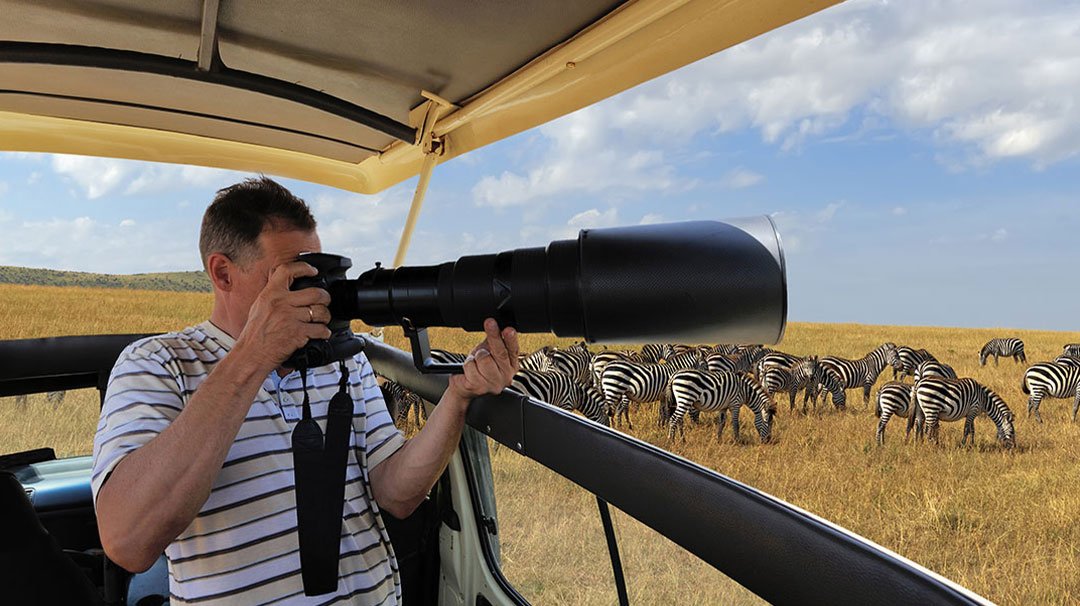
The pop-up roof, which is standard on safari vehicles for game viewing, introduces another layer of shared space. When the vehicle stops for a sighting, the roof is raised, allowing passengers to stand and view wildlife from a higher vantage point. This is a shared resource, not a private platform. The etiquette here is ‘polite cycling’: if you have been standing in the roof for an extended period, particularly if you have been blocking the view for others, it is courteous to step down and allow those who have been sitting to take a turn. If the vehicle is crowded, try to position yourself so that you are not obscuring the view of the person next to you. If you are using a long lens, be mindful that your camera gear takes up physical space; keep your equipment tucked in close to your body to allow others to maneuver around you.
It is important to remember that your guide is the final arbiter in these matters. If you find that the rotation system is not being adhered to, or if you feel that the group dynamics are becoming lopsided, speak to your guide privately during a break rather than confronting fellow passengers. Guides are trained to manage these interpersonal dynamics and can gently enforce the rotation without creating conflict. A good guide will proactively manage the vehicle, ensuring that if a specific side of the vehicle has better light for a particular sighting, they will circle the vehicle or reposition it so that both sides get an equal opportunity for photography.
Finally, recognize that ‘viewing equity’ also extends to the windows themselves. While it is tempting to keep the windows down or open for the duration of the drive, remember that your fellow passengers may have different preferences regarding the wind, the dust, or the temperature. If you are in a window seat, check with your row-mates before adjusting the sliding glass panels. A collaborative approach—where you share the responsibility of keeping the vehicle clean, managing the dust, and ensuring everyone gets a fair shot at that elusive leopard or lion—will significantly enhance the quality of your 5-day expedition. When the group treats the vehicle as a shared asset rather than a collection of individual territories, the entire safari experience becomes significantly more relaxed and enjoyable.
Navigating the ‘Short Rains’ Gear Requirements
While the November 14 departure date falls within the ‘short rains’ season, this does not imply continuous downpours. Instead, the weather is characterized by brief, localized afternoon showers that clear quickly, often leaving the air crisp and the light perfect for photography. Because you are on a group joining safari, your packing choices directly impact the limited storage space in the shared 4×4. The primary challenge is balancing the need for rain-ready gear with the reality of a vehicle where luggage is stacked tightly. Avoid bringing large, rigid suitcases; soft-sided duffel bags are the industry standard for a reason. They can be compressed to fit into the vehicle’s rear storage, whereas hard-shell suitcases often prove impossible to arrange alongside the luggage of four or five other travelers.
Clothing Strategy: The Layering System
The temperature variance on a 5-day Northern Circuit safari is significant. You might start your morning in the Ngorongoro Highlands at temperatures nearing 10°C (50°F) and end the afternoon on the Serengeti plains in 30°C (86°F) heat. The key to managing this in a shared vehicle is a modular layering system. Avoid heavy, bulky coats. Instead, prioritize a high-quality, lightweight windbreaker or a waterproof shell that can be easily folded and tucked into a daypack. When the rains arrive—usually in short, intense bursts—you will need a jacket that is breathable yet water-resistant. Because you are in a shared vehicle, a bulky poncho can be cumbersome; a compact, packable rain jacket is far more respectful of the limited elbow room you share with your group members.
Footwear and Mud Management
The ‘black cotton’ soil mentioned earlier becomes incredibly sticky when wet. While you will spend most of your time inside the vehicle, there are moments—during lunch stops, at lodge check-ins, or on short, sanctioned walks—where you will be stepping onto ground that may be muddy. Avoid heavy, high-ankle hiking boots unless you are specifically planning a walking safari, as they are often overkill for a 5-day lodge-based itinerary. A sturdy pair of trail shoes or sneakers with good traction is usually sufficient. Crucially, pack a spare pair of slip-on sandals or lightweight shoes to wear inside the lodge or the vehicle. This simple habit keeps the interior of the 4×4 clean and free of the red dust or black mud that can easily transfer from your primary footwear to the upholstery, a common point of friction in shared travel environments.
The Psychology of the Group Joining Experience
Joining a group safari is an inherently social endeavor. For five days, you are essentially living in a mobile community. The success of your trip depends as much on the interpersonal dynamics as it does on the wildlife sightings. Unlike a private safari, where you dictate the pace, a group safari requires a collective ‘social contract.’ This begins with the recognition that everyone has paid for the same experience and has the same rights to enjoy it. If one person dominates the conversation, the radio, or the seating arrangements, the group dynamic can quickly sour. The most successful participants are those who adopt an attitude of ‘flexible cooperation.’
Managing Expectations and Diverse Interests
In a group of six, you will likely have a mix of wildlife enthusiasts, amateur photographers, and casual sightseers. A photographer may want to wait 45 minutes for a lion to move, while a casual observer might prefer to move on to find a giraffe. This is the most common source of tension. The solution is proactive communication. If you have a specific goal—such as capturing a particular bird species or spending extra time at a waterhole—mention it to the group and the guide early in the day. By vocalizing your preferences, you allow the group to reach a consensus. If the group decides to move on, accept it gracefully. The beauty of the 5-day itinerary is that the Northern Circuit is dense with wildlife; the next sighting is rarely more than a few kilometers away.
The Art of the ‘Quiet Moment’
There is a temptation to fill every silent moment in the vehicle with chatter. While bonding with fellow travelers is a highlight of group joining safaris, remember that the bush is a sensory environment. Many travelers book this trip specifically to hear the sounds of the savanna—the distant roar of a lion, the call of a fish eagle, or the rustle of grass. If you find yourself in a group that is constantly talking, do not be afraid to initiate a ‘quiet period.’ It is perfectly acceptable to suggest that for the next hour, everyone enjoys the drive in silence to better appreciate the sounds of the Serengeti. Most travelers will welcome this, as it deepens the immersion in the environment and provides a necessary respite from the constant social interaction.
The Dynamics of ‘Shared-Vehicle’ Photography
While the broader article touches on managing diverse interests within a group, the specific technical and social constraints of photography on a shared-vehicle safari deserve a focused examination. In a 5-day group joining safari, you are not merely a passenger; you are part of a mobile photography platform where your gear choices and physical positioning have a direct impact on the experience of your fellow travelers. Unlike private tours where you can stop the vehicle at will, a shared safari requires a high degree of discipline to ensure that you capture your images without obstructing the view or the experience of others.
Gear Minimization and ‘Footprint’ Management
The most common mistake amateur photographers make on a group safari is overpacking. A 4×4 Land Cruiser, even when modified for game viewing, has finite space. Bringing large tripod setups, multiple camera bags, or extensive lens kits that require floor space will inevitably encroach on the limited legroom of your seatmates. For a 5-day Northern Circuit itinerary, prioritize versatility over volume. A single high-quality zoom lens—typically in the 100-400mm or 150-600mm range—is generally sufficient for the vast majority of wildlife sightings, from predators in the Serengeti to birdlife in Tarangire. Avoid bringing bulky stabilizers or external light panels that require external power; if you cannot operate it handheld or with a simple beanbag rest, it is likely too cumbersome for a shared vehicle.
The Beanbag vs. Tripod Dilemma
Many first-time safari photographers arrive with rigid tripods, expecting to set them up on the floor or the vehicle seats. This is impractical and often prohibited. The roof hatches and window frames of the Land Cruiser are the primary shooting platforms. Instead of a tripod, invest in a sturdy, unfilled beanbag that you can fill with beans, rice, or even sand once you arrive in Arusha. This provides a stable, vibration-dampening base that can be draped over the window frame or the roof hatch opening. It takes up virtually no space when empty and is the industry standard for safari photography. Using a beanbag also allows for quick repositioning as the animal moves, which is vital when you are sharing the vehicle and need to be respectful of the time spent at any single sighting.
Lens Etiquette in Close Quarters
When you are shooting in a group, your lens hood and physical body position can inadvertently block the view of the person sitting next to you. If you are using a long telephoto lens, be conscious of the ‘sweep’ of your camera. If a leopard is spotted to the left, and you are sitting on the right, do not reach across your neighbor’s personal space to get the shot. Instead, communicate. A simple, quiet ‘May I lean forward for a moment?’ or ‘I’m just going to shift to the hatch’ is sufficient. Furthermore, if you are using a camera with a loud shutter, consider using ‘silent shutter’ mode if your equipment supports it. While the vehicle engine noise often masks shutter clicks, in quiet moments at a sighting, a rapid-fire burst mode can be distracting to others who are trying to enjoy the scene through binoculars or their own cameras.
Managing ‘The Shot’ vs. ‘The Experience’
The 5-day timeframe is relatively short, and the pressure to ‘get the perfect shot’ can sometimes overshadow the actual wildlife experience. If you find yourself constantly looking through the viewfinder, you risk missing the broader context of the safari. Establish a balance: take your photos, ensure your focus is sharp, and then lower the camera to observe the behavior with your own eyes. This is particularly relevant in November, when the short rains bring migratory birds and lush landscapes that are best appreciated in their entirety, not just as a backdrop for a predator portrait. By limiting your ‘shutter time’ at each sighting, you also naturally reduce the tension that can build when one photographer occupies a prime viewing position for an extended period.
Navigating Language and Communication Barriers in International Groups
One of the most enriching yet potentially challenging aspects of a group joining safari is the international makeup of your traveling party. Because these safaris are booked by individuals from across the globe, it is highly likely that your vehicle will host a diverse mix of native and non-native English speakers. While English serves as the lingua franca of the Tanzanian tourism industry, the varying levels of fluency and cultural nuances in communication can, if unmanaged, lead to misunderstandings or feelings of exclusion. Recognizing this dynamic early in your 5-day journey is the key to fostering a cohesive and enjoyable group atmosphere.
Your safari guide acts as the primary linguistic bridge for the group. They are accustomed to translating wildlife facts, safety briefings, and logistical instructions into clear, accessible English. However, you can significantly support this process by practicing ‘international English.’ This means avoiding complex idioms, heavy slang, or rapid-fire colloquialisms that may be difficult for a non-native speaker to parse, especially when the vehicle is moving or the engine is running. If you notice a fellow traveler struggling to follow a conversation about a specific bird species or park regulation, a simple, inclusive gesture—such as slowing your pace or inviting them to look at a guidebook—can be far more effective than trying to explain the nuance of a joke or a complex story.
It is important to remember that the most profound communication on a safari often happens without words. The ‘universal language’ of the savanna is one of shared excitement and observation. When a leopard is spotted, the collective gasp, the shared pointing, and the silent, awe-struck expressions are understood regardless of one’s mother tongue. Do not feel the pressure to fill the silence in the Land Cruiser with constant conversation. In a group joining setting, the ability to share a quiet, intense moment of observation is a form of communication that respects everyone’s experience, irrespective of their language proficiency.
If you find yourself in a group where a language barrier is creating a disconnect, view it as an opportunity for non-verbal bonding. Many travelers find that sharing photos on a camera screen or pointing out wildlife in a field guide provides a clear, mutually understood topic of conversation that transcends vocabulary. Furthermore, if you are a fluent English speaker, be mindful of the ‘monologue trap.’ It is easy to get caught up in deep, rapid discussions with the guide, inadvertently leaving others behind. Make a conscious effort to pause, invite others into the conversation, and ensure that the guide’s explanations are reaching everyone in the vehicle.
Ultimately, the 5-day duration of your safari is short, and the focus is on the wildlife, not on deep philosophical debate. By keeping your communication clear, patient, and inclusive, you alleviate the social pressure that can sometimes arise in international groups. Acknowledging that everyone is there for the same goal—to witness the Serengeti, Tarangire, and the Ngorongoro Crater—is the most effective way to unify the group. When language barriers are treated with patience and lightheartedness, they often become a source of humor and connection rather than a source of frustration, allowing the group to focus on the spectacular natural world unfolding outside the windows.
Related Guides and Packages
Check Availability for Nov 14, – 5 Day Tanzania Lodge Group Joining Safari 2026
Ready to compare dates, prices, and the best option for your group? Send the package name and travel month so the team can reply with a clear quote, availability, and what is included.

Nov 12, – 5 Day Tanzania Budget Camping Group Joining Safari 2026
A detailed guide to the November 12, 2026, 5-day budget camping group joining safari in Tanzania, covering route logistics, group dynamics, and planning essentials.
View package details
Oct 30, – 5 Day Tanzania Northern Circuit Group Joining Safari 2026
Oct 30, 2026 – 5 Day Tanzania Northern Circuit Group Joining Safari.
View package detailsNov 26, – 4 Day Nyerere And Mikumi Group Joining Safari 2026
A detailed guide to the November 26, 2026, 4-day group joining safari covering Nyerere National Park and Mikumi National Park, including logistics, wildlife expectations, and booking steps.
View package detailsDecember Tanzania Group Joining Safari Dates And Prices: Best Guide 2026
A detailed guide on planning your December 2026 Tanzania safari, covering group joining logistics, cost considerations, and how to prepare for this peak travel window.
View package detailsNovember Tanzania Group Joining Safari Dates And Prices: Expert Planning Guide
A practical guide to planning a shared safari in November 2026, covering seasonality, cost-saving benefits, and how to coordinate your trip dates with Climb 4 Africa.
View package details24–31 October Tanzania Group Joining Safari Departures: 2026
A detailed guide to navigating group-joining safari departures in Tanzania for late October 2026, focusing on wildlife patterns, logistical planning, and booking best practices.
View package detailsNov 16, – 6 Day Tanzania Northern Circuit Group Safari 2026
Planning for November 2026? Join our 6-day group safari covering Tanzania's premier Northern Circuit parks. Expert-led, social, and cost-effective wildlife viewing.
View package detailsChristmas And New Year Tanzania Group Joining Safaris –: Planning Guide 2026
A guide for planning your Christmas and New Year Tanzania safari in 2026–2027, focusing on group joining logistics, cost savings, and the best time to book.
View package detailsNov 22, – 2 Day Mikumi Group Joining Safari From Dar Es Salaam 2026
A practical guide to our November 22, 2026, group joining safari to Mikumi National Park, covering logistics, expectations, and booking details for travelers starting from Dar es Salaam.
View package detailsNov 18, – 7 Day Serengeti And Ngorongoro Group Joining Safari 2026
A detailed guide to the 7-day group joining safari departing November 18, 2026, covering Serengeti, Ngorongoro, and the logistical advantages of shared travel.
View package detailsOct 26, – 2 Day Tarangire And Ngorongoro Group Joining Safari 2026
Oct 26, 2026 – 2 Day Tarangire and Ngorongoro Group Joining Safari.
View package details
Nov 10, – 4 Day Serengeti, Ngorongoro And Tarangire Group Safari 2026
Join our group safari on November 10, 2026, for an intensive 4-day tour of Tanzania's Northern Circuit. Perfect for those with limited time who want to experience the best of the Serengeti...
View package detailsNo related package matches those filters. Clear one or more filters to see the other topic-matched options.



