
Calculating your Kilimanjaro full moon summit night start date for 2026-2027 involves identifying the full moon dates and then working backward to select a trek duration and start date that aligns the summit attempt with the lunar peak. Typically, this means starting a 7-day Machame or Lemosho route climb around 5-6 days before the full moon, or a shorter 6-day route 4-5 days prior, to ensure you are at or near the summit (Uhuru Peak) on the night of the full moon.

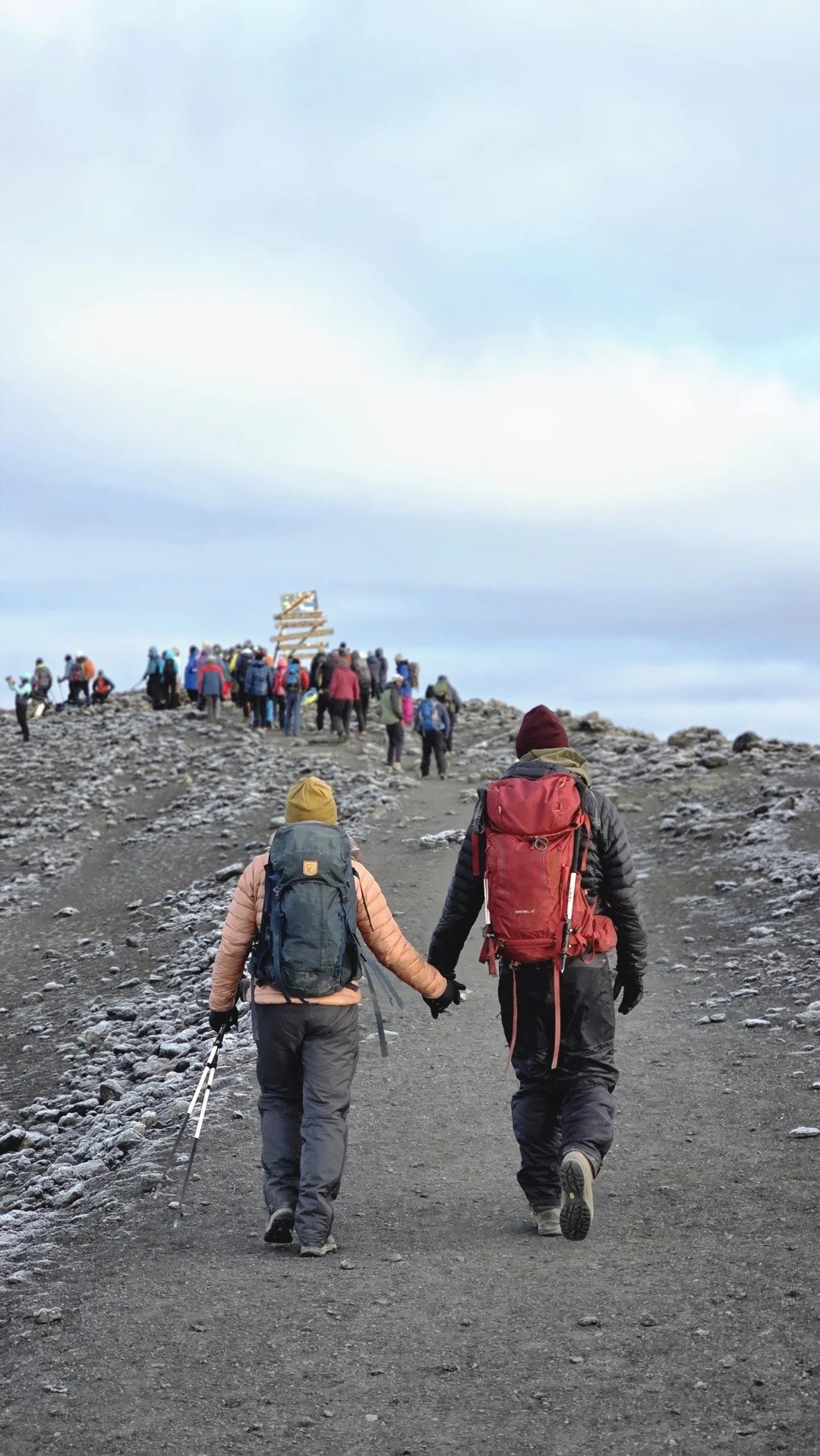
The Magic of a Kilimanjaro Full Moon Summit
There’s an undeniable allure to witnessing the world from the roof of Africa bathed in the ethereal glow of a full moon. A Kilimanjaro full moon summit night isn’t just about reaching the highest point; it’s about experiencing a profound connection with nature, a moment of stark beauty amplified by the lunar light. The stark, volcanic landscape transforms into a monochrome masterpiece, with shadows playing across the craters and the vast plains of Tanzania stretching out below like a silvered mix. This celestial spectacle can elevate an already life-changing journey into something truly unforgettable. For many, the dream of standing at Uhuru Peak, 5,895 meters (19,341 feet) above sea level, under the brilliant light of a full moon is the ultimate motivation for tackling Kilimanjaro. It’s a romantic notion, a photographer’s dream, and a deeply personal moment of achievement.
However, chasing this dream requires meticulous planning, especially when it comes to timing. The Kilimanjaro full moon summit night is a popular aspiration, and while the mountain offers incredible views year-round, aligning your trek with the full moon adds a layer of complexity. It’s not simply a matter of picking a date; it involves understanding lunar cycles, calculating trek durations, considering route options, and factoring in acclimatization and weather patterns. This guide is designed to equip you with the knowledge needed to plan your Kilimanjaro full moon summit attempt for 2026 and 2027, ensuring you maximize your chances of experiencing this extraordinary phenomenon.
Understanding Full Moon Cycles and Kilimanjaro Treks
The foundation of planning a Kilimanjaro full moon summit night lies in understanding the lunar calendar. A full moon occurs approximately every 29.5 days, a cycle that dictates when this particular magical experience can occur. While the moon itself is always visible during the night, it’s the full moon phase that provides the most dramatic illumination, casting clear shadows and significantly reducing the need for headlamps on the summit night, especially on the final ascent from Barafu Camp or Kibo Hut.
How Full Moons Work
A full moon happens when the Earth is located between the Sun and the Moon, meaning the side of the Moon facing Earth is fully illuminated by the Sun. This alignment results in the brightest and most prominent lunar appearance. On Kilimanjaro, this means the summit ridge, the crater, and the surrounding landscape can be surprisingly well-lit, creating a surreal and often impressive environment for the final push to Uhuru Peak.
Full Moon Dates for 2026
For those planning their Kilimanjaro full moon summit night adventure in 2026, here are the approximate dates of the full moons. Remember that the summit attempt usually occurs in the early hours of the morning, so if the full moon is on a specific date, your summit push might begin on the night of the previous day, or extend into the early hours of the full moon date itself, depending on your itinerary and camp location.
- January 2026: 25th
- February 2026: 24th
- March 2026: 25th
- April 2026: 23rd
- May 2026: 23rd
- June 2026: 21st
- July 2026: 21st
- August 2026: 19th
- September 2026: 17th
- October 2026: 17th
- November 2026: 15th
- December 2026: 15th
Full Moon Dates for 2027
Planning for 2027 offers another excellent opportunity to experience a Kilimanjaro full moon summit night. The lunar cycles continue, providing consistent opportunities for this unique experience. Always cross-reference with an official astronomical calendar for the most precise dates as you finalize your plans.
- January 2027: 13th
- February 2027: 11th
- March 2027: 13th
- April 2027: 11th
- May 2027: 11th
- June 2027: 10th
- July 2027: 9th
- August 2027: 7th
- September 2027: 6th
- October 2027: 5th
- November 2027: 4th
- December 2027: 4th
How Route and Duration Affect Your Full Moon Summit Calculation
The route you choose and its associated duration are critical factors in calculating your Kilimanjaro full moon summit night start date. Different routes have varying acclimatization profiles and daily trekking times. A longer route generally offers better acclimatization, which is paramount for summit success, but it also means you need to start earlier relative to the full moon date. Conversely, shorter routes might get you to the summit faster but can compromise acclimatization. The goal is to be at or near the crater rim (Stella Point or Gilman’s Point) or Uhuru Peak during the peak illumination of the full moon, which typically occurs in the early morning hours of the full moon day.
Common Kilimanjaro Routes and Durations
Most reputable operators offer several popular routes, each with a typical duration:
- Marangu Route: 5-6 days (often considered less ideal for acclimatization)
- Machame Route: 6-7 days (very popular, good acclimatization profile)
- Lemosho Route: 7-8 days (excellent acclimatization, scenic)
- Northern Circuit: 9 days (best acclimatization, most scenic)
- Rongai Route: 6-7 days (drier side, good alternative)
For a Kilimanjaro full moon summit night, the Machame and Lemosho routes are frequently recommended due to their superior acclimatization profiles and higher success rates, especially when extended to 7 or 8 days respectively. These routes allow for a more gradual ascent, which is vital for adapting to the altitude, and consequently, they offer more flexibility in timing your summit attempt with the lunar cycle.
Calculating for 6-Day Treks
A 6-day trek, often the Marangu or a condensed Machame, means a rapid ascent. To aim for a full moon summit night, you would typically need to start your trek approximately 4 to 5 days before the full moon date. This is a tight window, and the aggressive pace might not be ideal for everyone, especially for acclimatization. If the full moon is on the 15th, you might start your trek around the 10th or 11th. Your summit night would then fall on the night of the 14th into the morning of the 15th. It’s crucial to confirm the exact day of the summit attempt with your tour operator.
Calculating for 7-Day Treks
A 7-day trek, such as the standard Machame or Lemosho, offers a better balance between ascent speed and acclimatization. For a Kilimanjaro full moon summit night on a 7-day trek, you would generally aim to start your trek 5 to 6 days before the full moon date. If the full moon is on the 15th, a start date around the 9th or 10th would be appropriate. This allows for a more gradual progression, increasing your chances of reaching the summit comfortably and safely under the moonlight.
Calculating for 8-Day Treks
An 8-day trek, typically an extended Lemosho or the Northern Circuit, is considered the gold standard for acclimatization and offers the highest success rates. For a Kilimanjaro full moon summit night on an 8-day trek, you can afford to start around 6 to 7 days before the full moon date. If the full moon is on the 15th, starting around the 8th or 9th is advisable. This slower pace is beneficial for your body’s adaptation to the altitude, making the summit night experience more enjoyable and significantly increasing your likelihood of reaching Uhuru Peak.
Key Calculation Principle:
Work backward from the full moon date. Identify the full moon date, then subtract the number of days of your chosen route minus one day (as summit night is the last night of the trek, leading into the morning of the summit day). For example, for a 7-day route and a full moon on the 15th, aim to start around the 9th. This ensures your summit attempt concludes on the morning of the 15th.
Strategic Planning for Your 2026-2027 Full Moon Climb
Planning a Kilimanjaro full moon summit night for 2026 or 2027 requires foresight and a strategic approach. The popularity of full moon climbs means that availability can be limited, and coordinating with the best weather windows adds another layer of consideration. Understanding the interplay between full moon dates, peak trekking seasons, and potential weather patterns is key to a successful and memorable expedition.
Booking in Advance: Why It’s Crucial
Full moon dates are highly sought after for Kilimanjaro climbs. This is because the combination of the lunar spectacle and the mountain’s appeal attracts a significant number of trekkers. To secure your preferred route, dates, and even specific departure slots, especially for 2026 and 2027, it is essential to book well in advance. Reputable operators like Climb 4 Africa often have group departures scheduled months, sometimes over a year, ahead of time. Waiting too long can mean missing out on your ideal window or being forced to compromise on your chosen route or itinerary. Booking early also allows ample time for physical preparation, gear acquisition, and visa arrangements.
Peak Seasons and Full Moons: A Double Advantage
Kilimanjaro has two main peak trekking seasons: January to March and June to October. These periods generally offer the most stable weather conditions, with less rain and clearer skies. Coincidentally, several full moons fall within these prime trekking windows. For instance, a full moon in July or August 2026, or September 2027, aligns perfectly with the dry season, offering the dual benefit of excellent weather and lunar illumination for your summit night. While the shoulder seasons (April-May, November-December) can be less crowded and offer slightly lower prices, they also carry a higher risk of rain, which can detract from the full moon experience and make the summit ascent more challenging.
Avoiding Conflicts: Weather and Crowds
While aiming for a full moon is exciting, it’s important to be realistic about weather. The summit night is cold and can be windy regardless of the moon phase. Heavy cloud cover can obscure the moon, diminishing its visual impact. Therefore, while the full moon is a primary goal, prioritizing a route and duration known for higher success rates (like the 7-day Machame or 8-day Lemosho) is paramount. These routes offer better acclimatization, increasing your chances of reaching the summit in good condition, moon or no moon. Additionally, full moon dates often coincide with peak season, meaning more trekkers on the mountain. If you prefer a quieter experience, consider climbing a few days before or after the full moon, or opt for less crowded routes like the Northern Circuit, though this might mean a slightly less dramatic lunar effect on the summit itself.
Choosing the Right Route for a Full Moon Summit
The selection of a route is not just about scenery or difficulty; for a Kilimanjaro full moon summit night, it’s fundamentally about acclimatization and timing. Longer routes provide more gradual ascents, giving your body more time to adapt to the thinning air, which is critical for summit success, especially during the demanding night ascent. While shorter routes might align the summit with the full moon more easily, they significantly increase the risk of altitude sickness and reduce your chances of reaching Uhuru Peak.
Machame Route (6-7 Days)
The Machame Route is arguably the most popular on Kilimanjaro. Its “climb high, sleep low” strategy is excellent for acclimatization. A 7-day Machame is highly recommended for a Kilimanjaro full moon summit night. For a full moon on the 15th, a 7-day trek would ideally start around the 9th. This allows for a strong ascent profile, culminating in a summit attempt on the morning of the 15th. The 6-day version is faster, requiring a start date around the 10th-11th, which can be riskier for acclimatization.
Lemosho Route (7-8 Days)
The Lemosho Route is renowned for its stunning scenery and excellent acclimatization, particularly when taken over 8 days. This longer duration provides an exceptional opportunity to adapt to the altitude. For a Kilimanjaro full moon summit night on an 8-day Lemosho, aiming to start around the 7th-8th for a full moon on the 15th is a wise choice. This extended acclimatization period significantly boosts success rates and makes the challenging summit night more manageable.
Northern Circuit (9 Days)
The Northern Circuit is the longest and most scenic route, circumnavigating the mountain. Its 9-day itinerary offers the best acclimatization possible. If you are targeting a specific full moon date in 2026 or 2027 and choose the Northern Circuit, you can afford to start approximately 8 days before the full moon. For a full moon on the 15th, a start date around the 6th or 7th would be suitable. This route is ideal for those prioritizing acclimatization and a more unhurried experience, making a full moon summit a more comfortable possibility.
Marangu Route (5-6 Days)
Known as the “Coca-Cola” route, Marangu is the only route offering dormitory-style accommodation. It’s also the shortest, typically completed in 5 or 6 days. Due to its rapid ascent profile, it’s generally not recommended for optimal acclimatization, and thus less ideal for a Kilimanjaro full moon summit night. If you opt for Marangu, a 6-day trek would mean starting around the 10th-11th for a full moon on the 15th. The 5-day option is even more aggressive and carries a higher risk of altitude sickness.
Rongai Route (6-7 Days)
Rongai approaches Kilimanjaro from the north, offering a different perspective and often drier conditions. It’s comparable to Machame in terms of acclimatization profile. A 7-day Rongai would require a start date of about 5-6 days before the full moon. For a full moon on the 15th, starting around the 9th or 10th would be appropriate. The 6-day version is more compressed.
Route Recommendation for Full Moon Climbs:
For the best balance of acclimatization, scenery, and a good chance of a successful Kilimanjaro full moon summit night, we strongly recommend the 7-day Machame Route or the 8-day Lemosho Route. These routes provide the crucial extra days needed for your body to adapt to the extreme altitude, making the challenging summit push under the moonlight safer and more enjoyable. For 2026 and 2027, booking these longer routes well in advance is key.
Logistical Considerations for Full Moon Treks
Successfully executing a Kilimanjaro full moon summit night involves more than just timing the dates. Several logistical aspects require careful attention to ensure safety, comfort, and the best possible experience under the moonlight. These include your gear, the support team, and understanding the specific challenges of a night ascent.
Acclimatization Focus
This cannot be stressed enough: acclimatization is king. While the allure of the full moon is strong, your primary goal should always be to reach the summit safely. Longer routes are designed to facilitate this. The final ascent from Barafu Camp (or Kibo Hut on Marangu) begins around midnight and continues through the night. This is the most critical phase for altitude adaptation. A well-acclimatized body is far more likely to handle the extreme cold, thin air, and physical exertion of this final push. If you’ve prioritized a good acclimatization profile by choosing a longer route and starting your trek appropriately ahead of the full moon date, your chances of success on summit night are dramatically improved.
Night Hiking Gear Essentials
While the full moon provides significant illumination, it does not replace the need for proper lighting and warm gear. You will still need a reliable headlamp with spare batteries. Many climbers use two headlamps for redundancy. The light from the moon can sometimes create illusions or make terrain appear flatter than it is, so good visibility is essential. Beyond lighting, layers of warm clothing are critical. Temperatures on summit night can drop to -10°C (14°F) or lower, and the wind chill can make it feel much colder. Ensure you have a high-quality sleeping bag rated for extreme cold, a warm hat, gloves (mittens are often warmer), thermal base layers, fleece mid-layers, and a waterproof and windproof outer shell. Good, broken-in hiking boots are non-negotiable.
Guide and Porter Teams
Your mountain crew is your lifeline on Kilimanjaro. For a Kilimanjaro full moon summit night, the experience and professionalism of your guides and porters are even more vital. They are experienced in navigating the mountain in darkness, identifying potential hazards, and monitoring climbers for signs of altitude sickness. Ensure your tour operator provides experienced, well-equipped, and well-supported teams. Climb 4 Africa prioritizes the well-being and training of its guides and porters, understanding that they are integral to your safety and success. They are adept at managing group pace, ensuring everyone is drinking enough water, and providing encouragement during the most challenging parts of the ascent, especially on summit night under the moon.
Making Your Booking with Climb 4 Africa
Planning a Kilimanjaro full moon summit night for 2026 or 2027 is an exciting prospect, and choosing the right partner is key to making this dream a reality. Climb 4 Africa specializes in Kilimanjaro expeditions and offers expert guidance to help you select the best route, duration, and start date to align with your desired full moon summit. We understand the nuances of acclimatization, weather patterns, and the specific logistics required for a successful climb, especially one timed for a lunar spectacle.
To discuss your Kilimanjaro full moon summit night plans, explore available dates for 2026 and 2027, and receive a personalized itinerary, please reach out to our team. We can help you calculate the precise start date based on your chosen route and the full moon calendar. Whether you’re looking for a group departure or a private climb, we tailor experiences to meet your needs, ensuring safety, enjoyment, and the highest chance of summit success under the magnificent Kilimanjaro sky.
You can contact Climb 4 Africa via WhatsApp at +255 747 477 898 or email us at climb4africa@gmail.com. Let us help you plan an unforgettable Kilimanjaro adventure.
Frequently Asked Questions About Full Moon Climbs
Q1: Will I need a headlamp if I climb during a full moon?
A: Yes, absolutely. While a full moon provides significant natural light, it is not sufficient for safe navigation on the mountain, especially on the rocky and uneven terrain of the summit path. You will still need a reliable headlamp with spare batteries for the final ascent and descent. The moonlight enhances visibility but doesn’t replace the need for personal lighting.
Q2: Is a full moon climb more dangerous?
A: A Kilimanjaro full moon summit night is not inherently more dangerous, provided it is planned correctly. The primary risks on Kilimanjaro are altitude sickness, weather, and exhaustion. By choosing a longer route for better acclimatization and booking with an experienced operator like Climb 4 Africa, you mitigate these risks. The full moon itself can sometimes create visual illusions, but with experienced guides, this is easily managed. The main ‘danger’ is the increased popularity, leading to more people on the mountain, which requires careful management of group pace.
Q3: What if the weather is cloudy on my full moon summit night?
A: This is a risk inherent in mountain climbing. While you can plan meticulously for the full moon, weather is unpredictable. If clouds obscure the moon, your summit experience will be different but still potentially spectacular, with the stars perhaps shining brighter. The focus then shifts back to the achievement of reaching Uhuru Peak. Choosing a route with excellent acclimatization remains the most crucial factor for success, regardless of celestial views.
Q4: Are there specific routes best suited for a full moon climb?
A: Yes. Longer routes like the 7-day Machame, 8-day Lemosho, or 9-day Northern Circuit are highly recommended for a Kilimanjaro full moon summit night. These routes offer superior acclimatization, which is vital for a successful and safe summit attempt, especially during the demanding night ascent. The longer duration also provides more flexibility in timing your trek to coincide with the full moon.
Q5: How far in advance should I book for a 2026 or 2027 full moon climb?
A: Given the popularity of full moon climbs, booking at least 9-12 months in advance for 2026 and 2027 is highly advisable. This ensures you secure your preferred dates, route, and a spot with a reputable operator. Peak season dates, especially those coinciding with full moons, fill up quickly.
Q6: Can I combine a full moon climb with a safari or Zanzibar trip?
A: Absolutely! Many trekkers combine their Kilimanjaro climb with a wildlife safari in Tanzania’s famous national parks (Serengeti, Ngorongoro Crater, Tarangire) or a relaxing beach holiday on the island of Zanzibar. Climb 4 Africa specializes in creating tailor-made itineraries that seamlessly integrate these experiences. Simply let us know your interests when you inquire, and we can build a comprehensive African adventure for you.
”
}
“`
Check Availability for ?? Kilimanjaro Full Moon, Summit Night, Start-Date Calculation 2026-2027
Ready to compare dates, prices, and the best option for your group? Send the package name and travel month so the team can reply with a clear quote, availability, and what is included.
Kilimanjaro Full Moon Climb August – Summit Around 17 2027
start an unforgettable Kilimanjaro Full Moon Climb in August 2027, targeting a impressive summit on or around August 17th. This guide covers optimal routes, August conditions, and essential...
View package details
Kilimanjaro Full Moon Climb July – Summit Around 18 2027
start an unforgettable Kilimanjaro full moon climb in July 2027, targeting a summit on or around July 18th. This guide details the unique advantages of a full moon ascent, optimal routes...
View package details
Kilimanjaro Full Moon Climb June : Summiting Under The Moonlight On 19Th 2027
start an unforgettable Kilimanjaro Full Moon Climb in June 2027, with the peak aiming for the night of June 19th. This guide explores the magic of summiting under the full moon, optimal...
View package detailsKilimanjaro Full Moon Climb May – Summit Around 20 2027
start a magical Kilimanjaro Full Moon Climb in May 2027, aiming for the summit around May 20th. This guide details the unique experience, optimal planning for the Green Season, and how...
View package details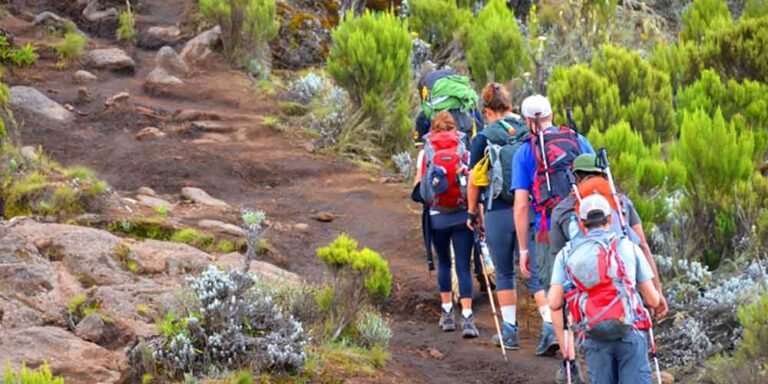
Kilimanjaro Full Moon Climb April – Summit Around 20-21 2027
start an unforgettable Kilimanjaro Full Moon Climb in April 2027, aiming for the summit on April 20-21. Discover the magic of reaching Uhuru Peak under the glow of the full moon, and learn...
View package details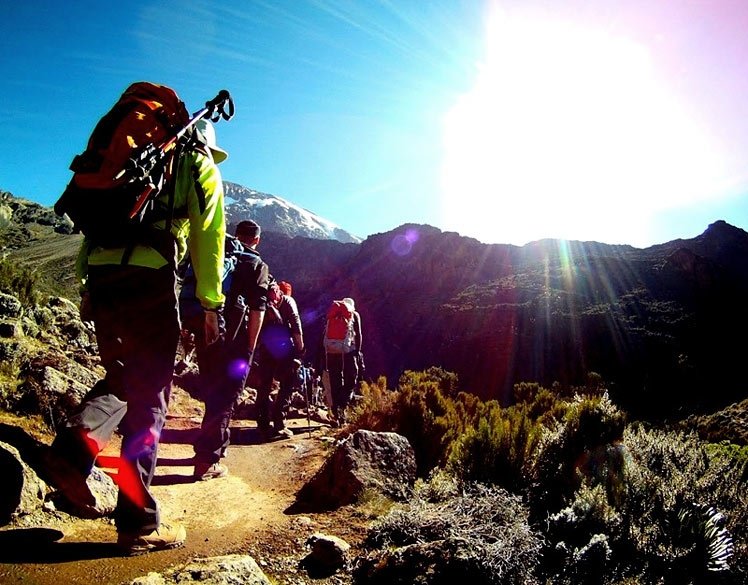
Kilimanjaro Full Moon Climb March – Summit Around 22 2027
Kilimanjaro Full Moon Climb March 2027 – Summit Around 22 March is explained with current 2027 planning, price, itinerary and booking information.
View package details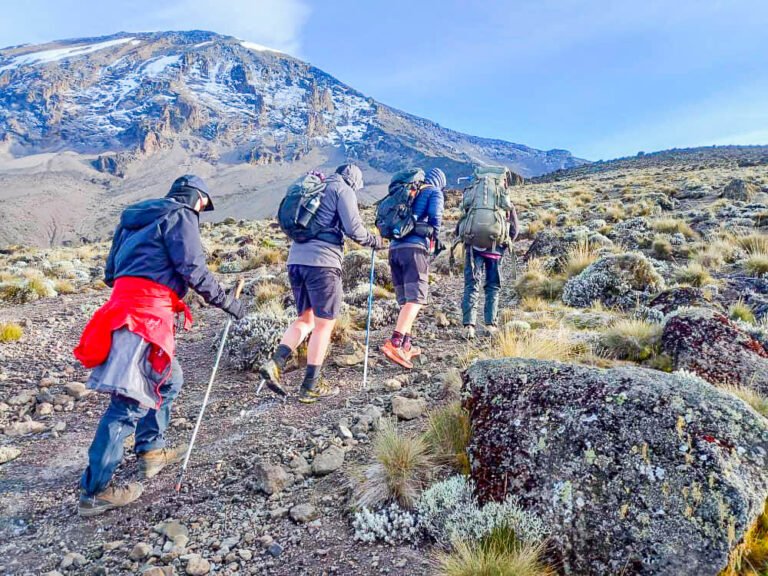
Kilimanjaro Full Moon Summit – 20-21 February : Your Guide To A Magical Ascent
Discover the magic of summiting Kilimanjaro under the glow of the full moon on February 20-21, 2027. This guide covers everything you need to know to prepare for an unforgettable ascent.
View package detailsKilimanjaro Full Moon Climb January – Summit Around 22 2026-2027
Kilimanjaro Full Moon Climb January 2027 – Summit Around 22 January is explained with current 2026-2027 planning, price, itinerary and booking information.
View package details
Christmas Day Summit Kilimanjaro – Which Date Should You Start? 2026-2027
Planning to summit Kilimanjaro on Christmas Day 2026? This guide helps you determine the ideal start date, considering trekking routes, weather patterns, and ensuring a memorable holiday...
View package detailsKilimanjaro Full Moon Christmas Climb : Summit Around December 24Th 2026-2027
Experience the magic of a Kilimanjaro summit under the moonlight during Christmas week. This guide details planning for a December 24th summit, including route options and essential...
View package details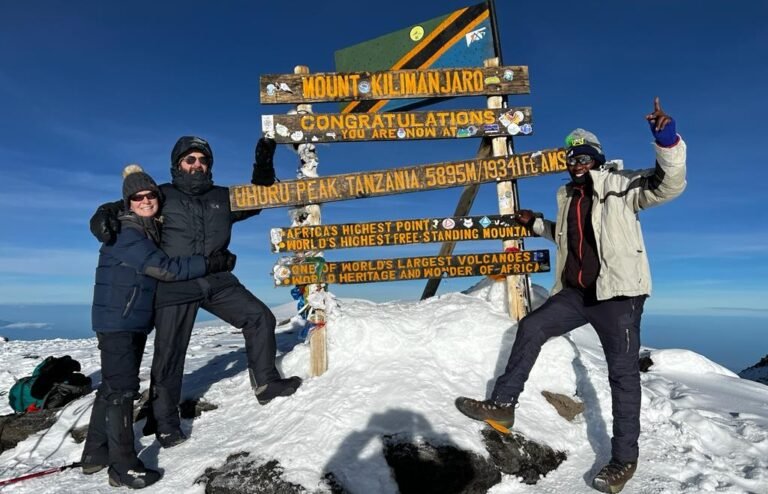
Kilimanjaro February Full Moon And Lunar Eclipse Climb 2027
Kilimanjaro February 2027 Full Moon and Lunar Eclipse Climb is explained with current 2027 planning, price, itinerary and booking information.
View package detailsKilimanjaro 23 January – Post-Full-Moon Group Departure 2026-2027
Kilimanjaro 23 January 2027 – Post-Full-Moon Group Departure is explained with current 2026-2027 planning, price, itinerary and booking information.
View package detailsNo related package matches those filters. Clear one or more filters to see the other topic-matched options.



