
A Kilimanjaro full moon climb in October 2026, targeting a summit around the 26th, offers an exceptional opportunity for a dramatic and visually stunning ascent. This specific timing aligns with favorable weather patterns for October and the peak of the full moon, providing optimal visibility and a magical atmosphere for reaching Uhuru Peak. Planning this requires careful route selection, robust preparation, and understanding the unique considerations of a night summit under moonlight.
Understanding the Kilimanjaro Full Moon Climb October 2026
A Kilimanjaro full moon climb is a specific type of trek that aims to have climbers reach the summit, Uhuru Peak, during the hours of a full moon. The allure is undeniable: ascending Africa’s highest point under the ethereal glow of a bright moon, with the landscape illuminated in shades of silver and deep shadow. For many, this offers a profoundly spiritual and visually spectacular experience, distinct from a daytime or starlit ascent. When focusing on a Kilimanjaro full moon climb October 2026, we are looking at a particular window of opportunity. The full moon in October 2026 falls around the 26th, making this date range a prime target for those who want to experience this phenomenon. This specific date allows for careful planning around the lunar cycle, often coinciding with generally favorable weather conditions on Kilimanjaro, which typically sees a dry season extend into early October.
Choosing to climb during a full moon isn’t just about the aesthetics; it can also influence the practical aspects of the trek. The increased light can make the night ascent feel less daunting and potentially aid in navigation for guides, though it doesn’t replace the need for headlamps. It’s a popular choice, and operators like Climb 4 Africa are adept at tailoring itineraries to maximize the chances of a successful summit during this specific lunar phase. The success of such a climb hinges on meticulous preparation, selecting the right route that balances acclimatization with the summit night timing, and partnering with an experienced, local operator who understands the mountain’s nuances, especially in the unique conditions presented by a full moon ascent.
## Why Target a Full Moon Summit Around October 26, 2026?
Several factors make targeting a summit around the 26th of October 2026 for a full moon climb particularly appealing. It’s a convergence of celestial events, meteorological patterns, and logistical considerations that can enhance the overall experience and increase the likelihood of a successful, memorable ascent.
### Lunar Illumination and Navigation
The most obvious benefit of a full moon climb is the incredible illumination it provides. Ascending Kilimanjaro’s scree slopes and rocky paths in the pre-dawn hours is typically done with headlamps. Under a full moon, the terrain is significantly more visible, casting long shadows and creating a dramatic, otherworldly landscape. This increased light can provide a psychological boost, making the challenging night ascent feel less disorienting and more manageable. While guides will always use their extensive experience and equipment, the natural moonlight can offer an additional layer of visual reference. For photographers or those who simply appreciate natural beauty, the summit landscape bathed in moonlight is an unforgettable sight. The clarity of the stars might be slightly reduced due to the moon’s brightness, but the panoramic views of the African continent stretching out below, illuminated by the moon, are unparalleled.
### Weather Patterns in October 2026
October generally marks the tail end of Kilimanjaro’s dry season. Following the main dry season from June to October, the weather typically remains stable with clear skies and lower precipitation compared to the rainy seasons. While there can be occasional showers, the likelihood of prolonged bad weather that could jeopardize a summit attempt is relatively low. This makes October a very favorable month for climbing. Targeting the 26th specifically means you are well within this generally good weather window. The temperatures at the summit, even in October, will be extremely cold, but clear skies often mean less wind chill. Planning a Kilimanjaro full moon climb October 2026 allows you to leverage this favorable climate, increasing your chances of a safe and enjoyable summit experience. It’s important to remember that Kilimanjaro’s weather can be unpredictable at any time of year, but October offers a statistically strong chance for success.
### Crowd Considerations for October 2026
October is considered part of the high season for Kilimanjaro climbs, alongside July, August, September, and December. This means trails can be busy. However, the full moon itself can sometimes lead to a concentration of climbers on specific summit nights. By targeting a summit around the 26th, you might slightly avoid the absolute peak days if the full moon is, for instance, on the 24th or 25th. It’s a delicate balance: you want the full moon, but you might also prefer slightly fewer people on the summit trail. Operators like Climb 4 Africa can advise on booking strategies for October 2026 to manage potential crowds, perhaps by slightly adjusting the trek start date to align with the moon phase while also considering overall park congestion. While busy, October generally offers a better balance than the peak months of July-September.
## Choosing the Right Route for Your October 2026 Full Moon Climb
The choice of route is paramount for any Kilimanjaro climb, but it becomes even more critical when aiming for a full moon summit. The ideal route should offer excellent acclimatization profiles, scenic beauty, and a manageable summit night. For a Kilimanjaro full moon climb October 2026, routes that allow for a later arrival at the crater rim on summit night, giving you more time under the moon, are often preferred.
### Machame Route: A Popular Choice
The Machame Route, often called the “Whiskey Route,” is arguably the most popular route on Kilimanjaro. It’s known for its stunning scenery and a good acclimatization profile, boasting a success rate of around 70-80% over its 6 or 7-day options. For a full moon climb, the 7-day Machame route is highly recommended. It provides an extra day for acclimatization, which is crucial for a successful summit, especially on the challenging summit night. The route traverses diverse ecological zones and offers panoramic views. The 7-day itinerary typically reaches Kibo Hut on day 5, allowing for a more relaxed acclimatization day before the final push. The summit night begins from Kibo Hut, and with a good pace, you can reach the crater rim around Stella Point as dawn breaks, or even slightly before, depending on your start time and pace. This offers a good chance to witness the transition from moonlight to sunrise while still enjoying the benefits of the full moon on your ascent.
### Lemosho Route: For Convenience and Scenery
The Lemosho Route is another excellent choice, particularly for its scenic beauty and high success rates (often exceeding 80% on its longer itineraries). It’s generally considered a more remote and pristine route, especially in its initial days. Lemosho offers a superb acclimatization profile, especially when taken over 7 or 8 days. A 7-day Lemosho itinerary provides a similar acclimatization benefit to the 7-day Machame. The route merges with the Machame route at Lava Tower, then proceeds towards the crater rim. The longer 8-day Lemosho option is perhaps even better for acclimatization, allowing for a more gradual ascent and a higher chance of success. For a Kilimanjaro full moon climb October 2026, an 8-day Lemosho trek would position you for a summit attempt on the night of the 26th or 27th, offering ample time to adjust to the altitude. The views from the Western Breach, if that variant is chosen, are spectacular, though most Lemosho treks approach via Barafu Camp.
### Marangu Route: The Huts Option
The Marangu Route, famously known as the “Coca-Cola Route,” is the only route that offers accommodation in dormitory-style huts rather than camping. It’s also the shortest route, typically completed in 5 or 6 days. While convenient due to the huts, its rapid ascent profile means poorer acclimatization, leading to lower success rates (around 60-70% for 5-day, and slightly higher for 6-day). For a full moon climb, the 6-day Marangu route is essential to provide an extra day for acclimatization. However, even with 6 days, the acclimatization is generally considered less effective than on Machame or Lemosho. The summit night starts from Kibo Hut, similar to Machame, but the overall ascent is quicker. The benefit of huts is comfort, but for a full moon summit, the trade-off in acclimatization might be significant. It’s often recommended for those with prior high-altitude experience or who are very fit.
### Other Routes and Their Suitability
* Rongai Route: This route approaches Kilimanjaro from the north, in Kenya. It’s generally considered a drier route and is less crowded. It can be done in 6 or 7 days. The 7-day Rongai offers good acclimatization. It merges with the Marangu route for the final ascent. While it can be a good option, it doesn’t offer the same dramatic scenery or acclimatization profile as Machame or Lemosho for a full moon climb.
* Northern Circuit: This is the longest route, typically 9 days. It offers the best acclimatization profile and therefore the highest success rates. It circles the mountain, offering diverse views. While excellent for acclimatization, its length means it might not align perfectly with a specific full moon date unless planned well in advance. For a Kilimanjaro full moon climb October 2026, an 8- or 9-day Northern Circuit would be ideal for acclimatization, but requires booking flexibility to match the lunar cycle.
* Umbwe Route: This is the shortest, steepest, and most direct route. It’s very challenging and has a low success rate due to its rapid ascent and poor acclimatization. It is generally not recommended for a full moon climb, especially for less experienced trekkers, as the focus needs to be on safe acclimatization and summit success.
For a Kilimanjaro full moon climb October 2026, prioritizing acclimatization is key. Therefore, the 7-day Machame or Lemosho routes, or even an 8-day Lemosho, are the strongest contenders. These routes provide the necessary time for your body to adjust to the altitude, which is crucial for the demanding summit night, especially when navigating under moonlight.
## Preparing for Your Kilimanjaro Full Moon Climb October 2026
Successfully summiting Kilimanjaro, especially during a full moon and at high altitude, demands thorough preparation. This isn’t just about packing the right gear; it encompasses physical conditioning, mental fortitude, and understanding the specific challenges of a night ascent under lunar light.
### Physical Training and Fitness
While you don’t need to be an elite athlete, a good level of cardiovascular fitness is essential. Kilimanjaro is a high-altitude trek, not a technical climb, but the sustained effort over several days, culminating in a demanding summit night, requires stamina. Your training should focus on:
* Aerobic Exercise: Engage in activities like hiking (with a weighted pack), running, cycling, or swimming for at least 3-4 times a week. Aim for sessions of 60-90 minutes.
* Hiking with a Pack: This is crucial. Practice hiking on inclines and uneven terrain with a backpack weighing 10-15 kg (22-33 lbs) to simulate the conditions on the mountain. This helps your body adapt to carrying weight at altitude.
* Strength Training: Focus on lower body strength (squats, lunges) and core stability to support your body during long trekking days and prevent injuries.
* Stamina Building: Incorporate longer weekend hikes, gradually increasing the duration and elevation gain. Some training should involve back-to-back long days to mimic multi-day trekking.
Start your training program at least 3-6 months before your Kilimanjaro full moon climb October 2026.
### Gear and Equipment Essentials
Proper gear is non-negotiable for a Kilimanjaro climb, especially for a night summit in potentially cold conditions. Layering is key. You’ll need:
* Base Layers: Moisture-wicking thermal underwear (merino wool or synthetic).
* Mid Layers: Fleece jackets or insulated vests for warmth.
* Outer Layer: A waterproof and windproof jacket and trousers (Gore-Tex or similar). A down or synthetic insulated jacket is vital for summit night.
* Footwear: Well-broken-in, waterproof hiking boots with good ankle support. Thermal socks (wool blend).
* Headwear: A warm beanie, a balaclava or neck gaiter for face protection, and sunglasses (with high UV protection).
* Gloves: Warm, waterproof gloves or mittens, plus liner gloves.
* Headlamp: A reliable, bright headlamp with extra batteries. For a full moon climb, this is still essential, as clouds can appear, and you’ll need it for camp and initial stages.
* Sleeping Bag: A 4-season sleeping bag rated to at least -15°C (0°F). Consider a liner for extra warmth.
* Trekking Poles: Highly recommended for stability and reducing strain on knees, especially on descents.
* Backpack: A comfortable daypack (30-40 liters) for essentials during the trek, and a larger duffel bag (80-100 liters) for porters to carry.
* Water Bottles/Hydration Reservoir: At least 2-3 liters capacity. Insulated covers are recommended to prevent freezing.
Climb 4 Africa can provide detailed packing lists tailored to your specific climb and the season. For a Kilimanjaro full moon climb October 2026, ensure your winter gear is in excellent condition.
### Acclimatization Strategies for October 2026
Acclimatization is the most critical factor for summit success and safety on Kilimanjaro. “Pole pole” (slowly, slowly) is the mantra. Key strategies include:
* Choose a longer route: As discussed, 7-day or 8-day routes offer better acclimatization.
* Hydration: Drink plenty of water (3-4 liters per day). Avoid alcohol and caffeine, which can dehydrate you.
* Pacing: Walk slowly and steadily, especially on summit night. Take short, frequent breaks.
* Listen to your body: Report any symptoms of altitude sickness (headache, nausea, dizziness) to your guide immediately. Diamox (acetazolamide) can be prescribed by your doctor to aid acclimatization, but it’s not a substitute for proper pacing and hydration.
* Eat well: Maintain a high-carbohydrate diet to fuel your body.
For a Kilimanjaro full moon climb October 2026, the principles of acclimatization remain the same, but the added challenge of the night summit might make them even more crucial. A well-acclimatized body is more resilient to the physical stresses of high altitude and cold.
### Mental Preparation and Mindset
Kilimanjaro is as much a mental challenge as a physical one. The summit night can be grueling, often involving hours of walking in darkness and extreme cold. A positive and determined mindset is vital.
* Visualize success: Imagine yourself reaching the summit and enjoying the views.
* Break it down: Focus on small milestones – reaching the next waypoint, getting through the next hour.
* Embrace the discomfort: Accept that it will be challenging and uncomfortable at times, and focus on pushing through.
* Trust your guides: Your guides are experienced professionals. Trust their judgment and follow their instructions.
* Enjoy the journey: While the summit is the goal, appreciate the incredible landscapes, the unique flora and fauna, and the camaraderie with your team.
The Kilimanjaro full moon climb October 2026 presents a unique psychological aspect. The moonlight can be inspiring, but the long hours under the stars and moon can also feel isolating. Staying mentally engaged and focused is key.
## The Full Moon Summit Night Experience (October 2026)
The summit night is the culmination of your Kilimanjaro trek. For a full moon climb, it’s an experience amplified by celestial light. This is where all your preparation pays off, and the unique conditions of a lunar-lit ascent come into play.
### Timing Your Summit Push
For a summit around October 26, 2026, your guide team will calculate the optimal departure time from your last camp (usually Barafu Camp for Machame/Lemosho or Kibo Hut for Marangu). This timing is critical to ensure you reach the crater rim (Stella Point or Gilman’s Point) around sunrise and Uhuru Peak shortly after. With a full moon, the departure might be slightly adjusted. If the moon is high and bright early in the night, an earlier departure could allow for more time under its glow. Conversely, if the moon is setting later, you might start a little later. The goal is usually to reach Stella Point between 5:30 AM and 6:30 AM, to witness the sunrise. If your summit night falls on the 26th, and the full moon is very bright, the path to Stella Point can be surprisingly well-lit. The ascent from Stella Point to Uhuru Peak takes about 1-1.5 hours, and this section will also be illuminated.
### Navigating in Moonlight
While the full moon provides significant natural light, it’s crucial to understand its limitations. The terrain can still be deceptive, with shadows obscuring trip hazards or steep sections. Your headlamp remains your primary navigation tool, and you’ll use it for most of the ascent. The moonlight, however, can offer a broader sense of direction and context. It helps to reduce the claustrophobic feeling of a headlamp beam and allows you to see the vastness of the mountain and the surrounding landscape. Guides will use their GPS devices and knowledge, but the moon can offer a secondary visual confirmation, especially on clear nights. Be prepared for the possibility of clouds rolling in, which can completely obscure the moon, making your headlamp even more vital.
### Dealing with the Cold and Altitude
Summit night is the coldest part of the trek. Temperatures can drop to -10°C to -20°C (-4°F to -4°F), and with wind chill, it can feel even colder. Proper layering is essential. The full moon doesn’t generate heat, so you must rely on your insulated clothing. Altitude sickness is also a significant concern. At over 5,000 meters (16,400 feet), the lack of oxygen can lead to severe symptoms. The combination of cold, altitude, and physical exertion makes summit night incredibly challenging. Staying hydrated, eating energy snacks, and moving at a slow, steady pace (“pole pole”) are paramount. Your guides will monitor you closely and will make the decision on whether it is safe for you to continue. The psychological boost from the full moon can help, but it cannot override the physiological effects of altitude or extreme cold.
### Celebrating at Uhuru Peak Under the Moon
Reaching Uhuru Peak (5,895 meters / 19,341 feet) is an extraordinary achievement. If your Kilimanjaro full moon climb October 2026 aligns perfectly, you might reach the summit in the pre-dawn hours or just as the sun begins to rise. Imagine standing on the roof of Africa, bathed in moonlight, with the glaciers of Kilimanjaro gleaming around you. The views can be immense, stretching across the plains of Tanzania. If you summit before sunrise, you might witness the incredible spectacle of the sun breaking the horizon, painting the sky with vibrant colors, all while the moon is still visible. Take a few moments to absorb the atmosphere, take photographs (though it will be dark, the moonlight will help), and acknowledge your incredible feat. Your guides will encourage you to descend quickly after reaching the summit, as the descent is also challenging and requires energy.
## Booking Your Kilimanjaro Full Moon Climb October 2026 with Climb 4 Africa
When planning a specialized trek like a Kilimanjaro full moon climb October 2026, choosing the right tour operator is crucial. Climb 4 Africa specializes in Kilimanjaro expeditions and has the local expertise to help you maximize your chances of a successful and memorable full moon summit.
### Why Choose a Specialist Operator?
Specialist operators like Climb 4 Africa possess deep knowledge of Kilimanjaro, its routes, weather patterns, and the specific logistics involved in timing a climb with celestial events like a full moon. They work with experienced local guides who understand the mountain intimately. Their focus on safety, proper acclimatization, and client well-being is paramount. Furthermore, choosing a reputable local operator often means better value, direct support, and a more authentic experience, as they are deeply invested in the mountain and the local communities.
### What to Expect from Climb 4 Africa
Climb 4 Africa offers comprehensive Kilimanjaro climbing packages. For your Kilimanjaro full moon climb October 2026, they can help you:
* Select the best route: Based on your experience, fitness, and desire for a full moon summit, they will recommend the most suitable itinerary (e.g., 7-day Machame or Lemosho).
* Provide detailed itineraries: Clear day-by-day plans outlining the trek, including estimated timings for summit night.
* Offer expert guidance: From pre-trip training advice to on-mountain support, their team is dedicated to your success.
* Ensure quality equipment and services: They use high-quality camping gear, nutritious food, and employ professional, certified guides and porters.
* Manage logistics: They handle park fees, permits, transportation, and accommodation in Moshi before and after the climb.
* Focus on safety: They carry emergency oxygen and first-aid kits, and their guides are trained in high-altitude medicine.
### Planning Your 2026-2027 Kilimanjaro Adventure
To secure your spot for a Kilimanjaro full moon climb October 2026, it’s advisable to book well in advance. The full moon dates are fixed, and popular routes during the high season fill up. For 2026 climbs, especially during favorable months like October, booking 6-12 months ahead is recommended. This also allows ample time for your training and gear preparation. Climb 4 Africa can provide current availability and help you tailor your climb for October 2026 or even look ahead to potential full moon dates in 2027. They can also combine your Kilimanjaro climb with a wildlife safari in Tanzania’s famous national parks or a relaxing holiday in Zanzibar for a complete African adventure.
To start planning your expedition, reach out to Climb 4 Africa. They can answer all your questions regarding routes, costs, preparation, and the specifics of a full moon climb. Contact them via WhatsApp +255 747 477 898 or email at climb4africa@gmail.com to discuss your ideal Kilimanjaro full moon climb October 2026 or for any other Tanzania travel needs.
## Common Questions About Kilimanjaro Full Moon Climbs in October 2026
Q1: Will I definitely summit on the exact full moon night?
A1: While you aim for the full moon night, the exact summit date is subject to weather conditions, your acclimatization progress, and the guide’s discretion. For a Kilimanjaro full moon climb October 2026, you’ll target the period around the 26th. If conditions aren’t ideal on the exact night, your guides will prioritize safety, potentially adjusting the summit day slightly to the night before or after, still within the full moon period for maximum benefit.
Q2: Is a full moon climb harder or easier than a normal climb?
A2: The physical exertion is the same. The full moon can offer psychological benefits due to increased visibility, making the night trek feel less disorienting. However, it doesn’t negate the extreme cold or the effects of altitude. It’s a visually different experience, not necessarily an easier one.
Q3: What are the chances of good weather for a Kilimanjaro full moon climb in October 2026?
A3: October is generally within Kilimanjaro’s dry season, offering a good chance of clear skies and stable weather. However, mountain weather is unpredictable. While October is favorable, there’s always a possibility of rain or clouds, which could affect visibility of the moon and sunrise.
Q4: How much extra does a full moon climb cost?
A4: A reputable operator like Climb 4 Africa does not typically charge extra for scheduling a climb around a full moon. The cost is determined by the route, duration, inclusions, and level of service. The focus is on aligning your chosen itinerary with the lunar cycle.
Q5: What is the best route for a full moon climb?
A5: For a Kilimanjaro full moon climb October 2026, routes offering better acclimatization are recommended. The 7-day Machame or Lemosho routes are excellent choices, providing a higher success rate and a more comfortable experience during the demanding summit night.
Q6: Do I need special gear for a full moon climb?
A6: You need the same high-quality, layered gear as for any Kilimanjaro climb, with an emphasis on extreme cold weather protection for summit night. While the moon provides light, your headlamp and warm clothing are non-negotiable. Ensure your gear is robust enough for sub-zero temperatures.
Q7: Can I combine a full moon climb with a safari or Zanzibar trip in 2026-2027?
A7: Absolutely. Many travelers combine their Kilimanjaro expedition with a wildlife safari in the Serengeti, Ngorongoro Crater, or a relaxing beach holiday in Zanzibar. Climb 4 Africa specializes in creating these tailor-made African itineraries. You can plan a combined 2026 or 2027 adventure seamlessly.
When you’re ready to make your dream of a Kilimanjaro full moon climb October 2026 a reality, partnering with an experienced and dedicated operator like Climb 4 Africa is the first step. Their expertise ensures that every detail, from route selection to summit night logistics, is meticulously managed, allowing you to focus on the incredible journey ahead. Contact them today to start planning your unforgettable ascent. You can reach them via WhatsApp +255 747 477 898 or email climb4africa@gmail.com.
Check Availability for Kilimanjaro Full Moon Climb October : Summit Around The 26Th 2026-2027
Ready to compare dates, prices, and the best option for your group? Send the package name and travel month so the team can reply with a clear quote, availability, and what is included.
Kilimanjaro Full Moon Climb August – Summit Around 17 2027
start an unforgettable Kilimanjaro Full Moon Climb in August 2027, targeting a impressive summit on or around August 17th. This guide covers optimal routes, August conditions, and essential...
View package details
Kilimanjaro Full Moon Climb July – Summit Around 18 2027
start an unforgettable Kilimanjaro full moon climb in July 2027, targeting a summit on or around July 18th. This guide details the unique advantages of a full moon ascent, optimal routes...
View package details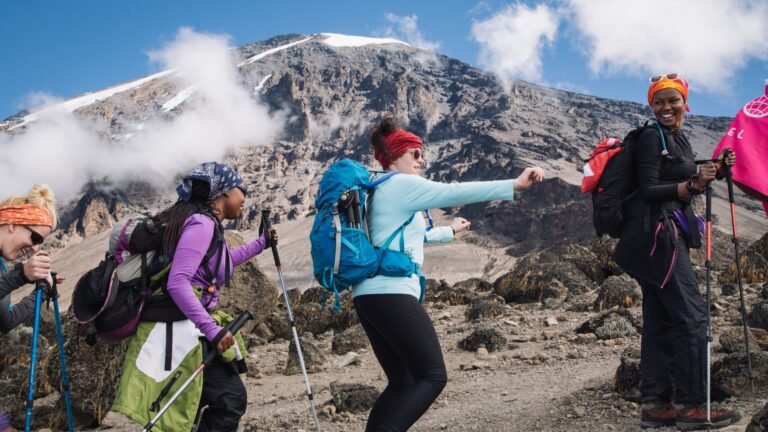
Kilimanjaro Full Moon Climb June : Summiting Under The Moonlight On 19Th 2027
start an unforgettable Kilimanjaro Full Moon Climb in June 2027, with the peak aiming for the night of June 19th. This guide explores the magic of summiting under the full moon, optimal...
View package detailsKilimanjaro Full Moon Climb May – Summit Around 20 2027
start a magical Kilimanjaro Full Moon Climb in May 2027, aiming for the summit around May 20th. This guide details the unique experience, optimal planning for the Green Season, and how...
View package details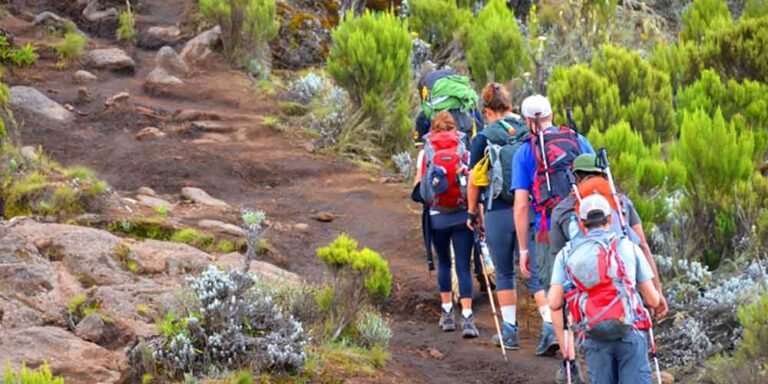
Kilimanjaro Full Moon Climb April – Summit Around 20-21 2027
start an unforgettable Kilimanjaro Full Moon Climb in April 2027, aiming for the summit on April 20-21. Discover the magic of reaching Uhuru Peak under the glow of the full moon, and learn...
View package details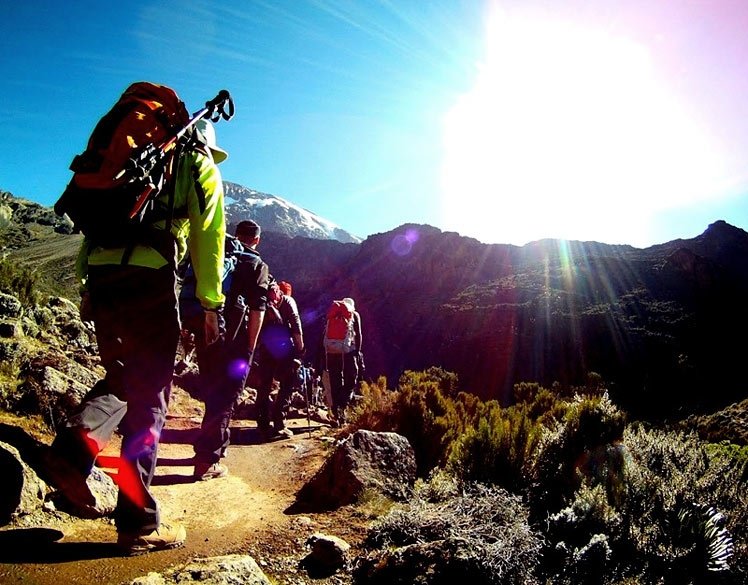
Kilimanjaro Full Moon Climb March – Summit Around 22 2027
Kilimanjaro Full Moon Climb March 2027 – Summit Around 22 March is explained with current 2027 planning, price, itinerary and booking information.
View package detailsKilimanjaro Full Moon Climb January – Summit Around 22 2026-2027
Kilimanjaro Full Moon Climb January 2027 – Summit Around 22 January is explained with current 2026-2027 planning, price, itinerary and booking information.
View package details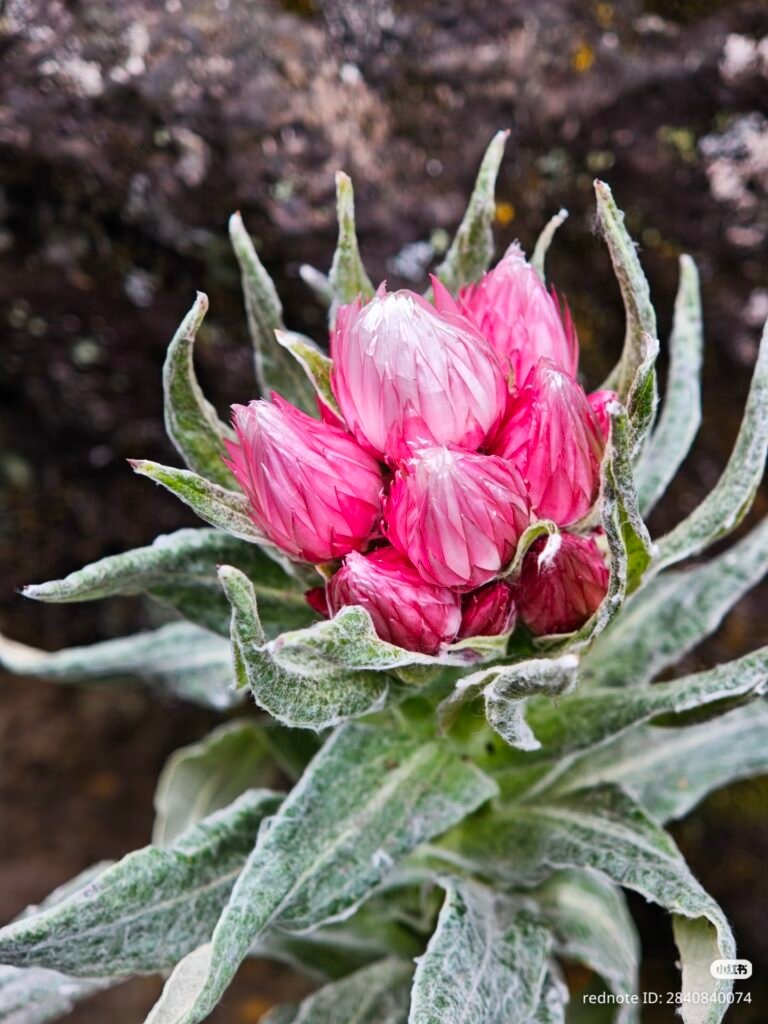
Kilimanjaro Full Moon Christmas Climb : Summit Around December 24Th 2026-2027
Experience the magic of a Kilimanjaro summit under the moonlight during Christmas week. This guide details planning for a December 24th summit, including route options and essential...
View package details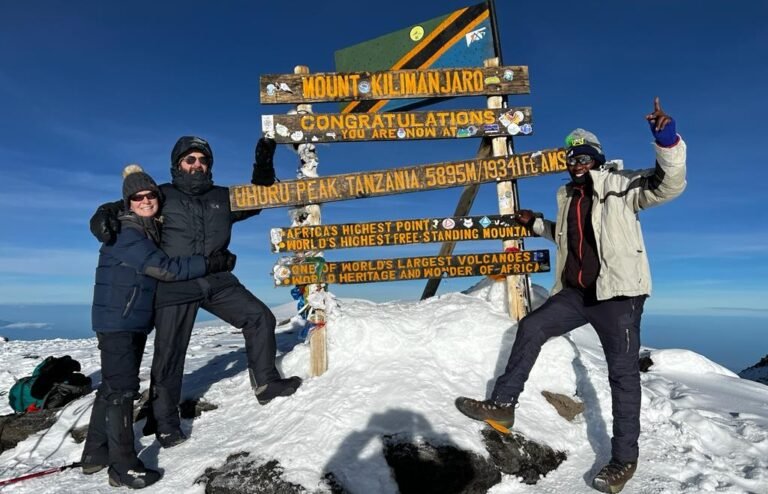
Kilimanjaro February Full Moon And Lunar Eclipse Climb 2027
Kilimanjaro February 2027 Full Moon and Lunar Eclipse Climb is explained with current 2027 planning, price, itinerary and booking information.
View package details
6 Day Machame Route – 26 October Kilimanjaro Group Climb 2026-2027
Discover the details of the 6-day Machame Route Kilimanjaro group climb scheduled for October 26, 2026. This comprehensive guide covers itinerary, preparation, what to expect, and booking...
View package detailsKilimanjaro Climb July – Peak Dry-Season Group Departures 2027
Kilimanjaro Climb July 2027 – Peak Dry-Season Group Departures is explained with current 2027 planning, price, itinerary and booking information.
View package details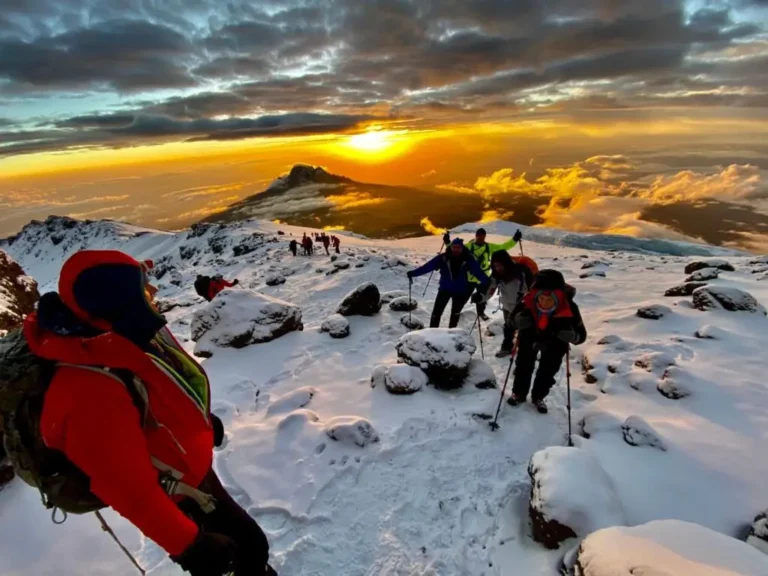
Marangu Route – 26 June Kilimanjaro Group Climb 2027
Marangu Route – 26 June 2027 Kilimanjaro Group Climb is explained with current 2027 planning, price, itinerary and booking information.
View package detailsNo related package matches those filters. Clear one or more filters to see the other topic-matched options.



