
Singida, Tanzania, offers a wealth of hidden gems and authentic local tours beyond the typical safari circuit, focusing on its rich cultural mix, unique geological formations like Lake Eyasi and the Maasai communities nearby, and vibrant local markets. Travelers seeking genuine experiences in 2026-2027 can explore these lesser-known attractions through guided excursions that connect them with local life, artisanal crafts, and the region’s distinctive natural landscapes.
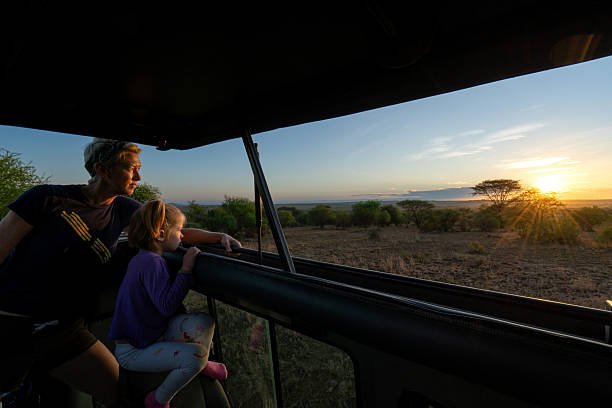

Introducing Singida: A Glimpse Beyond the Tourist Trail
Tanzania is globally renowned for its iconic wildlife safaris and the majestic Mount Kilimanjaro. However, venturing beyond these well-trodden paths reveals a different, equally interesting side of the country. Singida, a region in the heart of Tanzania, offers precisely this kind of off-the-beaten-track adventure. It’s a place where authentic cultural encounters and unique natural landscapes await those willing to explore. Unlike the bustling tourist hubs, Singida provides a tranquil and genuine glimpse into Tanzanian life, making it an ideal destination for travelers seeking depth and connection rather than just sights. The region’s relative obscurity is its charm, allowing for intimate interactions and a slower pace of discovery. As we look towards 2026 and 2027, Singida stands out as a destination poised for more conscious travelers wanting to experience Tanzania’s diverse offerings.
Why Seek Out Singida’s Hidden Gems?
The allure of Singida lies in its untouched authenticity. For many travelers, the traditional Tanzanian itinerary might include the Serengeti, Ngorongoro Crater, and Zanzibar. While these are undoubtedly spectacular, they often come with crowds and a commercialized feel. Singida, by contrast, offers a chance to step into the real Tanzania. Here, you can engage directly with local communities, witness traditional ways of life, and explore landscapes that haven’t been overly commercialized. This region is home to diverse ethnic groups, each with unique customs and traditions, providing unparalleled opportunities for cultural exchange. Furthermore, Singida boasts fascinating geological features and a rich history waiting to be uncovered. Choosing Singida means opting for an experience that is both educational and deeply personal, offering a profound appreciation for the country’s cultural and natural heritage.
The advantages of exploring Singida’s hidden gems are manifold:
- Authentic Cultural Immersion: Direct interaction with local communities, understanding their daily lives, traditions, and social structures.
- Unique Natural Landscapes: Discovering less-visited geological formations, lakes, and potentially unique flora and fauna.
- Off-the-Beaten-Path Adventure: Experiencing a side of Tanzania that most tourists miss, leading to more exclusive and memorable moments.
- Support for Local Economies: By visiting and engaging respectfully, travelers contribute directly to the livelihoods of local people and artisans.
- Deeper Understanding of Tanzania: Gaining a more nuanced perspective on the country’s diversity beyond its most famous attractions.
Planning Your Singida Adventure: Essential Considerations for 2026-2027
Embarking on a journey to Singida requires thoughtful planning to make the most of its unique offerings. Given its status as a less-developed tourist destination, understanding the practicalities of travel, timing, and cultural nuances is crucial. The years 2026 and 2027 present an excellent window for travelers looking to experience Singida before it potentially becomes more mainstream. Planning ahead ensures you can secure the best local guides, arrange suitable accommodation, and optimize your itinerary for cultural immersion and natural exploration.
Best Time to Visit Singida
Singida experiences a tropical climate with distinct wet and dry seasons. The dry season, from June to October, is generally considered the most favorable time to visit. During these months, the weather is pleasant, with sunny days and cooler evenings, making it ideal for exploring the region’s landscapes and engaging in outdoor activities. The minimal rainfall also means that roads are more accessible. The shoulder months of May and November can also offer good weather with fewer crowds. The rainy season, from March to May, sees significant rainfall, which can impact travel, especially on unpaved roads, and may limit outdoor exploration. However, this period can be rewarding for birdwatchers and offers a lush, green landscape. For travelers planning for 2026-2027, targeting the dry season ensures the most comfortable and accessible travel experience.
Getting to Singida
Singida is located in central Tanzania, and reaching it involves a combination of flights and road travel. The most common approach is to fly into Kilimanjaro International Airport (JRO) or Julius Nyerere International Airport (DAR) in Dar es Salaam, then take a domestic flight to Singida Airport (MWZ). Alternatively, for a more adventurous and budget-friendly option, one can travel by road. This involves a long bus journey or a private transfer from major cities like Dar es Salaam or Arusha. The road journey offers glimpses of rural Tanzania but can be lengthy and sometimes challenging due to road conditions. For those prioritizing time and comfort in 2026 or 2027, a domestic flight is recommended, followed by local transport arranged in advance.
Accommodation Options in Singida
Accommodation in Singida is more modest compared to major tourist destinations. You’ll find a range of options, from basic guesthouses and lodges within Singida town to more rustic accommodations in surrounding areas. For a truly in-depth experience, consider homestays or community-run lodges that offer a direct connection with local life. These options provide a unique insight into the region’s culture and hospitality. While luxury resorts are scarce, the available accommodations are clean, comfortable, and often family-run, offering a warm welcome. It’s advisable to book your accommodation in advance, especially if traveling during peak seasons in 2026-2027, and to confirm amenities and services.
Local Etiquette and Cultural Awareness
Respecting local customs and traditions is paramount when visiting Singida. Tanzania is a predominantly Muslim and Christian country, with diverse traditional beliefs also present. It’s important to dress modestly, especially when visiting villages or religious sites, covering shoulders and knees. Greetings are important; a simple “Jambo” (hello) or “Habari” (how are you?) is appreciated. When taking photographs of people, always ask for permission first. It’s also customary to be invited into homes for tea or a meal; accepting these invitations is a wonderful way to experience local hospitality, but be mindful of the time and offer a small gift if appropriate. Understanding and respecting these social norms will greatly enhance your interactions and the authenticity of your experience in Singida during 2026 or 2027.
Singida’s Cultural Treasures: Local Tours Explored
Singida’s heart beats in its vibrant culture and the stories of its people. Local tours here are less about ticking off landmarks and more about engaging with the living heritage of the region. These experiences offer profound insights into the daily lives, traditions, and artistic expressions of the communities that call Singida home. Engaging with local guides is key to unlocking these cultural treasures, as they possess invaluable knowledge and connections.
Visiting Singida Town and Its Markets
Singida town itself serves as a microcosm of the region’s life. A visit here is best experienced through its bustling local markets. The central market is a sensory explosion, filled with colorful produce, local crafts, textiles, and the chatter of vendors and shoppers. Here, you can find unique souvenirs, taste local snacks, and observe the rhythm of daily commerce. Local tours can include guided walks through the town, introducing you to its history, administrative centers, and the social fabric that binds the community. Exploring the market with a local guide provides context to the goods being sold, the origins of the crafts, and the economic life of the town, offering a far richer experience than simply wandering alone.
Exploring the Singida Region’s Archaeological Sites
The Singida region holds traces of ancient human activity, with several archaeological sites that offer a glimpse into its past. While not as widely publicized as sites in other parts of Africa, these locations provide a unique historical perspective. Local guides often know of these sites, which might include ancient rock art, old settlement areas, or burial grounds. A tour focused on archaeology would involve visiting these locations, learning about their significance, and understanding the ancient cultures that once inhabited the area. These excursions are typically more rugged and require a spirit of adventure, as access can be challenging. For history enthusiasts planning their trip for 2026-2027, incorporating these sites adds a significant dimension to the Singida experience.
Engaging with Local Communities Near Singida
One of the most rewarding aspects of visiting Singida is the opportunity to engage with its diverse ethnic groups. The region is home to peoples such as the Nyaturu, Gogo, and communities with ties to the Maasai and Datoga peoples further afield. Local tours can be arranged to visit these communities, offering a chance to learn about their unique customs, social structures, and traditional livelihoods. This might involve visiting a traditional homestead, participating in daily activities like fetching water or preparing food (with respect and permission), or learning about local farming practices. These interactions are best facilitated by guides who have established relationships with the communities, ensuring that the visits are respectful, beneficial, and genuinely insightful for both visitors and hosts. Such experiences are at the core of discovering Singida’s hidden gems.
Artisanal Crafts and Local Industries in Singida
Singida is a hub for various artisanal crafts, reflecting the skills and traditions passed down through generations. Local tours can focus on visiting workshops and artisans who specialize in pottery, weaving, beadwork, and wood carving. You can witness the creation process firsthand, understand the materials used, and perhaps even try your hand at a craft. Purchasing directly from these artisans not only provides unique, handmade souvenirs but also directly supports their livelihoods. Some areas are known for specific crafts, and a knowledgeable local guide can direct you to the most authentic producers. Exploring these industries offers a tangible connection to the region’s cultural heritage and economic life, making your visit to Singida in 2026 or 2027 more meaningful.
Natural Wonders Around Singida: Off the Beaten Path
Beyond its cultural richness, Singida is blessed with unique natural landscapes that are often overlooked. These areas offer tranquility, beauty, and opportunities for exploration away from the crowds. Local tours can take you to these secluded spots, revealing the diverse ecosystems and geological marvels of the region.
Lake Eyasi and Its Surroundings
While technically bordering the Arusha region, Lake Eyasi is often a significant point of interest for those exploring the Singida area, especially for its proximity to Datoga and Hadzabe communities. This shallow, alkaline lake is a vital ecosystem, attracting a variety of birdlife. The landscapes around Lake Eyasi are dramatic, characterized by dry savanna, acacia trees, and distant mountains. Local tours here often include visits to the Datoga blacksmiths, renowned for their intricate metalwork, and the Hadzabe, one of Africa’s last hunter-gatherer tribes, offering an unparalleled cultural immersion. The chance to witness the Hadzabe’s ancient hunting techniques or the Datoga’s traditional metal forging is a profound experience that defines Singida’s unique offerings.
Singida’s Geological Formations and Hot Springs
The geology of Singida is surprisingly diverse. The region features interesting rock formations, valleys, and areas with geothermal activity. While not as developed as some other hot springs in Tanzania, there are local spots where natural hot springs can be found, offering a unique relaxation experience amidst the wilderness. Exploring these geological features often requires local knowledge and can involve hiking or guided walks through less-traveled terrain. These sites provide a sense of discovery and a connection with the raw, natural forces that have shaped the land. For travelers in 2026-2027 seeking unusual natural phenomena, Singida’s geological curiosities are a compelling draw.
Birdwatching and Wildlife Opportunities in Singida
While Singida is not a primary wildlife safari destination like the Serengeti, it offers significant opportunities for birdwatching and encountering smaller wildlife. The diverse habitats, including lakes, rivers, and savanna woodlands, support a rich avian population. Lake Eyasi, in particular, is a haven for water birds, including flamingos, pelicans, and various waders. Guided birdwatching tours can take you to specific areas known for their species diversity. Beyond birds, you might encounter antelopes, giraffes, zebras, and various smaller mammals in the more remote parts of the region. These wildlife encounters are typically more intimate and less predictable than in national parks, adding to their charm.
Crafting Your Singida Itinerary with Local Guides
To truly uncover the hidden gems of Singida, working with local guides is indispensable. They possess the knowledge, language skills, and connections to navigate the region and facilitate authentic experiences. Whether you’re interested in culture, nature, or a blend of both, a well-crafted itinerary, guided by local expertise, will ensure a memorable trip for 2026-2027.
Sample Itinerary: Singida Cultural Immersion (7 Days)
Day 1: Arrival in Singida & Town Exploration
Arrive at Singida Airport (MWZ) or via road. Transfer to your accommodation. Afternoon guided tour of Singida town, including the central market and local administrative areas. Evening welcome dinner with local cuisine.
Day 2: Nyaturu Community Visit
Full day dedicated to visiting a Nyaturu village. Learn about their agricultural practices, social customs, and traditional crafts. Participate in a cooking demonstration or craft workshop. Enjoy lunch with a local family.
Day 3: Artisanal Crafts & Local Industries
Morning visit to local artisans – perhaps a pottery workshop or a weaver’s studio. Learn about their techniques and the significance of their craft. Afternoon visit to a local industry, such as a salt mine or a small-scale agricultural processing unit.
Day 4: Journey to Lake Eyasi Area
Travel towards the Lake Eyasi region. En route, stop at viewpoints offering scenic vistas. Settle into accommodation near Lake Eyasi. Afternoon exploration of the lake shores and birdwatching.
Day 5: Hadzabe & Datoga Encounters
Morning guided walk with the Hadzabe hunter-gatherers to observe their traditional way of life and hunting techniques (respectful observation is key). Afternoon visit to Datoga blacksmiths to witness their metalworking skills.
Day 6: Geological Wonders & Hot Springs
Explore unique geological formations in the Lake Eyasi vicinity. Visit a local hot spring for a relaxing soak. Learn about the region’s unique topography from your guide.
Day 7: Departure
Morning at leisure. Transfer back to Singida Airport for your onward flight, or begin your road journey back to your next destination.
Sample Itinerary: Singida Nature and Community (5 Days)
Day 1: Arrival in Singida & Cultural Introduction
Arrive in Singida. Settle into your lodge. Afternoon orientation walk in Singida town, focusing on local life and market dynamics.
Day 2: Community Engagement & Local Life
Visit a local village to interact with residents. Understand their daily routines, agricultural methods, and community structures. This is a chance for genuine cultural exchange.
Day 3: Lake Eyasi Exploration & Birding
Day trip to the Lake Eyasi area. Focus on birdwatching along the lake shores and exploring the unique semi-arid environment. Enjoy the scenic beauty and tranquility.
Day 4: Datoga Artisans & Archaeological Glimpse
Travel to an area known for Datoga artisans. Witness their metalworking. If accessible and of interest, your guide can arrange a visit to a lesser-known archaeological site in the region.
Day 5: Departure
Enjoy a final Tanzanian breakfast. Transfer to Singida Airport or begin your road journey.
Customizing Your Singida Tour for 2026-2027
The sample itineraries provide a framework, but the true value of a Singida trip lies in customization. Whether you have specific interests in photography, traditional medicine, local music, or specific craft forms, a tailor-made tour can be arranged. For 2026-2027, consider what aspects of Singida’s culture and nature appeal most to you. Do you want more time with the Hadzabe? Are you interested in exploring specific geological sites? Or perhaps focusing on different ethnic groups within the region? Working with a local tour operator like Climb 4 Africa allows for this level of personalization, ensuring your trip aligns perfectly with your interests and expectations. Provide your preferences, desired pace, and any specific activities you wish to include, and a bespoke itinerary can be crafted.
Booking Your Singida Experience with Climb 4 Africa
Organizing a trip to a less-traveled destination like Singida requires reliable local support. Climb 4 Africa specializes in creating authentic Tanzanian travel experiences, including those that venture beyond the usual tourist routes. Their expertise in local logistics, community engagement, and providing knowledgeable guides ensures a smooth and enriching journey. When planning your Singida adventure for 2026 or 2027, partnering with them means you benefit from:
- Local Knowledge: Deep understanding of Singida’s culture, geography, and best local contacts.
- Tailor-Made Itineraries: Ability to customize trips based on your interests and preferences.
- Logistical Support: Handling transport, accommodation, and guide arrangements.
- Community Connections: Facilitating respectful and meaningful interactions with local communities.
- Safety and Comfort: Ensuring your trip is well-managed and enjoyable.
To begin planning your unique Singida experience, reach out to Climb 4 Africa. Share your travel dates (e.g., for 2026-2027), interests, and the kind of experience you envision. This will allow them to propose a personalized itinerary and provide a quote. You can contact them via WhatsApp at +255 747 477 898 or by email at climb4africa@gmail.com. Their team is ready to help you craft an unforgettable journey into the heart of Tanzania’s hidden gems.
What to Expect from Singida Tours
Tours in Singida are fundamentally different from those in more established tourist areas. Expect a journey that is rich in human connection and cultural authenticity, often at a slower pace. The infrastructure is less developed, meaning that accommodations might be simpler, and travel times can be longer. However, this is precisely where the magic lies. You’ll likely have more intimate interactions with local people, witness daily life unfold without a staged performance, and discover landscapes that feel genuinely wild and untamed. Guides will be crucial for translation and cultural interpretation, and their insights will shape your understanding of the region. Be prepared for a more rustic and in-depth experience, where flexibility and an open mind are your greatest assets. The rewards are deep insights into Tanzanian culture and a sense of genuine discovery, especially when planning for 2026-2027.
Important Note for 2026-2027 Travelers: Singida is a destination for the adventurous and culturally curious. While Climb 4 Africa ensures the best possible arrangements, be prepared for a more basic level of comfort than you might find in Arusha or Zanzibar. Embrace the simplicity, the genuine interactions, and the raw beauty. This is where you’ll find the true spirit of Tanzania.
Singida Travel Tips for 2026-2027
To ensure a smooth and rewarding trip to Singida in 2026-2027, keep these practical tips in mind:
- Pack Light and Smart: Bring comfortable, breathable clothing suitable for warm weather and modest attire for village visits. Include a hat, sunscreen, insect repellent, and a basic first-aid kit.
- Stay Hydrated: Drink plenty of bottled or purified water. Carry a reusable water bottle.
- Currency: The Tanzanian Shilling (TZS) is the local currency. While some places might accept USD, it’s best to have local currency for markets and smaller purchases. ATMs are available in Singida town but may be less reliable in smaller areas.
- Connectivity: Mobile phone reception can be spotty outside of Singida town. Consider purchasing a local SIM card if you need consistent connectivity. Wi-Fi is not widely available.
- Photography: Always ask for permission before taking photos of people, especially children or inside homes. Be respectful of privacy.
- Health Precautions: Consult your doctor about necessary vaccinations and malaria prophylaxis before traveling.
- Learn Basic Swahili Phrases: While guides will speak English, knowing a few Swahili words like “Asante” (thank you) and “Karibu” (welcome) is greatly appreciated.
- Flexibility: Be prepared for unexpected changes. Road conditions, weather, or local events can sometimes alter plans. A flexible attitude will enhance your experience.
By planning carefully and embracing the unique spirit of Singida, your trip in 2026 or 2027 promises to be an unforgettable exploration of Tanzania’s less-discovered treasures. For personalized assistance in crafting this journey, don’t hesitate to connect with Climb 4 Africa via WhatsApp +255 747 477 898 or Email climb4africa@gmail.com.
Check Availability for Hidden Gems And Local Tours In Singida, Tanzania Guide
Ready to compare dates, prices, and the best option for your group? Send the package name and travel month so the team can reply with a clear quote, availability, and what is included.
Discover Simiyus Hidden Gems: Authentic Local Tours & Experiences In Tanzania
Uncover the best-kept secrets of Simiyu, Tanzania, through authentic local tours. This guide highlights unique cultural encounters, wildlife viewing opportunities, and stunning natural…
Hidden Gems And Local Tours In Shinyanga, Tanzania: An Experts Guide 2026-2027
Explore the lesser-known attractions and unique local experiences in Shinyanga, Tanzania. This guide reveals hidden gems and provides practical advice for planning unforgettable tours, with…
Hidden Gems And Local Tours In Ruvuma, Tanzania Guide
Ruvuma region in Tanzania offers a wealth of undiscovered treasures, from vibrant local cultures to pristine natural landscapes. This guide details how to experience these hidden gems…

Discover Rukwas Hidden Gems: Authentic Local Tours In Tanzania 2026-2027
Uncover the authentic charm of Rukwa, Tanzania, by venturing off the beaten path. This guide details hidden gems and local tour experiences, from unique wildlife encounters to cultural…

Discover Pwanis Hidden Gems & Authentic Local Tours In Tanzania 2026-2027
Uncover the lesser-known wonders and authentic local experiences in Pwani, Tanzania. This guide highlights unique destinations and tours for travelers seeking genuine cultural immersion and…
Pemba Kusini: Discover Hidden Gems And Authentic Local Tours In Tanzania
Uncover the untold stories and untouched beauty of Pemba Kusini, Tanzania, with this in-depth guide to its hidden gems and authentic local tours. From pristine beaches to vibrant culture…
Hidden Gems And Local Tours In Pemba Kaskazini, Tanzania: Your Ultimate
find the secrets of Pemba Kaskazini, Tanzania. This guide reveals its most secluded beaches, unique cultural experiences, and unforgettable local tours, perfect for travelers seeking…

Discover Njombe, Tanzania: Hidden Gems And Authentic Local Tours For 2026-2027
Uncover the lesser-known treasures of Njombe, Tanzania, with a focus on authentic local tours and unique experiences. This guide explores the natural beauty, cultural richness, and…

Hidden Gems And Local Tours In Mwanza, Tanzania Guide
Uncover the soul of Mwanza, Tanzania, through its lesser-known attractions and genuine local tours. This guide reveals secret spots and unique cultural encounters for an unforgettable…
Hidden Gems And Local Tours In Mtwara, Tanzania: Your Ultimate Guide 2026-2027
Uncover the secrets of Mtwara, Tanzania, with this comprehensive guide to its hidden gems and local tours. From untouched coastlines to vibrant cultural experiences, plan your unforgettable…
Best Songea Tours: Exploring Southern Tanzanias Hidden Gems In 2026-2027
Songea, the capital of the Ruvuma region in southern Tanzania, offers a less-traveled but profoundly rewarding experience. This guide details the best tours and activities for exploring its…
No related package matches those filters. Clear one or more filters to see the other topic-matched options.



