
A Rungwa Wildlife Tour offers an unparalleled opportunity to experience Tanzania’s wilderness away from the crowds, focusing on the Rufiji River ecosystem and its diverse inhabitants, including large herds of buffalo, elephants, hippos, and abundant birdlife, making it ideal for those seeking a more remote and authentic safari adventure in 2026-2027.
Why Choose a Rungwa Wildlife Tour?
When planning a Tanzanian safari, the names Serengeti, Ngorongoro, and even Tarangire often spring to mind. These are, of course, iconic destinations offering spectacular wildlife viewing. However, for the traveler seeking an experience that steps beyond the well-trodden paths, a Rungwa Wildlife Tour presents a compelling alternative. Rungwa National Park, often overshadowed by its northern and southern circuit counterparts, is a vast, wild expanse that promises a more intimate and untamed encounter with Tanzania’s natural heritage. It’s a place where the sheer scale of the landscape and the relative scarcity of other safari vehicles allow for a profound connection with the wilderness.
Imagine tracking a pride of lions through dense acacia woodlands with only the sounds of the bush for company, or witnessing a colossal herd of buffalo silhouetted against a fiery sunset without another jeep in sight. This is the essence of a Rungwa safari. The park is part of the larger Rungwa-Kizigo-Muhesi ecosystem, a critical wildlife corridor that supports a staggering array of species. Its primary draw is the Rufiji River system, which meanders through the landscape, creating vital wetlands and attracting a wealth of wildlife, particularly during the dry season. For birdwatchers, the park is a revelation, boasting an astonishing diversity of avian life.
Choosing a Rungwa Wildlife Tour means opting for authenticity. It’s for the traveler who appreciates the thrill of discovery, who finds beauty in the raw and unfiltered aspects of nature, and who desires a deeper understanding of conservation challenges and successes in a less commercialized setting. In 2026 and 2027, as more travelers seek unique experiences, Rungwa stands ready to deliver an adventure that is both breathtakingly beautiful and deeply rewarding. It offers a chance to see Tanzania as it once was, a wild and magnificent land teeming with life.
Understanding Rungwa National Park: A less crowded place
To truly appreciate the allure of a Rungwa Wildlife Tour, it’s essential to understand the park’s unique characteristics. Rungwa is not just another wildlife area; it’s a significant component of Tanzania’s vast conservation landscape, offering a distinct safari experience characterized by its scale, remoteness, and rich biodiversity.
Location and Geography
Rungwa National Park is situated in the central-western part of Tanzania, southwest of the capital city, Dodoma. It forms a crucial part of the larger Rungwa-Kizigo-Muhesi (RKM) Game Reserve complex, one of the largest protected areas in East Africa. This immense geographical scope means that Rungwa is a place of vast, largely undeveloped wilderness. The terrain is varied, encompassing open grasslands, miombo woodlands, riverine forests, and the vital floodplains associated with the Rufiji River and its tributaries. The landscape is generally flatter than the northern circuit parks, with gentle rolling hills and extensive savannas punctuated by termite mounds and scattered trees. This openness, while offering long sightlines for spotting wildlife, also means that some areas can be challenging to navigate, contributing to its remote feel.
Ecosystem and Wildlife Highlights
The Rungwa ecosystem is a mosaic of habitats that supports an impressive diversity of wildlife. Its lifeline is the Rufiji River, which creates a network of permanent and seasonal water sources. This is critical for sustaining large populations of animals, especially during the dry months when water becomes scarce elsewhere. The park is renowned for its significant populations of elephants, buffalo, hippos, and crocodiles, often seen in large numbers around water bodies. Predators such as lions, leopards, cheetahs, wild dogs, and hyenas are present, though sightings can be more challenging due to the dense vegetation and the park’s sheer size. Rungwa is also a vital stronghold for endangered species, making a safari here a contribution to their protection.
The park’s woodlands, particularly the miombo type, are home to a variety of antelopes, including greater kudu, sable antelope, roan antelope, hartebeest, and wildebeest. Smaller mammals like warthogs, baboons, and various monkey species are common. The birdlife is exceptional, with over 400 recorded species, making it a destination of international importance for ornithologists. The combination of riverine habitats, open savannas, and woodlands creates a rich mix of ecological niches, supporting this remarkable biodiversity.
Historical Context and Conservation Efforts
Rungwa National Park was established in 1960, initially as part of a larger game reserve. Its creation was part of Tanzania’s broader effort to protect its natural heritage and manage wildlife populations. Historically, the area has faced challenges from poaching and human-wildlife conflict, as is common in many large African wilderness areas. However, ongoing conservation efforts by the Tanzanian government and various conservation organizations are working to mitigate these threats.
The establishment of Rungwa as a national park, alongside the surrounding game reserves, aims to provide a sanctuary for wildlife while also offering opportunities for sustainable tourism. The park’s remoteness, while a draw for some, also presents logistical challenges for conservation management and anti-poaching patrols. Therefore, tourism plays a crucial role not only in providing economic benefits to local communities but also in funding conservation initiatives. A Rungwa Wildlife Tour directly supports these efforts, as park fees and tourism revenue contribute to the resources needed to protect this invaluable ecosystem for future generations, including in the planning for 2026 and 2027.
Planning Your Rungwa Wildlife Tour: Key Considerations
Organizing a safari to a less-visited park like Rungwa requires careful planning to ensure a rewarding and smooth experience. Unlike the more developed northern circuit parks, Rungwa demands a bit more logistical foresight. Here’s a breakdown of the essential elements to consider when planning your Rungwa Wildlife Tour for 2026 or 2027.
Best Time to Visit in 2026-2027
The optimal time for a Rungwa Wildlife Tour largely depends on what you wish to see and experience. The park has distinct wet and dry seasons, each offering different advantages:
- The Dry Season (June to October): This is generally considered the peak safari season in Tanzania. During these months, vegetation thins out, and wildlife congregates around permanent water sources, making sightings more reliable and easier. The weather is typically sunny and pleasant, with lower humidity. Roads are generally in better condition. However, this is also the busiest and most expensive time to travel. For 2026 and 2027, expect good wildlife viewing and pleasant weather during this period.
- The Shoulder Seasons (November, March to May): These months mark the transition between wet and dry. Wildlife is still relatively easy to spot as water sources begin to dwindle or replenish. The landscape becomes greener. November can be a great time, with the start of the short rains. May often sees the end of the long rains, with lush scenery. Accommodation prices might be slightly lower.
- The Wet Season (November to February and March to May): The long rains typically fall from March to May, though short rains can occur in November and December. During this period, the landscape is incredibly verdant and beautiful. Birdlife is at its most active, with migratory birds present. However, game viewing can be more challenging as animals disperse into thicker vegetation and water is abundant. Some roads may become impassable, especially in the wetter southern circuit areas. This season offers fewer crowds and lower prices, making it attractive for budget-conscious travelers or serious birdwatchers.
For most visitors aiming for classic wildlife viewing, the dry season from June to October is the most recommended time for a Rungwa Wildlife Tour. However, if you are a keen birder or prefer fewer crowds and a greener landscape, consider the shoulder months or even the start of the wet season.
Duration of Stay: How Long is Ideal?
Given Rungwa’s vastness and remoteness, a rushed visit is unlikely to do it justice. To truly appreciate the park and have a good chance of encountering its diverse wildlife, a minimum of 3 to 4 full days within the park is recommended. This allows for a mix of game drives across different areas and perhaps a boat or walking safari if available. For a more comprehensive experience, including travel time to and from the park, a 5 to 7-day Rungwa Wildlife Tour is ideal. This longer duration provides flexibility to explore more remote sections, increases your chances of spotting elusive predators, and allows for a more relaxed pace. It also provides a buffer against potential travel delays due to weather or road conditions, which are more common in less developed areas.
Getting to Rungwa: Access and Transportation
Accessing Rungwa National Park is part of its adventure. Unlike the northern circuit parks which are easily accessible by road from Arusha, Rungwa is more remote.
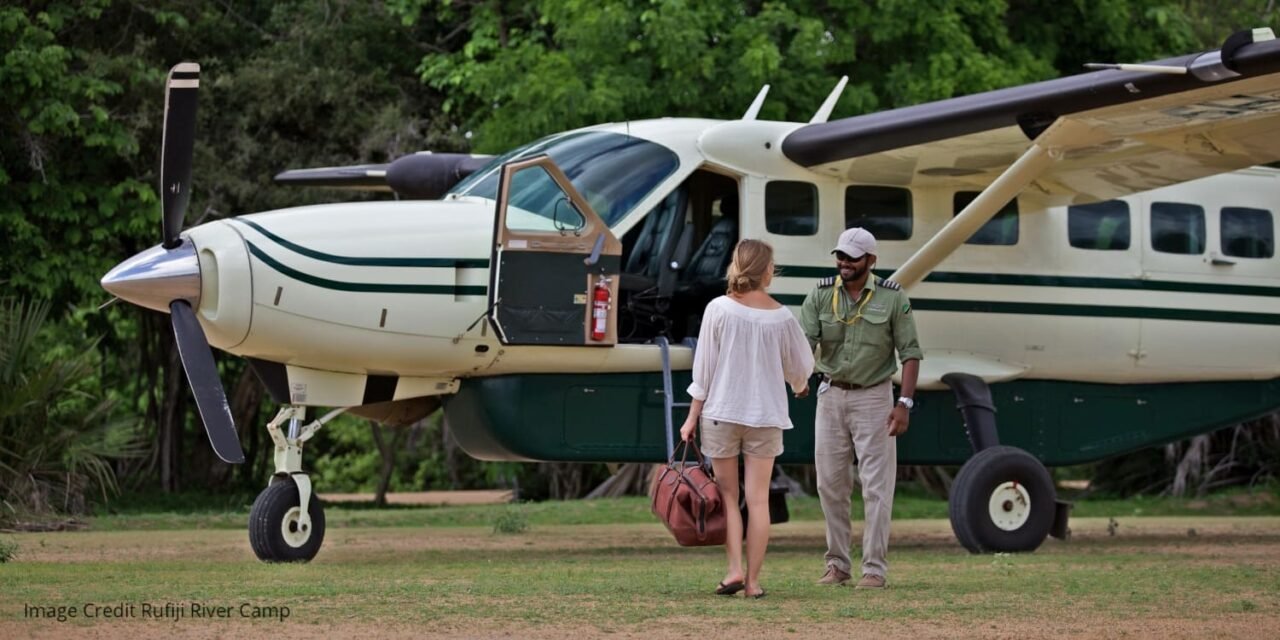
- By Air: The most practical way to reach Rungwa is by light aircraft. Charter or scheduled flights operate from Dar es Salaam (Julius Nyerere International Airport – JNIA) or Arusha Airport to small airstrips within or near the park, such as the Rungwa airstrip. This significantly cuts down travel time and offers stunning aerial views of the landscape. This is often the preferred method for those on a tighter schedule or seeking a more comfortable arrival. Booking flights well in advance is crucial, especially for 2026-2027 travel.
- By Road: Driving to Rungwa is possible but is a long and arduous journey, typically taking at least two days from Dar es Salaam or Arusha. The roads can be rough and challenging, especially during the rainy season. This option is usually undertaken by those on a budget who have ample time and are accustomed to overland travel in remote areas. A sturdy 4×4 safari vehicle is essential.
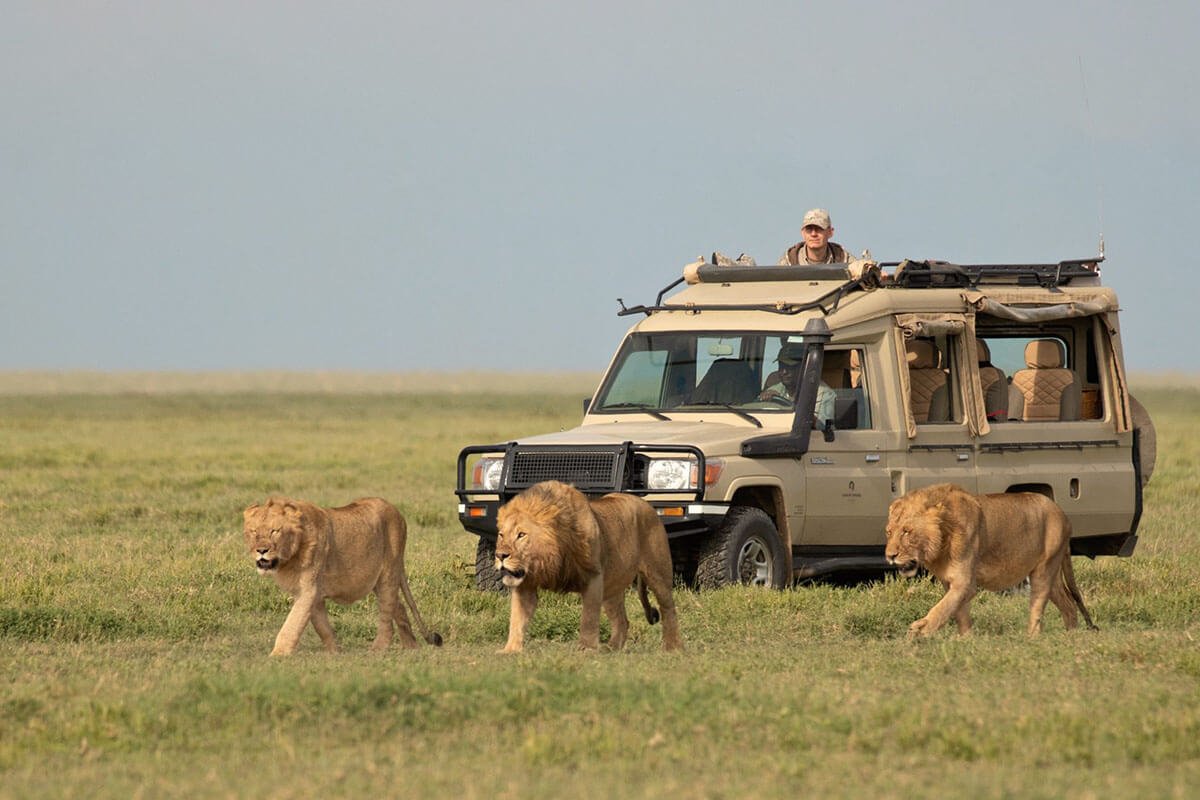
Once inside the park, a 4×4 safari vehicle with a pop-up roof is mandatory for game viewing. This vehicle, along with a knowledgeable guide, is typically provided by your tour operator. The quality of the vehicle and the expertise of the guide are paramount for a successful Rungwa Wildlife Tour.
Accommodation Options: Lodges and Camps
Accommodation in Rungwa is more limited and rustic compared to the more developed parks. This contributes to its wilder feel. Options typically include:
- Tented Camps: These range from basic, fly-camp style accommodations to more comfortable, semi-permanent tented camps. They offer an authentic bush experience, often situated in prime wildlife areas. Expect comfortable beds, en-suite facilities (sometimes), and communal dining areas.
- Safari Lodges: While less common than in other parks, a few lodges exist, offering more permanent structures and potentially more amenities. These are often strategically located to provide excellent views and access to wildlife.
- Mobile Camps: Some operators may utilize mobile tented camps that can be moved to different locations within the park or surrounding areas, allowing for exploration of diverse habitats.
When booking your Rungwa Wildlife Tour, inquire about the specific type of accommodation. For 2026-2027, it’s wise to book well in advance, as the limited number of options can fill up quickly, especially during the peak season.
Safari Activities: Beyond the Game Drive
While game drives are the cornerstone of any Rungwa Wildlife Tour, the park’s environment lends itself to other activities, offering a more varied safari experience:
- Game Drives: The primary activity. Morning, afternoon, and full-day drives are conducted in open 4×4 vehicles. The focus is on exploring the park’s diverse habitats and seeking out its wildlife.
- Walking Safaris: In designated areas and under the guidance of an armed ranger, walking safaris offer an intimate perspective of the bush. You’ll learn about tracking, identify smaller flora and fauna, and experience the African wilderness on foot. This is a fantastic way to appreciate the details often missed from a vehicle.
- Boat Safaris: The Rufiji River system is ideal for boat excursions. These offer unique opportunities to see hippos, crocodiles, and a vast array of water birds up close. It provides a different vantage point and a refreshing break from the vehicle.
- Night Game Drives: In some areas or adjacent concessions, night drives can be offered, providing a chance to spot nocturnal animals like leopards, civets, genets, and owls, which are rarely seen during the day.
Discuss with your tour operator which activities are available and feasible during your planned visit to Rungwa in 2026-2027. Combining different activities can significantly enhance the richness of your safari.
What to Pack for Your Rungwa Adventure
Packing appropriately is crucial for comfort and safety on a Rungwa Wildlife Tour. The climate can be warm to hot, with cooler mornings and evenings, especially during the dry season. Layers are key.
- Clothing: Neutral-colored, lightweight, breathable clothing (khaki, beige, olive green). Avoid bright colors and dark blue/black, which can attract insects or startle wildlife. Include long-sleeved shirts and trousers for sun and insect protection, t-shirts, shorts, and a warm fleece or jacket for cooler mornings/evenings.
- Footwear: Comfortable, broken-in walking shoes or hiking boots if you plan on walking safaris. Comfortable trainers or sandals for relaxing at camp/lodge.
- Headwear: A wide-brimmed hat or cap for sun protection.
- Eyewear: Sunglasses.
- Sun Protection: High SPF sunscreen, lip balm with SPF.
- Insect Repellent: A strong repellent containing DEET is essential.
- Camera Equipment: Binoculars are a must-have for wildlife viewing. A good camera with a zoom lens will help capture memories. Extra batteries and memory cards are advisable.
- Personal Items: Basic first-aid kit, any personal medications, hand sanitizer, wet wipes, a reusable water bottle.
- Documents: Passport, visa, vaccination certificates, flight details, insurance information, and copies of all important documents.
Remember that luggage weight restrictions often apply to light aircraft flights, so pack efficiently. Your tour operator will provide a detailed packing list specific to your Rungwa Wildlife Tour.
Wildlife Spotting in Rungwa: What to Expect
Rungwa National Park is a sanctuary for a remarkable diversity of wildlife. While it may not boast the sheer density of wildebeest found in the Serengeti during the migration, its vastness and varied habitats support a rich and rewarding array of species, offering unique viewing opportunities.
Mammals of Rungwa: Iconic and Elusive Species
The park is particularly known for its large mammal populations. Elephant and buffalo herds are frequently encountered, often in substantial numbers, especially near water sources. These sightings are a staple of any Rungwa Wildlife Tour. Hippos are abundant in the Rufiji River and its tributaries, often seen basking in large pods.
Predators are present, though sightings can be less predictable than in more tourist-heavy parks. Lions are well-established, and Rungwa is one of the better places in Tanzania to encounter packs of African wild dogs, a rare and endangered species. Leopards and cheetahs are also present but are more elusive due to their nocturnal or crepuscular habits and the dense woodland cover in some areas. Hyenas, both spotted and striped, are common.
Various antelope species thrive here. Greater kudu, with their magnificent spiral horns, are a highlight. Sable and roan antelopes, both striking in appearance, can be found in the woodlands. Other grazers and browsers include hartebeest, wildebeest, impala, waterbuck, bushbuck, and the smaller dik-dik. Giraffes are also present, though perhaps not as numerous as in other parks.
Birdlife Bonanza: A Birder’s Paradise
For ornithologists, Rungwa National Park is a destination of immense significance. With over 400 species recorded, it’s a birdwatcher’s dream. The diverse habitats—from riverine forests to open savannas and acacia woodlands—attract a wide range of avian life.
Key species to look out for include the **African fish eagle**, a majestic raptor often seen soaring over water bodies. Various kingfishers, bee-eaters, and rollers are abundant, especially along the Rufiji River. Waterfowl such as Egyptian geese, various ducks, and storks are common in wetlands. The woodlands are home to woodpeckers, barbets, and hornbills. Migratory birds from Europe and Asia visit during the northern hemisphere’s winter, adding to the diversity. The park is also known for its raptor populations, including vultures and eagles.
Reptiles and Amphibians
The Rufiji River system provides a perfect habitat for large reptiles. Nile crocodiles are a common sight, often seen basking on riverbanks or lurking in the water. Various snake species inhabit the park, though encounters are rare and typically avoided by guides. Monitor lizards can also be spotted.
River-Based Wildlife Encounters
The Rufiji River is central to the Rungwa experience. Beyond the hippos and crocodiles, the riverbanks attract large herds of elephants and buffalo coming to drink, especially during the dry season. Birdlife is particularly concentrated along the river, with numerous water-dependent species. Boat safaris on the Rufiji offer a unique perspective, allowing for close encounters with wildlife that might be more wary on land. This riparian ecosystem is a microcosm of Rungwa’s biodiversity, providing some of the most memorable moments of a Rungwa Wildlife Tour.
Crafting Your Rungwa Wildlife Tour Itinerary
Designing the perfect Rungwa Wildlife Tour itinerary depends on your interests, time, and budget. Given the park’s size and the logistics involved, working with an experienced tour operator like Climb 4 Africa is highly recommended. They can tailor an itinerary that maximizes your experience while accounting for travel times and accommodation availability for 2026-2027.
Sample Itinerary: 5 Days of Discovery
This itinerary focuses on a balanced experience of Rungwa’s key areas and activities.
- Day 1: Arrival in Rungwa & First Game Drive. Fly from Dar es Salaam or Arusha to Rungwa airstrip. Meet your guide and vehicle. Transfer to your lodge or camp, followed by an afternoon game drive in the surrounding area.
- Day 2: Rufiji River Exploration. Morning game drive focusing on areas near the Rufiji River, seeking out hippos, crocodiles, and water birds. Enjoy a picnic lunch. Afternoon boat safari on the river for a different perspective.
- Day 3: Woodland and Savanna Exploration. Full day game drive exploring the miombo woodlands and open savannas, searching for predators like lions and wild dogs, and diverse antelope species. Enjoy a bush breakfast and lunch in a scenic spot.
- Day 4: Walking Safari & Further Game Drives. Morning walking safari with an armed ranger to experience the bush on foot. Afternoon game drive in a different sector of the park, perhaps focusing on birding hotspots or areas known for specific mammals.
- Day 5: Final Game Drive & Departure. Early morning game drive to catch the last of the wildlife activity. After breakfast, transfer to the airstrip for your flight back to Dar es Salaam or Arusha.
This 5-day plan provides a solid introduction to Rungwa’s diverse offerings.
Sample Itinerary: 7 Days of Immersion
A longer itinerary allows for deeper exploration and a more relaxed pace, increasing chances of spotting rarer wildlife.
- Day 1: Arrival & Camp Settling. Arrive via light aircraft at Rungwa airstrip, transfer to your chosen lodge or tented camp. Settle in and enjoy an afternoon game drive in the vicinity.
- Day 2: Rufiji River Delta. Full day dedicated to the Rufiji River system. Morning game drive along its banks, followed by a boat safari to explore its channels and observe hippos, crocodiles, and abundant birdlife. Picnic lunch.
- Day 3: Miombo Woodland Safari. Explore the vast miombo woodlands, known for greater kudu, sable antelope, and potentially leopard. Spend the day tracking wildlife and enjoying the unique flora of this habitat.
- Day 4: Savanna Plains & Predator Focus. Game drive across the open savanna plains, looking for elephant herds, buffalo, and the park’s predators, including lions and wild dogs. A bush breakfast and lunch add to the experience.
- Day 5: Walking Safari & Remote Exploration. start a guided walking safari in a permitted area to connect with the wilderness on foot. In the afternoon, drive to a less-visited part of the park, perhaps a different river system or a remote grassland area.
- Day 6: Birding & Night Game Drive. Morning focused on birdwatching in known hotspots, followed by an afternoon game drive. If available and desired, start a thrilling night game drive to search for nocturnal creatures.
- Day 7: Farewell Game Drive & Departure. Enjoy a final early morning game drive. After breakfast, transfer to the airstrip for your onward flight.
This 7-day Rungwa Wildlife Tour allows for a more in-depth appreciation of the park’s varied ecosystems and wildlife.
Customizing Your Trip: Tailor-Made Experiences
Climb 4 Africa specializes in crafting tailor-made Rungwa Wildlife Tours. Whether you are a dedicated birder, a keen photographer, or simply seeking a peaceful escape into nature, your itinerary can be adjusted. Considerations for customization include:
- Photography Focus: Prioritizing locations and times of day that offer the best light and opportunities for wildlife photography.
- Birdwatching Expeditions: Spending more time in diverse habitats known for avian species, potentially with specialized guides.
- Luxury vs. Rustic: Selecting accommodation and vehicle types to match your comfort preferences.
- Combination Safaris: Extending your trip to include other parks in Tanzania, such as Ruaha or Selous, to experience a broader range of landscapes and wildlife.
When you connect with Climb 4 Africa for your 2026-2027 Rungwa Wildlife Tour, discuss your specific interests. This ensures your safari is perfectly aligned with your expectations.
Comparing Rungwa to Other Tanzanian Parks
Rungwa National Park offers a unique safari experience, distinct from the more famous parks in Tanzania’s northern and southern circuits. Understanding these differences helps in choosing the right destination for your adventure.
Rungwa vs. Serengeti: The Classic vs. The Undiscovered
- Serengeti: World-renowned for the Great Migration, vast open plains, and exceptionally high densities of predators and prey. Offers a classic, often predictable, safari experience with excellent infrastructure and a wide range of accommodation.
- Rungwa: Much wilder and more remote, with fewer tourist vehicles. Wildlife sightings are rewarding but can be more challenging due to denser vegetation in parts. Offers a sense of solitude and discovery. Excellent for large herds of buffalo and elephants, and a haven for birdlife. Less focused on the dramatic migration spectacle of the Serengeti.
Choose Serengeti for: Iconic migration viewing, high predator-prey interactions, classic safari experience with abundant wildlife.
Choose Rungwa for: Solitude, authentic wilderness, diverse birdlife, large buffalo and elephant herds, a less crowded safari.
Rungwa vs. Selous: Similarities and Differences
Selous Game Reserve (now Nyerere National Park) is another vast southern circuit park, sharing some similarities with Rungwa.
- Selous: Famous for its boat safaris on the Rufiji River, walking safaris, and diverse wildlife including elephants, buffalo, lions, and wild dogs. It’s one of the largest reserves in Africa.
- Rungwa: Also centered around the Rufiji River system, offering similar activities. Rungwa is a National Park, implying slightly different management and access regulations compared to a Game Reserve. Rungwa is generally considered even more remote and less developed than Selous, offering a deeper sense of wilderness. While Selous has a strong reputation for wild dogs, Rungwa also hosts them and offers a more extensive, less explored landscape.
Choose Selous for: Renowned boat safaris, established walking safari routes, and a slightly more developed (though still wild) experience.
Choose Rungwa for: Even greater remoteness, a sense of true pioneering exploration, and a less commercialized wilderness feel.
Rungwa vs. Ruaha: The Southern Circuit Rivals
Ruaha National Park is Tanzania’s largest national park and a jewel of the southern circuit, known for its dramatic landscapes and large elephant herds.
- Ruaha: Characterized by its rugged hills, baobab trees, and the Great Ruaha River. It boasts impressive numbers of elephants and is famous for its lion prides and wild dogs. Offers a rugged, wild beauty.
- Rungwa: Flatter terrain with extensive woodlands and riverine areas. While it also has significant elephant and buffalo populations and hosts predators like lions and wild dogs, its primary draw is the vastness of the Rufiji River system and its associated biodiversity, particularly birdlife. Ruaha is often considered more scenically dramatic, while Rungwa offers a more expansive, less rugged wilderness experience.
Choose Ruaha for: Dramatic landscapes, large elephant herds, impressive lion populations, baobab trees, and a more rugged feel.
Choose Rungwa for: Vast riverine systems, extensive woodlands, a more remote and less crowded experience, and exceptional birdwatching.
Ultimately, Rungwa offers a unique blend of remoteness, diverse ecosystems, and abundant wildlife that sets it apart. It’s a destination for the discerning traveler seeking an authentic African safari adventure in 2026-2027.
Logistics and Practicalities for Your Rungwa Safari
Planning a trip to a remote park like Rungwa involves attention to detail regarding practicalities. Ensuring these are covered will contribute significantly to a smooth and enjoyable Rungwa Wildlife Tour.
Park Fees and Permits for 2026-2027
Park entry fees are a significant component of any safari budget. Rungwa National Park, like other Tanzanian national parks, has set fees that are typically paid daily per person and per vehicle. These fees are subject to change, and it’s important to confirm the latest rates for 2026-2027 with your tour operator.
- Park Entrance Fees: Currently, these are often in the range of $20-30 USD per person per 24-hour period for international visitors.
- Vehicle Fees: A daily fee is charged per vehicle, which varies based on the vehicle type (e.g., 4×4 safari vehicle).
- Camping Fees: If you opt for public or special campsites within the park, additional fees apply.
- Activity Fees: Fees for activities like walking safaris or boat trips are usually separate and are paid directly to the park or the service provider.
Your tour operator will usually include these fees in your overall package price, but it’s good practice to understand what is covered. Ensure your operator has a reliable system for paying these fees to avoid any issues upon entry or during your stay.
Travel Insurance Essentials
Comprehensive travel insurance is non-negotiable for any safari, especially to a remote destination like Rungwa. Ensure your policy covers:
- Medical Emergencies: Including evacuation by air ambulance in case of serious illness or injury. This is critical given the park’s remoteness.
- Trip Cancellation and Interruption: Covering unforeseen events that might force you to cancel or cut short your trip.
- Lost or Delayed Baggage: Important if you are relying on specific gear.
- Activities: Ensure activities like game drives and walking safaris are covered.
Review your policy carefully to understand the coverage limits and exclusions. For 2026-2027 travel, confirm that the policy is valid for Tanzania and covers all planned activities.
Health and Safety Precautions
Your health and safety are paramount. Consult your doctor or a travel clinic 4-6 weeks before your trip.
- Vaccinations: Ensure routine vaccinations are up to date. Yellow Fever vaccination is often mandatory for entry into Tanzania, and a certificate is required. Hepatitis A, Typhoid, and Tetanus are often recommended.
- Malaria Prevention: Tanzania is a malaria-endemic country. Discuss antimalarial medication options with your doctor. Use insect repellent diligently, especially during dawn and dusk, and wear protective clothing.
- Food and Water Safety: Drink only bottled or treated water. Be cautious with uncooked foods and street food. Your lodge or camp will typically provide safe drinking water and well-prepared meals.
- Wildlife Safety: Always follow your guide’s instructions. Never approach or feed wild animals. Maintain a safe distance. Be aware of your surroundings, especially during walking safaris or when outside vehicles.
- Sun Protection: The African sun is intense. Use sunscreen, wear a hat, and stay hydrated.
Communication and Connectivity
Expect limited or no mobile phone reception and internet connectivity within Rungwa National Park. Lodges and camps may offer Wi-Fi, but it can be slow and intermittent. This is an opportunity to disconnect and experience nature.
- Emergency Contacts: Ensure you have your tour operator’s contact details and any lodge/camp numbers readily available.
- Satellite Phones: Guides and lodges often use satellite phones for essential communication in remote areas.
Inform your family and friends about your expected lack of connectivity before you depart.
Responsible Tourism in Rungwa
As a visitor to Rungwa National Park, practicing responsible tourism is crucial for preserving its pristine environment and supporting local communities.
- Respect Wildlife: Maintain a safe distance, never feed animals, and avoid disturbing their natural behavior.
- Minimize Your Impact: Stay on designated roads and tracks. Do not litter; pack out everything you pack in. Avoid single-use plastics where possible.
- Support Local Communities: Choose tour operators that employ local guides and staff and contribute to community development projects. Purchase local crafts responsibly.
- Conserve Resources: Be mindful of water and energy consumption at your lodge or camp.
- Respect Local Culture: If interacting with local communities, dress modestly and ask permission before taking photographs.
By being a responsible tourist, your Rungwa Wildlife Tour contributes positively to the conservation of this incredible ecosystem for years to come, including the crucial planning and operations for 2026 and 2027.
Booking Your Rungwa Wildlife Tour with Climb 4 Africa
Planning a Rungwa Wildlife Tour can seem complex due to the park’s remoteness and the need for specialized logistics. This is where the expertise of a dedicated safari operator like Climb 4 Africa becomes invaluable. We understand the intricacies of traveling to Rungwa, from arranging reliable light aircraft transfers and secure 4×4 vehicles to selecting the best camps and lodges.
Our team works closely with you to design a personalized itinerary that matches your interests, whether you’re passionate about birdwatching, photography, or simply experiencing the wild heart of Tanzania away from the crowds. We ensure all park fees, permits, and necessary arrangements are handled efficiently, providing clarity on what to expect for your 2026-2027 adventure.
To begin planning your unforgettable Rungwa Wildlife Tour, we recommend contacting us directly. Share your desired travel dates, the number of travelers, your interests, and any specific accommodation preferences. This information will help us craft a detailed proposal tailored to your needs. You can reach us via email at climb4africa@gmail.com or connect with us on WhatsApp at +255 747 477 898. Let Climb 4 Africa be your partner in discovering the untouched beauty of Rungwa National Park for an authentic Tanzanian safari experience.
Check Availability for Rungwa Wildlife Tour: Your Ultimate Guide To Tanzanias Untamed Game Reserve
Ready to compare dates, prices, and the best option for your group? Send the package name and travel month so the team can reply with a clear quote, availability, and what is included.



