
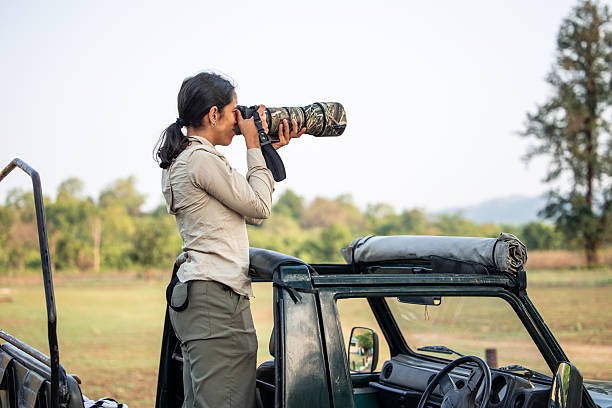
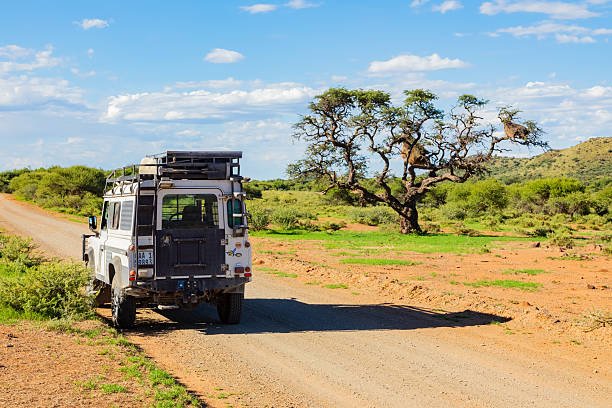
Visiting Kalambo Falls, Tanzania’s magnificent single-drop waterfall, primarily involves flying into Mbeya or Sumbawanga and then arranging road transport, often a 4×4, to reach the falls near the Zambian border. The journey is an adventure in itself, typically requiring at least a full day of travel from the nearest main town, with accommodation options being basic in the immediate vicinity, or more comfortable stays available in Sumbawanga or Mbeya for longer excursions in 2026-2027.
Kalambo Falls: A Natural Wonder Like No Other
Tanzania is renowned for its iconic landscapes, from the Serengeti’s vast plains to Kilimanjaro’s towering peak. Yet, tucked away in the southwestern corner of the country, near the border with Zambia, lies a natural spectacle that often eludes the mainstream tourist trail: Kalambo Falls. This isn’t just any waterfall; it’s one of Africa’s most impressive single-drop cataracts, plunging an astonishing 213 meters (700 feet) into a deep gorge. The sheer volume and height of the water create a impressive display, particularly during and just after the rainy seasons. The area surrounding Kalambo Falls is also rich in prehistoric human history, with archaeological findings suggesting human occupation dating back tens of thousands of years. This blend of raw natural beauty and ancient human presence makes a visit to Kalambo Falls a truly unique and rewarding experience for the adventurous traveler looking to explore beyond the usual Tanzanian highlights.
Why Visit Kalambo Falls? The Allure of the Untamed
In an era where many travel destinations are well-trodden and easily accessible, the allure of Kalambo Falls lies precisely in its untamed, remote character. For travelers in 2026-2027 seeking an authentic African experience away from crowds, this destination offers unparalleled rewards. The primary draw is, of course, the magnificent waterfall itself. Its single, dramatic plunge is a powerful reminder of nature’s grandeur, and the misty spray rising from the gorge often creates rainbows, adding to its ethereal beauty. Beyond the visual spectacle, the journey to Kalambo Falls is an integral part of the adventure. Navigating through rural landscapes, passing small villages, and encountering local life provides a genuine glimpse into the heart of Tanzania that many tourists miss. The region’s archaeological significance also adds a layer of intrigue. Early human tools and evidence of ancient life have been discovered here, offering a connection to a distant past. For birdwatchers, the area is a haven, with various species, including raptors that soar above the gorge. Finally, the relative lack of mass tourism means you can experience the falls in a peaceful, contemplative setting, allowing for a deeper connection with the natural environment. It’s a destination for those who appreciate raw beauty, a sense of discovery, and the quiet satisfaction of reaching a place that requires a little more effort to find.
Planning Your Trip to Kalambo Falls: Key Considerations for 2026-2027
Successfully planning a trip to Kalambo Falls requires a different approach than organizing a safari to the Serengeti or a climb up Kilimanjaro. Its remote location means that logistics are paramount, and flexibility is key. For travelers looking to visit in 2026 or 2027, here are the essential considerations:
Travel Style and Expectations
Kalambo Falls is not a destination for those seeking luxury resorts or readily available tourist amenities. The experience is more akin to expedition travel. Expect basic facilities, potentially bumpy roads, and a reliance on local knowledge for navigation. If your travel style leans towards adventure, self-sufficiency, and experiencing raw, undeveloped natural beauty, then Kalambo Falls is an excellent fit. If you prefer curated experiences with predictable comfort, this might not be the ideal primary destination, though it can be incorporated into a broader, more adventurous Tanzanian itinerary.
Duration of Visit
A visit to Kalambo Falls is typically part of a larger trip within southwestern Tanzania. To reach the falls and have adequate time to appreciate them, a minimum of 2-3 days is recommended, factoring in travel time from the nearest towns. This allows for a full day at the falls, plus travel to and from your base. Many visitors combine a trip to Kalambo Falls with explorations of Lake Tanganyika or the nearby national parks, extending their stay in the region to 5-7 days or more.
Budget Considerations
The cost of visiting Kalambo Falls is largely driven by transportation and accommodation. Due to the remoteness, hiring a sturdy 4×4 vehicle with a driver/guide is often the most practical, albeit pricier, option. Internal flights to Mbeya or Sumbawanga also add to the overall cost. Accommodation near the falls is very limited and basic, so many opt for more comfortable, though still modest, guesthouses or lodges in Sumbawanga or Mbeya. While not as expensive as a luxury safari, the specialized logistics mean it’s not a budget backpacker destination unless you are undertaking a very challenging independent overland trip. For a well-organized trip in 2026-2027, budget for USD $250-$400 per person per day, depending heavily on group size and transport choices.
Booking Lead Time
Given the need to arrange specialized transport and potentially limited accommodation, it’s advisable to book your trip to Kalambo Falls at least 3-6 months in advance, especially if traveling during peak seasons or for specific dates in 2026 or 2027. This allows ample time for securing reliable vehicles, guides, and lodging, and for coordinating internal flights.
Travel Documents and Visas
Ensure your passport is valid for at least six months beyond your intended stay and has sufficient blank pages. Tanzanian visas can often be obtained on arrival at major airports, but it’s recommended to check the latest requirements for your nationality with the Tanzanian embassy or consulate in your home country well in advance of your 2026-2027 travel dates. A Yellow Fever vaccination certificate may also be required, especially if arriving from or transiting through a country with a risk of Yellow Fever transmission.
Cultural Sensitivity
When visiting rural areas near Kalambo Falls, remember that you are entering local communities. Dress modestly, especially when outside of tourist lodges. Always ask permission before taking photographs of people. Learning a few basic Swahili phrases like ‘Jambo’ (Hello) and ‘Asante’ (Thank you) will be greatly appreciated and can enhance your interactions.
Getting to Kalambo Falls: Routes, Transport, and Logistics
The journey to Kalambo Falls is a significant part of the adventure and requires careful planning. Its remote location means there’s no single, straightforward route. The primary challenge is bridging the distance from major travel hubs to the falls themselves.
Arrival Airports
The closest major airports to the Kalambo Falls region are:
- Mbeya (MBI): Located in the Mbeya Region, this is a common entry point for southwestern Tanzania. From Mbeya, you would typically drive towards Sumbawanga and then further west.
- Sumbawanga (SZA): This airport is closer to the Kalambo Falls area than Mbeya. Flights to Sumbawanga are less frequent and may require connections through Dar es Salaam or Mbeya. It serves as a more direct gateway to the Rukwa Region where the falls are situated.
Flights into these airports are usually operated by regional carriers like Precision Air or Fastjet. It’s crucial to check flight schedules and book tickets well in advance, especially for 2026-2027 travel, as routes and availability can change.
Road Travel from Mbeya or Sumbawanga
This is where the real journey begins. The road conditions can be challenging, particularly during and immediately after the rainy season (typically November to May). A sturdy 4×4 vehicle is highly recommended, if not essential, for reaching the falls. The drive from Sumbawanga to the falls area can take anywhere from 4 to 8 hours, depending on road conditions and the specific route taken. From Mbeya, the journey is significantly longer, often requiring an overnight stop in Sumbawanga.
Guided Tours and Private Vehicles
For most visitors, hiring a 4×4 with an experienced local driver/guide is the most practical and safest way to reach Kalambo Falls. A good guide will not only navigate the difficult terrain but also provide insights into the local culture, flora, and fauna. They will also know the best viewpoints and trails around the falls. This is often arranged as part of a package tour, which simplifies logistics considerably. For independent travelers, securing a reliable vehicle and driver in Sumbawanga is possible, but requires careful vetting.
Alternative Routes and Considerations
Some adventurous travelers might consider approaching Kalambo Falls from the Zambian side, especially if they are already exploring areas like South Luangwa National Park. However, this requires cross-border arrangements and is a complex undertaking, best suited for very experienced overland travelers. For most visitors focusing on Tanzania, the Mbeya/Sumbawanga route is the standard approach.
Travel Times and Distances
Be prepared for long travel days. Distances in this region may not seem vast on a map, but the road conditions mean travel is slow. For example, the drive from Sumbawanga to the vicinity of Kalambo Falls can be around 150-200 km, but can take the better part of a day. Always factor in potential delays due to weather or vehicle issues. Planning your 2026-2027 trip with ample buffer time is wise.
Local Support and Contacts
Having a reliable local contact is invaluable. Tour operators specializing in northern Tanzania safaris may not have extensive experience with the far southwest. It’s beneficial to work with operators who have a strong presence or partnerships in regions like Mbeya and Sumbawanga. For example, Climb 4 Africa can assist in arranging these specialized logistics, connecting you with trusted local guides and drivers experienced in the Kalambo Falls area. Contacting them via WhatsApp +255 747 477 898 or Email climb4africa@gmail.com well in advance is a good first step for tailored trip planning.
Kalambo Falls Accommodation and Lodging Options
Accommodation options directly at Kalambo Falls are extremely limited, reflecting its remote and undeveloped nature. Most visitors will need to base themselves in nearby towns or opt for very basic setups if available.
Lodging at the Falls
There are typically no formal hotels or lodges right at the edge of Kalambo Falls. Occasionally, very basic campsites or simple bandas (huts) might be available through local arrangements or park authorities if the area is managed as a reserve. These would offer minimal amenities, likely just a place to sleep and perhaps basic ablutions. This is the most rustic option and requires significant self-sufficiency.
Lodging in Sumbawanga
Sumbawanga is the largest town closest to Kalambo Falls and offers the most practical base for exploring the area. You will find a range of modest guesthouses and smaller hotels here. These are generally clean and functional but do not offer luxury services. Expect basic amenities like private rooms with en-suite bathrooms, and perhaps a restaurant serving local and some international dishes. Examples might include places like the New Rukwa Hotel or similar establishments. Staying in Sumbawanga allows for easier access to supplies and more reliable services.
Lodging in Mbeya
Mbeya is a larger city and offers more hotel options, ranging from budget to mid-range. However, it is considerably further from Kalambo Falls than Sumbawanga. If you choose to stay in Mbeya, you would need to allocate more time for the road journey to the falls, likely necessitating an overnight stay in Sumbawanga en route or a very long day trip. Hotels in Mbeya are generally more established and offer better amenities than those in Sumbawanga.
Camping Options
For the truly adventurous, camping can be an option. If you are on a self-drive overland trip or have a tour operator providing camping gear, finding suitable spots near the falls (with permission from local authorities or landowners) might be possible. This allows for an in-depth experience in nature but requires carrying all necessary equipment, including tents, sleeping bags, cooking gear, and food. Ensure you are prepared for the elements and wildlife.
Choosing Your Accommodation for 2026-2027
Your choice of accommodation will largely depend on your overall itinerary and travel style. If Kalambo Falls is a primary focus and you want to maximize time there, staying in Sumbawanga is the most logical choice. If you are incorporating it into a broader trip and prioritize comfort and accessibility, Mbeya might serve as a starting point, with arrangements made for a day trip or an overnight stay closer to the falls. For those seeking a more rugged, off-grid experience, basic camping or local arrangements would be the way to go. Booking accommodation in Sumbawanga, even for basic places, is recommended several months in advance for 2026-2027 travel, as options are limited.
Activities and Experiences at Kalambo Falls
While the magnificent waterfall is the star attraction, the surrounding area offers several complementary activities and experiences that enrich a visit to this remote corner of Tanzania.
Viewing the Falls
The main activity is, of course, witnessing the sheer power and beauty of Kalambo Falls. There are several viewpoints offering different perspectives. The most accessible viewpoint is typically from the rim of the gorge, providing a dramatic overview of the single drop. For those with a good level of fitness and accompanied by a guide, there may be opportunities to hike down into the gorge for closer views, though this is often challenging and depends on trail conditions. The constant mist from the falls can create stunning rainbows, especially on sunny days.
Hiking and Nature Walks
Beyond the immediate vicinity of the falls, the surrounding landscape offers opportunities for hiking and nature walks. These can range from short strolls to more strenuous treks, depending on your fitness and the time you have. A knowledgeable local guide is essential for these walks, as they can point out interesting flora, fauna, and geological features. You might spot various bird species, including raptors that use the updrafts from the gorge. Keep an eye out for smaller wildlife, though large mammals are less common in this specific area compared to typical safari destinations.
Archaeological Sites
Kalambo Falls is a significant archaeological site, known for evidence of early human activity. While access to specific excavation sites might be restricted or require special arrangements, guides can often point out areas of interest or explain the historical importance of the region. This adds a unique dimension to the visit, connecting you with the deep history of human presence in East Africa.
Birdwatching
The diverse habitats around the falls, including the gorge, riparian areas, and surrounding woodlands, attract a variety of birdlife. Birdwatchers can enjoy spotting species endemic to the region. The cliffs around the falls may host nesting sites for various birds, and the surrounding miombo woodlands are home to typical savanna species. Bring binoculars and a field guide if you are keen on identifying the local avifauna.
Cultural Interactions
As you travel to and from the falls, and if you stay in nearby villages or towns like Sumbawanga, you’ll have opportunities for genuine cultural interactions. Engaging respectfully with local communities, visiting local markets, and learning about daily life can be a very rewarding part of the experience. Remember to always be polite, ask permission before taking photos, and consider purchasing local crafts if available.
Photography
Kalambo Falls provides incredible photographic opportunities. The scale of the waterfall, the dramatic gorge, the rainbows, and the surrounding landscapes offer a wealth of subjects. Be prepared for challenging conditions; the mist can be heavy, so protecting your camera equipment is important. Early morning and late afternoon light often provide the best opportunities for dramatic shots.
Combining with Other Regional Attractions
A visit to Kalambo Falls is often combined with other attractions in southwestern Tanzania. This can include exploring the shores of Lake Tanganyika, visiting Katavi National Park (though this is a significant detour), or experiencing the culture of towns like Mbeya and Sumbawanga. Planning a longer itinerary allows you to appreciate the diversity of this less-visited region.
Best Time to Visit Kalambo Falls: Seasons and Considerations
Choosing the right time to visit Kalambo Falls can significantly impact your experience, primarily due to weather patterns affecting accessibility and the falls’ visual impact. Tanzania has distinct wet and dry seasons, and understanding these is crucial for planning your 2026-2027 trip.
The Rainy Season (November to May)
This is when Kalambo Falls is at its most spectacular in terms of water volume. The single drop is thundering, and the gorge is filled with mist and spray. However, this is also the time when road conditions are at their worst. Access roads can become impassable, especially for standard vehicles, and even 4x4s may struggle. Travel times increase dramatically, and the risk of getting stuck is higher. Despite the accessibility challenges, if your priority is to see the falls at their most powerful, this period can be rewarding, provided you have reliable 4×4 transport and an experienced driver.
The Dry Season (June to October)
During the dry season, the water flow over Kalambo Falls reduces considerably. While still impressive, it won’t have the same overwhelming volume as during the rains. The major advantage of visiting during this period is the significantly improved road conditions. Travel is generally easier, faster, and more reliable. This makes it the preferred time for most visitors who want a smoother journey and less risk of transport disruptions. The surrounding landscape is also drier, which can make hiking more comfortable.
Shoulder Seasons
The periods immediately before and after the main rainy season (e.g., October-November and May-June) can offer a good balance. The falls might still have substantial water from recent rains, while the roads begin to improve or are still manageable. These shoulder seasons can sometimes offer fewer crowds and potentially slightly lower prices for some services.
Weather Considerations
Even during the dry season, temperatures can be pleasant, but it’s wise to be prepared for variations. Evenings and early mornings can be cool, especially at higher elevations. During the rainy season, expect high humidity and frequent downpours. Always pack layers and rain gear regardless of the season.
Choosing Your Dates for 2026-2027
For a balance of good water flow and reasonable accessibility, the months of May, June, and possibly early July can be ideal. If accessibility and ease of travel are your top priorities, then July to October is generally the best window. If seeing the falls at their absolute peak power is paramount and you are prepared for potential logistical challenges, consider the heart of the rainy season (February to April), but ensure your transport and guide are exceptionally capable.
What to Pack for Kalambo Falls: Essential Gear and Items
Packing for a trip to Kalambo Falls requires a blend of practicality for remote travel and preparedness for varying weather conditions. Given the limited access to shops, it’s essential to bring everything you’ll need.
Clothing
- Lightweight, quick-drying clothing: T-shirts, long-sleeved shirts (for sun and insect protection), trousers, and shorts.
- Warm layers: A fleece jacket or sweater and a warmer jacket for cool evenings and early mornings.
- Rain gear: A waterproof and windproof jacket and trousers are essential, especially during the rainy season or shoulder months.
- Comfortable walking shoes/hiking boots: Broken-in and sturdy footwear is crucial for navigating uneven terrain and trails.
- Sandals or flip-flops: For relaxing at your accommodation.
- Swimsuit: If your accommodation has facilities or if you plan to visit any safe water bodies.
- Hat: A wide-brimmed hat for sun protection.
Footwear
- Sturdy hiking boots: Essential for any walking or trekking.
- Comfortable camp shoes: For downtime.
Health and Hygiene
- Personal first-aid kit: Including bandages, antiseptic wipes, pain relievers, motion sickness medication, and any personal prescriptions.
- Insect repellent: Containing DEET or picaridin.
- Sunscreen: High SPF.
- Hand sanitizer.
- Toiletries: Including biodegradable soap and shampoo if possible.
- Malaria prophylaxis: Consult your doctor about malaria prevention for Tanzania.
Gear and Equipment
- Backpack or duffel bag: A sturdy, waterproof bag is recommended.
- Daypack: For carrying essentials during excursions.
- Water bottle or hydration system: Staying hydrated is crucial. Consider a water filter or purification tablets.
- Camera and accessories: Extra batteries, memory cards, and a waterproof bag or case for protection against mist and rain.
- Binoculars: For birdwatching and wildlife spotting.
- Headlamp or flashlight: With extra batteries, essential for basic accommodations or camping.
- Power bank or portable charger: For keeping electronics charged, as power sources may be unreliable.
- Adapter: Tanzania uses Type D and Type G electrical outlets.
- Small towel: Quick-drying microfiber towels are ideal.
- Cash: Bring enough Tanzanian Shillings (TZS) or USD for small purchases, tips, and any services not covered by your tour package. ATMs are scarce outside major towns.
Documents
- Passport and visa.
- Flight tickets and itinerary.
- Vaccination certificates (e.g., Yellow Fever).
- Travel insurance details.
Optional Items
- Field guides: For birds or plants if you are interested.
- Snacks: Energy bars or non-perishable snacks can be useful.
Remember to pack light but smart. Your tour operator or guide can provide specific advice based on the exact itinerary planned for your 2026-2027 visit.
Travel Safety and Health Advice for Kalambo Falls
Visiting a remote destination like Kalambo Falls requires a proactive approach to safety and health. While the region is generally peaceful, being well-prepared is essential for a smooth and enjoyable trip.
Health Precautions
- Malaria: The Rukwa Region, where Kalambo Falls is located, is considered a malaria-risk area. Consult your doctor or a travel clinic well in advance of your trip for advice on malaria prevention medication and recommended insect repellent strategies.
- Vaccinations: Ensure your routine vaccinations are up-to-date. A Yellow Fever vaccination certificate may be required for entry into Tanzania or if you are arriving from a country with a risk of Yellow Fever. Other recommended vaccinations might include Hepatitis A and Typhoid.
- Water and Food Safety: Drink only bottled or purified water. Be cautious with street food and ensure that any food you consume is thoroughly cooked and served hot. Peel fruits and vegetables yourself.
- First Aid: Carry a comprehensive personal first-aid kit, as medical facilities in remote areas are basic. For any serious medical issues, evacuation to a larger town or city might be necessary, highlighting the importance of good travel insurance.
Road Safety
Road conditions around Kalambo Falls can be challenging, especially during the wet season. Always travel with a reputable driver and a well-maintained 4×4 vehicle. Seatbelts should be worn at all times. Be prepared for slow travel times and potential delays. Avoid traveling at night if possible due to poor road conditions and limited visibility.
Personal Safety
While petty crime is not a major concern in the remote areas around Kalambo Falls, it’s always wise to exercise standard precautions. Keep your valuables secure and avoid displaying expensive items. Be aware of your surroundings, especially in towns like Sumbawanga. Trust your guide and follow their advice regarding safe areas and practices.
Environmental Considerations
Respect the natural environment. Do not litter, and stay on marked trails where they exist. The area around Kalambo Falls is ecologically sensitive, and it’s important to minimize your impact. Be aware of potential hazards such as slippery paths near the falls and steep drops along the gorge.
Communication
Mobile phone reception can be patchy or non-existent in remote areas. Informing someone of your itinerary and expected return date is a good safety measure. Your guide will likely have a satellite phone for emergencies, but it’s good to confirm this. For urgent matters, relying on your tour operator’s local contacts is key.
Travel Insurance
Comprehensive travel insurance is non-negotiable for a trip to Kalambo Falls. Ensure your policy covers:
- Medical emergencies and evacuation (including to your home country).
- Trip cancellation or interruption.
- Loss or theft of personal belongings.
- Activities such as hiking.
Review your policy carefully to ensure it meets your needs for adventurous travel in remote regions for your 2026-2027 adventure.
Comparing Your Kalambo Falls Visit Options
When planning how to visit Kalambo Falls, you’ll encounter a few primary approaches, each suiting different traveler types and priorities. Understanding these options will help you make the best decision for your 2026-2027 trip.
Option 1: Fully Guided Tour Package
Description: This is the most comprehensive and often the most convenient option. A tour operator handles all logistics, including flights to Mbeya/Sumbawanga, 4×4 vehicle hire with a driver/guide, accommodation bookings, and potentially meals and park fees. You typically join a small group or opt for a private tour.
Pros:
- Ease of planning: All arrangements are made for you.
- Reliability: Experienced operators ensure well-maintained vehicles and knowledgeable guides.
- Safety: Access to emergency contacts and support.
- Insight: Guides provide cultural and natural context.
Cons:
- Cost: Generally the most expensive option.
- Less flexibility: Itinerary is usually fixed, with limited room for spontaneous changes.
Best for: Travelers who prioritize convenience, safety, and a hassle-free experience, and are willing to pay a premium for it. This is ideal for those new to off-the-beaten-path travel in Tanzania.
Option 2: Self-Drive with Local Driver
Description: You arrange your own flights and potentially accommodation in Sumbawanga, but hire a 4×4 vehicle and a local driver for the journey to Kalambo Falls and back. You are more involved in the day-to-day decisions but rely on local expertise for the challenging road sections.
Pros:
- More flexibility: You can adjust your schedule slightly.
- Potentially lower cost: Can be cheaper than a full package, especially for groups.
- Direct involvement: You have more control over the pace.
Cons:
- Logistical effort: Requires research and coordination to find reliable drivers and vehicles in Sumbawanga.
- Risk: You bear more responsibility if issues arise with the vehicle or navigation.
- Communication: Language barriers can be a challenge if not using a guide who speaks English well.
Best for: Independent travelers who have some experience with African travel, are comfortable with a degree of uncertainty, and want more control over their trip without the full burden of driving themselves.
Option 3: Fully Independent Overland Trip
Description: This involves driving your own 4×4 vehicle (or renting one long-term) from a major city like Dar es Salaam or Mbeya, navigating independently, and handling all accommodation and logistics yourself. This is the most challenging option.
Pros:
- Maximum flexibility and freedom: Complete control over your itinerary and pace.
- Potentially lowest cost: If you own the vehicle and are self-sufficient.
- Deep immersion: You interact more directly with local life.
Cons:
- Extremely challenging: Requires advanced off-road driving skills, mechanical knowledge, extensive preparation, and deep local knowledge.
- High risk: Vehicle breakdowns, getting lost, or encountering impassable roads are significant risks.
- Time-consuming: Requires a much longer overall travel duration.
- Safety concerns: Requires a high level of self-reliance in remote areas.
Best for: Highly experienced overlanders and adventurers with a strong sense of self-reliance, extensive preparation, and a high tolerance for risk and discomfort. This is not recommended for most tourists.
Comparison Summary
| Feature | Fully Guided Tour | Self-Drive with Local Driver | Fully Independent Overland |
|---|---|---|---|
| Cost | $$$$ | $$$ | $$ (if self-sufficient) |
| Logistics Effort | Low | Medium | High |
| Flexibility | Low | Medium | High |
| Safety & Reliability | High | Medium | Low |
| Experience Level Required | Beginner | Intermediate | Expert |
For most visitors planning a trip to Kalambo Falls for 2026-2027, the fully guided tour package or a well-arranged trip with a local operator like Climb 4 Africa offers the best balance of adventure and reliability. They can customize options to fit your needs, ensuring a memorable and safe journey to this extraordinary natural wonder.
Booking Your Kalambo Falls Adventure with Climb 4 Africa
Embarking on a journey to Kalambo Falls is a significant undertaking, and partnering with an experienced tour operator can transform a potentially challenging trip into an unforgettable adventure. Climb 4 Africa specializes in creating unique Tanzanian travel experiences, including those that venture off the typical tourist path to destinations like Kalambo Falls.
Why Choose Climb 4 Africa?
While known for Kilimanjaro treks and safaris, Climb 4 Africa has the local network and expertise to arrange complex itineraries in less-visited regions. Their understanding of Tanzanian logistics, reliable local partners in areas like Mbeya and Sumbawanga, and commitment to quality service make them an excellent choice for planning your Kalambo Falls visit for 2026-2027.
How We Can Assist
- Tailored Itineraries: We don’t offer a standard Kalambo Falls package, but we excel at creating custom trips. We’ll work with you to design an itinerary that fits your interests, timeframe, and budget.
- Logistics Management: From arranging flights into Mbeya or Sumbawanga to securing a dependable 4×4 vehicle with an experienced local driver/guide, we handle the intricate details.
- Accommodation: We can book the most suitable accommodation in Sumbawanga or make arrangements for more basic lodging closer to the falls, based on your preferences.
- Local Expertise: Our network ensures you are paired with guides who have intimate knowledge of the region, its history, and its natural environment.
- Safety and Support: We prioritize your safety, ensuring all necessary precautions are taken and providing support throughout your journey.
Next Steps for Booking
To begin planning your Kalambo Falls adventure for 2026-2027, the best first step is to get in touch. You can reach us directly:
- WhatsApp: +255 747 477 898
- Email: climb4africa@gmail.com
When you contact us, please provide as much detail as possible about your desired travel dates, the number of people in your group, your preferred travel style (e.g., comfort level, level of adventure), and any other destinations in Tanzania you wish to combine with your visit to Kalambo Falls. This information will help us craft the most appropriate and personalized proposal for you. Let us help you discover the raw beauty and ancient history of Kalambo Falls.
Check Availability for How To Visit Kalambo Falls: Your Essential Tanzania Guide 2026-2027
Ready to compare dates, prices, and the best option for your group? Send the package name and travel month so the team can reply with a clear quote, availability, and what is included.

Best Time To Visit Kalambo Falls: Your Ultimate Seasonal Guide For 2026-2027
Planning a trip to Kalambo Falls? This comprehensive guide details the best times to visit for optimal viewing conditions, considering seasonal weather patterns, water flow, and…
No related package matches those filters. Clear one or more filters to see the other topic-matched options.



