
Reaching Kalambo Falls involves significant travel, typically starting from major Tanzanian cities like Dar es Salaam or Mbeya, and often requiring a combination of flights and overland journeys. The most common approach for international travelers is to fly into Dar es Salaam or Kilimanjaro International Airport, then take a domestic flight to Mbeya or Sumbawanga, followed by a long drive (often in a 4×4 vehicle) to the falls near the Zambia border, with overnight stays usually necessary in towns like Sumbawanga. Planning for 2026-2027 trips should account for the remote nature of the destination, booking reliable transport well in advance, and understanding that road conditions can be challenging, especially during the rainy season.

Kalambo Falls: An Untamed Gem
Kalambo Falls, a magnificent cascade plunging over 220 meters (730 feet) down a sheer cliff face, is one of Africa’s most impressive waterfalls. Located in the southwestern corner of Tanzania, near the border with Zambia, it’s a destination that promises raw natural beauty and a sense of remote discovery. Unlike more accessible tourist spots, reaching Kalambo Falls requires a dedicated effort, making the journey itself part of the adventure. This guide is designed to provide practical, in-depth advice for travelers aiming to reach this spectacular site, focusing on the logistics, planning, and decision-making involved in getting there, especially for trips planned for 2026 and 2027.
The appeal of Kalambo Falls lies in its unspoiled grandeur and its location in a region rich in natural and cultural heritage. The falls are situated in the Rukwa Region, an area less frequented by mass tourism, offering a more authentic Tanzanian experience. Visitors often combine a trip to Kalambo Falls with explorations of nearby Lake Rukwa, national parks like Katavi (though this adds considerable travel time), or cultural interactions with local communities.
For those who appreciate off-the-beaten-path destinations and are prepared for the logistical challenges, Kalambo Falls offers an unforgettable reward. The sheer scale of the waterfall, the dramatic landscape, and the tranquility of the surroundings create a powerful impression. Understanding how to get there efficiently and safely is the crucial first step in experiencing this natural wonder.
Understanding the Journey: Distance and Time
The primary challenge in reaching Kalambo Falls is its remoteness. It is not a destination easily accessible by direct public transport from major tourist hubs like Arusha or Moshi. The journey requires navigating a significant portion of Tanzania, often through less-developed infrastructure. Travelers should mentally prepare for long travel days, potentially rough roads, and the need for flexibility in their itinerary. Planning for 2026-2027 travel means understanding that while infrastructure might see minor improvements, the fundamental nature of the journey will likely remain similar.
Key to understanding the journey is recognizing that it’s not a single leg but a series of transitions. You’ll typically move from international arrival to a domestic hub, then to a regional center, and finally, to the vicinity of the falls. Each stage has its own transport options, costs, and time commitments. A realistic itinerary for reaching Kalambo Falls, including transit and a brief visit, often spans at least 5 to 7 days, assuming efficient connections and minimal delays. This does not include travel to your initial Tanzanian entry point.
International Flights
Most international visitors will fly into Tanzania. The two main international airports are:
- Julius Nyerere International Airport (DAR) in Dar es Salaam: This is the largest and busiest airport in Tanzania, with the most extensive international flight connections. It’s a common starting point for journeys heading south or west.
- Kilimanjaro International Airport (JRO) near Arusha: While closer to the northern safari circuit and Mount Kilimanjaro, JRO also receives international flights. If your trip includes northern Tanzania before heading south, this might be your entry point.
From these airports, the next step is to connect to domestic flights or overland travel towards the southern regions where Kalambo Falls is located.
Domestic Flights to Regional Hubs
To efficiently reach the vicinity of Kalambo Falls, domestic flights are highly recommended, especially for travelers on a tighter schedule or those prioritizing comfort. The primary regional hubs serving this area are:
- Mbeya (MBI): Located in southern Tanzania, Mbeya is a major transport hub. Flights from Dar es Salaam to Mbeya are frequent. From Mbeya, you can continue overland towards Sumbawanga or directly towards areas closer to the falls, though this is a very long drive.
- Sumbawanga (SZA): This is the capital of the Rukwa Region and is geographically closer to Kalambo Falls than Mbeya. Flights to Sumbawanga are less frequent and may be more expensive than those to Mbeya, often operating from Dar es Salaam. Sumbawanga is the most practical major town to base yourself in for the final leg of the journey to the falls.
Airlines operating these routes include Precision Air and Air Tanzania. Booking these domestic flights in advance is crucial, especially for popular travel periods in 2026 and 2027, as seats can be limited.
Routes to Kalambo Falls
There isn’t one single “best” route; the optimal path depends on your starting point within Tanzania, your preferred mode of transport, and your tolerance for travel time and road conditions. The journey invariably involves reaching either Mbeya or Sumbawanga first.
Route 1: Via Mbeya
This route is generally feasible if you are flying into Mbeya.
- Fly to Mbeya (MBI): From Dar es Salaam, take a domestic flight.
- Overland from Mbeya to Sumbawanga: This is a substantial overland journey. The road between Mbeya and Sumbawanga is a major artery but can be challenging, particularly during the rainy season. It’s approximately 250-300 km, and travel time can range from 6 to 10 hours or more, depending on road conditions and vehicle type. This leg is best done with a reliable 4×4 vehicle and an experienced driver.
- From Sumbawanga to Kalambo Falls: Once in Sumbawanga, you are about 100-150 km from the falls. The final stretch to Kalambo Falls is often on unpaved, rugged tracks. This part of the journey can take another 3 to 5 hours in a 4×4.
This route offers a more established domestic flight connection to Mbeya, but the Mbeya-Sumbawanga leg is long and potentially slow.
Route 2: Via Sumbawanga
This route is more direct to the region of Kalambo Falls.
- Fly to Sumbawanga (SZA): From Dar es Salaam, look for direct or connecting flights. This is often the most time-efficient way to get close to the falls, bypassing the long overland drive from Mbeya.
- Overland from Sumbawanga to Kalambo Falls: As mentioned above, the final leg involves a drive of approximately 100-150 km on rough tracks, taking 3 to 5 hours in a 4×4.
This route is preferable if you can secure flights to Sumbawanga, as it minimizes the most arduous overland travel.
Comparing the Routes
Via Mbeya:
- Pros: More frequent domestic flights into Mbeya.
- Cons: Requires a long and potentially challenging overland journey from Mbeya to Sumbawanga.
Via Sumbawanga:
- Pros: Shorter final overland journey to the falls.
- Cons: Fewer and potentially more expensive flights to Sumbawanga.
For planning trips in 2026-2027, it’s advisable to check flight schedules and prices for both Mbeya and Sumbawanga well in advance. The availability and cost of flights can significantly influence which route is more practical.
Transportation Options on the Ground
Once you arrive in the general vicinity (e.g., Sumbawanga), securing reliable transport to Kalambo Falls is paramount. The infrastructure here is basic, and self-driving without local knowledge and a suitable vehicle is not recommended.
Private 4×4 Vehicles
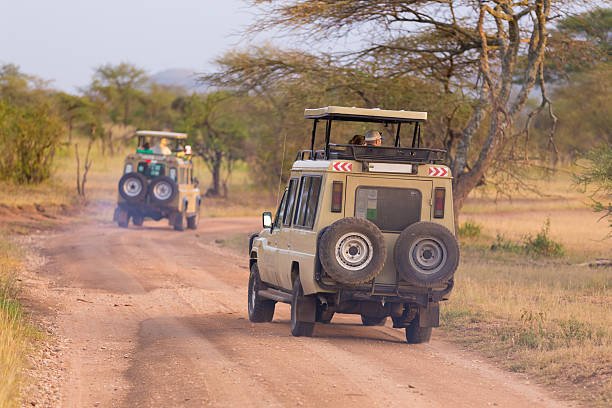
This is by far the most recommended and practical way to reach Kalambo Falls. A sturdy 4×4 vehicle is essential due to the unpaved, often rutted, and sometimes muddy tracks leading to the falls. Hiring a 4×4 with a driver is the standard option for tourists.
- Benefits: Comfort, reliability, ability to handle challenging terrain, driver’s local knowledge of routes and conditions.
- Considerations: This is the most expensive option, but it offers the greatest flexibility and safety. Ensure the vehicle is well-maintained and equipped for remote travel.
When booking through a tour operator like Climb 4 Africa for 2026-2027, a 4×4 with a driver and fuel is typically included for this part of the journey.
Public Transport and Shared Taxis
While public transport (buses) and shared taxis (daladalas) exist between major towns like Mbeya and Sumbawanga, they are generally not suitable for the final leg to Kalambo Falls.
- Limitations: Public transport is slow, uncomfortable, and often doesn’t go all the way to the falls. The tracks leading to the falls are often impassable for standard vehicles, and even for many 4x4s unless driven by experienced locals.
- Feasibility: You might use public transport to reach Sumbawanga, but from there, hiring a dedicated 4×4 is necessary.
Relying solely on public transport for the entire journey to Kalambo Falls is highly impractical and not recommended for international visitors.
Hiring Drivers and Guides
For the overland portions, especially the final stretch to Kalambo Falls, hiring a local driver and guide is invaluable. They possess critical knowledge of:
- The best and safest routes.
- Current road conditions.
- Local points of interest.
- Cultural nuances.
- Emergency protocols.
Many tour operators include this service as part of a package. If arranging independently, ensure your driver is experienced with the specific routes around Kalambo Falls and has a well-maintained 4×4. This is a key detail to confirm when planning for 2026-2027, as local expertise is irreplaceable.
Road Conditions and Travel Times
The road conditions are arguably the most significant factor influencing travel time and the overall experience of getting to Kalambo Falls.
Impact of Seasons
Tanzania has distinct wet and dry seasons, which dramatically affect road conditions:
- Dry Season (roughly June to October): Roads are generally in better condition, dustier, but more passable. This is the ideal time for overland travel.
- Rainy Season (roughly November to May): Roads can become extremely muddy, slippery, and prone to washouts. The main roads between Mbeya and Sumbawanga can be slow, and the tracks to the falls can become impassable for extended periods. Some travelers might find themselves stranded or needing to wait for conditions to improve. Planning for late 2026 or early 2027 should consider the typical weather patterns for your intended travel dates.
Even in the dry season, expect unpaved surfaces, potholes, and slow progress. The journey is not about speed but about careful navigation.
Typical Travel Durations
These are approximate and highly variable:
- Dar es Salaam to Mbeya (Flight): ~1.5 hours.
- Dar es Salaam to Sumbawanga (Flight): ~2-3 hours (may include a stop).
- Mbeya to Sumbawanga (4×4): 6-10+ hours.
- Sumbawanga to Kalambo Falls (4×4): 3-5+ hours.
Total overland travel time from a regional hub like Sumbawanga to the falls can easily be 10+ hours of driving on challenging terrain. This means that a single day’s travel to the falls from Sumbawanga is exhausting and often requires an early start. Many itineraries incorporate an overnight stay in Sumbawanga or a village closer to the falls before visiting.
Accommodation Near Kalambo Falls
Accommodation options directly at Kalambo Falls are very limited, reflecting its remote and undeveloped nature. Most visitors stay in nearby towns or arrange basic facilities.
Lodges and Guesthouses
Sumbawanga offers the most substantial choice of accommodation, ranging from basic guesthouses to more comfortable, albeit still modest, hotels. These provide essential amenities like beds, bathrooms, and sometimes restaurants.
- Type: Expect simple, clean rooms. Few, if any, offer luxury amenities.
- Booking: While some might be bookable online, it’s often best to arrange through your tour operator or upon arrival, especially for 2026-2027 trips, as availability can fluctuate.
There might be very basic lodges or community-run accommodations closer to the falls, but these are often unlisted and require local arrangement.
Camping Options
Camping is a viable and often preferred option for those seeking a more in-depth experience close to nature.
- Designated Campsites: There might be basic designated camping areas near the falls, often managed by local authorities or communities. These typically offer rudimentary facilities like latrines.
- Wild Camping: With permission and a knowledgeable guide, wild camping in designated safe areas might be possible. This requires full self-sufficiency in terms of gear and supplies.
- Tour Operator Support: If you book through a tour operator, they can often arrange for camping gear and suitable, safe locations.
For 2026-2027, camping is a flexible option, especially if road access is unpredictable.
Booking Considerations for 2026-2027
Due to the limited infrastructure, booking accommodation and transport well in advance is highly recommended, especially if you plan to visit during peak seasons (which are less defined here than in popular safari areas, but generally align with the dry season for easier access). Tour operators can secure the best available options, which is particularly useful for remote locations like Kalambo Falls. Confirming your arrangements at least 3-6 months before your travel dates for 2026-2027 is a wise strategy.
Planning Your Trip to Kalambo Falls
Successful travel to Kalambo Falls hinges on thorough planning. Beyond just transportation, consider the best time to visit, necessary documents, health precautions, and what to pack.
Best Time to Visit
The dry season is generally the most favorable period:
- June to October: This period offers the most reliable road conditions. The weather is typically sunny and pleasant, making travel more straightforward and enjoyable. Water levels at the falls are usually good, though perhaps not at their absolute peak as they might be after heavy rains.
- November to May: This is the rainy season. While the falls will be at their most dramatic with high water volumes, travel can be severely hampered. Roads can become impassable, and journeys will take significantly longer. Some visitors might still opt for this time if they are adventurous and have flexible travel plans, but it requires careful monitoring of weather and road reports.
For 2026-2027, aiming for the dry season months (June-October) will offer the smoothest travel experience to Kalambo Falls.
Visa and Entry Requirements
Ensure you have the necessary visa for Tanzania. Many nationalities can obtain a visa on arrival at major airports, but it’s often more convenient and sometimes cheaper to apply online in advance through the Tanzanian immigration website or through your country’s Tanzanian embassy.
- Passport Validity: Your passport must be valid for at least six months beyond your intended stay and have sufficient blank pages.
- Yellow Fever Certificate: A certificate of vaccination against yellow fever may be required, especially if arriving from or transiting through a country with a risk of yellow fever. Check current regulations before your trip.
Keep copies of all important documents (passport, visa, flight tickets, insurance) separate from the originals.
Health and Safety
Consult your doctor or a travel clinic well in advance of your trip (ideally 4-6 weeks before departure for 2026-2027) regarding:
- Malaria Prevention: Tanzania is a malaria-endemic country. Discuss appropriate antimalarial medication and insect repellent strategies.
- Vaccinations: Ensure routine vaccinations are up to date. Consider others like Hepatitis A, Typhoid, and Rabies based on your activities and health advice.
- Travel Insurance: Comprehensive travel insurance is essential. Ensure it covers medical emergencies, evacuation (including remote locations), trip cancellation, and lost belongings.
- Water and Food Safety: Drink only bottled or purified water. Be cautious with uncooked food and street food.
- Remote Travel: Due to the remoteness of Kalambo Falls, access to advanced medical facilities is limited. It’s crucial to have a well-stocked first-aid kit and any personal medications.
What to Pack
Packing for Kalambo Falls requires a balance between comfort, practicality, and preparedness for varying conditions:
- Clothing: Lightweight, breathable clothing for warm days, long sleeves and trousers for sun and insect protection, a warm fleece or jacket for cooler evenings, and rain gear (especially if traveling outside the peak dry season).
- Footwear: Sturdy, broken-in hiking boots are essential for exploring the area around the falls. Comfortable shoes for travel days.
- Health Kit: Personal medications, pain relievers, antiseptic wipes, bandages, motion sickness medication, rehydration salts, and high-SPF sunscreen.
- Gear: A good quality insect repellent (with DEET), binoculars for wildlife viewing (though less common in this specific area), a headlamp or flashlight, a reusable water bottle, and a power bank for charging devices.
- Documents: Passport, visa, flight details, insurance policy, and copies.
Given the limited opportunities to purchase items, ensure you pack everything you might need.
Local Culture and Etiquette
The Rukwa Region is home to various ethnic groups, including the Sukwa, Nyamwezi, and Nyaturu people. While interactions might be limited due to the focus on the falls, respectful engagement is always appreciated.
- Dress Modestly: Especially when passing through villages.
- Ask Permission: Before taking photos of people.
- Greetings: A simple greeting like ‘Jambo’ (Hello) or ‘Habari’ (How are you?) can go a long way.
- Bargaining: If purchasing local crafts, bargaining is common but should be done politely and with a smile.
Understanding and respecting local customs enhances the travel experience and fosters positive interactions.
The Kalambo Falls Experience
Reaching Kalambo Falls is a significant achievement, and the sight itself is awe-inspiring. The sheer vertical drop of the water is dramatic, and the mist rising from the plunge pool creates a unique microclimate. The surrounding escarpment offers opportunities for hiking and enjoying panoramic views, though these should only be undertaken with local guidance due to the terrain.
Visitors often spend a few hours at the falls, taking in the views, photography, and enjoying the powerful natural spectacle. It’s a place that encourages quiet contemplation of nature’s raw power. The journey often includes visits to nearby villages, offering glimpses into rural Tanzanian life. Depending on your itinerary and the arrangements made with your tour operator, you might have opportunities to explore the broader region, perhaps including parts of Lake Rukwa.
For those planning for 2026 or 2027, remember that Kalambo Falls offers a different kind of travel experience compared to a typical safari or Kilimanjaro climb. It’s about the journey, the remoteness, and the profound beauty of an unspoiled natural wonder.
Booking Your Kalambo Falls Adventure with Climb 4 Africa
Navigating the logistics to reach Kalambo Falls can be complex, which is precisely where an experienced local tour operator like Climb 4 Africa can make a significant difference. We specialize in creating tailor-made itineraries that handle the intricacies of travel in Tanzania, ensuring a smoother and more rewarding experience for our clients planning trips for 2026-2027 and beyond.
By partnering with Climb 4 Africa, you benefit from:
- Expert Local Knowledge: Our team understands the best routes, road conditions, and reliable transport options specific to reaching Kalambo Falls.
- Logistical Management: We arrange domestic flights, secure suitable 4×4 vehicles with experienced drivers, and book accommodation, saving you considerable time and stress.
- Customized Itineraries: Whether you wish to combine Kalambo Falls with a safari, a cultural visit, or other Tanzanian highlights, we craft itineraries tailored to your interests and budget.
- Safety and Support: We prioritize your safety with well-maintained vehicles, knowledgeable guides, and contingency planning for remote areas.
To begin planning your unforgettable journey to Kalambo Falls, or any other Tanzanian adventure for 2026-2027, we encourage you to reach out to us. Provide us with your desired travel dates, interests, and any specific requirements. We will work with you to create a detailed proposal, outlining the best way to get to Kalambo Falls and experience its magnificence.
You can contact Climb 4 Africa via WhatsApp at +255 747 477 898 or send an email to climb4africa@gmail.com. Let us help you navigate the path to one of Tanzania’s most spectacular natural wonders.
“,
“faq_schema”: []
}
“`
Check Availability for How To Get To Kalambo Falls 2026-2027
Ready to compare dates, prices, and the best option for your group? Send the package name and travel month so the team can reply with a clear quote, availability, and what is included.



