
An Ibanda-Kyerwa Safari offers a unique opportunity to experience Tanzania’s wild heart away from the typical tourist crowds, focusing on the diverse ecosystems and rich wildlife of the Ibanda-Kyerwa National Park region, which is particularly known for its significant elephant and buffalo populations, as well as diverse birdlife. Planning for a safari here in 2026 or 2027 involves understanding its remote location, the best seasons for viewing, and the type of accommodation and activities available, typically ranging from game drives to guided walking safaris, often accessed via regional airstrips or overland journeys from nearby towns like Mwanza.

Introduction to Ibanda-Kyerwa National Park
Ibanda-Kyerwa National Park, situated in the northwestern corner of Tanzania, is a destination that speaks to the soul of the adventurous traveler. Unlike its more famous counterparts in the northern circuit, Ibanda-Kyerwa offers a raw, untamed wilderness experience, characterized by sprawling savannahs, dense woodlands, and the life-giving waters of the Kagera River system. Established to protect a vital elephant corridor and a rich diversity of other wildlife, this park remains relatively undeveloped, presenting an authentic African safari landscape that has largely escaped the pressures of mass tourism. Its remoteness is a key part of its allure, promising an intimate encounter with nature. For those planning a safari in 2026 or 2027, understanding the unique nature of Ibanda-Kyerwa is crucial to appreciating its value and planning a trip that aligns with its wild character.
The park’s geography is varied, encompassing grasslands ideal for grazing herbivores, acacia-dotted plains, and gallery forests along the riverbanks. This mosaic of habitats supports a complex web of life. Elephants are perhaps the most prominent residents, utilizing the park as a critical migratory route. However, the Ibanda-Kyerwa ecosystem is home to a much wider array of species, making it a compelling destination for anyone seeking a comprehensive wildlife experience beyond the usual suspects. Its designation as a national park underscores its importance in conservation, safeguarding not just iconic animals but also the delicate balance of the regional environment.
Why Choose Ibanda-Kyerwa for Your Safari?
Choosing a safari destination is a significant decision, and for many, the allure lies in authenticity and exclusivity. Ibanda-Kyerwa National Park delivers on both fronts, offering a distinct experience that sets it apart from the more frequented parks in Tanzania.
Off-the-Beaten-Path Appeal
This is arguably the most compelling reason to visit Ibanda-Kyerwa. While parks like the Serengeti and Ngorongoro Crater are spectacular, they can become crowded, especially during peak seasons. Ibanda-Kyerwa, by contrast, offers vast expanses of wilderness with very few vehicles. This means that when you encounter wildlife, it’s often a private viewing, allowing for a more profound connection with the animals and their natural behavior. The sense of solitude and discovery is unparalleled, making your safari feel like a true exploration.
Unique Ecosystems and Landscapes
Ibanda-Kyerwa is not just about the animals; the landscape itself is a major draw. The park lies within the greater Kagera River basin, a significant transboundary ecosystem. This region features a mix of open grasslands, miombo woodlands, and riverine forests, creating diverse habitats that support a wide range of flora and fauna. The Kagera River, forming part of the park’s boundary, adds a dramatic aquatic element to the scenery. This variety in landscape means different species are found in different areas, encouraging exploration across the park.
Wildlife Highlights
While elephants are a major attraction, Ibanda-Kyerwa boasts a healthy population of other large mammals. Herds of buffalo are common, and you can also expect to see various antelopes, including the greater kudu, bushbuck, and waterbuck. Predators like lions, leopards, and hyenas are present, though often more elusive due to the park’s size and dense vegetation in parts. The park’s role as a vital elephant corridor means that large, transient herds often pass through, providing spectacular viewing opportunities. For those visiting in 2026 or 2027, understanding that wildlife sightings might be less concentrated than in more developed parks but far more intimate is key.
Birdwatching Paradise
Avian enthusiasts will find Ibanda-Kyerwa to be a true haven. The park’s diverse habitats attract a remarkable number of bird species, both resident and migratory. From large water birds along the river to forest dwellers and savannah species, the variety is impressive. Birdwatching here is often a delightful surprise, with opportunities to spot species that might be harder to find in drier, more open ecosystems. The sheer number and variety of birds add another layer of richness to the safari experience.
Planning Your Ibanda-Kyerwa Safari
Planning a safari to a less-visited destination like Ibanda-Kyerwa requires careful consideration, especially regarding timing, access, and logistics. Being well-prepared will ensure you make the most of this unique wilderness.
Best Time to Visit (2026-2027)
The ideal time for an Ibanda-Kyerwa safari largely depends on your priorities, particularly regarding wildlife viewing and weather. Tanzania’s climate has two main seasons:
Dry Season (June-October)
This period is generally considered the best time for wildlife viewing across most of Tanzania, and Ibanda-Kyerwa is no exception. During the dry season, water sources become scarcer, concentrating wildlife around rivers and remaining waterholes. This makes animals easier to spot against the drier landscape. The weather is typically sunny and pleasant, with cooler temperatures, especially at night. However, being a less-visited park, it can still offer a sense of solitude even during these months. For travelers aiming for 2026 or 2027, booking accommodation and transport well in advance for this popular window is advisable.
Green Season (November-May)
The green season, also known as the wet season, brings lush vegetation and dramatic skies. While wildlife viewing can be more challenging as animals disperse into thicker vegetation and water is abundant, this period offers its own unique advantages. The landscapes are incredibly scenic and vibrant, birdlife is at its most active, and it’s generally a quieter time with fewer tourists. The photographic opportunities are excellent, with dramatic cloud formations and rich colors. The period between November and March often sees shorter rains, while April and May can experience heavier, prolonged rainfall, potentially impacting road conditions.
How to Get There
Reaching Ibanda-Kyerwa is part of its adventure, as it is not as easily accessible as the northern circuit parks. This remoteness is what preserves its wild character.
Flights to Nearby Airstrips
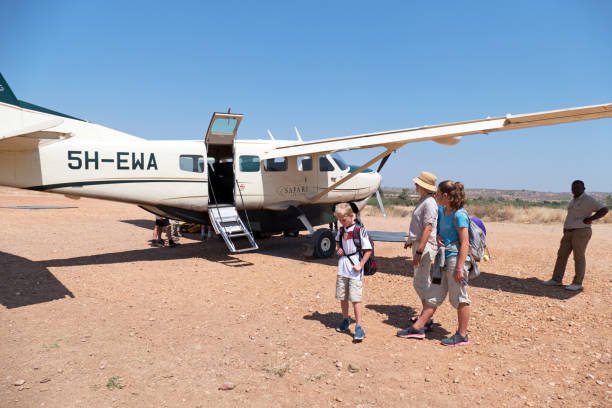
The most efficient way to reach Ibanda-Kyerwa is by charter or scheduled light aircraft. Several small airstrips are located near or within the park’s vicinity. Flights typically depart from Arusha or Mwanza. This option significantly cuts down on travel time, allowing you to maximize your safari experience, especially if you have limited time for your 2026 or 2027 trip. However, it is also the most expensive option.
Overland Travel
For the more adventurous and budget-conscious traveler, overland travel is an option. This usually involves driving from Mwanza, the nearest major city, towards the park. The roads leading to and within Ibanda-Kyerwa can be challenging, especially during the rainy season, often requiring a 4×4 vehicle. The journey can take several hours, offering glimpses of rural Tanzanian life. This approach allows for a more in-depth experience of the landscape and culture en route, but requires a longer travel commitment.
Safari Duration and Itineraries
Given its size and the travel time required to reach it, a minimum of 3 to 4 full days within Ibanda-Kyerwa is recommended to truly appreciate its offerings. Itineraries can be tailored to focus on specific interests, such as wildlife photography, birdwatching, or simply experiencing the tranquility of the wilderness. Many travelers combine an Ibanda-Kyerwa safari with visits to other destinations in the Lake Victoria region or extend their trip to include other Tanzanian parks. For 2026-2027 planning, consider that a longer stay allows for deeper exploration and a more relaxed pace.
Accommodation Options
Accommodation in Ibanda-Kyerwa is limited, reflecting its undeveloped status. Options typically include:
* Tanzania National Parks Authority (TANAPA) Cottages/Huts: Basic but functional accommodation offering a close-to-nature experience.
* Tented Camps: These range from simple, comfortable canvas tents to more luxurious setups, often situated in prime locations with excellent wildlife viewing potential.
* Mobile Camps: In some areas, mobile tented camps may be available, offering flexibility and the ability to move to different locations within or around the park.
It’s important to note that facilities can be basic, and booking well in advance is essential, especially for 2026 and 2027, as capacity is limited. Embrace the simplicity; it’s part of the charm of an Ibanda-Kyerwa safari.
What to Expect on an Ibanda-Kyerwa Safari
An Ibanda-Kyerwa safari is distinct from the high-volume parks. Visitors should anticipate an experience that prioritizes authenticity, solitude, and a deep connection with the natural environment.
Game Drive Experiences
Game drives are the primary way to explore Ibanda-Kyerwa. Expect to traverse varied terrain, from open grasslands to woodland tracks. The limited number of vehicles means you’ll often have sightings all to yourself. Your guide’s expertise will be crucial in locating wildlife, which might be more dispersed than in other parks. Patience is rewarded; quiet observation of animals in their natural habitat is the hallmark of an Ibanda-Kyerwa experience. Early morning and late afternoon drives are usually the most productive for spotting active wildlife.
Walking Safaris
Where permitted and with an armed ranger, walking safaris can offer an incredibly intimate perspective on the bush. This allows you to appreciate the smaller details – the tracks of animals, the diverse plant life, and the sounds of the wilderness – that might be missed from a vehicle. Walking safaris are particularly rewarding in the less-congested areas of Ibanda-Kyerwa, providing a different kind of thrill and connection to the environment.
Cultural Interactions
While Ibanda-Kyerwa is a national park, its surrounding areas are often inhabited by local communities. Depending on your itinerary and the lodge’s location, opportunities for respectful cultural interactions might arise. This could include visits to nearby villages or learning about traditional ways of life. Such experiences add a valuable human dimension to your safari, offering insights into the people who share this land with the wildlife.
Photography Opportunities
For photographers, Ibanda-Kyerwa presents unique challenges and rewards. The vast, unspoiled landscapes offer dramatic backdrops. The presence of fewer vehicles means cleaner shots without distractions. However, the dense woodlands and the elusive nature of some predators can make capturing certain subjects more difficult. The soft light of early mornings and late afternoons, combined with the natural beauty and wildlife, makes for exceptional photographic opportunities. Planning for 2026 or 2027 trips with photography in mind means considering equipment that can handle varied light conditions and potentially longer lens for capturing distant or shy animals.
Wildlife of Ibanda-Kyerwa National Park
Ibanda-Kyerwa National Park is a sanctuary for a diverse array of wildlife, thriving in its varied ecosystems. While it may not boast the sheer density of certain other parks, its populations are significant, and the experience of seeing them in such a wild setting is profound.
Iconic Mammals
* Elephants: Ibanda-Kyerwa is critically important as an elephant corridor connecting populations across Tanzania and Uganda. Large herds, often transient, are a spectacular sight. They are particularly drawn to the riverine areas and the park’s grasslands.
* Buffalo: The park supports substantial herds of African buffalo. These formidable bovines are often seen grazing in large numbers across the plains and near water sources.
* Giraffes: Maasai giraffes are a common sight, often seen browsing on acacia trees.
* Antelopes: A variety of antelope species inhabit the park, including greater kudu, roan antelope, sable antelope, waterbuck, bushbuck, impala, and hartebeest. Each prefers different types of habitat within the park.
Lesser-Seen Species
* Predators: Lions are present and are known to inhabit the park, though they can be elusive. Leopard and cheetah sightings are rarer but possible, especially in areas with good cover. Hyenas, both spotted and striped, are also found here.
* Primates: While not a primate-heavy destination, olive baboons and vervet monkeys are commonly seen. Patas monkeys, known for their speed, may also be present in specific grassland habitats.
* Other Mammals: Warthogs, hippos (in the Kagera River), and various smaller mammals like mongooses and jackals contribute to the park’s biodiversity.
Reptiles and Amphibians
The riverine areas and seasonal wetlands support a variety of reptiles, including crocodiles in the Kagera River. Various snake species are present, though rarely encountered by visitors. Amphibians thrive during the wet season.
Birdlife in Ibanda-Kyerwa National Park
Ibanda-Kyerwa National Park is a birdwatcher’s delight, offering a rich diversity of species due to its varied habitats. Ornithologists and casual birdwatchers alike will find ample opportunities for sightings.
Resident Species
The park is home to a wide array of resident birds that thrive year-round. These include various raptors, such as the **Bateleur Eagle** and **Martial Eagle**, which patrol the skies. Ground-dwelling birds like **Helmeted Guineafowl** and **Crested Francolin** are common. In the woodlands, you might spot **African Paradise Flycatchers**, **Purple-crested Turacos**, and various hornbill species. The grasslands are home to **African Pipits** and **Grassland Eagles**.
Migratory Visitors
During the wet season (roughly November to April), Ibanda-Kyerwa becomes a vital stopover and breeding ground for numerous Palearctic and intra-African migratory birds. This significantly boosts the total number of species observable. European migrants like **White Storks** and various waders can be seen, while intra-African migrants add to the spectacle. The birdlife is particularly vibrant in the areas around the Kagera River and its associated wetlands, where water birds like **Herons**, **Egrets**, and **Kingfishers** are abundant.
Conservation Efforts and Challenges
Ibanda-Kyerwa National Park plays a crucial role in regional conservation, primarily as a vital elephant corridor. Its protection is essential for maintaining connectivity between wildlife populations in Tanzania, Uganda, and Rwanda. The park is managed by the
Check Availability for Ibanda-Kyerwa Safari 2026-2027
Ready to compare dates, prices, and the best option for your group? Send the package name and travel month so the team can reply with a clear quote, availability, and what is included.
Kilimanjaro And Mara River Crossing Safari August : Peak Season Adventure 2027
Combining the ultimate challenge of climbing Mount Kilimanjaro with the awe-inspiring spectacle of the Great Migration river crossing in the Maasai Mara offers an unparalleled African...
View package details
Kilimanjaro And Great Migration Safari August : Your Peak Season Adventure
Plan your ultimate Tanzanian adventure in August 2027, combining a Kilimanjaro climb with the spectacle of the Great Migration. This guide details the best timings, routes, and safari...
View package detailsKilimanjaro And Mara River Crossing Safari July 2027
Kilimanjaro and Mara River Crossing Safari July 2027 is explained with current 2027 planning, price, itinerary and booking information.
View package detailsKilimanjaro And Great Migration Safari July : Your Ultimate Tanzanian
Combining a Kilimanjaro climb with a Great Migration safari in July 2027 offers a spectacular Tanzanian adventure. This guide helps you plan your ideal itinerary, considering the best...
View package details
Kilimanjaro And Grumeti Migration Safari June : The Ultimate Tanzanian
Plan your unforgettable Kilimanjaro and Grumeti Migration safari for June 2027. This comprehensive guide details how to combine the challenge of summiting Africa's highest peak with the...
View package details
Best Kilimanjaro And Serengeti Calving Season Safari March 2027
Discover the magic of a March 2027 Kilimanjaro and Serengeti calving season safari. This guide explores the unique advantages and considerations for experiencing Tanzania's wildlife...
View package details
Kilimanjaro And Serengeti Calving Safari February : The Ultimate Planning
Combine the majesty of Mount Kilimanjaro with the impressive spectacle of the Serengeti's calving season in February 2027. This guide details how to plan this dual adventure, focusing on...
View package details
Kilimanjaro And Serengeti Calving Safari January 2026-2027
Kilimanjaro and Serengeti Calving Safari January 2027 is explained with current 2026-2027 planning, price, itinerary and booking information.
View package details
Kilimanjaro Christmas Climb And Tanzania Safari : Your Festive Adventure
Combine the magic of a Christmas ascent of Kilimanjaro with a thrilling Tanzania safari in 2026. Discover how to plan this dual adventure for a truly unique festive season.
View package detailsNo related package matches those filters. Clear one or more filters to see the other topic-matched options.



