
The cost and prices for an Ibanda-Kyerwa National Park tour in 2026-2027 are highly variable, depending on the safari’s duration, accommodation style (budget camping, mid-range lodges, or luxury tented camps), group size (private vs. shared), included activities, and the specific tour operator. While exact figures require a custom quote, expect daily rates for a typical 3-5 day safari to range broadly from $250 to $700+ per person per day, factoring in park fees, vehicle hire, guide services, meals, and accommodation. Longer or more specialized tours will naturally incur higher overall expenses.

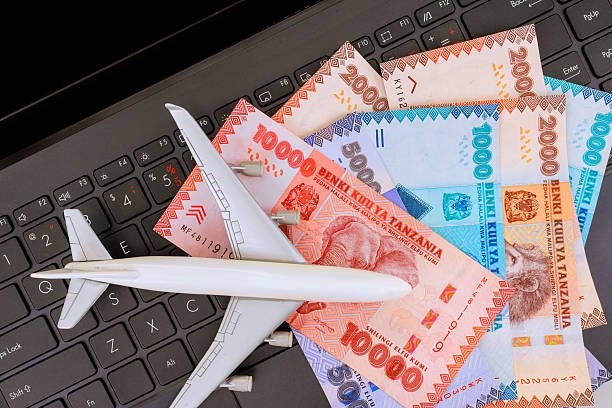
Ibanda-Kyerwa National Park, located in the remote northwestern corner of Tanzania, offers an increasingly sought-after safari destination for travelers seeking authentic, off-the-beaten-path wildlife encounters. Unlike its more famous northern circuit counterparts, Ibanda-Kyerwa provides a sense of raw, untamed wilderness. For those planning a visit in 2026 or 2027, understanding the associated tour costs and pricing structures is crucial for effective budgeting and trip planning. This comprehensive guide aims to demystify the expenses involved, providing practical insights into what influences safari prices and how to secure the best value for your Tanzanian adventure.
Understanding Ibanda-Kyerwa Park Fees
Park entrance fees are a fundamental component of any Tanzanian safari cost, and Ibanda-Kyerwa National Park is no exception. These fees are set by the Tanzania National Parks Authority (TANAPA) and contribute directly to conservation efforts within the park. For 2026-2027, it’s important to note that these rates can be subject to change, though significant increases are typically announced well in advance.
Generally, park fees are structured per person, per day. For international visitors, the daily conservation fee for Ibanda-Kyerwa National Park, like other Category B parks in Tanzania, is typically around $30 per person per day. This rate is consistent across many Tanzanian national parks, but always verify the latest figures with your tour operator as they can be updated annually or as policy dictates. It is essential to understand that these fees are mandatory and will be a significant line item in your safari quote.
Beyond the daily entrance fees, there might be additional charges for specific activities or vehicles. For instance, if your itinerary includes camping within the park, there will be associated camping fees, which vary depending on the campsite’s facilities and location. These can range from $10 to $50 per person per night for designated public campsites. Private campsites, if available and arranged, would naturally command higher prices.
Vehicle entry fees are also a consideration. Tour operators factor the cost of their safari vehicles, including their park entry permits, into the overall tour price. These are typically covered within the daily vehicle hire rate. It’s good practice to confirm with your operator whether park fees are included in their quoted price, as some might present them as a separate, additional charge. For a 2026-2027 safari, assuming a 4-day trip for two people, park fees alone could amount to approximately $240 (2 people x $30/day x 4 days).
Safari Accommodation Cost Drivers
The choice of accommodation significantly influences the overall cost of an Ibanda-Kyerwa National Park tour. As a remote park, options might be more limited than in well-established destinations, but the principles of pricing remain consistent. Your accommodation choices will largely dictate whether your safari leans towards budget, mid-range, or luxury.
Budget Safaris: Camping
For the most economical option, camping is the way to go. This typically involves staying in public campsites within or just outside the park boundaries. Tents are usually provided, and meals are prepared by a camp cook. While basic, this offers an authentic bush experience. Expect camping to add roughly $50 to $150 per person per night to your tour cost, covering tent rental, campsite fees, and the services of a cook. This is a popular choice for backpackers and those on a tighter budget, especially for trips planned for late 2026 or early 2027.
Mid-Range Safaris: Lodges and Tented Camps
Mid-range accommodation offers a step up in comfort and amenities. This can include permanent tented camps with en-suite bathrooms and comfortable furnishings, or simple safari lodges with private rooms and dining areas. These options provide more privacy and convenience than camping. Prices for mid-range accommodation typically fall between $150 to $350 per person per night. These lodges and camps are often situated strategically to offer good wildlife viewing opportunities while maintaining comfort.
Luxury Safaris: High-End Lodges and Exclusive Camps
For those seeking a premium experience, luxury lodges and exclusive tented camps offer unparalleled comfort, service, and often, prime locations within or bordering the park. These accommodations boast gourmet dining, spacious suites, private verandas, and often, additional amenities like swimming pools. Luxury options can push the per-person, per-night cost from $350 to $700 or more. These are ideal for travelers who prioritize comfort and a high level of service, and they represent a significant portion of the total safari expenditure.
When evaluating accommodation costs for a 2026-2027 safari, consider that remote locations like Ibanda-Kyerwa may have fewer options, potentially driving up prices for high-end properties due to logistical challenges in supplying them. It’s always wise to ask your tour operator for detailed descriptions and photos of the accommodation they propose.
Vehicle and Guide Expenses
The safari vehicle and the expertise of your guide are the backbone of your wildlife viewing experience. These elements constitute a substantial part of the tour cost, reflecting the investment in reliable equipment and skilled personnel.
Safari Vehicle Hire
The primary mode of transport within Ibanda-Kyerwa National Park is a specially adapted 4×4 safari vehicle, typically a Land Cruiser or Land Rover. These vehicles are designed for durability, comfort, and optimal wildlife viewing, featuring pop-up roofs or open sides. The cost of hiring such a vehicle, including fuel, maintenance, insurance, and the driver/guide’s salary, is usually calculated on a daily basis.
For a private safari, you can expect daily vehicle hire costs to range from $200 to $400 per day, depending on the vehicle type, its condition, and the operator. This cost is often shared among the occupants of the vehicle. For instance, a vehicle carrying 4-6 passengers might have a daily hire rate that, when divided, falls within the per-person daily safari rates mentioned earlier.
Shared safaris, which are less common for such remote parks but can sometimes be arranged, would divide the vehicle cost among a larger group, potentially lowering the per-person expense. However, for Ibanda-Kyerwa, private tours are generally more practical due to the park’s remoteness and the desire for a personalized experience.
Guide Services
A knowledgeable and experienced safari guide is invaluable. They possess intimate knowledge of animal behavior, tracking skills, and the best locations for sightings. The guide’s salary and associated costs are part of the daily vehicle hire rate. However, some operators might list guide fees separately, or tips for guides are expected at the end of the safari.
When budgeting for 2026-2027, ensure that the vehicle and guide costs are clearly outlined. A good tour operator will have well-maintained vehicles and guides who are not only skilled drivers but also passionate about wildlife and conservation, enhancing your overall experience.
Duration and Itinerary Impact on Cost
The length of your safari and the specific activities included in your itinerary are direct determinants of the total cost. A longer stay naturally means more days of park fees, accommodation, vehicle hire, and meals.
Typical Safari Durations
For Ibanda-Kyerwa National Park, most visitors opt for safaris ranging from 3 to 7 days. A 3-day safari might focus on a specific area or a concentrated wildlife viewing circuit. A 5-day trip allows for a more thorough exploration of the park’s diverse habitats and wildlife. Longer itineraries, perhaps 7 days or more, would be for serious wildlife enthusiasts or those combining Ibanda-Kyerwa with other nearby attractions.
Cost per Day vs. Total Cost
While daily rates provide a useful benchmark, the total cost is what matters for your budget. For a 3-day safari, the total might range from $750 to $2,100 per person. Extending this to 5 days could increase the total to $1,250 to $3,500 per person. These are broad estimates and can vary significantly based on the other cost factors discussed.
Itinerary Customization
The activities you choose will also affect the price. While standard game drives are the primary activity, some tours might include:
- Walking Safaris: Often conducted with an armed ranger, these offer a different perspective on the bush. They may incur additional fees or be part of premium packages.
- Cultural Visits: If your itinerary includes visits to local communities or villages near the park, these might involve small contributions or fees.
- Bird Watching Excursions: While birding is part of any safari, specialized birding tours might involve longer hours in specific habitats, potentially impacting vehicle usage costs.
When planning for 2026-2027, discuss your interests thoroughly with your tour operator. A well-tailored itinerary ensures you get the most out of your visit while managing costs effectively. For instance, combining Ibanda-Kyerwa with a brief visit to the nearby Burigi Chato National Park or the shores of Lake Victoria could extend your trip and alter the overall budget.
Seasonal Pricing Considerations for 2026-2027
While Ibanda-Kyerwa National Park is not subject to the same dramatic peak seasons as the Serengeti during the Great Migration, there are still periods that can influence pricing and availability, particularly for 2026 and 2027 travel.
Peak Season (Generally Dry Months):
The dry seasons, typically from June to October and again from December to February, often see higher demand. During these months, wildlife tends to congregate around water sources, making sightings more predictable. Consequently, accommodation providers and tour operators may implement slightly higher rates during these periods. Booking well in advance for 2026-2027 travel during these peak times is advisable.
Shoulder Season (Transition Months):
The months immediately before and after the peak dry seasons (e.g., March-May, November) can be considered shoulder seasons. The weather might be more variable, with potential for rain, but wildlife viewing can still be excellent, and there are often fewer crowds. Prices may be slightly more moderate during these times.
Low Season (Rainy Months):
The longer rainy season, typically from March to May, can see lower visitor numbers. While the landscape is lush and green, some roads might become challenging, and wildlife can be more dispersed. However, this period often offers the best value for money, with potential discounts on accommodation and tours. For budget-conscious travelers planning for 2027, the low season might present the most attractive pricing.
Impact on Ibanda-Kyerwa
Given Ibanda-Kyerwa’s remoteness, the seasonality might not be as pronounced as in other Tanzanian parks. However, accessibility, especially during the height of the rainy season, can influence travel logistics and costs. Tour operators will factor in potential road conditions and longer travel times when quoting prices for different periods in 2026-2027. Always inquire about the expected weather patterns and their impact on your chosen travel dates.
Inclusions and Exclusions: What to Expect
Understanding what is included and excluded in your Ibanda-Kyerwa National Park tour package is paramount to avoiding unexpected costs and ensuring you have a clear picture of your safari’s value. Tour operators differ in their package structures, so meticulous review is essential.
Common Inclusions:
- Park Entrance Fees: As discussed, these are almost always included in reputable operators’ quotes.
- Accommodation: The specified lodging for the duration of the safari.
- Meals: Typically, all meals (breakfast, lunch, dinner) are provided while on safari, often starting with lunch on day one and ending with lunch or breakfast on the final day.
- Vehicle and Driver/Guide: A 4×4 safari vehicle with a professional driver-guide, including fuel.
- Bottled Water: Usually provided in the vehicle during game drives.
- Activities: Standard game drives as per the itinerary.
Common Exclusions:
- International Flights: Flights to and from Tanzania (e.g., Kilimanjaro International Airport – JRO) are typically not included.
- Visa Fees: Costs associated with obtaining a Tanzanian visa.
- Travel Insurance: Highly recommended and usually the traveler’s responsibility.
- Tips: Gratuities for guides, drivers, lodge staff, and cooks are customary and not included in the tour price.
- Personal Expenses: Items like souvenirs, alcoholic beverages, laundry services, and telephone calls.
- Pre- and Post-Safari Accommodation: Nights spent in Arusha or other gateway cities before or after the safari.
- Optional Activities: Any activities not explicitly listed in the itinerary, such as hot air balloon safaris (though less common in Ibanda-Kyerwa compared to the Serengeti).
- Vaccinations and Medications: Costs related to health preparations for the trip.
For 2026-2027 Bookings:
When requesting quotes for 2026 or 2027, pay close attention to the detailed itinerary and inclusions list. A transparent operator will clearly itemize what you are paying for. If something is unclear, don’t hesitate to ask for clarification. For example, confirm if camping fees are included if you opt for a camping safari.
Estimating Your Ibanda-Kyerwa Safari Budget
To provide a more concrete estimate for your Ibanda-Kyerwa National Park tour cost and prices for 2026-2027, let’s break down potential costs for different travel styles over a standard 5-day/4-night safari:
1. Budget Traveler (Camping Safari):
- Park Fees: $30/person/day x 5 days x 2 people = $300
- Camping Fees: $20/person/night x 4 nights x 2 people = $160
- Vehicle & Guide (shared): $250/day x 5 days / 2 people = $625
- Food & Water: $40/person/day x 5 days x 2 people = $400
- Contingency/Tips: $150
- Estimated Total for 2 people: ~$1,635
- Estimated Per Person: ~$817.50
2. Mid-Range Traveler (Tented Camp/Budget Lodge):
- Park Fees: $30/person/day x 5 days x 2 people = $300
- Accommodation: $200/person/night x 4 nights x 2 people = $1,600
- Vehicle & Guide (private): $350/day x 5 days / 2 people = $875
- Food & Water: $50/person/day x 5 days x 2 people = $500
- Contingency/Tips: $250
- Estimated Total for 2 people: ~$3,525
- Estimated Per Person: ~$1,762.50
3. Luxury Traveler (High-End Lodge/Tented Camp):
- Park Fees: $30/person/day x 5 days x 2 people = $300
- Accommodation: $500/person/night x 4 nights x 2 people = $4,000
- Vehicle & Guide (premium private): $400/day x 5 days / 2 people = $1,000
- Food & Water: $70/person/day x 5 days x 2 people = $700
- Contingency/Tips: $400
- Estimated Total for 2 people: ~$6,400
- Estimated Per Person: ~$3,200
Important Considerations for 2026-2027 Budgets:
- These figures are estimates and can fluctuate based on operator pricing, specific lodge choices, and potential changes in park fees or taxes for 2026-2027.
- Solo travelers will typically incur higher per-person costs as they bear the full vehicle and guide expenses rather than sharing.
- Group size is a major factor; larger groups can often negotiate better rates.
- Always factor in the cost of getting to the nearest airport (e.g., Kilimanjaro International Airport – JRO) and any accommodation needed before or after the safari.
- Exchange rates can impact the final cost if paying in a currency other than USD or Tanzanian Shillings.
For the most accurate pricing for your 2026 or 2027 trip, it is essential to request personalized quotes from reputable tour operators.
Booking Your Ibanda-Kyerwa Tour
Securing your Ibanda-Kyerwa National Park safari for 2026-2027 involves selecting a reliable tour operator and understanding the booking process. Given the park’s remoteness, choosing an operator with local expertise and a strong track record is vital.
Choosing the Right Operator:
Look for companies that specialize in Tanzanian safaris and have specific experience with less-visited parks like Ibanda-Kyerwa. They should be able to provide detailed itineraries, clear pricing, and responsive communication. Operators like Climb 4 Africa, with deep roots in Tanzania, offer practical local support and tailor-made experiences. They understand the logistics of reaching and operating in these remote areas, ensuring a smoother journey.
What to Discuss When Requesting a Quote:
- Your desired travel dates for 2026 or 2027.
- Number of travelers and your preferred group size (private or shared).
- Your budget range and preferred accommodation style (camping, mid-range, luxury).
- Specific interests (e.g., bird watching, photography, specific animal sightings).
- Desired safari duration.
- Any specific inclusions or exclusions you require.
The Booking Process:
Once you have a quote that meets your needs:
- Review the Itinerary and Inclusions: Ensure everything aligns with your expectations.
- Deposit Payment: Most operators require a deposit (typically 20-50%) to confirm your booking. This is often non-refundable.
- Balance Payment: The remaining balance is usually due 30-60 days before your safari start date.
- Receive Final Details: Closer to your travel date, you’ll receive detailed information, including contact numbers, packing lists, and meeting points.
Why Contact Climb 4 Africa?
For a smooth Ibanda-Kyerwa National Park tour experience in 2026-2027, reaching out to Climb 4 Africa can be a strategic decision. Their local knowledge ensures that you receive realistic pricing and itineraries that account for the unique logistical challenges of this park. They can craft custom safaris that fit your budget and preferences, offering practical advice on everything from visa requirements to the best time to visit. To start planning your adventure and get a personalized quote, you can connect with them via WhatsApp at +255 747 477 898 or send an email to climb4africa@gmail.com. Providing them with your desired dates, group size, and budget will help them create the most accurate and competitive pricing for your unforgettable Tanzanian safari.
Check Availability for Ibanda-Kyerwa National Park Tour Cost And Prices: Planning Your Safari
Ready to compare dates, prices, and the best option for your group? Send the package name and travel month so the team can reply with a clear quote, availability, and what is included.
How To Visit Ibanda-Kyerwa National Park: Your Complete Guide 2026-2027
Ibanda-Kyerwa National Park offers a unique safari experience away from the crowds. This guide details how to access this remote Tanzanian park, what to expect, and tips for planning your…

Best Ibanda-Kyerwa National Park Tours: Your Ultimate Guide For 2026-2027
Planning a safari to Ibanda-Kyerwa National Park? This guide covers the best tour options, what to expect, and how to book your unforgettable 2026-2027 adventure.
Burigi-Chato National Park Tour Cost And Prices: Planning Your Safari
Planning a safari to Burigi-Chato National Park involves understanding the associated tour costs and prices. This guide breaks down what influences your safari budget, from duration and…
No related package matches those filters. Clear one or more filters to see the other topic-matched options.



