
Beyond the iconic safaris, Arusha, Tanzania, is rich with hidden gems and authentic local tours that offer deep cultural immersion, unique natural encounters, and genuine community connections. Exploring these less-trodden paths, from vibrant local markets and artisan workshops to serene coffee plantations and engaging village visits, provides a more profound understanding of Tanzanian life. For travelers planning for 2026 and 2027, prioritizing these experiences with a local operator like Climb 4 Africa ensures access to genuine insights, personalized itineraries, and reliable support, transforming a typical trip into an unforgettable adventure.

Arusha: More Than Just a Gateway
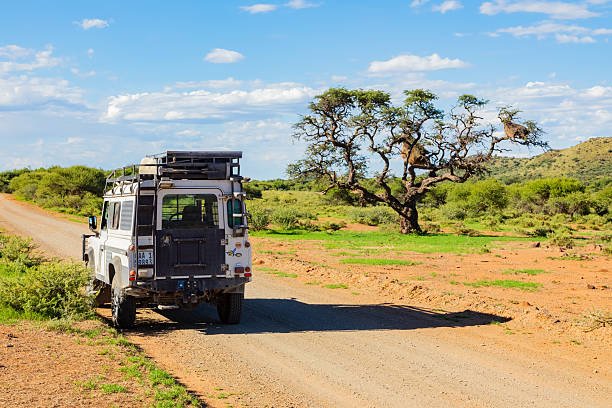
Arusha, often referred to as the “safari capital of the world,” serves as the primary entry point for many travelers embarking on Kilimanjaro climbs and Northern Circuit safaris. Its strategic location near Mount Meru and Kilimanjaro, alongside proximity to iconic parks like Serengeti and Ngorongoro, naturally positions it as a transit hub. However, to view Arusha solely as a staging post is to miss out on a vibrant cultural mix and a wealth of experiences that lie just beyond the well-worn tourist trails. The city itself is a dynamic blend of Tanzanian life, offering a fascinating glimpse into local commerce, traditions, and community dynamics. For those with an inquisitive spirit, Arusha presents an opportunity to engage with the heart of Tanzania, moving from passive observation to active participation in its rich cultural and natural landscape. This exploration is particularly rewarding for travelers in 2026 and 2027 seeking depth and authenticity in their African adventures.
Many visitors arrive, spend a night or two, and depart, perhaps picking up last-minute gear or arranging logistics. While this is a practical necessity for many, a deeper dive reveals that Arusha possesses its own unique charm and a surprising number of activities that can enrich any Tanzanian itinerary. These are not always listed in glossy brochures but are readily accessible through knowledgeable local guides and operators. Think less about the Big Five and more about the small moments: the aroma of roasting coffee beans, the intricate carvings of local artisans, the rhythm of daily life in a bustling market, or the serene beauty of a lesser-known waterfall. These are the true hidden gems of Arusha, offering a more intimate and nuanced perspective on Tanzania.
For travelers in 2026 and 2027 looking to make the most of their time and budget, allocating a few extra days to explore Arusha’s local offerings can be incredibly rewarding. It’s about understanding the context of the wider Tanzanian experience, connecting with the people who make this country so special, and discovering beauty in unexpected places. This guide aims to illuminate those often-overlooked aspects, providing practical insights and recommendations for truly in-depth local tours in Arusha.
Cultural Immersions Beyond the Usual
While the savannas and mountains are the stars of Tanzania, the cultural heart of the nation beats strongly in places like Arusha. Moving beyond the standard tourist shops selling mass-produced souvenirs, Arusha offers genuine opportunities to connect with local traditions, art, and daily life. These experiences are invaluable for understanding the social fabric of Tanzania and are often the most memorable aspects of a trip for discerning travelers.
### The Arusha Cultural Heritage Centre
Often overlooked by those rushing to Kilimanjaro or the Serengeti, the Arusha Cultural Heritage Centre (ACHC) is a significant starting point for understanding Tanzanian culture. It’s more than just a craft market; it’s an educational institution that showcases the country’s diverse tribal heritage, art, and history. Here, you can find authentic, high-quality crafts from across Tanzania, including intricate wood carvings, vibrant paintings, Maasai beadwork, and traditional textiles. The center also houses a museum and a library, offering deeper insights. For visitors interested in learning about the various ethnic groups of Tanzania and their customs, the ACHC provides an excellent, curated introduction. It’s a place where you can appreciate the artistry and traditions of the country in a respectful and informative environment, making it a worthwhile stop before or after your main adventures.
### Local Markets: A Sensory Explosion
The true pulse of any Tanzanian town can be felt in its local markets. Arusha’s main market, the *Soko Kuu*, is a bustling, vibrant hub where daily life unfolds in a riot of colours, sounds, and smells. This is where locals shop for everything from fresh produce – mountains of mangoes, avocados, bananas, and exotic fruits you might not recognize – to household goods, clothing, and spices. Visiting the market with a local guide is highly recommended. They can help navigate the crowds, explain the various items for sale, and even facilitate respectful interactions with vendors. You’ll see women expertly balancing baskets on their heads, men haggling over prices, and children darting through the stalls. It’s an authentic slice of Tanzanian life, far removed from the curated experiences often found elsewhere. For photographers, it’s a dreamscape; for food lovers, a treasure trove of fresh ingredients. Consider trying some local snacks or fruits, guided by your local expert to ensure you choose something delicious and safe.
Beyond the main market, smaller neighborhood markets offer a more intimate glimpse. These can be great for finding specific local crafts or simply observing the rhythm of everyday commerce. The key is to approach with an open mind and a willingness to engage. Remember that while vendors are accustomed to tourists, a friendly greeting and a smile go a long way. For travelers in 2026 and 2027 seeking genuine cultural experiences, dedicating a morning to explore Arusha’s markets is an absolute must.
### Artisan Workshops and Craftsmanship
Arusha is a hub for various crafts, and many artisans welcome visitors to their workshops. This offers a unique opportunity to see how traditional skills are passed down through generations. Look for woodcarvers, painters, and sculptors who create pieces inspired by local wildlife, tribal art, and daily life. Visiting a workshop allows you to witness the creation process firsthand, understand the techniques involved, and perhaps even commission a custom piece. Unlike mass-produced items, these are often unique works of art infused with the artist’s personal touch and cultural context. For instance, seeing a sculptor meticulously shape a piece of ebony wood or a painter bring a Maasai warrior to life on canvas provides a deeper appreciation for the skill and dedication involved. These interactions foster a connection between visitor and creator, making any purchased item a meaningful memento.
Some workshops focus on specific crafts, such as Tinga Tinga art (known for its vibrant, colourful style) or Makonde carvings (famous for their intricate, often intertwined figures). A local tour operator can arrange visits to reputable workshops where you can engage directly with the artists, learn about their inspirations, and understand the value of their work. This is a fantastic alternative to buying souvenirs from generic shops and directly supports local communities. For those planning trips in 2026 and 2027, seeking out these artisan encounters adds significant cultural depth to the travel experience.
### Village Visits and Community Interactions
Perhaps the most profound cultural immersion comes from visiting local villages. While many tours focus on the Maasai, Arusha and its surrounding areas are home to various ethnic groups, each with distinct traditions and ways of life. A well-organized village visit, led by a local guide, offers a respectful and insightful glimpse into rural Tanzanian life. This isn’t about staged performances but about genuine interaction. You might be invited to share a cup of chai, learn about traditional farming methods, understand local governance, or participate in a simple daily activity. These experiences are often facilitated through community-based tourism initiatives, ensuring that the benefits directly reach the village.
For example, a visit to a coffee-growing community can involve learning about the entire process from bean to cup, including tasting freshly brewed coffee. Similarly, engaging with a farming village can teach you about sustainable agriculture in the region. It’s crucial that these visits are conducted ethically, with respect for local customs and privacy. A reputable operator will ensure the tour is not intrusive and that local protocols are followed. Such interactions can be incredibly eye-opening, fostering empathy and a deeper understanding of the challenges and joys of daily life in Tanzania. For travelers in 2026-2027 looking for meaningful engagement, these community-based tours are highly recommended.
Natural Wonders Off the Beaten Path
While Arusha is the gateway to world-famous national parks, the region itself holds natural beauty that often goes unnoticed by visitors focused solely on the main safari circuit. Exploring these less-visited spots provides a different perspective on Tanzania’s diverse ecosystems and offers tranquility away from the crowds.
### Tarangire National Park: Lesser-Known Areas
Tarangire is renowned for its large elephant herds and iconic baobab trees, especially during the dry season. However, many visitors stick to the main tracks. For those seeking a more intimate wildlife experience, exploring the less accessible southern or western parts of Tarangire can be rewarding. These areas are often quieter, offering better chances for undisturbed sightings and a sense of true wilderness. While access might require a 4×4 vehicle and a knowledgeable guide, the payoff is significant. You might encounter predators like lions and leopards more readily in these quieter zones, or discover unique birdlife that thrives away from the main tourist routes. Planning a trip in 2026 or 2027 with an operator who understands Tarangire’s diverse terrain can find these hidden corners.
### Lake Manyara: Conservation Efforts and Birding Hotspots
Lake Manyara National Park is famous for its tree-climbing lions and diverse birdlife. Beyond the main game drive routes, focus can be placed on specific areas known for exceptional birding. The park’s diverse habitats, from groundwater forests to alkaline lake shores, attract a staggering array of avian species. A guided birdwatching tour, perhaps early in the morning or late in the afternoon, can reveal species that might be missed during a general safari. Furthermore, understanding the park’s conservation efforts, including initiatives to protect its unique ecosystem and wildlife, adds an educational layer to the visit. Engaging with rangers or conservationists, if possible through a specialized tour, provides valuable insights into the ongoing work to preserve this precious environment. For ornithology enthusiasts and those interested in conservation, Lake Manyara offers more than just a scenic drive.
### Olmoti and Empakai Crater Highlands
While the Ngorongoro Crater draws most of the attention, the wider Ngorongoro Conservation Area offers other impressive landscapes. The Olmoti and Empakai craters, located to the north of the main crater, are stunning volcanic calderas that are less visited but equally beautiful. Empakai Crater boasts a deep, stunningly blue alkaline lake at its base, surrounded by lush, dense rainforest. A hike down into Empakai, often combined with a visit to a Maasai boma (homestead), offers incredible views and a chance to experience a different side of the highlands. Olmoti Crater, known for its waterfalls, is also a beautiful area for hiking. These highlands offer cooler temperatures, dramatic scenery, and a sense of remoteness. Accessing these areas requires a good level of fitness for the hikes and is best done with a guide who knows the terrain and local conditions. Planning for 2026-2027, these highlands are perfect for travelers seeking active exploration beyond the typical safari vehicle.
### Shira Plateau: Kilimanjaro Day Hikes (Accessible Options)
For those who aren’t undertaking a full Kilimanjaro climb but still want to experience the mountain’s grandeur, day trips to the Shira Plateau offer a spectacular taste. Accessible from the Londorosi Gate, a guided day hike can take you onto the Shira Plateau, a high-altitude moorland with impressive views of Mount Meru and the surrounding landscape. The terrain is relatively gentle once you reach the plateau, allowing for moderate hiking with incredible vistas. It’s a chance to experience Kilimanjaro’s unique alpine flora and feel the sheer scale of the mountain without the commitment of a multi-day trek. These trips require acclimatization and good physical condition due to the altitude, but they provide an unforgettable perspective. A local operator can arrange the necessary permits and guides for such an excursion, making it a feasible option for many travelers in 2026-2027.
### Waterfalls and Forest Trails
Arusha region is blessed with numerous waterfalls and lush forest trails, often hidden away from main routes. A prime example is the Materuni waterfall, located near the village of Materuni on the slopes of Mount Kilimanjaro. A guided hike through coffee plantations leads to this impressive cascade, where you can swim in the cool waters and enjoy the scenic beauty. Nearby, the village offers insights into Chagga culture and coffee production. Another option is exploring the Marangu area, which has beautiful forest walks and smaller waterfalls. These excursions are typically half-day or full-day trips, offering a refreshing break from dusty plains and a chance to connect with Tanzania’s verdant landscapes. For travelers in 2026-2027 looking for active, nature-focused day trips from Arusha, these waterfall hikes are ideal.
Culinary Journeys: A Taste of Arusha
Tanzania’s culinary scene is a delightful fusion of local ingredients and influences from Arab, Indian, and European cuisines. Arusha offers excellent opportunities to explore these flavours through various food and drink experiences.
### Coffee Plantations and Tours
The Arusha region, particularly the slopes of Mount Kilimanjaro, is a prime coffee-growing area. Taking a tour of a local coffee plantation is a quintessential Arusha experience. You’ll learn about the entire coffee-making process, from planting the beans to harvesting, drying, roasting, and finally, brewing. Many tours include hands-on participation, such as picking cherries or grinding beans using traditional methods. The highlight is often tasting freshly brewed coffee made from beans grown right there. This experience is not just about the coffee; it’s also an insight into the lives of the farmers and the importance of this crop to the local economy. Tours are often combined with visits to local villages or waterfalls, making for a rich half-day or full-day excursion. For travelers in 2026-2027 interested in agriculture and local produce, a coffee tour is a must.
### Local Cuisine Tasting Experiences
To truly taste Tanzania, you need to venture beyond hotel buffets. Arusha offers several ways to experience authentic local cuisine. This can range from guided food tours through local markets, sampling street food and snacks, to dining at restaurants that specialize in traditional dishes. Key dishes to try include *Ugali* (a stiff maize porridge, a staple across East Africa), served with various stews (*stew* or *pili pili*), grilled meats (*nyama choma*), or vegetables. *Pilau* (spiced rice) and *Biryani* are popular rice dishes with Indian influences. Freshly grilled fish, especially Tilapia from Lake Victoria, is also a delicacy. A local guide can help you navigate menus, recommend dishes, and ensure you try the most authentic flavours. Some culinary tours might even include a cooking lesson, allowing you to learn how to prepare these dishes yourself. For a true taste of Arusha in 2026-2027, seek out these authentic food experiences.
### Brewery Tours and Local Drinks
Beyond coffee, Tanzania has a vibrant culture of local drinks. While beer is popular, exploring local brews like *Mbege*, a traditional banana beer brewed by the Chagga people, offers a unique cultural insight. Some tours might include visits to local communities where this brew is made and consumed. For those interested in more modern beverages, there are also local breweries producing popular Tanzanian beers like Serengeti Lager, Kilimanjaro Lager, and Safari Lager. A visit to a local brewery can offer a glimpse into the production process and a chance to sample these national favorites. It’s a relaxed way to enjoy local culture and socialize. For travelers looking for a different kind of tasting experience in 2026-2027, exploring Tanzania’s local beverages is a refreshing option.
Adventure and Active Pursuits
Arusha is a paradise for active travelers, offering a range of exhilarating activities that allow you to experience the stunning landscapes up close.
### Hiking and Trekking Around Arusha
Mount Meru, Arusha’s majestic backdrop, offers challenging multi-day treks that are often considered a training ground for Kilimanjaro. However, for day-trippers or those seeking less strenuous hikes, there are excellent options. The Momella gate area in Arusha National Park provides access to trails that lead to waterfalls and offer opportunities for wildlife viewing (though typically without large predators). A popular day hike is to the Tululusia Waterfalls. Guided walks through the lower slopes of Mount Meru also provide beautiful scenery and a chance to see diverse flora and fauna. These hikes are best undertaken with a park ranger or a local guide who knows the trails and can ensure safety, especially regarding wildlife encounters. For active travelers planning for 2026-2027, these trails offer a fantastic way to experience Tanzania’s natural beauty.
### Biking and Cycling Tours
Exploring the Arusha region by bicycle offers a unique perspective. Guided cycling tours can take you through rural villages, past coffee and banana plantations, and along scenic routes with views of Mount Meru and Kilimanjaro. These tours are often tailored to different fitness levels, ranging from gentle rides through agricultural lands to more challenging routes. Cycling allows you to cover more ground than walking but still maintain an intimate connection with the environment and local communities. You’ll pass farmers at work, children on their way to school, and witness daily life unfold at a pace that allows for interaction and observation. Many operators offer bike rentals and guided tours, making it an accessible adventure for those in 2026 and 2027 seeking an active and engaging way to see the countryside.
### Canoeing and Water Activities
While Arusha is landlocked, nearby areas offer opportunities for water-based adventures. Lake Duluti, located a short drive from Arusha, is a beautiful crater lake surrounded by forest. Canoeing on Lake Duluti is a peaceful activity, offering chances to spot diverse birdlife, monkeys, and other small animals along the shores. The tranquility of gliding across the water, with the sounds of nature as your soundtrack, is a refreshing contrast to the hustle of the city or the intensity of a safari. Some tours might also include fishing opportunities or guided nature walks around the lake. For travelers in 2026-2027 looking for a serene yet engaging outdoor activity, canoeing on Lake Duluti provides a unique escape.
Planning Your Hidden Gems Tour for 2026-2027
Organizing a trip that includes Arusha’s hidden gems requires careful planning to maximize your experience and ensure authenticity. Considering the time frame of 2026-2027, early booking is advisable, especially for unique, personalized tours.
### Why Choose Local Expertise?
When seeking out hidden gems and local tours in Arusha, partnering with a local tour operator like Climb 4 Africa is invaluable. Local companies possess unparalleled knowledge of the region, understanding the nuances of culture, geography, and community dynamics that guidebooks often miss. They have established relationships with local communities, artisans, and guides, ensuring that your experiences are authentic, respectful, and mutually beneficial. For 2026-2027 travel, a local operator can navigate changing conditions, advise on the best times to visit specific sites, and handle all logistical complexities, from permits to transportation. Their expertise translates into a smoother, richer, and more meaningful journey, allowing you to focus on the wonder of discovery.
### Customizing Your Itinerary
The beauty of exploring Arusha’s hidden gems lies in the ability to tailor your trip to your specific interests. Whether you’re passionate about photography, birdwatching, cultural immersion, culinary exploration, or active adventures, a custom itinerary can be crafted. For instance, if you’re interested in textiles, your tour might focus on visiting weaving cooperatives and artisan markets. If you’re a food enthusiast, it could involve coffee plantation tours, cooking classes, and market explorations. For 2026-2027 bookings, discuss your preferences in detail with your chosen operator. Climb 4 Africa specializes in tailor-made African travel experiences, working closely with clients to design itineraries that perfectly match their desires, ensuring you don’t just see Arusha, but truly experience it.
### Best Time to Visit for Local Tours
While Arusha is a year-round destination, the “best” time for local tours often depends on what you want to experience. The dry seasons (June to October and December to February) are generally preferred for outdoor activities and easier travel, with clearer skies and less rain. However, the shoulder seasons (March to May, and November) can offer fewer crowds and lush green landscapes, especially after the rains. For cultural festivals or specific agricultural cycles (like coffee harvesting), timing can be crucial. For example, coffee picking seasons vary by region but often fall between June and November. When planning for 2026-2027, consider that visiting during the rainy season might mean more challenging road conditions but also a more vibrant, green environment and fewer tourists at popular spots. Your local operator can advise on the specific impacts of seasonality on the hidden gems you wish to explore.
### Budgeting for Hidden Gems
Exploring Arusha’s hidden gems can be surprisingly affordable, especially when compared to the extensive costs associated with major safaris. Many local tours, such as market visits, village interactions, and waterfall hikes, are relatively low-cost or can be bundled into day trip packages. The cost will depend on factors like transportation, guide fees, entrance fees (if applicable), and any activities or purchases made. For instance, a guided coffee plantation tour might range from $30-$60 per person, while a full-day cycling tour could be $70-$120. A community visit might involve a contribution to the village. When budgeting for 2026-2027, remember to factor in these costs separately from your main safari or trekking expenses. Local operators like Climb 4 Africa can provide detailed quotes for customized itineraries, helping you plan your budget effectively.
### What to Pack
Packing for Arusha’s hidden gems requires versatility, as you’ll be engaging in a variety of activities. Comfortable walking shoes are essential for market visits, village tours, and hikes. Lightweight, breathable clothing is ideal for the warm climate, with layers recommended for cooler evenings or higher altitudes (like Mount Meru slopes). A waterproof jacket or poncho is advisable, especially during the rainy seasons (March-May, November). Don’t forget sun protection: a wide-brimmed hat, sunglasses, and high-SPF sunscreen. Insect repellent is crucial, particularly for evenings and forest areas. A reusable water bottle is environmentally friendly and essential for staying hydrated. A small backpack for day trips to carry essentials like water, snacks, camera, and a first-aid kit is also recommended. For cultural visits, modest clothing (covering shoulders and knees) is appreciated. For 2026-2027 travels, ensure your gear is practical for both urban exploration and rural adventures.
Booking Your Authentic Arusha Experience
Embarking on a journey to discover Arusha’s hidden gems and local tours is a decision that promises unparalleled authenticity and a deeper connection with Tanzania. To ensure your 2026-2027 adventure is smooth, memorable, and genuinely enriching, partnering with an experienced local operator is key. Climb 4 Africa, with its deep roots in Tanzania and commitment to authentic travel experiences, is ideally positioned to guide you.
We specialize in crafting tailor-made itineraries that go beyond the typical tourist routes, focusing on genuine cultural interactions, stunning natural landscapes, and unique community engagements. Whether you dream of exploring vibrant local markets, hiking to secluded waterfalls, learning the art of coffee making from local farmers, or connecting with artisans in their workshops, we can design the perfect trip for you. Our local expertise ensures that your journey is not only enjoyable but also respectful and beneficial to the communities you visit.
To start planning your bespoke Arusha hidden gems tour, or to discuss any of our Kilimanjaro climbs, safaris, or Zanzibar holidays, we encourage you to get in touch. Share your interests, desired travel dates for 2026 or 2027, and any specific activities you’d like to include. We are here to answer all your questions and help you craft an unforgettable Tanzanian adventure.
**Contact Climb 4 Africa today:**
* **WhatsApp:** +255 747 477 898
* **Email:** climb4africa@gmail.com
Let us help you find the true spirit of Arusha and beyond.”
}
“`
Check Availability for Hidden Gems And Local Tours In Arusha, Tanzania 2026-2027
Ready to compare dates, prices, and the best option for your group? Send the package name and travel month so the team can reply with a clear quote, availability, and what is included.

1 Day Maasai Culture Tour From Arusha: 1 Night in Maasai
start a meaningful 1-day Maasai culture tour from Arusha, offering a genuine glimpse into the traditions, daily life, and enduring heritage of the Maasai people. This in-depth experience…
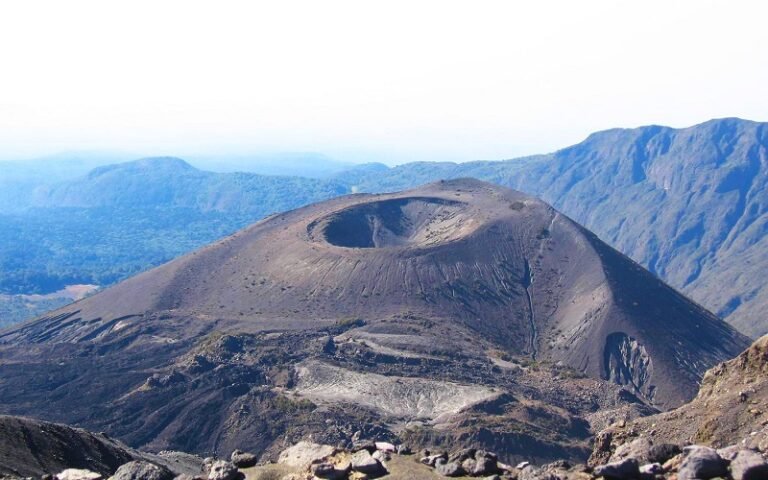
Mount Meru Trekking Ab Arusha 2026-2027
Mount Meru Trekking ab Arusha is explained with current 2026-2027 planning, price, itinerary and booking information.
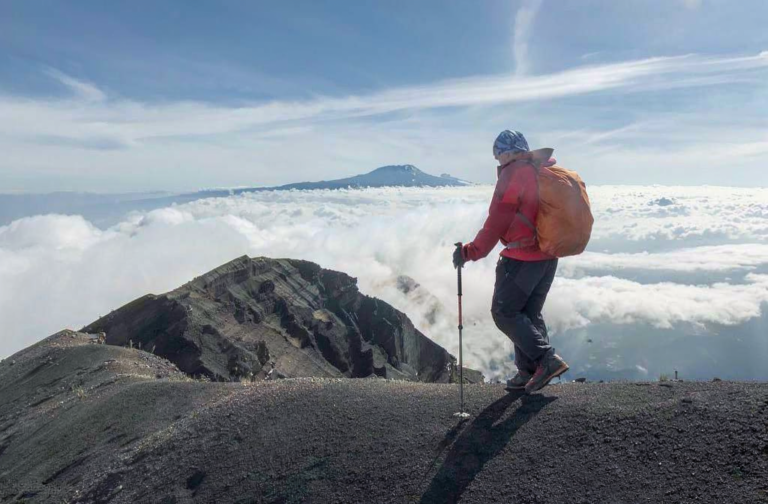
Trekking Monte Meru Desde Arusha: Your Ultimate Guide For 2026-2027
Your comprehensive guide to trekking Mount Meru from Arusha, covering everything from route options and difficulty to essential preparation and booking advice for climbs in 2026-2027.
No related package matches those filters. Clear one or more filters to see the other topic-matched options.



