
Joining a 3-day group safari departing from Moshi offers a fantastic opportunity to experience Tanzania’s iconic wildlife in a short timeframe, ideal for those with limited time or seeking budget-friendly options. These tours typically focus on the northern circuit parks such as Tarangire, Lake Manyara, and sometimes a brief taste of the Serengeti, with set departure dates allowing you to easily join pre-arranged itineraries in 2026 and 2027. You’ll share the safari vehicle and costs with other travelers, making it an efficient and social way to explore.
Why Choose 3-Day Joining Safaris From Moshi?
Moshi, a vibrant town located at the foot of Mount Kilimanjaro, serves as a key hub for many travelers in northern Tanzania. For those who have just completed a Kilimanjaro climb or are en route to other destinations, a 3-day safari starting directly from Moshi presents a compelling proposition. It eliminates the need for extensive travel to a different starting point, making your itinerary more streamlined and efficient. This is particularly valuable if your total trip duration is limited, allowing you to maximize wildlife viewing without losing precious days to transit.
The concept of ‘joining’ a safari means you’ll be part of a pre-formed group, or your booking will be combined with other solo travelers or small groups to fill a safari vehicle. This shared approach is the cornerstone of affordability in safari planning. By distributing the costs of the vehicle, guide, park fees, and accommodation among multiple participants, the per-person price drops significantly compared to a private safari. For the 2026 and 2027 travel seasons, this remains a highly sought-after option for budget-conscious adventurers and solo travelers looking for company.
Furthermore, 3-day safaris are designed to offer a concentrated, impactful experience. While longer safaris allow for deeper exploration of vast areas like the Serengeti, a 3-day trip is expertly crafted to hit the highlights of accessible, wildlife-dense areas. This means you can still witness incredible animal sightings – the ‘big five’ are always a possibility, alongside countless other species – without committing to a week-long expedition. It’s a perfect introduction to Tanzania’s safari magic or a satisfying addition to a broader East African adventure.
Choosing a departure from Moshi also simplifies logistics. Many international travelers arrive at Kilimanjaro International Airport (JRO), which is conveniently located between Arusha and Moshi. This proximity means less time and expense getting to your safari starting point. Local operators based in Moshi understand these logistical flows and can often arrange airport transfers directly to your safari vehicle or a nearby lodge, further enhancing the convenience.
For those planning their travel in the coming years, the 2026-2027 period promises continued excellent safari opportunities. Group departures are a staple of the industry, ensuring regular availability, especially during peak seasons. The key is to book in advance, particularly if you have specific dates in mind for 2026 or 2027, as popular group departures can fill up quickly.
In essence, a 3-day joining safari from Moshi is about efficiency, affordability, and impact. It’s for the traveler who wants to see the best of Tanzania’s wildlife in a short burst, without the hassle of complex travel arrangements or the expense of a private tour. It’s a practical, exciting way to connect with the wild heart of Africa.
Typical Itineraries for 3-Day Tanzania Group Safaris From Moshi
When you opt for a 3-day joining safari from Moshi, the itinerary is usually carefully curated to maximize wildlife viewing within the limited timeframe and geographical constraints. The most common circuits focus on parks easily accessible from Moshi and Arusha, offering a diverse range of landscapes and wildlife encounters. While specific routes can vary slightly between operators, here are the most typical structures you’ll encounter for 2026 and 2027 departures:
Option 1: Tarangire & Lake Manyara Focus
This is arguably the most popular and practical itinerary for a 3-day group safari from Moshi. It offers a fantastic balance of iconic species and varied habitats.
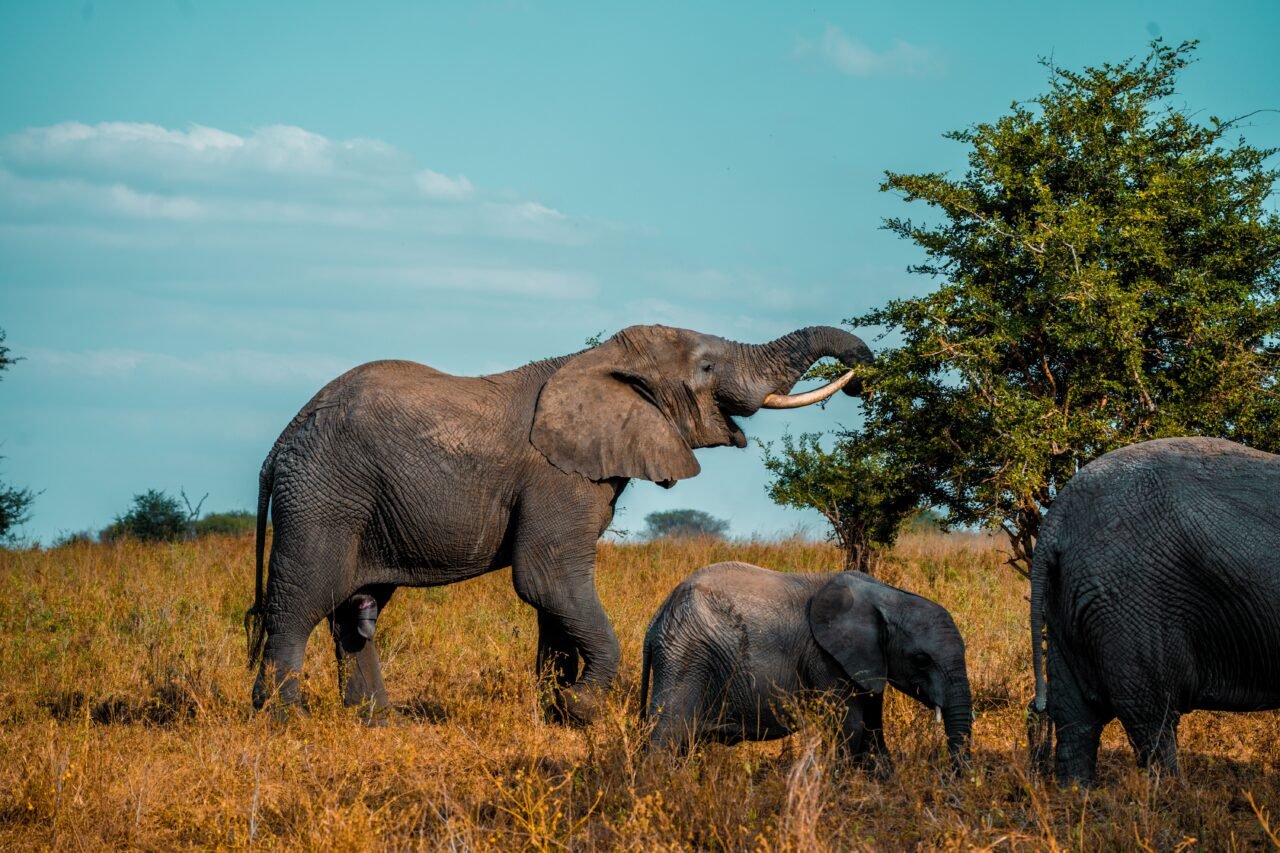
* Day 1: Moshi to Tarangire National Park. The safari begins early in the morning from Moshi. After a drive of approximately 3-4 hours, you’ll arrive at Tarangire National Park, renowned for its large elephant herds, baobab trees, and diverse birdlife. You’ll spend the full day on a game drive, exploring the park’s varied landscapes from riverbanks to acacia woodlands. Lunch is typically a picnic within the park. In the late afternoon, you’ll drive to a campsite or lodge near the park’s southern or western boundary for overnight.
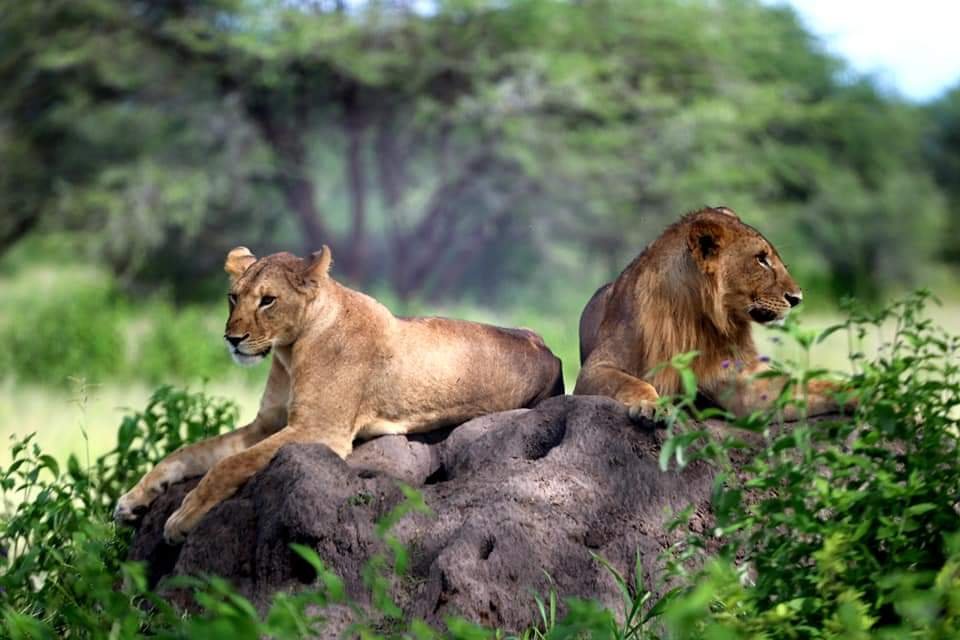
* Day 2: Tarangire to Lake Manyara National Park. After breakfast, you might have a short morning game drive in Tarangire if time and logistics permit, or you’ll head directly towards Lake Manyara National Park. This park, though smaller, is famous for its tree-climbing lions (though sightings are never guaranteed), its large population of baboons, and its stunning setting against the Great Rift Valley escarpment. A significant feature is the alkaline lake, which attracts large flocks of flamingos during certain seasons. You’ll conduct a game drive through the park and then proceed to a lodge or campsite in the Karatu area, which serves as a gateway to the Ngorongoro Conservation Area.
* Day 3: Lake Manyara Area to Moshi. Depending on the exact arrangement, this day might involve a morning visit to a local community, a cultural experience, or a final short game drive in a different section of Lake Manyara if not fully explored on Day 2. More commonly, the day is dedicated to the scenic drive back to Moshi. The return journey takes approximately 4-5 hours. You’ll typically arrive back in Moshi in the afternoon, concluding your 3-day safari adventure.
This itinerary is excellent for spotting elephants, giraffes, zebras, wildebeest, various antelopes, and numerous bird species. The landscapes are diverse, from the sweeping plains of Tarangire to the lush groundwater forest of Lake Manyara.
Option 2: Serengeti Taste & Ngorongoro Rim (Less Common for 3 Days)
While a 3-day safari is quite short for the Serengeti and Ngorongoro Crater, some operators offer a condensed version, often focusing more on the Ngorongoro Conservation Area (NCA) and perhaps a brief drive into the southern Serengeti. This option is usually more fast-paced and might involve longer driving days.
* Day 1: Moshi to Karatu/Ngorongoro Area. An early start from Moshi takes you towards the Ngorongoro Conservation Area. The drive is longer, around 5-6 hours. You’ll typically stop at a viewpoint overlooking the crater and then head to your lodge or campsite in the Karatu region.
* Day 2: Ngorongoro Crater Floor Excursion. This is the highlight. You’ll descend into the Ngorongoro Crater, a UNESCO World Heritage Site and a caldera teeming with wildlife. It’s one of the best places in Tanzania to see the ‘big five’ (lion, leopard, elephant, rhino, buffalo) in a single day, as well as a vast array of other animals. You’ll spend most of the day on the crater floor with a picnic lunch. In the late afternoon, you’ll ascend and return to your accommodation in Karatu.
* Day 3: Optional Serengeti Drive & Return to Moshi. This is where the itinerary gets tight. Some tours might include a short drive into the Ndutu area or Seronera region of the Serengeti on your way back. However, covering significant ground in the Serengeti requires much more time. A more realistic 3-day option might simply involve a leisurely drive back to Moshi from Karatu, possibly with a stop at Mto wa Mbu for a cultural insight or a visit to a local market. The drive back to Moshi is again around 4-5 hours.
This itinerary is more ambitious for 3 days and might feel rushed, especially if a Serengeti component is included. It’s best suited for travelers who prioritize seeing the Ngorongoro Crater above all else.
Customization Within Group Tours
It’s important to understand that ‘joining’ or ‘group’ safaris have limited customization. The itinerary is largely fixed to accommodate all participants. However, some operators might allow minor adjustments, such as specific lodge or campsite preferences (though this can affect price), or the inclusion of a specific cultural stop if the group agrees and it fits the schedule. Always clarify what level of flexibility, if any, is possible with your chosen operator when booking for 2026 or 2027.
Understanding Group Safari Dynamics and Trade-offs
Joining a group safari is a fantastic way to experience Tanzania’s wonders affordably, but it comes with its own set of dynamics and requires an understanding of the inherent trade-offs. For travelers in 2026 and 2027 looking for shared experiences, weighing these pros and cons is crucial for setting expectations and ensuring a fulfilling trip.
Pros of Joining a Group Safari
* Cost-Effectiveness: This is the primary advantage. By sharing the costs of a 4×4 safari vehicle, a professional guide, park entrance fees, and accommodation (campsites or budget lodges), the per-person price is significantly lower than a private safari. This makes Tanzania’s incredible wildlife accessible to a wider range of travelers.
* **Social Interaction:** Traveling with a group can be a more social experience. You’ll meet people from different backgrounds and nationalities, share stories, and potentially make new friends. This is especially appealing for solo travelers who might otherwise feel isolated.
* **Logistical Simplicity:** The itinerary is pre-planned and managed by the tour operator. You don’t need to worry about route planning, booking campsites or lodges, or coordinating with drivers. Your main responsibility is to be ready for the scheduled departures and activities.
* **Environmental Impact:** A full vehicle is generally more environmentally friendly per person than multiple smaller vehicles on the same routes.
* **Expert Guidance:** You benefit from the knowledge and experience of a professional safari guide who knows the parks, animal behaviors, and the best locations for sightings. This is consistent whether you’re on a group or private tour.
Cons and Considerations for Group Travel
* **Less Flexibility:** Group safaris operate on a fixed schedule. Decisions about where to stop, how long to stay at a sighting, or the pace of the game drive are often made collectively or by the guide to ensure the group stays on track. Spontaneous detours or extended time at a particular spot might not be possible if it impacts the overall schedule for everyone.
* **Shared Vehicle Space:** While safari vehicles are designed for comfort, you’ll be sharing the space with other travelers. This means you might not always have an unobstructed view from every seat, and personal space is limited.
* **Pace of Travel:** The group’s collective interest dictates the pace. If some members are keen on birdwatching and others on big cats, compromises must be made. Early morning starts are standard, and evenings are spent at the designated accommodation.
* **Decision-Making:** While the guide makes professional decisions, sometimes group consensus is sought for minor choices, which can lead to delays or decisions that don’t suit everyone.
* **Accommodation Standards:** Group safaris often utilize campsites or basic lodges to keep costs down. While clean and functional, they may lack the luxury amenities of higher-end private lodges. If you are expecting a luxury experience, a standard group safari might not be the best fit.
* **Noise and Disturbance:** While guides manage this, sometimes fellow travelers can be loud or disruptive, impacting the tranquility of the wildlife viewing experience. This is a risk in any shared travel scenario.
For travelers planning their 2026 or 2027 safari, understanding these dynamics is key. If you value flexibility, privacy, and the ability to dictate your own pace, a private safari might be worth the extra investment. However, if you are looking for an affordable, social, and well-organized introduction to Tanzania’s wildlife, a 3-day joining safari from Moshi is an excellent choice. It’s about managing expectations and embracing the shared adventure.
What is Included in a 3-Day Joining Safari Package?
When booking a 3-day joining safari from Moshi for your 2026 or 2027 adventure, understanding what’s included is paramount to budgeting and avoiding surprises. While packages can vary slightly between operators, reputable companies like Climb 4 Africa typically offer a comprehensive set of inclusions designed to cover the essentials of your safari experience:
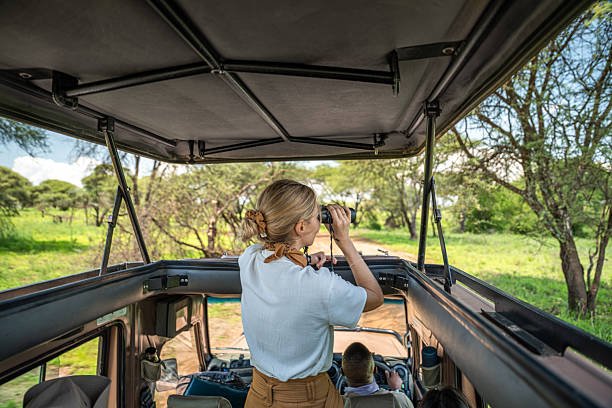
* Vehicle and Guide: The core of your safari. This includes a 4×4 safari vehicle (usually a customized Land Cruiser or Land Rover) equipped with a pop-up roof for optimal game viewing and photography. You’ll also have a professional, experienced English-speaking safari guide who knows the parks intimately.
* **Park Entrance Fees:** All national park and conservation area fees for the duration of your 3-day itinerary are covered. These fees are a significant portion of the safari cost and are non-negotiable.
* **Accommodation:** This typically includes 2 nights of accommodation. For budget-friendly group tours, this usually means staying in **tented camps** (often public campsites with basic facilities or more comfortable ‘glamping’ style tented camps) or **budget safari lodges**. The type of accommodation will be clearly stated in the tour details.
* **Meals:** All meals during the safari are generally included. This usually means breakfast, lunch, and dinner. Lunches are often picnic-style in the parks, while dinners and breakfasts are served at the campsite or lodge. Expect hearty, wholesome meals prepared by a safari cook if camping.
* **Water:** Bottled drinking water is provided in the safari vehicle throughout the trip, usually replenished daily. This is crucial for staying hydrated in the African climate.
* **Crater Service Fee (if applicable):** For itineraries that include the Ngorongoro Crater, the specific service fee for entering and spending time on the crater floor is covered.
* **Airport Transfers:** Often, operators will include transfers from Kilimanjaro International Airport (JRO) or from your Moshi accommodation to the safari starting point, and the return transfer back to Moshi upon completion of the safari.
It’s always advisable to confirm the exact inclusions with your tour operator before booking. For example, ask about the specific type of accommodation (e.g., public campsite vs. private tented camp), whether a private safari cook is included for camping, and the exact pick-up/drop-off locations. Clarity on these points ensures your 3-day joining safari from Moshi aligns perfectly with your expectations for 2026 or 2027.
What is Typically Excluded?
While a 3-day joining safari from Moshi is designed to be comprehensive, certain items and services are generally not included in the package price. Being aware of these exclusions will help you budget effectively for your 2026 or 2027 trip and avoid any last-minute surprises.
* **International Flights:** Flights to and from Tanzania are not included. You will need to arrange these separately.
* **Visa Fees:** Tanzania requires a visa for most nationalities. The cost of the visa is payable upon arrival or can be obtained in advance.
* **Travel Insurance:** Comprehensive travel insurance is essential and is not included. This should cover medical emergencies, trip cancellations, and lost luggage.
* **Tips and Gratuities:** Tipping your safari guide, cook, and any camp staff is customary and greatly appreciated for good service. A guideline for tipping amounts is usually provided by the tour operator.
* **Personal Expenses:** This includes items like souvenirs, alcoholic beverages, soft drinks (beyond the provided water), laundry services, and any personal items you might purchase.
* **Optional Activities:** If any optional activities are offered (e.g., a village tour at Mto wa Mbu, a nature walk near Karatu), these will typically incur an additional charge.
* **Accommodation Before/After Safari:** If you arrive in Moshi a day or two before your safari starts, or wish to stay an extra night after, the accommodation for these nights is usually not included in the safari package itself.
* **Vaccinations and Medications:** Costs associated with any required vaccinations or personal medications are your responsibility.
* **”Big Five” Guarantee:** While operators strive to help you see as much wildlife as possible, no safari can guarantee sightings of specific animals, such as the elusive leopard or the critically endangered black rhino, nor can they guarantee the “Big Five” in a short 3-day trip.
For the most accurate information regarding exclusions for your 2026 or 2027 booking, always refer to the detailed itinerary and terms and conditions provided by your chosen safari operator. Clear communication is key to a smooth and enjoyable experience.
Planning Your 3-Day Safari Departure From Moshi for 2026-2027
Successfully planning a 3-day joining safari from Moshi involves considering several key factors to ensure your adventure in 2026 or 2027 is as smooth and enjoyable as possible. From timing your visit to packing the right gear, thoughtful preparation makes all the difference.
Best Time to Travel
Tanzania offers incredible wildlife viewing year-round, but the ‘best’ time for a 3-day safari often depends on your priorities:
* **Dry Season (June to October):** This is generally considered the peak season. Skies are clear, temperatures are pleasant, and wildlife tends to congregate around water sources, making them easier to spot. This is also a popular time for the Great Migration river crossings in the Serengeti, though a 3-day trip might not reach these specific areas unless it’s a very focused itinerary.
* **Shoulder Seasons (November, March to May):** These months can offer a good balance. November often sees the start of shorter rains, which can bring lush greenery and fewer crowds. March to May is the ‘long rains’ season, which means lower prices and fewer tourists, but some roads might be challenging, and game viewing can be more dispersed due to water availability.
* **Rainy Season (April to May):** This period often sees the lowest prices and fewest tourists. While you might encounter rain showers, they are often short-lived, and the landscapes are incredibly beautiful and green. It’s a good option for budget travelers who don’t mind a bit of rain.
For a 3-day trip focusing on Tarangire and Lake Manyara, any time of year can be rewarding. Tarangire is famous for its large elephant herds, which are present year-round but are particularly concentrated during the dry season. Lake Manyara’s birdlife is also impressive throughout the year.
Booking Deadlines and Availability
For 2026 and 2027, especially if you are planning during peak safari seasons (June-October and December-February), it is highly recommended to book your 3-day joining safari from Moshi **at least 3-6 months in advance**. Group departures fill up on a first-come, first-served basis. Last-minute bookings might be possible, but your choice of departure dates and accommodation could be limited.
If you have specific dates in mind, or if you are a solo traveler looking to join a group, contacting an operator like Climb 4 Africa well in advance is your best strategy. They can inform you about upcoming scheduled departures and help you secure a spot.
What to Pack
Packing light and smart is key for a safari. Focus on neutral-colored clothing that blends with the environment.
* Clothing: Lightweight, breathable fabrics. Long-sleeved shirts and trousers for sun and insect protection (especially evenings). T-shirts, shorts, comfortable walking shoes or hiking boots (if you plan any short walks), sandals for camp. A light jacket or fleece for cooler mornings and evenings.
* **Sun Protection:** Wide-brimmed hat, sunglasses, high SPF sunscreen.
* **Insect Repellent:** With DEET or Picaridin.
* **Camera Gear:** Camera, extra batteries, memory cards, zoom lens (essential for wildlife photography).
* **Binoculars:** Highly recommended for spotting distant animals.
* **Personal Items:** Small backpack for day use, reusable water bottle, personal toiletries, any personal medications.
* **Documents:** Passport, visa, flight details, travel insurance information, copies of important documents.
* **Power Bank/Adapter:** For charging electronics.
Avoid bright colors (red, yellow) and dark colors like blue and black, which can attract insects or be too hot. Camouflage is generally discouraged.
Health and Safety Considerations
* **Vaccinations:** Consult your doctor or a travel clinic well in advance of your 2026-2027 trip regarding recommended vaccinations (e.g., Yellow Fever, Hepatitis A, Typhoid) and malaria prophylaxis.
* **Malaria:** Mosquitoes are present, especially in the evenings. Use repellent, wear long sleeves and trousers, and consider malaria medication as advised by your doctor.
* **Hydration:** Drink plenty of bottled water to avoid dehydration.
* **Sun Safety:** Protect yourself from the strong equatorial sun.
* **Safari Vehicle Safety:** Always follow your guide’s instructions inside the vehicle. Do not stand up while the vehicle is moving, and keep limbs inside at all times.
* **Wildlife Encounters:** Maintain a safe distance from all animals. Never feed wildlife.
* **Food Safety:** Stick to meals provided by your tour operator and bottled water.
By planning ahead and considering these aspects, your 3-day joining safari from Moshi in 2026 or 2027 will be a well-prepared and unforgettable experience.
How to Choose the Right 3-Day Group Safari Operator
Selecting the right tour operator is crucial for ensuring your 3-day joining safari from Moshi is a success. With numerous companies offering similar packages, particularly for the 2026 and 2027 seasons, making an informed choice requires a bit of research and attention to detail. Here’s what to look for:
* **Reputation and Reviews:** Look for operators with a strong track record and positive reviews on platforms like TripAdvisor, Google, or specialized travel forums. Search specifically for reviews related to their group safaris and departures from Moshi. While fake reviews exist, a consistent pattern of positive feedback regarding guides, vehicle condition, organization, and value for money is a good indicator.
* **Vehicle Quality and Maintenance:** A reliable 4×4 safari vehicle is essential. Ask about the type of vehicles they use (Land Cruisers are generally preferred for their comfort and durability) and how they are maintained. A pop-up roof is standard for game viewing. Ensure the vehicle has enough space for the number of passengers to avoid feeling cramped.
* **Guide Experience and Training:** The safari guide is the backbone of your experience. Inquire about their qualifications, experience, and knowledge of flora and fauna. Are they local guides who know the parks intimately? Do they speak good English (or your preferred language)?
* **Itinerary Clarity and Inclusions:** Ensure the itinerary is clearly detailed, outlining exactly which parks you’ll visit, the duration of game drives, and the type of accommodation. Pay close attention to what is included (park fees, meals, accommodation type) and excluded. Be wary of itineraries that seem too good to be true price-wise; they might cut corners on essential services.
* **Safety Standards:** Ask about their safety protocols, emergency procedures, and how they handle vehicle breakdowns or medical situations. A responsible operator will have clear policies in place.
* **Communication and Responsiveness:** How quickly and thoroughly does the operator respond to your inquiries? Good communication before booking often reflects good service during the trip. For 2026-2027 bookings, clear communication about deposit requirements, payment schedules, and cancellation policies is vital.
* **Price vs. Value:** While budget is a key reason for choosing a group safari, don’t solely base your decision on the lowest price. Consider the overall value offered – the quality of the vehicle, guide, accommodation, and the completeness of inclusions. A slightly higher price might offer a significantly better experience.
* **Local Knowledge and Support:** Operators based locally in Moshi or Arusha, like Climb 4 Africa, often have a deeper understanding of local conditions, logistics, and community relations. They can also provide more immediate support should any issues arise during your safari.
* **Sustainability Practices:** Increasingly, travelers consider the environmental and social impact of their trips. Inquire if the operator has any sustainability initiatives, such as waste management or supporting local communities.
By carefully evaluating these points, you can confidently select an operator that will provide a memorable and well-organized 3-day joining safari from Moshi, setting you up for an incredible adventure in 2026 or 2027.
Booking Your 3-Day Joining Safari With Climb 4 Africa
Embarking on a 3-day joining safari from Moshi is an excellent choice for experiencing Tanzania’s wildlife efficiently and affordably. For travelers planning their 2026 or 2027 adventure, Climb 4 Africa offers reliable and well-organized group departures designed to showcase the best of the northern circuit. We understand the importance of a smooth booking process and a memorable safari experience.
To secure your spot on one of our scheduled 3-day group safaris, or to inquire about upcoming departure dates for 2026 and 2027, the best first step is to get in touch. Our team is ready to answer all your questions and guide you through the options.
**To initiate your booking or inquiry, please contact us:**
* **WhatsApp:** +255 747 477 898
* **Email:** climb4africa@gmail.com
When you reach out, please mention your interest in a “3 Day Joining Safari Group Departure from Moshi”. To help us provide the most accurate information and availability for your preferred 2026 or 2027 dates, it’s helpful if you can also provide:
* Your desired travel dates or flexibility.
* The number of people traveling.
* Any specific interests (e.g., birdwatching, photography).
* Your current location (for time zone communication).
Our team will then share details on our upcoming scheduled group departures, including specific itineraries, what’s included, and the current pricing structure. We pride ourselves on transparency and ensuring you have all the information needed to make an informed decision. We can also advise on the best times to travel in 2026 and 2027 based on your preferences and wildlife activity.
Booking with Climb 4 Africa means you are choosing an operator with extensive local knowledge and a commitment to providing authentic, high-quality safari experiences. We look forward to helping you plan your incredible Tanzanian adventure!
Check Availability for 3 Day Joining Safari Group Departures From Moshi: Your Quick Tanzania
Ready to compare dates, prices, and the best option for your group? Send the package name and travel month so the team can reply with a clear quote, availability, and what is included.
2 Day Group Joining Safari Departures From Moshi: Your Essential Guide
Explore 2-day group joining safaris departing from Moshi, Tanzania. This guide covers essential planning, itinerary options, what's included, and how to book your shared wildlife adventure...
View package detailsPrivate Vs Group Safari: What Should You Know? 2026-2027
Private vs Group Safari: What Should You Know? is explained with current 2026-2027 planning, price, itinerary and booking information.
View package details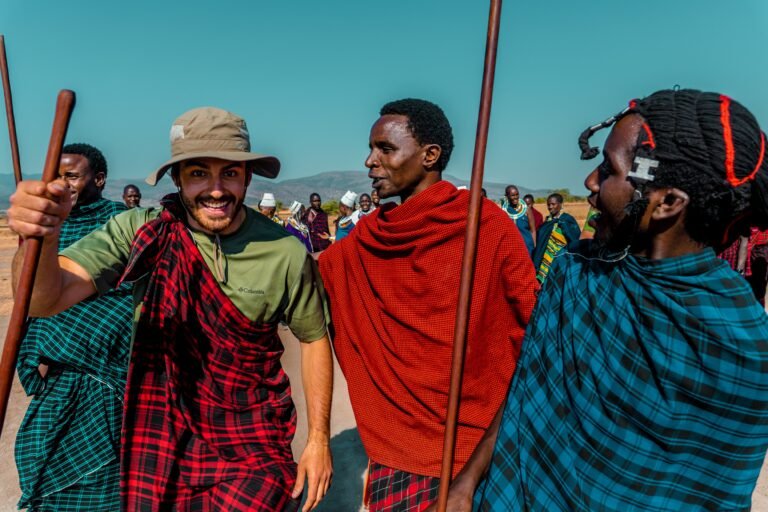
2 Days 1 Night Safari To Mikumi, Udzungwa & Maasai Village: 2026
Discover the highlights of Tanzania's southern circuit on a rapid 2-day, 1-night safari, combining wildlife viewing in Mikumi, unique landscapes in Udzungwa, and cultural immersion with the...
View package detailsWhat Do You Actually Pay For On An African Safari? 2026-2027
What Do You Actually Pay for on an African Safari? is explained with current 2026-2027 planning, price, itinerary and booking information.
View package detailsWhat Does A $1,000 African Safari Look Like? 2026-2027
What Does a $1,000 African Safari Look Like? is explained with current 2026-2027 planning, price, itinerary and booking information.
View package details20 Things You Never Knew About African Safari Animals Guide
Uncover fascinating and often overlooked aspects of African safari animals. This comprehensive guide reveals 20 incredible facts that will deepen your appreciation for wildlife on your...
View package detailsWhy Are Leopards So Difficult To See On Safari? 2026-2027
Why Are Leopards So Difficult to See on Safari? is explained with current 2026-2027 planning, price, itinerary and booking information.
View package detailsWhere Do Elephants Go During The Dry Season? Planning Your Tanzania Safari
During Tanzania's dry season, elephants migrate to areas with reliable water sources, often congregating in national parks and game reserves known for their permanent waterholes and rivers...
View package detailsWhat I Wish I Knew Before My First African Safari: A Practical Guide 2026-2027
Your first African safari is a monumental trip. This comprehensive guide shares essential, often overlooked, insights to help you plan and enjoy every moment, covering everything from...
View package details10 Mistakes First-Time Safari Travelers Make 2026-2027
10 Mistakes First-Time Safari Travelers Make is explained with current 2026-2027 planning, price, itinerary and booking information.
View package detailsWhat Nobody Tells You About African Safaris: Expert Insights For 2026-2027
Going on an African safari is a dream for many, but there are crucial details often overlooked. This guide reveals what nobody tells you about African safaris, covering everything from...
View package details15 Things Nobody Tells You Before Your First Safari In Tanzania 2026-2027
Planning your first Tanzanian safari? Beyond the stunning wildlife, there are practical, often unspoken, aspects of the experience that can significantly impact your trip. This guide...
View package detailsNo related package matches those filters. Clear one or more filters to see the other topic-matched options.



