
Choosing a trekking Kilimanjaro privato experience in 2026-2027 means opting for a bespoke climb tailored to your group’s pace, preferences, and schedule, offering greater flexibility and personalized support compared to group departures. This typically involves higher initial costs than joining a shared group but provides exclusive use of guides, porters, and facilities, making it ideal for families, friends, or those seeking a more intimate challenge. You’ll need to select a route, understand the inclusions, and prepare thoroughly for acclimatization and physical demands.
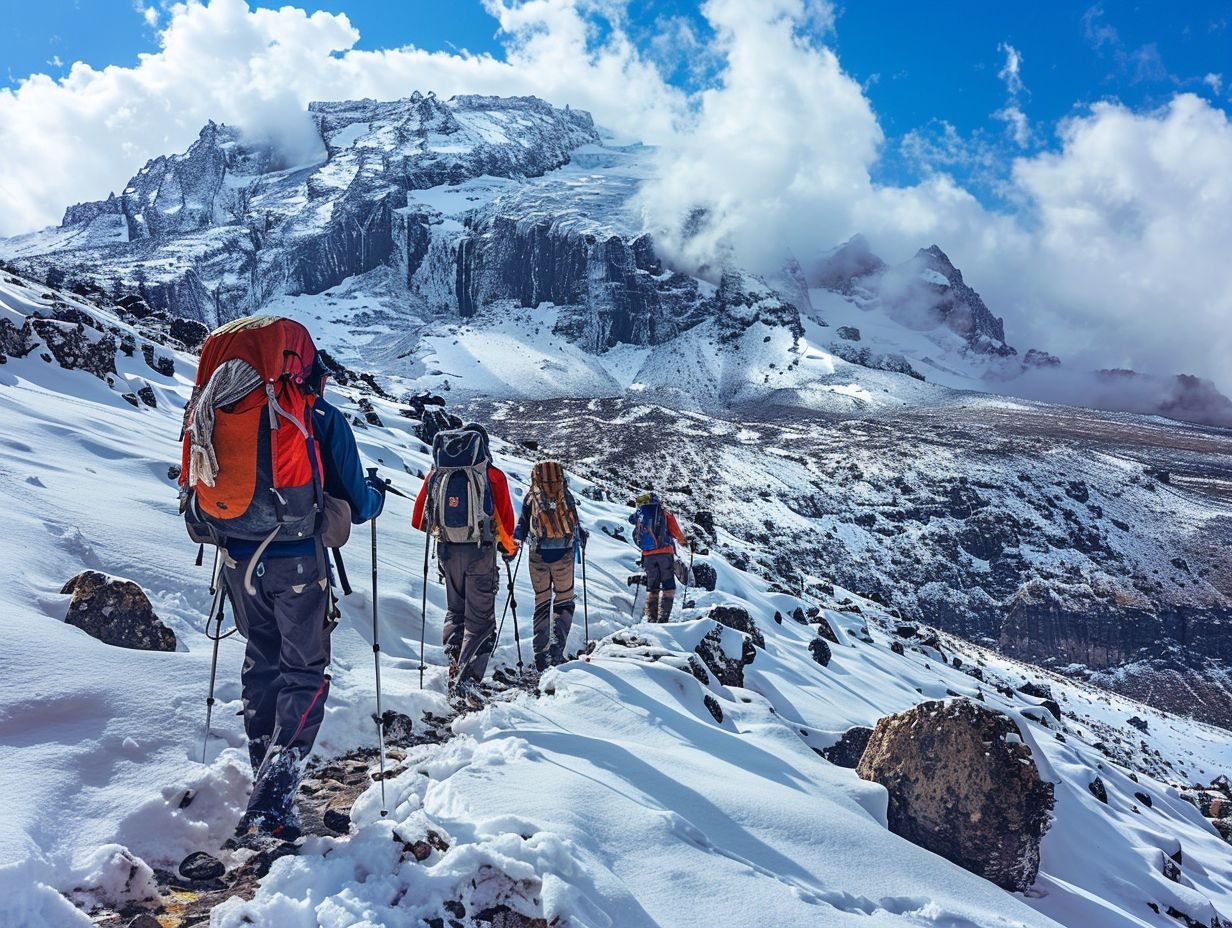
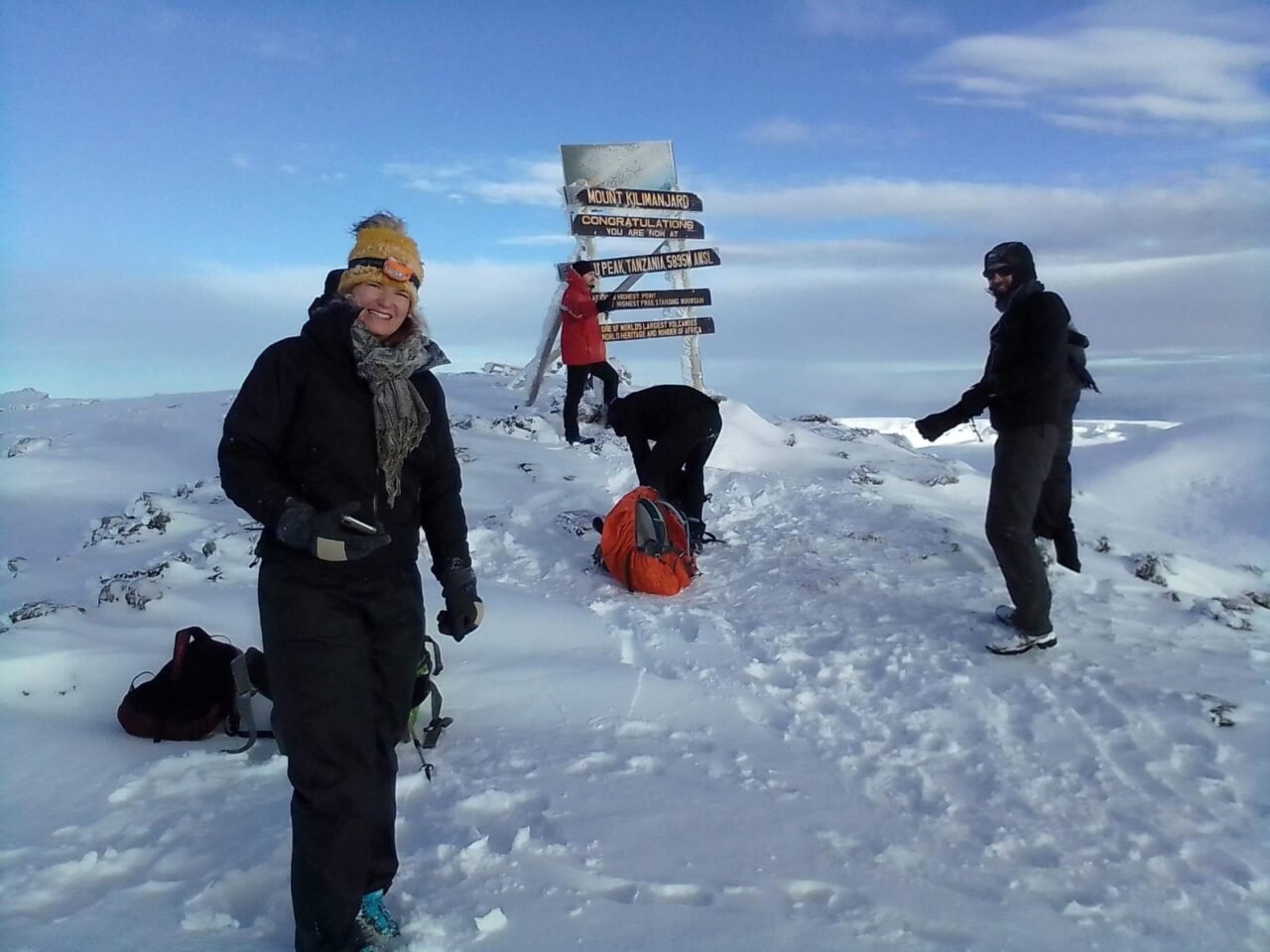
A private Kilimanjaro trek, or trekking Kilimanjaro privato, represents the pinnacle of personalized adventure on Africa’s rooftop. Unlike joining a scheduled group climb, a private trek offers unparalleled flexibility. You dictate the pace, the departure date (within operational constraints), and often have more direct communication with your guiding team. This focused approach is particularly appealing for families, corporate groups, or friends celebrating a special occasion, ensuring everyone’s needs are met on the ascent to Uhuru Peak.
For those planning a climb in the upcoming seasons of 2026 and 2027, understanding the nuances of a private trek is crucial for a successful and memorable expedition. This guide will break down every aspect, from route selection and cost considerations to essential preparation and what to expect on the mountain. We aim to equip you with the knowledge to make informed decisions, ensuring your trekking Kilimanjaro privato adventure is everything you envision.
Understanding the Appeal of a Private Kilimanjaro Trek
The decision to start a trekking Kilimanjaro privato expedition stems from a desire for a more controlled and intimate mountain experience. While group treks offer camaraderie and can be more budget-friendly, a private climb provides distinct advantages that many travelers find invaluable:
- Pace Control: The most significant benefit is the ability to set your own pace. Whether your group has seasoned trekkers or individuals who need more time, a private guide will adapt to your speed, ensuring no one feels rushed or held back. This is particularly important for acclimatization, as a slower pace often leads to better summit success rates.
- Flexibility in Dates: While Kilimanjaro National Park has peak seasons, a private trek offers more flexibility in choosing your exact departure date within those windows, aligning with your group’s availability for 2026 or 2027.
- Personalized Support: With a private team, your guides and porters are dedicated solely to your group. This means more individual attention regarding health, hydration, meals, and morale. Your guides can focus on your group’s specific needs, offering encouragement and tailored advice.
- Group Cohesion: For families or friends, a private trek ensures the entire experience is shared exclusively amongst yourselves. This fosters a stronger sense of shared accomplishment and allows for private celebrations at the summit.
- Customization Options: Depending on the operator, private treks can sometimes accommodate minor customizations, such as specific dietary requests or preferred camping locations, within park regulations.
The cost associated with a trekking Kilimanjaro privato is generally higher than joining a shared group departure. This reflects the dedicated crew, exclusive use of resources, and the flexibility offered. However, for many, the enhanced comfort, control, and personalized service justify the investment for a significant life event or a challenging personal goal in 2026-2027.
Choosing Your Kilimanjaro Route for a Private Trek
The route you choose significantly impacts your trekking Kilimanjaro privato experience, influencing duration, scenery, difficulty, and acclimatization profiles. For a private trek, you have the freedom to select the route that best suits your group’s fitness, time availability, and desire for scenic beauty and acclimatization success. Here’s a comparison of the most popular routes suitable for private expeditions:
The Machame Route: The Popular Private Choice
Often called the “Whiskey Route” due to its higher success rate compared to the “Coca-Cola” Marangu route, Machame is a favorite for private treks. It’s known for its scenic beauty and excellent acclimatization profile, typically taking 6 to 7 days.
- Duration: 6 or 7 days (7 days recommended for better acclimatization).
- Scenery: Offers diverse landscapes, from rainforest to moorland and alpine desert. It circles the mountain, providing varied views.
- Acclimatization: Good, especially on the 7-day option, as it incorporates a “climb high, sleep low” strategy.
- Difficulty: Moderate to challenging. The final ascent is steep.
- Crowds: Can be busy, especially in peak seasons, but a private group ensures your experience isn’t diluted by others.
- Accommodation: Camping.
- Best for Private Groups: Excellent all-rounder, suitable for most trekkers seeking a balance of scenery, acclimatization, and challenge. The 7-day Machame is a strong contender for a trekking Kilimanjaro privato in 2026 or 2027.
The Lemosho Route: The Most Scenic Private Option
The Lemosho route is renowned for its stunning scenery and excellent acclimatization, making it a top choice for those prioritizing views and success rates on a private trek. It’s a longer route, usually 7 to 8 days.
- Duration: 7, 8, or even 9 days (8 days is highly recommended for optimal acclimatization).
- Scenery: Arguably the most beautiful route, starting in the lush rainforest on the western side and offering panoramic views throughout.
- Acclimatization: Excellent, due to its longer duration and gradual ascent.
- Difficulty: Moderate to challenging.
- Crowds: Less crowded than Machame, especially in the initial days.
- Accommodation: Camping.
- Best for Private Groups: Ideal for trekkers who want the best possible scenery and highest chance of summit success through superior acclimatization. A trekking Kilimanjaro privato via Lemosho in 2027 offers an unforgettable journey.
The Marangu Route: The “Coca-Cola” or “Tourist” Route
Marangu is the oldest route and the only one offering dormitory-style accommodation in huts. It’s shorter, making it seem more accessible, but its direct ascent offers poor acclimatization, leading to lower success rates.
- Duration: 5 or 6 days (5 days is not recommended for acclimatization).
- Scenery: Less varied than other routes.
- Acclimatization: Poor, especially on the 5-day option, due to its rapid ascent.
- Difficulty: Moderate, but the poor acclimatization makes the summit day extremely challenging.
- Crowds: Can be very busy.
- Accommodation: Huts.
- Best for Private Groups: Generally not recommended for a private trek aiming for summit success due to acclimatization issues. If comfort and huts are the absolute priority over success, a 6-day private option might be considered, but other routes are superior for trekking Kilimanjaro privato.
The Rongai Route: The Best for Dry Conditions
Rongai is the only route approaching from the north, offering a different perspective and a drier climate, making it a good option during the wetter seasons. It’s typically 6 or 7 days.
- Duration: 6 or 7 days (7 days is recommended).
- Scenery: Less diverse than Machame or Lemosho, but offers unique views from the north.
- Acclimatization: Good, especially on the 7-day option.
- Difficulty: Moderate.
- Crowds: Generally less crowded.
- Accommodation: Camping.
- Best for Private Groups: A solid choice for those seeking fewer crowds and a less-trafficked experience, or for those climbing during the rainy season. A private Rongai trek can be a rewarding choice for 2026-2027.
The Northern Circuit and Shira Routes: Longer, More Scenic, Higher Success
The Northern Circuit is the longest route (9-10 days) and offers the highest acclimatization and success rates, circling the entire mountain. The Shira route is similar to Lemosho but starts at a lower altitude, requiring an initial descent, which can be less ideal for acclimatization.
- Northern Circuit: Best acclimatization, most scenic, highest success rate. Ideal for private treks prioritizing comfort and success.
- Shira Route: Beautiful, but the initial descent can be a disadvantage for acclimatization compared to Lemosho.
For a trekking Kilimanjaro privato, the Lemosho (8-day) and Machame (7-day) routes are generally the top recommendations due to their excellent balance of scenery, acclimatization, and overall trekking experience. The Northern Circuit is superior for those who want the absolute best chance of summiting with maximum comfort and time.
Recommendation for Private Treks in 2026-2027
For most private trekkers aiming for a successful and enjoyable ascent in 2026 or 2027, we strongly recommend the 7-day Machame or 8-day Lemosho routes. If budget and time allow, the 9-day Northern Circuit offers unparalleled acclimatization and scenery, significantly increasing your chances of reaching Uhuru Peak comfortably.
Cost Considerations for Trekking Kilimanjaro Privato
The cost of a trekking Kilimanjaro privato expedition is a significant factor for most travelers planning for 2026-2027. Unlike group treks where costs are shared, a private climb means your group covers the full expenses of guides, porters, cooks, park fees, and equipment for a dedicated team. Operators like Climb 4 Africa structure their pricing based on several factors:
- Route Choice: Longer routes like Lemosho or Northern Circuit require more days, thus more staff and supplies, increasing the overall cost compared to shorter routes like Machame.
- Duration: As mentioned, longer treks are more expensive.
- Group Size: While it’s a private trek, the price per person can decrease slightly with larger groups (e.g., 4-6 people) compared to a duo or solo private trek, as fixed costs are distributed. However, the total cost will still be higher than a shared group.
- Level of Service/Comfort: “Budget” private treks might use more basic equipment or have slightly smaller support teams, while “mid-range” or “luxury” options offer higher quality gear, more comfortable accommodations (if applicable, e.g., on Marangu), and potentially better food.
- Inclusions: Always verify what is included. Standard inclusions for a private trek typically cover: park fees, rescue fees, camping/hut fees, salaries for guides, porters, and cooks, all meals on the mountain, purified water, tents, sleeping mats, crater fees (if applicable), and a celebratory drink.
- Exclusions: Common exclusions are flights, visas, travel insurance, personal gear, tips for the crew, and items of a personal nature.
Typical Cost Structure for a Private Trek (2026-2027)
While exact prices vary significantly between operators and the specific choices made, a private Kilimanjaro trek in 2026 or 2027 can range from approximately $2,000 to $4,500+ per person. This range is broad because it depends heavily on the factors above.
- Budget Private Operators: Might start around $2,000 – $2,800 per person for a 7-day trek, focusing on essential services.
- Mid-Range Private Operators (like Climb 4 Africa): Typically fall between $2,800 – $3,800 per person for a 7 or 8-day trek, offering a good balance of quality, safety, and service.
- High-End/Luxury Private Operators: Can exceed $4,000 – $4,500+ per person, offering premium equipment, more experienced guides, gourmet meals, and potentially other added services.
What to Expect Regarding Cost for Your Private Trek
When budgeting for your trekking Kilimanjaro privato in 2026-2027, consider that the quoted price is often the most significant part of your trip cost. Always ask for a detailed breakdown of what’s included and excluded. For example, ensure that park fees and rescue fees are covered, as these are substantial costs. Operators committed to ethical treatment of porters will often have higher prices, reflecting fair wages and adequate provisions, which is a crucial aspect to consider for responsible tourism.
Contact Climb 4 Africa at WhatsApp +255 747 477 898 or Email climb4africa@gmail.com for a personalized quote tailored to your group’s desired route, duration, and dates for 2026-2027. We focus on providing high-quality, safe, and ethically run private treks.
Essential Preparation for Your Private Kilimanjaro Trek
A successful trekking Kilimanjaro privato expedition relies heavily on thorough preparation. This includes physical training, mental readiness, and logistical planning. Given that you have a private team, you can often discuss specific training recommendations with your operator.
Physical Training: Building Endurance and Strength
Kilimanjaro is a serious high-altitude trek, not a technical climb, but it demands significant physical conditioning. Your training should focus on cardiovascular endurance and leg strength.
- Cardiovascular Fitness: Aim for at least 3-4 sessions per week. Activities like hiking (with a backpack), running, cycling, swimming, or stair climbing are excellent. Focus on sustained effort for 1-2 hours.
- Hiking: This is the most relevant training. Hike regularly, ideally on varied terrain (hills, stairs) with a weighted backpack (5-10 kg). Simulate trekking conditions as much as possible.
- Strength Training: Focus on leg muscles (squats, lunges, step-ups) and core strength.
- Altitude Simulation (Optional): If you live at high altitude, this is less critical. If not, consider spending a night or two at moderate altitude before your trek if possible.
- Consistency is Key: Start training at least 3-6 months before your trek for optimal results.
Acclimatization Strategies
Proper acclimatization is paramount for summit success and avoiding altitude sickness. This is where choosing the right route and listening to your guides on a private trek is vital.
- Ascend Slowly: Choose longer routes (7+ days) for your private trek. The “pole pole” (slowly, slowly) mantra is crucial.
- Hydration: Drink plenty of fluids (3-4 liters per day). Water, herbal teas, and electrolyte drinks are good. Avoid alcohol and excessive caffeine.
- Eat Well: Maintain a good intake of carbohydrates.
- Listen to Your Body: Report any symptoms of altitude sickness (headache, nausea, dizziness) to your guide immediately. They are trained to assess and manage these issues.
- “Climb High, Sleep Low”: This principle, incorporated into routes like Machame and Lemosho, significantly aids acclimatization.
Gear and Equipment: What to Pack for a Private Trek
While your operator will provide tents, sleeping mats, and sometimes sleeping bags, you’ll need to pack your personal clothing and gear. Quality gear is essential for comfort and safety on a trekking Kilimanjaro privato.
Essential Packing List for Kilimanjaro
- Layering System: Base layers (thermal), mid-layers (fleece), and outer layers (waterproof/windproof jacket and trousers).
- Footwear: Broken-in hiking boots (waterproof), comfortable camp shoes/sandals.
- Socks: Several pairs of wool or synthetic hiking socks.
- Headwear: Warm hat, sun hat, balaclava/buff for extreme cold.
- Gloves: Warm, waterproof gloves and liner gloves.
- Trekking Poles: Highly recommended for stability and reducing knee strain.
- Backpack: Daypack (30-40L) for essentials, duffel bag (80-100L) for porters to carry.
- Sleeping Bag: Rated to -10°C to -20°C (4-season bag).
- Headlamp: With extra batteries.
- Sun Protection: High SPF sunscreen, lip balm, sunglasses.
- Personal First-Aid Kit: Include blister treatment, pain relievers, personal medications.
- Hydration: Water bottles or hydration reservoir (2-3L capacity).
- Toiletries: Biodegradable soap, toothbrush, toothpaste, wet wipes, hand sanitizer.
- Camera and Power Bank.
- Snacks: Energy bars, nuts, dried fruit (optional, as meals are provided).
For a trekking Kilimanjaro privato, it’s wise to invest in good quality gear, especially your boots and layering system. Many operators can provide a detailed packing list. Consider renting bulky items like sleeping bags or jackets if you don’t own them.
The Kilimanjaro Climbing Experience: What to Expect on a Private Trek
The actual climbing experience on Kilimanjaro, even on a private trek, follows a general daily structure dictated by the mountain and park regulations. Your private guides will ensure your group adheres to safety protocols while maximizing enjoyment.
Daily Itinerary Structure
Each day typically involves:
- Morning: Wake up, enjoy breakfast prepared by your cook. Pack your daypack and duffel bag for the porters.
- Trekking: Begin the day’s trek, usually for 4-7 hours, depending on the stage. Your guides will set a slow, steady pace. Regular breaks are taken for water and snacks.
- Lunch: A packed lunch is usually enjoyed en route.
- Afternoon: Continue trekking to the next camp. Upon arrival, tents are set up, and you can relax.
- Evening: Enjoy hot drinks, followed by dinner prepared by your cook. Your guides will brief you on the next day’s plan and check on your health.
Summit Night: The Ultimate Challenge
Summit night is the most demanding part of any Kilimanjaro trek, private or group. It usually begins around midnight from the last camp (Kibo Hut on most routes).
- Departure: You’ll wake up very early, have a light snack, and start climbing in the dark, often in single file behind your guides.
- Pace: Extremely slow. The focus is entirely on putting one foot in front of the other and breathing.
- Conditions: Extreme cold, strong winds, and altitude are major factors.
- Support: Your private guides will provide constant encouragement, monitor your condition, and ensure you stay hydrated and warm. They carry extra oxygen and first-aid supplies.
- Sunrise: Many reach Stella Point or the crater rim by sunrise, a truly spectacular reward.
- Uhuru Peak: The final push to Uhuru Peak (5,895m / 19,341ft) is a further 1-2 hours.
- Descent: After a brief celebration at the summit, the descent begins. It’s crucial to descend quickly to lower altitudes to mitigate the effects of altitude sickness. The descent to Kibo Hut or even further down to Barafu Camp is strenuous.
The support from your dedicated private guide team during summit night is invaluable. They are trained professionals focused solely on your group’s safety and success.
Crew and Porter Welfare
For any trekking Kilimanjaro privato, it’s essential to choose an operator that prioritizes the welfare of its mountain crew. This includes fair wages, adequate food and accommodation, proper clothing, and reasonable loads. Reputable companies like Climb 4 Africa are committed to ethical treatment, which contributes to a more positive and professional team on the mountain. This ethical approach often means slightly higher prices but ensures a responsible and sustainable climb.
Booking Your Private Kilimanjaro Trek for 2026-2027
Securing your trekking Kilimanjaro privato expedition requires careful planning and booking well in advance, especially for popular seasons in 2026 and 2027.
When to Book
It’s advisable to book your private trek at least 6-12 months in advance. This allows ample time for:
- Choosing your preferred route and dates.
- Securing your desired guide team (especially if you have specific preferences or returning guides).
- Allowing sufficient time for your physical training.
- Arranging flights and other travel logistics.
Popular periods for Kilimanjaro climbing in 2026-2027 include the dry seasons: January-March and June-October. Booking early for these windows is particularly important.
Choosing the Right Operator
Selecting a reputable operator is paramount for a safe and successful private trek. Look for:
- Experience: How long have they been operating?
- Safety Record: Do they have robust safety protocols, including emergency oxygen and communication?
- Guide Qualifications: Are guides certified and experienced in high-altitude mountaineering and first aid?
- Crew Welfare: Do they adhere to ethical guidelines for porters? (e.g., KPAP membership or similar standards).
- Reviews: Check independent reviews on platforms like TripAdvisor.
- Inclusions/Exclusions: Is the quote transparent and comprehensive?
Climb 4 Africa is a leading operator with a strong reputation for safety, ethical practices, and excellent client satisfaction for trekking Kilimanjaro privato. We offer customized itineraries and dedicated support for your private expedition in 2026-2027.
What to Discuss with Your Operator
Before confirming your booking for a trekking Kilimanjaro privato, have a detailed conversation with your chosen operator. Key discussion points include:
- Route and Duration: Confirm the best route for your group’s fitness and goals.
- Dates: Specify your desired departure date.
- Group Size: Provide an accurate number of participants.
- Inclusions and Exclusions: Get a clear list of what is and isn’t covered.
- Payment Schedule: Understand the deposit and final payment deadlines.
- Cancellation Policy: Be aware of the terms and conditions.
- Emergency Procedures: How do they handle medical emergencies?
- Crew Details: Ask about guide experience and porter welfare policies.
Ready to Plan Your Private Kilimanjaro Trek?
Embarking on a trekking Kilimanjaro privato journey in 2026 or 2027 is a significant undertaking. To ensure a smooth and successful expedition, partner with an experienced and reliable tour operator. Climb 4 Africa specializes in crafting personalized Kilimanjaro adventures, providing expert guidance, top-tier support, and a commitment to ethical mountain practices. We can help you select the ideal route, tailor an itinerary to your group’s needs, and ensure you are fully prepared for the challenge.
Contact Climb 4 Africa today to start planning your bespoke Kilimanjaro climb:
WhatsApp: +255 747 477 898
Email: climb4africa@gmail.com
Let us help you make your dream of summiting Kilimanjaro a reality with a private trek designed just for you.
Frequently Asked Questions about Private Kilimanjaro Treks
Here are some common questions potential trekkers have about organizing a trekking Kilimanjaro privato for 2026-2027:
Q1: What is the main difference between a private trek and a group trek?
A1: The primary difference is exclusivity. A private trek means your group has dedicated guides, porters, and cooks, and you set the pace and departure date (within operational windows). Group treks join you with other trekkers, sharing costs and adhering to a fixed schedule.
Q2: How much more does a private trek cost compared to a group trek?
A2: A private trek is typically 20-50% more expensive per person than joining a group trek. This premium covers the dedicated crew and flexibility. The exact difference depends on the operator and the number of people in your private group.
Q3: Can I choose any date for my private trek in 2026 or 2027?
A3: While you have more flexibility, departure dates are still subject to park opening times and operational capacity. It’s best to confirm your preferred dates with your operator as early as possible, especially for peak seasons.
Q4: What is the minimum group size for a private trek?
A4: Most operators allow private treks for as few as two people, though the cost per person is highest for smaller groups. Some may offer solo private treks at a significantly higher rate.
Q5: How important is tipping for the crew on a private trek?
A5: Tipping is customary and highly appreciated. Your operator will provide recommended tipping guidelines, which usually depend on the number of crew members and the duration of the trek. For a private trek, ensure the guidelines are adjusted for your dedicated team.
Q6: What happens if someone in my private group gets sick?
A6: Your private guides are trained to handle altitude sickness and other medical issues. They will assess the situation and recommend appropriate action, which may include administering medication, providing oxygen, or initiating an emergency descent. Having a dedicated team means immediate attention is focused on your group.
Q7: Is it possible to combine a private Kilimanjaro trek with a safari in 2026 or 2027?
A7: Absolutely. Many travelers combine their Kilimanjaro climb with a safari in Tanzania’s famous national parks (Serengeti, Ngorongoro Crater, etc.) or a beach holiday in Zanzibar. Climb 4 Africa can arrange smooth private itineraries for both treks and safaris.
The Future of Private Kilimanjaro Treks: Trends for 2026-2027
As interest in adventure travel continues to grow, the demand for personalized and exclusive experiences like trekking Kilimanjaro privato is set to increase through 2026 and 2027. We anticipate several trends:
- Increased Demand for Longer Routes: With greater awareness of acclimatization’s importance, more trekkers will opt for longer routes like Lemosho (8+ days) or the Northern Circuit (9-10 days) for their private expeditions to maximize success rates.
- Focus on Sustainability and Ethics: Travelers are becoming more conscious of the environmental and social impact of their trips. Operators demonstrating strong ethical practices regarding crew welfare and environmental conservation will be preferred.
- Technological Integration: While not overtly technical, expect operators to continue using reliable communication devices (satellite phones), GPS tracking for safety, and potentially better weather forecasting tools to enhance the private trekking experience.
- Customized Fitness and Nutrition Advice: Operators may offer more tailored pre-trek training and nutritional guidance, recognizing that private trekkers often seek a highly optimized experience.
- Hybrid Experiences: While a pure private trek is popular, some may look for options that offer a blend, perhaps starting with a private guide and then joining a small, curated group for certain segments if desired, though this is less common for the core Kilimanjaro climb.
For those planning a trekking Kilimanjaro privato in 2026-2027, booking with a forward-thinking operator like Climb 4 Africa ensures you benefit from these evolving standards and trends, guaranteeing a safe, ethical, and unforgettable adventure.
Check Availability for Trekking Kilimanjaro Privato: Your Definitive Guide For 2026-2027
Ready to compare dates, prices, and the best option for your group? Send the package name and travel month so the team can reply with a clear quote, availability, and what is included.
Trekking Monte Meru Tanzania: Precios, Ruta Y Consejos 2026-2027
Trekking Monte Meru Tanzania: precios, ruta y consejos is explained with current 2026-2027 planning, price, itinerary and booking information.
View package details
Mount Meru Trekking 3 Tage: Your Essential Planning Guide 2026-2027
A comprehensive guide to the 3-day Mount Meru trek, covering essential planning details for 2026-2027, including routes, preparation, what to expect, and booking advice.
View package details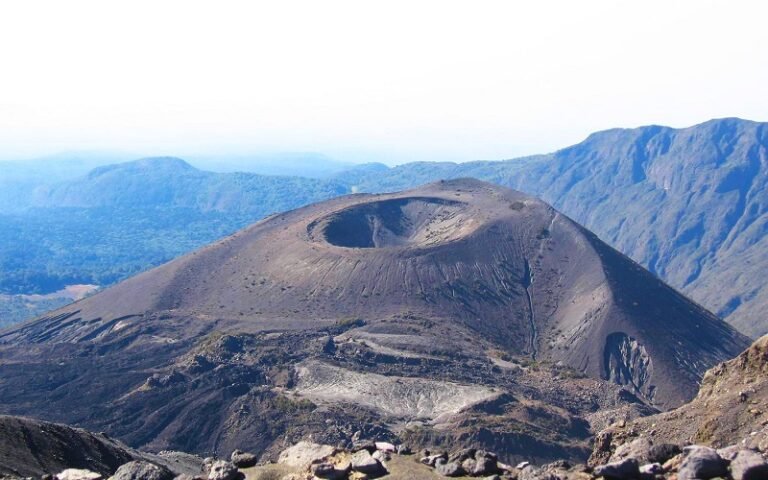
Mount Meru Trekking Ab Arusha 2026-2027
Mount Meru Trekking ab Arusha is explained with current 2026-2027 planning, price, itinerary and booking information.
View package details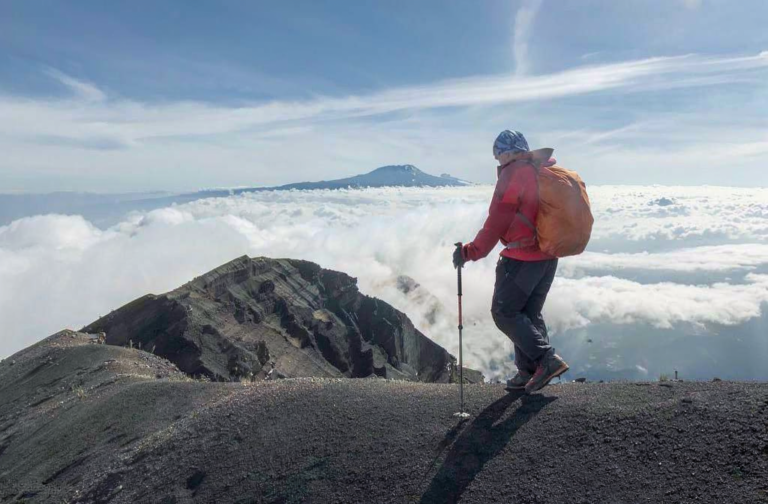
Trekking Monte Meru Desde Arusha: Your Ultimate Guide For 2026-2027
Your comprehensive guide to trekking Mount Meru from Arusha, covering everything from route options and difficulty to essential preparation and booking advice for climbs in 2026-2027.
View package details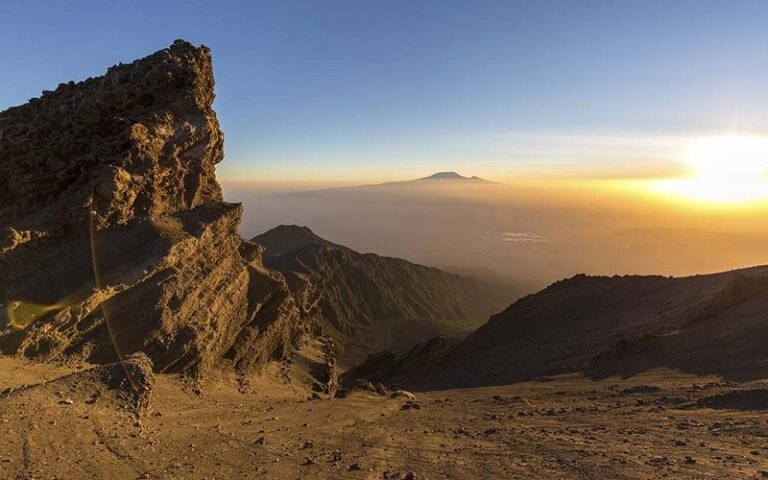
Monte Meru Y Kilimanjaro: Trekking En Tanzania 2026-2027
Discover the ultimate trekking experience in Tanzania by combining Mount Meru and Mount Kilimanjaro. This comprehensive guide covers everything from route selection and preparation to...
View package details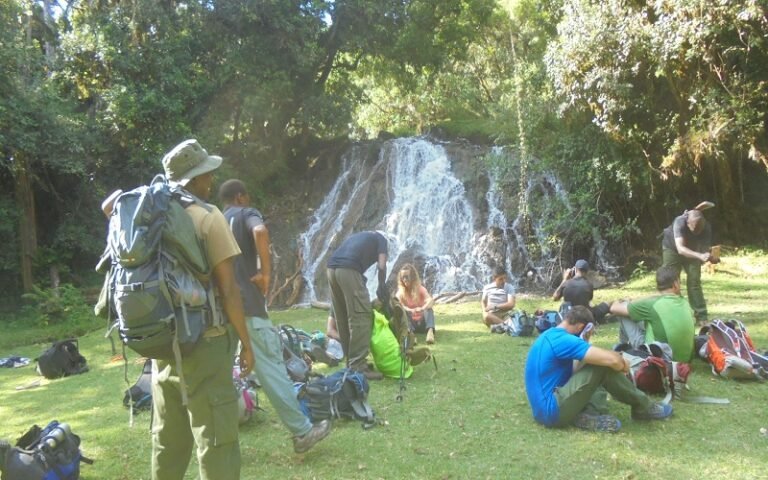
Precio Trekking Monte Meru: ¿Cuánto Cuesta Tu Aventura En ? 2026-2027
Planifica tu aventura en el Monte Meru conociendo los costos detallados. Explora las opciones de rutas, duraciones y lo que influye en el precio para tu expedición 2026-2027.
View package details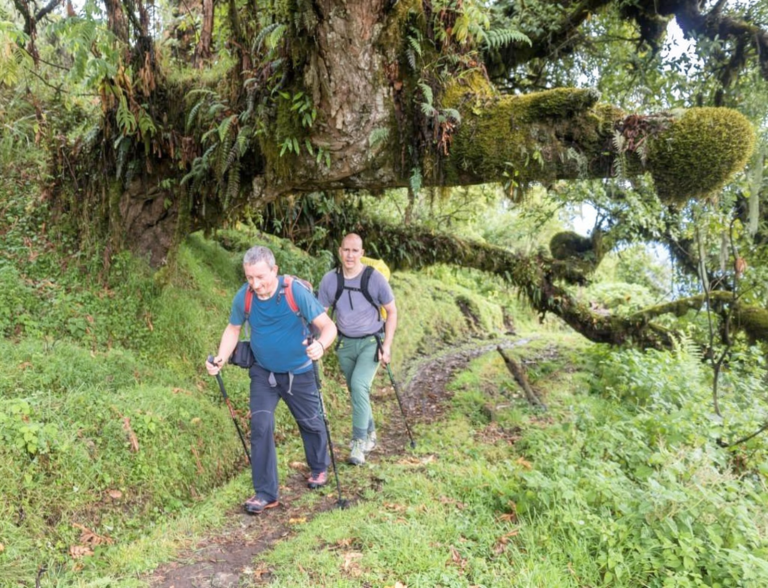
Trekking Monte Meru 4 Días 2026-2027
Trekking Monte Meru 4 días is explained with current 2026-2027 planning, price, itinerary and booking information.
View package detailsTrekking Monte Meru 3 Días 2026-2027
Trekking Monte Meru 3 días is explained with current 2026-2027 planning, price, itinerary and booking information.
View package detailsMonte Meru Tanzania Trekking From Arusha: Your Essential Guide 2026-2027
start a trek up Mount Meru from Arusha, Tanzania's stunning dormant volcano. This guide covers everything from routes and difficulty to preparation and best times to go for your 2026-2027...
View package details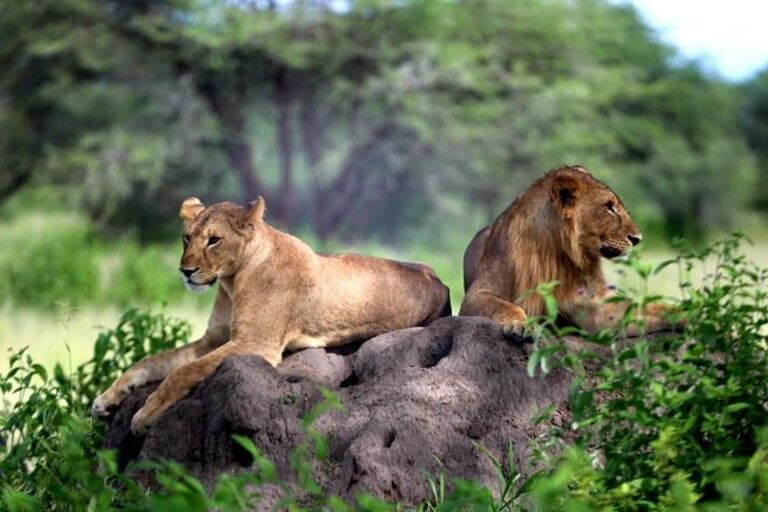
3 Day Joining Safari Group Departures From Moshi: 2026
Discover convenient 3-day group safari departures from Moshi, perfect for maximizing your Tanzania adventure. Explore wildlife-rich parks like Tarangire, Manyara, or the Serengeti on shared...
View package detailsWhat To Expect On Your First Kilimanjaro Trek: A Comprehensive Guide 2026-2027
Planning your first climb up Kilimanjaro? This comprehensive guide covers everything you need to know, from choosing a route and preparing your body to what daily life on the mountain is...
View package details15 Natural Wonders In Africa That Don’t Look Real | Climb 4 2026-2027
Africa is home to a stunning array of natural wonders that defy belief, appearing so surreal they seem plucked from another planet. This guide explores 15 of the continent's most...
View package detailsNo related package matches those filters. Clear one or more filters to see the other topic-matched options.



