
Trekking Kilimanjaro from Moshi involves selecting a route, preparing physically and logistically, and choosing a reputable operator for your 2026-2027 climb. Most Kilimanjaro treks depart from Moshi, a town serving as the gateway to the mountain. Key considerations include route choice (e.g., Machame, Lemosho, Marangu), climb duration (typically 5-9 days), acclimatization strategy, and what’s included in your tour package. Expect costs to vary based on route, duration, and service level, with comprehensive packages covering park fees, guides, porters, food, and accommodation on the mountain.
Kilimanjaro da Moshi: The Ultimate Trekking Gateway
Kilimanjaro, Africa’s highest peak, stands as a beacon for adventurers worldwide. For most trekkers, the journey begins in Moshi, a vibrant town located at the foot of this majestic mountain in Tanzania. Moshi isn’t just a starting point; it’s the operational hub where your Kilimanjaro adventure truly takes shape. From here, you’ll connect with your guides, porters, and support crew, finalize your gear, and experience the local culture before embarking on what is often a life-changing trek. Understanding the dynamics of a Kilimanjaro climb originating from Moshi is crucial for effective planning, especially as you look towards climbing seasons in 2026 and 2027.
This comprehensive guide aims to demystify the process of trekking Kilimanjaro from Moshi. We’ll cover everything from choosing the most suitable route and understanding trek durations to essential physical preparation, packing lists, cost considerations, and how to select a reliable tour operator. Whether you’re a seasoned mountaineer or a first-time trekker, this information is designed to equip you with the knowledge needed to make informed decisions for your Kilimanjaro da Moshi expedition.
Understanding Kilimanjaro Treks from Moshi
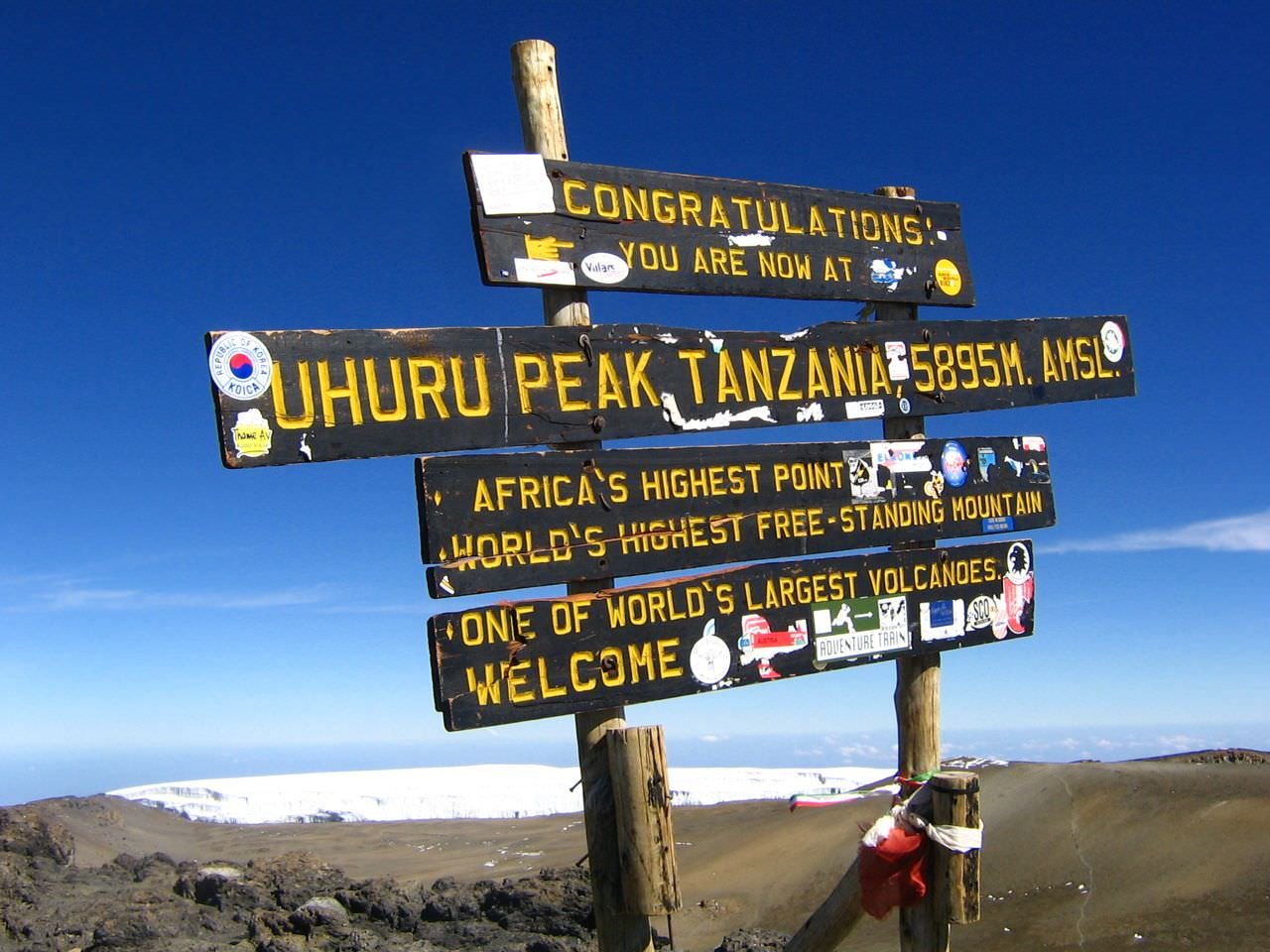
When we talk about trekking Kilimanjaro from Moshi, we’re essentially discussing the logistical base from which all major expeditions are launched. Moshi serves as the primary town for Kilimanjaro tourism. Its proximity to Kilimanjaro National Park, coupled with its infrastructure – hotels, gear shops, transport services, and experienced trekking companies – makes it the indispensable starting point for virtually every climber. Your journey to the summit, Uhuru Peak, will invariably involve coordinating with a tour operator based in or operating out of Moshi.
The decision-making process for a Kilimanjaro trek typically revolves around several key factors, all of which are influenced by your departure from Moshi:
- Route Selection: Each route offers a different experience, varying in scenery, difficulty, acclimatization profile, and success rates.
- Duration: Longer treks generally offer better acclimatization and higher success rates but come at a higher cost.
- Accommodation: On the mountain, this ranges from basic camping to dormitory-style huts.
- Support Crew: The quality and experience of guides and porters are paramount.
- Cost: This is influenced by the route, duration, group size, and level of service.
Choosing Climb 4 Africa means partnering with a local expert deeply familiar with Kilimanjaro operations from Moshi. We understand the nuances of each route, the challenges of altitude, and the importance of a well-supported climb. Our goal is to ensure your Kilimanjaro da Moshi trek is as safe, enjoyable, and successful as possible.
Choosing Your Kilimanjaro Route from Moshi
The choice of route is arguably the most significant decision you’ll make when planning your Kilimanjaro trek from Moshi. Each path up the mountain presents unique landscapes, challenges, and acclimatization opportunities. Understanding these differences will help you select the route that best suits your fitness level, time constraints, and desired experience. Most reputable operators based in Moshi will offer treks on several of these popular routes.
The Machame Route (Whiskey Route)
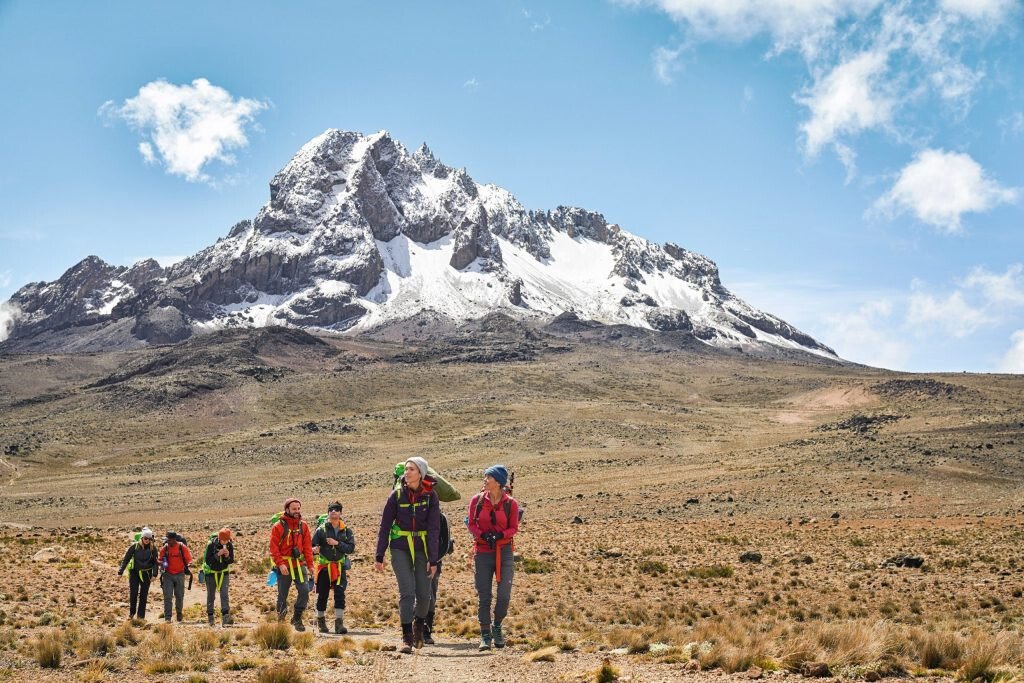
Often referred to as the “Whiskey Route” (as opposed to Marangu’s “Coca-Cola Route”), Machame is Kilimanjaro’s most popular route. It’s known for its scenic beauty, dramatic landscapes, and excellent acclimatization profile, leading to high success rates, especially when climbed over 6 or 7 days. The route approaches Kilimanjaro from the west and utilizes a “climb high, sleep low” strategy, which is vital for acclimatization.
- Duration: Typically 6 or 7 days. The 7-day option is highly recommended for better acclimatization.
- Scenery: Diverse, from rainforest to moorland, alpine desert, and arctic zones. It crosses the Shira Plateau and offers stunning views of the Southern Circuit.
- Difficulty: Moderate to challenging, with steep ascents and descents.
- Accommodation: Camping only.
- Pros: Excellent acclimatization, high success rates (especially on 7 days), spectacular scenery.
- Cons: Can be crowded, especially at the start.
A Kilimanjaro da Moshi trek via Machame is a solid choice for most trekkers seeking a balance of beauty and success. For 2026-2027, this remains a top recommendation.
The Lemosho Route (Western Approach)
Lemosho is considered one of the most beautiful routes, starting in the lush rainforest on the western side of Kilimanjaro and joining the Machame route after a couple of days. It offers a more remote and pristine experience in its early stages. Its longer duration (7 or 8 days) allows for superior acclimatization and thus very high success rates.
- Duration: Typically 7 or 8 days. The 8-day itinerary is strongly advised for optimal acclimatization.
- Scenery: Exceptional, with panoramic views of the Maasai plains and Mount Meru, crossing the Shira Plateau, and offering varied terrain.
- Difficulty: Moderate to challenging, similar to Machame but with a gentler start.
- Accommodation: Camping only.
- Pros: Excellent acclimatization, high success rates, stunning and varied scenery, less crowded than Machame initially.
- Cons: Can be more expensive due to its length and remote starting point.
If you are planning a Kilimanjaro da Moshi trek and have the time and budget, the Lemosho route provides an unparalleled experience. It’s an excellent option for 2026-2027 climbs.
The Shira Route (High-Altitude Start)
The Shira Route also starts from the west, but it begins at a much higher altitude than Lemosho, on the Shira Plateau. While scenic, this high starting point can pose immediate acclimatization challenges. It’s generally recommended for trekkers who have significant prior high-altitude experience or who opt for a longer Shira itinerary (8 days) to mitigate the risks.
- Duration: Typically 7 or 8 days.
- Scenery: Beautiful, especially the traverse of the Shira Plateau.
- Difficulty: Challenging due to the high starting altitude and the need for immediate acclimatization.
- Accommodation: Camping only.
- Pros: Beautiful scenery, less crowded than Machame.
- Cons: High starting altitude can cause immediate acclimatization issues, potentially lower success rates if not planned carefully.
For a Kilimanjaro da Moshi trek, Shira is less frequently recommended than Lemosho or Machame due to acclimatization concerns, unless specifically requested or part of a longer, well-managed itinerary for 2026-2027.
The Rongai Route (Northern Approach)
Rongai is the only route that approaches Kilimanjaro from the north, near the Kenyan border. It’s known for being drier and less scenic than the southern routes, but it offers a unique perspective and is less crowded. It’s a good option during the rainy seasons due to its drier climate, though the main rainy seasons are generally avoided by most trekkers.
- Duration: Typically 6 or 7 days.
- Scenery: Less diverse than southern routes, starting in drier scrubland.
- Difficulty: Moderate, with a gentler gradient for much of the ascent.
- Accommodation: Camping only.
- Pros: Less crowded, good acclimatization, often recommended for rainy seasons (though the main rains are best avoided for any route).
- Cons: Less scenic than southern routes, the descent is via the Marangu route, which can be steep and eroded.
A Kilimanjaro da Moshi trek via Rongai is a viable choice, especially if you prefer fewer crowds or are climbing during shoulder seasons in 2026-2027.
The Marangu Route (Coca-Cola Route)
Marangu is the oldest and most established route. It’s also the only route that offers dormitory-style accommodation in huts, rather than camping. This “comfort” aspect makes it popular with some, but its steep ascent profile and poor acclimatization strategy mean it has lower success rates compared to camping routes, especially on shorter durations (5 days).
- Duration: 5 or 6 days. The 6-day option significantly improves acclimatization and success rates.
- Scenery: Pleasant but less dramatic and varied than Machame or Lemosho.
- Difficulty: Moderate to challenging, particularly the steep push to Kibo.
- Accommodation: Huts only.
- Pros: Accommodation in huts is unique and appealing to some, potentially lower cost than camping routes (though this can vary).
- Cons: Lower success rates, especially on the 5-day itinerary, can be very crowded, less scenic.
While a Kilimanjaro da Moshi trek via Marangu is an option, we generally advise longer camping routes for better acclimatization and higher chances of reaching the summit. For 2026-2027, consider Marangu only if hut accommodation is a priority and opt for the 6-day itinerary.
The Northern Circuit (Longest and Highest Success Rate)
The Northern Circuit is the longest route on Kilimanjaro, circling the mountain’s northern slopes before joining the Marangu route for the final ascent. Its extended duration (9 days) provides the best possible acclimatization, leading to the highest success rates among all routes. It offers a more remote and less-trafficked experience.
- Duration: 9 days is standard and highly recommended.
- Scenery: Offers incredible and varied views from all sides of the mountain, including the remote northern slopes.
- Difficulty: Moderate, but the duration makes it physically manageable for most with good fitness.
- Accommodation: Camping only.
- Pros: Highest success rate due to excellent acclimatization, unique and remote scenery, less crowded.
- Cons: Most expensive due to the longest duration.
For those seeking the ultimate Kilimanjaro da Moshi experience with the best chance of summit success in 2026-2027, the Northern Circuit is the premier choice.
The Umbwe Route (Steep and Challenging)
Umbwe is the shortest, steepest, and most direct route to the summit. It’s known for its challenging terrain and rapid ascent, which means it offers very poor acclimatization. This route is only recommended for very experienced, fit hikers with a proven track record of high-altitude trekking and who are prepared for a strenuous climb.
- Duration: Typically 5 or 6 days.
- Scenery: Direct and dramatic, but the focus is on speed and ascent rather than leisurely exploration.
- Difficulty: Very challenging.
- Accommodation: Camping only.
- Pros: Direct and challenging for experienced trekkers.
- Cons: Very poor acclimatization, low success rates, very steep, not recommended for most climbers.
The Umbwe route is rarely recommended for a standard Kilimanjaro da Moshi trek. Its difficulty makes it unsuitable for the vast majority of climbers aiming for Uhuru Peak in 2026-2027.
Kilimanjaro Trekking Durations and Acclimatization
The duration of your Kilimanjaro trek, departing from Moshi, is intrinsically linked to acclimatization and, consequently, your success rate. While shorter treks (5-day options) might seem appealing for those with limited time, they significantly increase the risk of altitude sickness and lower your chances of reaching Uhuru Peak. The general consensus among experienced guides and operators is that longer is better when it comes to acclimatization on Kilimanjaro.
The “Pole Pole” (Slowly Slowly) Principle: This Swahili phrase is the mantra of Kilimanjaro climbers. Moving slowly allows your body to adjust to the decreasing oxygen levels at higher altitudes. Rushing the ascent is the most common mistake leading to altitude-related problems.
Recommended Durations for Success:
- 5-Day Treks (Marangu, Machame, Umbwe): These are the shortest options. While possible, they offer minimal acclimatization and have the lowest success rates. Many trekkers experience altitude sickness.
- 6-Day Treks (Machame, Rongai, Marangu): A significant improvement over 5-day treks. Acclimatization is better, leading to improved success rates. The 6-day Machame route is a popular choice for this reason.
- 7-Day Treks (Machame, Lemosho, Rongai): This duration is widely considered the minimum for a good acclimatization profile and a strong chance of summit success. The 7-day Machame and Lemosho routes are excellent choices.
- 8-Day Treks (Lemosho, Shira): Offering even better acclimatization, these longer treks further increase your chances of reaching the summit and provide a more relaxed pace.
- 9-Day Treks (Northern Circuit): The longest and best for acclimatization, offering the highest success rates. This route circumnavigates the mountain, providing a comprehensive experience.
Why Duration Matters for Kilimanjaro da Moshi Treks:
- Physiological Adaptation: Your body needs time to produce more red blood cells to carry oxygen efficiently. Longer treks allow this process to occur more effectively.
- Reduced Risk of AMS: Acute Mountain Sickness (AMS) is the primary threat. Proper acclimatization, achieved through longer durations and a “climb high, sleep low” strategy, is the best preventative measure.
- Enjoyment: A slower pace allows you to appreciate the incredible scenery, conserve energy, and reduce the mental and physical stress of the climb.
When planning your Kilimanjaro da Moshi trek for 2026-2027, prioritize duration for acclimatization. A 7-day or longer trek is strongly recommended by experienced operators like Climb 4 Africa to maximize your chances of summit success and ensure a safer, more enjoyable experience.
Physical Preparation for Kilimanjaro from Moshi
While Kilimanjaro is not technically difficult, reaching the summit requires a good level of cardiovascular fitness and muscular endurance. The combination of altitude, steep ascents, and long trekking days means that physical preparation is crucial for a successful and enjoyable Kilimanjaro da Moshi trek. You don’t need to be an elite athlete, but consistent training in the months leading up to your climb will make a significant difference.
Key Components of Training:
- Cardiovascular Fitness: This is the most important aspect. Aim for activities that elevate your heart rate for extended periods.
- Leg Strength and Endurance: You’ll be walking uphill and downhill for days. Strong legs and endurance are essential.
- Hiking with a Pack: Mimic mountain conditions by hiking with a weighted backpack.
- Mental Preparedness: The climb can be mentally demanding, especially on summit night.
Recommended Training Regimen (Starting 3-6 Months Prior):
- Cardio: Aim for 3-4 sessions per week. Examples include:
- Running/Jogging: Build up to longer runs (60-90 minutes).
- Cycling: Excellent for building leg strength and endurance.
- Swimming: A low-impact option for overall fitness.
- Stair Climbing/Stepper Machine: Great for simulating uphill ascents.
- Strength Training: Focus on lower body and core. 2-3 sessions per week. Examples include:
- Squats, Lunges, Deadlifts (focus on form).
- Calf Raises.
- Planks, Crunches for core strength.
- Hiking: This is your most relevant training.
- Start with shorter hikes (2-3 hours) on varied terrain.
- Gradually increase duration and elevation gain.
- Aim for at least one long hike (4-6 hours) per week or every other week.
- Crucially: Hike with a backpack weighing 5-10 kg (11-22 lbs) to simulate carrying essentials.
- Practice hiking on consecutive days if possible to simulate multi-day trekking.
Specific Considerations for Kilimanjaro da Moshi Treks:
- Altitude Simulation: While not always accessible, using altitude training masks or attending high-altitude training facilities can provide some benefit. However, real-world acclimatization on the mountain is irreplaceable.
- Gear Familiarity: Train in the boots and clothing you plan to wear on the mountain. Break in your hiking boots thoroughly to prevent blisters.
- Pacing: Practice a slow, steady pace. This is crucial for conserving energy and managing altitude.
What if I’m not very fit? Kilimanjaro is achievable for many individuals with moderate fitness levels if they train adequately and choose a longer route (7+ days). The key is consistency and gradual progression. Don’t be discouraged; focus on building endurance. For your Kilimanjaro da Moshi climb in 2026-2027, start your training early and consult with experienced operators for personalized advice.
Essential Gear and Packing for Your Climb
Proper gear is essential for comfort, safety, and success on your Kilimanjaro trek from Moshi. The weather on Kilimanjaro can change rapidly, with conditions ranging from hot and humid in the rainforest to freezing cold and windy at the summit. Layering is key. Your tour operator will provide tents, cooking equipment, and most of your food. You are responsible for personal clothing, sleeping gear, and essential items.
Key Gear Categories:
- Clothing (Layering System):
- Base Layers: Moisture-wicking (merino wool or synthetic). 2-3 sets (long-sleeved tops and bottoms).
- Mid Layers: For insulation. Fleece jacket or down vest/jacket. 1-2 items.
- Outer Layer (Shell): Waterproof and windproof jacket and trousers. Essential for protection against elements.
- Insulated Jacket: A warm, puffy down or synthetic jacket for evenings and summit night.
- Trekking Trousers: Lightweight, quick-drying. 2 pairs. Avoid jeans.
- Shorts: Optional, for lower altitudes.
- T-shirts: Moisture-wicking. 3-4.
- Warm Hat: Wool or fleece, covers ears.
- Sun Hat: Wide-brimmed for sun protection.
- Gloves: Thin liner gloves and warm, waterproof outer gloves or mittens.
- Footwear:
- Hiking Boots: Waterproof, sturdy, well broken-in. Ankle support is crucial.
- Camp Shoes/Sandals: For relaxing in the evening.
- Socks: 5-7 pairs of warm, moisture-wicking hiking socks (wool or synthetic).
- Liner Socks: Optional, to prevent blisters.
- Sleeping Gear:
- Sleeping Bag: Rated to at least -10°C to -20°C (0°F to -4°F). Down is lighter, synthetic is better if it gets wet.
- Sleeping Bag Liner: Adds warmth and keeps your bag clean.
- Sleeping Pad: Often provided by operators, but check. Inflatable or closed-cell foam.
- Backpack and Bags:
- Duffel Bag: Large (80-100 liters), waterproof, for porters to carry.
- Daypack: (30-40 liters) for you to carry essentials (water, snacks, layers, camera, sunscreen).
- Waterproof Liners/Dry Bags: For keeping gear dry inside your duffel.
- Headlamp: Essential for summit night and camp use. Bring spare batteries.
- Trekking Poles: Highly recommended for stability and reducing knee strain on descents.
- Water Bottles/Hydration Reservoir: At least 3 liters capacity. Insulated covers are useful to prevent freezing.
- Sunglasses: High UV protection.
- Sunscreen: High SPF (30+).
- Lip Balm: With SPF.
- Insect Repellent: Especially for lower altitudes.
- Personal First-Aid Kit: Include blister treatment, pain relievers, personal medications.
- Toiletries: Biodegradable soap, toothbrush, toothpaste, wet wipes, hand sanitizer.
- Camera and Binoculars: Optional.
- Snacks: Energy bars, nuts, dried fruit (your operator provides meals).
- Towel: Quick-drying.
- Passport, Visa, Tickets, Money: Keep secure.
Important Notes:
- Weight Limits: Porters have a weight limit (typically 15 kg / 33 lbs) for the duffel bag. Your daypack is carried by you.
- Rentals: Some gear, like sleeping bags and trekking poles, can often be rented in Moshi. Check with your operator.
- Pack Smart: Organize your gear in dry bags within your duffel so porters can easily access items needed at camp.
Choosing the right gear for your Kilimanjaro da Moshi trek in 2026-2027 is a critical step. Investing in good quality, appropriate clothing and equipment will significantly enhance your comfort and safety on the mountain.
Understanding Kilimanjaro Costs and Inclusions (2026-2027)
The cost of a Kilimanjaro trek from Moshi can vary significantly, depending on the route, duration, operator’s service level, and group size. It’s crucial to understand what is included in your tour package to avoid unexpected expenses. For 2026-2027 climbs, expect prices to remain competitive, but always prioritize value and safety over the cheapest option.
Typical Cost Ranges (Estimates per person for a 7-day trek):
- Budget Operators: $1,500 – $2,200 USD. Often minimal inclusions, basic equipment, larger groups.
- Mid-Range Operators (like Climb 4 Africa): $2,200 – $3,500 USD. Good balance of quality, service, and price. Includes quality gear, experienced guides, good food, reasonable group sizes.
- Premium/Luxury Operators: $3,500+ USD. High-end equipment, smaller groups, often extra amenities, highly experienced guides.
Key Inclusions to Look For:
- Park Fees: These are substantial and mandatory. Ensure they are included.
- Guides and Porters: Experienced, certified guides and sufficient porters for your gear and personal bags.
- Food: All meals on the mountain, prepared by a dedicated cook.
- Accommodation: Tents (for camping routes) or huts (for Marangu).
- Equipment: Tents, sleeping pads, cooking gear, mess tent for dining.
- Water: Filtered or boiled water provided daily.
- Transfers: From Moshi to the park gate and back.
- Rescue Fees: Mandatory emergency rescue fees.
- Tipping: Some operators include guide and porter tips; others require them to be paid separately. Clarify this.
Common Exclusions:
- Flights: International flights to Kilimanjaro International Airport (JRO).
- Visas: For Tanzania.
- Travel Insurance: Mandatory, must cover high-altitude trekking and emergency evacuation.
- Personal Gear: Sleeping bag, trekking poles, clothing, boots, etc.
- Tips for Guides, Porters, and Cook: This is a significant part of the cost and often paid in cash at the end of the trek.
- Lunches/Dinners in Moshi: Before and after the climb.
- Beverages: Soft drinks, alcohol.
- Personal Expenses: Souvenirs, laundry.
- Vaccinations and Medications.
Factors Influencing Price for 2026-2027:
- Route: Longer routes like Lemosho and Northern Circuit are more expensive.
- Duration: More days mean higher park fees and staff costs.
- Group Size: Private climbs are more expensive per person than group climbs.
- Operator’s Reputation: Companies with a strong safety record, experienced staff, and ethical porter treatment often charge more.
Choosing an Operator: When comparing prices for your Kilimanjaro da Moshi trek, don’t just look at the bottom line. Consider the inclusions, the quality of equipment, the experience of the guides, and their commitment to porter welfare. A slightly higher price for a reputable operator can mean a safer, more enjoyable, and ultimately more successful climb.
Climb 4 Africa focuses on providing excellent value with comprehensive inclusions and a commitment to safety and porter welfare. We aim to offer competitive pricing for your Kilimanjaro da Moshi adventure in 2026-2027. Contact us for a detailed quote.
Logistics and Support from Moshi
Moshi is more than just a town; it’s the operational nerve center for your Kilimanjaro expedition. The support and logistical arrangements made here are critical for a smooth and successful trek. Reputable tour operators based in Moshi, like Climb 4 Africa, manage these details to ensure you can focus on your climb.
Pre-Climb Briefing:
Before you even set foot on the mountain, you’ll typically attend a pre-climb briefing in Moshi. This is an essential step where your lead guide will:
- Introduce you to your guides and potentially some porters.
- Review your itinerary and the route you’ll be taking.
- Check your gear and advise on any last-minute needs or adjustments.
- Discuss the “pole pole” pace, acclimatization, and signs of altitude sickness.
- Explain the tipping system and how it works.
- Answer any remaining questions you may have.
Gear Check and Rental:
Moshi has numerous shops where you can rent essential gear like sleeping bags, trekking poles, and warm jackets. This is a convenient option if you don’t want to purchase everything yourself. Your operator will guide you on what’s available and the quality. It’s advisable to do this during your briefing or a day before your trek starts.
Transportation:
Your operator will arrange transport from your hotel in Moshi to the Kilimanjaro National Park gate (e.g., Machame Gate, Marangu Gate) and back to Moshi upon completion of your trek. This is usually in a private vehicle.
Support Crew:
A well-equipped and professional support crew is the backbone of any Kilimanjaro climb. This includes:
- Lead Guide: Highly experienced, often with advanced first-aid training, responsible for your safety and decision-making.
- Assistant Guides: Ratio of 1:2 or 1:3 guides per trekker ensures personalized attention.
- Porters: Carry tents, food, cooking equipment, and your duffel bag. They are vital for carrying supplies up the mountain.
- Cook: Prepares all meals on the mountain, often surprisingly varied and delicious.
Climb 4 Africa prioritizes employing experienced local guides and porters, ensuring fair wages and ethical treatment. This not only supports the local community but also ensures you have a knowledgeable and dedicated team looking after you.
Communication:
While mobile reception is non-existent on most of the mountain, your guides will carry satellite phones or radios for emergencies. It’s advisable to inform your family and friends of your itinerary and expected communication blackout periods. You can purchase local SIM cards in Moshi for use before and after your trek.
Accommodation in Moshi:
Most operators will arrange your pre- and post-climb accommodation in Moshi. This is usually in comfortable hotels or lodges, providing a good base for preparation and recovery.
Safety and Emergency Procedures:
Your operator will have established emergency protocols, including carrying supplementary oxygen and a comprehensive first-aid kit. They will also know the locations of park rescue points and how to contact emergency services. This level of preparedness is crucial for any Kilimanjaro da Moshi trek in 2026-2027.
Altitude Sickness on Kilimanjaro: Prevention and Management
Altitude sickness, or Acute Mountain Sickness (AMS), is the most common ailment affecting climbers on Kilimanjaro. It’s caused by ascending too quickly, preventing your body from adjusting to the lower oxygen levels at higher altitudes. Understanding AMS, its symptoms, and how to prevent and manage it is paramount for a safe Kilimanjaro da Moshi trek.
Understanding AMS:
AMS can affect anyone, regardless of age or fitness level. Symptoms can range from mild to severe and, if left untreated, can progress to life-threatening conditions like High Altitude Pulmonary Edema (HAPE) and High Altitude Cerebral Edema (HACE).
Common Symptoms of Mild AMS:
- Headache (most common)
- Nausea and vomiting
- Dizziness or lightheadedness
- Fatigue and weakness
- Loss of appetite
- Difficulty sleeping
Symptoms of Severe AMS (HAPE/HACE):
- HAPE: Severe shortness of breath, persistent cough (may produce frothy sputum), chest tightness, extreme fatigue, blue lips or fingernails.
- HACE: Confusion, disorientation, loss of coordination (ataxia – inability to walk a straight line), drowsiness, altered mental state, hallucinations.
Prevention Strategies:
The best approach to AMS is prevention. These strategies are employed by experienced operators like Climb 4 Africa:
- Gradual Ascent: This is the single most effective preventative measure. Choose longer routes (7+ days) that allow for proper acclimatization.
- “Pole Pole” (Slowly Slowly): Walk at a slow, steady pace. Let your guides set the pace.
- “Climb High, Sleep Low”: On some routes, you ascend to a higher altitude during the day and then descend to a lower camp to sleep. This helps your body acclimatize.
- Hydration: Drink plenty of fluids (3-4 liters per day). Water, herbal teas, and clear broths are good. Avoid alcohol and excessive caffeine.
- Nutrition: Eat well, even if you have a reduced appetite. High-carbohydrate meals are recommended.
- Avoid Overexertion: Conserve energy. Don’t push yourself too hard, especially on the first few days.
- Monitor Symptoms: Be honest with your guides about how you are feeling. Early reporting of symptoms is crucial.
Management and Treatment:
If symptoms of AMS appear:
- Inform Your Guide Immediately: Do not try to tough it out. Your guide is trained to assess the situation.
- Do Not Ascend Further: If symptoms are present, do not gain more altitude until they subside.
- Rest: Slow down or stop moving.
- Hydrate: Continue drinking fluids.
- Medication: Guides may administer Diamox (acetazolamide), a prescription medication that aids acclimatization. It’s often taken preventatively as well, but always under medical advice.
- Descent: If symptoms are moderate to severe, or do not improve with rest, the only effective treatment is to descend. Descending even a few hundred meters can make a significant difference. Your guide will make this critical decision.
Oxygen: Guides carry supplementary oxygen for emergency use, especially on summit night, to assist those experiencing moderate symptoms or to help with the final push. It is not a substitute for proper acclimatization.
When planning your Kilimanjaro da Moshi trek for 2026-2027, choose an operator that prioritizes safety and has a clear protocol for managing altitude sickness. Climb 4 Africa’s guides are trained to monitor trekkers closely and make the best decisions for your well-being.
Best Time to Climb Kilimanjaro from Moshi (2026-2027)
Choosing the right time to climb Kilimanjaro from Moshi can significantly impact your experience, affecting weather conditions, crowd levels, and overall comfort. Kilimanjaro has two main dry seasons, which are considered the best times to climb. However, even during these periods, weather can be unpredictable.
Kilimanjaro’s Climate Zones:
The mountain has five distinct climate zones, each with its own weather patterns:
- Cultivation Zone (approx. 800-1,800m): Lush rainforest, warm and humid.
- Moorland Zone (approx. 1,800-3,000m): Cooler, heath and moorland vegetation.
- Alpine Desert Zone (approx. 3,000-4,000m): Arid, cold temperatures, little vegetation.
- Arctic Zone (approx. 4,000m+): Freezing temperatures, snow and ice, minimal oxygen.
- Summit Zone (Uhuru Peak): Extreme cold, high winds.
Peak Climbing Seasons (Dry and Clear):
- January to March: This is a popular period, characterized by warm, dry weather. It’s generally considered the second-best season. Snowfall is minimal, and visibility is usually excellent. This is a great time for 2026-2027 climbs.
- June to October: This is the main dry season and considered the absolute best time to climb. The weather is typically very clear, with cool temperatures and low humidity. Skies are generally cloudless, offering spectacular views. This period often sees the highest number of climbers.
Shoulder Seasons (Moderate Conditions):
- April and May: This period marks the start of the main rainy season. Expect frequent rain, especially in the lower rainforest zone. Clouds can obscure views, and trails can become muddy and slippery. Ascents are possible but more challenging and less scenic.
- November: This is the start of the short rainy season. Rainfall is less intense than in April/May but can still occur, often in the afternoons.
Wet Seasons (Less Ideal):
- April, May, and November: As mentioned, these are the wetter months. While still possible to climb, visibility can be poor, and conditions can be less comfortable. The Rongai route is sometimes recommended for these months due to its drier northern approach, but it’s still subject to mountain weather.
Crowd Levels:
- The busiest months are typically July, August, September, and December. If you prefer fewer crowds, consider the shoulder months or January/February.
Planning for 2026-2027:
- Peak Season (June-October): Book well in advance, especially for 2026-2027, as popular dates fill up quickly. Expect clearer skies and more trekkers.
- Second Season (January-March): Also a good choice, with fewer crowds than the peak season but generally good weather.
- Shoulder Seasons (November, March): Can offer a good balance of decent weather and fewer people, but with a higher chance of rain.
Ultimately, Kilimanjaro can be climbed year-round. However, for the most comfortable experience and the best chance of clear views on your Kilimanjaro da Moshi
Check Availability for Kilimangiaro Da Moshi: Trekking E Informazioni 2026-2027
Ready to compare dates, prices, and the best option for your group? Send the package name and travel month so the team can reply with a clear quote, availability, and what is included.
3 Day Joining Safari Group Departures From Moshi: 2026
Discover convenient 3-day group safari departures from Moshi, perfect for maximizing your Tanzania adventure. Explore wildlife-rich parks like Tarangire, Manyara, or the Serengeti on shared...
View package details
Trekking Monte Meru Tanzania: Precios, Ruta Y Consejos 2026-2027
Trekking Monte Meru Tanzania: precios, ruta y consejos is explained with current 2026-2027 planning, price, itinerary and booking information.
View package details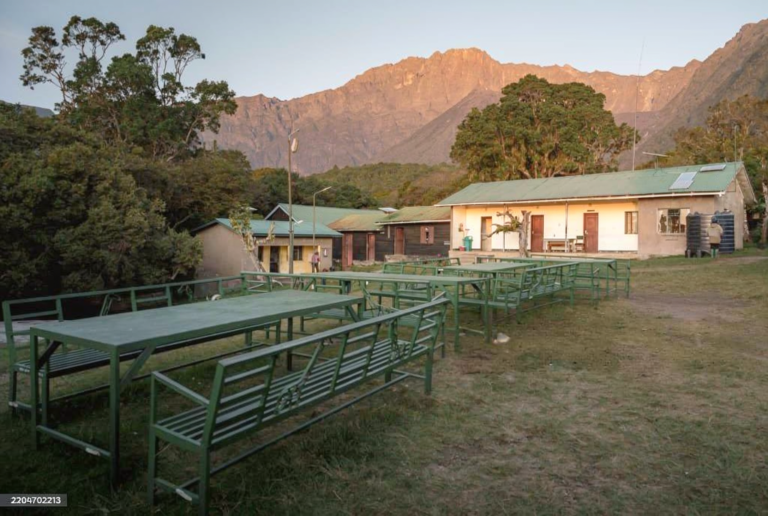
Mount Meru Trekking 3 Tage: Your Essential Planning Guide 2026-2027
A comprehensive guide to the 3-day Mount Meru trek, covering essential planning details for 2026-2027, including routes, preparation, what to expect, and booking advice.
View package details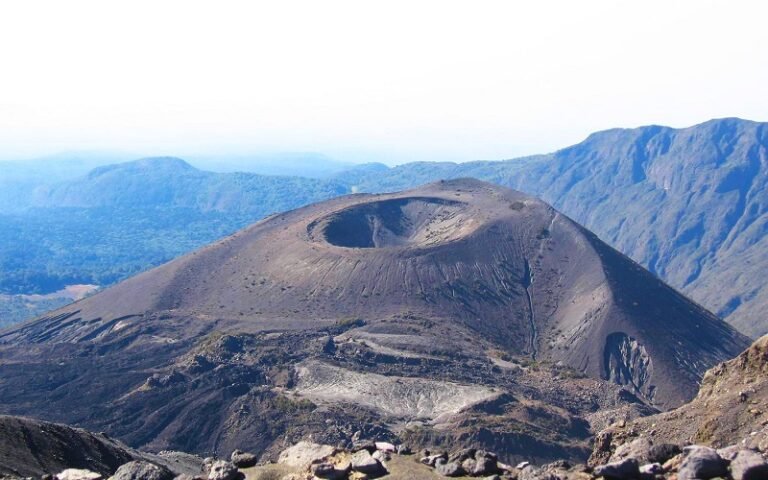
Mount Meru Trekking Ab Arusha 2026-2027
Mount Meru Trekking ab Arusha is explained with current 2026-2027 planning, price, itinerary and booking information.
View package details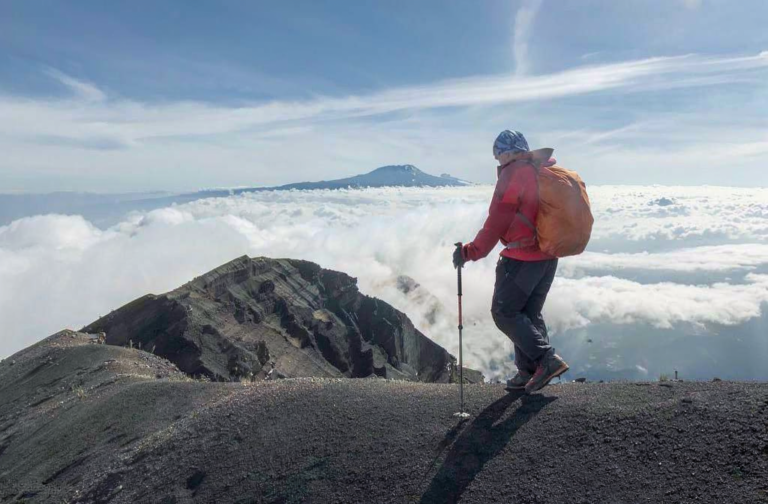
Trekking Monte Meru Desde Arusha: Your Ultimate Guide For 2026-2027
Your comprehensive guide to trekking Mount Meru from Arusha, covering everything from route options and difficulty to essential preparation and booking advice for climbs in 2026-2027.
View package details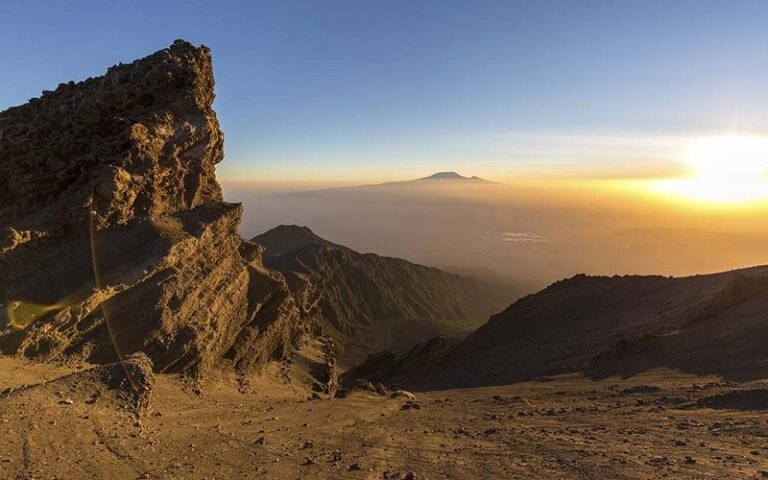
Monte Meru Y Kilimanjaro: Trekking En Tanzania 2026-2027
Discover the ultimate trekking experience in Tanzania by combining Mount Meru and Mount Kilimanjaro. This comprehensive guide covers everything from route selection and preparation to...
View package details
Precio Trekking Monte Meru: ¿Cuánto Cuesta Tu Aventura En ? 2026-2027
Planifica tu aventura en el Monte Meru conociendo los costos detallados. Explora las opciones de rutas, duraciones y lo que influye en el precio para tu expedición 2026-2027.
View package details
Trekking Monte Meru 4 Días 2026-2027
Trekking Monte Meru 4 días is explained with current 2026-2027 planning, price, itinerary and booking information.
View package detailsTrekking Monte Meru 3 Días 2026-2027
Trekking Monte Meru 3 días is explained with current 2026-2027 planning, price, itinerary and booking information.
View package detailsMonte Meru Tanzania Trekking From Arusha: Your Essential Guide 2026-2027
start a trek up Mount Meru from Arusha, Tanzania's stunning dormant volcano. This guide covers everything from routes and difficulty to preparation and best times to go for your 2026-2027...
View package detailsWhat To Expect On Your First Kilimanjaro Trek: A Comprehensive Guide 2026-2027
Planning your first climb up Kilimanjaro? This comprehensive guide covers everything you need to know, from choosing a route and preparing your body to what daily life on the mountain is...
View package details15 Natural Wonders In Africa That Don’t Look Real | Climb 4 2026-2027
Africa is home to a stunning array of natural wonders that defy belief, appearing so surreal they seem plucked from another planet. This guide explores 15 of the continent's most...
View package detailsNo related package matches those filters. Clear one or more filters to see the other topic-matched options.



