
The best Big Five safaris in Africa for 2026-2027 are found in Tanzania’s Serengeti National Park and Ngorongoro Conservation Area, Kenya’s Masai Mara National Reserve, and South Africa’s Kruger National Park, each offering distinct experiences for spotting lions, leopards, elephants, rhinos, and buffalo, with varying optimal viewing seasons and safari styles.
Understanding the Big Five Safari Appeal
The term “Big Five” isn’t about size, but rather the historical difficulty and danger faced by hunters pursuing these iconic African animals: the lion, leopard, elephant, rhinoceros, and African buffalo. Today, the challenge is not in hunting them, but in spotting them during a safari, making a Big Five sighting a pinnacle experience for many travelers. Successfully seeing all five on a single trip is a thrilling achievement, a testament to the richness of African wildlife and the skill of your guides. Planning for the best Big Five safaris in Africa requires understanding where these animals congregate, the best times to visit for optimal viewing, and the types of safari experiences available to suit your preferences and budget for trips in 2026 and 2027.
When we talk about the best Big Five safaris in Africa, we’re essentially looking for destinations that offer a high probability of encountering these magnificent creatures in their natural habitat. This means selecting parks and reserves known for healthy, established populations of lions, leopards, elephants, rhinos (both black and white, though black rhinos are far more elusive), and buffalo herds. It also involves considering the time of year, as animal movements are heavily influenced by the rains, breeding seasons, and availability of grazing and water. For 2026 and 2027, understanding these dynamics is crucial for a successful trip.
Top Destinations for Big Five Sightings
While the Big Five can be found in various locations across Africa, certain regions consistently deliver exceptional viewing opportunities. These are the places that safari enthusiasts dream of, offering not just the chance to tick off the Big Five, but to witness incredible biodiversity and dramatic landscapes.
Tanzania: Serengeti and Ngorongoro Conservation Area
Tanzania is often cited as the ultimate safari destination, and for good reason. The combination of the vast Serengeti plains and the unique Ngorongoro Crater offers unparalleled wildlife viewing, making it a prime location for the best Big Five safaris in Africa.
Serengeti National Park
The Serengeti is synonymous with the Great Migration, a spectacular natural phenomenon where millions of wildebeest, zebras, and gazelles traverse the plains in search of greener pastures. This movement attracts predators, ensuring constant wildlife action. While the migration’s exact location varies seasonally, lions, leopards, cheetahs, elephants, and buffalo are resident year-round. Black rhinos are present but are generally harder to spot. The sheer scale of the Serengeti means that even with its popularity, you can find areas for a more intimate experience, especially if you opt for a private safari. For 2026 and 2027, planning around the migration can enhance your chances of seeing predators in action.
Ngorongoro Conservation Area (NCA)
The Ngorongoro Crater, a UNESCO World Heritage Site, is a natural amphitheater teeming with wildlife. Its dense population of animals within a relatively confined space makes it one of the most reliable places to see the Big Five. The crater floor boasts a high concentration of lions, large elephant bulls, black rhinos (one of the most accessible populations in Africa), buffalo herds, and various antelope species. The Ngorongoro Conservation Area also includes areas outside the crater, offering a broader safari experience. The accessibility and density of wildlife here make it a standout for those seeking the best Big Five safaris in Africa.
Planning a Tanzania Safari (2026-2027)
For 2026 and 2027, Tanzania remains a top choice. The dry season (June to October) is ideal for game viewing across both parks as animals congregate around water sources. However, the shoulder seasons (May and November) can offer fewer crowds and lush landscapes. The Great Migration typically moves through the central Serengeti from January to March for calving and then heads north towards Kenya from June to October. Booking well in advance is recommended for peak seasons in 2026 and 2027, especially for lodges within the crater or prime Serengeti locations.
Kenya: Masai Mara National Reserve
The Masai Mara is Kenya’s most famous wildlife park, renowned for its vast open grasslands and abundant predators. It is the northern extension of the Serengeti ecosystem and shares the Great Migration phenomenon.
Masai Mara Wildlife
The Mara is home to a significant population of lions, cheetahs, and leopards. Elephants are plentiful, and buffalo herds are common. Black rhinos are present but, like in the Serengeti, can be elusive. The Mara River, which cuts through the reserve, is famous for its dramatic wildebeest crossings during the migration (typically July to October). Witnessing these crossings is a highlight for many, and the high predator numbers make it a prime spot for the best Big Five safaris in Africa.
Planning a Kenya Safari (2026-2027)
The best time for game viewing in the Masai Mara is generally during the dry season (July to October), coinciding with the Great Migration. However, wildlife is present year-round. For 2026 and 2027, consider visiting during the shoulder months of June or November for a good balance of wildlife activity and fewer tourists. Many travelers combine the Masai Mara with other Kenyan parks like Amboseli (for elephants with Kilimanjaro backdrops) or Samburu (for unique northern species).
South Africa: Kruger National Park
Kruger National Park is one of Africa’s largest and most iconic game reserves, offering a more accessible and often more affordable safari experience compared to East Africa.
Kruger Wildlife and Infrastructure
Kruger is renowned for its excellent elephant, lion, and buffalo populations. Leopards are more challenging but certainly present, and rhino sightings (both black and white) are good, especially in the central and southern areas. The park’s extensive road network and varied landscapes, from open savannah to dense bushveld, contribute to its appeal. Kruger is considered one of the best places for self-drive safaris, but guided drives with experienced rangers significantly enhance Big Five spotting opportunities. Its consistent wildlife viewing makes it a contender for the best Big Five safaris in Africa.
Planning a South Africa Safari (2026-2027)
The dry season (May to September) is generally considered the best time to visit Kruger, as vegetation thins out and animals gather around waterholes. However, the wet season (October to April) brings lush scenery, better birding, and newborn animals. For 2026 and 2027, planning a trip during the dry season offers the highest probability of Big Five sightings. Kruger offers a range of accommodation, from budget-friendly rest camps to exclusive private lodges in adjacent reserves like Sabi Sands, which is famous for its leopard sightings.
Botswana: Okavango Delta and Chobe National Park
Botswana offers a more exclusive and luxurious safari experience, often at a higher price point, but with incredible wildlife densities and pristine wilderness.
Okavango Delta Wildlife
The Okavango Delta is a unique inland delta that floods seasonally, creating a mosaic of islands, channels, and lagoons. This diverse habitat supports a rich array of wildlife, including elephants, lions, leopards, buffalo, and hippos. Rhinos are present but are rarer. The Delta is particularly famous for its mokoro (traditional dugout canoe) and boat safaris, offering a different perspective on wildlife viewing. For Big Five safaris, the Okavango is excellent, though rhino sightings are less guaranteed than in some other prime locations.
Chobe National Park Wildlife
Chobe is renowned for its massive elephant herds, particularly along the Chobe Riverfront. It also boasts large buffalo populations and is a good place for lion and leopard sightings. The park offers diverse safari activities, including game drives and boat safaris on the Chobe River, which are fantastic for viewing elephants, hippos, and crocodiles. While it’s not as famous for rhinos, the sheer abundance of other Big Five members and the sheer numbers of wildlife make it a strong contender for the best Big Five safaris in Africa.
Planning a Botswana Safari (2026-2027)
The dry season (May to October) is the prime time for game viewing in Botswana, as water and food become scarce, concentrating animals. The Okavango Delta is at its most spectacular when flooded (June to August). Botswana is generally more expensive due to its low-volume, high-impact tourism model, focusing on private concessions and intimate camps. For 2026 and 2027, expect higher prices for peak season travel, and book well in advance, especially for the Okavango Delta.
Factors Influencing Your Big Five Safari Choice
Choosing the best Big Five safaris in Africa involves more than just picking a park. Several factors will shape your decision, from your budget and travel style to your specific interests and the time of year you plan to travel for 2026-2027.
Budget Considerations
Safari costs can vary dramatically. East Africa (Tanzania and Kenya) can offer a range of options, from mid-range lodges and tented camps to more luxurious accommodations. Group safaris are generally more budget-friendly than private tours. Botswana is typically at the higher end, with luxury lodges and exclusive concessions commanding premium prices. South Africa’s Kruger National Park offers the most diverse pricing, from self-drive options and public rest camps to high-end private lodges in adjacent reserves. When budgeting for 2026-2027, remember to factor in park fees, accommodation, meals, activities, transfers, and international flights.
Travel Style and Group Size
Are you looking for a rustic, adventurous experience or a luxurious, pampered getaway? Do you prefer sharing a vehicle with other travelers or having a private guide and vehicle? Tanzania and Kenya offer excellent options for both shared and private safaris. Shared safaris are cost-effective and allow you to meet fellow travelers. Private safaris offer flexibility, personalized itineraries, and often more exclusive wildlife viewing opportunities. Botswana excels in providing exclusive, high-end experiences, often in private concessions. South Africa’s Kruger allows for self-drive adventures or classic lodge-based safaris, with private options available.
Time of Year and Wildlife Viewing
The best Big Five safaris in Africa are often dictated by the season. In East Africa, the dry season (June-October) is excellent for general game viewing as animals concentrate around water. However, this is also peak season. The wet season can offer lush landscapes and fewer crowds, but game can be more dispersed. In Southern Africa (like Kruger), the dry winter months (May-September) are ideal for spotting the Big Five. The shoulder seasons can provide a good balance. For 2026 and 2027, researching the specific seasonal movements of wildlife in your chosen destination is key.
Specific Wildlife Interests
While the Big Five are the stars, consider if you have other wildlife interests. If you’re keen on seeing the Great Migration, timing your trip to Tanzania or Kenya during specific months is essential. If leopard sightings are a priority, areas like South Africa’s Sabi Sands or certain private concessions in Botswana are renowned. For birdwatchers, the wet season often brings migratory birds and is a spectacular time to visit.
Comparing East Africa vs. Southern Africa for Big Five Safaris
When planning the best Big Five safaris in Africa, a common decision point is choosing between East Africa (Tanzania, Kenya) and Southern Africa (South Africa, Botswana). Both offer incredible wildlife experiences, but with distinct characteristics.
East Africa: Tanzania and Kenya
Pros:
- Home to the Great Migration, a truly awe-inspiring spectacle.
- Incredible densities of predators, especially lions and cheetahs.
- Diverse landscapes, from vast plains to the unique Ngorongoro Crater.
- A wide range of safari options, from budget to luxury.
- Strong cultural interactions possible with communities like the Maasai.
Cons:
- Can be more expensive during peak migration seasons.
- Infrastructure can be more rustic in some areas.
- Travel between parks can involve longer drives or flights.
- Rhino sightings, especially black rhinos, can be more challenging.
Southern Africa: South Africa and Botswana
Pros:
- Excellent chances for rhino sightings, particularly in South Africa.
- More developed infrastructure, especially in South Africa (Kruger).
- Botswana offers exclusive, low-volume, high-end luxury safaris.
- Greater variety of safari activities (e.g., walking safaris, mokoro trips in Botswana).
- Often more affordable options available in South Africa.
Cons:
- Lacks the dramatic spectacle of the Great Migration.
- Botswana can be prohibitively expensive for budget travelers.
- Predator sightings, while good, may not reach the same density as East Africa’s migration hotspots.
Planning Your 2026-2027 Big Five Safari Logistics
Successfully executing your dream safari for 2026 or 2027 involves careful logistical planning. Understanding these details will help ensure a smooth and memorable experience.
Best Time to Go for the Big Five
As discussed, the dry season generally offers the best game viewing across most of Africa. This is when vegetation thins, and animals congregate around permanent water sources. However, consider these nuances:
- Tanzania/Kenya (Great Migration): July-October for river crossings in the Mara; January-March for calving season in the southern Serengeti.
- Tanzania/Kenya (General): June-October (dry season) for excellent all-round viewing.
- South Africa (Kruger): May-September (dry winter) for optimal Big Five sightings.
- Botswana: May-October (dry season) for concentrated wildlife. The Okavango Delta is best when flooded (June-August).
For 2026 and 2027, booking for these prime periods is highly recommended due to demand.
Choosing Your Safari Accommodation
Accommodation ranges from basic tented camps and lodges within national parks to luxurious private lodges in exclusive concessions. Consider:
- Location: Staying inside a park or reserve often means more game viewing opportunities. Private concessions offer exclusivity and off-road driving privileges.
- Style: From rustic and adventurous to opulent and comfortable.
- Inclusions: Most safari lodges include meals and game drives. Some higher-end options include drinks and laundry.
Transportation and Game Drives
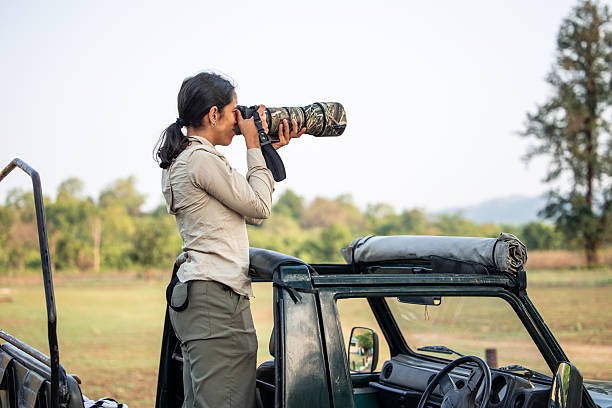
Most safaris utilize custom-built 4×4 safari vehicles. For shared safaris, you’ll likely be in a vehicle with other guests. For private safaris, you’ll have a dedicated vehicle and guide, offering maximum flexibility. Self-drive is an option in parks like Kruger, but requires confidence and knowledge of the park. For 2026-2027, consider the benefits of a private vehicle for optimal Big Five spotting.
Booking Your Safari with Experts
Navigating the complexities of planning the best Big Five safaris in Africa can be daunting. Working with experienced tour operators is invaluable. They can:
- Recommend destinations and itineraries based on your interests and budget.
- Secure bookings for accommodation and activities, often with better rates than booking directly.
- Handle all logistical details, including transfers and park permits.
- Provide essential advice on packing, health, and safety.
For a personalized and expertly managed safari experience in 2026 or 2027, consider reaching out to local specialists. They have on-the-ground knowledge that is hard to replicate. For example, contacting a company like Climb 4 Africa can provide tailored advice for your Tanzanian adventure, ensuring you make the most of your safari, whether it’s in the Serengeti, Ngorongoro, or other prime wildlife areas. They can help craft an itinerary that maximizes your chances of seeing the Big Five while aligning with your travel dates for 2026-2027.
Making the Most of Your Big Five Safari
Once you’ve booked your safari, there are several ways to enhance your experience and increase your chances of incredible sightings of the Big Five and other wildlife.
Listening to Your Guide
Your safari guide is your most valuable asset. They possess intimate knowledge of animal behavior, tracking skills, and the best locations within the park. Pay attention to their advice, ask questions, and communicate your interests. They are experts in finding the best Big Five safaris in Africa for their guests.
Patience and Observation
Safaris are not a theme park; wildlife viewing requires patience. Sometimes, the best sightings come after quiet observation. Take time to appreciate the smaller details, the flora, and the sounds of the bush. Patience is often rewarded with unforgettable moments.
Ethical Wildlife Viewing
Responsible tourism is paramount. Always maintain a safe distance from animals, never feed them, and avoid disturbing their natural behavior. Follow your guide’s instructions regarding noise levels and vehicle movement. Respecting the animals and their habitat ensures their protection for future generations and enhances your experience.
Packing Essentials
Pack light, neutral-colored clothing (khaki, beige, green). Avoid bright colors and black/blue, which can attract insects or startle animals. Essential items include:
- Binoculars
- Camera with extra batteries and memory cards
- Sunscreen, hat, and sunglasses
- Insect repellent
- Comfortable walking shoes
- A light jacket or fleece for cooler mornings/evenings
- A reusable water bottle
For 2026-2027, consider packing a power bank, as charging opportunities can be limited in some remote camps.
Safari Types and the Big Five
The definition of the best Big Five safaris in Africa can also depend on the type of safari you choose.
Game Drive Safaris
This is the most common type of safari. You’ll explore the park in a 4×4 vehicle with a guide, searching for wildlife. This is highly effective for spotting the Big Five, especially in areas known for their concentrations.
Walking Safaris
Offered in select areas (often private concessions), walking safaris provide a more intimate connection with nature. While less effective for spotting large herds or elusive predators from a distance, they offer incredible insights into tracking, smaller flora and fauna, and the overall ecosystem. Your guide will focus on safety, and Big Five encounters on foot are rare but thrilling.
Boat and Mokoro Safaris
Popular in Botswana’s Okavango Delta and along rivers like the Chobe. These offer unique perspectives, especially for hippos, crocodiles, elephants coming to drink, and water birds. They are complementary to game drives rather than a primary Big Five spotting method.
Planning Your 2026-2027 Big Five Safari with Climb 4 Africa
Choosing the best Big Five safaris in Africa requires local expertise and a deep understanding of the destinations. Climb 4 Africa specializes in creating unforgettable safari experiences in Tanzania, a prime location for Big Five sightings. Whether you’re dreaming of the endless plains of the Serengeti, the unique caldera of the Ngorongoro Crater, or combining your safari with a Kilimanjaro climb, our team can craft the perfect itinerary for 2026 and 2027.
We understand the nuances of each park, the best times to visit for optimal wildlife viewing, and how to tailor your safari to your interests and budget. From selecting the right lodges to arranging smooth transfers and ensuring you have experienced guides, we handle all the details so you can focus on the adventure. Our local support provides an invaluable advantage in navigating the complexities of planning a safari that delivers on the promise of seeing the Big Five and much more.
To start planning your dream Big Five safari for 2026-2027, reach out to us. Share your interests, preferred travel dates, and any specific requirements. We’re here to help you design a trip that exceeds your expectations. Contact us via WhatsApp at +255 747 477 898 or email us at climb4africa@gmail.com.
Frequently Asked Questions about Big Five Safaris
Q: What is the best time of year to see the Big Five in 2026-2027?
A: Generally, the dry season is best across most destinations, as wildlife concentrates around water sources. For East Africa (Tanzania/Kenya), this is typically June to October. For Southern Africa (South Africa/Botswana), it’s May to September. However, specific events like the Great Migration in East Africa have their own optimal timing, and shoulder seasons can offer fewer crowds and good game viewing.
Q: Is it guaranteed to see all of the Big Five on a safari?
A: No, seeing all of the Big Five is never guaranteed. While destinations like the Ngorongoro Crater offer very high chances, sightings depend on many factors including animal movements, luck, and the skill of your guide. The leopard and black rhino are often the most challenging to spot. The goal is to maximize your chances by choosing the right location and time of year and working with expert guides.
Q: How long should a Big Five safari be?
A: For a good chance of seeing the Big Five and experiencing the environment, a minimum of 3-4 days in a prime location is recommended. However, most travelers opt for 5-7 day safaris to explore different areas within a park or combine multiple parks. For 2026-2027, consider longer durations if you wish to combine safari with other activities or explore more remote areas.
Q: What is the difference between a public and private safari?
A: A public or shared safari means you’ll be in a vehicle with other travelers, and the itinerary is set. A private safari offers a dedicated vehicle and guide, allowing for flexible timings, personalized routes, and exclusive experiences. Private safaris generally cost more but provide greater control and potentially better photographic opportunities. For 2026-2027, private options offer a more bespoke experience.
Q: Are there rhinos in all Big Five destinations?
A: While rhinos are part of the Big Five, their populations are critically endangered and their sightings can be challenging. Both black and white rhinos exist. The Ngorongoro Crater in Tanzania and some areas of Kruger National Park in South Africa are known for good rhino populations. In other prime safari locations like the Serengeti and Masai Mara, rhinos are present but much rarer and harder to find.
Q: What should I pack for a Big Five safari in 2026-2027?
A: Pack light, neutral-colored clothing, comfortable walking shoes, a hat, sunglasses, sunscreen, insect repellent, binoculars, and a good camera. A light jacket or fleece is advisable for cooler mornings and evenings. It’s also wise to pack a power bank, as charging facilities can be limited in some remote camps for your 2026-2027 trips.
“,
“faq_schema”: [
{
“question”: “What is the best time of year to see the Big Five in 2026-2027?”,
“answer”: “Generally, the dry season is best across most destinations, as wildlife concentrates around water sources. For East Africa (Tanzania/Kenya), this is typically June to October. For Southern Africa (South Africa/Botswana), it’s May to September. However, specific events like the Great Migration in East Africa have their own optimal timing, and shoulder seasons can offer fewer crowds and good game viewing.”
},
{
“question”: “Is it guaranteed to see all of the Big Five on a safari?”,
“answer”: “No, seeing all of the Big Five is never guaranteed. While destinations like the Ngorongoro Crater offer very high chances, sightings depend on many factors including animal movements, luck, and the skill of your guide. The leopard and black rhino are often the most challenging to spot. The goal is to maximize your chances by choosing the right location and time of year and working with expert guides.”
},
{
“question”: “How long should a Big Five safari be?”,
“answer”: “For a good chance of seeing the Big Five and experiencing the environment, a minimum of 3-4 days in a prime location is recommended. However, most travelers opt for 5-7 day safaris to explore different areas within a park or combine multiple parks. For 2026-2027, consider longer durations if you wish to combine safari with other activities or explore more remote areas.”
},
{
“question”: “What is the difference between a public and private safari?”,
“answer”: “A public or shared safari means you’ll be in a vehicle with other travelers, and the itinerary is set. A private safari offers a dedicated vehicle and guide, allowing for flexible timings, personalized routes, and exclusive experiences. Private safaris generally cost more but provide greater control and potentially better photographic opportunities. For 2026-2027, private options offer a more bespoke experience.”
},
{
“question”: “Are there rhinos in all Big Five destinations?”,
“answer”: “While rhinos are part of the Big Five, their populations are critically endangered and their sightings can be challenging. Both black and white rhinos exist. The Ngorongoro Crater in Tanzania and some areas of Kruger National Park in South Africa are known for good rhino populations. In other prime safari locations like the Serengeti and Masai Mara, rhinos are present but much rarer and harder to find.”
},
{
“question”: “What should I pack for a Big Five safari in 2026-2027?”,
“answer”: “Pack light, neutral-colored clothing, comfortable walking shoes, a hat, sunglasses, sunscreen, insect repellent, binoculars, and a good camera. A light jacket or fleece is advisable for cooler mornings and evenings. It’s also wise to pack a power bank, as charging facilities can be limited in some remote camps for your 2026-2027 trips.”
}
]
}
“`
Check Availability for Best Big Five Safaris In Africa 2026-2027
Ready to compare dates, prices, and the best option for your group? Send the package name and travel month so the team can reply with a clear quote, availability, and what is included.
Best Wildlife Safaris In Africa: Your Ultimate Guide For 2026-2027
start the ultimate African wildlife safari. This comprehensive guide covers the best destinations, essential planning tips, and what to expect for your 2026-2027 adventure.
View package detailsBest Wildlife Photography Destinations For Safaris | Climb 4 Africa 2026-2027
Planning a safari for incredible wildlife photography in 2026 or 2027? Tanzania offers unparalleled opportunities. This guide details the top destinations, essential gear, timing, and how...
View package detailsHow Far In Advance Should You Book An African Safari? 2026-2027
How Far in Advance Should You Book an African Safari? is explained with current 2026-2027 planning, price, itinerary and booking information.
View package details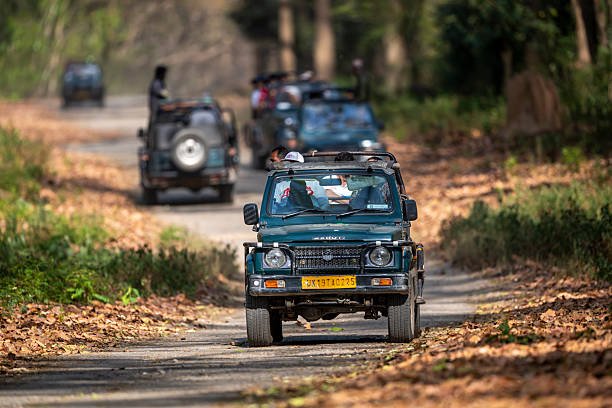
Solo African Safari Tours: Your Ultimate Guide For 2026-2027
start an incredible solo African safari adventure. This comprehensive guide covers everything you need to know for planning a safe, rewarding, and memorable trip in 2026-2027, from choosing...
View package details
What Is Included In An African Safari Package? A Complete Guide For 2026-2027
Demystifying African safari packages. This guide details what you can expect to be included, from essential logistics like accommodation and transport to crucial elements like park fees and...
View package details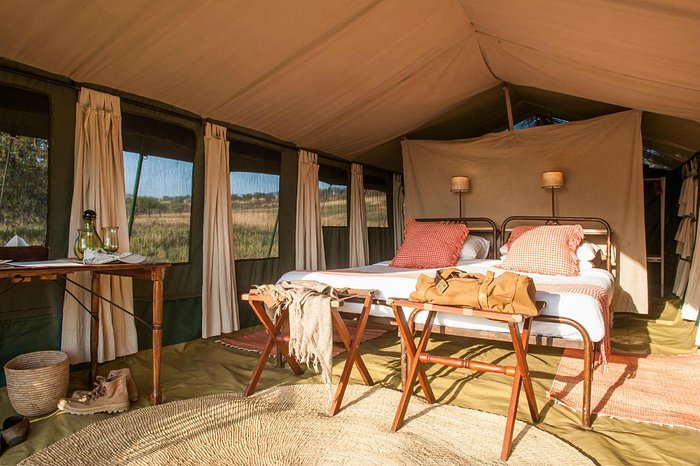
Affordable African Safari Packages: Your Guide To Budget-Friendly Tanzania
Discover how to plan and book affordable African safari packages for 2026-2027. This guide provides practical advice on choosing budget-friendly Tanzania tours, understanding costs, and...
View package detailsAfrican Safari Packages From Europe 2026-2027
African Safari Packages From Europe is explained with current 2026-2027 planning, price, itinerary and booking information.
View package details
African Safari Packages With Flights 2026-2027
African Safari Packages With Flights is explained with current 2026-2027 planning, price, itinerary and booking information.
View package details
Small-Group African Safari Tours Guide
Explore the best of Tanzania on a small-group safari. This guide covers everything you need to know for an incredible wildlife adventure in 2026-2027, from choosing the right tour to...
View package details
Are African Safari Prices Per Person Or Vehicle? Understanding Tanzania Costs
African safari costs can be confusing. This guide clarifies whether prices are quoted per person or per vehicle, detailing factors that influence your 2026-2027 safari budget in Tanzania.
View package details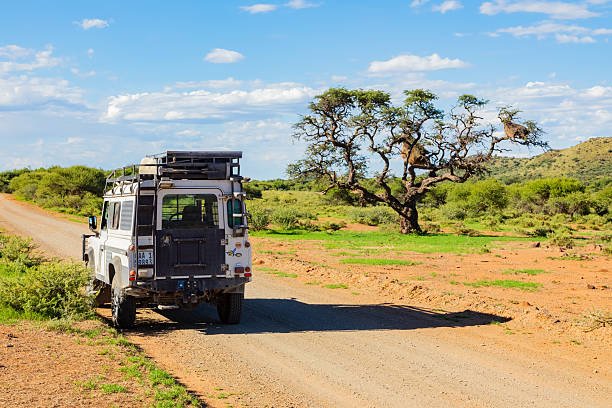
Where Is The Best Place To See Big Five? 2026-2027
Where Is the Best Place to See the Big Five? is explained with current 2026-2027 planning, price, itinerary and booking information.
View package detailsWhat Animals Can You See On An African Safari? Your Ultimate Wildlife Guide
Planning an African safari and wondering which animals you'll encounter? This comprehensive guide details the wildlife you can expect to see, from iconic mammals to elusive birds, across...
View package detailsNo related package matches those filters. Clear one or more filters to see the other topic-matched options.



