
The best tiger safari tours in India typically focus on parks like Ranthambore, Bandhavgarh, Kanha, and Pench, offering high chances of sightings, diverse landscapes, and well-managed tourism infrastructure. For 2026-2027, expect tours ranging from 5 to 14 days, combining multiple parks for a comprehensive experience, with costs varying significantly based on accommodation luxury, private vs. shared vehicles, and season. Booking well in advance, especially for peak seasons in late 2026 and early 2027, is crucial for securing preferred park zones and safari times.
- How Long Should Your Tiger Safari Tour Be?
- When is the Best Time to Visit for Tiger Sightings?
- Choosing Your Accommodation: From Budget to Luxury
- Understanding Safari Types: Jeep vs. Canter
- Navigating Park Zones and Safari Permits
- The Role of Expert Guides and Naturalists
- Getting Around: India’s Connectivity for Safaris
Why India for Tiger Safaris?
India is synonymous with the Bengal tiger, the largest of the big cats, and for good reason. It hosts a significant percentage of the world’s wild tiger population. For travelers seeking to witness these magnificent creatures in their natural habitat, India offers unparalleled opportunities. Unlike many other destinations where tiger sightings are rare and fleeting, India’s dedicated national parks and reserves, managed with conservation in mind, provide a consistent and thrilling chance to observe tigers. The country’s commitment to wildlife protection has seen tiger numbers rebound in recent decades, making it a prime destination for dedicated tiger safari tours in India. The landscapes themselves are as diverse as the wildlife, ranging from the arid, rocky hills of Rajasthan to the lush, dense forests of Madhya Pradesh, each offering a unique backdrop for your adventure.
The experience goes beyond just spotting a tiger. It’s about immersing yourself in India’s rich biodiversity, understanding the delicate balance of its ecosystems, and appreciating the efforts being made to conserve these iconic animals. A well-planned tiger safari tour in India allows you to connect with nature on a profound level. For those planning for 2026-2027, the opportunities are even more promising, with ongoing conservation efforts and improved tourism management in many parks.
Top National Parks for Tiger Safaris in India
Choosing the right park is paramount to a successful tiger safari. While tigers are present in many reserves across India, some consistently offer higher sighting probabilities due to their population density, habitat, and management practices. Here are the leading destinations for best tiger safari tours in India:
Ranthambore National Park, Rajasthan
Ranthambore is perhaps the most famous tiger reserve in India, largely due to its historical fort and the resulting accessibility and visibility of its tigers. Located in Rajasthan, it’s known for its diurnal tigers – those active during the day – which makes sightings more probable. The landscape is a dramatic blend of deciduous forests, open grasslands, and rocky hills, dotted with ancient ruins and lakes. The presence of tigers like the celebrated ‘Machli’ (though no longer alive, her legacy remains) has cemented Ranthambore’s reputation. For travelers looking at tiger safari tours in India 2026, Ranthambore is often the first park considered.
- Pros: High tiger sighting probability, beautiful landscape with historical ruins, relatively accessible from major cities like Jaipur and Delhi.
- Cons: Can get crowded, especially in popular zones; vehicle numbers are regulated, so booking safaris in advance is essential.
- Best For: First-time tiger safari-goers, photographers, those interested in history and wildlife combined.
Bandhavgarh National Park, Madhya Pradesh
Often referred to as the ‘Mecca of Tigers’, Bandhavgarh boasts one of the highest densities of Bengal tigers in the world. This park in Madhya Pradesh offers a rugged, hilly terrain interspersed with dense Sal and Bamboo forests. Its compact size and high tiger population make it a prime location for sightings. Bandhavgarh is also known for its ‘White Tiger’ history, though sightings of white tigers are exceptionally rare now. The main ‘Zone 1’ (Tala) is most popular, but other zones also offer excellent viewing opportunities. A tour to Bandhavgarh is a cornerstone for many best tiger safari tours in India aiming for guaranteed sightings.
- Pros: Extremely high tiger density, excellent sighting chances, dramatic landscapes dominated by the Bandhavgarh fort.
- Cons: Can be very busy, especially in Tala zone; terrain can be challenging for some vehicles.
- Best For: Serious tiger enthusiasts, photographers, those prioritizing sighting probability above all else.
Kanha National Park, Madhya Pradesh
Kanha is celebrated for its picturesque landscape, which inspired Rudyard Kipling’s ‘The Jungle Book’. It’s a vast expanse of rolling grasslands, dense forests, and meandering rivers, providing an idyllic habitat for tigers. Kanha is also home to a significant population of Barasingha (swamp deer), which are a key prey species for tigers. The park is divided into multiple zones, with the central ‘Kanha’ and ‘Kisli’ zones being particularly renowned for tiger sightings. Its sheer size and well-preserved ecosystem make it one of the best tiger safari destinations in India for a holistic wildlife experience.
- Pros: Stunning scenery, good tiger and Barasingha populations, well-managed park with good infrastructure, less crowded than Ranthambore or Bandhavgarh in some zones.
- Cons: Sighting probability might be slightly lower than Bandhavgarh due to the park’s size and density distribution.
- Best For: Travelers seeking beautiful landscapes alongside wildlife, birdwatchers, those interested in diverse flora and fauna.
Pench National Park, Madhya Pradesh & Maharashtra
Pench, also famously known from ‘The Jungle Book’, straddles the states of Madhya Pradesh and Maharashtra. It offers a mix of dry deciduous forests, open grasslands, and teak forests. Pench is known for its healthy tiger population and also for its leopards, sloth bears, and wild dogs. The park’s landscape is diverse, offering varied viewing experiences. The Madhya Pradesh side is generally considered to have better tiger sighting potential, but the Maharashtra side offers a more serene and less crowded experience. Pench is an increasingly popular choice for comprehensive tiger safari tours in India, especially when combined with other Madhya Pradesh parks.
- Pros: Good tiger sighting potential, diverse terrain, rich birdlife, less commercialized than some other parks.
- Cons: Sighting probabilities can vary; requires careful planning regarding which zone to visit.
- Best For: Travelers looking for a less crowded experience, those interested in a variety of wildlife beyond just tigers.
Tadoba Andhari Tiger Reserve, Maharashtra
Tadoba is Maharashtra’s oldest national park and has emerged as a top tiger reserve in recent years. It’s characterized by dry deciduous forests and rocky cliffs, with a large water body, Tadoba Lake, at its heart, attracting wildlife. Tadoba has a very healthy tiger population and is known for its aggressive tigers, which often makes for dramatic sightings. The park’s tourism is well-managed, with specific zones offering excellent viewing opportunities. For those looking for tiger safari tours in India with high sighting chances away from the most popular northern circuit, Tadoba is an excellent alternative.
- Pros: High tiger density and sighting chances, less crowded than Ranthambore or Bandhavgarh, good infrastructure.
- Cons: Can be very hot and dry, especially outside the monsoon season; accessibility from major international airports requires longer travel.
- Best For: Repeat safari-goers, those seeking high sighting probability in a less-visited park (relative to the big northern parks).
Jim Corbett National Park, Uttarakhand
As India’s oldest national park, Corbett holds a special place in conservation history. Located in the foothills of the Himalayas in Uttarakhand, it’s famous for its Bengal tigers, though sightings are generally considered more challenging here compared to parks like Bandhavgarh or Ranthambore. Corbett’s landscape is diverse, featuring dense forests, grasslands, and the Ramganga River. The park is divided into several zones, each offering a different experience. While tiger sightings require patience, the park’s rich biodiversity, including elephants, diverse birdlife, and its historical significance, makes it a worthwhile destination for tiger safari tours in India.
- Pros: India’s oldest park, rich biodiversity, beautiful Himalayan foothills scenery, chance to see other species like elephants.
- Cons: Tiger sightings are less predictable than in some other parks; can be very popular and crowded in peak season.
- Best For: Birdwatchers, those interested in conservation history, travelers who appreciate diverse landscapes and are patient for tiger sightings.
Satpura National Park, Madhya Pradesh
Satpura is a unique and less-trodden gem in Madhya Pradesh. It’s one of the few parks where safaris are permitted on foot, offering a truly in-depth experience. The park’s terrain is rugged and hilly, characterized by deep ravines, dense forests, and sandstone peaks. While tiger sightings are possible, Satpura is perhaps more celebrated for its leopards, sloth bears, and the sheer variety of its non-tiger wildlife. The opportunity for walking safaris makes it stand out for those seeking a different kind of wildlife adventure. For a truly off-the-beaten-path tiger safari tour in India, Satpura is an excellent choice.
- Pros: Unique walking safari options, less crowded, rich biodiversity beyond tigers (especially leopards and sloth bears), stunning rugged landscapes.
- Cons: Tiger sightings are less common than in dedicated tiger reserves; requires a spirit of adventure and appreciation for diverse wildlife.
- Best For: Adventurous travelers, those seeking unique safari experiences, wildlife photographers focusing on a wider range of species.
Planning Your Best Tiger Safari Tour: Key Considerations
A successful tiger safari requires meticulous planning. India’s wildlife tourism is highly regulated, and understanding the nuances can significantly enhance your experience. Here’s what to consider for your tiger safari tour in India 2026-2027.
How Long Should Your Tiger Safari Tour Be?
The ideal duration for a tiger safari tour in India depends on your goals, budget, and the number of parks you wish to visit. Generally:
- 3-4 Days: Sufficient for a single park, focusing on maximizing sightings within that specific reserve. This is good for a quick introduction.
- 5-7 Days: Allows for a more relaxed pace in one park, or a combination of two nearby parks (e.g., Bandhavgarh and Kanha, or Ranthambore and Sariska if you’re very keen on Rajasthan).
- 8-14 Days: Recommended for combining 2-3 major parks (e.g., Ranthambore, Bandhavgarh, Kanha) for a comprehensive experience of India’s tiger habitats and diverse landscapes. This allows for deeper exploration and increases your chances of sightings across different environments.
For 2026-2027 trips, consider that popular parks may have limited safari slots, so a longer duration can provide flexibility if a particular safari drive is less productive.
When is the Best Time to Visit for Tiger Sightings?
Tiger sightings are influenced by weather and the park’s seasonal closures. The prime time for tiger safaris in most Indian parks is generally from October to June. The parks are typically closed for the monsoon season, from July to September.
- October – February (Winter): Pleasant temperatures, lush green landscapes post-monsoon. Tigers may be seen basking in the sun or near water sources. This is a popular period, so book well in advance for 2026-2027.
- March – June (Summer): This is the hottest period, with temperatures soaring. However, this is often considered the best time for tiger sightings. As water sources dry up, tigers tend to congregate around remaining waterholes, making them easier to spot. The vegetation also thins out, improving visibility.
If your priority is maximizing sighting chances, the summer months (April-June) are often recommended, despite the heat. Always check the specific park’s opening and closing dates for the 2026-2027 season.
Choosing Your Accommodation: From Budget to Luxury
Accommodation options for tiger safari tours in India range from basic guesthouses to ultra-luxury lodges. Your choice significantly impacts the overall experience and cost.
- Budget Guesthouses/Homestays: Offer basic amenities, often locally run, providing an authentic feel. Suitable for backpackers or those on a tight budget.
- Mid-Range Lodges/Hotels: Comfortable rooms, often with attached bathrooms, dining facilities, and sometimes basic amenities like pools. A good balance of comfort and value.
- Luxury Resorts/Boutique Camps: High-end properties offering exquisite rooms, fine dining, personalized service, swimming pools, spas, and often private sit-outs with excellent wildlife viewing opportunities. These are ideal for a pampered experience.
- Forest Rest Houses: Basic accommodation run by the forest department, located inside or near the park boundaries. They offer an authentic, rustic experience but can be very basic and require booking far in advance.
When planning for 2026-2027, consider that premium lodges in prime locations, especially near popular zones like Ranthambore or Bandhavgarh, get booked up months, sometimes a year, in advance.
Understanding Safari Types: Jeep vs. Canter
Safaris in Indian tiger reserves are primarily conducted in two types of vehicles:
- Jeeps (Gypsies): These are typically open-top 4×4 vehicles, accommodating 4-6 passengers. They offer flexibility, can navigate rougher terrain, and provide excellent viewing and photography opportunities. Most private tiger safari tours in India use jeeps.
- Canters: These are larger, bus-like vehicles that accommodate 16-20 passengers. They are often used for shared safaris, particularly in parks like Ranthambore. While they offer a more economical option, they can be less agile, and the presence of more people might disturb wildlife.
For the best tiger safari experience, especially for photography and a more intimate encounter, private jeeps are highly recommended. Ensure your tour package clearly states which vehicle type is included.
Navigating Park Zones and Safari Permits
Most Indian tiger reserves are divided into different tourism zones. Each zone has varying probabilities of tiger sightings and unique landscapes. For instance, in Ranthambore, Zones 1, 2, 3, and 4 are considered prime, while in Bandhavgarh, the Tala zone is most famous. Safari permits are issued by the forest department and are often mandatory and pre-booked. The number of vehicles allowed in each zone per safari drive is strictly limited to minimize disturbance to wildlife.
Key points for 2026-2027 planning:
- Advance Booking is Crucial: Permits for popular zones, especially during peak season (November to March), sell out months ahead. For tiger safari tours in India targeting specific parks in 2026 or 2027, confirm permit booking procedures with your tour operator.
- Zone Choice Matters: Some operators might include specific zones in their packages. Understand if you have flexibility to choose or if a particular zone is guaranteed.
- Official Permits: Always ensure your tour operator procures official permits from the forest department.
The Role of Expert Guides and Naturalists
The success of your tiger safari hinges significantly on the quality of your guide (also known as a Naturalist or Ranger). An experienced guide not only knows the park intimately – the tiger territories, their habits, and the best spots for sightings – but also possesses deep knowledge about the local flora and fauna. They can interpret animal behavior, track pugmarks, and provide fascinating insights into the ecosystem.
When selecting best tiger safari tours in India, inquire about the qualifications and experience of their guides. A good guide will:
- Enhance your understanding of the wildlife and conservation efforts.
- Ensure your safety and adherence to park rules.
- Maximize your chances of spotting tigers and other animals by reading signs of the forest.
- Make the safari engaging and educational.
Getting Around: India’s Connectivity for Safaris
Reaching India’s national parks involves a combination of flights, trains, and road travel. Most major parks are accessible via:
- Air: Major cities like Delhi, Mumbai, and Jaipur have international airports. From there, domestic flights connect to smaller airports closer to the parks (e.g., Jaipur for Ranthambore, Jabalpur or Khajuraho for Bandhavgarh/Kanha, Nagpur for Tadoba/Pench).
- Rail: India’s extensive railway network is a popular and economical way to travel between cities. Many parks have railway stations nearby.
- Road: Private vehicles or taxis are essential for transfers between airports/stations and parks, and for travel between parks if you’re combining destinations. Most safari tours will arrange these transfers.
When planning your 2026-2027 tiger safari, factor in travel time. India is vast, and distances can be significant. A well-structured itinerary will minimize long, arduous journeys and maximize your time in the parks.
Sample Tiger Safari Tour Itineraries (2026-2027)
To give you an idea of what a best tiger safari tour in India might look like, here are a few sample itineraries. These are customizable and can be adapted for 2026-2027 travel.
Short & Sweet: Ranthambore Focus (5 Days)
Best For: Quick trips, those flying into Jaipur.
- Day 1: Arrive in Jaipur, transfer to Ranthambore (approx. 3-4 hours). Check into your hotel/lodge. Evening relaxation.
- Day 2: Morning and afternoon jungle safaris in Ranthambore National Park (pre-booked zones and vehicles). Explore the park’s history and diverse wildlife.
- Day 3: Morning safari in Ranthambore. After breakfast, visit the Ranthambore Fort and explore the surrounding areas. Afternoon safari.
- Day 4: Morning safari. After breakfast, drive back to Jaipur. If time permits, explore Jaipur city (Hawa Mahal, City Palace).
- Day 5: Departure from Jaipur.
Classic Central India Explorer: Bandhavgarh & Kanha (8 Days)
Best For: Deep immersion in Madhya Pradesh’s tiger heartland.
- Day 1: Arrive at Jabalpur airport (MP). Transfer to Bandhavgarh National Park (approx. 4-5 hours). Check into lodge.
- Day 2 & 3: Morning and afternoon safaris in Bandhavgarh National Park (focus on Tala and surrounding zones).
- Day 4: Morning safari in Bandhavgarh. After breakfast, drive to Kanha National Park (approx. 5-6 hours). Check into lodge.
- Day 5 & 6: Morning and afternoon safaris in Kanha National Park (focus on Kanha/Kisli zones). Enjoy the lush landscapes and Barasingha sightings.
- Day 7: Morning safari in Kanha. After breakfast, drive back to Jabalpur.
- Day 8: Departure from Jabalpur.
The Grand Indian Tiger Trail: Ranthambore, Bandhavgarh, Kanha (12 Days)
Best For: The ultimate tiger enthusiast seeking diverse habitats and high sighting chances.
- Day 1: Arrive in Jaipur. Transfer to Ranthambore (approx. 3-4 hours). Check-in.
- Day 2 & 3: Morning and afternoon safaris in Ranthambore. Explore the fort and surrounding areas.
- Day 4: Morning safari in Ranthambore. After breakfast, drive towards Bandhavgarh (long drive, approx. 8-9 hours, may break this journey with an overnight stop if preferred).
- Day 5: Arrive at Bandhavgarh. Check-in. Afternoon safari.
- Day 6 & 7: Morning and afternoon safaris in Bandhavgarh.
- Day 8: Morning safari in Bandhavgarh. After breakfast, drive to Kanha National Park (approx. 5-6 hours). Check-in.
- Day 9 & 10: Morning and afternoon safaris in Kanha.
- Day 11: Morning safari in Kanha. After breakfast, drive to Jabalpur (approx. 4-5 hours).
- Day 12: Departure from Jabalpur.
These itineraries are flexible. For 2026-2027, consider adding days for travel or for more safaris in preferred parks. For example, adding 2 days in each park would make this a more relaxed 16-day journey.
Understanding the Costs of Tiger Safari Tours
The cost of best tiger safari tours in India can vary dramatically. Understanding the factors that influence pricing is key to budgeting for your trip in 2026-2027.
What’s Typically Included and Excluded?
A comprehensive tiger safari package usually includes:
- Accommodation: As per the chosen category (budget, mid-range, luxury).
- Meals: Typically breakfast, lunch, and dinner. Drinks are usually extra.
- Park Entrance Fees: For national parks and reserves.
- Safari Fees: For jeep or canter rides.
- Vehicle Hire: For safaris and inter-park transfers.
- Guide Fees: For safari drives.
Typically excluded are:
- Flights: International and domestic airfare.
- Visa Fees: For India.
- Personal Expenses: Tips, laundry, souvenirs, alcoholic beverages.
- Optional Activities: Such as village visits or cultural performances.
- Travel Insurance: Highly recommended but usually not included.
Always clarify exactly what is included in your quote for 2026-2027.
Budget Tiers for 2026-2027 Tiger Safaris
Prices are often quoted per person on a twin-sharing basis. Here’s a general idea for tiger safari tours in India:
- Budget: ₹25,000 – ₹45,000 per person (approx. $300 – $540 USD) for a 5-day trip focusing on one park with basic accommodation and shared safaris. This might exclude some park fees or have very simple meals.
- Mid-Range: ₹50,000 – ₹90,000 per person (approx. $600 – $1080 USD) for a 5-7 day trip. This includes comfortable lodges, private jeep safaris, and most meals. This is a popular choice for many travelers planning for 2026-2027.
- Luxury: ₹1,00,000 – ₹2,50,000+ per person (approx. $1200 – $3000+ USD) for a 7-10 day trip. This involves high-end resorts, exclusive experiences, gourmet dining, private transfers, and potentially more exclusive park access or specialized guides.
Important Note: These are indicative costs for 2026-2027 and can fluctuate based on season, specific parks visited, and current government fees. Prices are subject to change.
Tips for Managing Your Safari Budget
- Travel in Shoulder Season: Consider visiting just before or after the peak season (e.g., late September/early October or late March/early April). You might find better rates and fewer crowds.
- Book in Advance: Especially for 2026-2027, early booking secures better rates and availability for accommodation and permits.
- Consider Shared Safaris: If on a tighter budget, shared canter safaris (where available and permitted) can reduce costs, though they offer a less personalized experience.
- Combine Parks Wisely: Grouping nearby parks can save on transfer costs.
- Choose Your Accommodation Carefully: The biggest cost differentiator is often accommodation. Opting for comfortable mid-range lodges can provide excellent value.
Responsible and Ethical Tiger Tourism
As visitors to these precious tiger habitats, practicing responsible tourism is paramount. The future of tiger conservation relies heavily on sustainable tourism models. Here’s how you can contribute:
- Respect Wildlife: Maintain a safe distance from animals, especially tigers. Never feed them or try to provoke them for photos. Follow your guide’s instructions strictly.
- Minimize Your Footprint: Avoid littering. Stick to designated paths and zones. Use eco-friendly products where possible.
- Support Local Communities: Choose tour operators who employ local guides and staff and contribute to community development projects.
- Choose Eco-Friendly Lodges: Opt for accommodations that demonstrate a commitment to sustainability, water conservation, and waste management.
- Understand Park Rules: Adhere to safari timings, speed limits, and restrictions on noise levels.
- Educate Yourself: Learn about the challenges facing tiger conservation and share your knowledge responsibly.
For your tiger safari tours in India 2026-2027, selecting operators committed to ethical practices ensures your visit contributes positively to conservation efforts.
Booking Your Best Tiger Safari Tour
Securing your best tiger safari tour in India for 2026-2027 requires careful consideration and timely action. Given the popularity of these parks and the strict regulations on safari permits and vehicle numbers, booking well in advance is not just recommended, it’s essential.
When you are ready to plan and book, consider working with a specialist tour operator. They can navigate the complexities of permit applications, recommend the best parks and zones based on your interests and the latest sighting trends, arrange smooth transfers, and select accommodations that match your budget and comfort level. For instance, a company with deep roots in African safaris and a growing expertise in Indian wildlife can offer a unique perspective and practical support, drawing on their experience in managing complex wildlife expeditions.
To start planning your ultimate Indian tiger adventure for 2026 or 2027, reach out to us. We can help tailor an itinerary that perfectly suits your desires, whether you’re aiming for the highest sighting probabilities in Bandhavgarh, the classic landscapes of Kanha, or the historic allure of Ranthambore. We understand the importance of expert guidance and meticulous planning for a successful wildlife trip.
For inquiries, tailored itineraries, and booking assistance for your best tiger safari tours in India, please feel free to contact us:
WhatsApp: +255 747 477 898
Email: climb4africa@gmail.com
Let us help you craft an unforgettable journey into the heart of tiger country.
Check Availability for Best Tiger Safari Tours In India: Planning Your Ultimate Wildlife Adventure
Ready to compare dates, prices, and the best option for your group? Send the package name and travel month so the team can reply with a clear quote, availability, and what is included.

How Far In Advance Should You Book An African Safari? 2026-2027
How Far in Advance Should You Book an African Safari? is explained with current 2026-2027 planning, price, itinerary and booking information.
View package details
Kenya Safari Tours & Holiday Packages 2026-2027
Kenya Safari Tours & Holiday Packages is explained with current 2026-2027 planning, price, itinerary and booking information.
View package details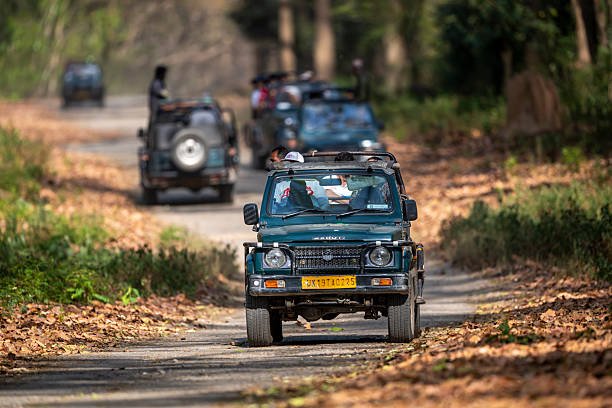
Solo African Safari Tours: Your Ultimate Guide For 2026-2027
start an incredible solo African safari adventure. This comprehensive guide covers everything you need to know for planning a safe, rewarding, and memorable trip in 2026-2027, from choosing...
View package details
Safari From Zanzibar: Best Packages, Prices & Parks For 2026-2027
Combining a Zanzibar beach holiday with a Tanzania safari is a dream for many travelers. This guide details the best safari packages from Zanzibar, covering essential planning, park...
View package detailsIs It Better To Book A Safari Online Or Locally? 2026-2027
Is It Better to Book a Safari Online or Locally? is explained with current 2026-2027 planning, price, itinerary and booking information.
View package details
What Is Included In An African Safari Package? A Complete Guide For 2026-2027
Demystifying African safari packages. This guide details what you can expect to be included, from essential logistics like accommodation and transport to crucial elements like park fees and...
View package detailsAffordable African Safari Packages: Your Guide To Budget-Friendly Tanzania
Discover how to plan and book affordable African safari packages for 2026-2027. This guide provides practical advice on choosing budget-friendly Tanzania tours, understanding costs, and...
View package details
Best Wildlife Safaris In Africa: Your Ultimate Guide For 2026-2027
start the ultimate African wildlife safari. This comprehensive guide covers the best destinations, essential planning tips, and what to expect for your 2026-2027 adventure.
View package details
Serengeti Safari Tours: Prices, Packages & Best Time To Visit In 2026-2027
Discover everything you need to know for planning your Serengeti safari tour, from understanding pricing and package variations to identifying the ideal travel times in 2026-2027. This...
View package detailsAfrican Safari Packages From Europe 2026-2027
African Safari Packages From Europe is explained with current 2026-2027 planning, price, itinerary and booking information.
View package detailsAfrican Safari Packages With Flights 2026-2027
African Safari Packages With Flights is explained with current 2026-2027 planning, price, itinerary and booking information.
View package details
Small-Group African Safari Tours Guide
Explore the best of Tanzania on a small-group safari. This guide covers everything you need to know for an incredible wildlife adventure in 2026-2027, from choosing the right tour to...
View package detailsNo related package matches those filters. Clear one or more filters to see the other topic-matched options.



