
Seeking hidden safari destinations in Africa for your 2026-2027 adventure means finding places that offer exceptional wildlife viewing and authentic experiences away from the most popular, and often crowded, tourist circuits. These destinations often require a bit more planning and a willingness to venture slightly off the beaten path, but reward travelers with unique encounters, fewer vehicles, and a deeper connection to the wild. Think of exploring the vast, less-visited parks of Tanzania, venturing into emerging conservation areas, or focusing on specific, under-the-radar wildlife spectacles.
Finding Your Unique African Safari Experience
Africa is a continent of unparalleled natural beauty and astonishing biodiversity. While iconic parks like the Serengeti, Maasai Mara, and Kruger rightfully draw global attention, a growing number of travelers in 2026 and 2027 are seeking something different – a safari that feels more personal, exclusive, and less touched by mass tourism. This quest for hidden safari destinations in Africa isn’t about avoiding quality; it’s about discovering places that offer a different kind of richness, often characterized by vast, untamed landscapes and intimate wildlife encounters.
At Climb 4 Africa, we understand this desire. Our roots are in Tanzania, a country brimming with world-class wildlife viewing opportunities, but we also recognize the appeal of exploring Africa’s less-trodden paths. Planning a safari to these more secluded areas requires careful consideration of logistics, seasonality, and what each unique location offers. It’s a trip, not just of wildlife, but of the continent’s diverse ecosystems and the dedicated conservation efforts preserving them.
This guide aims to illuminate some of these remarkable, often overlooked, safari spots. We’ll look at why they remain relatively undiscovered, what kind of traveler they suit best, and how you can plan an unforgettable trip to these extraordinary places for your 2026 or 2027 travels. The focus here is on providing practical insights, helping you make informed decisions to craft a safari that truly resonates with your aspirations.
Why Seek Hidden Safari Destinations?
The allure of the African safari is undeniable, conjuring images of vast savannas teeming with iconic wildlife. However, the popularity of certain parks means that at peak times, the experience can sometimes feel less about raw nature and more about navigating queues of safari vehicles. For travelers planning for 2026 or 2027, the desire for a more authentic, personal, and less crowded encounter with the wild is a significant driver in choosing their destination.
The Appeal of Exclusivity and Authenticity
Hidden safari destinations in Africa offer a distinct advantage: a sense of exclusivity. Imagine witnessing a lion pride without a dozen other jeeps in sight, or enjoying a sundowner overlooking a savanna that feels entirely yours. This intimacy allows for a deeper connection with the environment and its inhabitants. It’s about experiencing the rhythm of the wild, undisturbed. This is particularly appealing for photographers, birdwatchers, and anyone seeking a profound, quiet appreciation of nature.
Avoiding the Crowds
While famous parks are popular for a reason – their incredible wildlife density and accessibility – they can become saturated with vehicles, especially during peak seasons. This can detract from the overall experience, creating noise, stress, and a feeling of being disconnected from the natural world. Hidden gems, by their very nature, have fewer visitors, ensuring a more peaceful and in-depth safari. This means more opportunities for observing animal behavior without disturbance and more personal attention from your guide.
Unique Ecosystems and Wildlife
Many lesser-known parks boast unique ecological niches and endemic species that might be less common in the more heavily visited areas. Exploring these places can lead to discovering fascinating flora and fauna that are specific to that region. It’s an opportunity to broaden your understanding of Africa’s diverse wildlife beyond the ‘big five’ narrative, appreciating the smaller, equally interesting creatures and the specialized habitats they call home. This diversity is a key reason many travelers in 2026-2027 are looking beyond the obvious.
Supporting Emerging Conservation Efforts
Often, the development of tourism in lesser-known areas is directly tied to vital conservation initiatives. By choosing these destinations, travelers can contribute to the protection of wildlife and the economic empowerment of local communities. Your safari dollars can help fund anti-poaching patrols, habitat restoration, and community development projects, making your trip a force for good. This ‘responsible tourism’ aspect is increasingly important for travelers in the coming years.
Tanzania’s Underrated Treasures: Beyond Serengeti and Ngorongoro
Tanzania is globally renowned for its iconic safari parks, including the Serengeti, Ngorongoro Crater, and Tarangire. However, this vast country holds many more secrets, offering incredible wildlife encounters in less-trafficked locales. For those planning a safari in 2026 or 2027 and looking for a more intimate experience, these Tanzanian hidden gems are perfect choices.
Katavi National Park: The Wild Heart of Tanzania
Often described as Tanzania’s most wild and untouched park, Katavi National Park is a place of immense scale and raw beauty. Located in the remote southwest, it’s a destination for the truly adventurous traveler seeking an authentic wilderness experience. Its remoteness is its greatest defense against mass tourism, ensuring that any visit feels like a genuine exploration.
- What to Expect: Katavi is characterized by its vast floodplains, dense woodlands, and the seasonal lifeblood of the Katuma River and its associated lakes. During the dry season (roughly June to October), the drying lakes become magnets for wildlife, concentrating enormous numbers of buffalo, elephants, hippos, and crocodiles. It’s particularly famous for its massive hippo pods, often numbering in the hundreds, and its large herds of buffalo, sometimes exceeding a thousand individuals. Predators like lions, leopards, cheetahs, and hyenas are abundant, drawn by the plentiful prey.
- Why it’s Hidden: Its location in western Tanzania means it’s significantly harder to reach than the northern circuit parks. There are no direct commercial flights, and travel typically involves light aircraft charters or long overland drives, often requiring specialized 4×4 vehicles. This logistical challenge naturally limits visitor numbers.
- Best For: Experienced safari-goers, photographers seeking dramatic wildlife scenes, and those who value solitude and a true wilderness feel. It’s ideal for travelers wanting to experience Tanzania’s wilder side, far from the madding crowds, particularly in 2026-2027 when interest in exclusive experiences is high.
- Considerations: Due to its remoteness, safaris here are generally more expensive, often involving charter flights and fly-in camps. The infrastructure is basic, focusing on wilderness immersion rather than luxury amenities. Road conditions can be challenging, especially outside the dry season.
Ruaha National Park: The Land of Giants
Ruaha is Tanzania’s largest national park and the heart of a vast ecosystem. While it’s gaining recognition, it still receives a fraction of the visitors of the northern parks. Its rugged landscapes, dramatic escarpments, and immense elephant herds make it a compelling destination for those seeking a less commercialized safari.
- What to Expect: Ruaha is famed for its exceptionally large elephant populations and a high concentration of predators, including one of the world’s most significant numbers of African wild dogs. The park’s terrain is varied, featuring rocky hills, acacia woodlands, and the Great Ruaha River, which supports wildlife year-round. It offers a sense of raw, untamed Africa, with dramatic scenery and a feeling of being truly in the wild. Lions are particularly impressive here, often hunting larger prey like buffalo and even young elephants.
- Why it’s Hidden: Like Katavi, Ruaha is located in southern Tanzania, making it less accessible than the northern circuit. While there are airstrips for light aircraft, overland travel is extensive. This geographical isolation helps maintain its less-visited status.
- Best For: Those interested in predator sightings, particularly wild dogs and lions, and travelers who appreciate dramatic landscapes and a sense of wildness. It’s a fantastic choice for a more in-depth Tanzanian safari experience in 2026 or 2027, offering a different feel to the northern parks.
- Considerations: Access is primarily via scheduled or charter flights from Dar es Salaam or Arusha. Accommodation ranges from rustic tented camps to more comfortable lodges. The park is vast, so focusing on specific areas within Ruaha is often recommended for shorter trips.
Selous Game Reserve (Nyerere National Park): A Riverine Wilderness
While the Selous Game Reserve has been a popular safari destination, its recent division into Nyerere National Park (southern section) and the northern Selous (now a controlled hunting area, with limited tourism) means the accessible tourist areas are still relatively uncrowded compared to the north. The Rufiji River system is the park’s dominant feature, offering unique boating safaris alongside traditional game drives.
- What to Expect: Nyerere National Park is characterized by its diverse habitats, including Miombo woodlands, riverine forests, and vast floodplains. The Rufiji River is a major draw, providing opportunities for boat safaris where you can get close to hippos, crocodiles, and abundant birdlife. Elephant and buffalo are plentiful, and the park is also home to wild dogs, lions, leopards, and cheetahs. It offers a broader range of safari activities than many other parks.
- Why it’s Hidden (relatively): Although historically a major park, the management changes and focus on specific areas mean it can still offer a less crowded experience than the northern circuit, especially if you choose lodges away from the main entry points. Its sheer size contributes to this feeling of space.
- Best For: Travelers who enjoy a mix of safari activities, including boat safaris, walking safaris (in designated areas), and game drives. It’s excellent for birdwatching and for those who appreciate riverine landscapes.
- Considerations: Access is typically by light aircraft from Dar es Salaam. The best time to visit is generally the dry season (June to October), though the green season (November to May) offers lush scenery and fewer mosquitoes. Ensure your chosen lodge is within the Nyerere National Park area for the best wildlife viewing.
Exploring Hidden Safari Gems Beyond Tanzania
While Tanzania offers incredible opportunities for off-the-beaten-path safaris, Africa is a vast continent with numerous other destinations that provide exceptional wildlife experiences away from the main tourist routes. For travelers looking to explore further afield in 2026-2027, these regions offer unique landscapes, diverse wildlife, and a profound sense of wilderness.
South Luangwa National Park, Zambia: The Birthplace of Walking Safaris
South Luangwa is often cited as one of Africa’s finest wildlife destinations, and it pioneered the concept of the walking safari. Despite its reputation among safari connoisseurs, it remains less visited than its East African counterparts, offering a deeply in-depth experience.
- What to Expect: The park is centered around the Luangwa River, a lifeline for incredible wildlife. It’s renowned for its high density of leopards, excellent lion sightings, and abundant elephant and hippo populations. The walking safari here is unparalleled, allowing you to explore the bush on foot with expert guides, tracking animals and learning about the smaller details of the ecosystem. Birdlife is also spectacular.
- Why it’s Hidden: Zambia’s tourism infrastructure is less developed than some other African countries, and South Luangwa’s remote location (requiring a flight from Lusaka) keeps visitor numbers manageable. This ensures a genuine wilderness feel.
- Best For: Those seeking a quintessential walking safari experience, keen photographers (especially for leopards), and travelers who appreciate a more traditional, low-impact safari style. It’s a perfect fit for the 2026-2027 traveler looking for authenticity.
- Considerations: The best time to visit is during the dry season (May to October) when animals congregate around the shrinking water sources. Accommodation ranges from rustic bush camps to more comfortable lodges. Independent travel can be challenging, and it’s often best to book through a specialist operator.
Hwange National Park, Zimbabwe: Elephant Kingdom
Hwange is Zimbabwe’s largest park and offers a classic safari experience with the added benefit of significantly fewer crowds than many comparable parks in neighboring countries. It’s particularly famous for its massive elephant population, especially during the dry season.
- What to Expect: Hwange is known for its vast elephant herds, often numbering in the hundreds, which congregate around its pumped waterholes during the dry season. It also boasts a great diversity of other wildlife, including lions, wild dogs, cheetahs, leopards, and a rich variety of plains game. The landscape is predominantly acacia woodland and savanna, with some mopane woodland.
- Why it’s Hidden: While popular among those who know Zimbabwe, Hwange doesn’t attract the same volume of international tourists as some East African or South African parks. Its size and the spread-out nature of its waterholes mean that even when busy, it rarely feels overcrowded.
- Best For: Elephant enthusiasts, families, and travelers looking for a reliable and diverse wildlife experience with good predator sightings. It’s a solid choice for 2026-2027 for those wanting a classic safari with fewer people.
- Considerations: Access is typically by road from Victoria Falls or by light aircraft to its airstrips. The dry season (July to October) is prime time for viewing elephants at the waterholes. The park offers a range of accommodation from basic campsites to luxury lodges.
Lower Zambezi National Park, Zambia: Riverine and Adventurous
Often overshadowed by its South Luangwa counterpart, Lower Zambezi offers a stunningly beautiful and diverse safari experience focused around the Zambezi River. It’s a place where canoeing safaris and fishing are as popular as game drives.
- What to Expect: The park’s defining feature is the mighty Zambezi River and its islands, channels, and floodplains. This creates a unique environment for wildlife viewing. Elephant, buffalo, hippos, and crocodiles are abundant along the riverbanks. Predators like lions and leopards are present, often seen hunting along the river’s edge or in the woodlands. The park is also excellent for birding and offers unique activities like canoeing safaris, walking safaris, and tiger fishing.
- Why it’s Hidden: Zambia’s tourism development is more gradual, and Lower Zambezi, though growing in popularity, still offers a sense of exclusivity. Its primary access is via light aircraft, which naturally curtails visitor numbers.
- Best For: Adventurous travelers seeking a multi-activity safari, those who love water-based activities, and anyone looking for a visually spectacular and less-crowded safari in 2026-2027.
- Considerations: The dry season (May to October) is the best time for game viewing as animals concentrate near the river. Access is usually via charter flights from Lusaka. Accommodation is typically in high-end, intimate lodges.
Kafue National Park, Zambia: Vast and Diverse
As one of Africa’s largest national parks, Kafue offers immense wilderness and a staggering diversity of wildlife and habitats. It’s an explorer’s park, offering a true sense of discovery.
- What to Expect: Kafue’s sheer size means it encompasses a huge variety of ecosystems, from dense woodland to open plains and riverine areas. This diversity supports a remarkable range of species, including large herds of red lechwe and puku, significant numbers of cheetahs and wild dogs, and a very healthy lion population. It’s also a haven for birdlife. The park is less developed, meaning that finding wildlife often requires patience and expert tracking.
- Why it’s Hidden: Its immense size and relatively underdeveloped infrastructure mean that it’s not as easily navigable or as concentrated with wildlife sightings as smaller, more managed parks. This is precisely what appeals to those seeking a wilder experience.
- Best For: Adventurous travelers, keen birdwatchers, and those who appreciate vast, wild spaces and the thrill of discovery. It’s ideal for a 2026-2027 trip for those who want to feel truly remote.
- Considerations: Access is usually by light aircraft to various bush airstrips. The park is best explored during the dry season (June to October), though the green season offers stunning landscapes and excellent birding. Lodges are often exclusive and cater to a high-end market, reflecting the remoteness and quality of the experience.
Planning Your Hidden Safari: Key Considerations for 2026-2027
Choosing a hidden safari destination in Africa requires a slightly different approach to planning than visiting more established tourist hubs. The very reasons these places are ‘hidden’ – their remoteness, unique logistics, and often less developed infrastructure – necessitate careful preparation. For your 2026 or 2027 safari, understanding these factors is crucial for a smooth and rewarding experience.
Logistics and Accessibility
This is often the biggest factor differentiating hidden gems from popular parks. While Serengeti or Kruger might be accessible by road from major cities or via frequent commercial flights, many hidden destinations rely on:
- Light Aircraft Charters/Scheduled Flights: This is the most common way to access remote parks. Flights are usually from major hubs like Kilimanjaro International Airport (JRO), Arusha, Dar es Salaam, Lusaka, or Maun. These flights can be expensive and have strict luggage weight limits (often 15-20 kg in soft bags).
- Overland Travel: For some destinations, especially those in southern Tanzania like Katavi or Ruaha, overland travel is an option. However, this involves long drives on rough roads, often requiring specialized 4×4 vehicles and experienced drivers. It can take a full day or more to reach these parks from the nearest major town.
- Travel Time: Factor in that reaching these destinations often takes longer. You might need an overnight stay in a gateway city before your flight or onward drive, and the journey itself can consume a significant portion of your travel day.
When booking for 2026-2027, confirm exact flight schedules and costs well in advance, as they can change.
Seasonality and Weather
While African safaris can be enjoyed year-round, the ‘best’ time to visit hidden destinations often depends on specific wildlife behaviors and accessibility. The dry season (typically June to October/November) is often considered prime time as wildlife congregates around water sources, and vegetation thins, improving visibility. However, this is also peak season for many African destinations, and even hidden gems can see increased activity. The shoulder seasons (e.g., May, November) can offer a good balance of wildlife, fewer crowds, and potentially lower prices.
- Dry Season (June-Oct/Nov): Best for general game viewing, especially large mammals, as they gather around water. Roads are generally in better condition.
- Green Season (Nov/Dec-May): Landscapes are lush and beautiful, birdlife is exceptional, and prices may be lower. However, some roads can become impassable, and wildlife may disperse. This is also the peak season for malaria transmission in some areas.
Research the specific micro-climates and wildlife patterns of your chosen destination for 2026 or 2027.
Accommodation Types
Accommodation in hidden safari destinations often reflects the wilderness setting. You’ll find a range from:
- Luxury Tented Camps: Offering comfortable canvas tents with en-suite bathrooms, fine dining, and excellent service, often in prime wildlife locations. These provide a blend of immersion and comfort.
- Remote Lodges: More permanent structures, often built with local materials, providing comfortable rooms and common areas.
- Bush Camps: More basic, often with shared facilities, designed for a true ‘back to nature’ experience, sometimes even mobile camps that move with the wildlife.
Expect fewer large, sprawling hotels and more intimate, eco-conscious establishments. The focus is on blending with the environment and providing an authentic experience.
Budget Considerations
Hidden safari destinations in Africa can sometimes be more expensive than their well-trodden counterparts, primarily due to the logistical costs involved (charter flights, specialized vehicles, remoteness of camps). However, this is not always the case, and value can be found.
- Higher Costs: Often driven by the need for charter flights, longer transfer times, and the exclusive nature of the lodges.
- Value Proposition: The cost often reflects the exclusivity, the quality of guiding, and the untouched nature of the experience. You’re paying for a unique, less-crowded safari.
- All-Inclusive Packages: Most reputable safari operators offer packages that include accommodation, meals, standard drinks, park fees, and activities. Ensure you clarify what’s included.
When budgeting for 2026-2027, be sure to get detailed quotes that clearly outline all inclusions and exclusions.
Patience and Flexibility
A safari to a less crowded place often requires a greater degree of patience and flexibility. Things might not always run perfectly to schedule due to weather, wildlife movements, or logistical challenges. Embrace this! It’s part of the adventure and contributes to the authentic wilderness experience. The ability to adapt and go with the flow will greatly enhance your enjoyment.
Traveler Profile for Hidden Gems
These destinations are typically best suited for:
- Experienced Travelers: Those who have likely been on safari before and are looking for a new challenge or a deeper experience.
- Independent Spirits: Travelers who are comfortable with a bit of adventure and don’t require constant, high-end amenities.
- Photographers: The lack of crowds and dramatic landscapes offer incredible photographic opportunities.
- Wildlife Enthusiasts: Those passionate about observing animals in their natural, undisturbed habitat.
- Conservation-Minded Individuals: Travelers who want their tourism dollars to support sustainable practices and local communities.
Focusing on Specific Wildlife Spectacles
Beyond just seeking fewer crowds, some travelers are drawn to hidden safari destinations in Africa because they offer unique opportunities to witness specific, often seasonal, wildlife events that might be harder to find or less dramatic in more popular parks. Planning for these spectacles in 2026 or 2027 can lead to truly unforgettable moments.
The Great Wildebeest Migration (Beyond the Mara/Serengeti Corridor)
While the Serengeti-Mara is the most famous stage for the Great Migration, the herds’ movements are vast and cyclical. Understanding these cycles can lead to experiencing the migration in less-visited areas.
- Southern Serengeti (Tanzania): During the calving season (late January to March), the wildebeest are concentrated in the southern plains of the Serengeti. While the Serengeti is popular, the southern sector during this specific time can offer incredible viewing with fewer vehicles than the central or western corridors during the river crossings.
- Western Corridor of Serengeti: From roughly June to July, the herds often move west towards the Grumeti River. This area, while still within the Serengeti ecosystem, sees fewer visitors than the northern Mara River crossings. The Grumeti River crossings can be spectacular and less chaotic.
- Southern Kenya (Loita Plains): Outside the main Serengeti ecosystem but connected by migration routes, the Loita Plains can sometimes host large numbers of wildebeest, particularly between May and June. This is a Maasai community land, offering a very different, more cultural safari experience. Access and accommodation are limited, making it a truly off-the-beaten-path experience.
For 2026-2027, consult with experts about the predicted migration patterns to target these less-visited phases.
Predator Concentrations in Remote Areas
Certain parks are renowned for their predator populations, and visiting them during specific times or in their less-explored regions can yield incredible sightings.
- Ruaha National Park (Tanzania): As mentioned, Ruaha has a high density of lions and is one of the best places in Africa to see African wild dogs. Its vastness means that even when predators are active, sightings are often intimate.
- South Luangwa National Park (Zambia): This park is legendary for its leopard sightings. The riverine environment and the density of prey make it an ideal hunting ground, and its reputation among guides means you’re likely to find them with patient tracking.
- Selous Game Reserve (Nyerere National Park, Tanzania): The wild dog population here is significant, and the park’s size ensures they have ample territory.
Birdwatching Hotspots
For avid birdwatchers, many hidden gems offer extraordinary avian diversity, especially during the European winter months when migratory birds are present.
- Lower Zambezi National Park (Zambia): The riverine environment attracts a huge array of water birds, raptors, and woodland species.
- Okavango Delta (Botswana) – Remote Camps: While the Delta is famous, choosing a lodge in a less accessible concession can provide a more exclusive birding experience. The sheer diversity of habitats supports hundreds of species.
- South Luangwa National Park (Zambia): Excellent for woodland and savanna species, with a high number of endemic birds.
Specialized Wildlife Experiences
Some destinations excel in offering unique encounters beyond the typical safari checklist.
- Gorilla Trekking (Rwanda/Uganda – less crowded parks): While Volcanoes National Park (Rwanda) and Bwindi Impenetrable Forest (Uganda) are popular, exploring less-visited sectors or considering parks like Nyungwe Forest (Uganda) for chimpanzee trekking can offer a more intimate primate experience.
- Chimpanzee Trekking (Gombe Stream National Park, Tanzania): Though small and less famous than Serengeti, Gombe offers a chance to track wild chimpanzees in a stunning rainforest setting, popularized by Jane Goodall. It’s a very different kind of safari.
- Desert-Adapted Wildlife (Namibia): Parks like Damaraland offer unique safaris focused on desert-adapted elephants and rhinos, a starkly different landscape and experience from the savanna.
When planning for 2026-2027, discuss your specific wildlife interests with your tour operator to align your trip with the best locations and seasons.
The Conservation Angle: Supporting Sustainable Tourism
Choosing hidden safari destinations in Africa often means directly contributing to conservation efforts and supporting local communities. This aspect is increasingly important for travelers in 2026 and 2027 who want their holidays to have a positive impact. Many of these less-visited areas rely heavily on tourism revenue to fund anti-poaching initiatives, habitat management, and community development programs.
Economic Benefits for Local Communities
Tourism in remote areas provides crucial employment opportunities for local people, from guides and trackers to lodge staff and support personnel. This economic incentive helps communities see wildlife and conservation as valuable assets, rather than resources to be exploited. When you visit these areas, you are directly contributing to this positive cycle.
Funding Conservation Efforts
Park entrance fees, concession fees paid by lodges, and a portion of your tour package often go directly into wildlife conservation. This funding is vital for:
- Anti-poaching units: Equipping and training rangers to protect wildlife from illegal hunting.
- Habitat protection and restoration: Managing land to ensure it remains suitable for wildlife.
- Research and monitoring: Understanding wildlife populations and their needs to inform conservation strategies.
- Community engagement: Working with local communities on conservation projects and sustainable resource management.
Choosing Responsible Operators
When planning your trip for 2026-2027, it’s essential to partner with tour operators who are committed to responsible tourism. Look for companies that:
- Work with lodges that have strong environmental policies and community engagement programs.
- Ensure fair wages and working conditions for their staff.
- Minimize their environmental footprint (e.g., waste management, water conservation).
- Educate guests about conservation and responsible wildlife viewing.
Climb 4 Africa is deeply committed to these principles. Our operations in Tanzania are designed to benefit local communities and support conservation, ensuring that the incredible natural heritage we share with our guests is protected for future generations.
Questions to Ask Your Operator About Conservation:
- What percentage of your tour cost goes directly to local communities or conservation initiatives?
- Do the lodges you use have certified environmental practices?
- How do you ensure your safaris have a minimal impact on wildlife and habitats?
- What is your policy on supporting local employment and sourcing local goods?
Booking Your Hidden Safari Adventure with Climb 4 Africa
Embarking on a safari to one of Africa’s hidden safari destinations is an extraordinary experience, and planning it correctly is key to its success. At Climb 4 Africa, our expertise lies in crafting personalized journeys that connect you with the wild in authentic and meaningful ways, especially for trips planned for 2026 and 2027.
Why Choose Climb 4 Africa for Your less crowded place Safari?
Our deep understanding of Tanzania, combined with a carefully curated network of partners across the continent, allows us to design bespoke itineraries that go beyond the standard tourist routes. We specialize in:
- Local Expertise: As a Tanzania-based company, we have unparalleled knowledge of the country’s parks, ecosystems, and logistical nuances, including those in more remote areas like Katavi and Ruaha.
- Tailor-Made Itineraries: We don’t believe in one-size-fits-all. We work closely with you to understand your interests, budget, and desired level of adventure to create a safari that is uniquely yours.
- Logistical Mastery: Navigating the complexities of reaching hidden destinations – from charter flights and road transfers to accommodation and park permits – is our specialty. We handle the details so you can focus on the experience.
- Commitment to Sustainability: We partner with lodges and camps that share our dedication to conservation and community empowerment.
- Practical Support: From initial inquiry through to your return home, we provide clear, timely, and practical advice.
Getting Started with Your 2026-2027 Safari Plan
Planning a safari to a hidden destination requires a conversation. We encourage you to reach out to us with your ideas, questions, and travel aspirations. Whether you’re set on a specific park or looking for recommendations based on your interests, we’re here to help.
Ready to Explore the Unseen? Contact Us Today!
To start planning your unforgettable safari to a hidden safari destination in Africa for 2026 or 2027, get in touch. We can help you navigate the options, understand the best times to visit, and craft an itinerary that delivers an authentic and impressive wildlife experience. Let us help you discover the Africa that few get to see.
WhatsApp us: +255 747 477 898
Email us: climb4africa@gmail.com
When you contact us, please mention your preferred travel dates for 2026 or 2027, the number of travelers, your general interests (e.g., photography, specific animals, walking safaris), and any particular hidden destinations you have in mind. This will help us tailor our recommendations and create the perfect itinerary for you.
Choosing a hidden safari destination in Africa is an investment in a more profound, personal, and impactful travel experience. It’s about stepping away from the crowds and into the heart of the wild, creating memories that will last a lifetime. We look forward to helping you plan your extraordinary journey.
Check Availability for Hidden Safari Destinations In Africa: Beyond The Usual Tourist Trails
Ready to compare dates, prices, and the best option for your group? Send the package name and travel month so the team can reply with a clear quote, availability, and what is included.
Best Wildlife Photography Destinations For Safaris | Climb 4 Africa 2026-2027
Planning a safari for incredible wildlife photography in 2026 or 2027? Tanzania offers unparalleled opportunities. This guide details the top destinations, essential gear, timing, and how...
View package details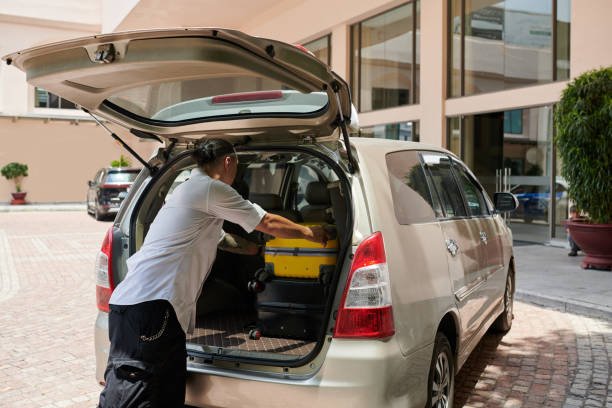
How Far In Advance Should You Book An African Safari? 2026-2027
How Far in Advance Should You Book an African Safari? is explained with current 2026-2027 planning, price, itinerary and booking information.
View package details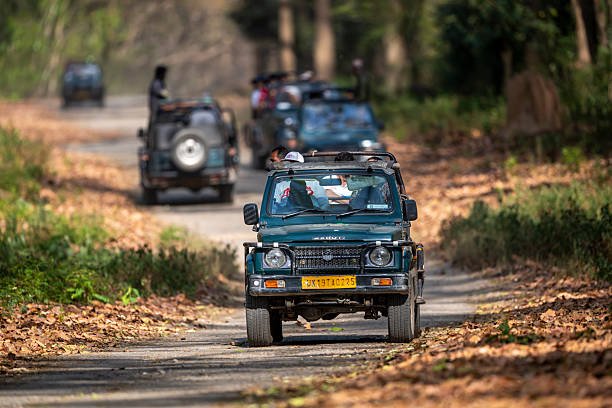
Solo African Safari Tours: Your Ultimate Guide For 2026-2027
start an incredible solo African safari adventure. This comprehensive guide covers everything you need to know for planning a safe, rewarding, and memorable trip in 2026-2027, from choosing...
View package details
What Is Included In An African Safari Package? A Complete Guide For 2026-2027
Demystifying African safari packages. This guide details what you can expect to be included, from essential logistics like accommodation and transport to crucial elements like park fees and...
View package details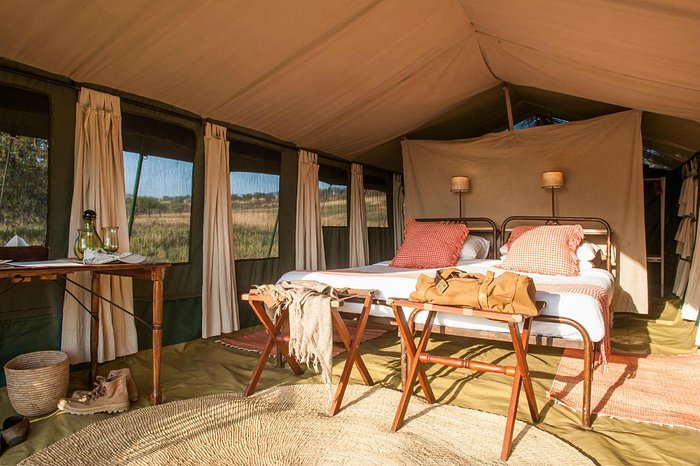
Affordable African Safari Packages: Your Guide To Budget-Friendly Tanzania
Discover how to plan and book affordable African safari packages for 2026-2027. This guide provides practical advice on choosing budget-friendly Tanzania tours, understanding costs, and...
View package details
Best Wildlife Safaris In Africa: Your Ultimate Guide For 2026-2027
start the ultimate African wildlife safari. This comprehensive guide covers the best destinations, essential planning tips, and what to expect for your 2026-2027 adventure.
View package detailsAfrican Safari Packages From Europe 2026-2027
African Safari Packages From Europe is explained with current 2026-2027 planning, price, itinerary and booking information.
View package details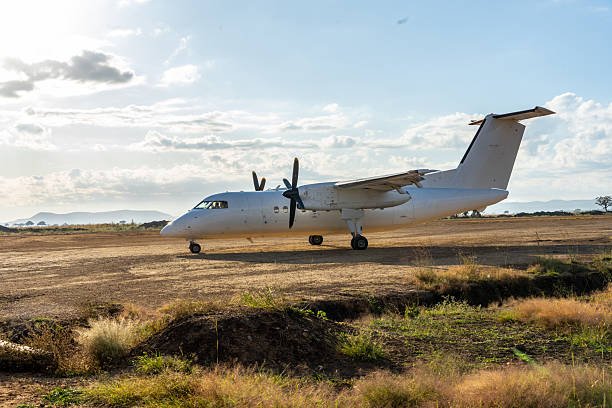
African Safari Packages With Flights 2026-2027
African Safari Packages With Flights is explained with current 2026-2027 planning, price, itinerary and booking information.
View package details
Small-Group African Safari Tours Guide
Explore the best of Tanzania on a small-group safari. This guide covers everything you need to know for an incredible wildlife adventure in 2026-2027, from choosing the right tour to...
View package details
Are African Safari Prices Per Person Or Vehicle? Understanding Tanzania Costs
African safari costs can be confusing. This guide clarifies whether prices are quoted per person or per vehicle, detailing factors that influence your 2026-2027 safari budget in Tanzania.
View package details
What Animals Can You See On An African Safari? Your Ultimate Wildlife Guide
Planning an African safari and wondering which animals you'll encounter? This comprehensive guide details the wildlife you can expect to see, from iconic mammals to elusive birds, across...
View package details
Is An African Safari Safe For First-Time Visitors? Expert Guidance 2026-2027
Planning your first African safari? This comprehensive guide details the safety aspects for first-time visitors, covering everything from wildlife encounters to health and logistics...
View package detailsNo related package matches those filters. Clear one or more filters to see the other topic-matched options.



