The top Great Migration safari destinations in Tanzania are primarily within the Serengeti National Park, with specific areas like the central Seronera Valley, the Western Corridor, the Northern Serengeti (Mara River), and the Southern Plains (Ndutu area) offering prime viewing depending on the time of year. For 2026-2027, understanding the migratory cycle is key: witness calving in the south from January to March, the herds moving north through the central and western regions from April to June, river crossings in the north from July to October, and a return south from November to December. Beyond the Serengeti, areas like the Ngorongoro Conservation Area can offer excellent viewing opportunities as the herds pass through or graze nearby, particularly in the early months of the year.
Serengeti National Park: The Epicenter of the Migration
The Serengeti, a UNESCO World Heritage Site, is synonymous with the Great Migration. Its vast, undulating plains are the stage for one of nature’s most awe-inspiring spectacles: the annual movement of over 1.5 million wildebeest, hundreds of thousands of zebras, and gazelles. This isn’t a static event; it’s a dynamic, year-round cycle dictated by the rains and the availability of fresh grazing. Understanding this cycle is paramount to choosing the best Great Migration safari destinations. The Serengeti itself is huge, and the herds don’t stay in one place. Different sectors of the park offer unique viewing experiences at different times of the year, making it crucial to align your visit with the animals’ movements.
For travelers aiming to witness the Great Migration safari, the Serengeti is undeniably the primary focus. Its sheer scale means that even with the massive herds, the experience can feel intimate or overwhelming, depending on where you are and how you’ve chosen to explore. The ecosystem here is incredibly rich, supporting not just the migratory animals but also a dense population of predators – lions, leopards, cheetahs, hyenas, and wild dogs – all of whom follow the migration, creating incredible predator-prey interactions that are the highlight of many safaris. When planning for 2026-2027, pinpointing the right location within the Serengeti based on the expected location of the herds is the single most important decision you’ll make.
The park is broadly divided into several key regions, each offering a distinct phase of the migration. These regions include the Southern Plains, the Seronera Valley (Central Serengeti), the Western Corridor, and the Northern Serengeti. Each offers different landscapes, different challenges for the animals, and therefore, different viewing opportunities for visitors. For instance, the open grasslands of the south are ideal for calving, while the acacia woodlands of the central region offer shade and varied game, and the Grumeti and Mara Rivers in the west and north present dramatic crossing events.
Understanding the Migration Cycle
The Great Migration is a continuous loop. It begins in the southern Serengeti and Ngorongoro Conservation Area, where the short rains usually fall in November and December, prompting the herds to move south. This is calving season. As the dry season approaches, the herds move west and then north in search of water and fresh grass. The Grumeti River in the Western Corridor and the Mara River in the Northern Serengeti become critical points of passage, often involving dramatic river crossings. Finally, as the rains return to the south, the herds turn and head back, completing the circle. This predictable, yet wild, pattern is what makes planning a Great Migration safari so fascinating and rewarding.
For those looking at 2026-2027, the fundamental patterns remain. While exact dates can shift slightly based on rainfall, the general timing for each phase is consistent. A well-informed safari operator can advise on the most likely locations for the herds during your specific travel window. The Serengeti’s size means that even if you’re in the right general area, local movements within that area can still vary. This is where the expertise of your guides becomes invaluable.
Southern Plains (Ndutu Area): The Calving Season Spectacle (January-March)
From January to March, the southern Serengeti and the adjacent Ngorongoro Conservation Area, specifically the Ndutu plains, become the heart of the Great Migration. This is the calving season. Following the short rains, the grasslands here are lush and nutrient-rich, providing the perfect environment for newborn wildebeest calves. During this period, you can expect to see enormous, dense herds spread across the plains, with an estimated 8,000 calves born daily in peak season. The sheer number of young, vulnerable animals attracts predators, making this a fantastic time for viewing lion prides, cheetahs, and hyenas at their most active. It’s a period of intense life and death playing out across the landscape.
Visiting the Southern Plains during the calving season offers a unique perspective on the migration. It’s less about dramatic river crossings and more about the sheer abundance of life and the fascinating interactions between predators and their prey. The landscape is typically open grassland, dotted with acacia trees, offering long-distance views of the herds. The density of animals can be staggering, creating a visual spectacle that is hard to comprehend. For photographers, the soft light of the early morning and late afternoon, combined with the vast numbers of animals, presents unparalleled opportunities.
When planning for 2026-2027, booking accommodation in or very near the Ndutu area for these months is essential. This region is technically part of the Ngorongoro Conservation Area, but it’s seamlessly connected to the southern Serengeti plains, and the herds roam freely between them. Lodges and tented camps here are strategically located to maximize viewing opportunities. Expect a high concentration of vehicles, especially if you are visiting during peak times. For a more exclusive experience, consider private concessions or mobile camps that can move with the herds, though these often come at a premium.
The trade-off for incredible wildlife viewing during the calving season is that it falls within Tanzania’s green season. While the rains are generally short-lived and often occur as afternoon thunderstorms, they can impact road conditions. However, the lush landscapes and the incredible density of wildlife make it a worthwhile consideration for many. The visibility of the herds is generally excellent due to the open terrain, and the presence of newborn animals adds an extra layer of wonder to any Great Migration safari.
Witnessing Predator-Prey Dynamics
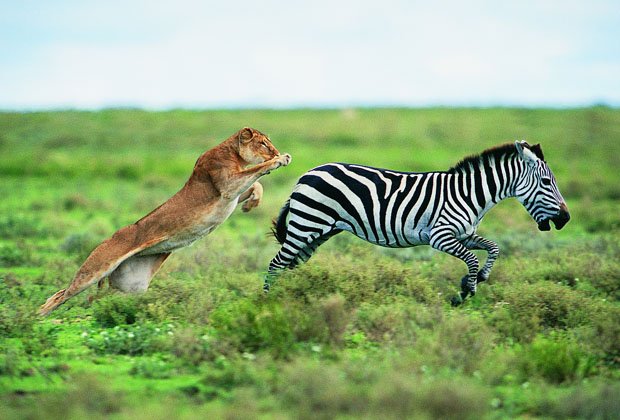
The concentration of wildebeest calves in Ndutu creates a predator’s paradise. Lions are particularly active, often seen hunting wildebeest or protecting their cubs. Cheetahs patrol the open plains, using their incredible speed to catch gazelles, while hyena clans are a constant presence, scavenging and hunting. Leopard sightings, though generally more elusive, are also possible. The sheer number of potential meals means that predator sightings are very high during this period. Observing a hunt, or the aftermath of one, is a profound and often humbling experience that defines a Great Migration safari.
For photographers and wildlife enthusiasts, the calving season offers unique opportunities. The presence of young animals, the interaction with predators, and the vast herds against the backdrop of the southern plains create iconic images. It’s a time when the circle of life is on full display, raw and unfiltered. Ensure your camera gear is ready, and be prepared for early morning starts to catch the best light and most active wildlife.
Central Serengeti (Seronera Valley): Year-Round Wildlife & Pre-Migration Gathering
The Central Serengeti, particularly the Seronera Valley, is renowned for its high concentration of resident wildlife and offers excellent game viewing throughout the year, making it a consistent choice for a Great Migration safari. While the main herds might be elsewhere during certain months, the Seronera area always has a significant resident population of predators and herbivores. From roughly April to June, as the herds begin to move west and north from the southern plains, the central region often becomes a gathering point. The grasses here are still green, and the riverine woodlands offer shade and water, attracting many animals.
Even when the bulk of the migration has moved on, the Seronera Valley remains one of the most productive wildlife areas in Africa. You can expect to see lions, leopards (Seronera is famous for its elusive leopards), cheetahs, elephants, giraffes, and a variety of antelope species. The Grumeti River, which flows through the central area, also attracts animals, especially during drier periods. This makes the central Serengeti a reliable destination, even if you don’t time your visit precisely for the main migratory passage through the region.
For travelers looking at 2026-2027, the central Serengeti is a safe bet for a classic safari experience. It’s particularly good for seeing big cats. If your visit falls between April and June, you might catch the tail end of the herds moving out or the beginning of their return. Even outside these months, the wildlife density is so high that you are almost guaranteed excellent sightings. The landscape is characterized by open plains interspersed with kopjes (rocky outcrops) and acacia woodlands, providing diverse habitats that support a rich array of wildlife.
Accommodation in the central Serengeti ranges from luxury lodges to comfortable tented camps. Many camps are strategically located along the Seronera River, offering fantastic game viewing opportunities right from your doorstep. The infrastructure here is well-developed, with airstrips making it accessible from Arusha and other parts of Tanzania. The accessibility and consistent wildlife sightings make it a popular choice for first-time visitors and seasoned safari-goers alike.
Year-Round Wildlife Hotspot
The key advantage of the Central Serengeti is its consistency. Unlike other regions that are primarily seasonal migration viewing spots, Seronera offers a high chance of seeing diverse wildlife year-round. This is due to its permanent water sources and varied habitats. It’s an excellent base for exploring the wider Serengeti ecosystem, and many multi-day safaris include a significant portion of time in this region regardless of the exact migration timing.
If you are planning a safari in 2026-2027 and want a guaranteed excellent wildlife experience with a good chance of seeing predators, the Central Serengeti is an outstanding choice. It offers a classic African savanna landscape and is the perfect place to witness the interactions between predators and prey, even if the main wildebeest herds are not passing through in massive numbers.
Western Corridor: The Grumeti River Crossings (May-July)
The Western Corridor of the Serengeti, stretching from the central region towards the border with Lake Victoria, is famous for one specific, dramatic event: the Grumeti River crossings. Between May and July, the migrating wildebeest and zebra herds make their way west, and the Grumeti River, with its resident population of large Nile crocodiles, presents a formidable obstacle. These crossings are often intense and action-packed, offering some of the most thrilling wildlife photography opportunities during a Great Migration safari.
The landscape in the Western Corridor is different from the open plains of the south or east. It’s characterized by riverine forests, woodlands, and more rugged terrain. This environment supports a healthy population of resident wildlife, including lions, leopards, and hippos. However, the main draw during this period is the migration’s passage and the inevitable river crossings. The Grumeti River, while not as wide as the Mara, can be a challenging obstacle, and the crocodiles here are large and opportunistic.
For travelers planning for 2026-2027, the Western Corridor offers a unique window to witness the migration. The timing is crucial, as the herds are only in this region for a relatively short period. The advantage of visiting during this time is that it’s typically considered the ‘green season’ or shoulder season, meaning fewer crowds and potentially lower prices compared to the peak dry season in the north. However, road conditions can be more challenging due to rains, and visibility of the herds can sometimes be hindered by the denser vegetation.
Accommodation in the Western Corridor is more limited than in the central or southern Serengeti. Options include mobile tented camps that follow the migration and a few permanent lodges. Booking well in advance is essential, especially for the limited spots. The experience here is often more exclusive due to the fewer visitors.
The Thrill of the Grumeti Crossing
Witnessing a Grumeti River crossing is a bucket-list item for many. The tension builds as the herds gather on the banks, the predators position themselves, and then, in a surge of instinct, the animals plunge into the water. The crocodiles lie in wait, and the ensuing chaos is a powerful display of nature’s raw survival instincts. It’s a moment of pure, unadulterated wildlife drama.
If you are planning a Great Migration safari for 2026-2027 and are specifically interested in river crossings, the Western Corridor between May and July is your best bet. It offers a different feel from the northern crossings, often with fewer vehicles and a more intimate viewing experience, though the scale of the crossing might be smaller than at the Mara River.
Northern Serengeti: The Iconic Mara River Crossings (July-October)
The Northern Serengeti, particularly the area around the Mara River, is arguably the most famous destination for witnessing the dramatic river crossings of the Great Migration. From July to October, the herds, having moved north from the central and western regions, converge on the banks of the Mara River. This formidable river, teeming with large Nile crocodiles, presents the ultimate challenge. The crossings here are often on a grander scale than those at the Grumeti, involving hundreds of thousands of wildebeest and zebras.
The landscape in the Northern Serengeti is characterized by rolling hills, acacia woodlands, and the prominent Mara River. This region offers excellent resident game viewing as well, with opportunities to see lions, leopards, cheetahs, elephants, and large herds of buffalo. However, the primary draw during these months is the migration and its life-or-death river crossings. The sheer volume of animals attempting to cross, coupled with the presence of predators on both banks and in the water, creates unparalleled viewing opportunities.
For travelers planning their Great Migration safari for 2026-2027, the Northern Serengeti between July and October is prime time for experiencing the iconic crossings. This period falls within the dry season, meaning the weather is generally pleasant with clear skies, though it can be cooler, especially in the mornings and evenings. The dry conditions also mean that animals tend to congregate around permanent water sources like the Mara River, increasing the chances of sightings.
Accommodation in the Northern Serengeti includes luxury lodges and tented camps, many of which are strategically located to offer views of the river or are within easy reach of prime crossing points. Mobile camps are also popular here, offering flexibility to move closer to where the herds are concentrating. Due to the high demand during these months, booking accommodation and safari packages for 2026-2027 well in advance is absolutely critical. This is peak season for the Great Migration.
The Ultimate River Crossing Experience
Witnessing a Mara River crossing is a highlight of any safari to the Serengeti. The anticipation as the herds gather, the bravery (or desperation) of the first few animals to enter the water, and the ensuing chaos as hundreds, sometimes thousands, follow is an unforgettable spectacle. Crocodiles lurk, lions and hyenas watch from the banks, and the sheer power of nature is on full display. It’s a raw, powerful, and often emotional experience.
If your goal for a Great Migration safari in 2026-2027 is to see the most dramatic river crossings, then targeting the Northern Serengeti between July and October is your best strategy. Be prepared for early mornings, long waits, and the possibility that not every day will feature a major crossing, but the overall game viewing and the sheer scale of the migration in this area are exceptional.
Ngorongoro Conservation Area: A Crucial Grazing Ground
While the Serengeti is the primary stage for the Great Migration, the Ngorongoro Conservation Area (NCA) plays a vital supporting role, particularly in the early months of the year. The short-grass plains of the NCA, especially the Ndutu area, are a critical calving ground. From January to March, the wildebeest and zebra herds congregate here in massive numbers to give birth and nurse their young. This region offers not only the spectacle of the calving season but also the unique opportunity to combine migration viewing with the incredible biodiversity of the Ngorongoro Crater itself.
The NCA is managed differently from the Serengeti. It allows for Maasai pastoralists to live within its boundaries alongside wildlife, creating a unique cultural and ecological landscape. The Ndutu plains, though technically within the NCA, are managed with a focus on the migration and are often treated as an extension of the southern Serengeti. The landscape here is characterized by open grasslands, acacia woodlands, and the dramatic caldera of the Ngorongoro Crater.
For those planning a Great Migration safari for 2026-2027, visiting the Ndutu area of the NCA between January and March is highly recommended for experiencing the calving season. The advantage here is that you can combine witnessing the vast herds on the plains with a descent into the Ngorongoro Crater, a UNESCO World Heritage Site renowned for its high density of wildlife, including the Big Five (lion, leopard, elephant, rhino, buffalo). The crater offers a contained ecosystem, making wildlife sightings incredibly reliable.
Accommodation options in the NCA include lodges on the crater rim offering spectacular views, as well as tented camps and lodges within the conservation area, particularly around Ndutu. Staying near Ndutu provides direct access to the migration herds during calving season. Combining a few days in Ndutu with a day trip into the Crater offers a comprehensive Tanzanian safari experience. However, it’s important to note that the Crater floor can get crowded, and access is regulated.
Combining Migration and Crater Magic
The Ngorongoro Conservation Area provides a unique opportunity to witness two of Tanzania’s greatest wildlife spectacles: the calving season of the Great Migration and the dense wildlife population of the Ngorongoro Crater. The Ndutu plains offer the raw drama of life and death on the savanna, while the Crater provides a condensed, almost guaranteed encounter with a wide array of African wildlife. This combination makes the NCA a highly sought-after destination for any Great Migration safari.
When booking for 2026-2027, consider a split itinerary that includes time in both Ndutu (for the migration) and the Ngorongoro Crater. This offers incredible diversity in landscapes and wildlife viewing opportunities. Remember that the NCA has specific rules regarding vehicle numbers and time spent on the Crater floor, so working with an experienced tour operator is crucial for optimizing your visit.
Planning Your Great Migration Safari for 2026-2027
Planning a safari to witness the Great Migration requires careful consideration of the timing, location, accommodation, and logistics. The herds’ movements are dictated by rainfall and grass, so understanding the cycle is your first step. For 2026-2027, the general patterns are expected to hold, but flexibility and expert advice are invaluable.
Timing is Everything: As outlined above, each phase of the migration offers a different experience. Decide whether you want to see the calving season in the south (Jan-Mar), the river crossings in the west (May-Jul) or north (Jul-Oct), or the general movement and grazing in the central Serengeti (year-round, but particularly April-June).
Choosing Your Destination within the Serengeti/NCA: Based on your timing, you’ll select specific areas. For instance, if you’re traveling in August, the Northern Serengeti is your prime choice for Mara River crossings. If you’re visiting in February, Ndutu in the NCA/southern Serengeti is where you’ll find the calving herds.
Duration of Stay: A minimum of 3-4 days is recommended for any single region to allow time for game drives and to increase chances of witnessing significant migration activity. For a comprehensive experience covering multiple regions, a 7-10 day safari is ideal.
Travel Style: Will you opt for a lodge-based safari, a luxury tented camp, a mobile camping safari, or a combination? Each offers a different level of comfort, immersion, and cost. Mobile camps are excellent for following the migration closely but are more basic.
Budget Considerations for 2026-2027: The Great Migration is a peak tourist draw, especially during the river crossing months. This means prices for accommodation and flights can be higher. January to March (calving season) and April to May (shoulder season) often offer better value. Peak season (July-October) demands the highest investment. Safari costs will vary significantly based on accommodation choice, private versus shared vehicle, and duration. Expect a range from $400-$1000+ per person per day for mid-range to luxury safaris, excluding international flights.
Booking Window: For popular migration periods in 2026-2027, especially July-October, it’s advisable to book 9-12 months in advance. For other periods, 6-9 months is usually sufficient, but early booking is always recommended for the best availability.
Sample Itinerary Ideas for 2026-2027
- Calving Season Focus (February): 3 days Ndutu (NCA) + 3 days Central Serengeti. Total 6 days.
- River Crossing Focus (August): 4 days Northern Serengeti + 3 days Central Serengeti. Total 7 days.
- Comprehensive Migration (July): 3 days Central Serengeti + 3 days Western Corridor + 3 days Northern Serengeti. Total 9 days.
These are just examples; your itinerary can be tailored to your interests, budget, and available time. Working with a specialist like Climb 4 Africa ensures your itinerary aligns perfectly with the expected migration movements for 2026-2027.
Choosing the Right Accommodation for the Great Migration
Your choice of accommodation can significantly impact your Great Migration safari experience. Lodges and tented camps are strategically positioned across the Serengeti and NCA to maximize wildlife viewing opportunities. The type of accommodation you choose will depend on your budget, comfort preferences, and desired level of immersion.
Luxury Lodges: These offer high-end amenities, often with swimming pools, fine dining, and spacious en-suite rooms. They provide comfort and a sense of indulgence after a day of game drives. Many are in prime locations, offering excellent views and easy access to wildlife areas.
Tented Camps (Permanent): These offer a more authentic safari feel, with large canvas tents that are well-furnished and have en-suite bathrooms. They provide a closer connection to nature while still offering considerable comfort. Many permanent camps are located in areas with high resident wildlife populations.
Mobile Tented Camps: These are the most dynamic option for following the migration. They are set up and dismantled seasonally or as the herds move, placing you right in the heart of the action. They offer a truly in-depth experience but are generally more basic in terms of amenities, focusing on comfort and proximity to wildlife.
Budget/Mid-Range Options: While luxury is abundant, there are also more affordable tented camps and lodges. These might offer simpler amenities but still provide excellent access to game viewing areas. Public campsites are also available for the most budget-conscious travelers, though they offer less privacy and comfort.
Location, Location, Location: For a Great Migration safari, the location of your accommodation is paramount. If you’re visiting for the river crossings in the north (July-October), a camp or lodge near the Mara River is ideal. For the calving season (Jan-Mar), a camp in the Ndutu area is best. If you’re visiting in the shoulder months or want year-round viewing, the central Serengeti (Seronera) offers consistent wildlife sightings.
Booking for 2026-2027: Popular camps, especially those in the Northern Serengeti during peak migration months, book up over a year in advance. For 2026-2027, if you have specific accommodation in mind, particularly for July to October, start your planning and booking process as soon as possible. For less popular times or regions, a 6-9 month window might suffice.
Logistics and Transport for Migration Safaris
Getting to and around the prime Great Migration safari destinations involves specific logistics. Tanzania has a well-developed safari infrastructure, but understanding the options is key to a smooth trip.
Getting to Tanzania: Most international travelers fly into Kilimanjaro International Airport (JRO) near Arusha, which serves as the main gateway for safaris in northern Tanzania. Alternatively, some may fly into Dar es Salaam (DAR) and take a domestic flight or bus to Arusha.
Internal Flights: Once in Arusha, the most efficient way to reach the Serengeti and other parks is via small bush planes. Airstrip networks are extensive within the Serengeti and NCA. Flying saves considerable travel time compared to driving, especially for longer distances or when accessing remote areas. This is highly recommended for maximizing your time on safari, particularly if you are on a tighter schedule for 2026-2027.
4×4 Safari Vehicles: The standard safari vehicle is a custom-built 4×4 Land Cruiser or Land Rover. These vehicles are essential for navigating the often rough terrain of the parks. They are equipped with pop-up roofs for optimal game viewing and photography, and many have charging ports for your electronics. You can opt for a shared vehicle (with other travelers) or a private vehicle, which offers more flexibility and personalized guiding.
Guides: A knowledgeable and experienced safari guide is invaluable. They not only know the best wildlife viewing spots but can also interpret animal behavior, track animals, and provide insights into the ecosystem and local culture. For the Great Migration, a guide who specializes in the herds’ movements is a significant asset.
Park Fees: Entrance fees for national parks and conservation areas are a significant part of the safari budget. These are typically included in your tour package price. For 2026-2027, expect these fees to remain substantial, contributing to conservation efforts.
Road Conditions: While main roads within parks are generally well-maintained, off-road tracks can be rough and muddy, especially during the rainy seasons. This is where a reliable 4×4 vehicle and an experienced driver-guide are crucial. For the Western Corridor and parts of the Northern Serengeti, road conditions can be particularly challenging during the green season.
Booking your transport: Most reputable tour operators, including Climb 4 Africa, will arrange all internal flights and ground transportation as part of your safari package. This simplifies logistics considerably, allowing you to focus on the incredible wildlife.
What to Expect Beyond the Herds
While the Great Migration is the star attraction, Tanzania’s northern circuit offers a wealth of other wildlife and experiences. Planning a Great Migration safari doesn’t mean you’ll only see wildebeest and zebras.
Predators: The Serengeti and NCA boast one of the highest concentrations of predators in Africa. Lions, leopards, and cheetahs are frequently sighted, especially in areas where the migration congregates. Hyenas, wild dogs, and jackals are also common.
Big Five: While rhinos are rare in the Serengeti plains, they are present in the Ngorongoro Crater. Lions, leopards, elephants, and buffalo are abundant across the Serengeti and NCA. A dedicated safari can easily achieve sightings of all the Big Five.
Birdlife: Tanzania is a birdwatcher’s paradise, with over 1,000 species recorded. The diverse habitats of the Serengeti and NCA support a stunning array of birds, from raptors to colorful forest species and water birds.
Other Mammals: Beyond the migratory herds and predators, you’ll encounter giraffes, hippos, crocodiles, warthogs, various antelope species (like Thomson’s gazelles, Grant’s gazelles, impalas, topi, hartebeest), and many more.
Scenery: The landscapes are as varied as the wildlife. From the endless golden plains of the south to the acacia-dotted savannas of the central region, the rugged river valleys of the west and north, and the unique caldera of the Ngorongoro Crater, the visual mix is impressive.
Cultural Encounters: The Ngorongoro Conservation Area is home to the Maasai people. While direct cultural visits need to be carefully managed to be respectful and authentic, you may encounter Maasai herders and their cattle on the plains, adding a unique human element to the landscape.
Photography: The Great Migration is a photographer’s dream. The sheer scale of the herds, the dramatic river crossings, the predator-prey interactions, and the stunning landscapes provide endless opportunities. Early mornings and late afternoons offer the best light.
When planning for 2026-2027, remember that a Great Migration safari is a holistic experience. The animals are the main draw, but the entire ecosystem, the landscapes, and the potential for other incredible wildlife encounters make it an unforgettable adventure.
Booking Your Great Migration Safari
Securing your dream Great Migration safari for 2026-2027 requires careful planning and choosing the right partner. Working with an experienced and reputable tour operator is crucial for navigating the complexities of timing, accommodation, and logistics.
Why Book with Climb 4 Africa?
- Local Expertise: As a Tanzania-based company, we have intimate knowledge of the parks, wildlife patterns, and the best times to visit specific locations for the Great Migration. We understand the nuances of the cycle and can advise on the most opportune times and places for 2026-2027.
- Tailor-Made Itineraries: We don’t offer one-size-fits-all tours. We create bespoke itineraries based on your interests, budget, travel style, and preferred dates. Whether you’re looking for luxury or a more rustic experience, we can craft the perfect Great Migration safari for you.
- Comprehensive Packages: Our safaris typically include park fees, accommodation, all meals, game drives in 4×4 vehicles with experienced guides, and internal transfers (flights or road). This allows for a smooth and stress-free experience.
- Value and Transparency: We strive to offer excellent value for money, with transparent pricing. We will clearly outline what is included and excluded in your safari package.
- Practical Support: From initial planning to your departure from Tanzania, our team provides dedicated support. We are available via WhatsApp or email to answer your questions and assist with any arrangements.
What to Consider When Booking:
- Confirm Your Dates: Be clear about your preferred travel window. This will determine which part of the migration you are likely to see.
- Accommodation Preferences: Decide on the style of accommodation that suits you best (luxury lodge, tented camp, mobile camp).
- Vehicle Choice: Consider whether a shared or private vehicle would be more beneficial for your safari. A private vehicle offers more flexibility.
- Inclusions and Exclusions: Ensure you understand what is covered in your package, such as park fees, meals, drinks, tips, and international flights.
To start planning your unforgettable Great Migration safari for 2026-2027, get in touch with our expert team. We can help you craft an itinerary that maximizes your chances of witnessing this incredible natural phenomenon. Whether you’re aiming for the dramatic Mara River crossings or the vibrant calving season, we’re here to make your dream safari a reality.
Contact Climb 4 Africa today to discuss your Great Migration safari plans:
WhatsApp: +255 747 477 898
Email: climb4africa@gmail.com
Let us help you plan the ultimate wildlife adventure to the top Great Migration safari destinations.
Check Availability for Top Great Migration Safari Destinations Guide
Ready to compare dates, prices, and the best option for your group? Send the package name and travel month so the team can reply with a clear quote, availability, and what is included.
Dec 28, – 5 Day Ndutu Migration And Ngorongoro Group Safari 2026
Join a small group for a 5-day safari departing December 28, 2026, targeting the Ndutu region for the start of the calving season and the Ngorongoro Crater.
View package details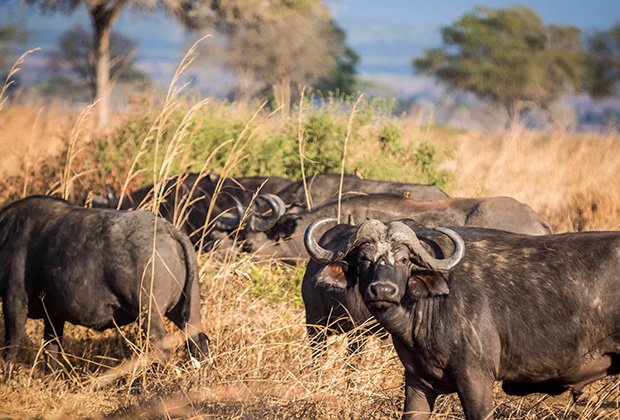
Dec 24, – 3 Day Christmas Serengeti And Ngorongoro Group Safari
Dec 24, 2026 – 3 Day Christmas Serengeti and Ngorongoro Group Safari.
View package details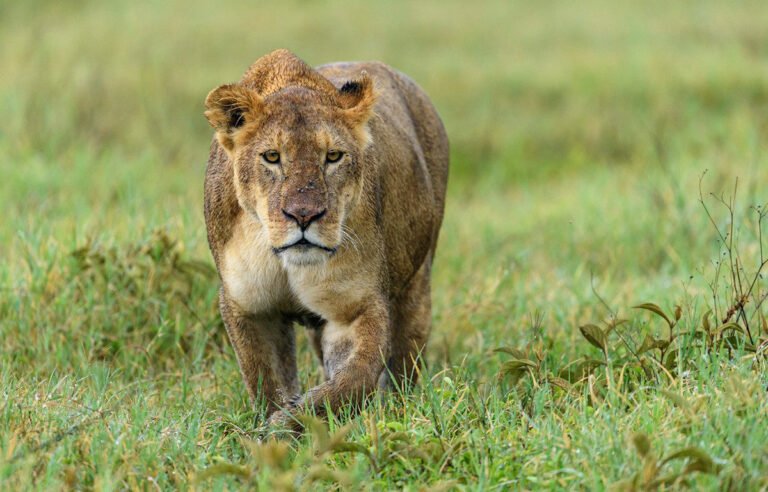
Dec 20, – 10 Day Complete Tanzania Group Joining Safari
Dec 20, 2026 – 10 Day Complete Tanzania Group Joining Safari.
View package details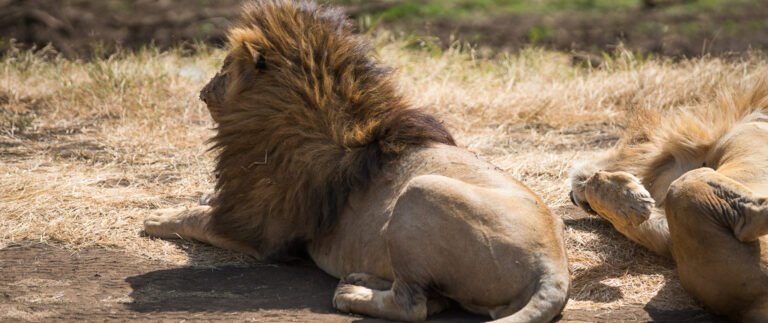
Which Dec Group Safari Ends Before New Year’s Eve?
Which Dec Group Safari Ends Before New Year’s Eve?
View package details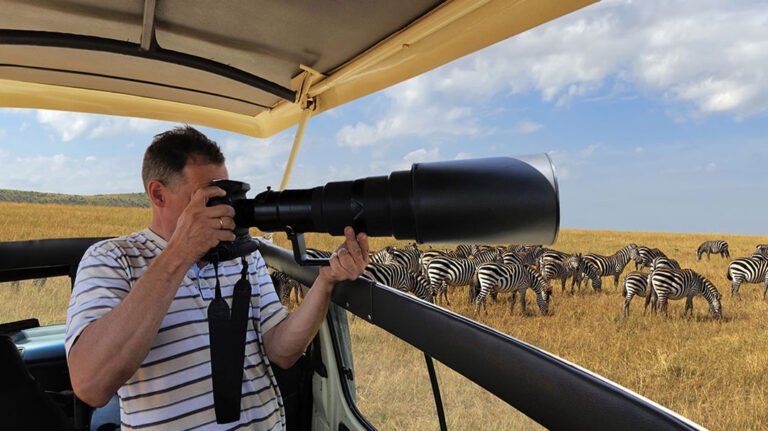
How Early Should I Book A Nov Or Dec Tanzania Group Safari?
How Early Should I Book a Nov or Dec Tanzania Group Safari?
View package details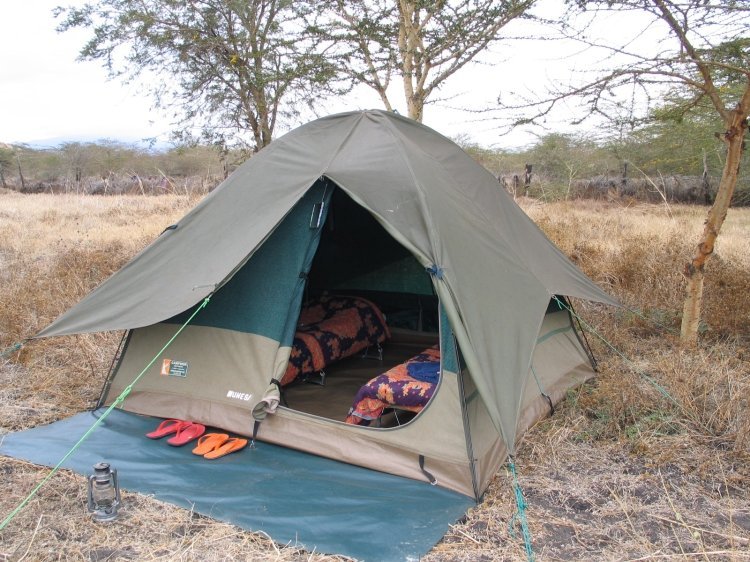
Can I Pay A Deposit To Reserve A Tanzania Group Safari?
Can I Pay a Deposit to Reserve a Tanzania Group Safari?
View package details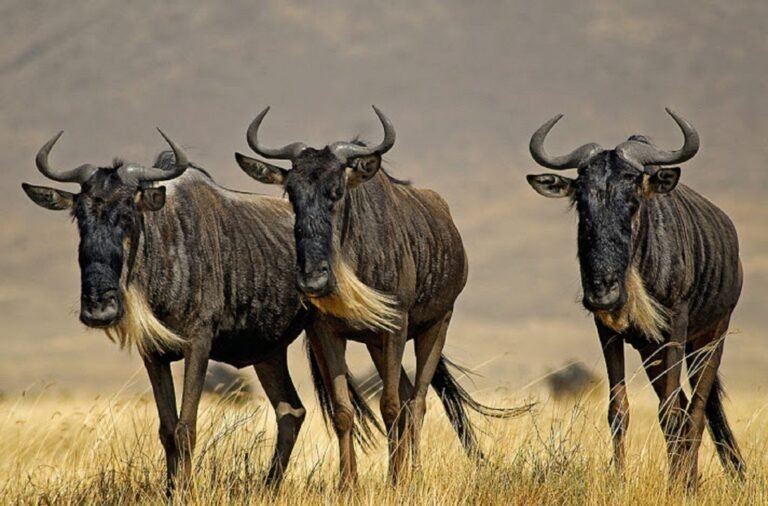
Nov 23, – 3 Day Serengeti And Ngorongoro Safari From Zanzibar
Nov 23, 2026 – 3 Day Serengeti and Ngorongoro Safari from Zanzibar.
View package details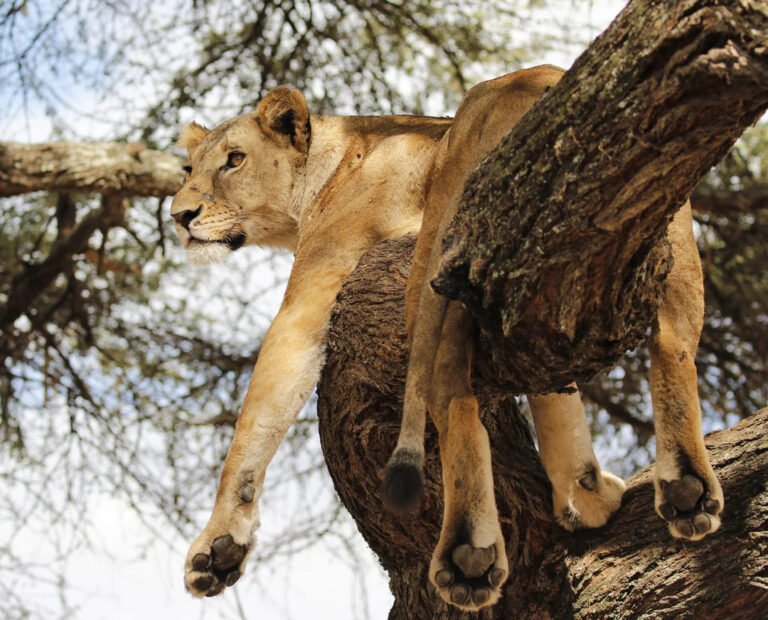
Dec 26, – 6 Day Christmas And New Year Northern Circuit Safari
Dec 26, 2026 – 6 Day Christmas and New Year Northern Circuit Safari.
View package details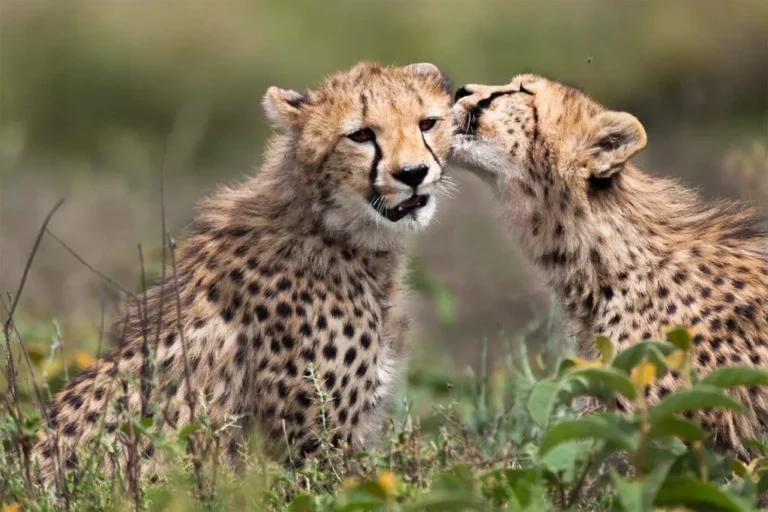
Dec 31, : New Year’s Eve Serengeti Group Safari Planning Guide
This guide provides essential planning details for a group safari trip to the Serengeti for New Year's Eve 2026, covering logistics, seasonal highlights, and what to expect.
View package details
Dec 22, – 3 Day Nyerere Group Joining Safari
Dec 22, 2026 – 3 Day Nyerere Group Joining Safari.
View package details
Can I Join A Safari That Has Already Confirmed Travellers?
Can I Join a Safari That Has Already Confirmed Travellers?
View package details
I Am On A Budget—What Is The Cheapest Serengeti Group Safari?
I Am on a Budget—What Is the Cheapest Serengeti Group Safari?
View package detailsNo related package matches those filters. Clear one or more filters to see the other topic-matched options.