
A comprehensive Tanzania Botswana and Zanzibar safari and beach itinerary for 2026-2027 typically spans 14-21 days, combining iconic wildlife viewing in Tanzania’s Serengeti and Ngorongoro Crater with the unique water-based safaris of Botswana’s Okavango Delta and Chobe National Park, concluding with relaxation on Zanzibar’s stunning beaches. This multi-country adventure requires careful planning to connect flights and optimize game drives, focusing on the best seasons for each region to maximize wildlife sightings and beach enjoyment.
- Connecting to Botswana: Flights and Logistics
- Okavango Delta: The Inland Delta Experience
- Mokoro Safaris: Gliding Through the Delta
- Game Drives in the Okavango Delta
- Chobe National Park: Elephant Capital of the World
- Botswana Safari Accommodation Styles
- Botswana Safari Logistics: Light Aircraft and 4x4s
Crafting Your Tanzania Botswana and Zanzibar Safari and Beach Itinerary
Embarking on a journey that weaves through the iconic wildlife plains of Tanzania, the unique water ecosystems of Botswana, and the idyllic beaches of Zanzibar is the pinnacle of an African adventure. This ambitious Tanzania Botswana and Zanzibar safari and beach itinerary offers a profound contrast of experiences, from the thrill of spotting the Big Five in their natural habitat to the serene beauty of turquoise waters and white sands. Planning such a trip requires a keen understanding of logistics, seasonal variations, and the distinct offerings of each destination. For travelers looking to experience the very best of East and Southern Africa in a single, unforgettable expedition, this combined itinerary is unparalleled. We’ll break down what makes each component special and how to stitch them together for a smooth 2026-2027 journey.
Why Combine Tanzania, Botswana, and Zanzibar?
The allure of combining Tanzania, Botswana, and Zanzibar lies in the unparalleled diversity of experiences they offer. Tanzania, particularly its Northern Circuit, is renowned for the Great Migration, vast savannas teeming with wildlife, and the dramatic Ngorongoro Crater. Botswana presents a different, yet equally spectacular, wildlife narrative with its pristine, low-volume tourism model, focusing on the unique floodplains of the Okavango Delta and the immense elephant herds of Chobe. Zanzibar, a semi-autonomous archipelago off the coast of Tanzania, provides the perfect counterpoint – a tropical island escape with rich history, vibrant culture, and impressive beaches. Together, they create a holistic African experience: the thrill of the wild, the wonder of unique ecosystems, and the relaxation of a tropical paradise. This Tanzania Botswana and Zanzibar safari and beach itinerary is for those who seek depth, variety, and the ultimate African dream vacation.
Ideal Duration for a Tanzania Botswana and Zanzibar Safari and Beach Itinerary
To truly appreciate the distinct wonders of Tanzania, Botswana, and Zanzibar without feeling rushed, a minimum of 14 days is recommended. However, for a more relaxed pace and to fully experience each location, an itinerary of 17 to 21 days is ideal. This allows for sufficient time on safari in both countries, including travel days between them, and ample relaxation on Zanzibar. A 14-day trip might involve 4-5 days in Tanzania, 4-5 days in Botswana, and 3-4 days in Zanzibar, including travel. Extending to 17-21 days permits deeper exploration within each park, perhaps an extra day in the Serengeti or Okavango, and more time to enjoy Zanzibar’s beaches and culture. For 2026-2027 travel, considering the longer duration ensures you don’t miss crucial aspects of this grand African adventure.
Best Time to Travel: Aligning Seasons for 2026-2027
The optimal timing for a Tanzania Botswana and Zanzibar safari and beach itinerary hinges on synchronizing the best wildlife viewing seasons and pleasant weather for each destination. Generally, the dry seasons offer the most consistent wildlife viewing as animals congregate around water sources, and the landscapes are more accessible.
- Tanzania (Northern Circuit): The dry season runs from June to October. This period is excellent for game viewing and also coincides with the Great Migration river crossings (usually July-September). The short rains from November to December can also be good, with fewer crowds. The long rains from March to May are generally best avoided for safaris due to difficult road conditions and dispersed wildlife.
- Botswana (Okavango Delta & Chobe): The prime time for Botswana is during its dry season, from May to October. This is when the Okavango Delta is at its fullest, making mokoro (dugout canoe) excursions spectacular and concentrating wildlife around the receding waters. Chobe also sees large elephant gatherings during this dry period. The shoulder months of April and November can also be rewarding with fewer visitors.
- Zanzibar: Zanzibar enjoys a tropical climate year-round, but the driest and sunniest months are typically from June to October and again from December to February. The “long rains” from March to May can bring heavy downpours, making beach time less predictable. The “short rains” in November are usually brief.
For 2026-2027, aiming for the period between June and October offers the best overall alignment. This window provides excellent game viewing in both Tanzania and Botswana, coincides with the peak of the Great Migration river crossings in the Serengeti, and offers sunny, dry weather for Zanzibar’s beaches. If your priority is the Okavango Delta’s floodwaters, May to September is superb. If seeing the migration in the southern Serengeti plains (calving season) is key, January to March is preferable, though this might mean less ideal weather for Zanzibar.
Sample Itinerary Overview: A 17-Day Journey
This sample itinerary balances the highlights of each destination, focusing on prime wildlife viewing and relaxation. It’s a template that can be adjusted based on your specific interests and available time for a 2026-2027 trip.
Days 1-5: Tanzania Safari (Serengeti & Ngorongoro)
- Day 1: Arrive Kilimanjaro International Airport (JRO), transfer to Arusha.
- Day 2: Arusha to Tarangire National Park. Game drive.
- Day 3: Tarangire to Ngorongoro Conservation Area. Crater descent and game drive.
- Day 4: Ngorongoro to Serengeti National Park (Central or Western Corridor). Game drive en route.
- Day 5: Full day game drive in Serengeti.
Days 6-9: Botswana Safari (Okavango Delta & Chobe)
- Day 6: Fly from Serengeti airstrip (or Arusha) to Maun, Botswana. Transfer to Okavango Delta lodge. Afternoon mokoro or game drive.
- Day 7: Okavango Delta activities (mokoro, walking safari, game drives).
- Day 8: Okavango Delta to Chobe National Park area. Game drive.
- Day 9: Morning game drive in Chobe. Afternoon boat cruise on Chobe River.
Days 10-14: Zanzibar Beach Relaxation
- Day 10: Fly from Kasane (near Chobe) or Maun to Zanzibar via Dar es Salaam or Nairobi. Transfer to beach resort (e.g., Nungwi, Kendwa, Paje).
- Day 11-13: Beach relaxation, water sports, optional spice tour, Stone Town visit.
- Day 14: Depart from Zanzibar International Airport (ZNZ).
Note: This sample assumes internal flights between regions, which are common for multi-country African trips. Depending on the exact routes and flight schedules for 2026-2027, this might involve overnight stays in transit cities like Nairobi or Dar es Salaam.
Part 1: Tanzania – The Northern Circuit’s Wildlife Spectacle
Tanzania’s Northern Circuit is arguably the most famous safari destination in Africa, renowned for its incredible density and diversity of wildlife, dramatic landscapes, and iconic parks. This part of your Tanzania Botswana and Zanzibar safari and beach itinerary sets the stage for an unforgettable wildlife encounter.
Entry Point: Arusha, Gateway to the Wild
Most international flights arrive at Kilimanjaro International Airport (JRO), located between Arusha and Moshi. Arusha, a bustling town at the foot of Mount Meru, serves as the primary gateway for Northern Circuit safaris. It’s a convenient place to spend a night upon arrival, allowing you to rest and prepare for your safari. Many tour operators, including Climb 4 Africa, arrange transfers from JRO to your Arusha hotel. You’ll typically meet your guide here for a safari briefing. For 2026-2027 travel, booking your Arusha accommodation in advance is advisable, especially during peak safari seasons.
Tarangire National Park: Land of Giants
Often the first stop on a Northern Circuit safari, Tarangire is celebrated for its large elephant herds, baobab trees, and diverse birdlife. The Tarangire River is a vital water source, especially in the dry season (June-October), attracting significant numbers of elephants, zebras, wildebeest, and various antelope species. The park’s landscape is a mix of acacia woodlands, savannah, and rocky hills, offering excellent game viewing opportunities. You can expect to see lions, leopards, cheetahs, giraffes, buffaloes, and a multitude of smaller mammals and birds. Its relatively lower visitor numbers compared to the Serengeti can make for a more intimate safari experience.
Lake Manyara National Park: Tree-Climbing Lions and Flamingos
Though small, Lake Manyara National Park packs a punch. It’s famous for its elusive tree-climbing lions, which are often found lounging in the branches of acacia trees. The park’s alkaline lake attracts vast flocks of flamingos, creating a spectacular pink spectacle. Beyond the lake, dense groundwater forests and savannah provide habitats for elephants, baboons, impalas, zebras, and giraffes. The park is also a birdwatcher’s paradise, with over 400 species recorded. A game drive here can be done in a half-day or a full day, often included as a stop between Tarangire and the Ngorongoro Crater.
Ngorongoro Conservation Area: The Eighth Wonder
The Ngorongoro Crater is a UNESCO World Heritage Site and one of the most awe-inspiring natural wonders on Earth. This vast volcanic caldera, about 20 kilometers wide, 600 meters deep, and 265 square kilometers in area, is home to an astonishingly high concentration of wildlife. Within its walls, you can find the ‘Big Five’ – lion, leopard, elephant, rhino, and buffalo – often in close proximity. The crater floor boasts a unique ecosystem with grasslands, swamps, and forests, supporting a resident population of over 25,000 animals. Its relatively small size means game viewing is incredibly rewarding, with animals rarely leaving the crater rim. Visitors typically spend a full day on the crater floor for game drives. Note: Restrictions apply to vehicle numbers and time spent inside the crater to preserve its delicate environment, so booking your safari with a reputable operator for 2026-2027 is crucial for securing access.
Serengeti National Park: The Endless Plains
The Serengeti is synonymous with African safaris. Its name, derived from the Maasai word ‘Siringet’ meaning ‘endless plains,’ perfectly describes its vast, sweeping landscapes. This iconic park is home to the largest lion population in Africa and is the stage for the Great Migration, one of nature’s most spectacular events. The Serengeti is divided into different regions, each offering unique experiences: the Central Serengeti (Seronera) is known for its resident wildlife year-round, the Western Corridor is famous for Grumeti River crossings during the migration, and the Northern Serengeti (Kogatende/Lamai) is the prime spot for Mara River crossings. For a comprehensive Tanzania Botswana and Zanzibar safari and beach itinerary, dedicating at least 2-3 full days to the Serengeti is essential.
The Great Migration: Timing Your Tanzania Safari
The Great Migration is the annual movement of over 1.5 million wildebeest, 200,000 zebras, and 400,000 gazelles across the Serengeti-Mara ecosystem in search of fresh grazing. Understanding its movements is key to planning your Tanzania safari for 2026-2027.
- January-March: Southern Serengeti plains (Ndutu area). Calving season, with millions of newborns. Excellent for lion and cheetah sightings as predators feast.
- April-May: Moving northwards. The “long rains” are typically occurring, making roads muddy and wildlife dispersed. Fewer tourists.
- June-July: Western Corridor and Grumeti River. Wildebeest and zebras begin to gather, preparing for river crossings.
- July-September: Northern Serengeti and Mara River. This is the peak time for dramatic river crossings, where wildebeest and zebras brave crocodiles and strong currents. This is a highlight for many visitors on a Tanzania Botswana and Zanzibar safari and beach itinerary.
- October-November: Moving southwards again, often crossing the Mara River once more before heading back towards the southern plains.
While the migration is a year-round phenomenon, timing your visit to witness a specific phase, like the river crossings, is critical for maximizing the spectacle.
Tanzania Safari Accommodation Options
Tanzania offers a wide range of accommodation, from rustic tented camps to luxurious lodges. Your choice significantly impacts the safari experience and budget for your 2026-2027 trip.
- Budget/Mid-Range: Public campsites offer a basic but authentic experience, often with shared facilities. Tented camps provide more comfort with permanent tents, beds, and sometimes en-suite bathrooms.
- Mid-Range/Luxury: Safari lodges offer comfortable rooms, often with swimming pools and dining facilities. Luxury tented camps provide an upscale wilderness experience with spacious canvas tents, fine linens, and gourmet dining. Many camps are strategically located for optimal wildlife viewing.
- Exclusive/High-End: Private conservancies and ultra-luxury lodges offer exceptional service, prime locations, and often exclusive-use areas, providing a more intimate and personalized safari.
For a Tanzania Botswana and Zanzibar safari and beach itinerary, selecting accommodation that aligns with your comfort level and budget is essential. Consider lodges and camps with excellent locations for game viewing and proximity to key attractions.
Tanzania Safari Transport: Vehicles and Logistics
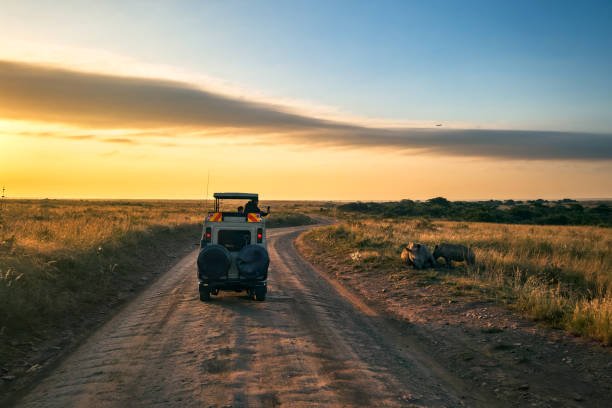
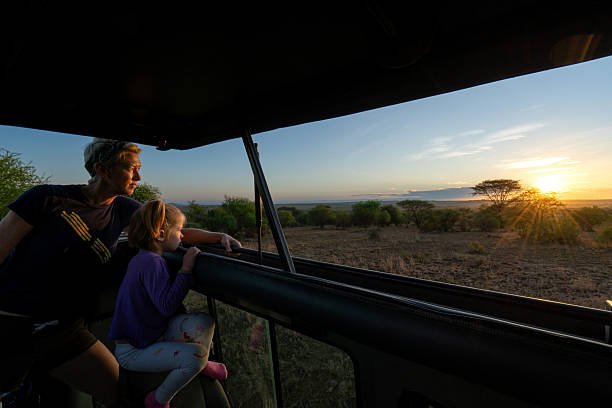
Safari transport in Tanzania typically involves custom-built 4×4 Land Cruisers or Land Rovers. These vehicles are equipped with pop-up roofs for unobstructed game viewing and photography. Your safari vehicle will be accompanied by an experienced, English-speaking driver-guide. For longer distances between parks, especially when connecting to other countries, internal flights are often used. For instance, flying from the Serengeti or Arusha to a hub that connects to Botswana saves considerable travel time.
Part 2: Botswana – The Jewel of Southern Africa
Botswana offers a contrasting yet equally magnificent safari experience, focusing on its pristine wilderness, unique water-based environments, and a commitment to low-impact, high-value tourism. This segment of your Tanzania Botswana and Zanzibar safari and beach itinerary introduces a different dimension of African wildlife encounters.
Connecting to Botswana: Flights and Logistics
Getting from Tanzania to Botswana typically involves flying. You’ll likely take a flight from a Tanzanian airport (e.g., Kilimanjaro, Arusha, or Serengeti airstrip) to a major hub like Nairobi (Kenya) or Dar es Salaam (Tanzania), and then connect to either Maun or Kasane in Botswana. This journey often takes a full day. For 2026-2027 travel, booking these multi-leg flights well in advance is critical due to limited routes and high demand. Some operators might arrange charter flights, but these are considerably more expensive.
Okavango Delta: The Inland Delta Experience
The Okavango Delta is a UNESCO World Heritage Site and one of the world’s largest inland deltas. It’s a unique ecosystem where the Okavango River flows into the Kalahari Desert, creating a vast network of channels, lagoons, and islands. The delta’s landscape transforms dramatically with the annual floodwaters, which arrive from the Angolan highlands between May and October. This influx of water creates lush grazing areas, attracting a spectacular array of wildlife, including elephants, hippos, crocodiles, lions, leopards, wild dogs, buffaloes, and a rich diversity of birdlife. The Okavango Delta is famed for its water-based safaris.
Mokoro Safaris: Gliding Through the Delta
One of the signature experiences in the Okavango Delta is the mokoro safari. A mokoro is a traditional dugout canoe, expertly poled by a local guide. Gliding silently through the shallow waterways offers an intimate perspective of the delta’s flora and fauna. You can observe aquatic life, birds at eye level, and even approach larger mammals like elephants and hippos from a unique vantage point. Mokoro excursions are typically offered in areas where water levels permit and are a highlight for many on a Tanzania Botswana and Zanzibar safari and beach itinerary seeking a tranquil wildlife encounter.
Game Drives in the Okavango Delta
While mokoro safaris are iconic, traditional 4×4 game drives are also conducted in the Okavango Delta, particularly in the drier, more peripheral areas or on islands accessible by vehicle. These drives allow you to cover more ground and seek out predators and other terrestrial wildlife. Many camps offer a combination of mokoro excursions, guided bush walks, and game drives, providing a well-rounded safari experience. The low-density tourism model in Botswana ensures that you rarely encounter other vehicles, enhancing the feeling of exclusivity.
Chobe National Park: Elephant Capital of the World
Adjacent to the Okavango Delta, Chobe National Park is renowned for having one of the largest concentrations of elephants in Africa, particularly in the Chobe Riverfront area. During the dry season, hundreds, sometimes thousands, of elephants gather along the river to drink and bathe, creating an incredible spectacle. Chobe also boasts large populations of lions, leopards, buffaloes, hippos, and a remarkable variety of water birds. The park is particularly famous for its boat safaris along the Chobe River, offering unparalleled views of wildlife from the water. This is an essential stop for any Botswana safari component of a Tanzania Botswana and Zanzibar safari and beach itinerary.
Botswana Safari Accommodation Styles
Botswana’s safari accommodation is typically of a high standard, reflecting its low-volume tourism policy. You’ll find a range of luxurious tented camps and lodges, often in prime wildlife locations.
- Tented Camps: These range from classic canvas tents with en-suite bathrooms and comfortable furnishings to more opulent, designer safari suites. They offer an in-depth wilderness experience.
- Lodges: Permanent structures, often built with natural materials, offering comfortable rooms, dining areas, lounges, and swimming pools.
- Mobile Camping Safaris: For a more adventurous and budget-conscious option, operators can arrange mobile safaris where a team sets up camp each night in different locations. This is a more rustic but highly authentic way to experience Botswana.
Accommodation in Botswana is generally all-inclusive, covering meals, local drinks, and safari activities. This simplifies budgeting for your 2026-2027 trip.
Botswana Safari Logistics: Light Aircraft and 4x4s
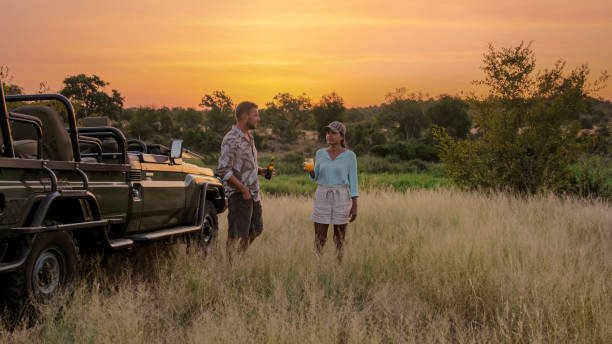
Travel within Botswana, especially to and from remote camps in the Okavango Delta, often involves light aircraft transfers. These scenic “bush flights” land on small airstrips, allowing you to access exclusive areas and offering incredible aerial views of the landscape and wildlife. Your safari activities within parks are conducted in open 4×4 safari vehicles, often specifically designed for the terrain. The combination of these transport methods is key to experiencing Botswana’s vastness and diverse habitats.
Part 3: Zanzibar – Island Paradise and Coastal Bliss
After the excitement of safaris in Tanzania and Botswana, Zanzibar offers a serene and culturally rich conclusion to your Tanzania Botswana and Zanzibar safari and beach itinerary. This exotic island promises relaxation, history, and beautiful tropical scenery.
Getting to Zanzibar: Flights from Tanzania and Botswana
From Botswana, you’ll typically fly from Maun or Kasane to Zanzibar (ZNZ) via a transit hub like Nairobi or Dar es Salaam. If you’re ending your Tanzanian safari in the Serengeti, you might fly back to Arusha or Kilimanjaro and then take a domestic flight to Zanzibar, or a flight from the Serengeti airstrip to Zanzibar via Dar es Salaam. These flights are a crucial logistical element for your 2026-2027 travel plans. Upon arrival at Zanzibar’s Abeid Amani Karume International Airport (ZNZ), you’ll be met and transferred to your chosen beach resort or Stone Town hotel.
Stone Town: A UNESCO World Heritage Site
Before heading to the beaches, consider spending a day or two in Stone Town, the historic heart of Zanzibar City. This UNESCO World Heritage Site is a labyrinth of narrow streets, bustling bazaars, and ancient buildings that reflect centuries of Arab, Persian, Indian, and European influences. Highlights include the House of Wonders, the Old Fort, the former Slave Market, and the vibrant Darajani Market. Exploring Stone Town offers a glimpse into the island’s rich cultural heritage and history, making it an enriching addition to your Tanzania Botswana and Zanzibar safari and beach itinerary.
Zanzibar’s Best Beaches
Zanzibar is synonymous with pristine white-sand beaches fringed by palm trees and lapped by the turquoise waters of the Indian Ocean. Each coast offers a different vibe:
- Nungwi and Kendwa (North): Famous for their stunning sunsets, calm waters, and vibrant atmosphere. They are excellent for swimming year-round, as they are less affected by tides.
- Paje and Jambiani (Southeast): Known for their long, expansive beaches, ideal for kite surfing (especially Paje) and experiencing local village life. The tides are more pronounced here, revealing vast sandbanks at low tide.
- Matemwe (Northeast): Offers a more tranquil and exclusive experience, with access to excellent diving and snorkeling sites, including the famous Mnemba Atoll.
- Kizimkazi (Southwest): Historically known for dolphin tours, though ethical concerns around dolphin tourism mean it’s often recommended to see dolphins responsibly or focus on other activities.
Your choice of beach will depend on your preference for activity, atmosphere, and tide patterns. For 2026-2027 beach holidays, booking beach resorts that align with your desired experience is key.
Spice Tours: Aromatic Adventures
Zanzibar is historically known as the “Spice Island” due to its lucrative spice trade. A spice tour is a fascinating sensory experience where you can learn about, smell, and taste a variety of spices like cloves, nutmeg, cinnamon, vanilla, cardamom, and exotic fruits. It’s an excellent way to understand the island’s agricultural heritage and connect with its history.
Snorkeling and Diving in Zanzibar
The waters around Zanzibar offer excellent opportunities for snorkeling and diving. The most renowned spot is Mnemba Atoll, a marine conservation area with vibrant coral reefs and abundant marine life, including colorful fish, sea turtles, and dolphins. Other popular spots include the reefs off Matemwe, Paje, and Nungwi. If you’re a diving enthusiast, planning your Tanzania Botswana and Zanzibar safari and beach itinerary to include dedicated time for underwater exploration is highly recommended for 2026-2027.
Zanzibar Accommodation Choices
Zanzibar offers a wide spectrum of accommodation, from charming guesthouses in Stone Town to luxurious beachfront resorts and boutique hotels.
- Stone Town: Boutique hotels and heritage guesthouses offer an atmospheric stay within the historic city.
- Beachfront Resorts: Options range from all-inclusive resorts and mid-range hotels to high-end villas and private bungalows, catering to various budgets and preferences.
- Boutique Hotels: Smaller, more intimate properties often offer personalized service and unique design.
When planning your 2026-2027 trip, consider how your chosen accommodation fits into your overall itinerary, especially its proximity to activities and transport links.
Logistics and Planning Your Tanzania Botswana and Zanzibar Safari and Beach Itinerary
Successfully combining these three distinct destinations requires meticulous planning. Here are key logistical considerations for your 2026-2027 adventure.
Visas and Passports
Passports: Ensure your passport is valid for at least six months beyond your intended stay and has sufficient blank pages for entry and exit stamps. Check visa requirements for your nationality for Tanzania and Botswana. Most nationalities can obtain a tourist visa upon arrival at the airport or border crossing, or apply online in advance. For Zanzibar, it’s typically covered under the Tanzanian visa. It is always best to check the latest visa regulations with the respective embassies or consulates well before your 2026-2027 travel dates.
Health and Vaccinations
Consult your doctor or a travel clinic at least 6-8 weeks before your trip regarding recommended vaccinations and malaria prophylaxis. Yellow fever vaccination may be required, especially if arriving from or transiting through a country with a risk of yellow fever. Both Tanzania and Botswana are considered malaria-risk areas, so taking precautions is essential. Tap water should be avoided; drink bottled water. Be mindful of food hygiene. Comprehensive travel insurance that covers medical emergencies and evacuation is mandatory.
Travel Insurance
Robust travel insurance is non-negotiable for a complex itinerary like this. Ensure your policy covers:
- Medical emergencies and repatriation (including air evacuation)
- Trip cancellation or interruption
- Loss or theft of baggage and personal items
- Activities such as safaris, mokoro trips, and potentially diving.
For 2026-2027 travel, securing comprehensive insurance should be one of your first booking steps.
Packing Essentials for All Three Destinations
Packing for a multi-destination trip requires versatility. Focus on light, breathable clothing in neutral colors (khaki, olive, beige) for safaris. Avoid bright colors and black/blue which can attract insects. Key items include:
- Lightweight, long-sleeved shirts and trousers (for sun and insect protection)
- T-shirts and shorts
- A warm fleece or jacket for cool evenings and early mornings
- Comfortable walking shoes or hiking boots
- Sandals or flip-flops for relaxing
- Swimsuit (for lodges with pools and Zanzibar)
- Sun hat, sunglasses, and high SPF sunscreen
- Insect repellent (with DEET)
- Binoculars
- Camera with extra batteries and memory cards
- Personal toiletries and any prescription medications
- A small backpack for day trips
- Adapter for electronics (Type D and G sockets are common)
- A reusable water bottle
For Zanzibar, add light beachwear and perhaps a light cover-up for evenings.
Budgeting Considerations for 2026-2027
A Tanzania Botswana and Zanzibar safari and beach itinerary is a significant investment. Costs vary widely based on accommodation level, time of year, and chosen activities. Generally:
- Tanzania: Mid-range safaris can range from $350-$600 per person per day, while luxury options can exceed $800-$1000+ pp/day. Park fees, accommodation, vehicle, guide, and meals are usually included.
- Botswana: Botswana is known for its higher-end, exclusive safaris. Expect costs from $600-$1200+ per person per day, covering accommodation, meals, drinks, and activities. Light aircraft transfers are a significant component.
- Zanzibar: Beach accommodation varies greatly, from $100-$200 per day for mid-range hotels to $400-$800+ for luxury resorts.
Internal flights between Tanzania, Botswana, and Zanzibar can add $800-$1500+ per person to the total cost. For 2026-2027, prices tend to increase annually, so booking early can sometimes secure better rates or availability.
Booking Your Tanzania Botswana and Zanzibar Safari and Beach Itinerary
Given the complexity of coordinating three countries, working with an experienced tour operator is highly recommended. They can handle all the logistics, secure the best accommodations and internal flights, and ensure smooth transitions. Look for operators with a strong presence and local knowledge in both Tanzania and Botswana. For a Tanzania Botswana and Zanzibar safari and beach itinerary, consider specialists like Climb 4 Africa who understand the nuances of cross-border travel and can tailor experiences. When you’re ready to discuss your dream 2026-2027 trip, contact them to get a personalized quote and itinerary. Be prepared to share your desired travel dates, budget range, and specific interests.
Ready to plan your ultimate African adventure for 2026-2027? Contact Climb 4 Africa today to discuss your bespoke Tanzania Botswana and Zanzibar safari and beach itinerary. We can help you navigate the best times to travel, select the perfect accommodations, and manage all the intricate logistics to create an unforgettable journey. Reach out via WhatsApp at +255 747 477 898 or email us at climb4africa@gmail.com to start planning.
Customization Options for Your Adventure
The beauty of a Tanzania Botswana and Zanzibar safari and beach itinerary is its flexibility. Your trip can be customized to align with specific interests, paces, and budgets for 2026-2027 travel. Consider these options:
- Focus on Photography: If photography is your passion, we can arrange specialized vehicles and guides who understand photographic needs, ensuring you have ample time for shots and optimal light.
- Bird Watching: For avid birders, we can incorporate specific areas known for avian diversity and engage guides with expert ornithological knowledge.
- Cultural Immersion: Add visits to local villages, Maasai communities in Tanzania, or interact with local fishermen in Zanzibar to gain deeper cultural insights.
- Adventure Activities: Beyond standard safaris, consider hot air balloon safaris over the Serengeti or exploring more remote areas of the Okavango Delta.
- Pace: Extend your stay in any location to explore more deeply, or shorten it if you have less time. For example, focus more on the Great Migration in Tanzania or dedicate extra days to water activities in Botswana.
- Accommodation Tiers: We can craft itineraries ranging from comfortable mid-range options to ultra-luxury experiences, ensuring your Tanzania Botswana and Zanzibar safari and beach itinerary meets your comfort and budget expectations for 2026-2027.
Discussing these customization options with your tour operator will ensure your trip is uniquely tailored to you.
Frequently Asked Questions
Here are answers to common questions about planning a Tanzania Botswana and Zanzibar safari and beach itinerary.
Q1: How many days are truly needed for a Tanzania, Botswana, and Zanzibar trip?
A: For a comprehensive experience without feeling rushed, 17-21 days is ideal. A 14-day trip is possible but requires a faster pace and may involve fewer activities in each location.
Q2: What is the best time of year for this combined trip in 2026-2027?
A: The period from June to October offers the best overall alignment, with dry weather for safaris and good conditions for Zanzibar. This also coincides with the Great Migration river crossings in Tanzania and peak water levels in Botswana’s Okavango Delta.
Q3: Is it possible to see the Great Migration in both Tanzania and Botswana?
A: The Great Migration is exclusive to the Serengeti ecosystem in Tanzania. Botswana offers incredible wildlife viewing, but it does not have the same large-scale migratory phenomenon. Your Tanzania Botswana and Zanzibar safari and beach itinerary will focus on the migration in Tanzania.
Q4: What are the main transport methods between these countries?
A: Travel between Tanzania and Botswana, and then to Zanzibar, is primarily done via scheduled commercial flights. Internal flights within Tanzania and Botswana, often on smaller bush planes, are also common for accessing remote camps.
Q5: What is the difference in safari experience between Tanzania and Botswana?
A: Tanzania’s Northern Circuit is known for its high wildlife density, iconic landscapes, and the Great Migration. Botswana offers a more exclusive, low-volume tourism experience, with unique water-based safaris in the Okavango Delta and vast elephant herds in Chobe.
Q6: Can I do a budget version of this trip?
A: While Botswana is generally a high-end destination, Tanzania offers more budget-friendly safari options (e.g., camping). Zanzibar has a wide range of accommodation. Combining these will still be a significant investment, but careful choices can influence the overall cost for 2026-2027 travel.
Q7: What kind of wildlife can I expect to see in each location?
A: In Tanzania and Botswana, expect to see the Big Five (lion, leopard, elephant, rhino, buffalo), plus giraffes, zebras, wildebeest, hippos, crocodiles, and numerous antelope species. Birdlife is abundant in all locations. Zanzibar is focused on marine life and beach activities.
Check Availability for Tanzania Botswana And Zanzibar Safari Beach Itinerary 2026-2027
Ready to compare dates, prices, and the best option for your group? Send the package name and travel month so the team can reply with a clear quote, availability, and what is included.
10-Day Tanzania Safari And Zanzibar Beach Holiday: Your Ultimate Itinerary
Combine the thrill of a Tanzania safari with the relaxation of Zanzibar for an unforgettable 10-day adventure. This itinerary balances iconic wildlife viewing with stunning tropical...
View package details
Serengeti Safari And Zanzibar Beach Holiday: The Ultimate Tanzania
Combine the thrill of a Serengeti safari with the relaxation of a Zanzibar beach holiday. This guide covers everything you need to know for an unforgettable Tanzania adventure in 2026-2027...
View package details
Tanzania Safari And Zanzibar Packages /: Your Complete Guide 2026-2027
Explore the best Tanzania safari and Zanzibar packages for 2026-2027. This comprehensive guide covers itinerary options, wildlife highlights, beach relaxation, and booking considerations to...
View package details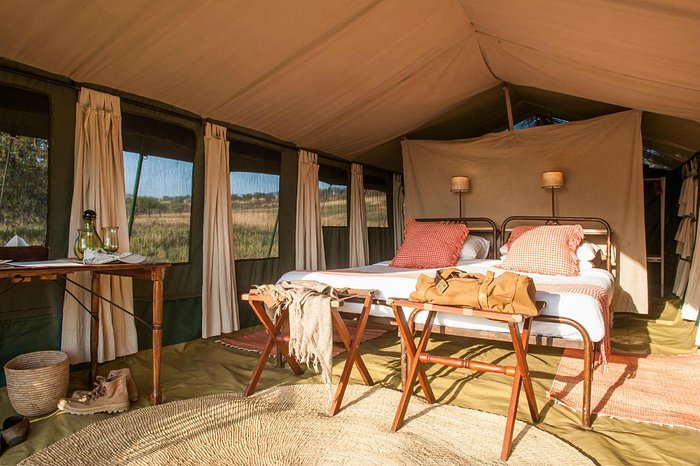
Safari From Zanzibar: Best Packages, Prices & Parks For 2026-2027
Combining a Zanzibar beach holiday with a Tanzania safari is a dream for many travelers. This guide details the best safari packages from Zanzibar, covering essential planning, park...
View package details
Tanzania Safari And Zanzibar All-Inclusive Packages Guide
Combine the thrill of a Tanzanian wildlife safari with the serene beauty of Zanzibar on an all-inclusive package. This comprehensive guide covers everything you need to know for planning...
View package details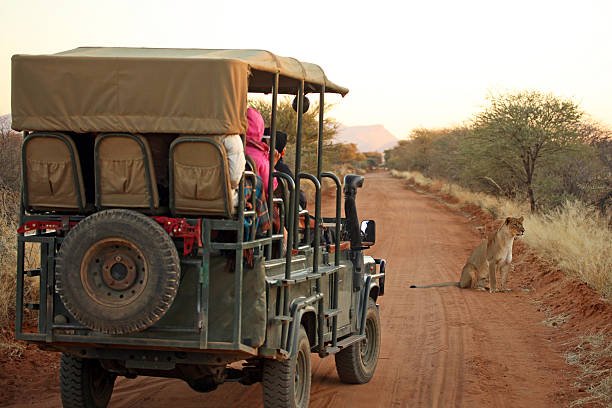
Zanzibar To Mikumi Safari: Flights, Prices And Itinerary Guide
Transition from the spice-scented beaches of Zanzibar to the wildlife-rich plains of Mikumi National Park. This guide details flight logistics, cost considerations, and sample itineraries...
View package details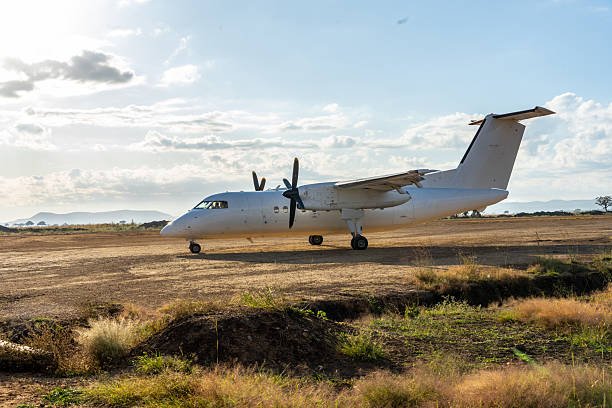
Zanzibar To Nyerere Safari Packages 2026-2027
Zanzibar to Nyerere Safari Packages is explained with current 2026-2027 planning, price, itinerary and booking information.
View package detailsZanzibar To Serengeti Safari Packages 2026-2027
Zanzibar to Serengeti Safari Packages is explained with current 2026-2027 planning, price, itinerary and booking information.
View package details3-Day Safari From Zanzibar 2026-2027
3-Day Safari From Zanzibar is explained with current 2026-2027 planning, price, itinerary and booking information.
View package details
2-Day Safari From Zanzibar: Your Quick Wildlife Escape In 2026-2027
Looking for a short, impactful wildlife adventure without a long trip? A 2-day safari from Zanzibar is your perfect solution. This guide covers the best options, what to expect, and how to...
View package detailsBest Family-Friendly Resorts In Tanzania For Unforgettable Adventures
Planning a family adventure in Tanzania? This guide highlights the best family-friendly resorts offering incredible wildlife viewing, cultural experiences, and comfortable stays for all...
View package detailsWildlife And Nature Titles: Your Ultimate Guide To Tanzanias Best Experiences
This comprehensive guide explores the most sought-after wildlife and nature titles in Tanzania, from iconic safari destinations and Kilimanjaro treks to the tropical allure of Zanzibar...
View package detailsNo related package matches those filters. Clear one or more filters to see the other topic-matched options.



