
The most practical ways to travel from Kenya’s Masai Mara to Tanzania’s Serengeti involve either a short charter flight directly between airstrips or an overland journey crossing the border, typically via the Isebania-Sirari border post, followed by a drive into the Serengeti. Charter flights offer speed and scenic views but are more expensive, while overland travel is budget-friendly and allows for experiencing more of the landscape, though it requires more time and planning.
Understanding Your Masai Mara to Serengeti Journey
Connecting two of Africa’s most iconic wildlife destinations, the Masai Mara National Reserve in Kenya and the Serengeti National Park in Tanzania, is a dream for many safari enthusiasts. These parks are geographically adjacent, separated by an international border, yet accessing one from the other requires careful planning. The decision of how to travel from Masai Mara Kenya to Serengeti Tanzania hinges on your priorities: speed, budget, the desire for scenic overland exploration, and your overall safari itinerary for 2026 or 2027. Both parks are part of the larger Mara-Serengeti ecosystem, famed for the Great Migration, making the transition between them a highlight for wildlife viewing.
As a local Tanzanian tour operator, Climb 4 Africa understands the intricacies of this cross-border travel. We help clients navigate the options, ensuring a smooth transition that maximizes wildlife viewing opportunities and aligns with their travel style and budget. Whether you’re aiming for a swift transfer to catch specific migration movements in 2026 or a more leisurely journey in 2027, understanding the logistics is key.
Option 1: The Scenic Flight (Fastest & Most Convenient)
For travelers prioritizing time and comfort, a charter flight between the Masai Mara and the Serengeti is the most direct and often preferred method. This option bypasses the complexities of border crossings and lengthy road transfers, allowing you to maximize your time on safari in both iconic locations.
How the Flight Transfer Works
The process typically involves taking a small aircraft from one of the Masai Mara’s many airstrips (such as Keekorok, Musiara, or Ol Kiombo) to an airstrip within the Serengeti. The specific airstrips used on the Tanzanian side depend on your chosen lodge or camp location within the Serengeti. Common Serengeti airstrips include Seronera, Kogatende, Lamai, or Grumeti, strategically placed to serve different regions of the park. The flight duration is usually short, often between 30 minutes to 1.5 hours, depending on the exact origin and destination airstrips and flight path.
Airstrips in Masai Mara Serving Flights to Serengeti:
- Keekorok Airstrip: Centrally located, serving lodges in the southern Mara.
- Musiara Airstrip: Located near the Mara River, ideal for lodges in the north and central Mara.
- Ol Kiombo Airstrip: Another popular option for lodges in the central and western Mara.
- And others depending on your specific camp location.
Airstrips in Serengeti Receiving Flights from Masai Mara:
- Seronera Airstrip (SEU): The main hub for the central Serengeti, accessible year-round.
- Kogatende Airstrip (KOG): Crucial for the northern Serengeti, especially during the Great Migration season (roughly June to October).
- Lamai Airstrip (LMM): Also in the north, near the Kogatende area.
- Grumeti Airstrip (GTZ): Serves the western Serengeti.
- Lobo Airstrip (LBO): In the northern Serengeti, often used as an alternative to Kogatende.
The choice of airstrip in Serengeti will be dictated by the location of your accommodation and the time of year, particularly if you are aiming to witness the Great Migration river crossings, which typically occur in the northern Serengeti between July and October. For 2026 and 2027 bookings, early planning is essential to secure preferred flight times and accommodation, especially if targeting migration season.
Advantages of Flying:
- Speed: Significantly cuts down travel time, allowing for more game drives.
- Scenery: Offers impressive aerial views of the African landscape and wildlife.
- Convenience: Avoids border formalities and lengthy road journeys.
- Comfort: Generally more comfortable than bumpy overland travel.
- Direct Access: Lands you close to your chosen Serengeti lodge or camp.
Disadvantages of Flying:
- Cost: This is the most expensive option. Prices can range from $350 to $600+ per person, depending on the route, operator, and season for 2026-2027.
- Luggage Restrictions: Light aircraft have strict weight and size limits for luggage (typically 15-20 kg per person in soft-sided bags).
- Weather Dependent: Flights can be delayed or canceled due to adverse weather conditions.
- Less Experiential: You miss out on the overland journey and border town experiences.
Booking Your Flight Transfer
Flight transfers are usually arranged by your safari operator as part of your package. When you book your safari with Climb 4 Africa, we coordinate these flights for you, ensuring they align with your accommodation bookings and safari schedule. We work with reputable light aircraft charter companies operating in East Africa. It’s crucial to provide your exact safari itinerary, including your last night’s accommodation in the Mara and your first night’s accommodation in the Serengeti, to ensure smooth coordination.
Booking Tip for 2026-2027: Secure your flight transfers well in advance, especially if traveling during peak seasons (June-October and December-March) or if you have specific flight time preferences. Early booking also helps ensure availability on preferred charter services.
Option 2: The Overland Journey (Budget-Friendly & Experiential)
The overland route is a more adventurous and budget-conscious way to travel from the Masai Mara to the Serengeti. This method involves driving to the Kenya-Tanzania border, completing immigration and customs procedures, and then continuing your journey into Tanzania by road.
The Overland Route Explained
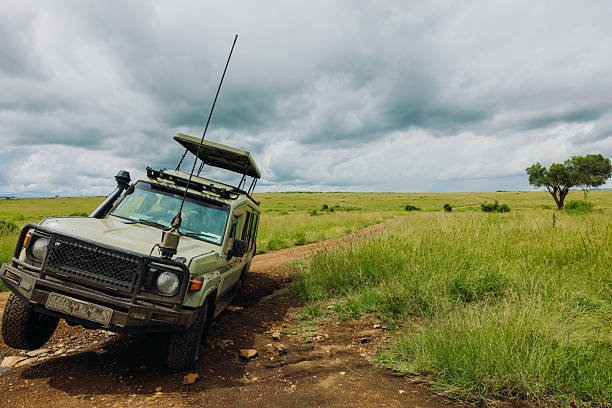
The standard overland route involves driving from your lodge in the Masai Mara to the Isebania-Sirari border crossing. This border post is located between the towns of Isebania (Kenya) and Sirari (Tanzania). From the Masai Mara, this drive can take anywhere from 3 to 6 hours, depending on your starting point in the Mara and road conditions, which can be challenging, especially during the rainy seasons. This journey often utilizes a 4×4 safari vehicle.
Once at the border, you will disembark your Kenyan vehicle and meet your Tanzanian guide and vehicle. The process involves exiting Kenya and entering Tanzania. This can be time-consuming, involving queues and paperwork. After clearing immigration, you will then drive into Tanzania towards the Serengeti National Park. The drive from the border to the nearest Serengeti entrance gate (like the Ikoma Gate or Lamai Gate, depending on your destination within the park) can take another 1-3 hours.
The total travel time for the overland journey can range from 8 to 12 hours or even longer, making it a full-day transfer. This option is best suited for travelers who are not time-constrained and wish to experience the local life along the border regions, or those on a tighter budget.
Advantages of Overland Travel:
- Cost-Effective: Significantly cheaper than flying. A shared overland transfer might cost between $200-$400 per person, while a private transfer can be $500-$800 per vehicle. These are estimates for 2026-2027 and can vary.
- Scenery & Culture: You get to see the landscape change and experience local life near the border towns.
- Flexibility: More flexibility with luggage compared to light aircraft.
- Direct Border Access: Allows for a direct physical transition between the two countries.
Disadvantages of Overland Travel:
- Time-Consuming: It’s a very long travel day, often from early morning to late afternoon or evening.
- Border Delays: Immigration and customs can be unpredictable, with potential for long waits.
- Road Conditions: Roads can be rough, dusty, and challenging, especially outside the dry season.
- Comfort: Less comfortable than flying, with potential for bumpy rides.
- Vehicle Change: You typically need to switch vehicles at the border for legal and logistical reasons.
Booking Your Overland Transfer
Overland transfers are also arranged by safari operators. If you choose this option, your operator will coordinate the handover of vehicles and guides at the border. This is a critical step to ensure a smooth transition. You’ll need to confirm details like the meeting point, the type of vehicle you’ll be using in Tanzania, and the expected arrival time at your Serengeti accommodation. For a 2026 or 2027 safari, confirm with your operator if they handle all arrangements or if you need to make separate bookings for Kenyan and Tanzanian portions.
Consideration for 2026-2027: Due to the potential for long delays at the border, especially during peak travel times, it’s advisable to start your overland journey as early as possible. Discuss potential visa requirements with your operator beforehand; though often visa-on-arrival is available, having it sorted can save time.
Choosing Your Border Crossing Point
While Isebania-Sirari is the most common and practical border crossing for connecting the Masai Mara and Serengeti, it’s worth noting other options exist, though they are generally less suitable for this specific transfer.
Isebania-Sirari: The Primary Route
Location: South-western Kenya, near the town of Isebania, connecting to Sirari in Tanzania. This is the most direct overland route from the southern and central parts of the Masai Mara to the Serengeti’s western or central regions.
Why it’s popular: It’s the most established and frequently used border post for this particular journey. It’s well-serviced by roads on both sides (though conditions can vary) and has immigration facilities for both countries. Tour operators are very familiar with the procedures here.
Considerations: Can be busy. Roads on the Tanzanian side leading into the Serengeti can be rough, particularly after rains. Ensure your tour operator has a reliable vehicle and experienced driver for the Tanzanian leg.
Other Potential Border Crossings (Less Common for Mara-Serengeti):
- Tarime: This border post is also in Tanzania, north of Sirari. It might be an option if your safari starts further north in the Serengeti (e.g., Kogatende), but typically, the road access from the Mara to Tarime is less direct and more challenging than to Sirari.
- Namanga: This is the main border crossing between Kenya and Tanzania used by travelers going to/from Nairobi and Arusha (for Kilimanjaro or Northern Tanzania safaris). It is located much further east and is not practical for direct travel between the Masai Mara and Serengeti. You would need to drive from the Mara to Nairobi, then to Namanga, which is a significantly longer route and adds considerable travel time and cost.
For the purpose of traveling from Masai Mara Kenya to Serengeti Tanzania, the Isebania-Sirari border crossing is almost always the recommended and most efficient overland option. All reputable tour operators specializing in this region will use this crossing for road transfers.
Visa and Immigration Procedures at the Border
Clearing immigration at Isebania-Sirari requires attention:
- Kenyan Exit: You will present your passport to Kenyan immigration officials to be stamped for exit.
- Tanzanian Entry: You will then proceed to Tanzanian immigration to obtain your entry visa and have your passport stamped. For many nationalities, visas can be obtained on arrival. However, it’s always best to check the latest visa requirements for your specific nationality for Tanzania in 2026-2027, as regulations can change. Some travelers may prefer to apply for e-visas in advance to save time.
- Vehicle Documentation: Your tour operator will handle the necessary cross-border documentation for the vehicles.
Traveler Tip for 2026-2027: Have your passport, visa (if pre-arranged), and any other required travel documents readily accessible. Carry sufficient USD cash in small denominations for visa fees, as ATMs might not be readily available or functional at the border post itself.
Key Considerations for Your 2026-2027 Trip
Planning your transition between the Masai Mara and Serengeti involves more than just choosing between flying or driving. Several factors can influence your decision and the overall experience.
Timing and the Great Migration
The timing of your trip is crucial if your primary goal is to witness the Great Migration. While the Masai Mara and Serengeti are adjacent, the wildebeest and zebra herds move in a predictable, albeit vast, cycle. The migration is typically in the Masai Mara from roughly July to October, crossing the Mara River into the northern Serengeti during this period. If you wish to see the river crossings, you would aim to be in the northern Serengeti (Kogatende/Lamai area) from July to October. This influences which Serengeti airstrip is best to fly into or which part of the park is most accessible overland.
For 2026 and 2027, the migration patterns are expected to follow historical trends, but exact timings can vary slightly year to year due to rainfall patterns. Planning your transfer to align with the herd’s location is paramount for a successful migration safari.
Accommodation Location
Where you stay in the Masai Mara and where you plan to stay in the Serengeti will dictate the most logical transfer method and route. If you are in the northern Masai Mara near the Mara River, you might be closer to the Tanzanian border and thus a slightly shorter overland drive. Similarly, if your Serengeti accommodation is in the north (Kogatende) or central (Seronera), this will influence flight routes and overland driving times.
Budget and Cost Breakdown
As highlighted, flying is significantly more expensive than overland travel. When budgeting for your 2026-2027 safari:
- Flights: Expect to pay $350-$600+ per person for a one-way charter flight.
- Overland: A private vehicle transfer might cost $500-$800 per vehicle, while shared options can be around $200-$400 per person.
- Park Fees: Remember that you will pay park entry fees for both Kenya (Masai Mara) and Tanzania (Serengeti). These are separate and substantial costs. Serengeti park fees are typically around $70-$80 per person per day, plus vehicle fees.
- Visas: Factor in visa costs for Tanzania if applicable to your nationality.
Travel Time and Duration
A flight transfer can take as little as half a day, including transfers to/from airstrips and waiting times. An overland transfer is a full day of travel, consuming precious safari time. If your safari is short (e.g., 7-10 days), maximizing time in the parks might mean choosing to fly. If you have more time (14+ days), an overland journey can be a more relaxed and integrated part of the experience.
Vehicle and Guide Requirements
When traveling overland, you will typically need to switch vehicles at the border. Kenyan-registered vehicles are generally not permitted to operate extensive tours within Tanzania, and vice versa. Your Tanzanian tour operator will arrange a Tanzanian-registered 4×4 safari vehicle and a qualified guide for your journey into the Serengeti. Ensure this is all part of the package you book.
Important Note for 2026-2027 Planning:
Many safari packages are designed for either Kenya or Tanzania. If you plan to visit both, ensure your itinerary and operator can seamlessly handle the cross-border logistics. Climb 4 Africa specializes in these combined itineraries, ensuring all vehicle, guide, and accommodation transitions are pre-arranged.
What to Pack for Your Cross-Border Safari
Packing for a safari that involves crossing borders requires a bit of foresight. The key is to pack light and smart, especially if you opt for the flight transfer.
Luggage Restrictions
For Flights: Light aircraft operators impose strict luggage limits, usually 15-20 kg (33-44 lbs) per person, packed in soft-sided duffel bags. Hard suitcases are generally not allowed. This is due to the limited cargo space and the weight limitations of the aircraft. Ensure your bags comply to avoid issues at the airstrip.
For Overland: While less restrictive, it’s still advisable to pack efficiently. You’ll be moving luggage between vehicles at the border, so ease of handling is beneficial. A larger suitcase might be manageable, but soft bags are always easier to stow in safari vehicles.
Essential Items:
- Clothing: Neutral-colored, lightweight clothing (khaki, olive green, beige). Layers are important as mornings and evenings can be cool, while days are warm. Include long sleeves and trousers for sun and insect protection.
- Footwear: Comfortable walking shoes or hiking boots (if you plan any walks), and sandals or flip-flops for camp.
- Sun Protection: Wide-brimmed hat, sunglasses, high SPF sunscreen.
- Insect Repellent: Especially important for evenings and early mornings.
- Camera and Binoculars: Essential for wildlife viewing. Bring extra batteries and memory cards.
- First-Aid Kit: A basic kit with personal medications, pain relievers, antiseptic wipes, and bandages.
- Personal Toiletries: Including hand sanitizer.
- Chargers and Adapters: For your electronic devices. Power banks are very useful.
- Documents: Passport, visa (if applicable), flight details, accommodation confirmations, vaccination certificates (e.g., Yellow Fever, if required). Keep digital copies too.
- Cash: USD is widely accepted for tips, souvenirs, and visa fees at the border. Carry a mix of small and larger denominations.
Tip for 2026-2027: Pack a small daypack with essentials like water, snacks, camera, binoculars, sunscreen, and a light jacket for your game drives, regardless of your transfer method.
Planning Your Serengeti Safari Post-Arrival
Once you’ve successfully made the journey from the Masai Mara to the Serengeti, the real adventure begins. Your experience in the Serengeti will depend heavily on the region you are visiting and the time of year.
Serengeti Regions and When to Visit
- Central Serengeti (Seronera Valley): Offers excellent game viewing year-round, with resident wildlife populations. It’s the most accessible region and a great option for first-time visitors or those who want reliable sightings.
- Northern Serengeti (Kogatende/Lamai): Best known for the Great Migration river crossings (July-October). This region is a must-visit for migration enthusiasts during these months.
- Western Serengeti (Grumeti): Famous for large crocodiles in the Grumeti River and good game viewing, especially during the migration’s passage (May-July).
- Southern Serengeti (Ndutu Area): The calving season of the Great Migration typically occurs here from late January to March, attracting predators. Note that Ndutu is technically in the Ngorongoro Conservation Area, but often included in Serengeti itineraries.
Typical Serengeti Itinerary Structure
A typical Masai Mara to Serengeti itinerary might look like this:
- Day 1-3: Masai Mara, Kenya
- Day 4: Transfer from Masai Mara to Serengeti (flight or overland)
- Day 5-7: Serengeti National Park, Tanzania (e.g., Central or North)
- Day 8: Optional: Ngorongoro Crater or Tarangire National Park, followed by departure from Kilimanjaro (JRO) or Arusha (ARK) airport.
This is a basic structure. Many travelers extend their Serengeti stay or combine it with other Tanzanian highlights like the Ngorongoro Crater, Tarangire, or Lake Manyara.
Choosing Your Serengeti Accommodation
Serengeti offers a range of accommodation options:
- Luxury Lodges: Permanent structures offering high-end amenities, fine dining, and stunning views.
- Tented Camps: Canvas structures that provide a more intimate “bush” experience, often with en-suite bathrooms and comfortable furnishings. These can be permanent or mobile (following the migration).
- Budget Camps/Tented Camps: More basic but still comfortable options for budget-conscious travelers.
The choice of accommodation will depend on your budget and desired level of comfort. For 2026-2027, booking accommodation, especially in popular areas like the northern Serengeti during migration season, is essential months in advance.
Activities in Serengeti
The primary activity is game driving in 4×4 safari vehicles. Other activities may include:
- Hot Air Balloon Safaris: A impressive way to see the Serengeti from above, usually at sunrise.
- Walking Safaris: Available in specific areas outside the main park boundaries or in concessions, offering a different perspective.
- Cultural Visits: Opportunities to visit local Maasai communities (though often more common in the Mara or near Ngorongoro).
Planning Tip for 2026-2027: If you plan to see the Great Migration river crossings, research which side of the river (Kenya/Mara River or Tanzania/Mara River) the herds are expected to be and plan your accommodation and transfer accordingly. The northern Serengeti, accessed via Kogatende or Lamai airstrips, is key for this during July-October.
Why Choose Climb 4 Africa for Your Transition?
Navigating the logistics of traveling from Masai Mara Kenya to Serengeti Tanzania can seem complex. As a tour operator based in Tanzania with extensive experience in East African travel, Climb 4 Africa simplifies this process for you.
Our Expertise in Cross-Border Safaris
We understand the nuances of border crossings, flight arrangements, and the best routes to connect these two world-class parks. Our team has firsthand knowledge of:
- Local Logistics: We know the best roads, reliable flight operators, and efficient border crossing procedures.
- Itinerary Design: We craft smooth itineraries that minimize travel time and maximize wildlife viewing, whether you choose to fly or drive.
- Accommodation Partnerships: We work with a curated selection of lodges and camps in both the Masai Mara and Serengeti, ensuring quality and value.
- Vehicle and Guide Coordination: We manage the handover of vehicles and guides at the border for overland transfers, ensuring continuity and professionalism.
Tailored 2026-2027 Safari Planning
Whether you’re planning a trip for 2026 or 2027, we can help you:
- Compare Options: We’ll discuss the pros and cons of flying versus overland travel based on your specific needs and budget.
- Secure Best Rates: By booking in advance, we can help secure competitive rates for flights and accommodation.
- Handle All Arrangements: From the moment you leave your Masai Mara camp to your arrival at your Serengeti lodge, we ensure every detail is covered.
- Provide Local Support: Our team is available to assist you throughout your journey.
Ready to plan your ultimate East African safari adventure? Understanding how to travel from Masai Mara Kenya to Serengeti Tanzania is the first step. Let Climb 4 Africa handle the complexities so you can focus on the incredible wildlife experiences awaiting you. We specialize in creating unforgettable journeys that connect these two legendary parks.
To discuss your personalized 2026 or 2027 safari itinerary and get a detailed quote, please reach out to us. We’re here to answer all your questions and help you plan the trip of a lifetime.
Contact Climb 4 Africa:
WhatsApp: +255 747 477 898
Email: climb4africa@gmail.com
“,
“faq_schema”: [
{
“question”: “What is the fastest way to travel from Masai Mara to Serengeti?”,
“answer”: “The fastest way to travel from Masai Mara to Serengeti is by charter flight. This typically takes 1-1.5 hours of flight time and bypasses border crossing procedures, making it a convenient option for maximizing safari time.”
},
{
“question”: “What is the most budget-friendly way to travel from Masai Mara to Serengeti?”,
“answer”: “The most budget-friendly way is via an overland journey. This involves driving to the Isebania-Sirari border crossing, clearing immigration, and then continuing by road into the Serengeti. It’s a full-day trip and significantly cheaper than flying.”
},
{
“question”: “Do I need to switch vehicles when traveling overland from Masai Mara to Serengeti?”,
“answer”: “Yes, typically you will need to switch vehicles at the Isebania-Sirari border. Kenyan-registered vehicles usually cannot operate extensively in Tanzania, and vice-versa. Your tour operator will arrange for a Tanzanian guide and vehicle to meet you on the other side.”
},
{
“question”: “What are the luggage restrictions for flights between Masai Mara and Serengeti?”,
“answer”: “Light aircraft operators have strict luggage limits, usually around 15-20 kg (33-44 lbs) per person, and require soft-sided duffel bags. Hard suitcases are generally not permitted due to space and weight constraints.”
},
{
“question”: “Can I get a visa for Tanzania at the Isebania-Sirari border?”,
“answer”: “For many nationalities, visas for Tanzania can be obtained on arrival at the Isebania-Sirari border. However, it is highly recommended to check the latest visa requirements for your nationality for 2026-2027 and consider applying for an e-visa in advance to save time.”
},
{
“question”: “When is the best time to travel from Masai Mara to Serengeti to see the Great Migration?”,
“answer”: “To see the Great Migration river crossings, you should aim to travel from the Masai Mara to the northern Serengeti (Kogatende/Lamai area) between July and October. During other times of the year, the migration is in different parts of the Serengeti or beyond.”
},
{
“question”: “How long does the overland journey from Masai Mara to Serengeti take?”,
“answer”: “The overland journey is a full day, typically taking between 8 to 12 hours or more, including the drive to the border, border crossing procedures, and the drive into the Serengeti National Park.”
}
]
}
“`
Check Availability for How Do I Travel From Masai Mara Kenya To Serengeti Tanzania 2026-2027
Ready to compare dates, prices, and the best option for your group? Send the package name and travel month so the team can reply with a clear quote, availability, and what is included.
3-Day Serengeti And Ngorongoro Safari: Your Ultimate Tanzania Wildlife
start a concise yet unforgettable 3-day Serengeti and Ngorongoro safari, designed to maximize wildlife encounters in Tanzania's most celebrated parks. This compact adventure offers a taste...
View package details
Serengeti Safari And Zanzibar Beach Holiday: The Ultimate Tanzania
Combine the thrill of a Serengeti safari with the relaxation of a Zanzibar beach holiday. This guide covers everything you need to know for an unforgettable Tanzania adventure in 2026-2027...
View package details
When Is The Great Migration In Tanzania And Kenya? Your Guide 2026-2027
The Great Migration's timing is dynamic, following the rains. Generally, it's in Kenya's Masai Mara from July to October, and in Tanzania's Serengeti from December to March. Planning around...
View package details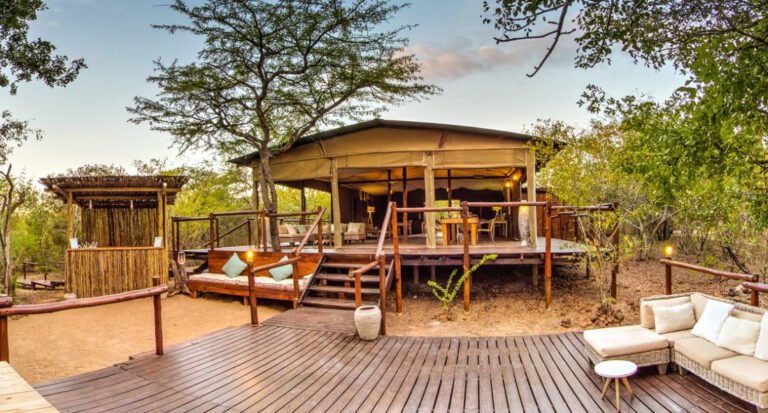
7-Day Tanzania Safari: Serengeti, Ngorongoro, And Tarangire In 2026-2027
A comprehensive guide to a 7-day Tanzania safari adventure, focusing on the iconic Serengeti National Park, the Ngorongoro Crater, and Tarangire National Park. Learn about optimal...
View package details
Serengeti Safari Tours: Prices, Packages & Best Time To Visit In 2026-2027
Discover everything you need to know for planning your Serengeti safari tour, from understanding pricing and package variations to identifying the ideal travel times in 2026-2027. This...
View package details
Zanzibar To Serengeti Safari Packages 2026-2027
Zanzibar to Serengeti Safari Packages is explained with current 2026-2027 planning, price, itinerary and booking information.
View package details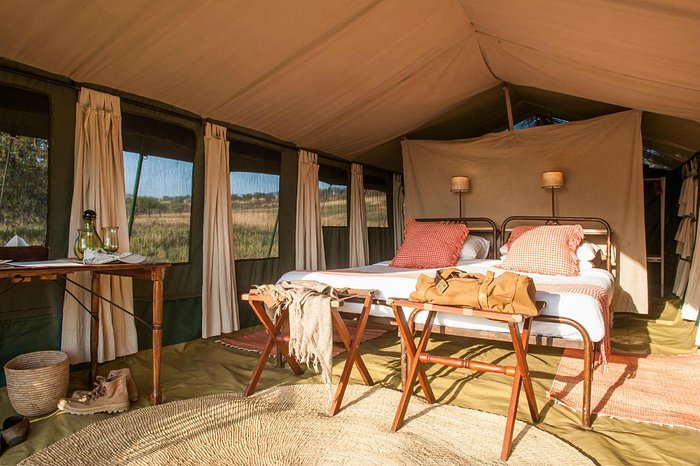
What Is The Best Month To Visit Serengeti? 2026-2027
What Is the Best Month to Visit Serengeti? is explained with current 2026-2027 planning, price, itinerary and booking information.
View package details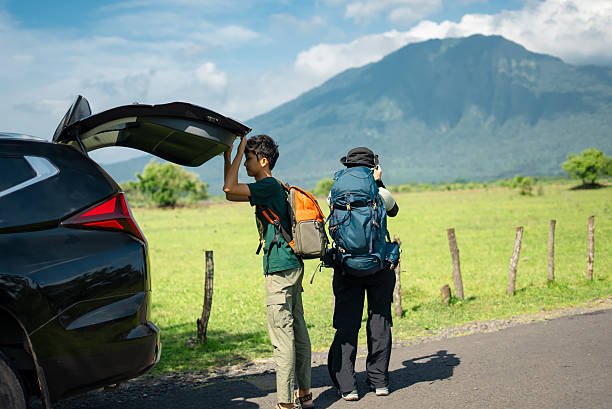
Tanzania Safari Tours & Packages /: Your Ultimate Wildlife Adventure 2026-2027
Discover the magic of Tanzania with expertly crafted safari tours and packages for 2026 and 2027. From the vast plains of the Serengeti to the depths of the Ngorongoro Crater, find your...
View package detailsBest African Safari Tours & Vacation Packages /: Your Ultimate Tanzania
start an unforgettable African safari adventure in 2026/2027 with expertly curated tours and vacation packages in Tanzania's most iconic wildlife destinations. From the Serengeti to the...
View package detailsPrivate Tanzania Safari Packages: Your Ultimate Guide For 2026-2027
Discover the unparalleled freedom and personalized experience of a private Tanzania safari package. This comprehensive guide for 2026-2027 explores custom itineraries, key destinations like...
View package details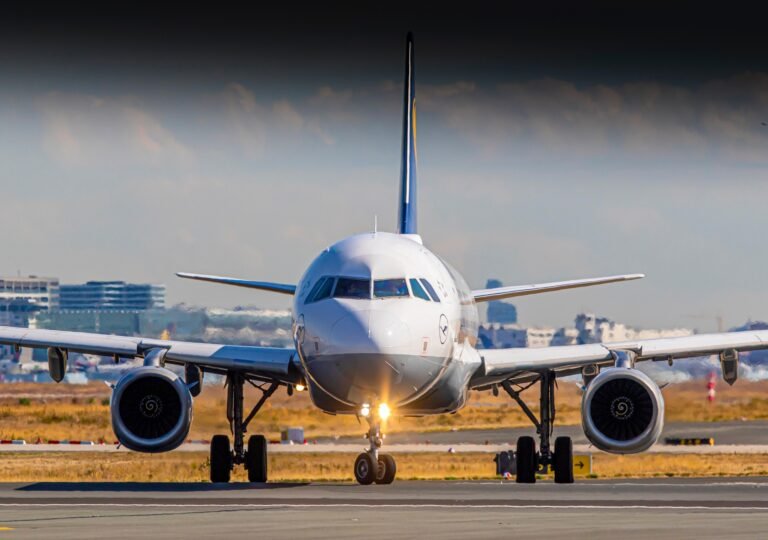
Serengeti Great Migration Safari Packages: Your Guide To Witnessing The Wonder
start an unforgettable journey with our comprehensive guide to Serengeti Great Migration safari packages for 2026-2027. Understand the best times to go, optimal viewing locations, and how...
View package detailsBest Places To See Wild Animals In Tanzania: Your Ultimate Safari Guide
Planning a safari to witness incredible wildlife? Tanzania offers some of the planet's most spectacular viewing opportunities. This guide explores the top destinations for seeing wild...
View package detailsNo related package matches those filters. Clear one or more filters to see the other topic-matched options.



