
To get from Kilimanjaro Airport (JRO) to the Serengeti, you have two primary options: a domestic flight directly to one of the Serengeti’s airstrips, or a combination of a road transfer to Arusha followed by another road transfer or a flight into the Serengeti. Flying is significantly faster, typically taking 1-2 hours from JRO to a Serengeti airstrip, whereas road travel can take 8-10 hours or more, often broken into stages. For most travelers aiming for a Serengeti safari in 2026-2027, flying is the most convenient and time-efficient choice, allowing you to start your wildlife viewing sooner.
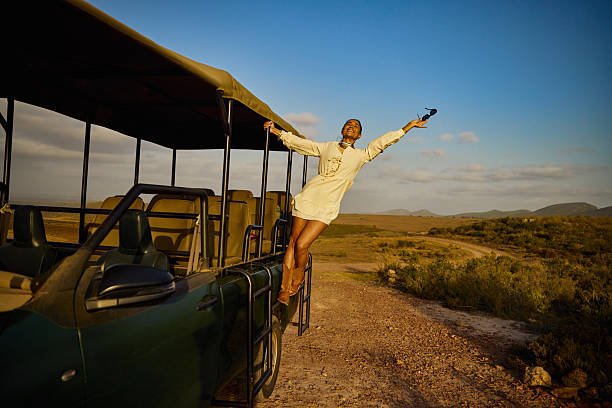
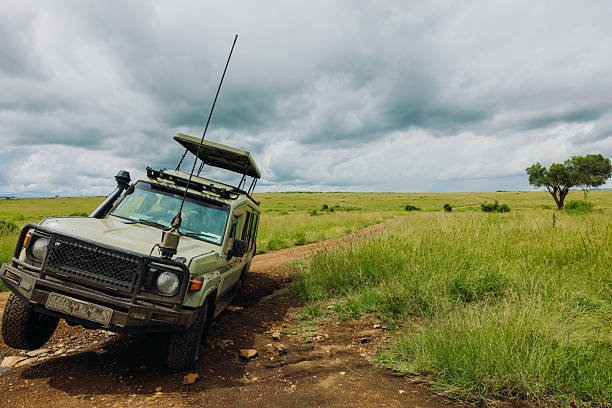
Understanding Your Kilimanjaro Airport to Serengeti Safari Journey
The adventure truly begins the moment you land in Tanzania, and for many, Kilimanjaro International Airport (JRO) is the gateway to the world-renowned Serengeti National Park. Navigating the transition from your international arrival to the vast plains of the Serengeti requires careful planning. This guide is crafted to provide you with all the essential information, helping you make informed decisions for your 2026-2027 safari. We’ll break down the different transfer methods, discuss their pros and cons, outline typical timings, and offer practical advice to ensure your journey is as smooth and enjoyable as possible. For a smooth experience, understanding the nuances of each option is key to maximizing your time on safari and minimizing travel stress.
1. The Direct Flight Option: Speed and Convenience
For those prioritizing time and comfort, flying directly from Kilimanjaro International Airport (JRO) to the Serengeti is the most popular and efficient method. This approach bypasses the long overland journey and gets you straight into the heart of the wildlife action. Several airstrips are scattered across the Serengeti, and your specific destination will depend on which region of the park your safari lodge or camp is located in. Common airstrips include Seronera, Grumeti, Kogatende, and Ndutu, among others. The choice of airstrip often correlates with the time of year, especially if you’re planning to witness the Great Migration, which moves between these regions.
How it Works: The Flight Process
Upon arrival at JRO, after clearing immigration and customs, you’ll be met by your safari operator’s representative. They will assist you with your luggage and transfer you to the domestic departures terminal or a designated lounge. Most domestic flights to the Serengeti are operated by light aircraft, typically seating between 6 and 12 passengers. These flights are usually operated by companies like Coastal Aviation, Auric Air, or Grumeti Air. The flight itself is an experience, offering spectacular aerial views of the Tanzanian landscape, including Mount Kilimanjaro on clear days, and eventually, the vast plains of the Serengeti dotted with wildlife. The flight duration can range from 1 hour to 2 hours, depending on the specific airstrip and any en-route stops.
Pros of Flying Direct
* Time-Saving: This is the biggest advantage. Instead of a full day or more of travel, you’re in the Serengeti within a couple of hours of clearing JRO. This maximizes your safari time, which is often limited.
* Comfort: The road journey can be long and bumpy, especially the latter half into the Serengeti. Flying offers a more comfortable and relaxed start to your safari.
* Scenery: The aerial views are simply stunning, providing a unique perspective of the Serengeti ecosystem.
* Access to Remote Areas: For camps located in more remote or exclusive-use areas of the Serengeti, flying might be the only practical way to reach them directly.
Cons of Flying Direct
* Cost: Flights are generally more expensive than overland transfers. Prices can vary significantly based on the season, airline, and booking time, but expect to pay anywhere from $350 to $600+ per person for a one-way flight.
* Luggage Restrictions: Light aircraft have strict weight and size limits for luggage. Typically, this is 15-20 kg (33-44 lbs) per person, packed in soft-sided duffel bags. Hard suitcases are usually not permitted. This requires careful packing.
* Weather Dependency: Flights can be subject to delays or cancellations due to adverse weather conditions, particularly during the rainy seasons. While rare, it’s a possibility to consider.
* Limited Flexibility: Flight schedules are fixed, meaning you have less control over your exact departure and arrival times compared to a private road transfer.
Typical Flight Itinerary
1. Arrival at JRO: Clear immigration, collect luggage, meet your safari representative.
2. Transfer to Domestic Terminal: A short drive from the international arrivals hall.
3. Check-in for Flight: Usually 1-1.5 hours before departure.
4. Flight to Serengeti Airstrip: 1-2 hours.
5. Arrival at Airstrip: Met by your lodge/camp’s guide.
6. Short Game Drive to Lodge: Your first taste of the Serengeti wildlife.
When planning for 2026 or 2027, booking your flights well in advance is crucial, especially if you’re traveling during peak season (June-October, December-February) or around major events like the Great Migration river crossings. Early booking often secures better prices and availability.
Choosing the Right Airstrip
Your safari operator will advise on the most appropriate airstrip based on your accommodation and the time of year. For example:
* Seronera Airstrip (SEU): Central Serengeti, accessible year-round, good for general wildlife viewing.
* Grumeti Airstrip (GMX): Western Serengeti, known for Grumeti River crossings during the migration.
* Kogatende Airstrip (KOG): Northern Serengeti, prime location for migration river crossings (July-October).
* Ndutu Airstrip (NDT): Southern Serengeti/Ngorongoro Conservation Area border, excellent for calving season (January-March).
Understanding these distinctions helps in planning an itinerary that maximizes your chances of seeing specific wildlife events. For instance, if you’re aiming for the 2027 Great Migration river crossings in the north, Kogatende would be your target airstrip.
2. The Road Transfer Option: A Scenic, Ground-Level Experience
While flying is faster, the overland road transfer from Kilimanjaro Airport (JRO) to the Serengeti offers a different kind of adventure – one that allows you to witness the changing landscapes and experience Tanzania at a more grounded pace. This option involves a journey that is typically broken into two main legs.
Leg 1: Kilimanjaro Airport (JRO) to Arusha
Your first step is a transfer from JRO to Arusha, the safari capital of Tanzania. This drive takes approximately 1 to 1.5 hours. Upon arrival at JRO, you’ll be met by your driver and transferred to your pre-booked accommodation in Arusha. This stop is often necessary for a few reasons: it allows you to rest after your international flight, break up the long journey, and provides an opportunity to meet your safari guide and vehicle if you haven’t already. Many travelers opt to spend a night in Arusha to acclimatize and prepare for the safari ahead.
Leg 2: Arusha to Serengeti National Park
This is the longest part of the overland journey, typically taking 8 to 10 hours, including stops. The route is as follows:
1. Arusha to Mto wa Mbu: This leg takes you through agricultural areas and small towns. Mto wa Mbu is a vibrant village known for its diverse population and banana plantations.
2. Mto wa Mbu to Makuyuni: The landscape starts to change, becoming drier as you approach the Great Rift Valley.
3. Makuyuni to Karatu: You’ll ascend towards the Ngorongoro Conservation Area highlands, passing through lush coffee plantations.
4. Karatu to the Serengeti Gate: This is where the true safari experience begins. You’ll enter the Ngorongoro Conservation Area (NCA) and then proceed towards the Serengeti National Park gates.
5. Entering the Serengeti: The drive through the NCA itself can be a mini-safari, with opportunities to spot wildlife. You’ll pass through the crater rim viewpoint (though not descend into the crater unless it’s a separate tour). The main gate into the Serengeti National Park is often the Naabi Hill Gate.
6. Drive to Lodge/Camp: Once inside the park, the drive to your accommodation can take several more hours, depending on its location within the vast Serengeti. This drive is also a game drive, so expect to stop frequently to observe animals.
Pros of Road Transfer
* Cost-Effective: Generally, a road transfer is more affordable than flying, especially for private transfers. This can be a significant factor for budget-conscious travelers in 2026-2027.
* Scenic Journey: You witness the diverse landscapes of Tanzania unfold before your eyes, from fertile farmlands to semi-arid plains and the highlands.
* Flexibility: With a private vehicle and guide, you can stop whenever you wish for photos, wildlife viewing, or to stretch your legs.
* First Game Drive: The entire journey from Arusha to your lodge serves as your first extended game drive, offering early wildlife encounters.
* No Luggage Restrictions: You are not subject to the strict weight limits of light aircraft.
Cons of Road Transfer
* Time-Consuming: It’s a very long day of travel, which can be tiring after a long international flight.
* Bumpy Roads: The latter half of the journey, especially once inside the Serengeti, involves driving on unpaved, often rough, dirt tracks. This can be uncomfortable, especially for those with back issues.
* Dusty Conditions: Depending on the season, the roads can be very dusty.
* Less Access to Remote Areas: For camps in very distant or exclusive areas, the road journey might be impractically long or even impossible.
When is Road Transfer a Good Choice?
* When budget is a primary concern.
* When you have ample time and want to savor the journey.
* When you are staying in the central or southern Serengeti, which are more accessible by road.
* When you prefer to experience the transition from civilization to wilderness gradually.
* If you have soft-sided luggage and are not concerned about weight limits.
For those planning a 2026-2027 safari, it’s worth noting that road conditions can change with the seasons. The dry season (June-October) generally offers better road conditions than the wet season (November-May), when tracks can become muddy and challenging.
3. Combining Flights and Road Travel
Many travelers opt for a hybrid approach, leveraging the speed of flights for one leg of the journey and the affordability or scenery of road travel for another. This can be a very practical solution, especially for those looking to balance cost, time, and experience.
Scenario 1: Fly into Arusha, Road Transfer to Serengeti
This is less common when arriving internationally at JRO, as it adds an extra travel segment. However, if you were to spend time in Arusha before your safari or perhaps arrive at Arusha Airport (ARK) from another Tanzanian destination, you might then opt for a road transfer to the Serengeti.
Scenario 2: Road Transfer to Arusha, Fly into Serengeti
This is a more practical hybrid. You might be met at JRO, transferred to Arusha for an overnight stay or a brief respite, and then the next morning, take a short drive to Arusha Airport (ARK) for a domestic flight into the Serengeti. This can sometimes be slightly cheaper than flying directly from JRO, as flights from ARK might have different pricing structures or cater to different schedules.
Scenario 3: Fly into Serengeti Airstrip, Road Transfer Out
Upon completion of your safari, instead of flying back to JRO, you might choose to take a road transfer back to Arusha or even Kilimanjaro. This is often done to save on the cost of the return flight, especially if your international flight departs late from JRO or if you plan to spend time in Arusha before your departure. This allows for a final game drive experience on the way out of the park.
Benefits of a Hybrid Approach
* Flexibility: Tailor your journey to your priorities – speed where it matters most, cost savings where possible.
* Balanced Experience: Enjoy the aerial views of a flight and the ground-level immersion of a road trip.
* Optimized Time: Use flights to cover the longest distances and road travel for shorter, more scenic segments.
This hybrid approach is particularly useful for those planning intricate itineraries for 2026-2027 that might include other destinations in Tanzania. For instance, if you’re combining a Kilimanjaro climb with a safari, you might fly into JRO, climb the mountain, and then opt for a road transfer from Moshi (near JRO) to Arusha, followed by a flight into the Serengeti. Conversely, after your Serengeti safari, you might drive back to Arusha to catch a flight to Zanzibar.
4. Factors Influencing Your Choice
Deciding between flying and driving from Kilimanjaro Airport (JRO) to the Serengeti involves weighing several personal and logistical factors. It’s not a one-size-fits-all decision, and what’s best for one traveler might not be ideal for another. Consider the following:
Budget
This is often the most significant factor. As mentioned, flights are considerably more expensive than road transfers. If your safari budget is tight, an overland transfer is almost certainly the way to go. If budget is less of a concern and you prioritize time and comfort, flights are a worthwhile investment. For 2026-2027 planning, research current flight costs and compare them with private or shared road transfer quotes to make an informed financial decision.
Time Available
If you have a limited number of days for your safari, maximizing your time in the Serengeti is paramount. Flying directly from JRO saves a full day of travel, meaning you can start your game drives on arrival day. If you have more time, the overland journey can be an enjoyable part of the experience.
Comfort and Physical Condition
The long, bumpy road journey can be challenging. If you have pre-existing back or neck issues, or if you simply prefer a smoother, more comfortable journey, flying is the better option. The road to the Serengeti is not paved for much of its length, and travel can be arduous.
Luggage
As noted, light aircraft have strict luggage limits (typically 15-20 kg per person in soft-sided bags). If you have a lot of luggage, or if you prefer to travel with hard suitcases, a road transfer is essential. Always confirm the exact luggage allowance with your chosen airline and tour operator.
Specific Lodge/Camp Location
Some lodges are located in remote parts of the Serengeti, making them much more accessible by air than by road. If your chosen accommodation is a significant distance from the main gates or roads, a flight to the nearest airstrip is often the only practical option.
Time of Year and Wildlife Viewing Goals
If your primary goal is to witness a specific event like the Great Migration river crossings (July-October in the north, or calving season in the south January-March), the timing and your chosen airstrip become critical. For example, to see the northern river crossings in 2027, you’d want to fly into Kogatende or a nearby airstrip. Similarly, for the calving season, flying into Ndutu is ideal.
Travel Style and Preferences
Do you enjoy road trips and seeing the countryside, or do you prefer to get to your destination as quickly as possible? Some travelers see the overland journey as an adventure in itself, a chance to observe rural Tanzanian life. Others view it purely as transit time to be minimized.
2026-2027 Considerations
When planning for the upcoming years, it’s wise to check for any changes in flight schedules, airline availability, or road infrastructure that might affect your decision. While the fundamental options remain the same, operational details can evolve. For example, new airstrips might open, or certain routes might become more or less popular. It’s also a good time to look at how different tour operators package these transfers – some might include flights in their safari packages, while others will offer them as an optional add-on.
5. Planning Your 2026-2027 Safari Transfer
Effective planning is the cornerstone of a successful safari, and your transfer from Kilimanjaro Airport (JRO) to the Serengeti is a critical component. Here’s how to approach it, keeping 2026 and 2027 in mind.
Booking Window
* Flights: For domestic flights to the Serengeti, it’s advisable to book at least 3-6 months in advance, especially if you’re traveling during peak season (June-October, December-February) or during the Great Migration season. This ensures availability and can sometimes secure better rates. For 2026, booking sooner rather than later is recommended if your dates are firm.
* Road Transfers: While less prone to ‘selling out’ in the same way flights do, booking your private road transfer with a reputable operator well in advance is still wise. This guarantees your preferred vehicle type and guide. For shared transfers, availability might also be limited depending on the operator.
Working with a Tour Operator
This is where a knowledgeable local tour operator like Climb 4 Africa becomes invaluable. They handle the complexities of coordinating your arrival, transfers, and safari logistics. When you inquire about a Serengeti safari for 2026 or 2027, be sure to discuss your preferences regarding the transfer:
* Clarify Inclusions: Does the safari package include the transfer from JRO? If so, is it a flight or a road transfer? If it’s an optional extra, what are the costs for each?
* Discuss Luggage: If flights are an option, your operator will remind you of the luggage restrictions and advise on suitable bags.
* Itinerary Customization: They can help you choose the best airstrip or optimal road route based on your lodge and safari goals for 2026-2027.
* Arrival Assistance: A good operator will arrange for a representative to meet you at JRO, assist with your luggage, and guide you through the process, whether it’s to the domestic terminal for a flight or to your waiting safari vehicle.
What to Pack for the Transfer
* Soft-sided Duffel Bag: Essential if flying. Ensure it meets the weight and size limits.
* Day Pack: For essentials you’ll need during the transfer (water, snacks, camera, sunscreen, hat, light jacket).
* Comfortable Clothing: For the flight or long drive.
* Camera and Binoculars: Ready for immediate wildlife sightings, especially on the road.
* Water and Snacks: While some operators provide these, it’s good to have your own, especially for long road journeys.
Cost Considerations for 2026-2027
* Flights: Expect $350 – $600+ per person, one-way. Prices can fluctuate. For 2026-2027, these figures are a good estimate, but always get a current quote.
* Private Road Transfer (JRO to Arusha to Serengeti): This can range from $300 – $600+ for the entire vehicle, depending on the vehicle type and the specific route. This cost is per vehicle, not per person, making it more economical for groups.
* Shared Road Transfer: Less common for the initial JRO-to-Serengeti leg, but possible if arranged through certain operators or lodges. Costs would be lower per person.
* Park Fees: Remember that Serengeti National Park entry fees are separate and are typically charged per person per 24-hour period, plus a vehicle fee. These will apply regardless of your transfer method.
Always request a detailed breakdown of costs from your tour operator to understand exactly what is included. For 2026 and 2027, confirm any potential increases in park fees or flight costs.
6. What to Expect on Arrival at JRO
Kilimanjaro International Airport (JRO) is the main entry point for most tourists visiting northern Tanzania. Navigating arrival can feel daunting, but understanding the process helps immensely.
Immigration and Visa
* Visa: Most nationalities require a visa for Tanzania. You can often obtain this online in advance (e-Visa) or upon arrival at JRO. Check the latest requirements for your nationality well before your 2026-2027 travel dates.
* Immigration Forms: You’ll be given arrival cards on your flight or at the airport. Fill these out accurately before reaching the immigration counter.
* Queues: Immigration queues can vary. Be prepared for a wait, especially during peak arrival times.
Baggage Claim and Customs
* Baggage: Collect your luggage from the carousel. It’s wise to have your luggage tagged with your name and destination (e.g., your safari operator’s name) to assist ground staff.
* Customs: Declare any items as required. There are usually separate channels for ‘nothing to declare’ and ‘goods to declare’.
Meeting Your Representative
This is a crucial step. After clearing customs, you will enter the arrivals hall. Look for a representative holding a sign with your name and/or the logo of your tour operator (e.g., Climb 4 Africa). They will be there to greet you, assist with your luggage, and guide you to your transfer vehicle or the domestic check-in area.
* Confirmation: If you don’t see your representative immediately, don’t worry. Wait in a designated area. If there’s still an issue, you can approach the information desk or contact your operator via phone.
* Contact Information: Ensure you have the contact details of your tour operator readily available in case of any issues. For Climb 4 Africa, you can use WhatsApp +255 747 477 898 or email climb4africa@gmail.com.
Transfer to Domestic Terminal or Vehicle
* For Flights: Your representative will assist you with your luggage and escort you to the domestic departures area or a lounge. They will ensure you check in for your Serengeti flight and know your departure gate.
* For Road Transfers: You will be led to your waiting safari vehicle. Your driver/guide will introduce themselves, help load your luggage, and brief you on the journey ahead.
Tips for a Smooth Arrival
* Stay Hydrated: The Tanzanian climate can be warm. Have water available.
* Be Patient: Airport procedures can take time. Relax and enjoy the start of your African adventure.
* Have Your Documents Ready: Passport, visa confirmation, flight details, and any other necessary paperwork.
* Communicate: If you have any specific needs or concerns, communicate them to your representative immediately.
By being prepared for these steps, your arrival at JRO will be a positive and stress-free beginning to your journey to the Serengeti, setting the tone for a memorable safari in 2026 or 2027.
7. Booking Your Transfer with Climb 4 Africa
When planning your safari from Kilimanjaro Airport (JRO) to the magnificent Serengeti, partnering with an experienced local operator like Climb 4 Africa ensures a smooth and well-managed transition. We specialize in creating tailor-made African travel experiences, from Kilimanjaro climbs to unforgettable wildlife safaris, and understand the critical importance of your arrival logistics.
Why Choose Climb 4 Africa for Your JRO to Serengeti Transfer?
* Local Expertise: We have intimate knowledge of Tanzania’s transport networks, flight schedules, road conditions, and the best routes to the Serengeti. This local insight is invaluable for planning the most efficient and enjoyable transfer for your 2026-2027 trip.
* Tailor-Made Solutions: We don’t offer one-size-fits-all packages. Whether you prefer the speed of a flight, the adventure of a road trip, or a combination, we will craft an itinerary that perfectly matches your preferences, budget, and time constraints.
* Reliable Partnerships: We work with trusted domestic airlines and experienced safari drivers to ensure your journey is safe, comfortable, and punctual.
* Comprehensive Support: From the moment you land at JRO, our team is dedicated to your well-being. We arrange for meet-and-greets, assist with luggage, and ensure you are comfortably settled into your onward transfer.
* Value for Money: We strive to provide competitive pricing without compromising on quality or service. We can help you navigate the costs of flights versus road transfers for your 2026-2027 safari and advise on the best value.
How to Book Your Transfer
1. Get in Touch: The first step is to reach out to us. You can do this via WhatsApp at +255 747 477 898 or by sending an email to climb4africa@gmail.com.
2. Share Your Details: When you contact us, please provide:
* Your arrival date and flight number into Kilimanjaro International Airport (JRO).
* Your safari dates and preferred duration in the Serengeti.
* Your preferred accommodation type or specific lodges/camps in the Serengeti.
* Your preferred transfer method (flight, road, or combination) and any budget considerations.
* The number of travelers in your group.
* Any specific interests or requirements (e.g., luggage constraints, physical limitations).
3. Receive a Custom Itinerary: Based on your information, we will prepare a personalized safari itinerary and a detailed quote, outlining the transfer arrangements and safari activities.
4. Confirm and Book: Once you are happy with the proposed itinerary and quote, we will guide you through the booking and payment process.
Let Climb 4 Africa handle the logistics of your journey from Kilimanjaro Airport to the Serengeti. We are committed to making your Tanzanian adventure an extraordinary and stress-free experience from start to finish, ensuring your 2026-2027 safari dreams become a reality.
A Note on 2026-2027 Planning
As you plan your safari for 2026 or 2027, remember that flexibility and early booking are key. The safari landscape can evolve, and popular lodges and flights fill up quickly. By engaging with experienced local operators like Climb 4 Africa, you gain access to up-to-date information and can secure the best options for your chosen travel dates. Whether you opt for a swift flight or a scenic drive, your journey to the Serengeti will be the start of an incredible wildlife adventure.
Pre-Transfer Checklist for Your Serengeti Safari
- Confirm Flight Details: Double-check arrival date, time, and flight number at JRO.
- Verify Visa Requirements: Ensure you have the necessary visa or have applied for one.
- Pack Appropriately: Soft duffel bags if flying, comfortable clothing for travel.
- Have Operator Contact Info: Keep Climb 4 Africa’s WhatsApp and email handy.
- Inform Operator of Delays: If your international flight is delayed, notify your operator immediately.
- Currency: Have some US Dollars (widely accepted) or Tanzanian Shillings for immediate needs.
- Luggage Weight: Reconfirm weight limits if flying.
Check Availability for How To Get From Kilimanjaro Airport To Serengeti Safari: Your Essential…
Ready to compare dates, prices, and the best option for your group? Send the package name and travel month so the team can reply with a clear quote, availability, and what is included.
Tanzania Safari Tours & Packages /: Your Ultimate Wildlife Adventure 2026-2027
Discover the magic of Tanzania with expertly crafted safari tours and packages for 2026 and 2027. From the vast plains of the Serengeti to the depths of the Ngorongoro Crater, find your...
View package detailsWildlife And Nature Titles: Your Ultimate Guide To Tanzanias Best Experiences
This comprehensive guide explores the most sought-after wildlife and nature titles in Tanzania, from iconic safari destinations and Kilimanjaro treks to the tropical allure of Zanzibar...
View package details
Serengeti Safari Tours: Prices, Packages & Best Time To Visit In 2026-2027
Discover everything you need to know for planning your Serengeti safari tour, from understanding pricing and package variations to identifying the ideal travel times in 2026-2027. This...
View package details
3-Day Serengeti And Ngorongoro Safari: Your Ultimate Tanzania Wildlife
start a concise yet unforgettable 3-day Serengeti and Ngorongoro safari, designed to maximize wildlife encounters in Tanzania's most celebrated parks. This compact adventure offers a taste...
View package details
Serengeti Safari And Zanzibar Beach Holiday: The Ultimate Tanzania
Combine the thrill of a Serengeti safari with the relaxation of a Zanzibar beach holiday. This guide covers everything you need to know for an unforgettable Tanzania adventure in 2026-2027...
View package details
Zanzibar To Serengeti Safari Packages 2026-2027
Zanzibar to Serengeti Safari Packages is explained with current 2026-2027 planning, price, itinerary and booking information.
View package details
Serengeti Great Migration Safari Packages: Your Guide To Witnessing The Wonder
start an unforgettable journey with our comprehensive guide to Serengeti Great Migration safari packages for 2026-2027. Understand the best times to go, optimal viewing locations, and how...
View package details
7-Day Tanzania Safari: Serengeti, Ngorongoro, And Tarangire In 2026-2027
A comprehensive guide to a 7-day Tanzania safari adventure, focusing on the iconic Serengeti National Park, the Ngorongoro Crater, and Tarangire National Park. Learn about optimal...
View package details
All-Inclusive African Safari Vacations Guide
start an all-inclusive African safari vacation in Tanzania, a premier destination for wildlife viewing in 2026-2027. This comprehensive guide covers everything from iconic parks like the...
View package details
Best African Safari Tours & Vacation Packages /: Your Ultimate Tanzania
start an unforgettable African safari adventure in 2026/2027 with expertly curated tours and vacation packages in Tanzania's most iconic wildlife destinations. From the Serengeti to the...
View package details
Private Tanzania Safari Packages: Your Ultimate Guide For 2026-2027
Discover the unparalleled freedom and personalized experience of a private Tanzania safari package. This comprehensive guide for 2026-2027 explores custom itineraries, key destinations like...
View package detailsBest Places To See Wild Animals In Tanzania: Your Ultimate Safari Guide
Planning a safari to witness incredible wildlife? Tanzania offers some of the planet's most spectacular viewing opportunities. This guide explores the top destinations for seeing wild...
View package detailsNo related package matches those filters. Clear one or more filters to see the other topic-matched options.



